If you’ve ever wondered why your feline friend transforms into a furry shadow throughout the day, you’re certainly not alone. This endearing yet sometimes puzzling behavior has captured the attention of researchers worldwide. The science behind cats following their owners reveals a fascinating blend of evolutionary adaptations, deep emotional bonds, and surprisingly sophisticated social intelligence that challenges everything we thought we knew about feline independence.
From ancestral survival instincts to modern attachment theories, the reasons your cat trails behind you are far more complex than simple curiosity or food motivation. Let’s explore the compelling scientific discoveries that explain this common yet remarkable behavior.
The Deep Science of Feline Attachment
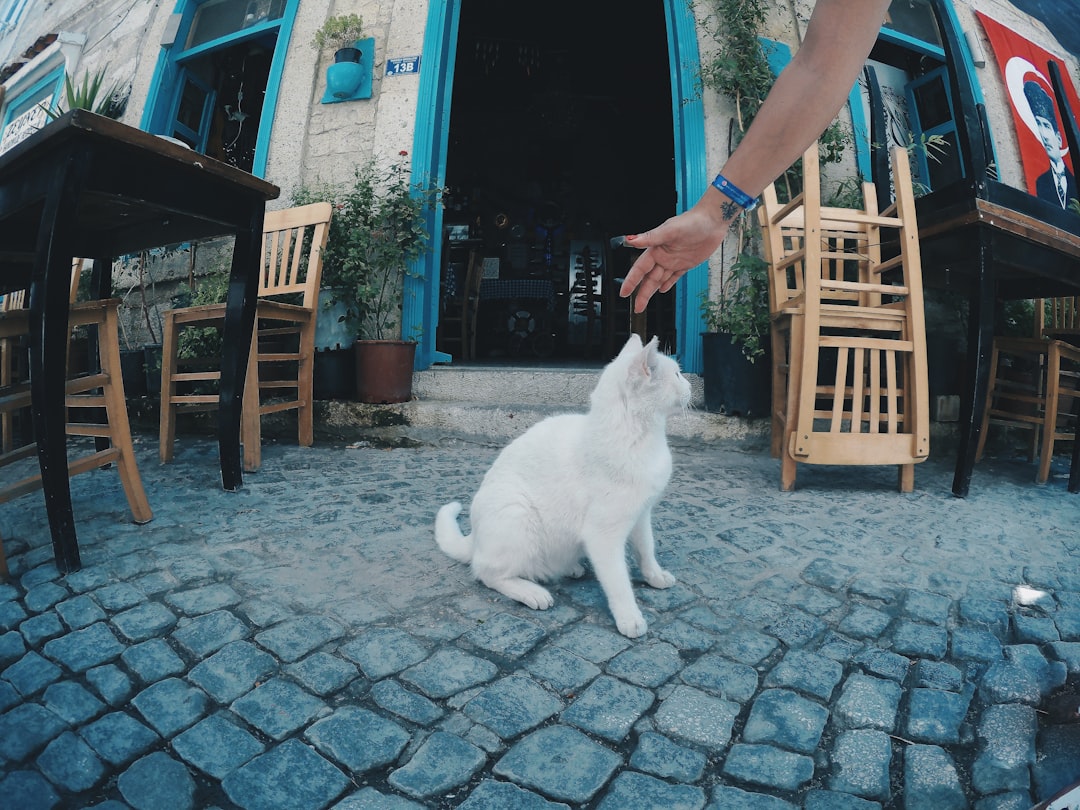
Recent groundbreaking research has revolutionized our understanding of the cat-human bond. Contrary to cats’ aloof reputation, most felines form deep, secure bonds with their owners, with 65 percent of felines forming secure attachments with their owners. This finding stems from studies using modified versions of psychology’s Strange Situation Test, originally designed to assess human infant-caregiver relationships.
Distinct attachment styles were evident in adult cats, with a distribution similar to the kitten population (65.8% secure, 34.2% insecure). These attachment patterns mirror those found in human children and dogs, suggesting cats possess far more emotional complexity than previously understood. When cats follow you from room to room, they’re often expressing these deep-seated attachment bonds.
The findings indicate that cats have a greater flexibility and depth of social relationships than previously thought, suggesting that some cats are bonding with us as caretakers. This scientific evidence directly contradicts the stereotype of cats as emotionally distant creatures.
Evolutionary Programming: The Mother-Kitten Connection
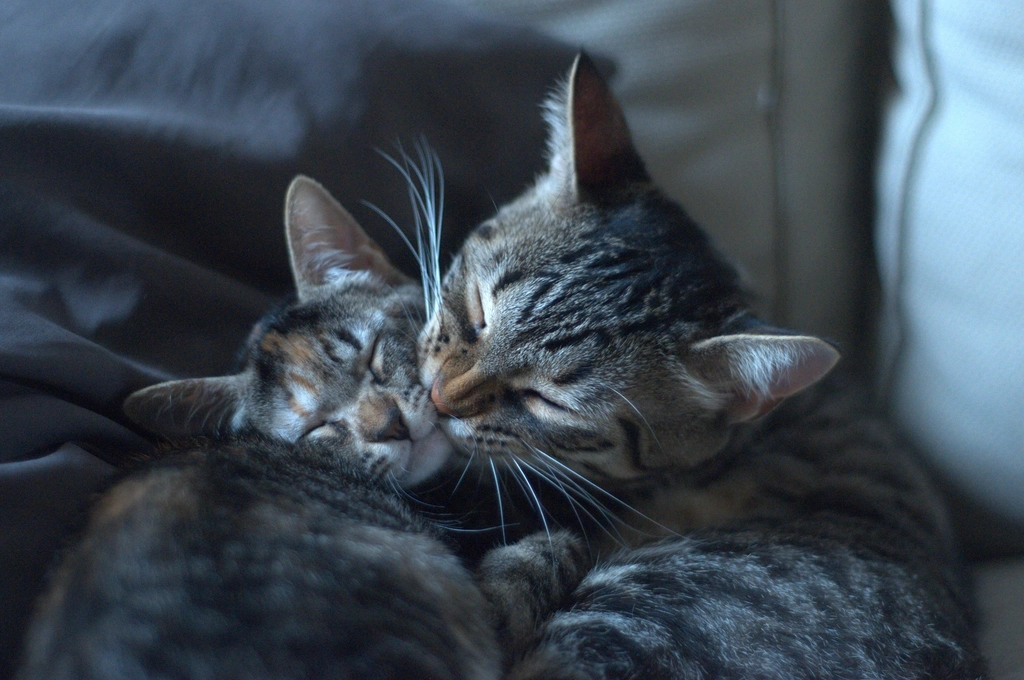
They are using behavior that they would use toward their mother – all the behavior they show toward us is derived in some way from the mother-kitten relationship. The kitten learns to raise its tail, rub on its mother, and knead and purr. This profound insight explains why your adult cat treats you similarly to how they once interacted with their mother.
When they’re first born, kittens follow their mothers around because they depend on them for food and shelter. As their parent, your cat depends on you for the same things, so they may think of you in a similar way. This biological programming runs so deep that it persists throughout their entire lives.
The following behavior essentially represents your cat’s way of maintaining the crucial bond they once shared with their mother. That connection stays strong even when they grow up, so when your cat follows you, it’s like how a kitten follows its mom for safety and comfort. It’s natural behavior that comes from how they learned to feel secure.
Neoteny: When Adult Cats Retain Kitten Behaviors
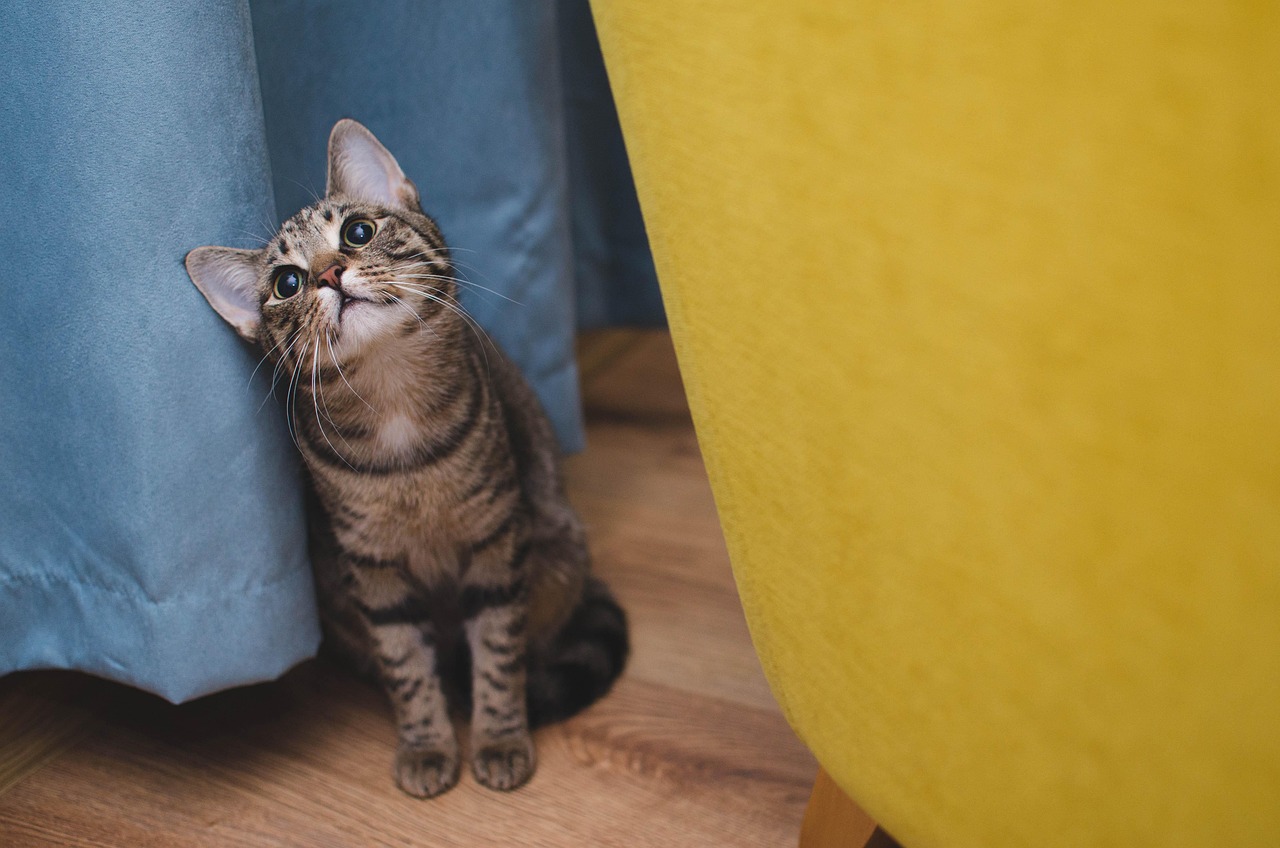
Neoteny is when an animal retains their juvenile physical or behavioral traits into adulthood. It’s likely these traits are advantageous for cats when needing to socialize with humans and other cats or animals in the household. This fascinating evolutionary adaptation explains many of the endearing behaviors we see in domestic cats.
Adult domesticated cats also use neotenized signals, such as meowing, kneading, and purring, all of which are commonly observed in juvenile felids. However, these signals are routinely used by adult domesticated cats to communicate with humans. Following behavior falls squarely into this category of retained juvenile characteristics.
Cats carry these infantile behaviors beyond nursing and into adulthood. Because most of the preferred “domestic traits” are neotenous, or juvenile traits that persist in the adult, kneading may be a relic juvenile behavior retained in adult domestic cats. This biological programming makes your cat’s shadowing behavior a natural extension of their developmental blueprint.
Curiosity and Environmental Exploration
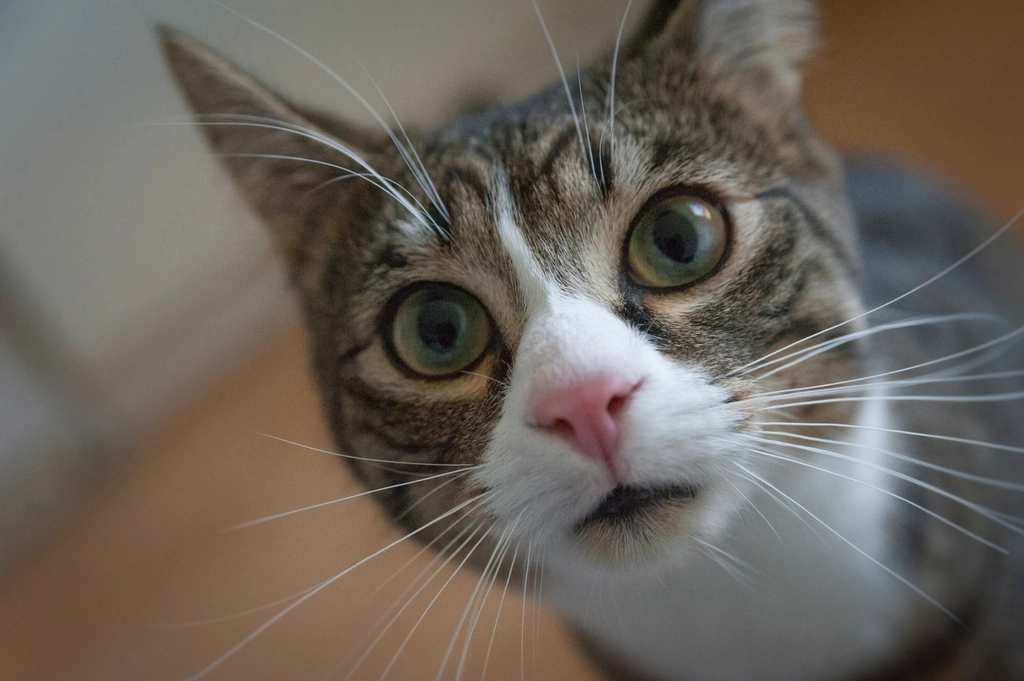
Cats are curious creatures. From the moment you head to the kitchen or walk into the bathroom, they want to know what you’re up to. That curiosity, paired with other emotional and biological reasons, often explains why your cat follows you everywhere. This innate curiosity drives much of their following behavior.
Cats are naturally curious animals, so your kitty companion may just want to see what you’re up to. Each room you walk into provides your animal with a host of new scents that keep them engaged and occupied. Your movements essentially create a mobile entertainment system for your cat.
Whether it’s checking out a new bag, a sunny spot, or a new room, they enjoy the adventure and feel safer when you’re nearby. For shy cats, sticking close to you gives them the courage to check out new things. Following you becomes their way of exploring while maintaining the security of your presence.
Attention-Seeking and Social Interaction
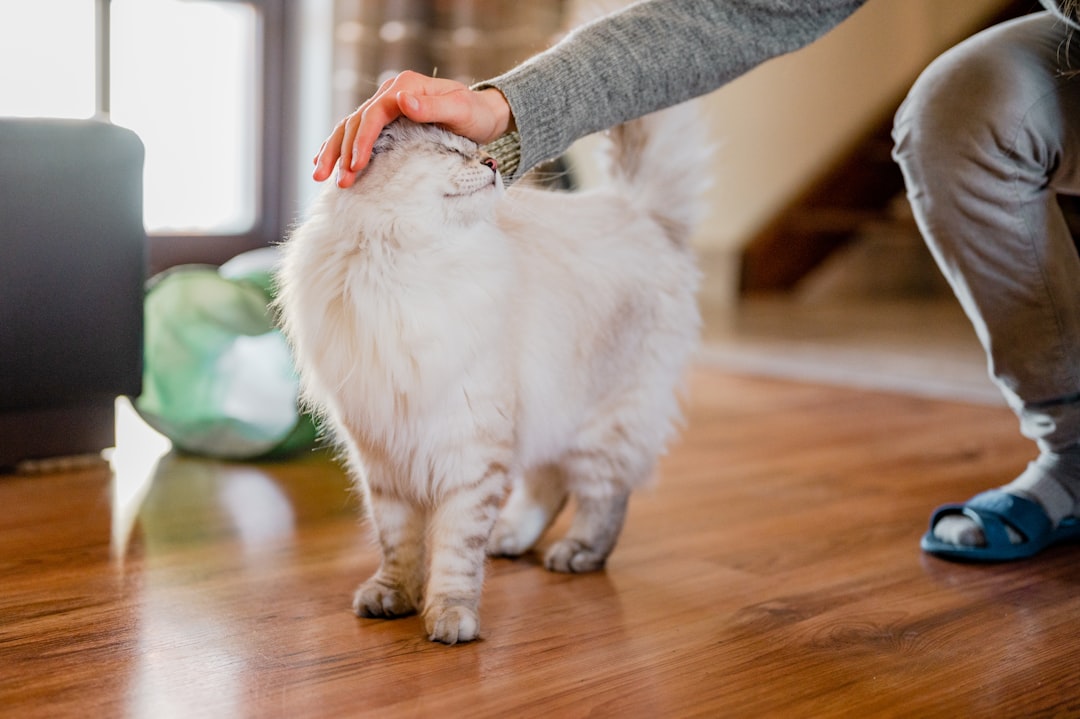
Sometimes cats also follow us around as a means of getting our attention. This is the more likely behavior when a cat follows the owner around and also starts to meow. Your cat has learned that following you often results in the social interaction they crave.
Pets can feel ‘left behind’ if not given enough attention. Your cat might follow you to gain your petting, play, or a snack. Ensure you offer them love and daily enrichment to keep them happy and healthy. This behavior often intensifies when cats feel they haven’t received adequate attention.
If your cat is following you for attention, play, or affection, they might nudge you with their nose, paw at you, bunt or head butt you, or rub up against you. You might also see increased meowing and vocalizations like chirps, trills, and purring. These accompanying behaviors help distinguish attention-seeking from other motivations.
Food Motivation and Learned Associations
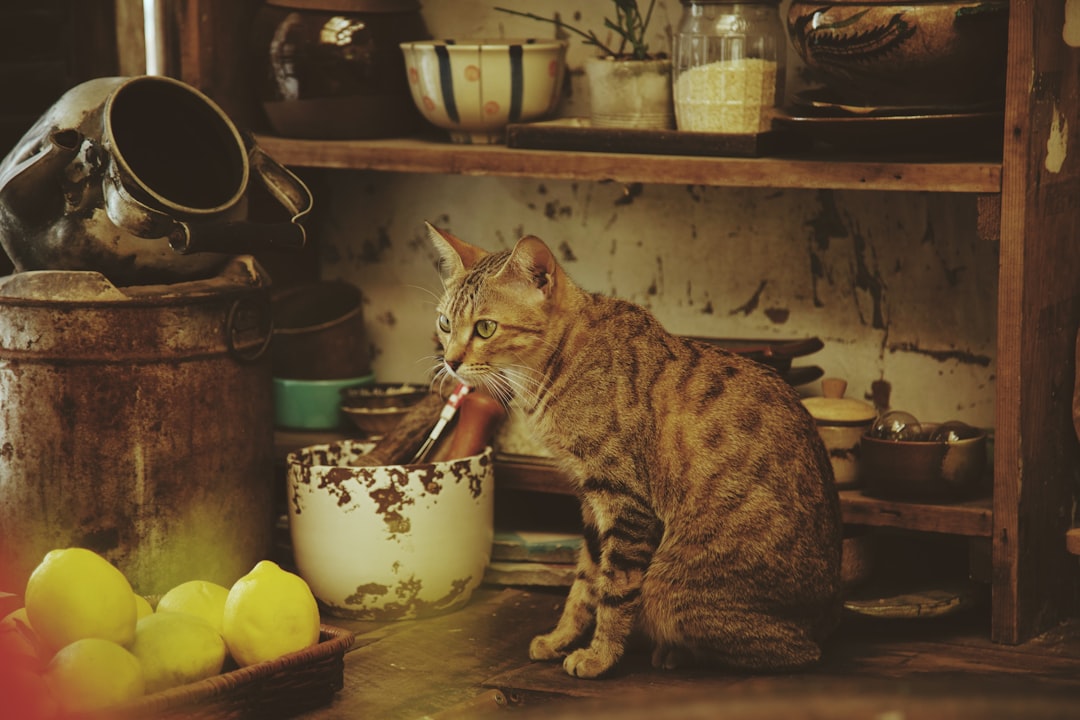
Does your cat suddenly show up whenever you head to the kitchen? If so, there’s a simple reason they think it’s food time! One of the most common reasons cats follow their owners is because they’ve connected your actions to getting fed. This powerful conditioning creates predictable following patterns.
One of the most common reasons your cat is following you is simple: They want something. That might be a treat, a play session, or a refill of the food bowl. Many cats learn that certain times of day – like when you walk toward the kitchen – mean food. These learned associations become deeply ingrained habits.
A hungry cat might walk to their food bowl, then back to you, repeatedly. This is their way of guiding you to the problem – an empty food bowl. If the following behavior is food-motivated, look out for it to appear around meal times. The timing of following behavior often reveals its underlying motivation.
Separation Anxiety and Insecurity
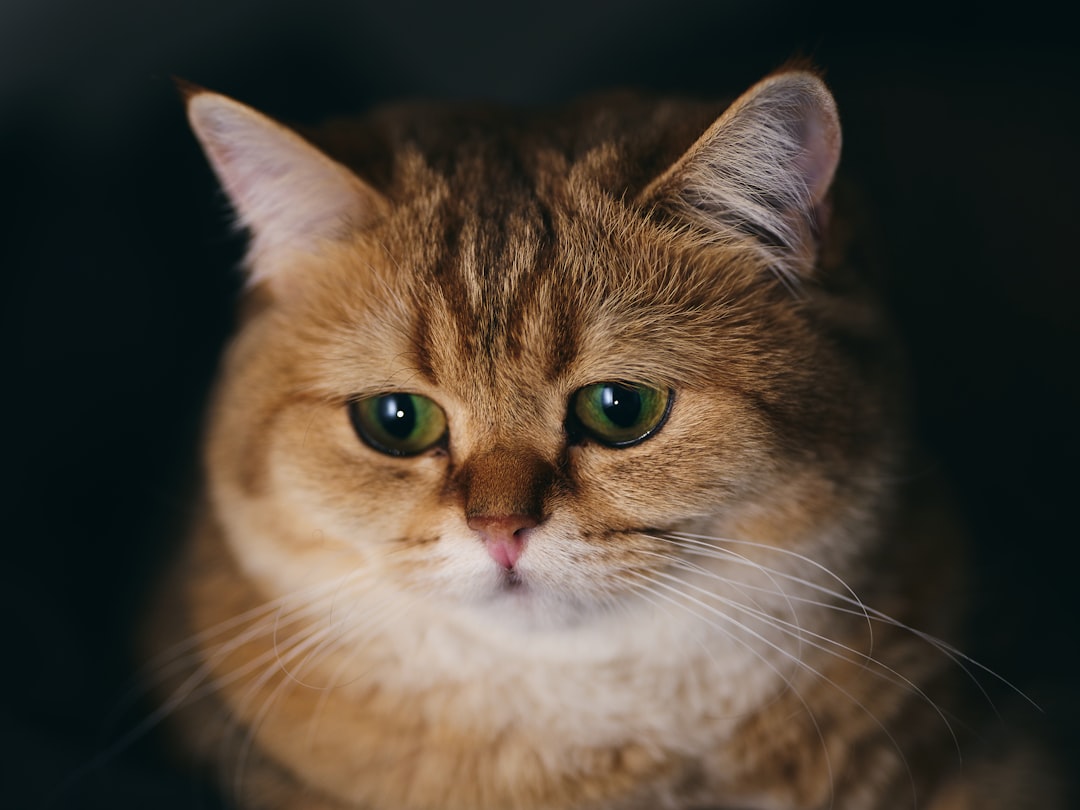
Anxiety, and particularly separation anxiety, can significantly influence a cat’s following behavior. Anxious cats typically follow their people to assure themselves of their caregiver’s presence. This behavior stems from genuine emotional distress rather than simple preference.
From our Fe-BARQ data we see that a surprising number of owners are reporting moderate to severe behavioral problems in a cat when separated from its owner. So much for the theory that cats don’t really care about their owners, that they’re only there for their food; these cats really do seem to be distressed from being away from their human buddies.
Unlike healthy following behavior, anxiety-driven cats who follow you around will often have distressed or excessive vocalization, restless movement, noticeable changes in appetite, and agitated body language like a hunched posture or swishing tail. Recognizing these signs helps distinguish between normal following and problematic anxiety.
Medical Reasons Behind Following Behavior
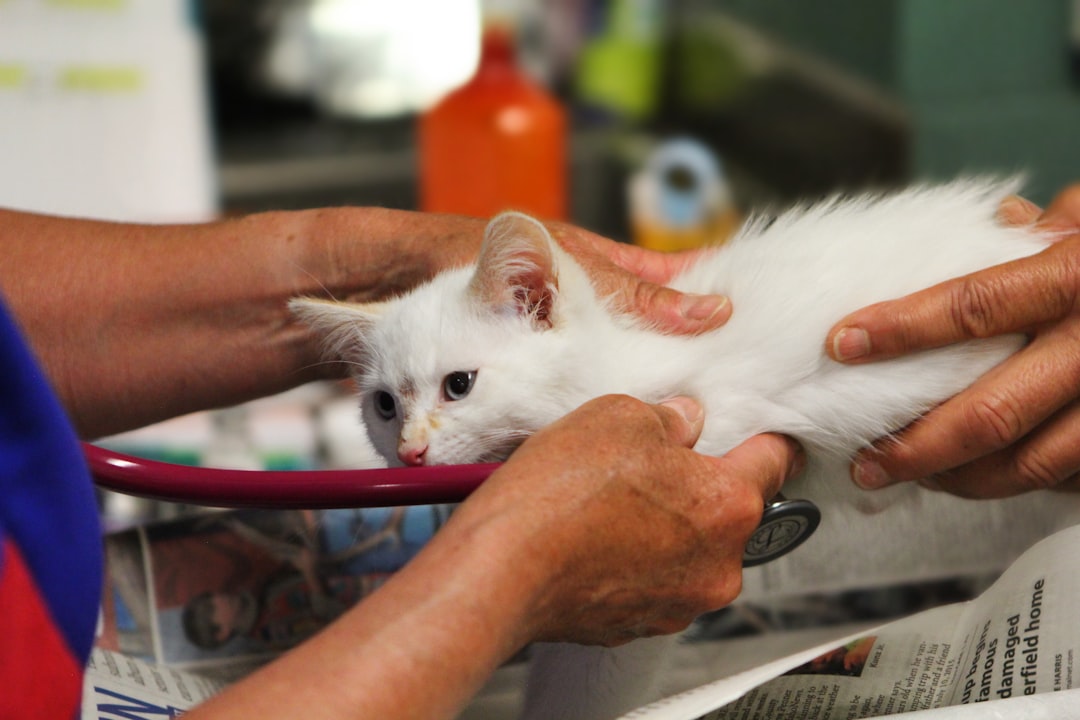
If there haven’t been any changes to your cat’s routine or disruptions to the household and they’ve suddenly decided to stick to you like glue, they might be sick or in pain. Several medical issues could cause a cat to follow their caregiver more than usual, including thyroid problems, hearing or vision loss, or cognitive dysfunction in older cats.
Many of these conditions can make a cat feel more vulnerable or even confused and disoriented. They’ll seek comfort and reassurance by staying close to the people they love and trust most. Medical issues often manifest as changes in normal behavior patterns.
Occasionally, a cat’s behavior changes because of a medical reason. If your cat is suddenly clingy, vocal, or acting unusually attached, it might be worth a trip to the vet. Illness or discomfort can drive a cat to seek out more company or behave differently. Sudden changes in following behavior warrant veterinary attention.
Social Mirroring and Emotional Intelligence
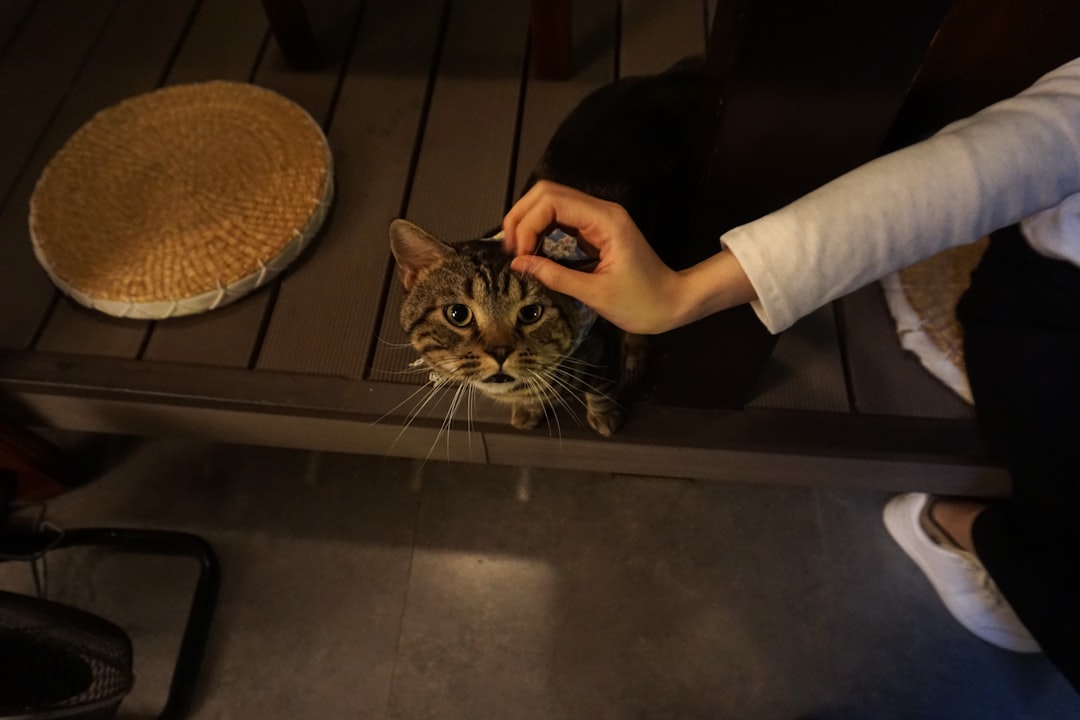
Yes, cats can detect and mirror their owners’ emotional states. They may become more affectionate when their owner is sad, more energetic when their owner is happy, or anxious when their owner is stressed, showing their capacity for emotional attunement. This sophisticated social ability drives much following behavior.
Scientific research has shown that cats possess sophisticated cognitive abilities that enable them to observe, learn from, and imitate the actions of others. A groundbreaking study in Japan demonstrated this through a cat named Ebisu, who successfully replicated human actions with an impressive 84.2% accuracy rate.
This behavior reflects both social bonding and territorial instincts. Cats follow their owners to maintain proximity to their social group and resources. Mimicking activities like sitting on laptops is often an attempt to participate in their owner’s activities and maintain social connection. Following becomes their way of staying socially connected.
Understanding When Following Becomes Problematic
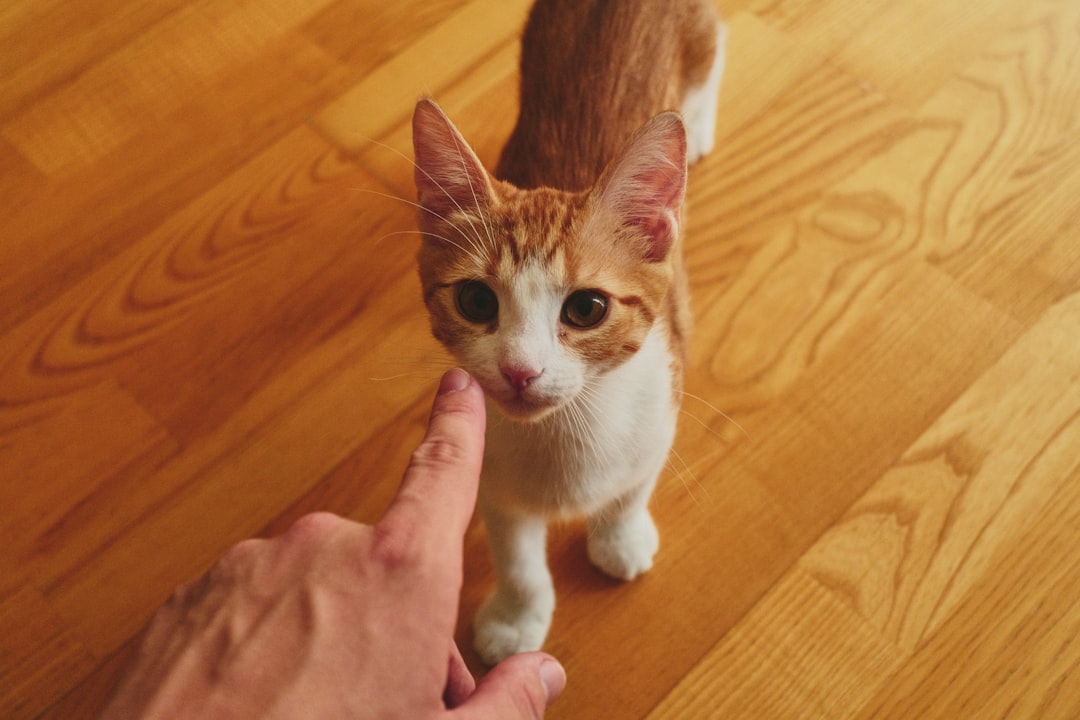
Generally, if your cat follows you everywhere but still eats, sleeps, and plays normally, there’s no cause for concern. But if their behavior changes dramatically or they seem stressed, consult your veterinarian. A sudden shift in your cat’s habits could point to underlying stress or illness.
When following is driven by affection and trust, it often manifests in more relaxed and less intrusive ways compared to attention-seeking. It’s typically relaxed and intermittent. Healthy following behavior feels natural rather than desperate or compulsive.
These can include following you everywhere or attempting to stay as close to you as possible. If your kitty seems to want to be near you in an unusually intense way and seems distressed when you leave a room without them, it’s time to make an appointment with your vet or veterinarian behaviorist. Professional help may be needed when following becomes excessive or distressing.
Following behavior in cats represents one of the most fascinating examples of how domestication has shaped interspecies relationships. Far from being aloof or independent, cats demonstrate remarkable emotional intelligence and social adaptability through their shadowing habits. Whether driven by deep attachment bonds, evolutionary programming, curiosity, or practical needs, this behavior reveals the complex inner world of our feline companions. The next time your cat trails behind you from room to room, remember that you’re witnessing millions of years of evolution and a profound expression of trust and connection. What do you think about your cat’s following behavior now that you understand the science behind it?