Your normally affectionate cat suddenly hisses when you reach for them. Yesterday, they couldn’t get enough attention, but today they’re hiding under the bed like you’re their worst enemy. Sound familiar? These dramatic personality shifts can leave cat owners feeling confused, worried, and frankly, a bit rejected.
Cats aren’t just being dramatic for the sake of it. Unlike humans, our feline friends can’t tell us when something’s wrong, so they communicate through behavior changes instead. What might look like random moodiness often signals deeper issues that deserve our attention. From hidden health problems to environmental stressors we might not even notice, there are legitimate reasons behind these puzzling behavioral shifts.
So let’s dive in and uncover what are really trying to tell you.
Thyroid Disorders Creating Chemical Chaos
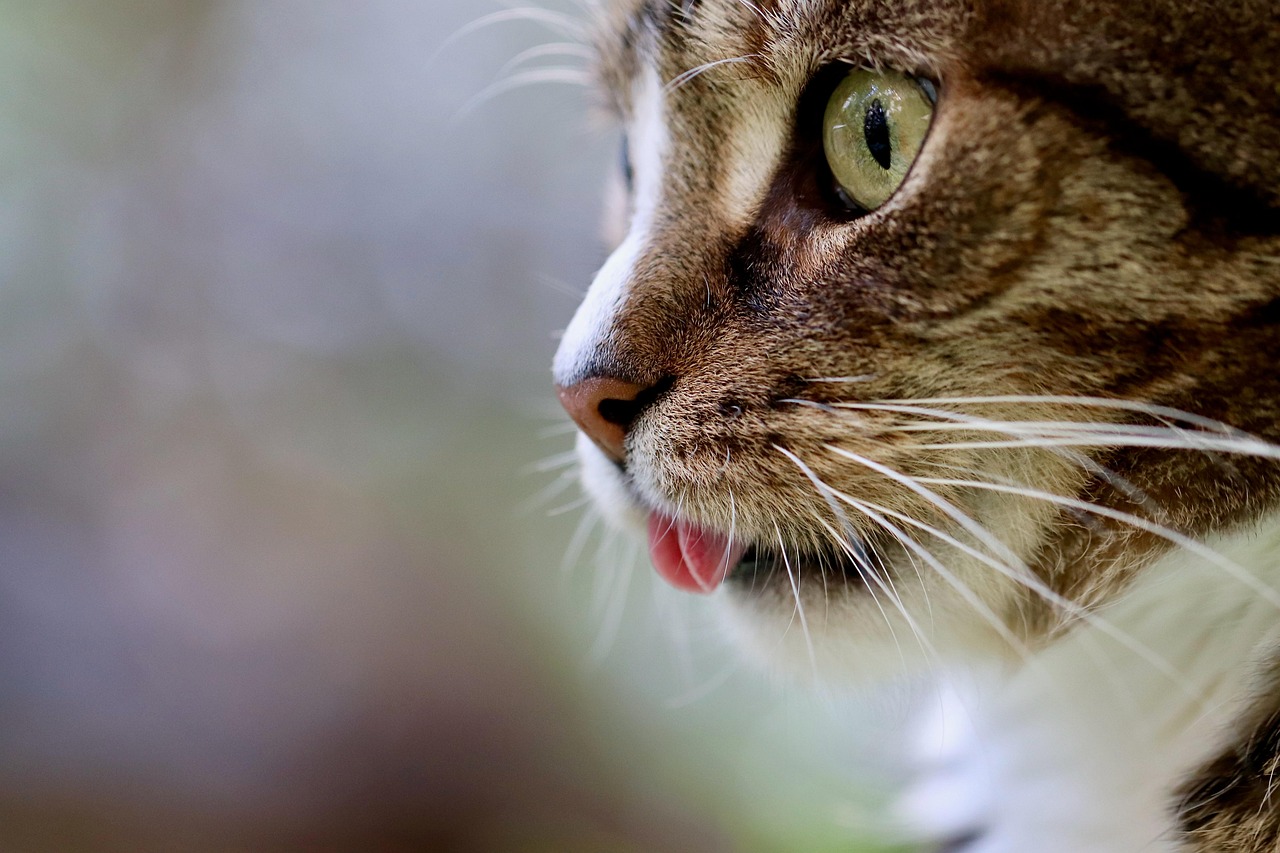
Hyperthyroidism makes your cat feel overstimulated and it occurs when your cat’s thyroid gland produces too much thyroid hormone which speeds up their metabolism and overstimulates multiple systems in the body, including the brain. This condition affects approximately 10% of cats over 10 years of age, yet many owners dismiss the behavioral symptoms as simple aging or attitude problems.
Many cats become more talkative, especially at night, while some cats become suddenly clingy, meowing for attention or following you from room to room, while others may retreat, hide, or seem less interested in interaction, even with their favorite people. The mood swings can be so dramatic that your once calm cat might seem like they’ve developed multiple personalities. Hyperthyroidism usually leads to behavior changes, which may include agitation, anxiety, and even aggression toward animals including human companions, with owners frequently describing their cats as “jetting up and down the halls” or as “more playful” or “clingy.”
Chronic Pain Hiding in Plain Sight
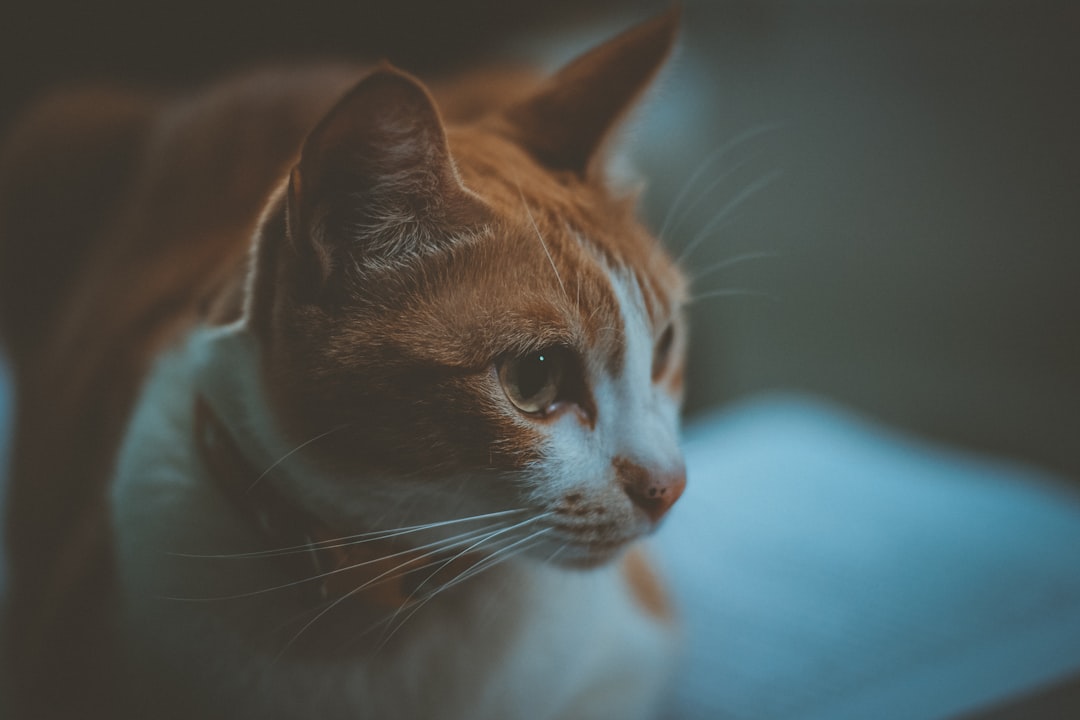
Osteoarthritis is one of the most common chronically painful ailments in cats, affecting approximately 40% of all cats, rising to 90% of cats over 12 years of age. However, cats are masters at concealing discomfort, making this a truly hidden cause of behavioral changes. When in pain, generally cats are more irritable, causing them to act more aggressively than normal, with even gently petting a resting cat able to trigger a negative reaction if they are experiencing pain.
Conditions such as arthritis, dental problems, or urinary tract issues can inflict pain and discomfort on senior cats, consequently causing them to exhibit signs of irritability, reduced appetite, and behavioral shifts. For example, the cat may be in pain when walking due to a toenail that hasn’t been trimmed and is growing back toward the pad, or maybe as the cat ages, arthritis is starting to set in and results in stiff and painful joints. The frustration of dealing with constant discomfort can transform even the sweetest cat into a moody, unpredictable companion.
Sensory Changes Affecting Their World
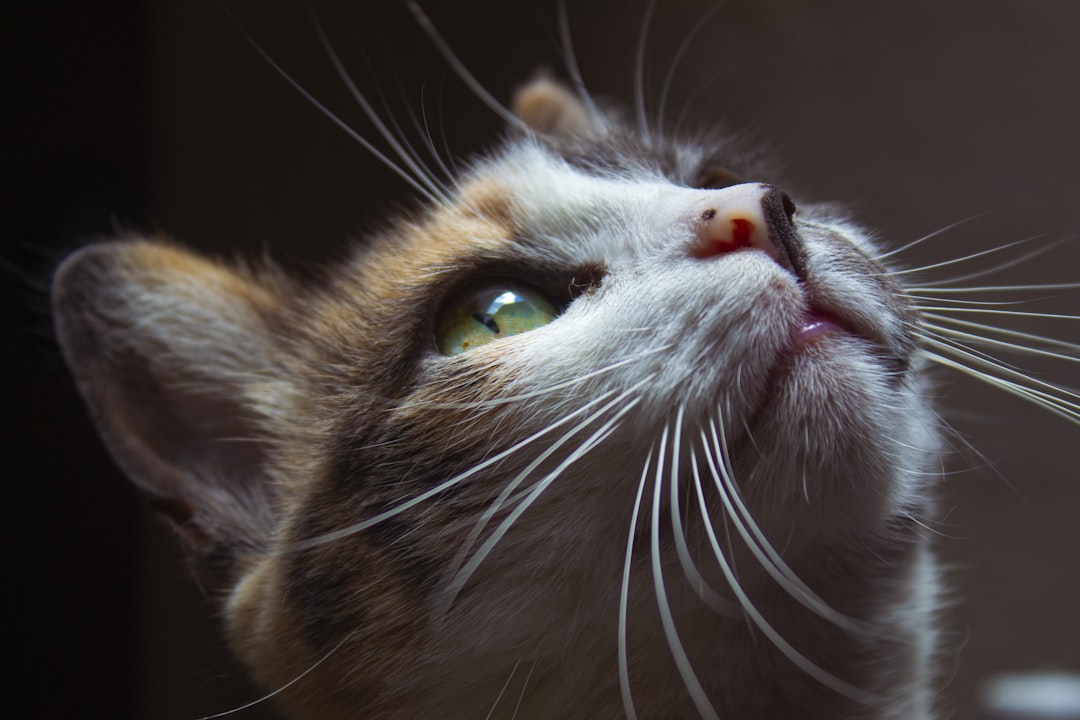
Aging can usher in changes in sensory perception, with senior cats potentially experiencing alterations in vision, hearing, or taste, influencing their responses to their environment and further affecting their mood. Think about how disorienting it would be if your world suddenly became fuzzy, muffled, or unfamiliar. If your cat doesn’t see or hear well, they may be more easily startled, which can lead to stress.
Cats with sensory impairments such as hearing or vision loss may become anxious because their ability to navigate their surroundings is compromised. A cat who once confidently ruled their domain might suddenly become hesitant, jumpy, or withdrawn when their senses start failing them. These changes can happen gradually, so you might not immediately connect your cat’s increased grumpiness with their developing hearing loss or declining eyesight.
Cognitive Decline and Mental Confusion
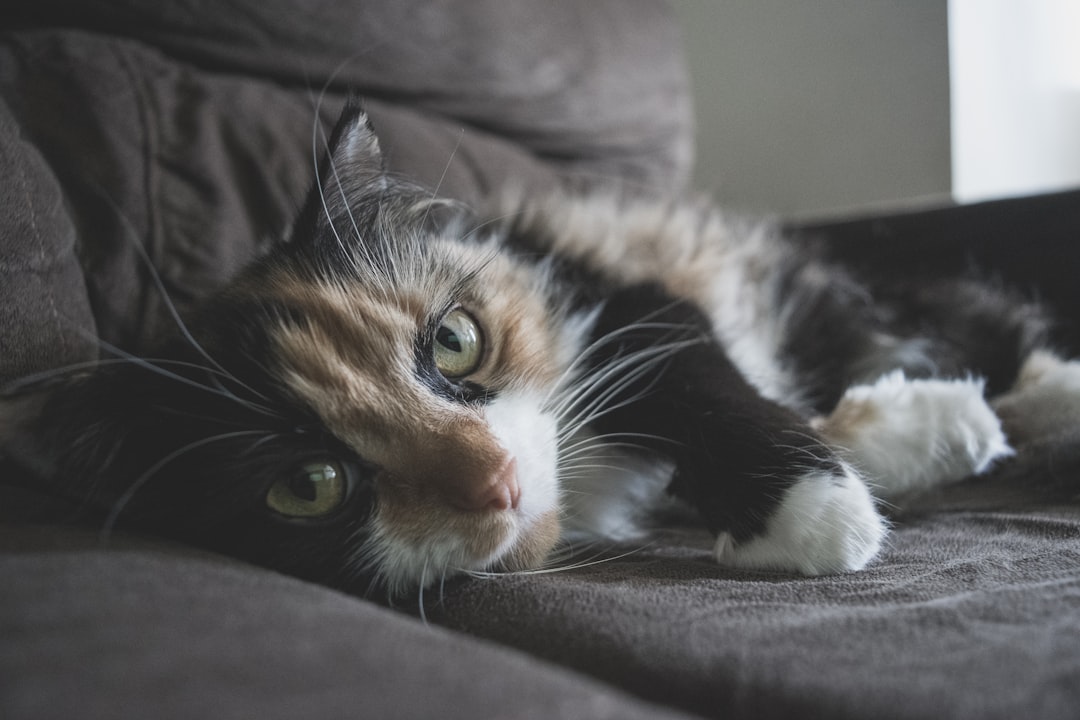
Senior cat anxiety may be a symptom of cat dementia, where a senior cat may forget the locations of food bowls, litter boxes and furniture, with cognitive decline causing stress over environmental changes. Feline cognitive dysfunction syndrome affects aging cats much like dementia affects humans, creating confusion and anxiety that manifests as mood swings.
As cats age, their capacity to cope with stress can also decline, resulting in anxious and moody behaviors, with older cats potentially experiencing increased lethargy coupled with a change in appetite or weight, which is often a symptom of cat anxiety or depression. Overall, the cat owner may notice these slowly progressive changes as a decreased ability to cope with stress and adapt to changes. Your previously adaptable cat might become increasingly set in their ways, reacting poorly to even minor changes in their routine or environment.
Environmental Stress and Territory Disruption
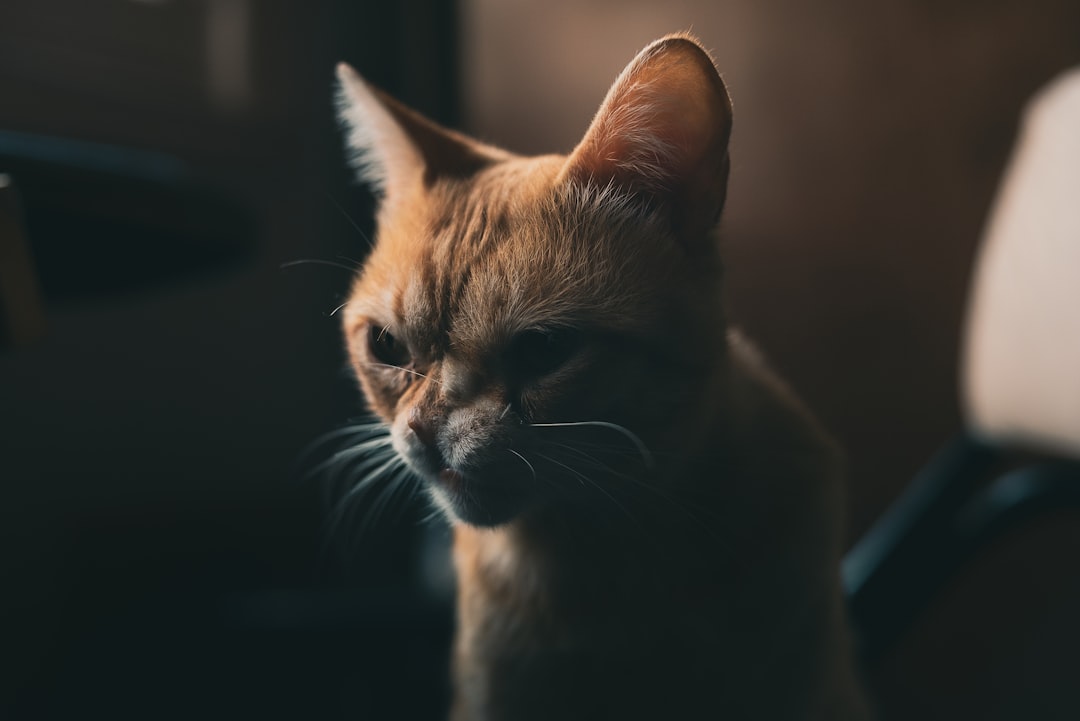
Cats are highly sensitive creatures that are easily stressed by changes in their surroundings. Changes to a cat’s usual environment such as rearranged furniture or a new family member in the home can cause stress in cats, with older cats potentially being more sensitive to household changes since their ability to adapt to new situations declines over time.
Something as seemingly minor as moving furniture or adjusting their feeding schedule can be unsettling, while more significant changes like moving to a new home, introducing a new pet or baby, or being left alone for longer periods can cause deep-rooted stress. Alterations in the cat’s environment, such as rearranging furniture or making significant changes to their living space, can disrupt their sense of familiarity and security, potentially leading to mood swings. Even changes you consider positive, like new cat furniture or a different brand of litter, can trigger stress responses in sensitive cats.
Feline Hyperesthesia Syndrome Creating Sudden Outbursts
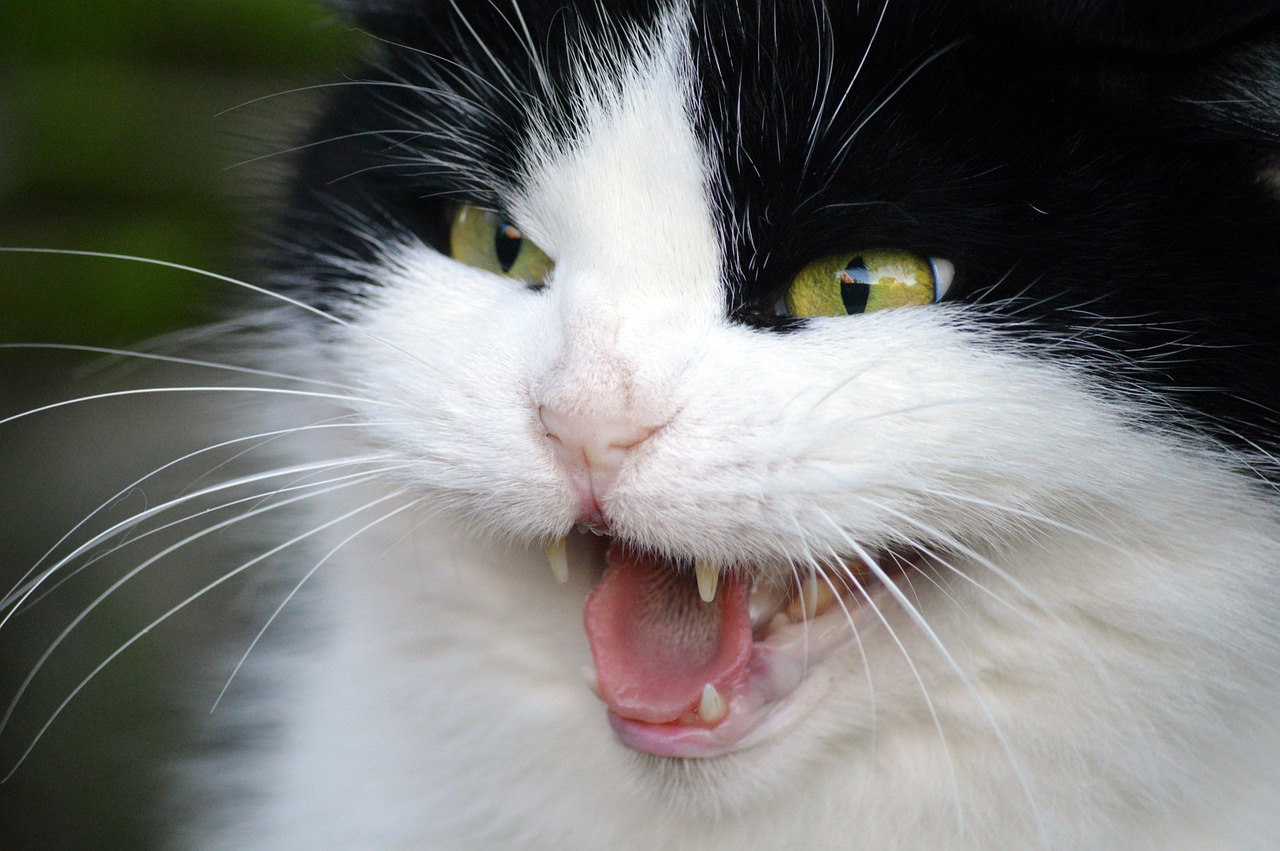
Sensitivity to touch (“hyperesthesia”) along the spine can cause stroking to precipitate a bout of the behavior, with sudden mood swings occurring from extremely affectionate to aggressive. This neurological condition can make your cat’s skin feel hypersensitive, creating uncomfortable sensations that lead to unpredictable behavior changes.
FHS could be a form of feline obsessive-compulsive disorder in which the obsession relates to grooming and/or aggression, with the apparently compulsive nature of self-directed grooming and a positive response to behavior-modifying medication supporting this etiology. Cats experiencing this condition might suddenly leap up from a peaceful nap and race around the house, seemingly chasing invisible threats or sensations. The mood shifts can be so sudden and intense that owners often worry their cat is having seizures or experiencing some kind of mental breakdown.
Hormonal Fluctuations and Reproductive Stress
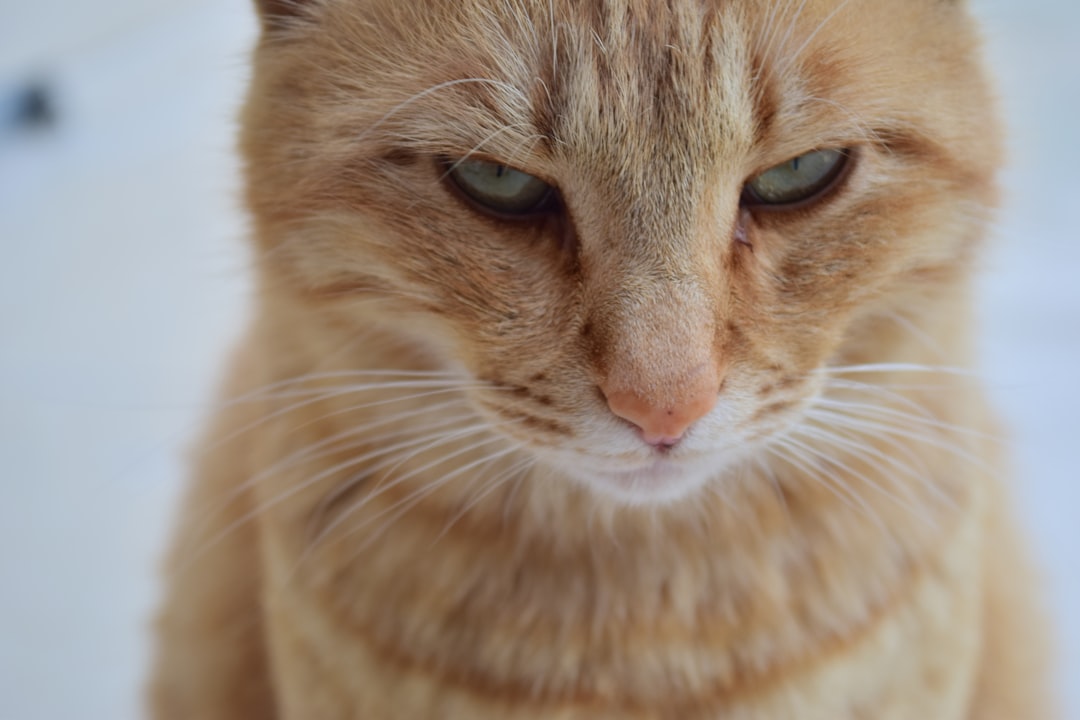
In unspayed or unneutered cats, hormonal fluctuations can cause mood swings. These hormonal surges don’t just affect behavior during obvious times like heat cycles. The constant ebb and flow of reproductive hormones can create ongoing mood instability, making cats more reactive to everyday situations.
Even spayed and neutered cats can experience hormonal fluctuations related to seasonal changes, stress responses, or other endocrine disruptions. Just like humans, cats respond emotionally to internal imbalances, and when their hormones are off, their sense of safety and stability can be too. These invisible chemical changes can transform a typically even-tempered cat into an emotional rollercoaster, swinging between clingy neediness and irritable withdrawal sometimes within the same hour.
Social Dynamics and Multi-Cat Household Tension
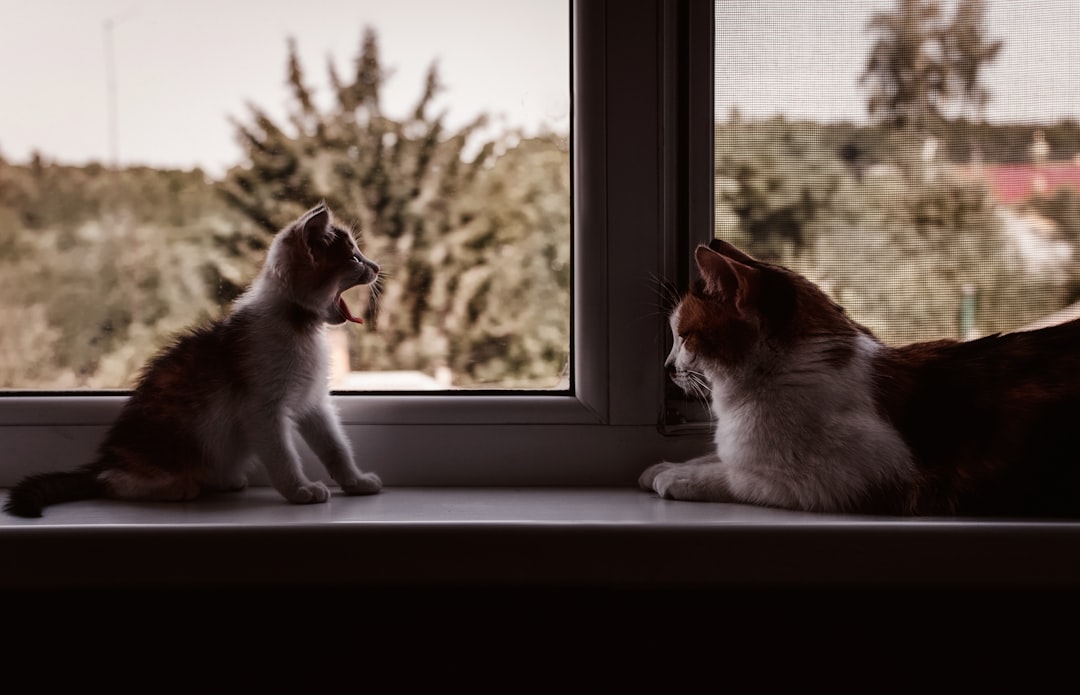
If you have a multi-cat household where there is tension, it’s not unusual for a cat to become irritable due to the constant struggle to feel safe and to protect preferred areas/resources, with cats potentially being approached while trying to stay on guard or after just being in a tense stand-off with a cat companion. The stress of navigating complex social hierarchies can create chronic anxiety that bubbles up as unpredictable mood changes.
Cats can experience grief and sadness, particularly when they lose a companion animal or a close human family member, with these emotions potentially resulting in mood swings and, in severe cases, even depression. Changes in the social structure of your home, whether from adding new pets, losing family members, or even changes in your work schedule, can significantly impact your cat’s emotional stability. They might react to these disruptions with sudden aggression, withdrawal, or clingy behavior that seems to come out of nowhere.
Medical Conditions Flying Under the Radar
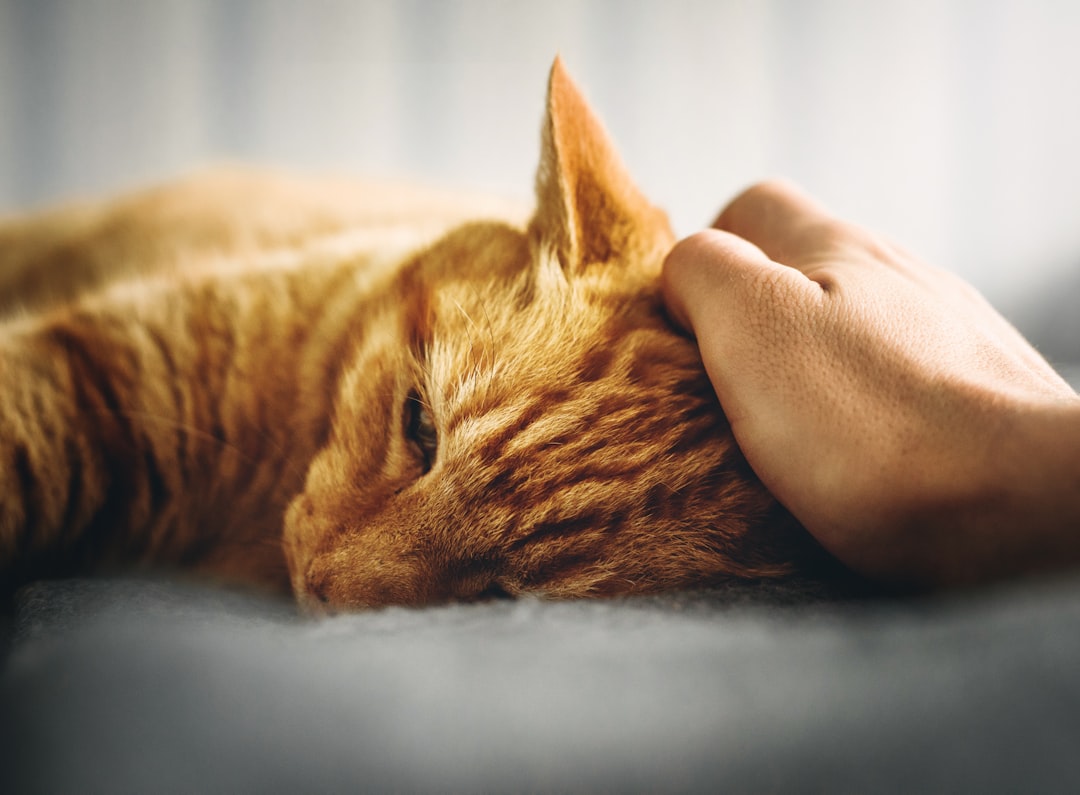
Sudden behavior changes are often the first sign of a health problem, with pain, discomfort, or illnesses like urinary tract infections able to cause a change in behavior. Sudden alterations in your cat’s behavior can be indicative of serious medical or psychological issues requiring prompt veterinary attention, as cats are masters at hiding their pain and illness.
Medical disorders can often cause behavioral changes, as can pain, stress, and anxiety. Conditions like kidney disease, diabetes, or even intestinal parasites can create physical discomfort that manifests as mood swings long before more obvious symptoms appear. Conditions such as cognitive decline, thyroid imbalances, or serious mental illness can contribute to mood swings in cats. Your cat’s sudden irritability might actually be their way of telling you they feel unwell, even when they appear physically normal to your eyes.
Conclusion
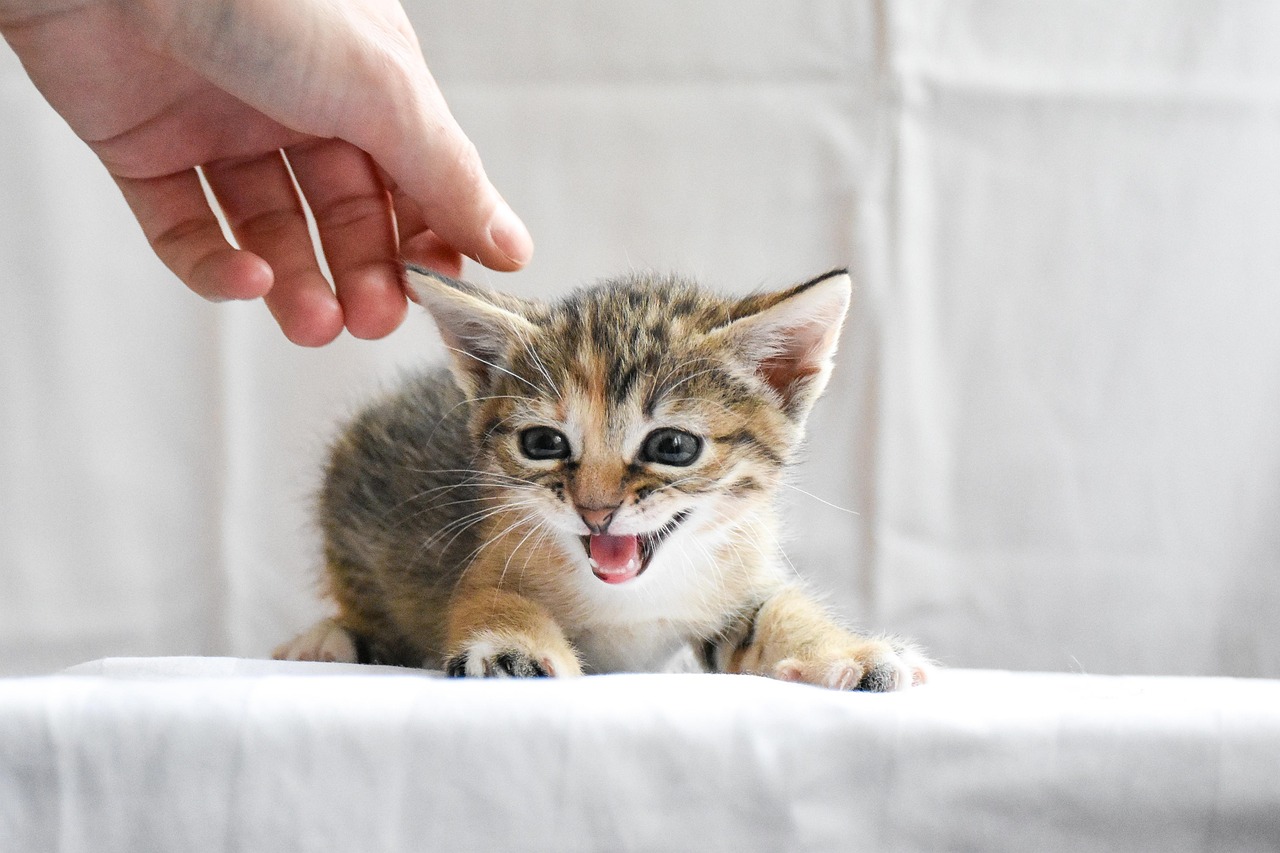
Understanding your cat’s mood swings isn’t about accepting them as inevitable quirks of feline personality. These behavioral changes are your cat’s primary way of communicating that something in their world isn’t right. Whether it’s a treatable medical condition, environmental stress you can address, or age-related changes you can help them navigate, there’s usually something concrete you can do to help.
The key is paying attention to patterns and not dismissing sudden changes as “just cat behavior.” Trust your instincts when something feels off about your feline friend. Early intervention can make a tremendous difference in their quality of life and your relationship with them.
What signs have you noticed in your cat’s behavior lately? Share your observations in the comments and help other cat parents recognize these important signals.