Persian cats have captivated pet lovers for centuries with their luxurious coats and distinctive flat faces. These regal felines trace their lineage back to ancient Persia and have remained symbols of elegance and sophistication in the cat world. Their serene demeanor and striking appearance continue to make them one of the most sought-after breeds among cat enthusiasts.
Yet beneath that stunning exterior lies a breed that demands special consideration. cat represents both a rewarding companionship and a significant commitment that potential owners must carefully evaluate. Let’s dive into the complete picture of what it truly means to share your life with one of these magnificent creatures.
The Gentle and Loving Temperament
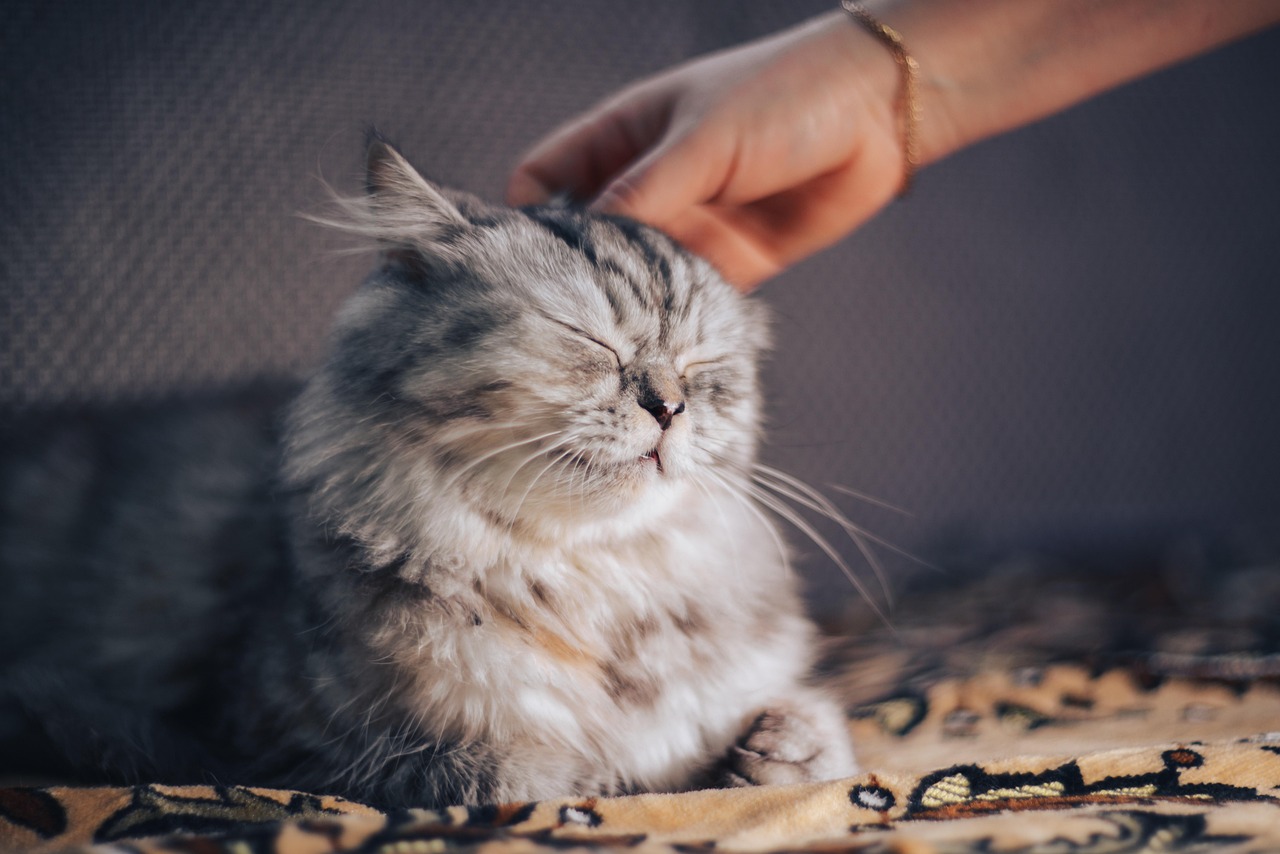
Persian cats are well-known for their calm and affectionate nature. They are generally quiet, friendly, and adapt well to indoor environments. Their gentle demeanor makes them a wonderful companion for those who prefer a low-key pet. They are known for their calm and gentle demeanor, which makes them excellent, soothing companions.
Instead of being an inscrutable rascal whose eyes glow at you in the middle of the night, they are the friendly, abet high maintenance friend who wants to be near you at all times. Persian cats are experts at showing their love, and they often demand a lot of it in return. They’re huge fans of curling up on laps and demand a fuss throughout the day. A friendly Persian is a wise choice if you’re seeking a cat that’ll rub against your legs and look at you adoringly. Their affectionate nature may make them suitable as emotional support pets for some individuals.
Perfect for Quiet, Calm Households
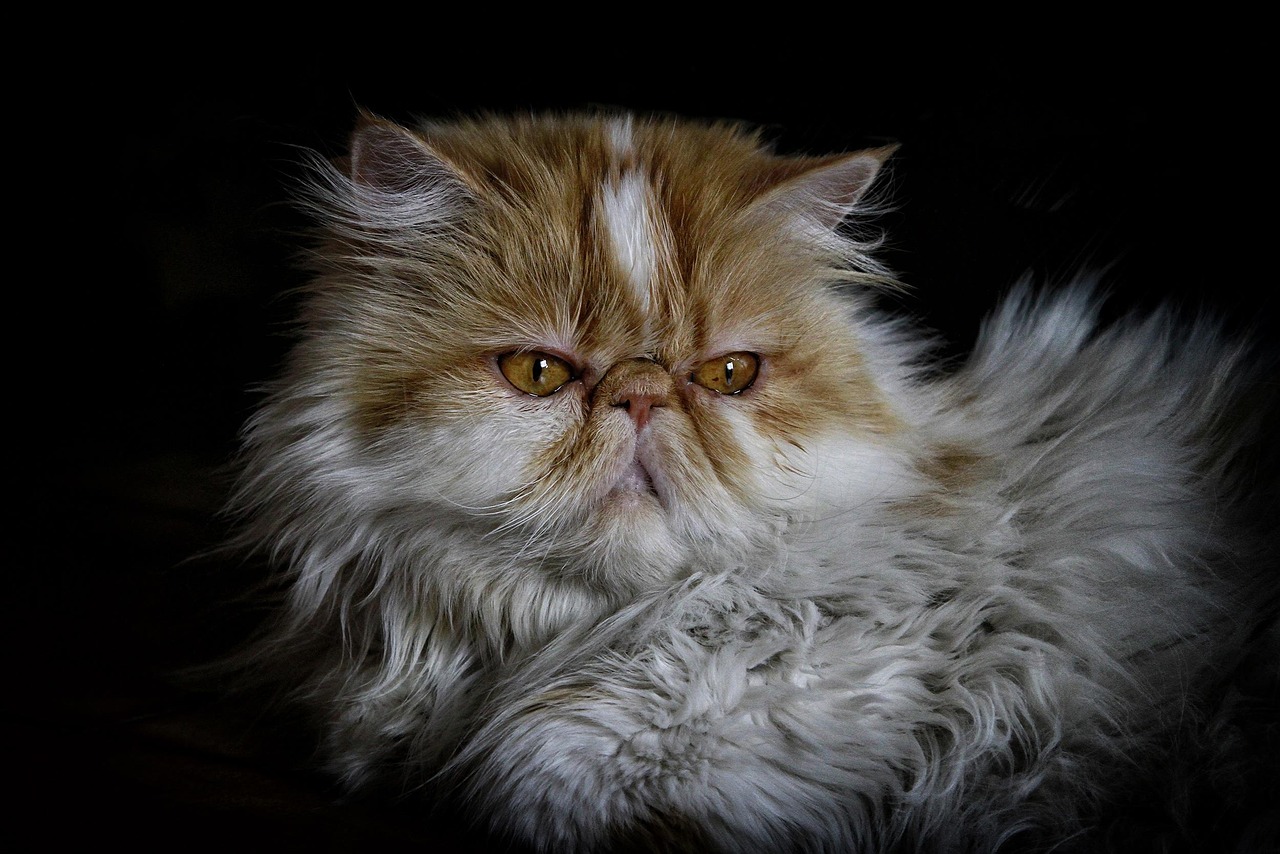
When you want a cat but you also don’t want to risk your living environment becoming too hectic, a Persian is an excellent choice. As a breed, they don’t tend to scratch and bite a lot. Instead, they prefer lounging around and relaxing. Having a calm cat is especially advantageous if you’re looking for simple companionship or an emotional support animal.
You will find them under the bed or in a safe location away from the noise. Our Persian friend will continue to the lay there, welcoming any attention that comes their way while ignoring the decimal level. They are a calm, quiet kitty, so when it comes to bedtime, you will not find them yelling the hallway, wondering why all the fun is over, and we have to go to bed. That makes it a lot easier if you have a little tyke who is hard to put to bed. The Persian will adopt one of your kids to be a live nighttime pal who will bring them comfort while their sleep.
Stunning Visual Appeal and Prestige
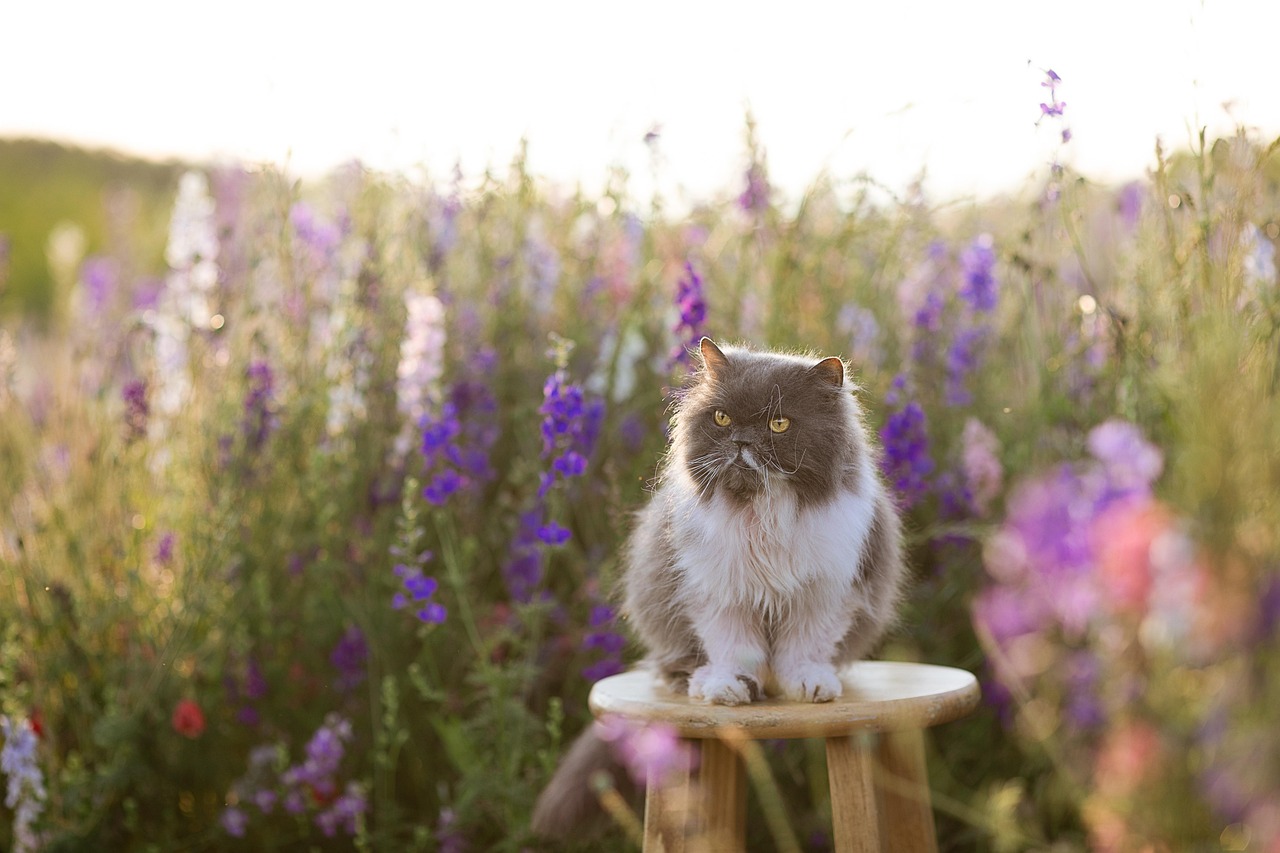
Persian cats boast a thick, luxurious coat that makes them incredibly appealing and soft to the touch. When you’re seeking a cat that’s good to look at, Persians are hard to beat. Thanks to their long silky fur and round faces, they’re adorable to most cat lovers. Owning an aesthetically pleasing cat can also come with emotional benefits.
Persian cats are easily identified by their smooshed-in faces, big eyes, and lustrous coats. Their distinctive appearance has made them one of the most recognizable and admired cat breeds worldwide. Having their roots from the royal families, they add the luxury appeal to your environment as well. This prestigious lineage and striking appearance often make Persian owners feel proud to showcase their beautiful companions.
Excellent Family Companions
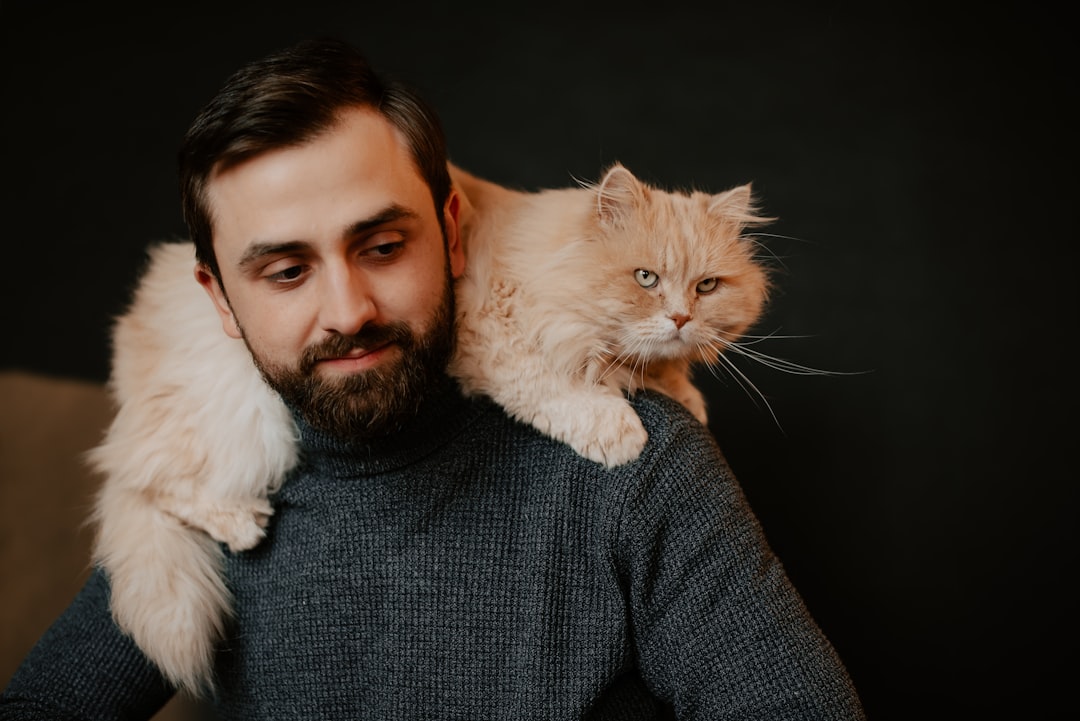
A Persian cat’s calm nature usually means it’s a decent choice for homes with children. They respond well to petting, playful behavior, and being picked up. Although there’s no guarantee they’ll never scratch or bite, they’re far less likely to than other breeds. Their calm nature also makes them suitable for children who experience stress or anxiety.
They’re friendly cats that prefer calm environments but can easily adapt to more active households. They integrate seamlessly into family life, forming bonds with all members. Their ability to connect with multiple family members while maintaining their peaceful disposition creates harmony in most home environments. They can for short periods, such as when you are away at work, but more extended periods are not great for their clingy personalities. For such people attached animals, it’s a good idea to get them in pairs so that they don’t get lonely in the time that you are away.
Low Activity Level and Exercise Requirements
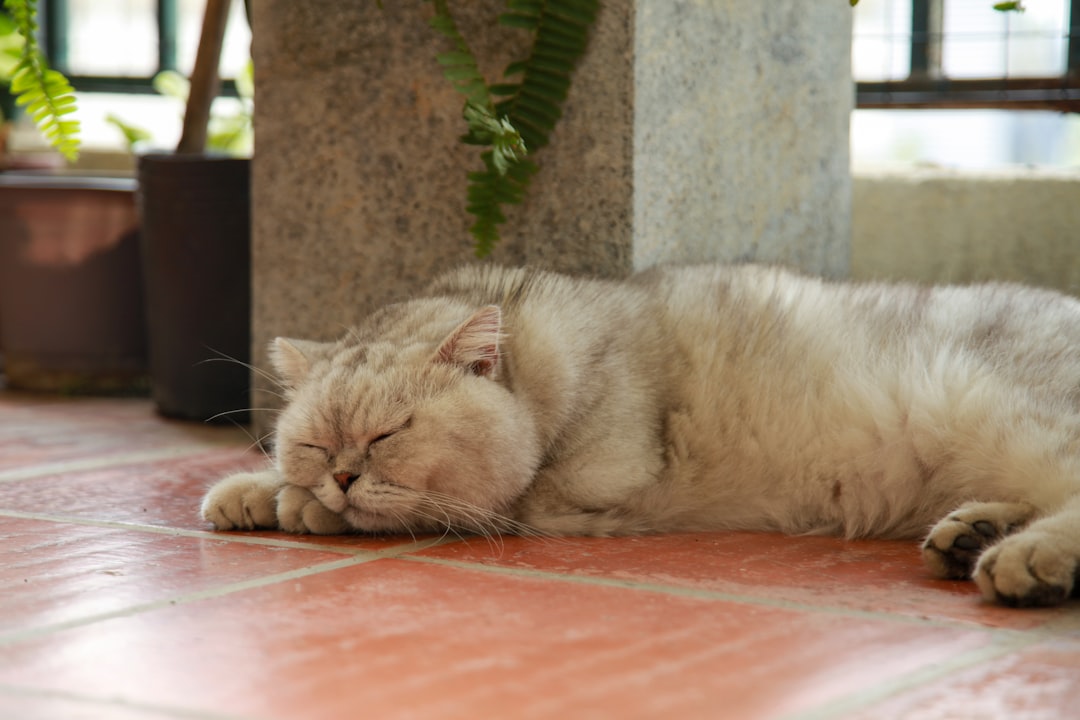
Unlike more active breeds, Persian cats are less energetic and enjoy spending time lounging. This makes them ideal for apartment living or for owners who prefer a less physically demanding pet. Persian cats are generally less active than some other breeds, which appeals to many pet owners who prefer a more relaxed companion. Persian cats love to relax and lounge around their environment. This laid-back nature means they won’t demand constant entertainment or high-energy play sessions like some other breeds.
However, this relaxed nature comes with responsibility. Persians aren’t the most active cats, and care must be taken to prevent them from carrying excess weight. While their calm demeanor is often viewed as a positive trait, it also means owners need to monitor their eating habits and encourage some physical activity to maintain healthy body weight.
Intensive Daily Grooming Requirements
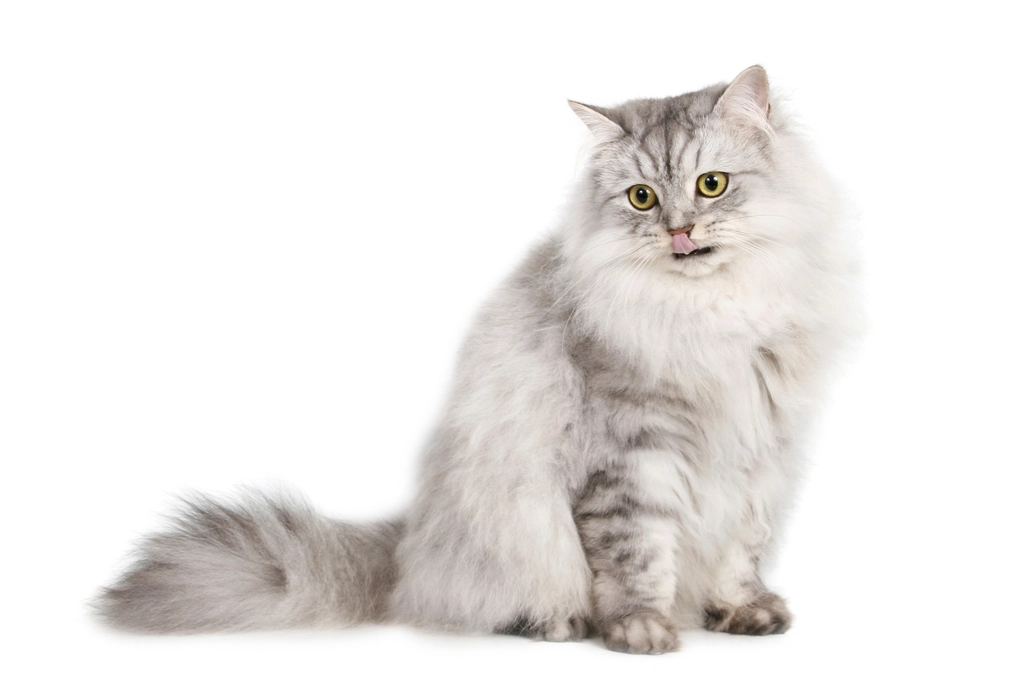
Persian cats require a commitment as their beautiful, thick coat needs to be thoroughly brushed at least once a day, and it typically requires 15-45 minutes of daily brushing depending on coat condition. Persian cats need combing on a daily basis. Persian cats have a long, silky double-coat which will matt and tangle easily if not brushed daily.
Persian cats have long, thick fur that requires daily grooming to prevent matting and tangling. This can be a time-consuming task, especially if your cat is not used to being groomed. You will need to brush your cat’s fur daily to keep it free of tangles and mats. If you neglect your Persian cat’s grooming needs, their fur can become matted and tangled. If their coats get out of hand, they can take a long time to recover. Large mats of fur become painful as their weight pulls on the skin; this can make your cat fearful of grooming.
Serious Health Issues and Respiratory Problems
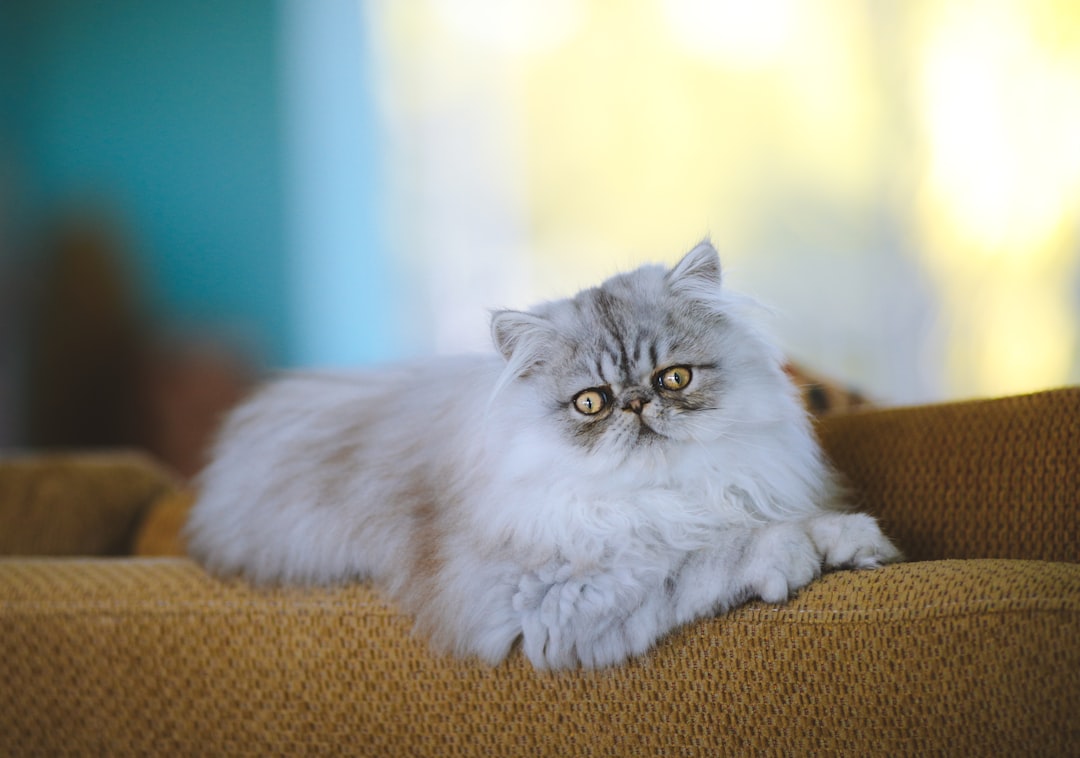
They have a brachycephalic face which, unfortunately, does predispose them to medical conditions which owners should be very aware of. Being brachycephalic means they have very short noses, but their internal anatomy is the same. Unfortunately, that means there is quite a lot of tissue squashed into a smaller space. This space is the space they use to breathe. Struggling to breathe affects their ability to control their body temperature (especially, cool down) which, along with their long coat, means they are more likely to overheat.
Unfortunately, the very flatness that makes them so cute also renders them prone to respiratory problems. Their narrow and short nasal passages can increase their risk of breathing difficulties. In some, but not all, Persians, this results in their breathing becoming shallow and fast when something causes them to feel anxious. Research by the Royal Veterinary College has highlighted various health challenges in brachycephalic cat breeds including Persians.
Polycystic Kidney Disease Risk
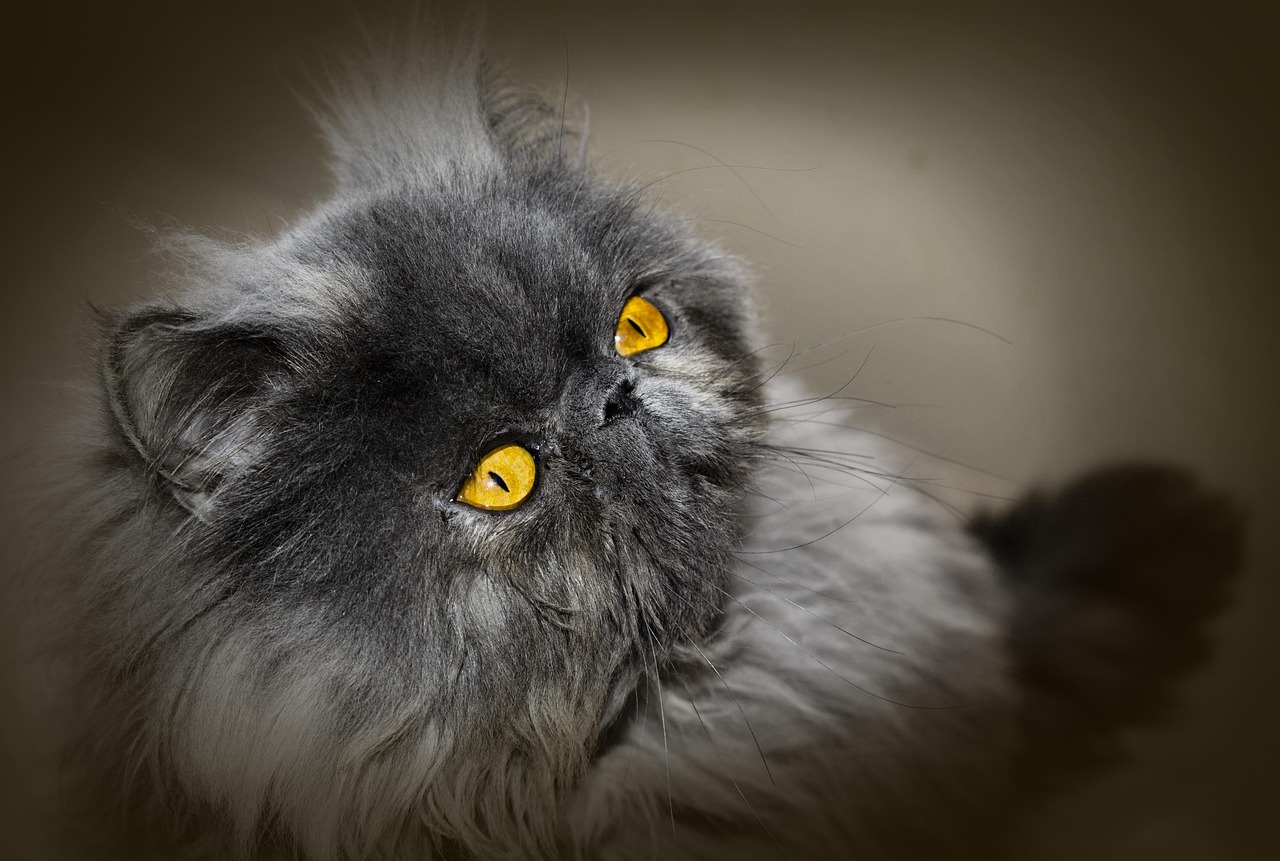
Polycystic kidney disease affects about one in three Persian cats. Studies have shown that the disease affects around one-third of Persian cats. Specific breeds, primarily Persian cats (38% in the US), are predisposed to the PKD gene.
Occurring most frequently in Persian cats, polycystic kidney disease is an inherited disorder in which small, closed, liquid-filled sacs develop in the tissue of the feline kidney. These sacs (cysts) tend to multiply in number and grow in size over time, eventually overwhelming normal kidney tissue and often leading to potentially fatal kidney failure. In most cats, the cysts enlarge slowly, and affected cats will not show any signs of kidney disease until later in life, typically around seven years of age. In some cats, kidney failure will occur at a much younger age while in other cats kidney failure will not develop at all.
Eye Care and Tear Staining Challenges
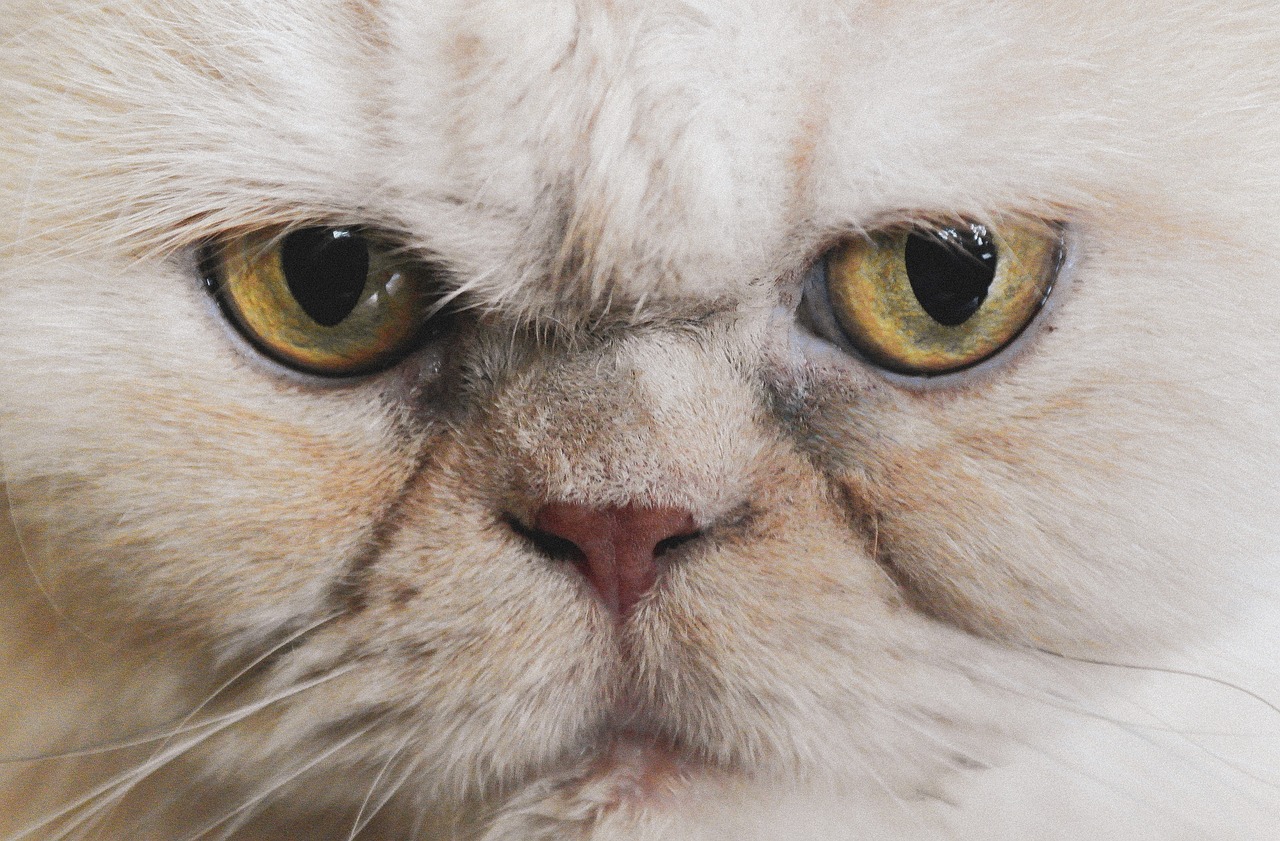
Their flat faces also make them prone to tear staining, so regular facial cleaning is essential to prevent infections and keep them looking their best. Most Persian cats have “weepy” eyes and, if left untouched, can stain and build up around the cat’s eyes; sometimes leading to infection. Their eyes will need to be gently wiped twice daily with a special eye cleaning solution or simply warm water on a paper towel or quilted cotton pad.
Their big round eyes are also prone to ulcers and infections. It is necessary to wipe the cat’s eyes every day, but not with cotton wool since its fibers easily injure delicate tissue, but with a soft cloth (with a low pile), paper, or gauze. It is recommended to moisten the fabric with special drops. Antibacterial eye ointment helps to get rid of strong discharges, including purulent ones.
Excessive Shedding and Household Impact
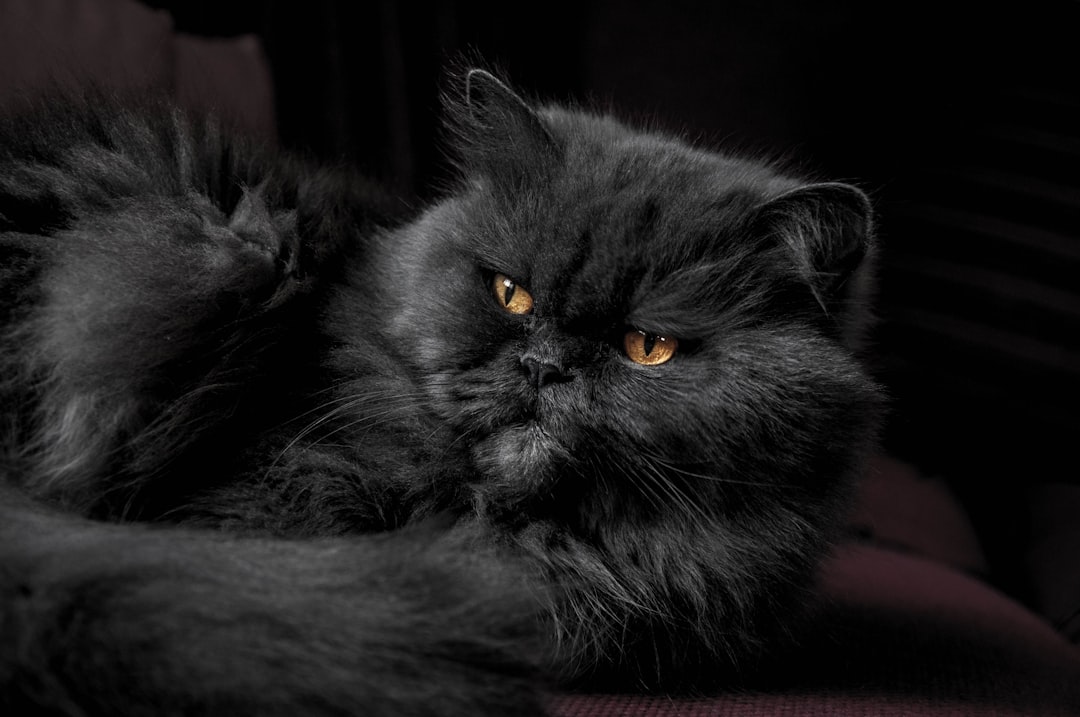
Another issue that comes with owning such a fluffy cat is the amount of fur they leave behind. Persians shed fur on everything they come into contact with. If you’re a fan of wearing dark colors or you want to keep your furniture clean, you’ll need to invest in a lint roller. The Persian’s heavy shedding may also result in them developing fur balls more often than other breeds.
If the condition of the coat is not monitored, cats swallow many hairballs, which then burp. These actions are fraught with intestinal obstruction and a severe operation. Therefore, such care is essential for the health of the pet. This creates additional cleaning responsibilities and potential health concerns that require constant vigilance from owners.
High Maintenance Costs and Professional Grooming Needs
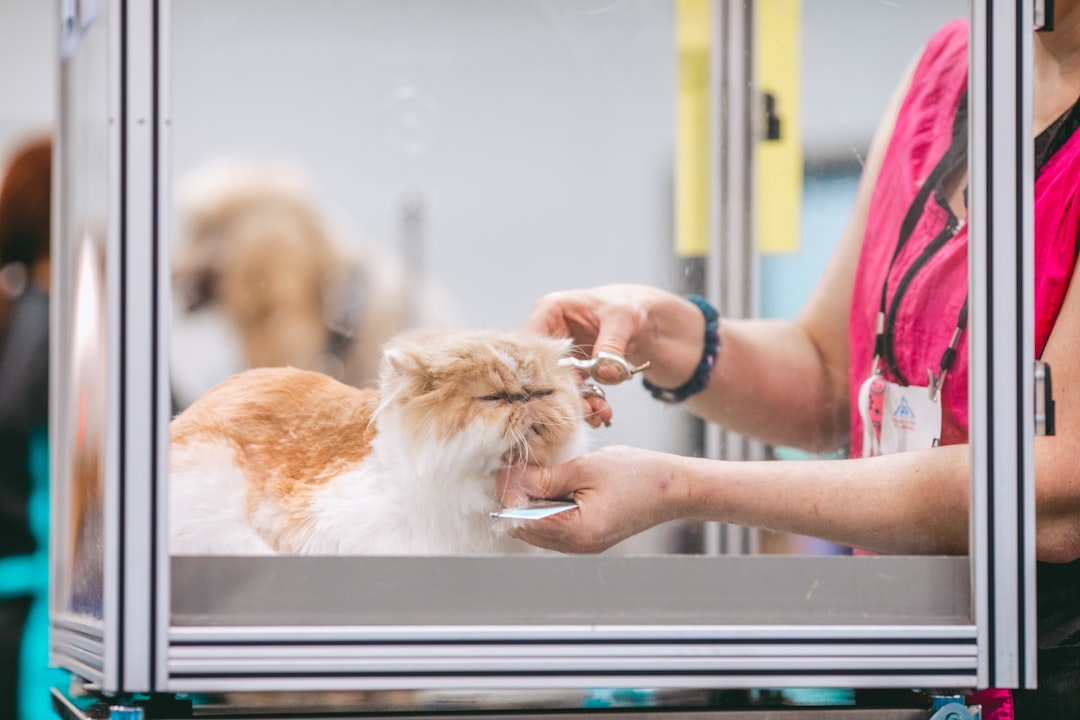
So, when budgeting for one of these breeds, you should consider regular grooming fees. Any medical condition can become expensive, and long-term conditions incur repetitive costs. With this in mind, insuring this breed is essential. When you take out insurance, you pay a monthly fee, and a good policy should help to cover any sudden, large vet bills.
While these felines can contentedly occupy themselves during their owners’ work hours, they demand considerable daily upkeep. Prospective Persian Longhair owners should be prepared for this ongoing commitment to maintenance. Professional grooming every few weeks, specialized shampoos and grooming tools, potential veterinary costs for health issues, and quality insurance coverage all contribute to the substantial ongoing expenses of Persian ownership.
Conclusion
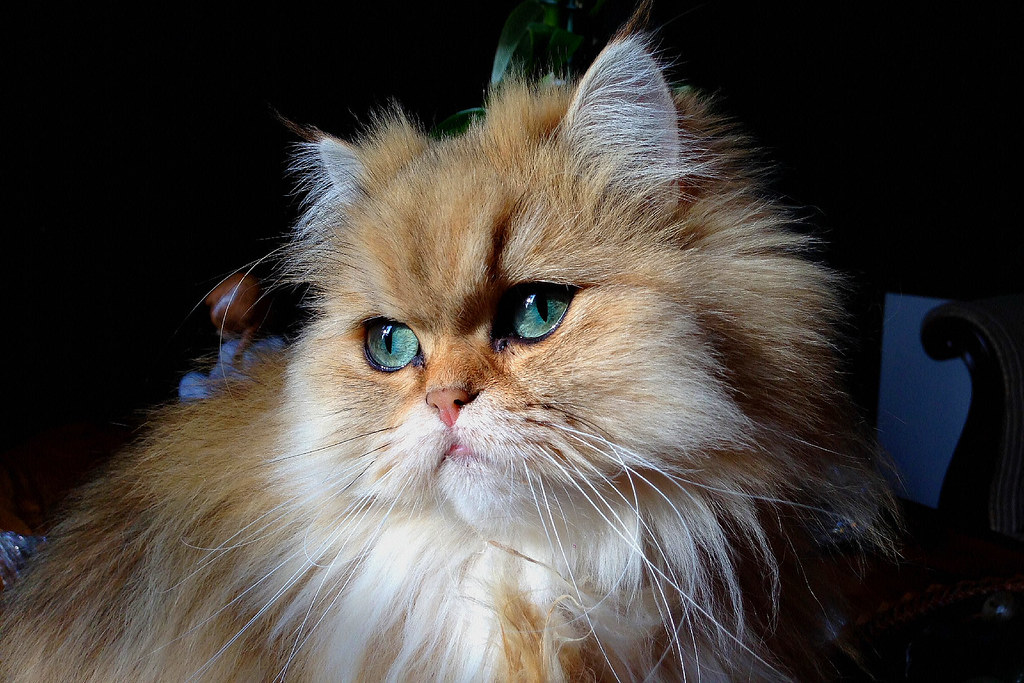
Persian cats present a fascinating paradox in the feline world. Their undeniable beauty, gentle nature, and aristocratic charm make them incredibly appealing companions for the right households. These magnificent cats can bring years of joy, comfort, and companionship to families who understand and embrace their unique requirements.
However, their extensive grooming needs, serious health predispositions, and environmental requirements create significant challenges that demand dedicated, informed ownership. These magnificent cats thrive best with owners who understand the commitment involved and have the resources to provide proper care throughout their lives. The decision to welcome a Persian into your home should never be taken lightly, but for those prepared for the journey, the rewards can be truly extraordinary.
What do you think about it? Are you ready for the unique challenges and incredible rewards that come with Persian cat ownership? Tell us in the comments.