Watching a cat navigate daily life offers profound insights into emotional wisdom most humans spend years trying to cultivate. These remarkable creatures demonstrate natural emotional regulation, teaching us invaluable lessons about patience through their instinctual behaviors. From their ability to remain still for hours while hunting to their graceful acceptance of life’s inevitable changes, cats embody a masterclass in emotional balance that we can learn from.
Their patience in situations that would otherwise be distressing, like waiting for treats or opportunities to play, reveals a deeper understanding of delayed gratification. While we humans often struggle with impatience and anxiety about the future, our feline companions offer silent guidance on how to embrace the present moment with calm acceptance. Let’s explore these remarkable lessons that can transform how we approach life’s challenges.
They Master the Art of Strategic Waiting
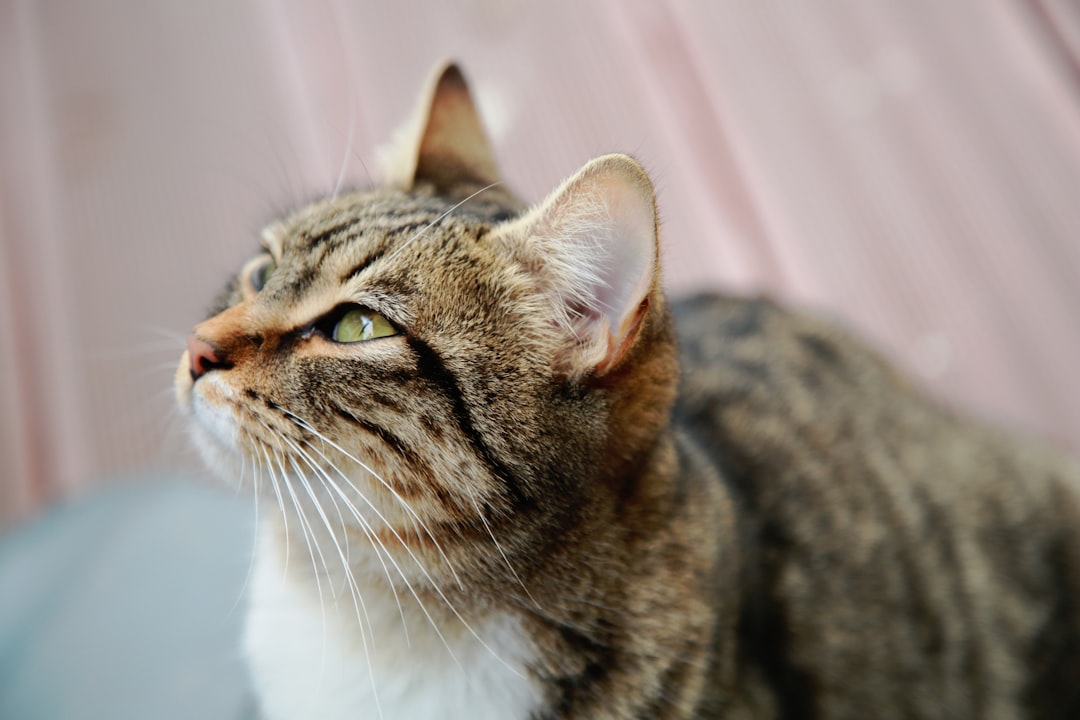
Cats demonstrate extraordinary patience when it comes to hunting and observation. Sitting for hours outside a mouse hole has taught them patience, turning what appears as simple waiting into a deliberate practice of focused attention. This behavior teaches us that patience isn’t passive resignation, rather it’s an active state of readiness and awareness.
They often wait silently, watching the world before making any move, displaying a capacity for patience and strategic action that serves as a lesson in mindfulness. Unlike humans who feel compelled to fill every moment with action or stimulation, cats understand that sometimes the most productive thing we can do is wait. While they may seem aloof, cats demonstrate that careful thought and observation can lead to better outcomes.
Present Moment Awareness Without Overthinking
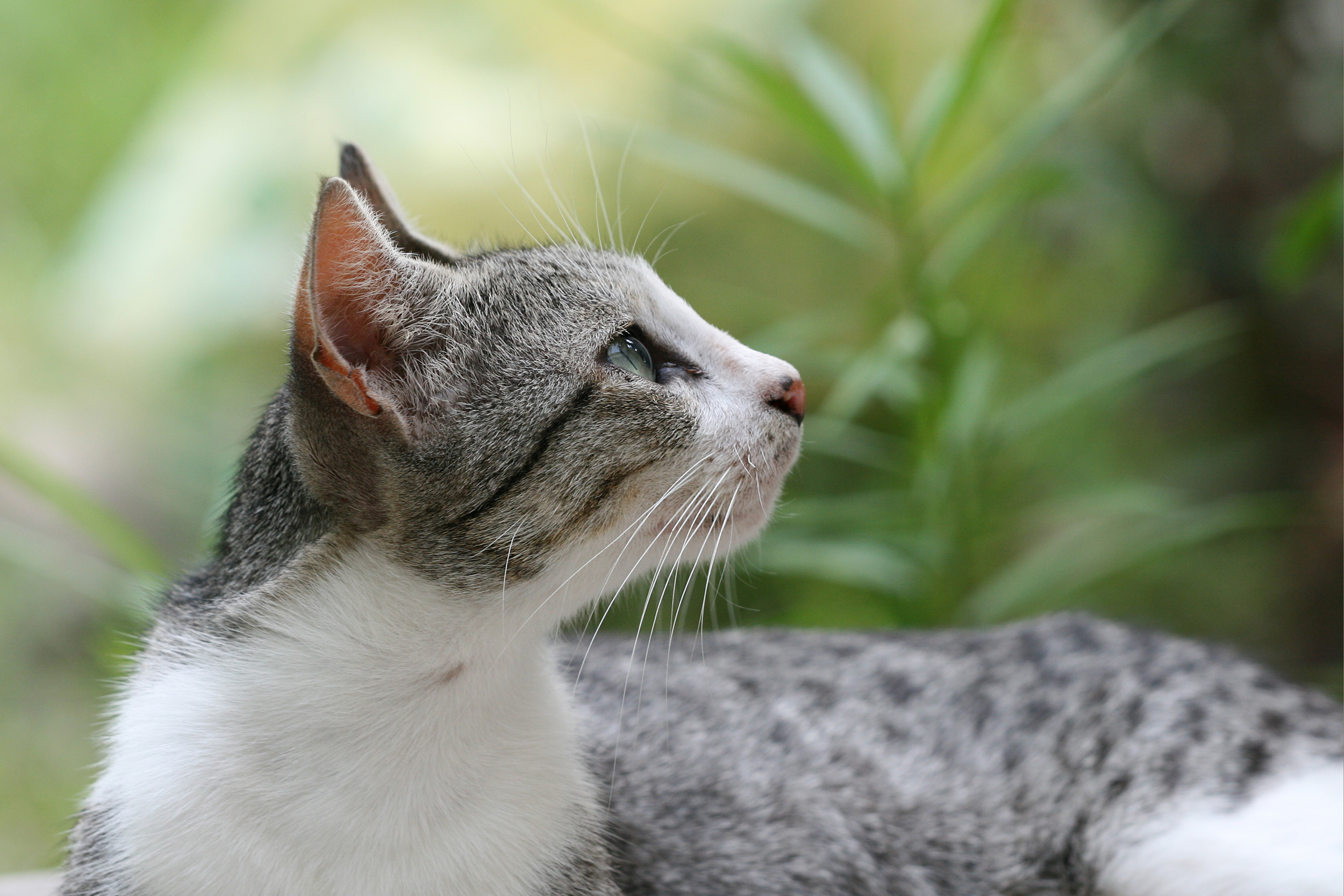
Cats never need a reminder to enjoy the present, to forgive and forget or to rest when they feel tired, embodying a natural balance between eating, playing, purring and resting without needing prompts or permission. Their ability to exist fully in the current moment demonstrates how we can reduce anxiety by focusing on what’s happening now rather than worrying about future outcomes.
Even when cats have their eyes closed, they are fully present, ears pivoting around like radars as they listen to sounds in the environment, living in the moment while staying aware of the here and now. This teaches us that mindfulness doesn’t require constant mental effort. The soothing impact of observing a cat’s tranquil demeanor can effectively liberate individuals from anxious thoughts rooted in the past or concerns about the future.
Emotional Self-Regulation Through Stillness
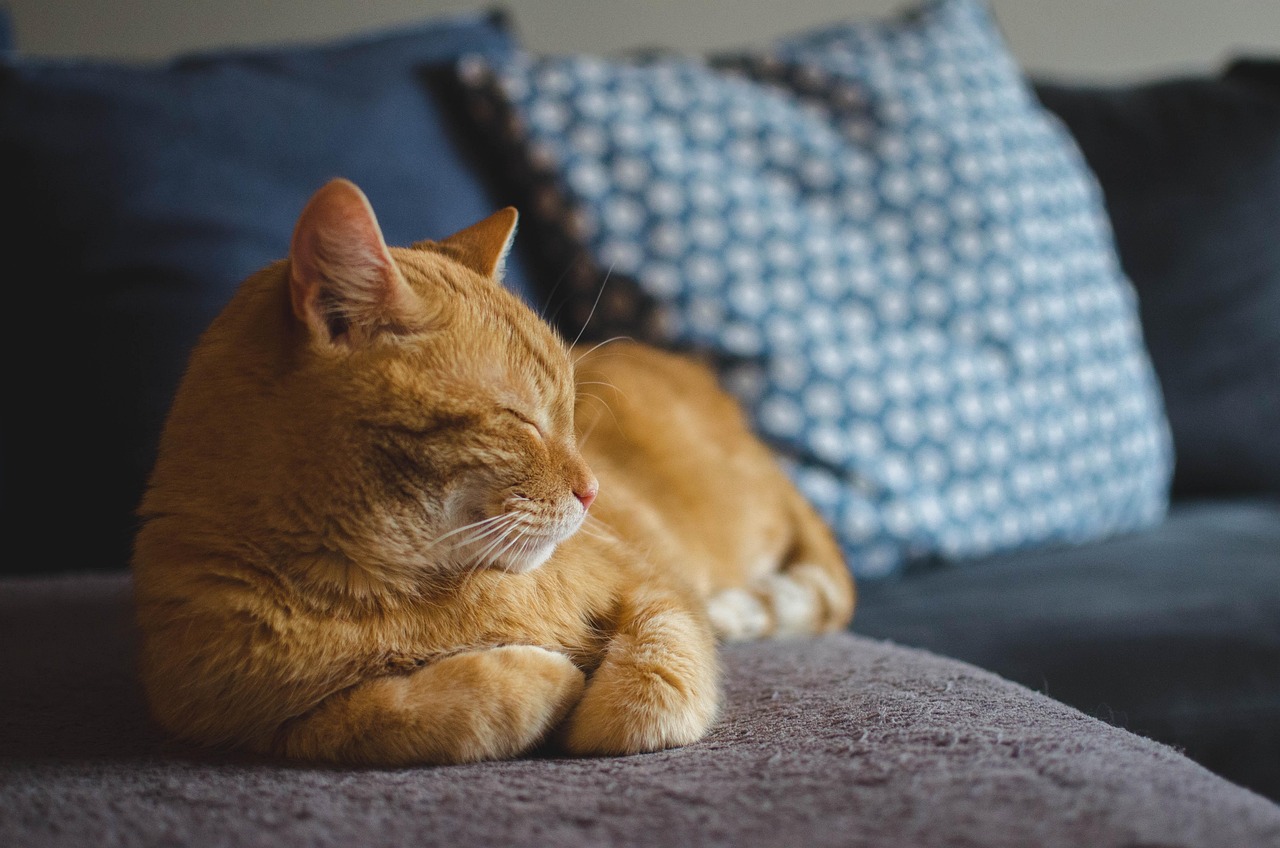
Cats make mindfulness easy when they seemingly do nothing, sitting in silence with eyes closed and enjoying the moment, showing us that what many consider a waste of time is actually a practice that allows for mental breaks. Their natural ability to regulate emotions through stillness offers a powerful lesson in self-care that requires no external tools or techniques.
They mindfully observe sounds and bask in the warmth of sunshine, simply resting while demonstrating that the benefits of just observing include being grounded in thoughts, relaxing, improving motivation, and enhancing emotional regulation. As naturally calm and present animals known for finding peace at any moment, cats create harmonious environments for deep relaxation through their serene energy.
Graceful Adaptation to Change

While cats are typically creatures of habit like humans, they face challenges including unexpected changes in routine by quickly adapting, such as accepting when dinner isn’t served at the expected time and finding alternative activities like drinking water or snoozing until food becomes available. This demonstrates remarkable emotional flexibility that many humans struggle to achieve.
Most cats adapt to small changes well when their overall household schedule remains stable, allowing us to tap into their adaptation skills and learn how to better apply them in our own lives. Rather than fighting against circumstances beyond our control, cats show us how to flow with life’s inevitable fluctuations while maintaining inner stability.
Setting Healthy Boundaries Without Guilt
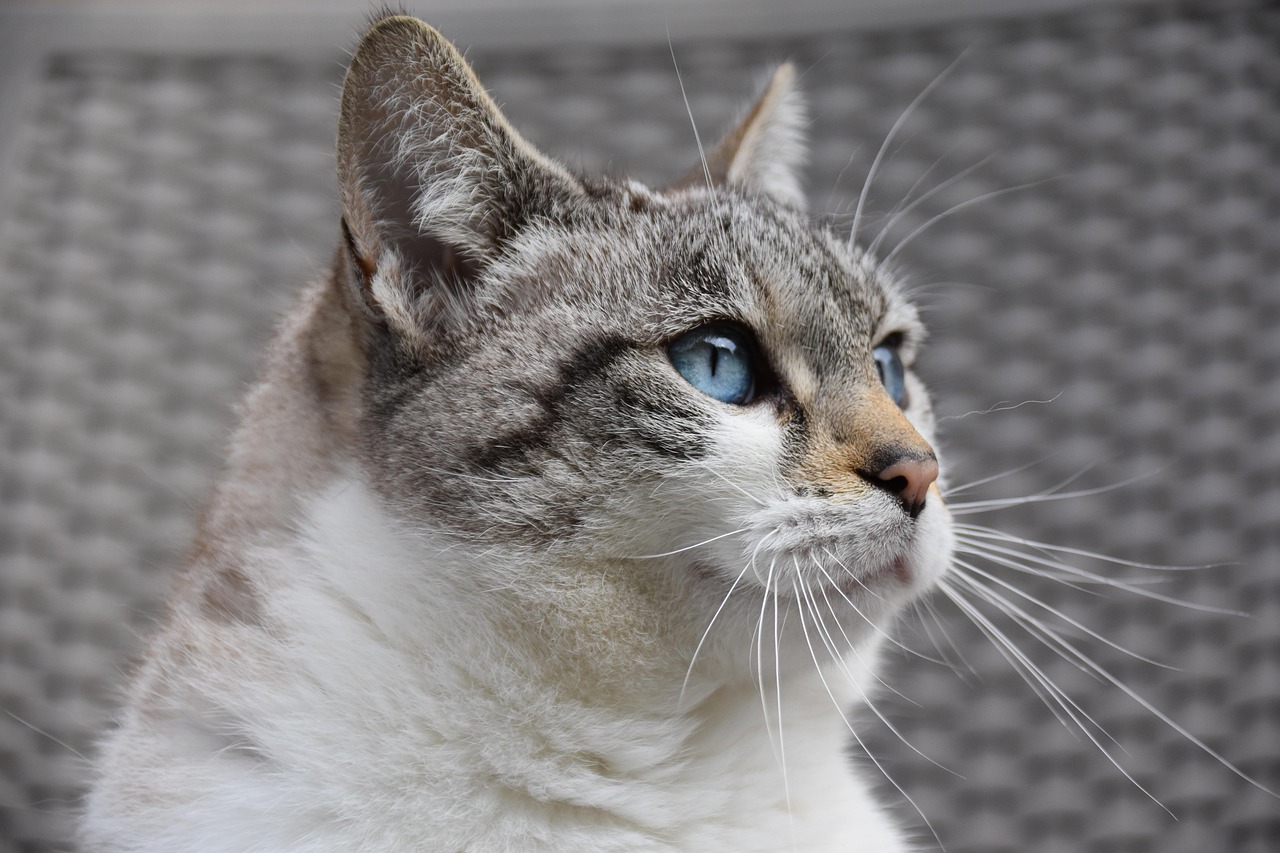
Despite getting a terrible reputation for being too independent and cold, cats actually acknowledge and accept their limitations, finding happiness in their own company and knowing when they’ve hit their limit from pets, choosing to walk away. This natural boundary-setting offers valuable lessons about self-respect and emotional protection.
They teach us to respect ourselves first, showing that saying no can be a form of self-care while expressing affection selectively and authentically, not craving constant approval but forming sincere and trusting bonds when they feel secure. Their ability to maintain emotional distance when needed demonstrates healthy relationship dynamics that protect their wellbeing.
Acceptance of Life’s Natural Rhythms
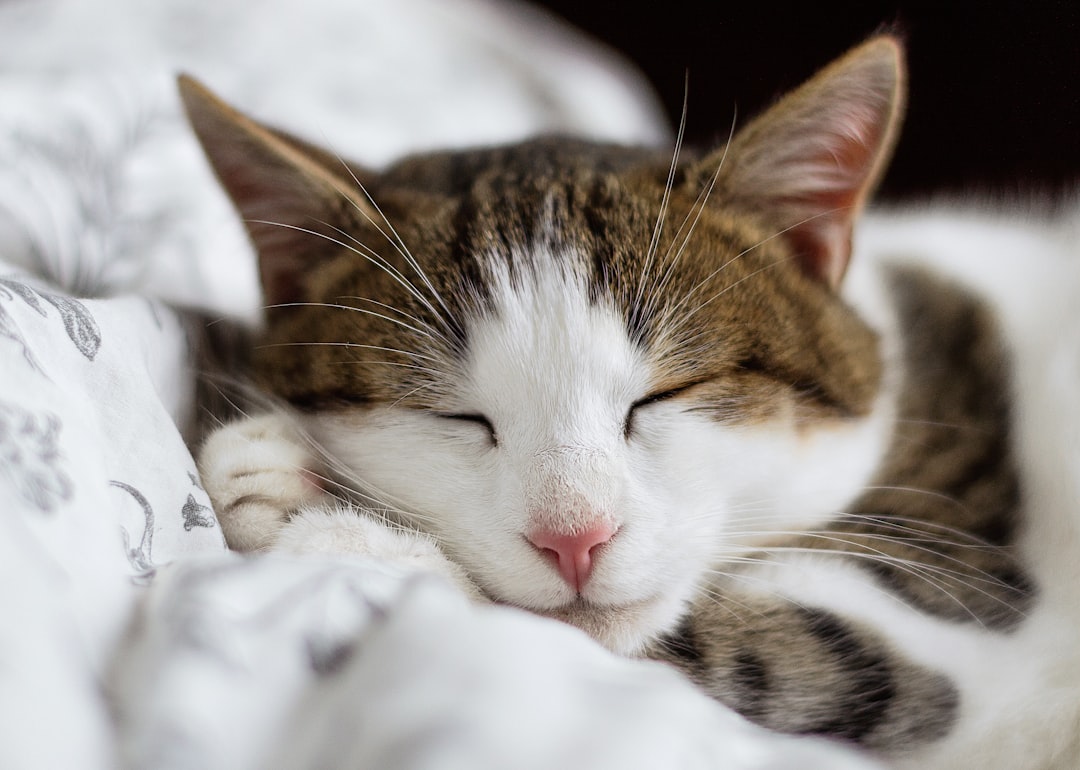
Cats know the art of living by eating when they’re hungry and sleeping when they’re tired, demonstrating an intuitive understanding of natural cycles that humans often ignore in favor of artificial schedules. Their respect for biological rhythms teaches us about honoring our bodies’ needs rather than forcing ourselves through exhaustion or stress.
Unlike humans who push through fatigue with caffeine, cats surrender fully to the call of sleep, with some achieving remarkable levels of relaxation through extended periods of rest. This surrender to natural needs shows us how resistance to our body’s signals creates unnecessary suffering and emotional tension.
Letting Go Without Attachment
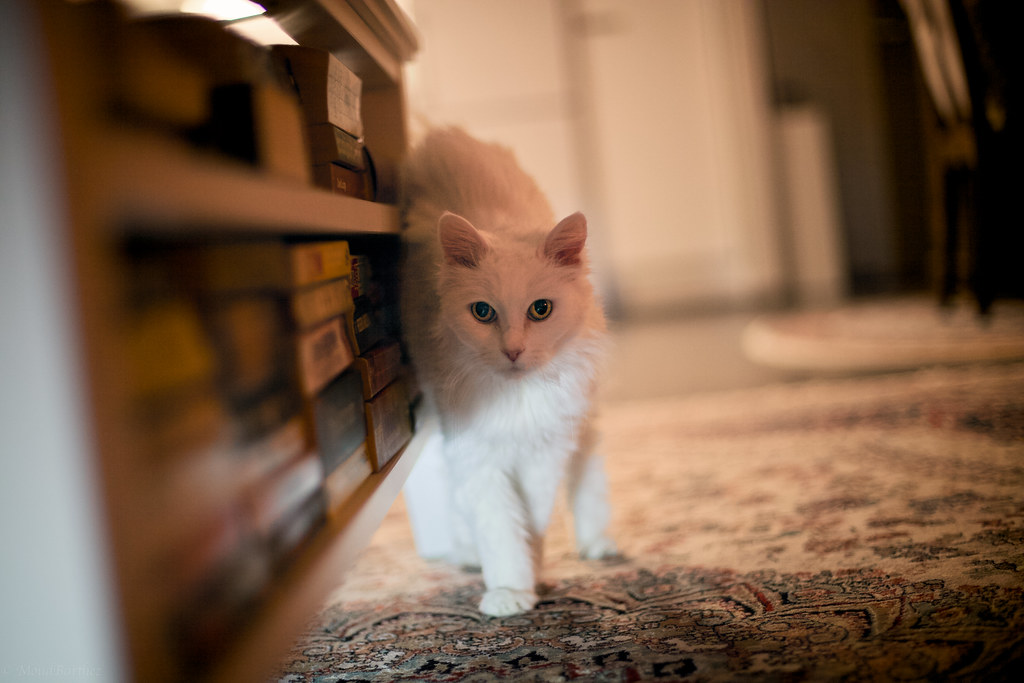
True enlightenment requires letting go, and cats demonstrate this by knocking items off shelves with complete emotional detachment, driven by their natural curiosity and hunting instincts. Their natural ability to remain unattached to material things offers profound lessons about reducing anxiety through non-attachment.
Cats reach acceptance as the final stage of processing loss, with some becoming more affectionate while others may withdraw or show different behavioral changes, showing that there’s no set period for grieving and that some may show behavioral changes for days while others take weeks or months to adjust. Their capacity to move through difficult emotions without getting stuck demonstrates healthy emotional processing that humans can learn from.
These feline teachers offer us a masterclass in emotional intelligence through their daily behaviors. Their patience isn’t about waiting passively for life to happen, rather it’s about cultivating a deep trust in life’s natural flow while maintaining awareness and readiness for action when needed. By observing and learning from our cats, we can develop greater emotional resilience, reduce stress, and find peace in the present moment.
What aspects of your cat’s behavior have taught you the most about patience? Share your thoughts in the comments below.