Most people think they know exactly what they’re getting when they adopt a Siamese cat. They expect a clingy, attention-seeking companion who follows them everywhere and demands constant interaction. Yet beneath that people-focused exterior lies something that continually surprises new owners: Siamese cats are not the type to be overly needy, allowing their owners to enjoy the perfect balance of companionship and independence. This fascinating dichotomy makes Siamese cats one of the most misunderstood breeds in the feline world.
Understanding the true nature of Siamese independence requires looking beyond their reputation as velcro cats. While they absolutely crave human connection, these remarkable felines possess an inner self-sufficiency that manifests in unexpected ways. Let’s dive in and discover how these royal cats from Thailand have mastered the art of being both deeply social and surprisingly autonomous.
The Intelligence Behind Their Self-Reliance
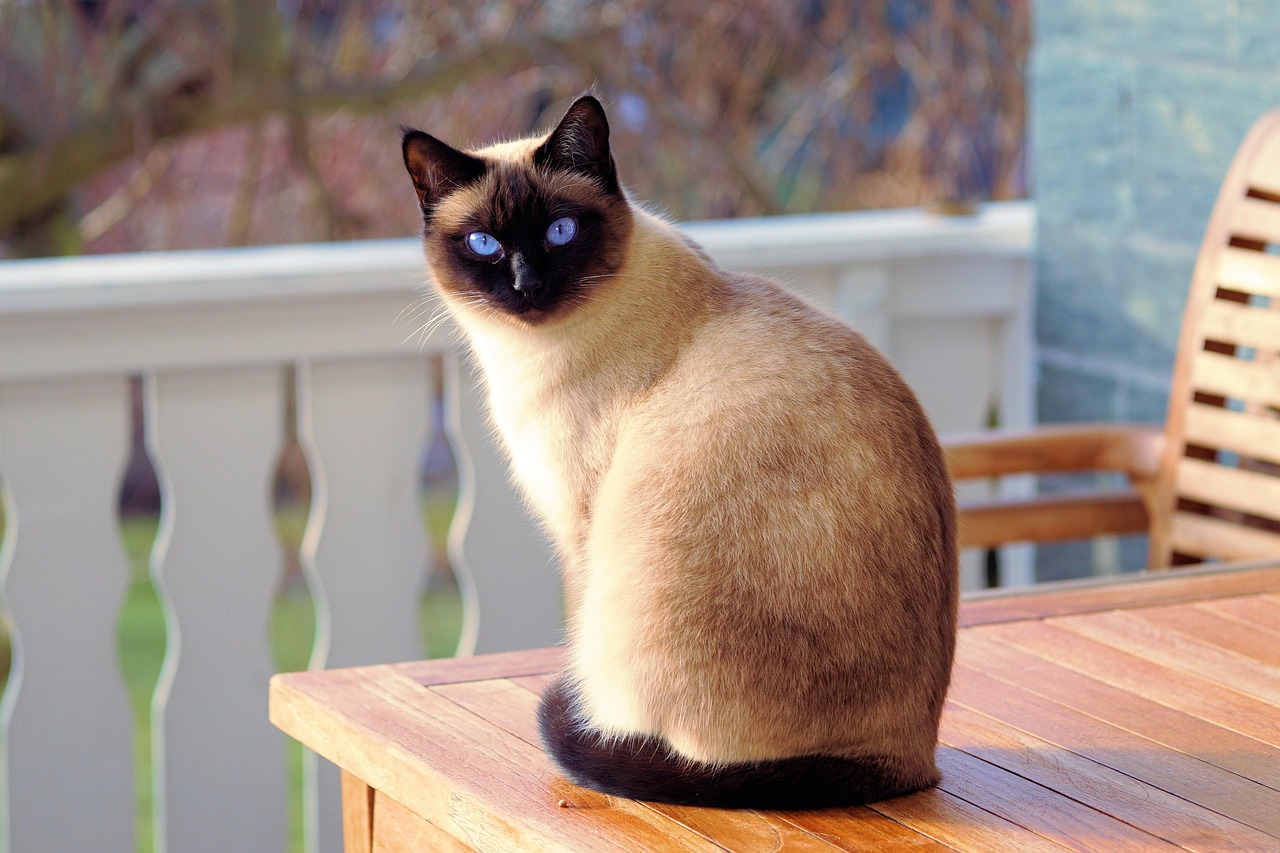
The foundation of Siamese independence lies in their remarkable intelligence. Intelligent and excellent problem solvers, with a strong attachment to one person and a desire to be with that person, the Siamese is not always an easy cat to live with unless you are prepared to give a lot of ‘cattention’. This intellectual capacity enables them to navigate their world with confidence and autonomy.
Siamese cats are naturally curious and quick learners. They pick up routines, open doors, and some will even play fetch. Their problem-solving abilities go far beyond typical cat behavior. I’ve known Siamese to figure out how to turn on taps, unlock food containers, and one memorable lad who worked out how to eject DVDs. This mental agility allows them to satisfy many of their own needs without relying solely on human assistance.
Their intelligence also means they understand when and how to be independent. These felines are known for their problem-solving skills and ability to figure out how to open doors, climb high shelves, and manipulate objects to get what they want. Rather than simply demanding help, they often find creative solutions to challenges on their own terms.
The Art of Selective Attention Seeking
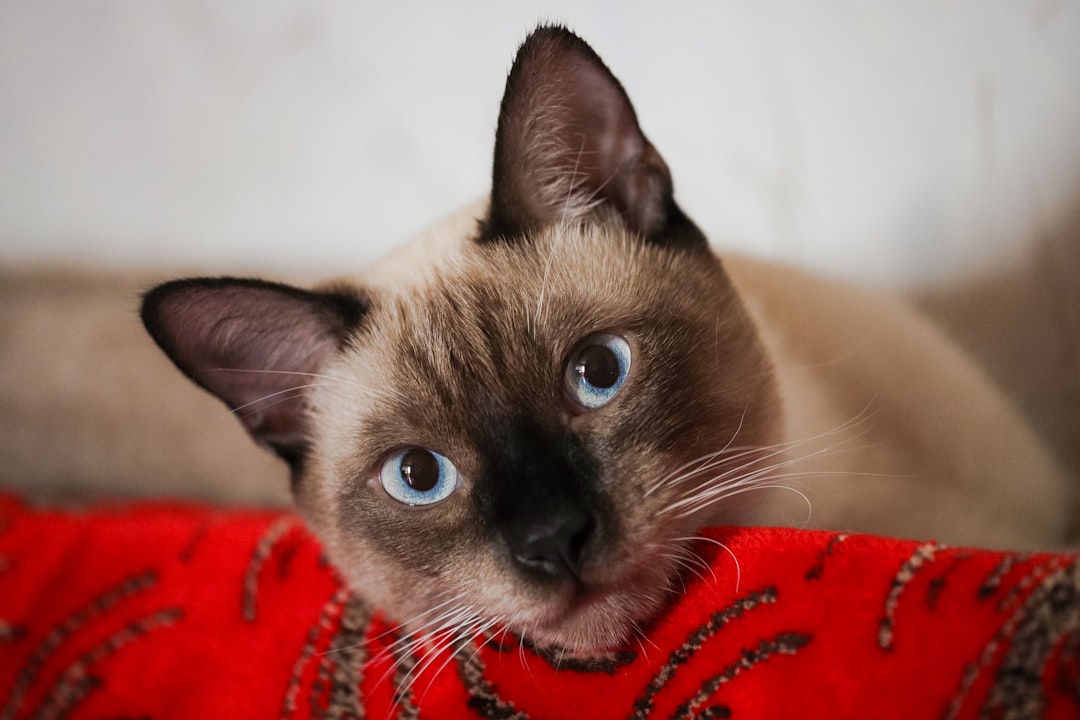
One of the most surprising aspects of Siamese behavior is their ability to toggle between social butterfly and independent operator. They are very social cats and enjoy being around people, but they can also be independent and may not always want to be held or cuddled. This selective approach to companionship catches many new owners off guard.
Unlike truly clingy pets, Siamese cats make calculated decisions about when they want interaction. While some may be lap cats, many are too active and independent to stay in a lap for too long. They prefer to be near you rather than constantly on you, maintaining their autonomy while still enjoying your presence.
This behavioral pattern stems from their royal heritage in Thailand, where they served as both companion and guardian cats. They learned to balance devotion with the independence necessary to perform their duties effectively.
Their Surprising Self-Grooming Independence
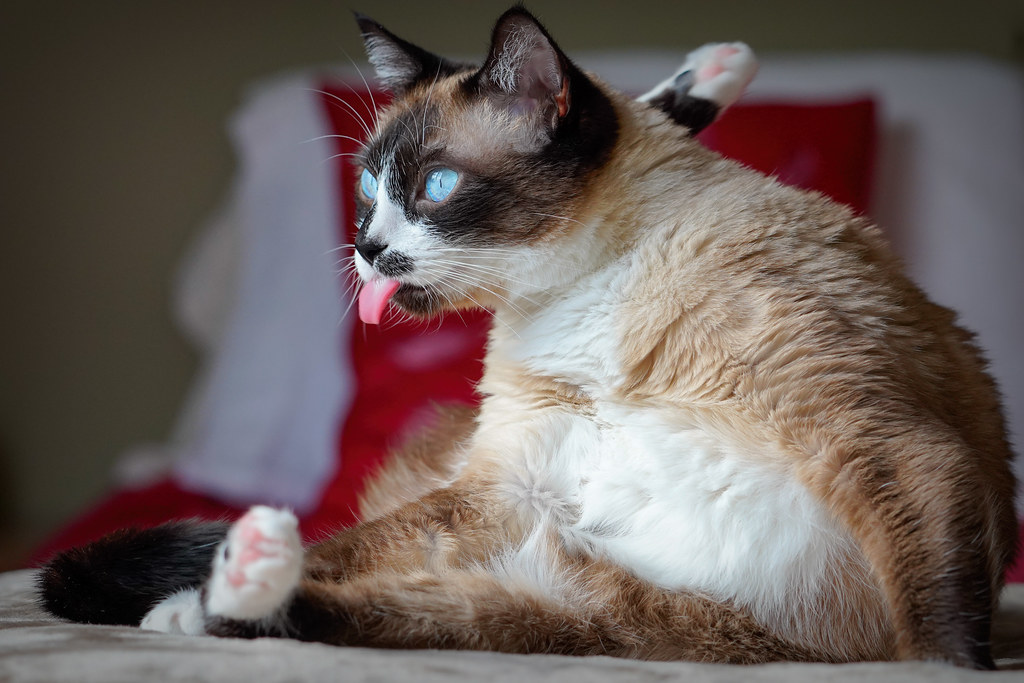
Despite their social reputation, Siamese cats display remarkable independence when it comes to personal care. They can be independent when it comes to grooming but are also prone to infections. Their short, sleek coats require minimal human intervention, and they take pride in maintaining their appearance.
Siamese cats are mostly able to maintain their coat, but they do need a little attention from you to keep their coats in top condition. This breed’s short fur means they don’t need daily grooming. This self-sufficiency in grooming allows them to maintain their dignity and cleanliness without constant human help.
Their grooming independence extends beyond mere practicality. It represents their desire to control aspects of their environment and care, demonstrating that even in their most social moments, they retain a strong sense of personal autonomy.
The Hidden Strength of Independent Decision Making
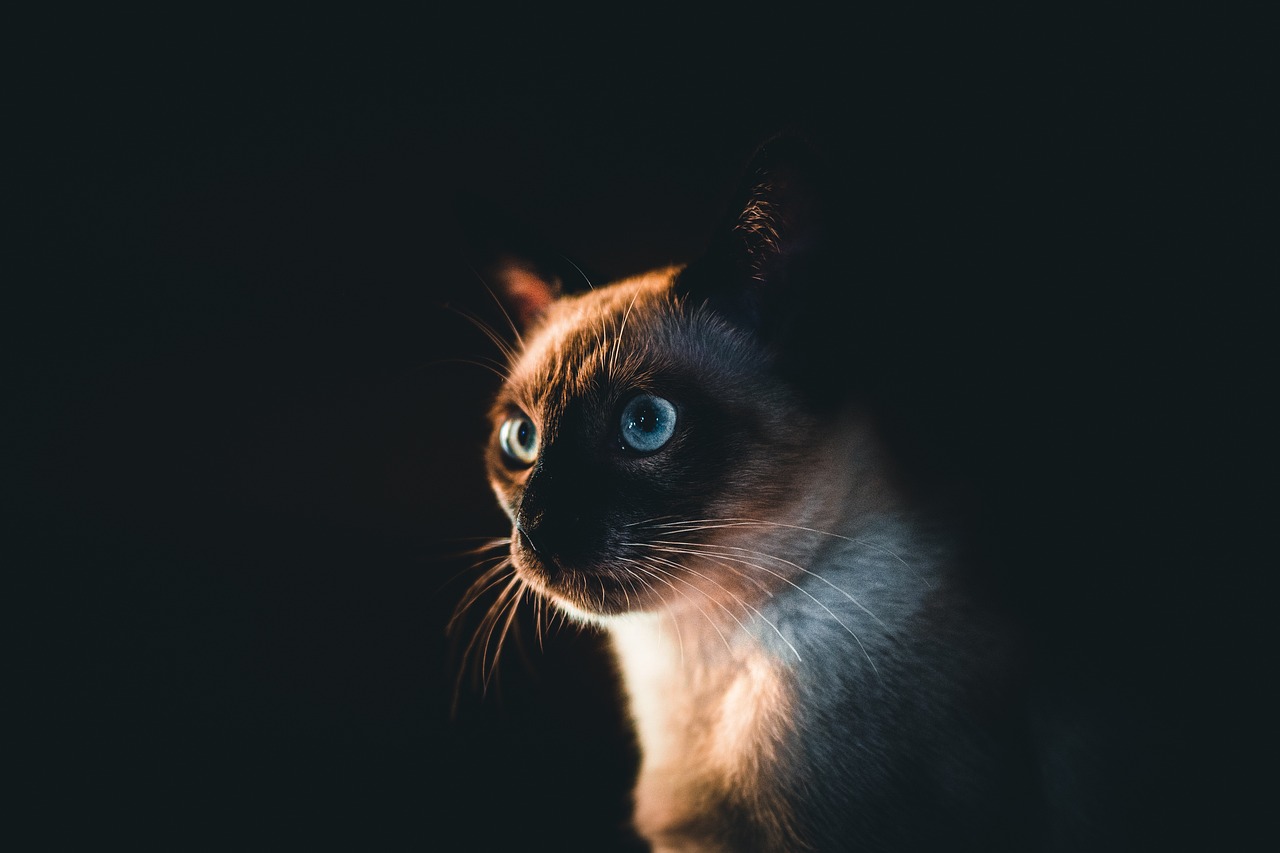
Perhaps the most surprising revelation for new Siamese owners is discovering their cat’s strong decision-making abilities. These cats only do what they want. This isn’t stubbornness; it’s intellectual independence that allows them to assess situations and make choices based on their own judgment.
This intelligence does not mean, however, that she can be trained to do everything you might wish. Like most other highly intelligent breeds, the Siamese has her own desires. They evaluate requests and commands, deciding which ones align with their interests and which ones don’t.
This selective cooperation surprises owners who expect their social cats to be people-pleasers. Instead, they discover cats who think for themselves and maintain their independence of thought even while forming strong emotional bonds with their families.
Their Remarkable Ability to Self-Entertain
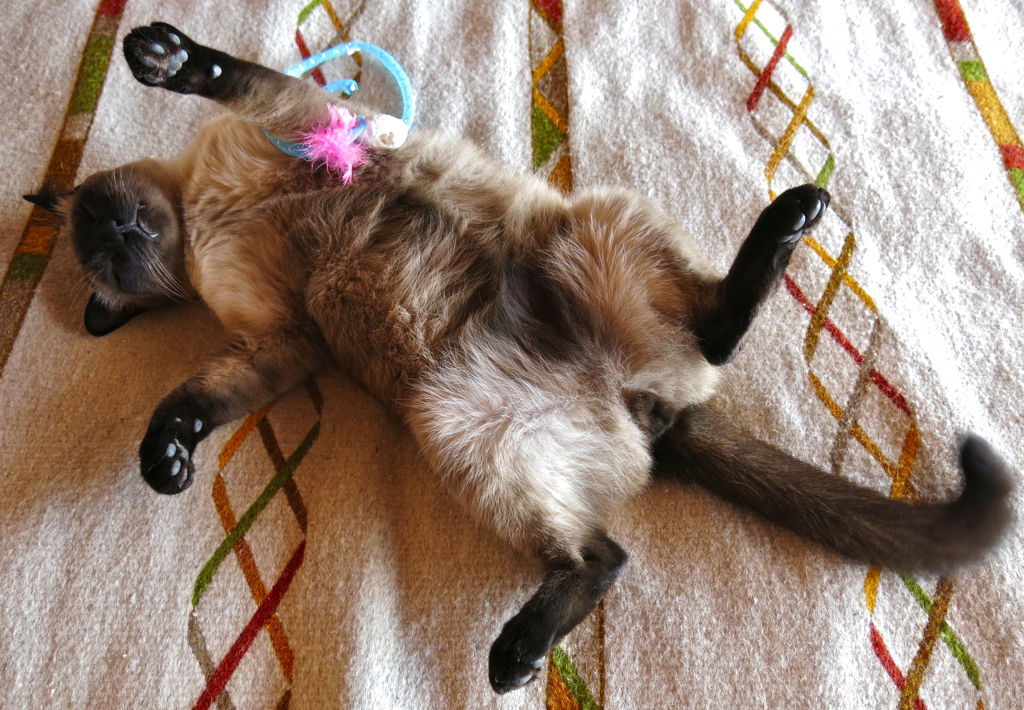
Contrary to popular belief about their neediness, Siamese cats possess impressive abilities to entertain themselves when necessary. They’re good at learning tricks (especially self-taught ones, like opening fridge doors) and it’s quite possible to train them to walk on a harness. These self-taught behaviors demonstrate their capacity for independent learning and entertainment.
As independent as they might be, many Siamese can be trained to play games like fetch, and they will learn their names and can be taught to come when called. However, they often prefer to create their own games and activities rather than waiting for human initiation.
Their exploratory nature means they can spend considerable time investigating their environment independently. They don’t require constant supervision or entertainment, though they certainly enjoy interactive play when it’s offered on their terms.
The Balance Between Companionship and Space
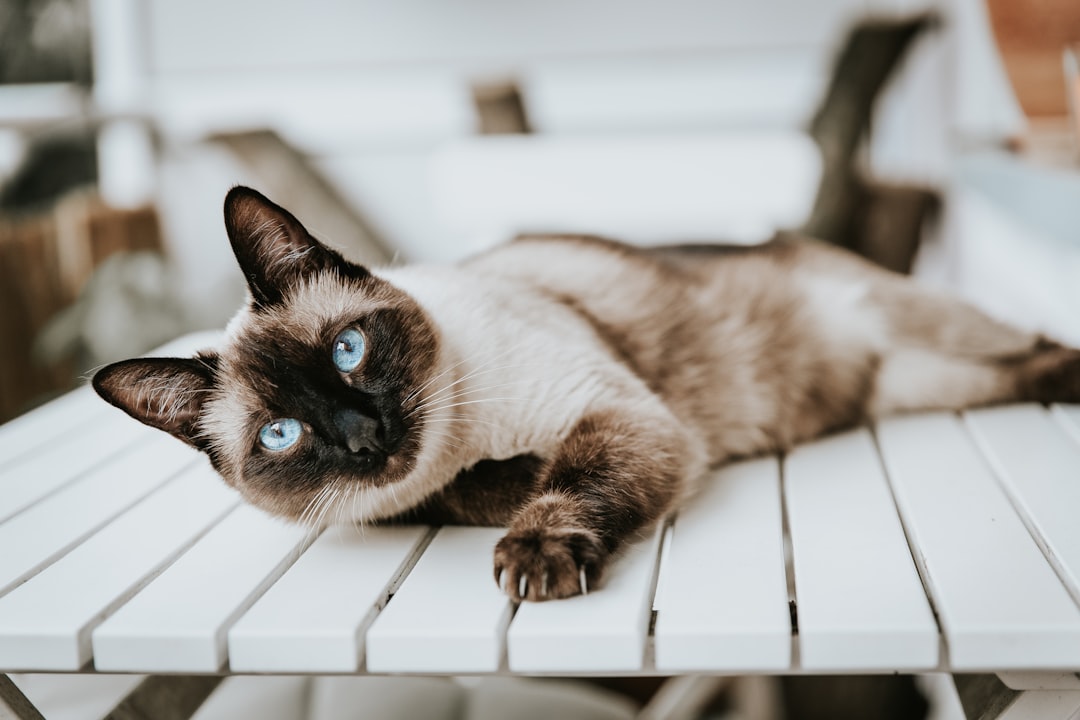
New owners often struggle to understand how Siamese cats can be both social and independent simultaneously. However, despite their affectionate nature, Siamese cats, like other felines, need plenty of space and are much more independent than their canine counterparts. They’ve mastered the art of being present without being overwhelming.
This balance manifests in their tendency to choose proximity over constant contact. They want to be in the same room but not necessarily in physical contact every moment. My own cat loves to sit snugly on top of the kitchen boiler while we’re making dinner. This gives him a good vantage point where he can keep an eye on us – and coincidentally, on any little titbits that just might happen to fall on the floor.
Their independence allows them to be excellent judges of when attention is wanted and when space is needed. This emotional intelligence surprises owners who expect either constant clinginess or complete aloofness, but get neither extreme.
Strategic Independence in Multi-Pet Households
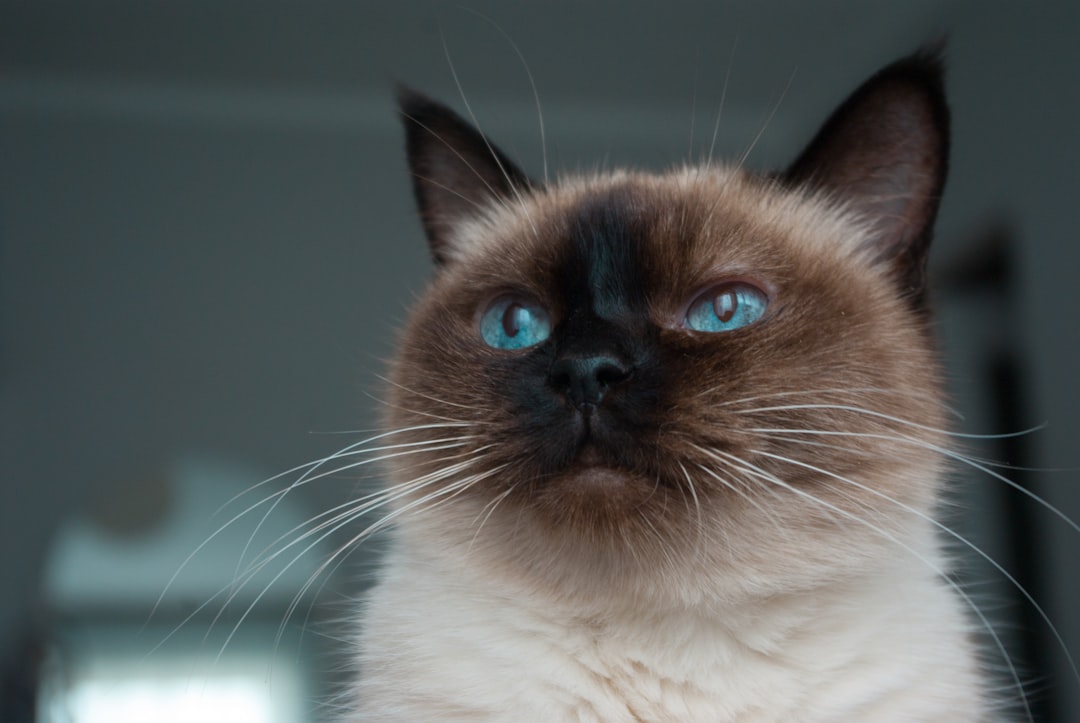
In households with multiple pets, Siamese cats often display their most sophisticated independent behaviors. In a multi-cat household, they may be tempted to set themselves up as “top cat” and boss the other cats around. This leadership role requires them to balance their social needs with independent decision-making.
Their intelligence allows them to navigate complex social dynamics without constant human mediation. They can establish relationships, resolve conflicts, and maintain their position in the household hierarchy through their own diplomatic skills.
This social independence extends to their relationships with dogs and other pets. They often form strong bonds while maintaining their autonomy, demonstrating their ability to be both team players and individual thinkers.
The Misconception About Their Dependency Levels
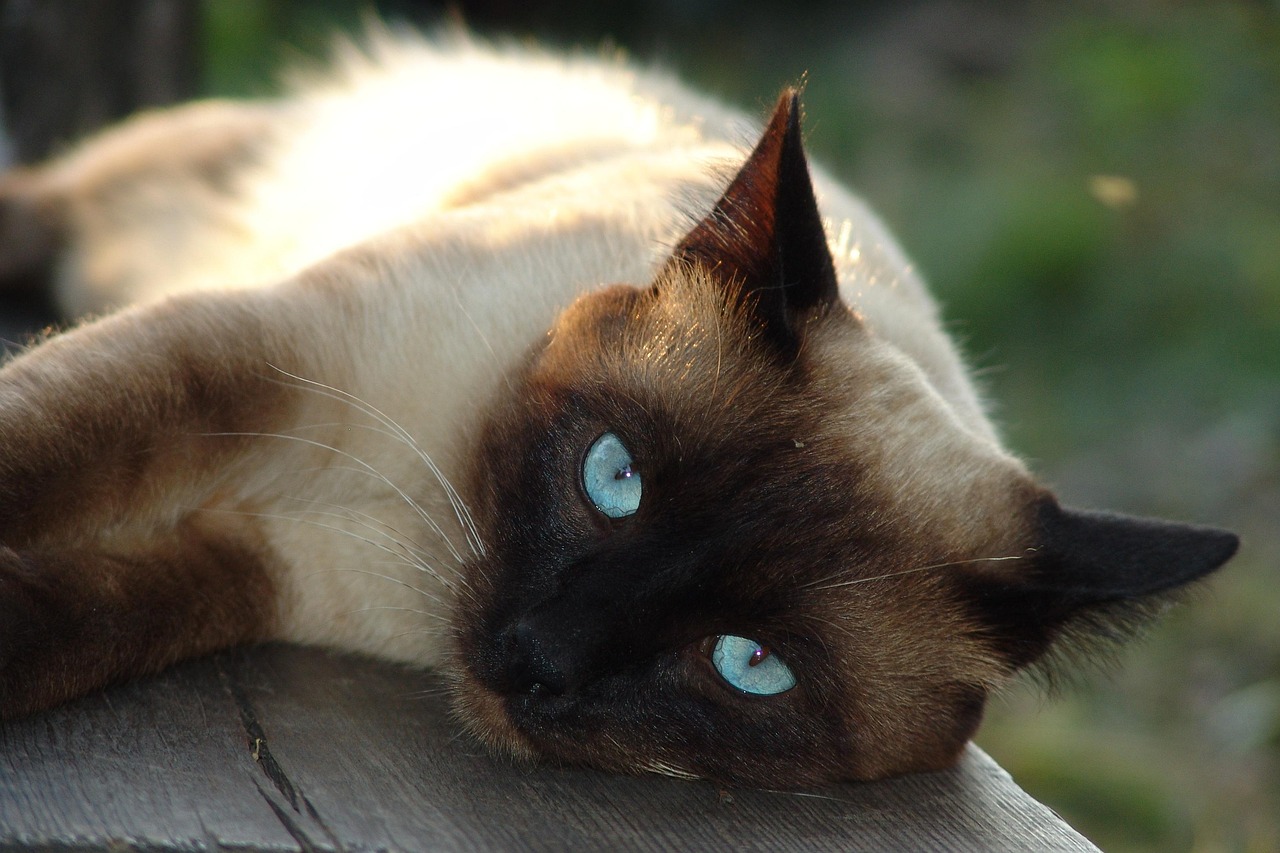
Many resources describe Siamese cats as highly dependent, but this oversimplifies their complex nature. While all cats are independent to a degree, Siamese cats typically lean towards the “less independent” end of the spectrum due to their highly social nature. However, this doesn’t mean they lack independence entirely.
The confusion arises from conflating social needs with dependency. Siamese cats need social interaction, but they don’t necessarily need to be dependent on their humans for everything. So, if you’re someone who wants a cat that’s happy on its own and enjoys solitude, a Siamese cat probably isn’t the breed for you. Yet they’re also not helpless creatures who can’t function independently.
Their social intelligence actually enhances their independence by allowing them to communicate their needs clearly rather than relying on their humans to guess what they want. This communication ability makes them more self-sufficient, not less.
Hidden Independence Through Routine Mastery
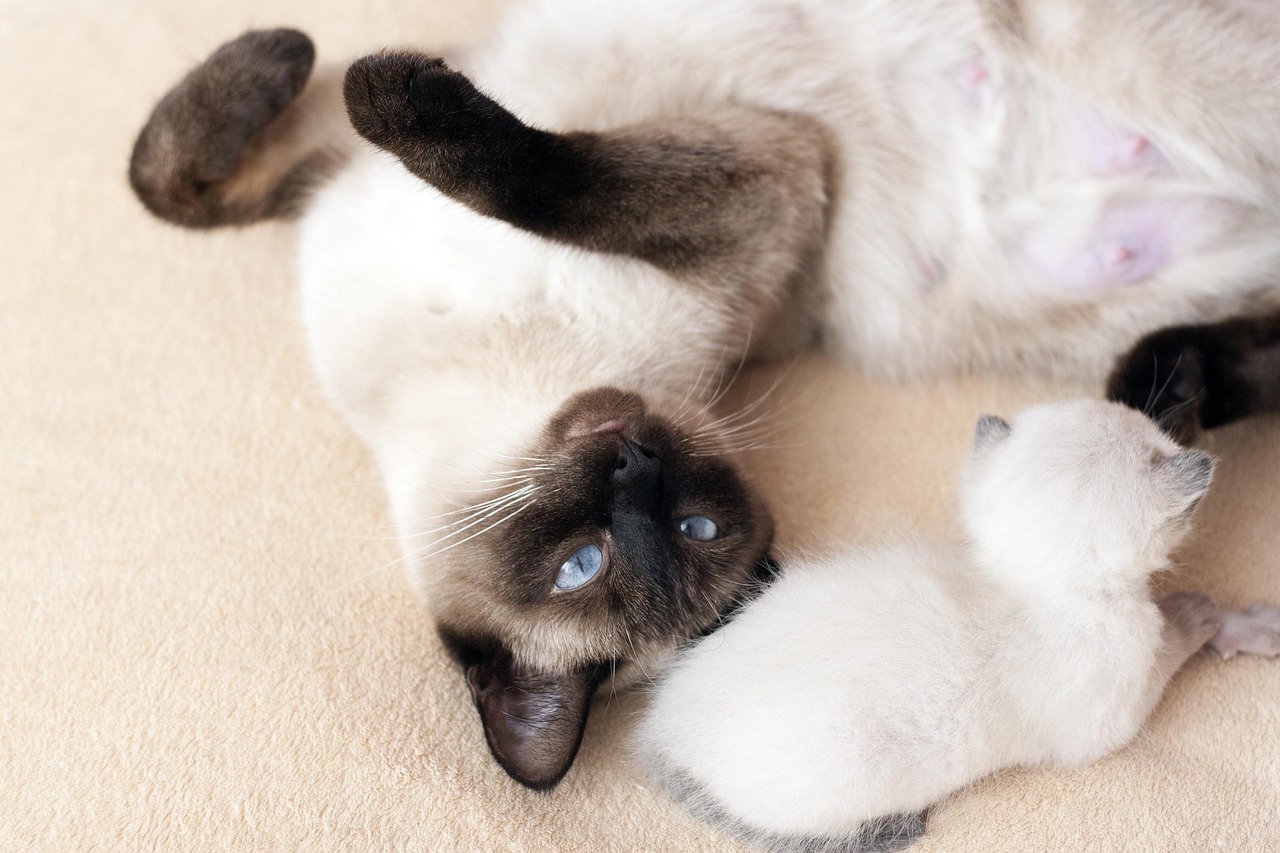
One of the most surprising displays of Siamese independence comes through their mastery of household routines. They pick up routines, open doors, and some will even play fetch. Their ability to learn and adapt to schedules allows them to anticipate needs and take care of themselves in many situations.
Siamese are intelligent enough to learn tricks, can be clicker trained and can oftentimes solve how to get to wherever you place a forbidden item. This learning ability translates into practical independence as they figure out how to access food, water, and comfort items without constant human assistance.
Their routine mastery also extends to understanding family schedules and adapting their behavior accordingly. They learn when to expect attention and when to entertain themselves, demonstrating remarkable emotional and practical independence.
The Evolution of Their Independent Spirit
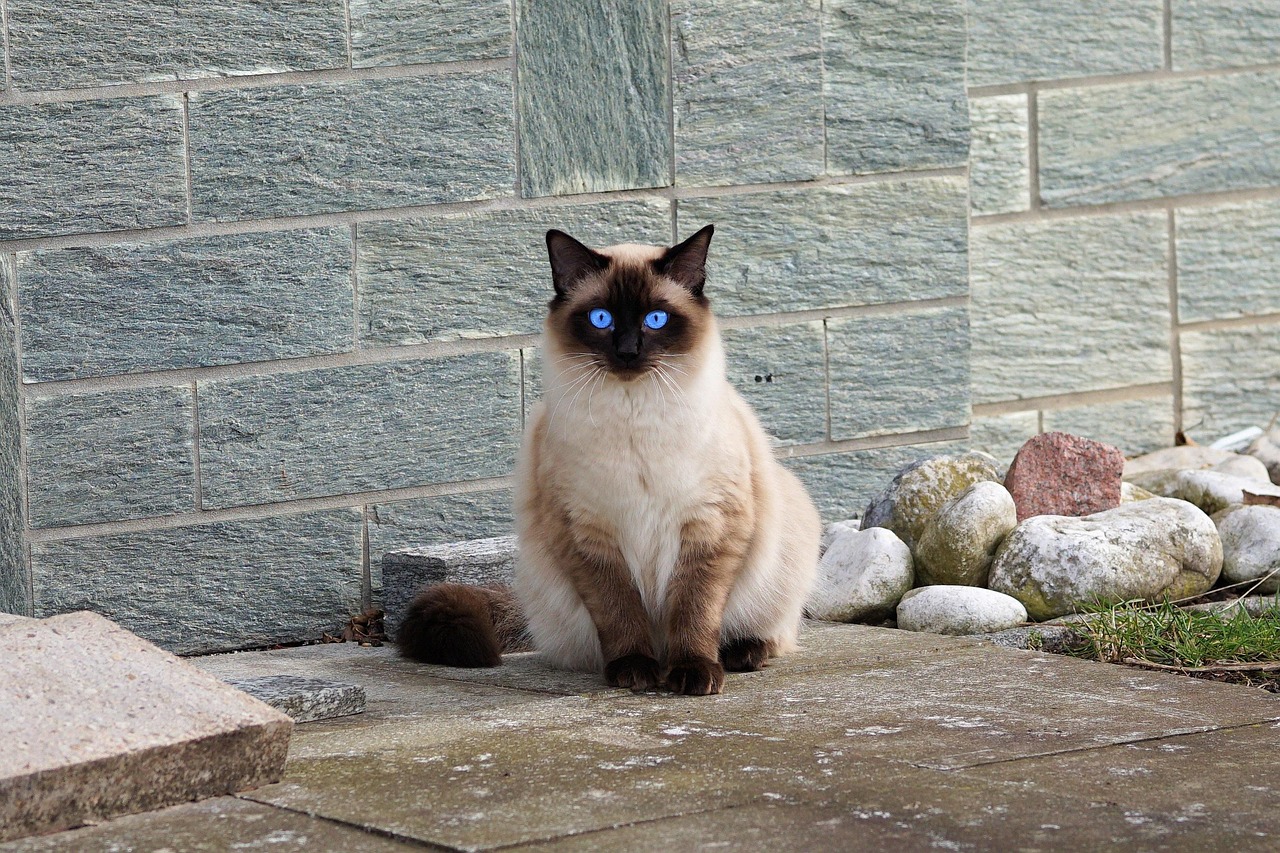
Understanding Siamese independence requires appreciating their historical development. The Siamese cat originated in Siam (now Thailand) and was first introduced to the western world in the late 19th century. In Thailand, they were considered to be royal pets because of their regal appearance. This royal background shaped their confident, independent nature.
Their breeding history selected for cats who could be both companions and guardians, roles that required significant independence and decision-making ability. According to traditional legends, the cats were not only valued by the king for their exquisite beauty, but were also reportedly used as guard cats, though historical documentation of their specific guardian roles remains limited.
This historical context explains why modern Siamese cats retain such strong independent streaks despite their social nature. They were bred to think for themselves while remaining loyal to their human companions.
Conclusion
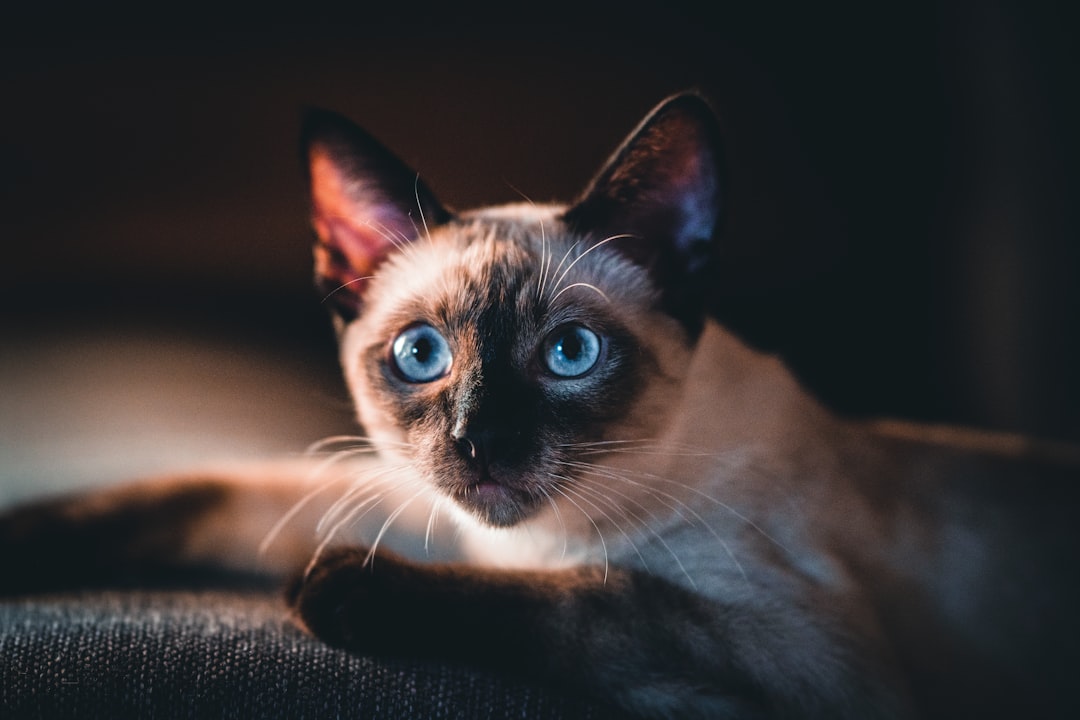
The hidden independence of Siamese cats represents one of the breed’s most fascinating and misunderstood qualities. While they absolutely crave human connection and thrive on social interaction, they also possess a sophisticated inner autonomy that allows them to navigate their world with confidence and intelligence. Overall, Siamese cats make wonderfully affectionate, demonstrative, and interactive companions. Their unique personality traits require owners who understand their social, intelligent, and vocal nature and who can provide the attention and stimulation they need.
New owners who come prepared only for a clingy companion often find themselves pleasantly surprised by their Siamese cat’s ability to balance devotion with independence. This complexity makes them not just pets, but true companions who bring both the warmth of connection and the respect of autonomy to their relationships.
What do you think about this surprising side of Siamese cats? Tell us in the comments.