Every cat owner has experienced it. The subtle moments when your feline friend seems to be trying to tell you something without making a sound. While dogs might bark or jump around for attention, cats have mastered the art of gentle communication through quiet signals that many humans miss entirely.
Understanding these whisper-soft requests can transform your relationship with your feline companion. These silent pleas aren’t just random behaviors. They’re carefully crafted messages that reveal your cat’s emotional needs and desire for connection. Let’s explore five surprisingly quiet ways your cat asks for your attention every single day.
The Slow Blink “I Love You”
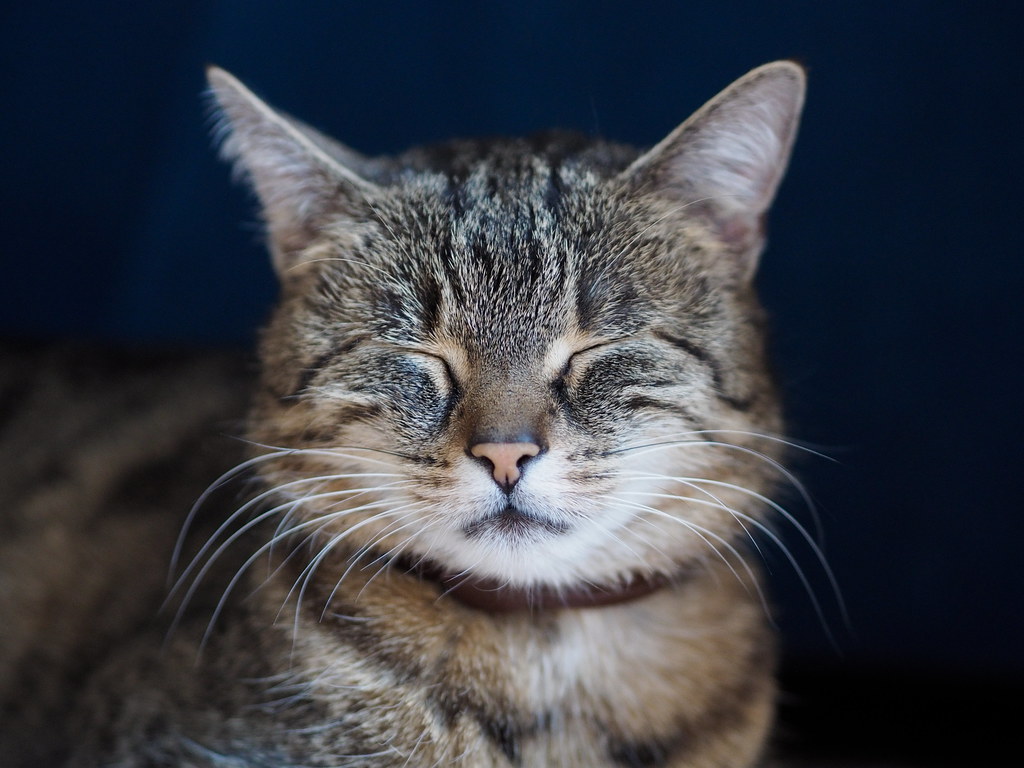
When your cat looks at you and gives you slow, deliberate blinks, it’s their way of saying they trust you. Cats often slow-blink when they’re comfortable and feel safe in their environment. This behavior represents one of the most intimate forms of feline communication.
Researchers feel the slow blink is supposed to indicate a cat is open to interaction and does not intend to be intimidating. It may be the kitty equivalent of a welcoming smile between humans. Scientists have discovered something remarkable about this gentle gesture that makes it even more special.
Slow blinking is a sign of trust and affection (you can try it too!). Cats often use slow blinks as a “kitty kiss.” If Fluffy does this, return the gesture by blinking slowly back at her. This creates a beautiful conversation without words, strengthening the bond between you and your cat through mutual understanding.
Head Bunting for Connection
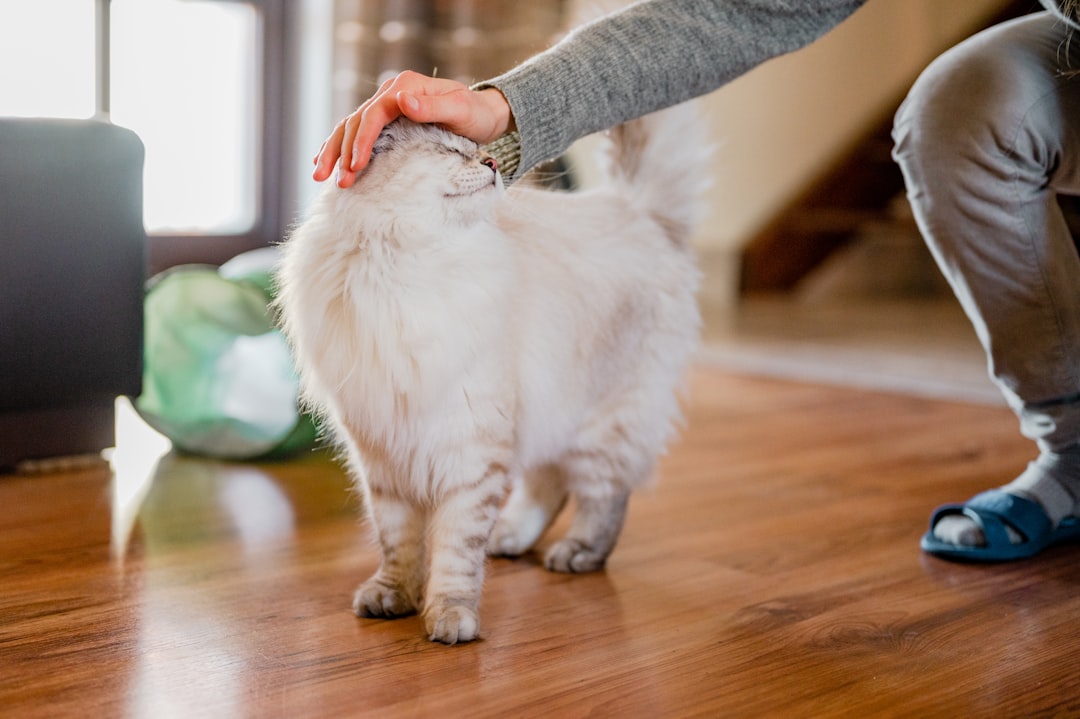
Head butting may not sound like an affectionate behavior, but in the feline kingdom, it actually is. Also known as head bunting, head butting is a sign of affection because when your cat rubs his head against something, he releases facial pheromones. Feline facial pheromones are used to mark surfaces as safe, so the next time your cat head butts you, he’s telling you he trusts you.
Have you ever felt a little nudge from your cat’s forehead or cheek? This gentle head butt, or “bunting,” is a subtle but powerful sign your cat wants you to pay attention. Cats have scent glands on their faces, and when they rub against you, they’re marking you with their scent – a way of saying, “You belong to me.” This behavior creates an invisible bond through scent marking.
Unlike aggressive headbutting, this gentle pressure against your leg, hand, or face carries deep meaning. Your cat literally considers you part of their family group when they perform this quiet ritual. Responding with gentle pets or scratches acknowledges their loving gesture and encourages continued connection.
Kneading Their Way Into Your Heart
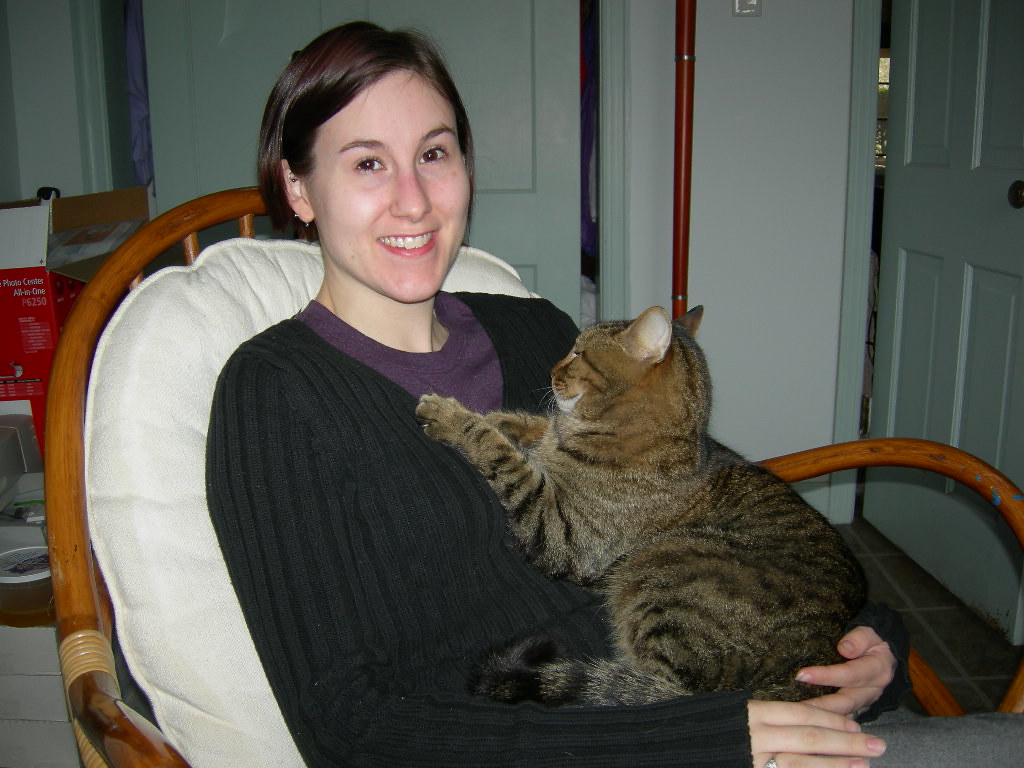
Many cat owners don’t know the name of this behavior and would describe it as the “slow motion lifting of the paws.” Some cats knead couches and blankets. Some also knead their owners’ laps, stomachs, and even their hair as they’re trying to sleep! Kneading is a behavior that begins at kittenhood, when kittens knead against their mothers to stimulate milk production, resulting in a feeling of contentment. When adult cats knead, experts believe it’s associated with that same kind of feeling, so the next time you feel those little paws pressing against you, it’s just your cat letting you know she loves you.
A cat pressing its paws rhythmically into your lap or belly might look odd, but it’s rooted in kittenhood. Kittens knead their mothers to stimulate milk flow, and the motion stays with them into adulthood as a comfort behavior. If your cat chooses you for kneading, it’s a clear sign they feel emotionally safe and content. And when they sense you need comfort, they might offer some of that soothing energy back. It’s not just a self-soothing act – they’re sharing that peaceful feeling with you.
This rhythmic pushing motion might feel uncomfortable sometimes, but it represents the ultimate compliment from your feline friend. They’re treating you like their beloved mother figure, sharing their deepest sense of security and love through gentle, repetitive movements.
Silent Following and Shadowing
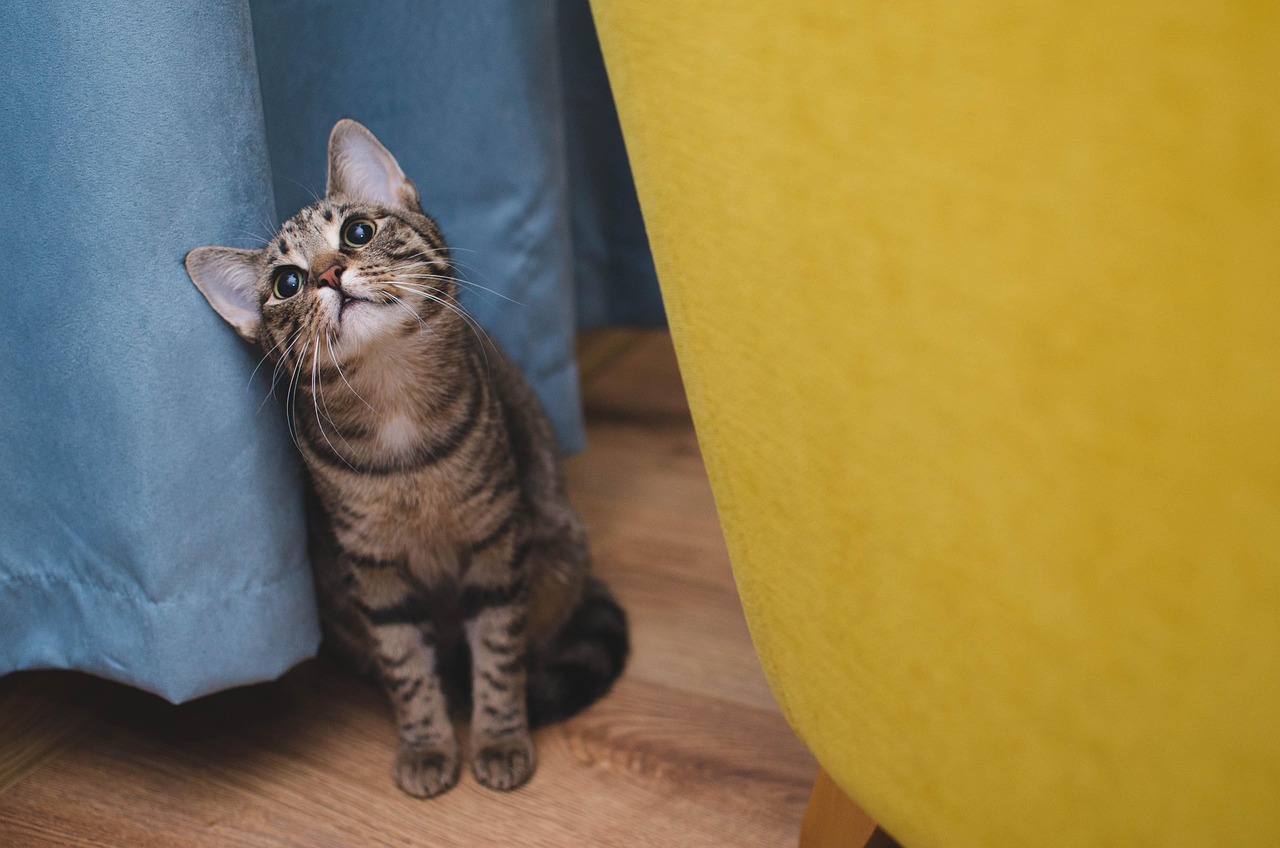
It might seem like your cat is just curious about what you’re doing, but when they follow you from room to room, it’s their way of asking for your company. Unlike dogs, cats don’t need to be glued to your side, but their subtle trailing means they care about your presence. You might notice your cat quietly slipping into the room after you, settling nearby without making a fuss. This behavior shows they want to be part of your world, even if it’s just sitting nearby as you work or relax. Cats who do this often hope you’ll notice them and share a little attention, whether it’s a scratch behind the ears or a soft word.
When your cat walks between your legs, paws at your ankles or edges into the space between your neck and the sofa, he has one goal in mind: He wants to get close to you. When your cat walks between your legs, paws at your ankles or edges into the space between your neck and the sofa, he has one goal in mind: He wants to get close to you. This gentle stalking behavior isn’t clinginess.
Instead, it’s a quiet declaration that your presence matters to them. They want to be nearby without being demanding, creating a comfortable companionship that enriches both your lives. Acknowledging their presence with a smile or gentle word validates their subtle request for connection.
The Gentle Gaze That Says Everything
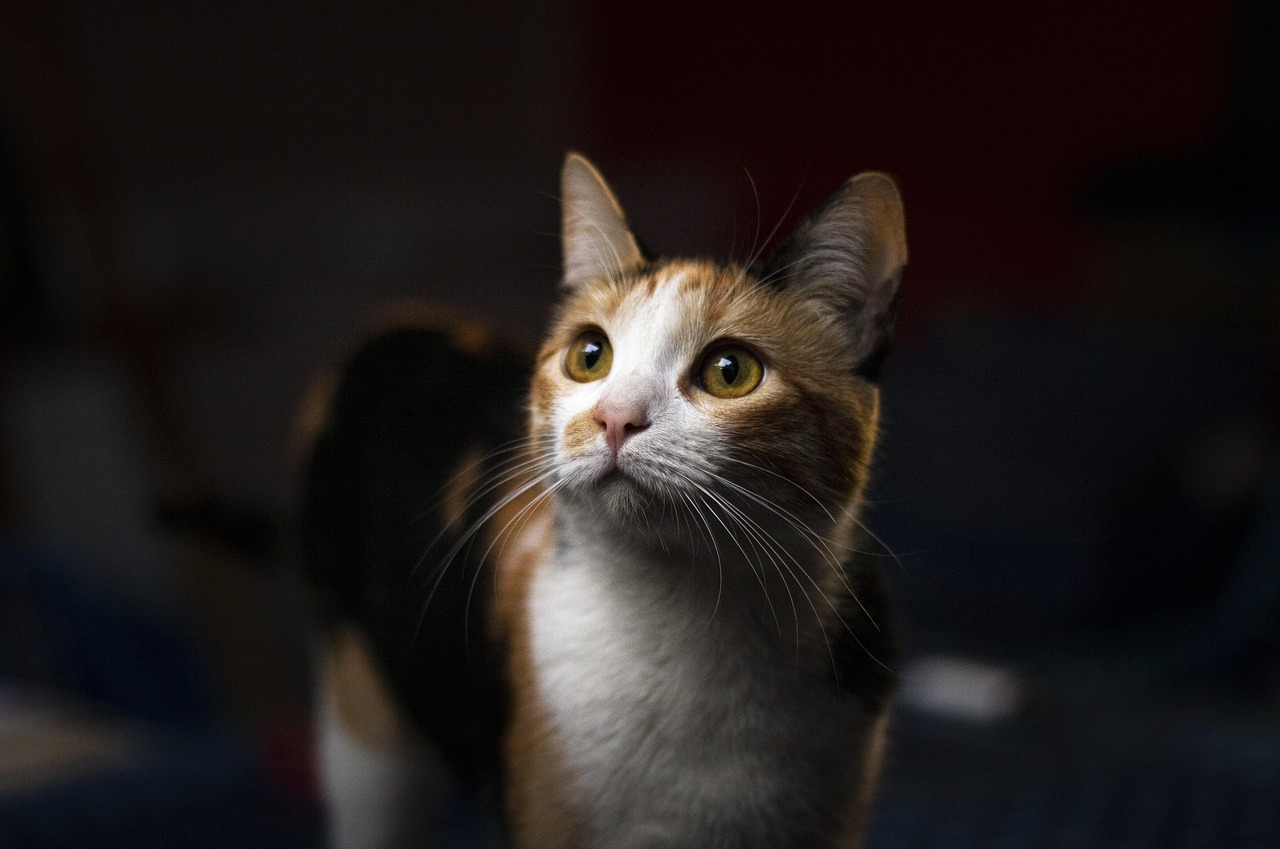
A direct stare from a cat can be intimidating if their eyes are narrow and their body is tense. But when your cat looks at you with wide, soft eyes, it’s a gentle invitation for interaction. This expression is vulnerable and open, showing that they trust you and want to connect. Sometimes, you’ll notice this look when you’re busy or distracted – your cat patiently waiting for you to notice their silent request. Meeting their gaze and offering a smile or a gentle word is often all it takes to answer their subtle call.
A staring cat may want playtime, food, or physical touch. However, there’s a distinct difference between demanding stares and loving gazes. The soft, relaxed stare communicates patience and affection rather than urgency.
These quiet moments of eye contact create powerful bonds between cats and their humans. Your cat is essentially saying they value your presence and would appreciate some acknowledgment, but they’re willing to wait politely for the right moment. This respectful approach to attention-seeking shows the sophisticated emotional intelligence cats possess.
Conclusion
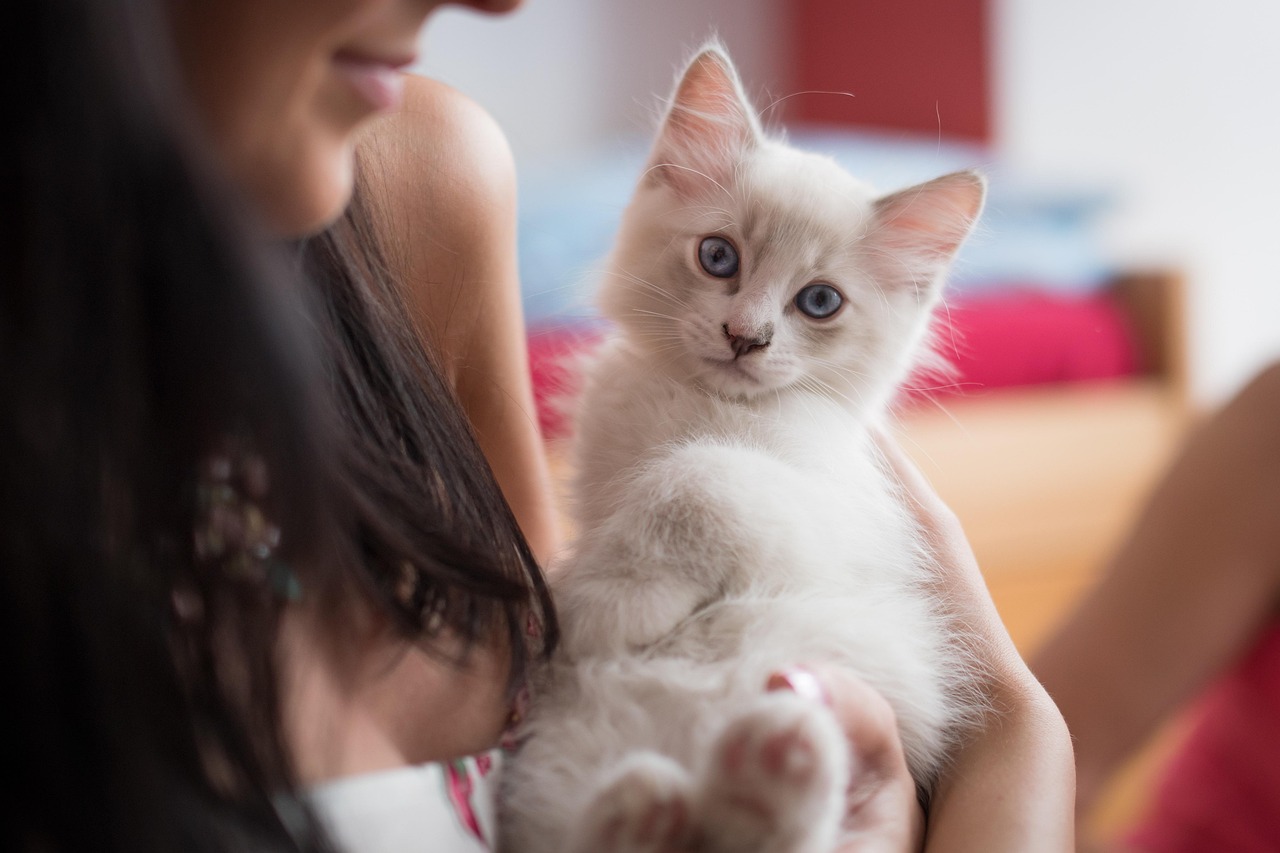
Cats speak a language of subtlety that rewards careful observation and gentle response. These five quiet pleas reveal the depth of emotion and communication skills our feline companions possess. Rather than demanding attention through loud vocalizations or disruptive behavior, they offer gentle invitations for connection that honor both their independence and their need for companionship.
Learning to recognize and respond to these whisper-soft requests transforms everyday interactions into meaningful exchanges of trust and affection. Your cat’s quiet communications deserve the same attention and respect they show when making these gentle appeals for your love and attention.
What subtle signals have you noticed from your own cat? Share your observations and help other cat owners decode their feline friends’ gentle language of love.