That warm, purring ball of fur curled up next to you each night might reveal more about your personality than you realize. While some people find the idea of sharing their bed with a pet unusual, millions of cat owners around the world consider it completely normal. Some psychology research suggests that people who welcome their feline companions into their sleeping space tend to display some fascinating personality characteristics.
The choice to sleep alongside your cat isn’t just about convenience or affection. It’s actually a window into deeper aspects of your psychological makeup, emotional intelligence, and approach to relationships. Let’s explore what some research suggests about people who share their most intimate space with their whiskered friends.
You Have a High Tolerance for Physical Closeness

If you sleep with your pet, you’re someone who finds comfort in shared physical space rather than feeling crowded by it. You probably don’t mind when your dog leans against you on the couch or when your cat curls up on your lap while you’re working. This comfort with closeness often extends to your human relationships as well.
You might be more inclined toward hugs, holding hands, or simply sitting close to people you care about. Physical touch and proximity feel natural and soothing to you rather than overwhelming or intrusive. People who welcome cats into their beds typically understand that connection doesn’t always require words or grand gestures.
You Display Strong Nurturing and Protective Instincts
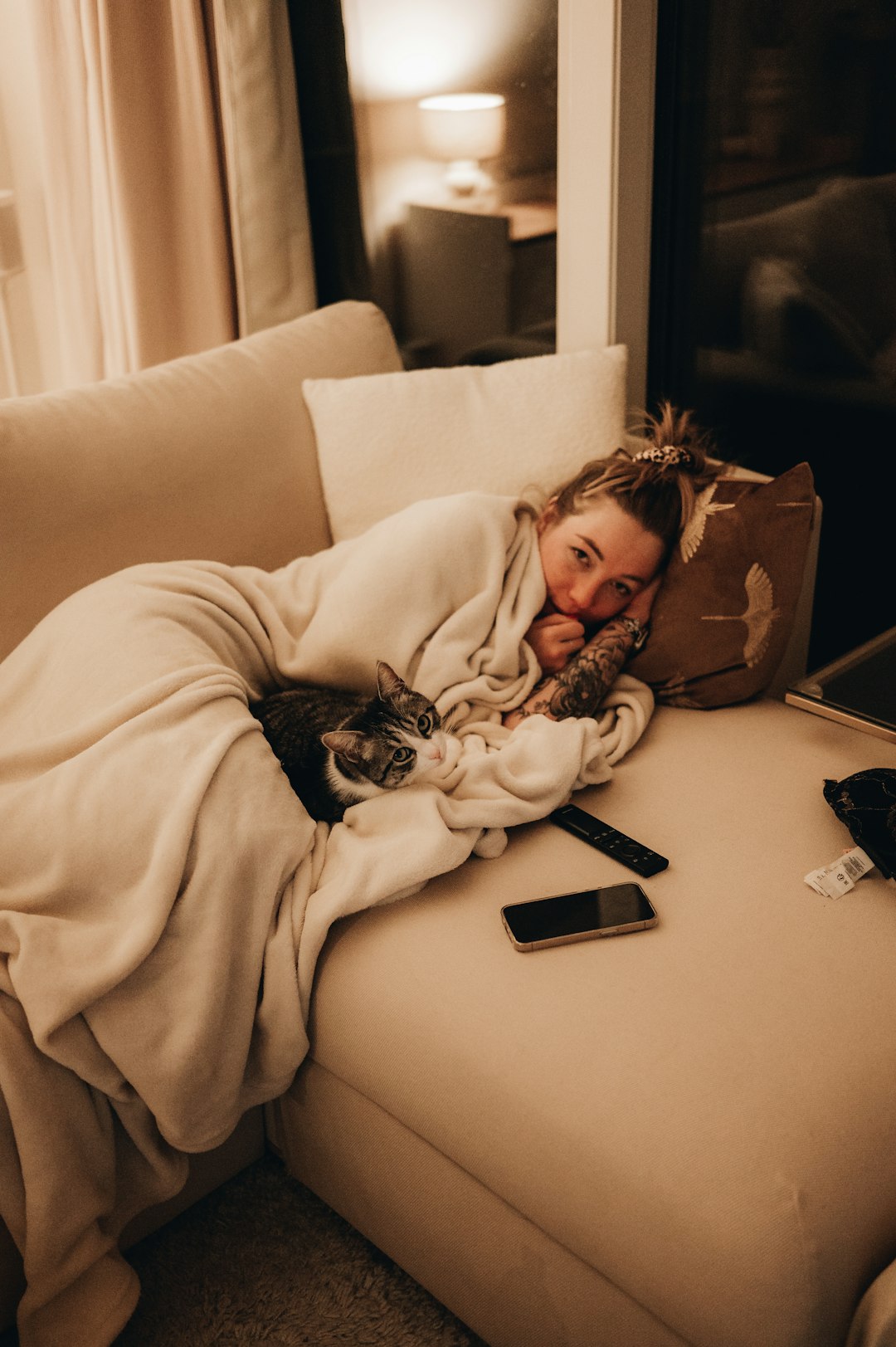
When you welcome a pet into your bed, you’re essentially extending your protective space to include another living being. This choice often reflects deep-seated nurturing instincts that drive much of your behavior. You’re probably the type of person who notices when others are uncomfortable or in need.
Maybe you’re the one who brings soup to sick friends or remembers to check in on someone going through a tough time. Your pet becomes another recipient of this natural caregiving tendency. By sharing your most vulnerable space – where you sleep – you’re offering them the ultimate form of protection and care.
You Possess Above-Average Emotional Intelligence
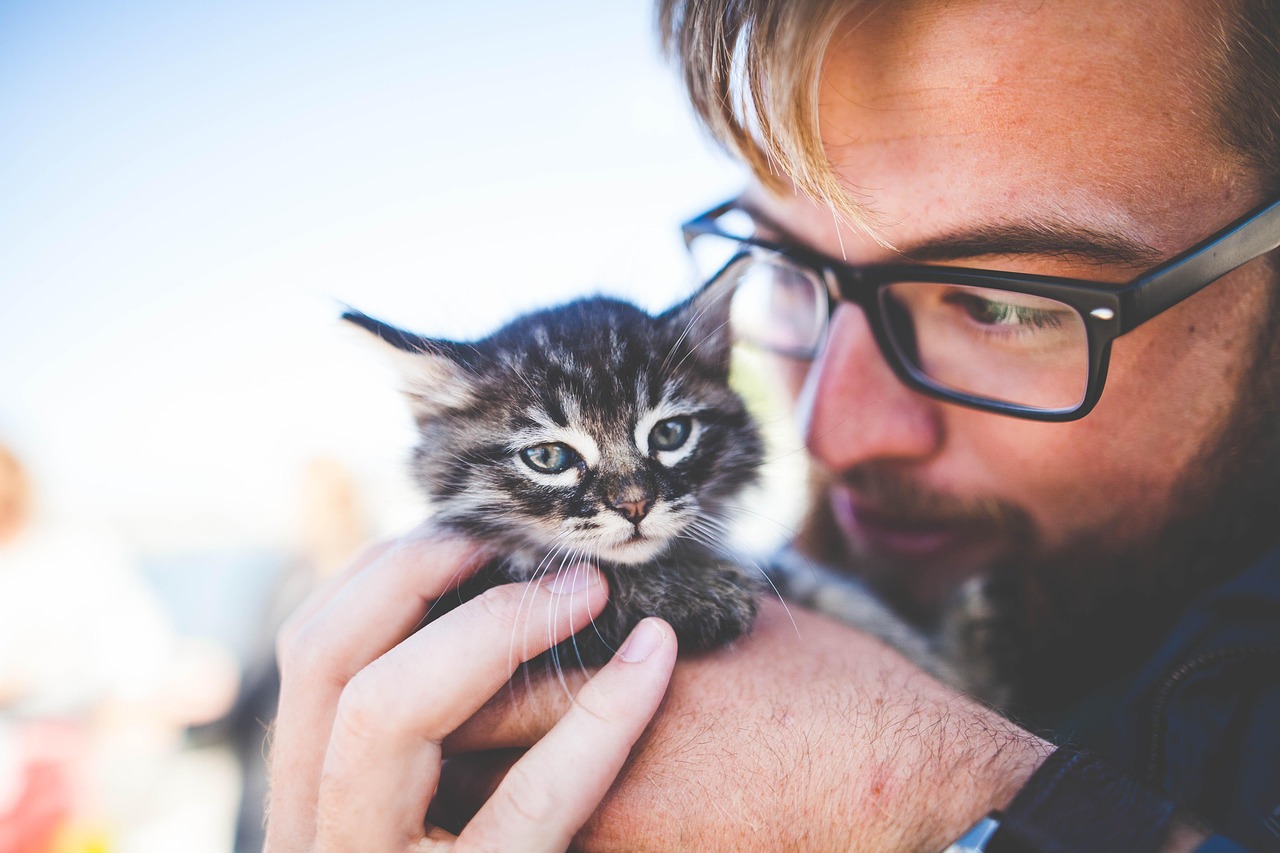
It’s about being self-aware, empathetic, and able to navigate social complexities. Some research suggests that if you prefer cats over dogs, you may be more likely to display emotional intelligence, navigating life with empathy and understanding. This trait is a testament to your ability to connect with others on a deeper level – much like the connection you share with your beloved feline friend.
While often perceived as aloof, cat owners may tend to be highly sensitive and empathetic individuals. They have a knack for understanding subtle emotional cues, both in humans and their feline companions. This heightened emotional awareness contributes to their ability to form deep, meaningful connections with others, albeit often in a less overt manner than extroverted individuals.
You Demonstrate Remarkable Adaptability and Flexibility

Sleeping with a pet requires adaptability. From awkward sleeping positions to nighttime interruptions, pet owners quickly learn to adjust. This flexibility isn’t limited to bedtime – it often extends into work, social situations, and daily problem-solving.
People with this trait handle unexpected changes with ease. Whether it’s a sudden shift in plans or a challenge at work, their ability to adapt makes them resilient and resourceful. You’ve learned to work around a cat that decides your pillow is their territory, which translates to handling life’s curveballs with grace.
You Value Independence While Embracing Vulnerability
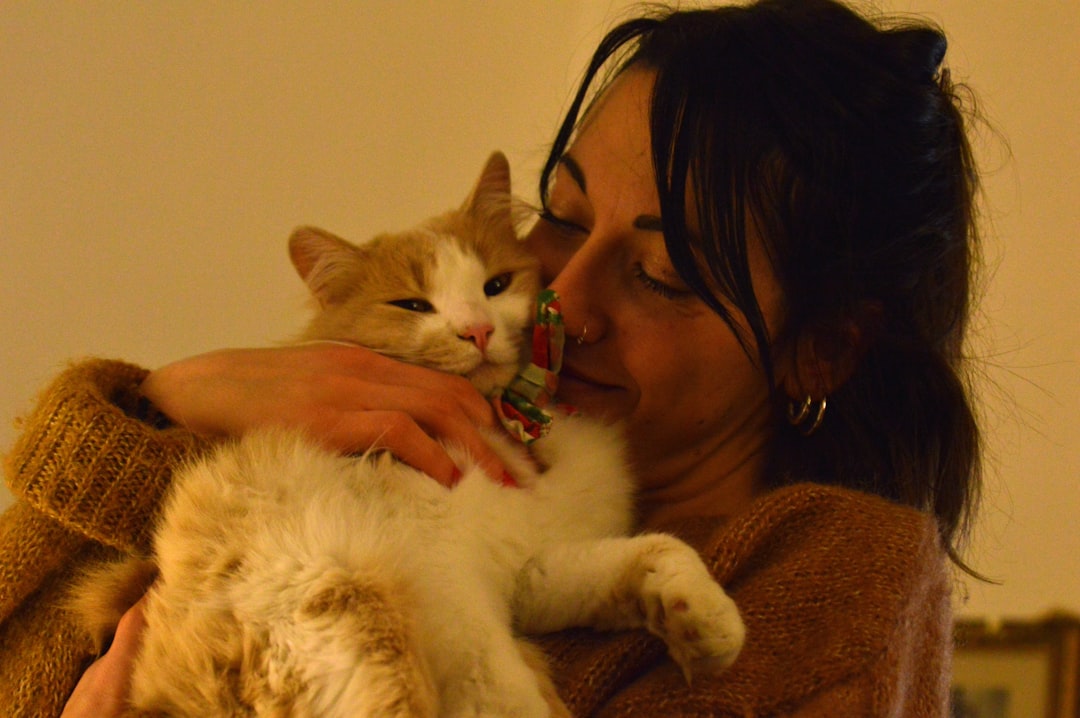
Sleeping with a pet also involves accepting vulnerability. Letting an animal into your personal space means embracing possible disturbances – unexpected movements, noises, or nighttime interruptions. People who do this are often comfortable showing vulnerability in other aspects of life as well. They understand that opening up emotionally can lead to stronger, more authentic connections.
Some psychologists have observed that people who love cats may tend to value independence both in themselves and in others. Cats are famously autonomous creatures, and those who appreciate that quality often have a strong respect for their own space and that of those around them. It’s no coincidence that many cat lovers seek relationships that don’t demand constant attention or emotional energy.
Conclusion
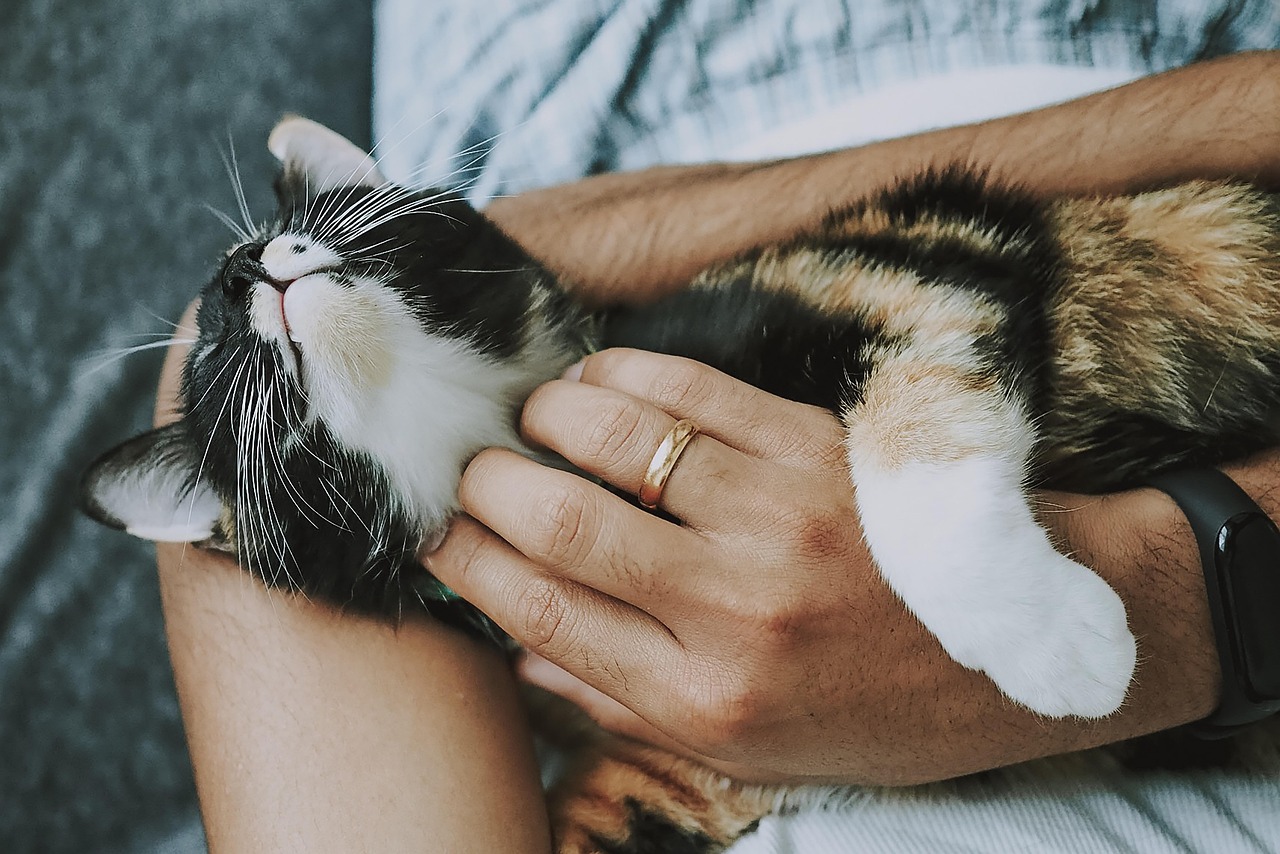
The decision to share your bed with your cat reveals a complex personality profile that combines nurturing instincts with emotional sophistication. Whether you recognize yourself in one trait or all five, these patterns point to someone who values connection, security, and authentic living over convenience or social approval. Your willingness to share your most personal space speaks to a deeper understanding of what truly matters to you.
These traits suggest someone who navigates relationships with both strength and sensitivity, someone who understands that true intimacy often requires compromise and flexibility. Your feline bedmate isn’t just getting a warm place to sleep – they’re sharing space with someone who genuinely appreciates the balance between independence and connection that makes relationships truly meaningful.
What do you think about these findings? Do they match your own personality? Tell us in the comments.