You know that bittersweet moment when you’re getting ready to leave, and your cat appears from nowhere with those soulful eyes? It’s like they have a sixth sense about departures. Cats are intelligent and intuitive creatures who often can sense when you’re ready to leave and go on vacation. Things just feel different and chaotic, and the sight of a big, conspicuous suitcase in the middle of the living room floor is a pretty big hint, too!
Yes, cats can miss their owners, especially if they have a close bond with them. Some telltale signs your cat misses you include them waiting for you by the door, making noise, and even aggression. While we might think our independent feline friends don’t care about our comings and goings, the truth is quite different. They notice our routines, our energy, and all the subtle cues that signal we’re about to leave their domain. Let’s explore the surprisingly tender ways our cats show their awareness and attachment when departure time approaches.
Following You Like a Furry Shadow
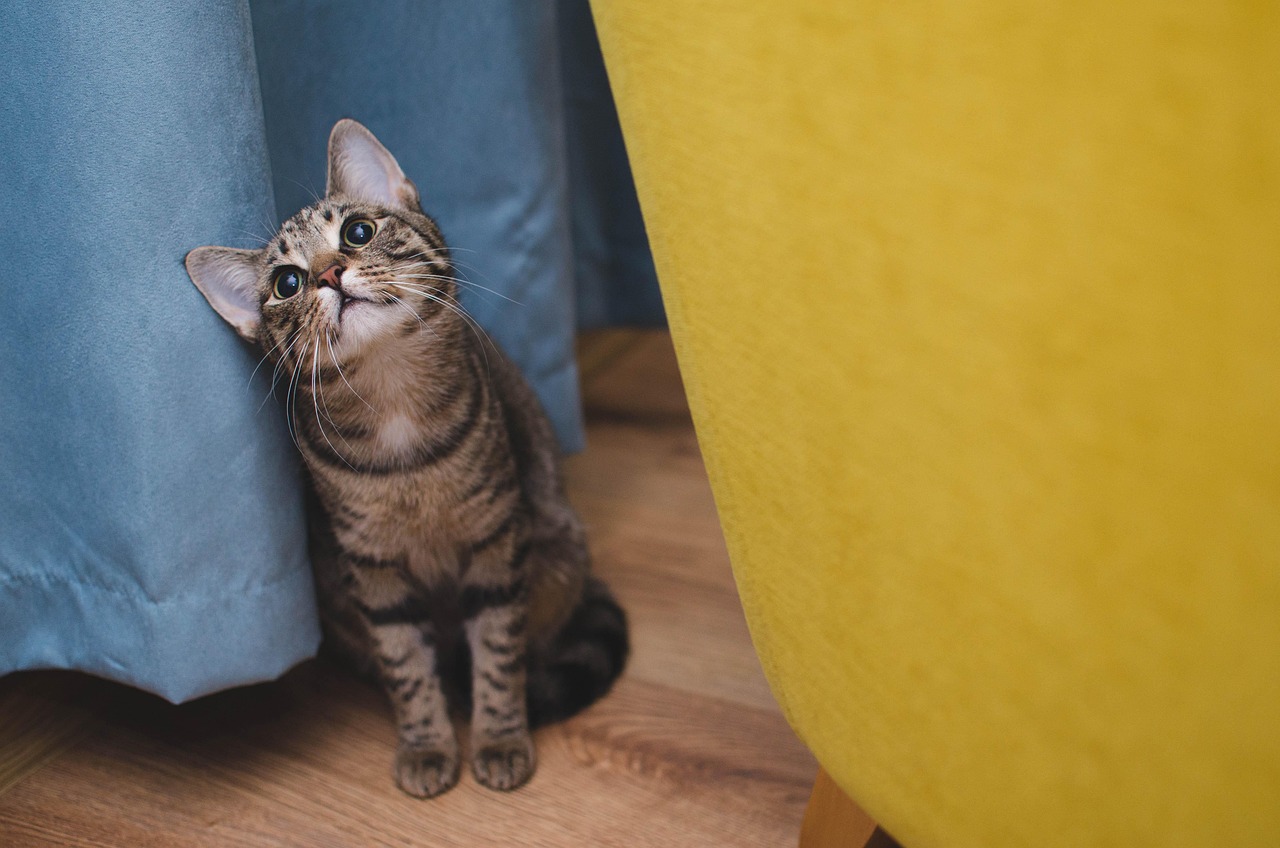
If your cat follows you from room to room or maintains close proximity throughout the day, they’re showing their desire to be near you. This “shadowing” behavior indicates strong emotional attachment and trust in your relationship. Have you ever noticed how your usually independent cat suddenly becomes your constant companion when you’re preparing to leave?
This behavior intensifies as cats pick up on your departure cues. Cats are masters of observation and keenly attuned to subtle cues. They pick up on behavioral patterns such as packing a bag, putting on shoes, grabbing keys, or even just the tone of your voice. These cues become associated with a period of reduced attention, altered feeding schedules, and an overall shift in the usual household dynamics. They want to maximize every moment before you disappear.
Giving You the Slow Blink “Kiss”
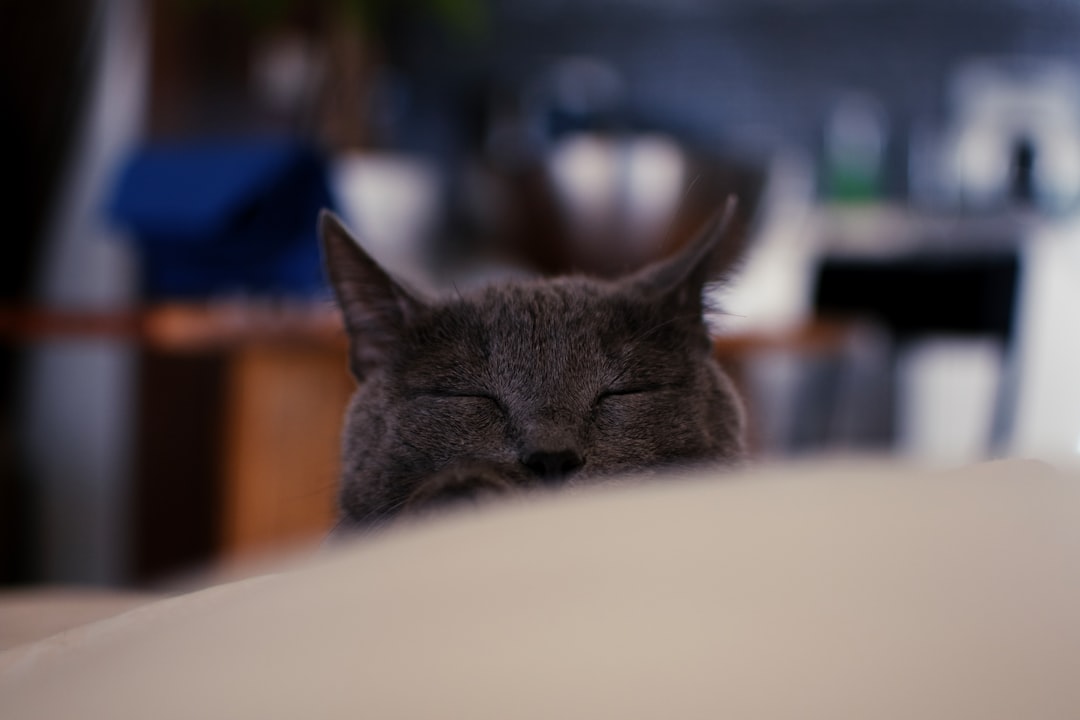
Often called a “cat kiss,” the slow blink is one of the most profound ways cats show trust and affection. When your cat looks at you with half-closed eyes and deliberately blinks slowly, they’re expressing complete comfort and love in your presence. You can reciprocate this gesture by returning the slow blink, creating a special moment of connection.
The slow blink is a sure sign that your cat loves you; it shows your buddy feels relaxed, content, and safe. It’s an invitation to respond with similar openness and love. When cats offer these gentle eye kisses before you leave, they’re essentially saying “I trust you completely and I’ll miss you.”
Intense Head Bunting and Rubbing
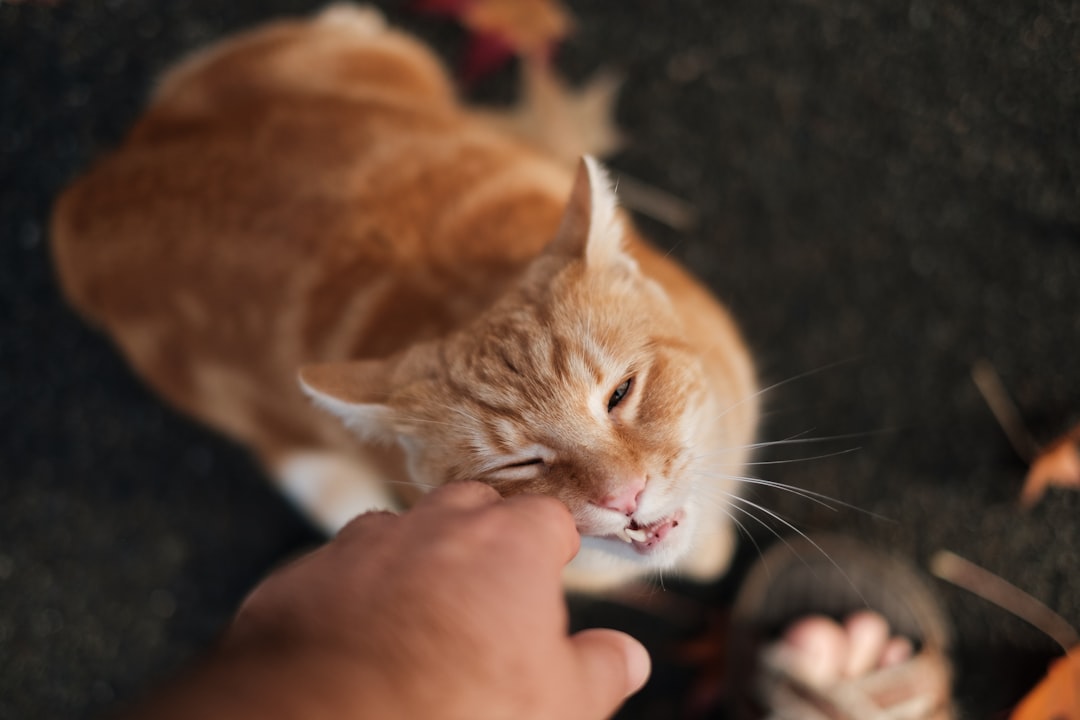
Cats often greet loved ones by rubbing against them. This often starts with a few head butts. Cats then move on to rubbing the lengths of their bodies against their favorite people. This behavior becomes more pronounced when departure is imminent.
In fact, by head butting you, your cat is leaving pheromones on you to let everyone else know that you belong to her. For example, if your cat always rubs against you when you first come home, it might do this more intensely after you’ve been away. They are marking you with their scent and marking their territory. This is their way of connecting with you. It’s their way of claiming ownership and ensuring their scent travels with you.
Bringing You Special “Gifts”
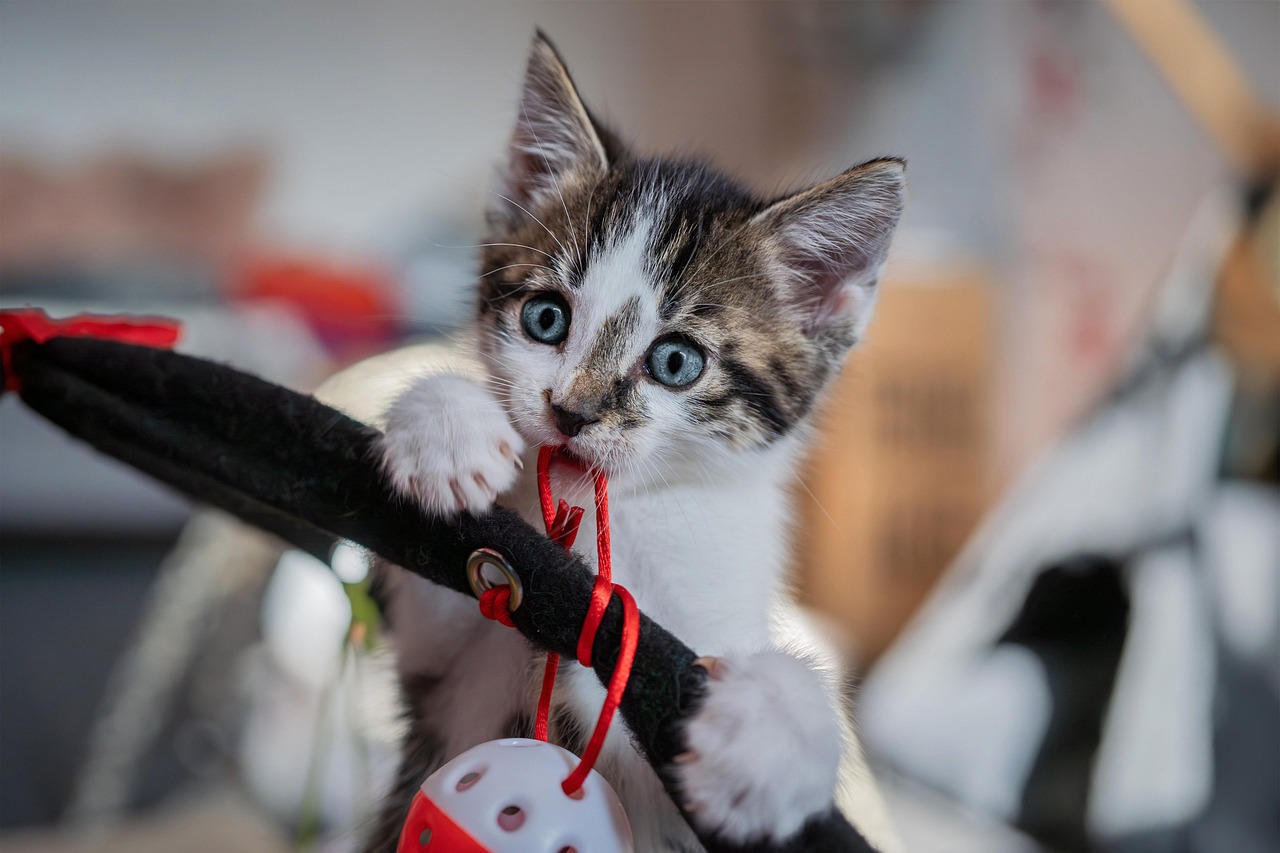
When cats bring you “gifts” – whether toys, small objects, or (for outdoor cats) hunting trophies – they’re demonstrating care and inclusion in their social group. This behavior stems from their natural instinct to provide for their family and share resources. Some cats seem to know when their favorite human needs an extra token of love.
Cats are natural hunters, so when your kitty brings you freshly caught prey, she’s actually offering you a delicious meal. You don’t want to touch it with your bare hands, but keep in mind she means well and this behavior really is a sign that she cares deeply for you. Whether it’s a dead mouse or their favorite toy mouse, these gifts are profound expressions of love.
Excessive Kneading and “Making Biscuits”
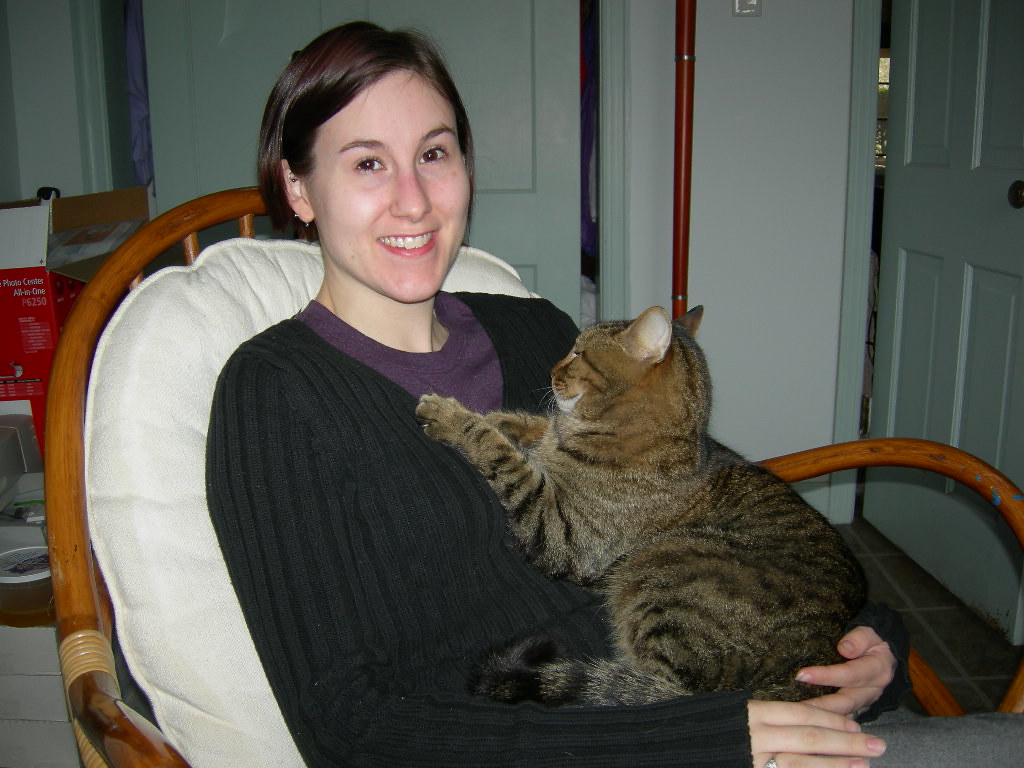
That rhythmic pushing motion cats make with their paws, often called “making biscuits,” is a behavior that originates from kittenhood. When adult cats knead on their humans, they’re displaying the same comfort and contentment they felt while nursing. This intimate gesture indicates deep trust and security in your presence.
When departure time approaches, many cats increase their kneading behavior. Many adult cats keep the habit and enjoy a good knead involving their favorite person’s arm or lap. Some cats knead just before settling in for a snooze. It’s as if they’re trying to comfort themselves and you simultaneously, creating a soothing ritual before the goodbye.
Becoming Extra Vocal and Chatty
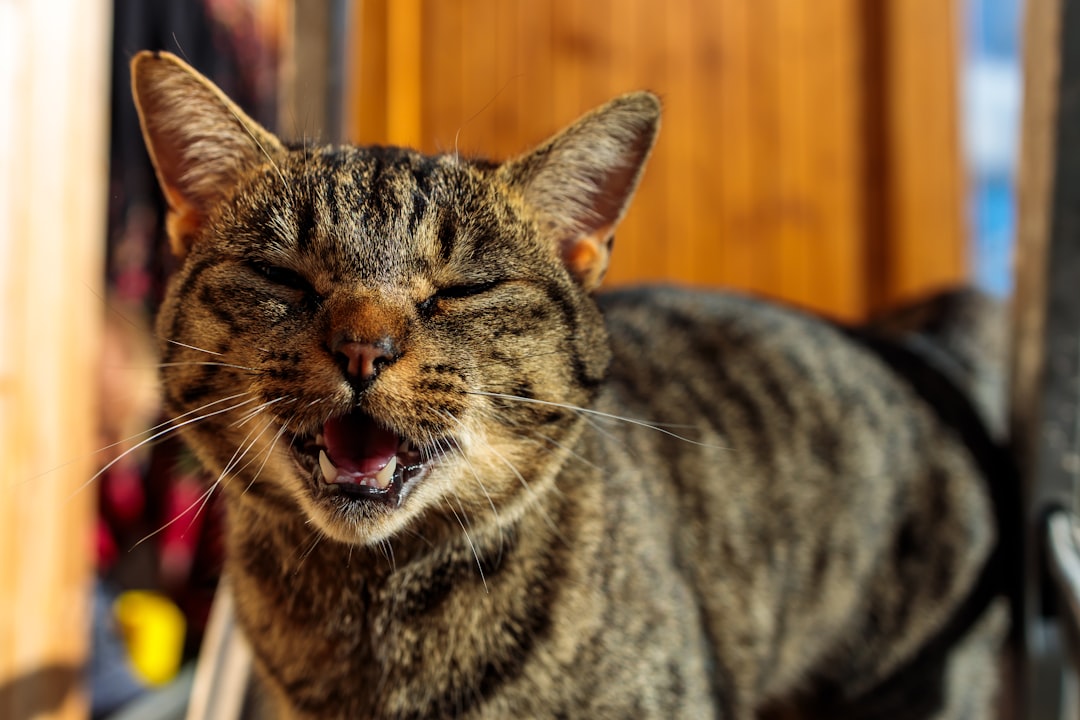
Adult cats typically only meow to communicate with people, as they often rely more on smell and body language when interacting with other kitties. Cats often meow to get their favorite people’s attention. When they sense your imminent departure, their vocalizations often increase dramatically.
Some cats develop special “conversations” with their preferred humans, using unique meows, trills, or chirps to communicate their attachment. For example, they may follow you around and meow to seek attention. Some cats express a lot of affection around mealtimes. These pre-departure conversations seem to be their way of saying “wait, don’t go yet!”
Positioning Themselves Strategically
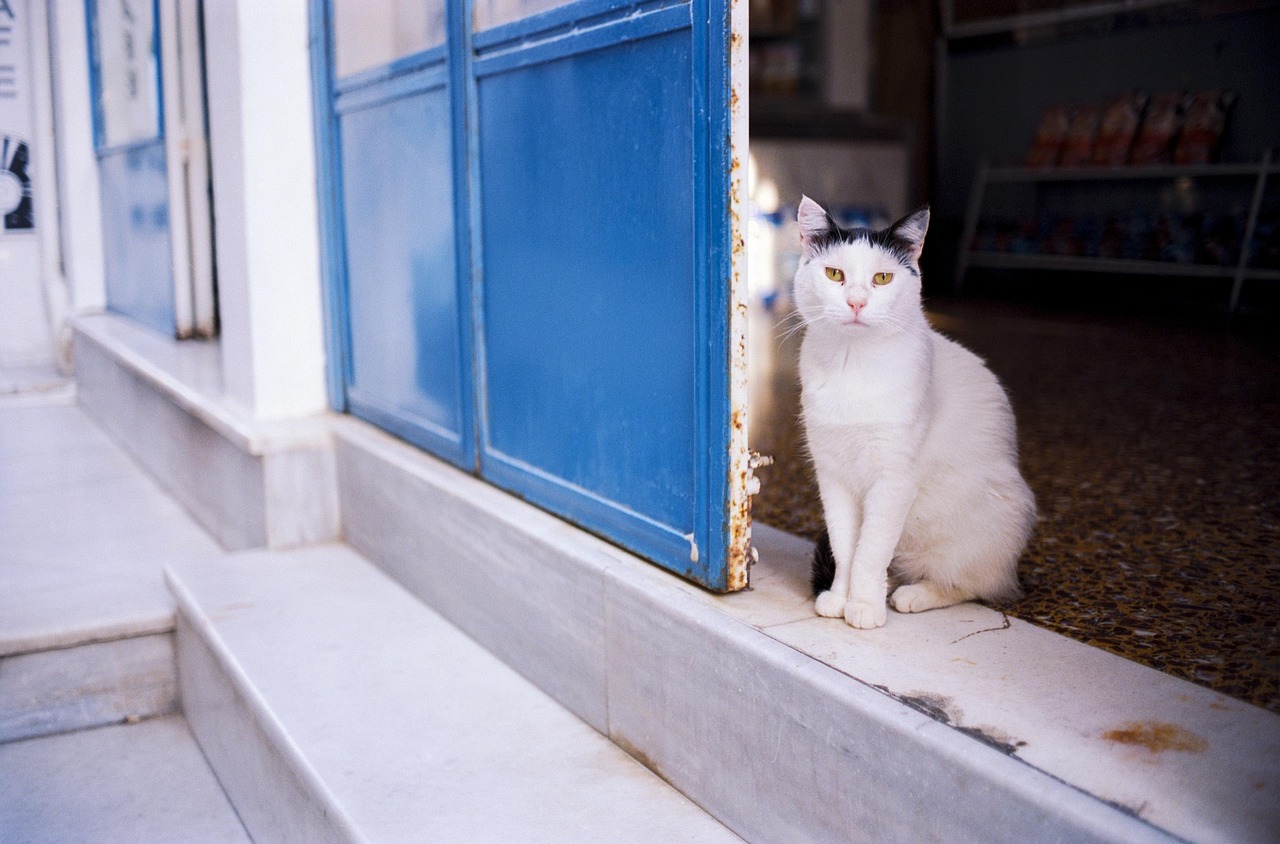
Some cats will sit by the door or run to it when they hear you coming home to show they’re happy you’re back. Conversely, many cats position themselves strategically when they sense you’re about to leave. They might sit in your path, block doorways, or position themselves between you and your departure route.
Cats may exhibit specific behaviors, such as increased clinginess or hiding, as indicators that they sense their owners’ impending departure. Some cats take the opposite approach and hide, perhaps hoping that if they can’t see you preparing to leave, it won’t actually happen.
Showing Increased Affection and Cuddle Seeking
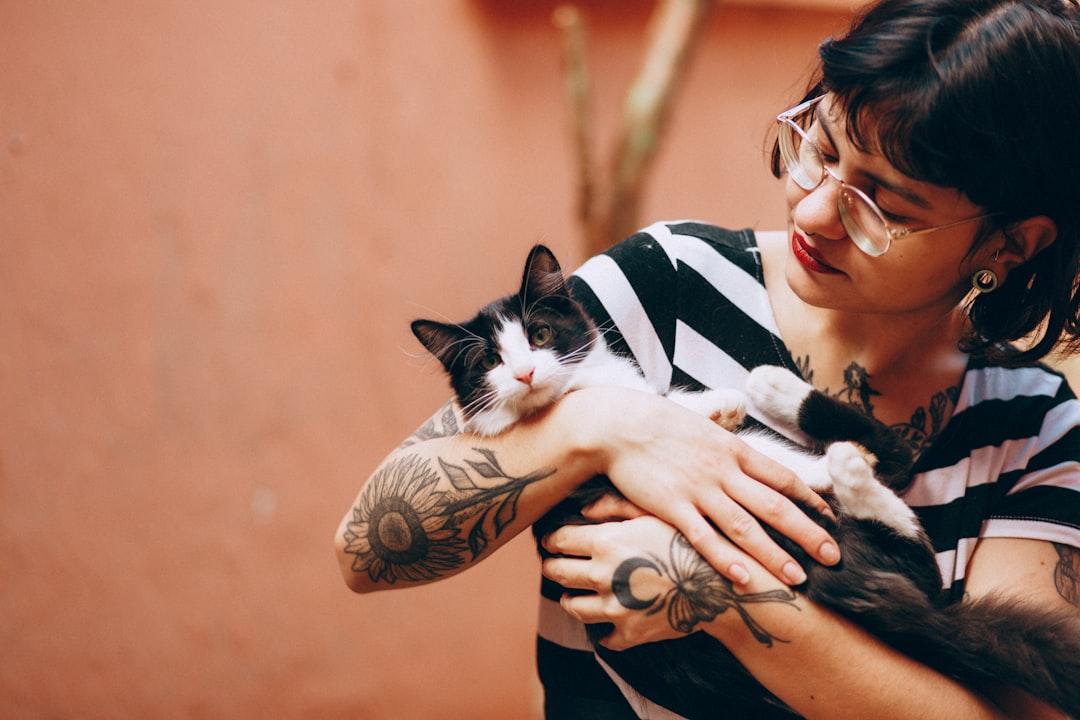
When they sense their owner is about to leave, they may exhibit certain tell-tale signs. Some cats become more affectionate, seeking attention and comfort before the anticipated separation. This sudden surge of affection can be both heartwarming and heartbreaking for cat parents.
If you were away for a while, your cat may exhibit more affection toward you for the next several days after you’ve returned home. For example, they may follow you around and meow to seek attention. It’s as if they’re trying to store up all the love they can get before you disappear again.
Sleeping on Your Belongings
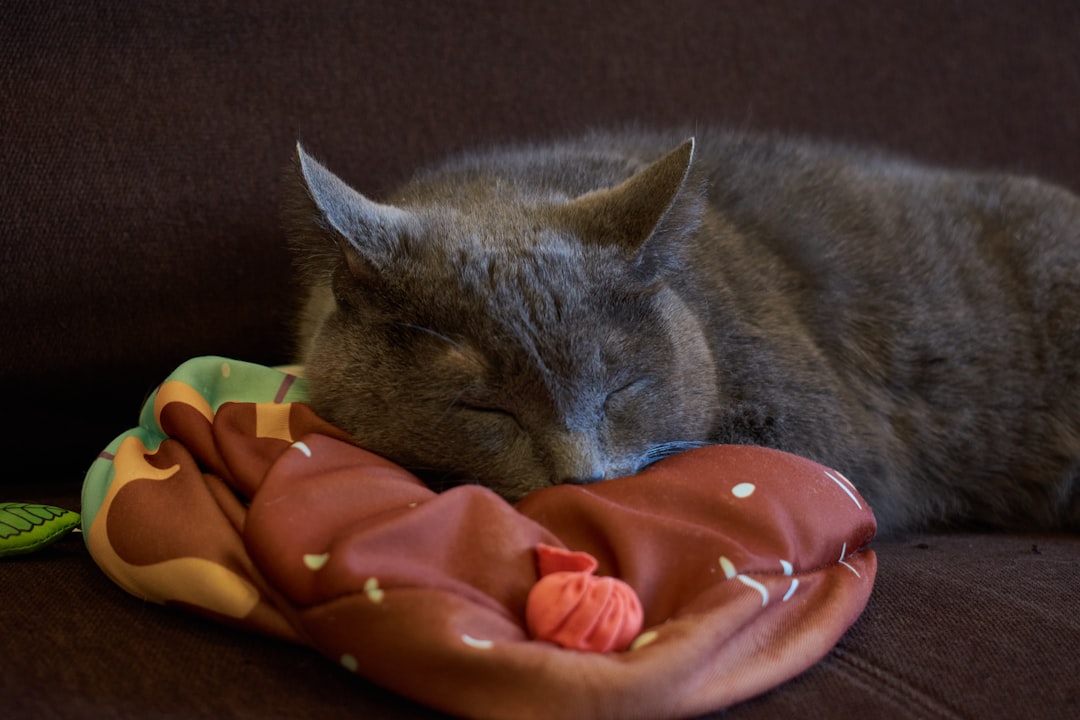
A cat choosing to sleep on or near you is one of the highest compliments they can pay. Since sleep is when cats are most vulnerable, selecting you as their napping spot demonstrates absolute trust and affection. This is especially meaningful when they expose their belly while sleeping near you.
When departure approaches, cats often gravitate toward your belongings. When owners leave home, cats usually stay in their usual places, such as on the owner’s bed or chair. The psychological mechanism behind this behavior could be that cats try to find comfort in the smell of their owner. They seem to understand that surrounding themselves with your scent will provide comfort during your absence.
Engaging in Comfort Rituals
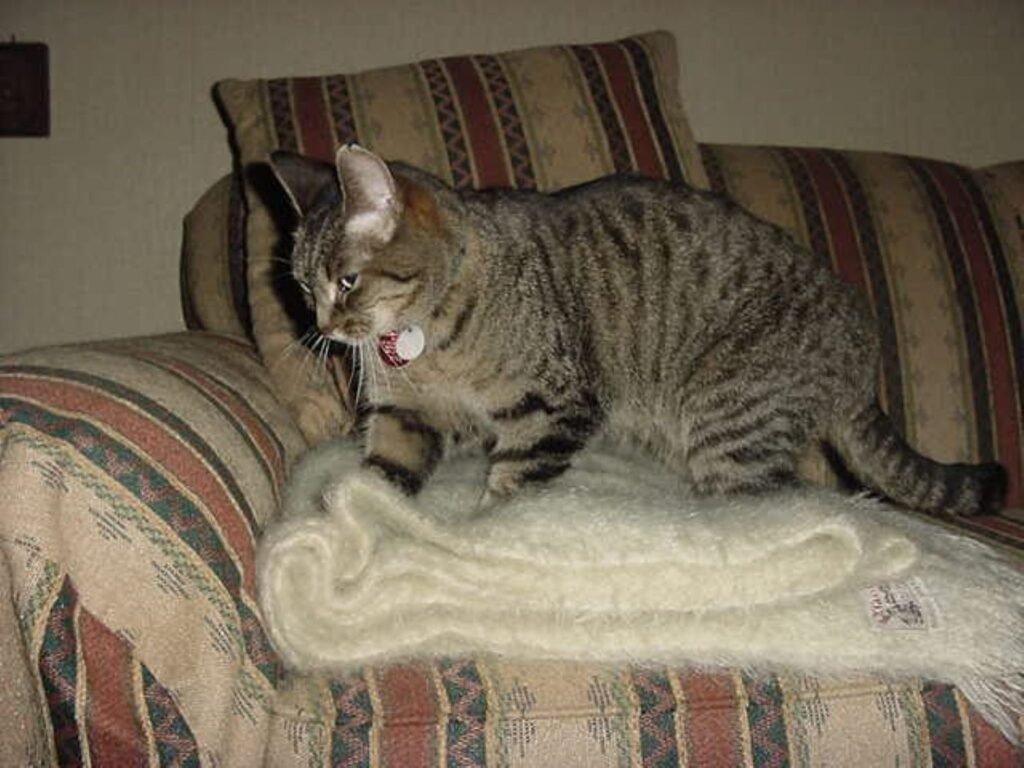
By doing so, the cats reassure themselves that everything is now normal and the owner will not leave. If your cat engages in ritualistic behavior, do not discourage her. The cat just wants to re-establish its routine and thinks everything is back to normal now. Before you leave, cats often engage in specific comfort rituals that help them cope with the impending separation.
Other ritualistic behaviors can be kneading on a soft blanket or repeatedly circling a favorite spot. These rituals serve as self-soothing mechanisms, helping them prepare emotionally for your absence. Moreover, a proper farewell can help establish a routine that your cat can rely on. Cats are creatures of habit, and having a consistent goodbye ritual can provide them with a sense of security and predictability. This routine can be as simple as a gentle pat on the head, a brief verbal acknowledgment, or a quick scratch behind the ears before you leave.
Conclusion
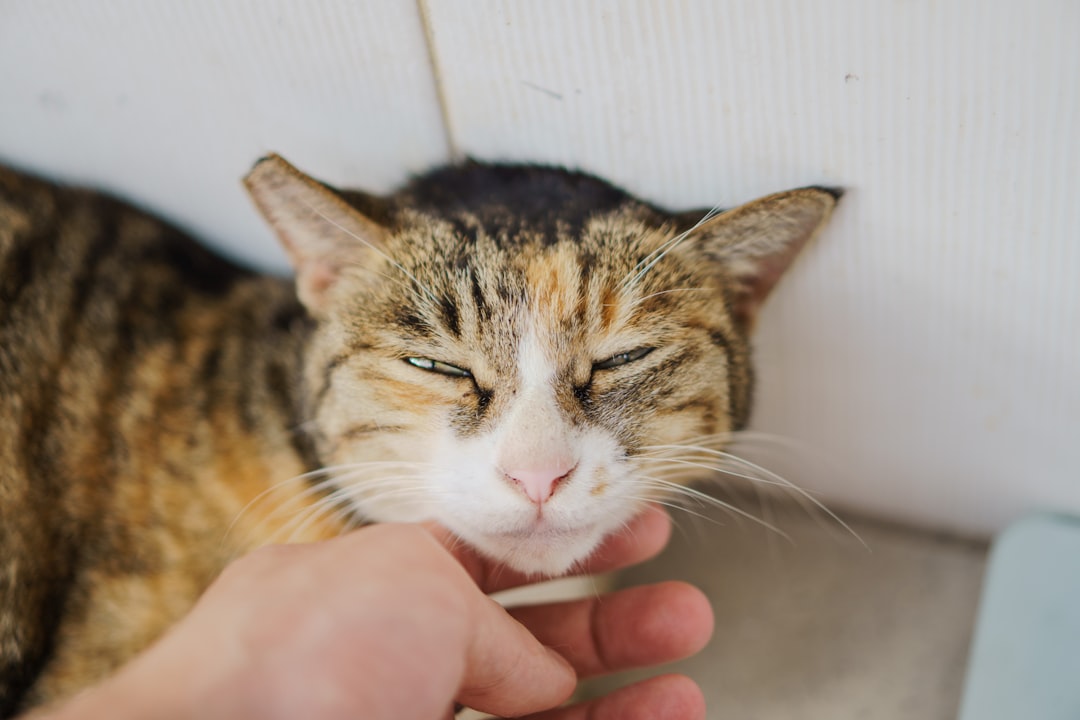
These heartwarming pre-departure behaviors reveal just how deeply our cats understand and care about our daily rhythms. Contrary to popular belief, cats form strong emotional attachments to their human companions. While they may not show affection in the same way as dogs, felines are sensitive creatures that rely on their owners for more than just food and shelter. Every slow blink, every head bump, every strategic positioning is their way of saying “I see you, I love you, and I’ll be waiting for your return.”
Understanding these behaviors helps us appreciate the emotional depth of our feline companions and can guide us in making departures less stressful for them. Understanding your cat’s behavior and emotional responses can strengthen the bond between you and your furry companion. By paying attention to their cues and providing a stable environment, you can help alleviate any anxiety they might feel about your absence. Engaging in regular play, offering comforting scents, and maintaining a consistent routine can enhance their sense of security. Acknowledging their emotions and responding with love and patience fosters a deeper connection, enriching the lives of both you and your cat. What do you think about these tender farewell rituals? Have you noticed your own cat displaying any of these heartwarming behaviors?