The bond between humans and their feline companions runs deeper than many people realize. When cats reach the end of their journey, they often display subtle yet profound behaviors that can be interpreted as their own unique way of saying farewell. These moments, though heartbreaking, offer pet parents one last opportunity to connect with their beloved companions.
Understanding these emotional goodbye behaviors is crucial for any cat owner. Unlike dogs, cats are incredibly skilled at masking pain and discomfort, making their end-of-life signals particularly nuanced. Sometimes what we interpret as standoffish behavior is actually a cat’s instinctual attempt to process their changing physical state. Let’s explore these touching farewell gestures that cats share with those they love most.
Seeking Extra Physical Contact and Affection
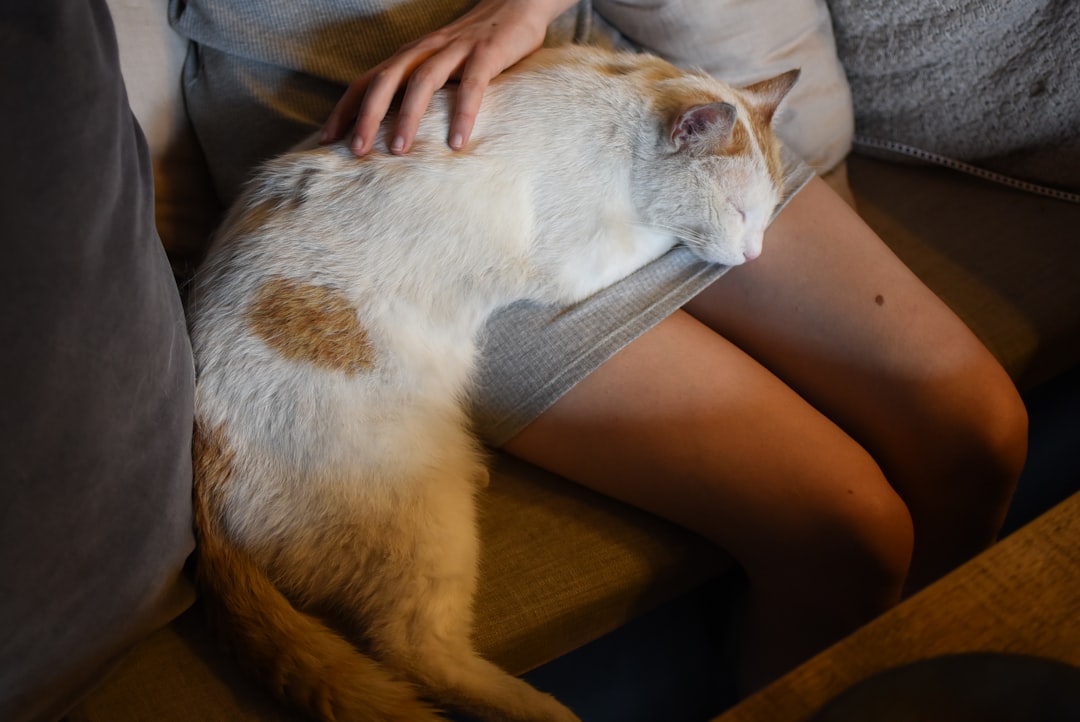
When a cat senses its life is nearing an end, it may seek out more affection from its owner. You may notice your cat lingering closer, craving your touch, or trying to snuggle more often. This behavior is one of the signs a cat is dying, as they instinctively seek the comfort of their loved ones in their final moments. It’s a way they say goodbye, by looking for warmth and affection from those they trust most.
This increased need for contact often manifests as seeking constant physical contact, often pressing against their human or other pets. Your normally independent cat might suddenly become your shadow, following you from room to room or insisting on sitting in your lap for extended periods. These precious moments of closeness are often their way of drawing strength from your presence.
Finding Secluded Hiding Spots for Privacy
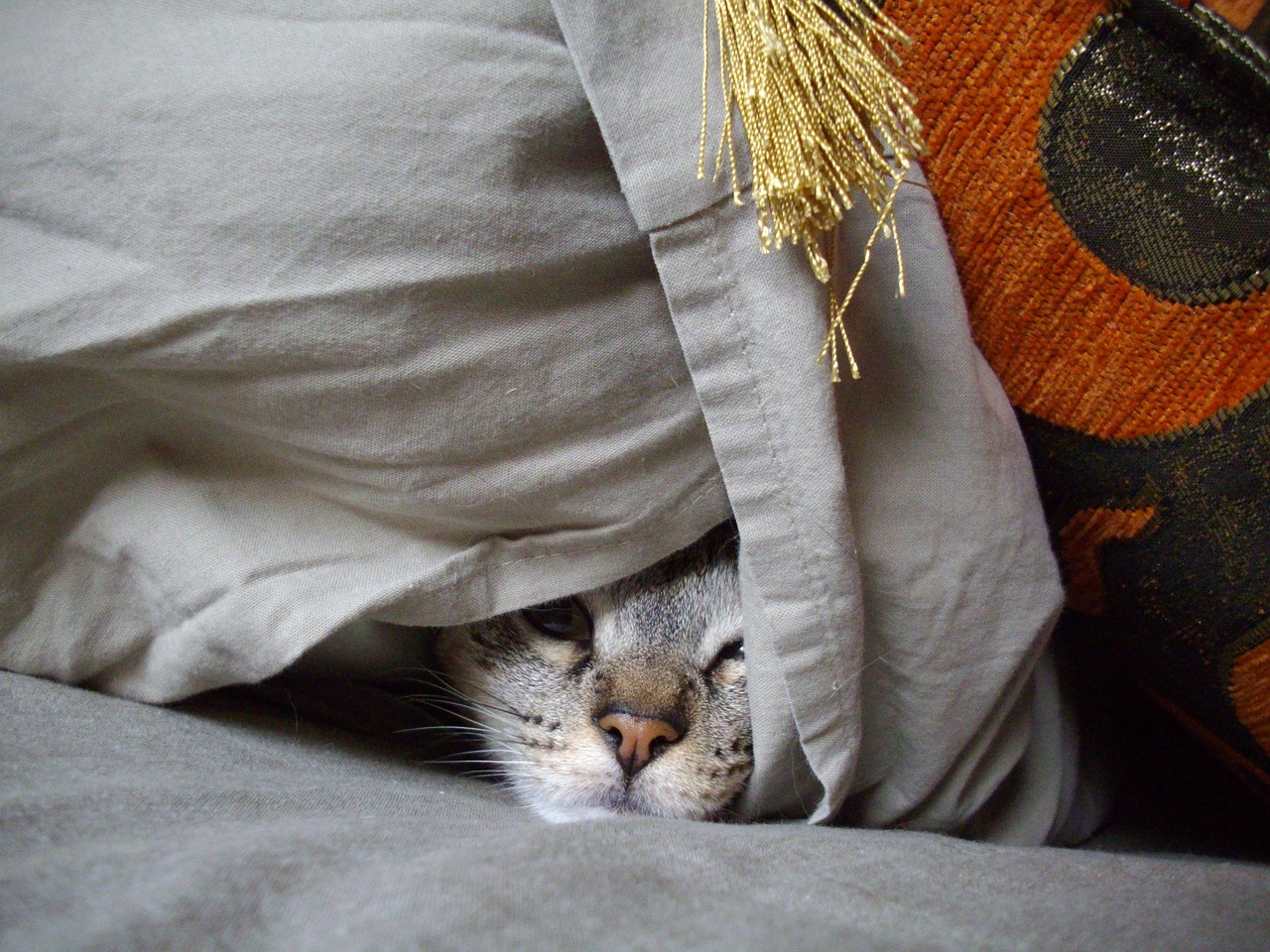
Some cats, when sensing their time is near, will hide or seek out secluded places. This is a natural, instinctive behavior that reflects their desire for privacy in their final moments. Respecting their space is essential, as it allows them to feel safe during their last days. Hiding may be how some cats say goodbye – by retreating into a quiet, comfortable spot away from disturbance.
You might discover them in places they’ve never shown interest in before. Choosing new, unusual hiding spots like under beds or in closets they’ve not used before. This behavior stems from their wild instincts, where vulnerable animals seek safe spaces away from potential threats.
Changes in Vocalization Patterns
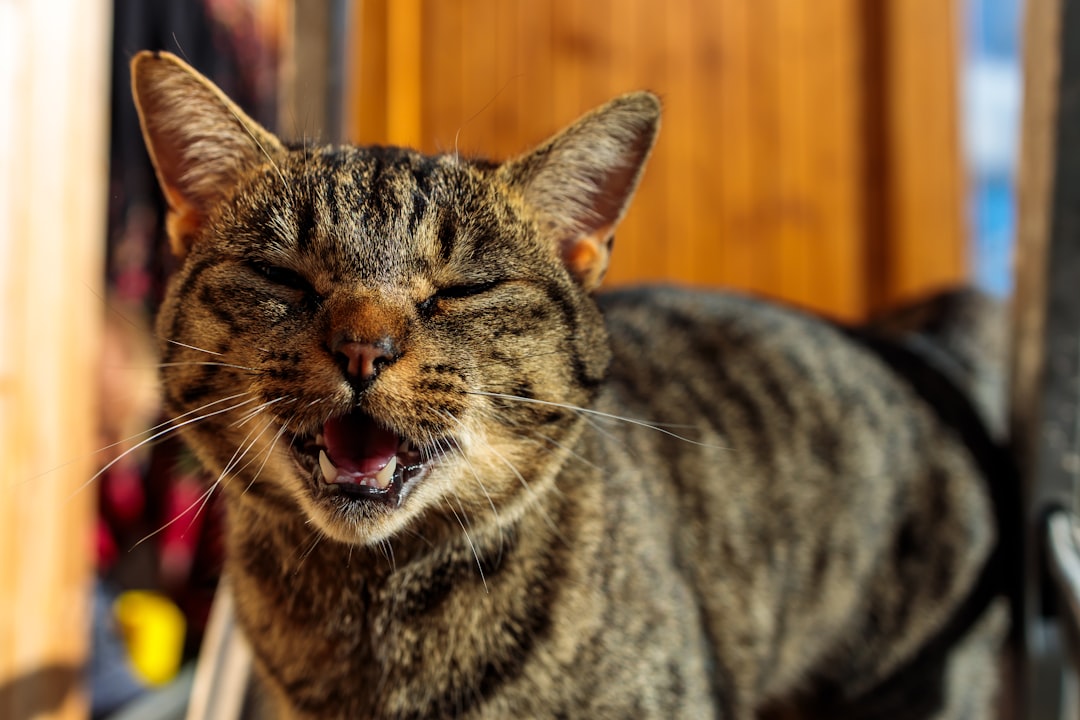
Changes in vocalization (e.g., yowling, meowing excessively, or silence). Some cats become unusually vocal during their final days, while others may fall into an uncharacteristic silence. These vocal changes can be deeply emotional for pet parents to witness.
Increased vocalization: Cats may cry or meow more often, potentially due to discomfort. However, the change isn’t always about pain. Many cats seem to be attempting communication in these moments, perhaps trying to express feelings they cannot otherwise convey. Some pet parents report their cats making sounds they’d never heard before, almost as if they were trying to share something important.
Intense Eye Contact and Meaningful Gazes
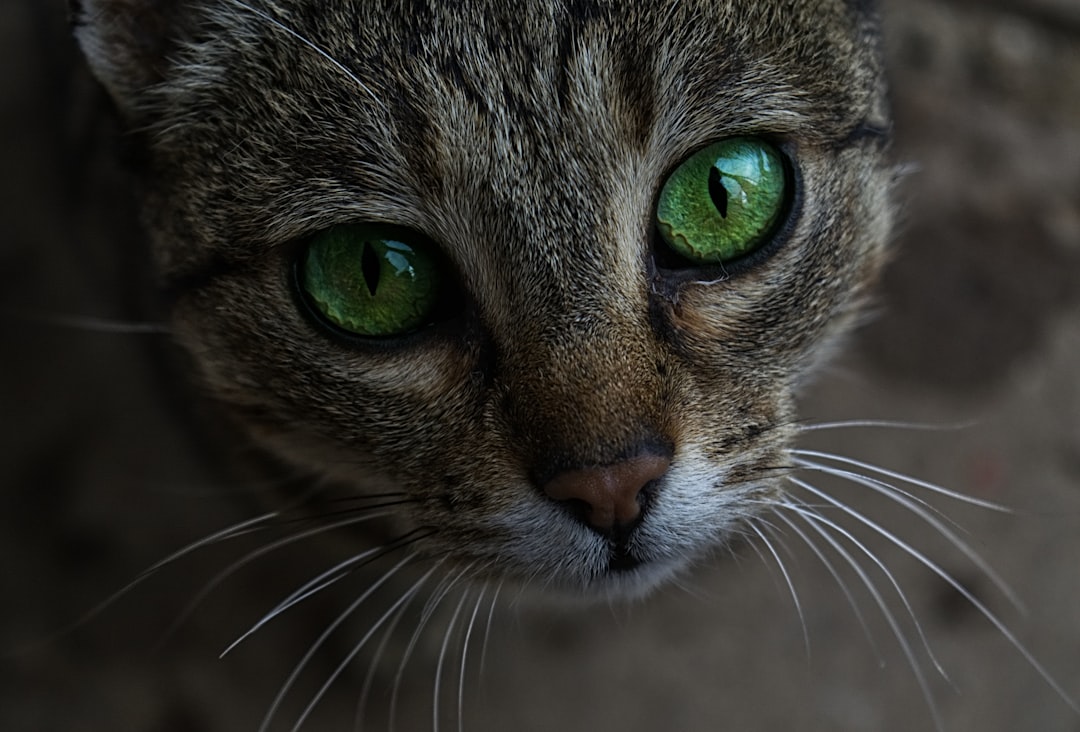
As a cat approaches the end of its life, its gaze may change, becoming deep and serene. This subtle shift in their eyes can sometimes feel like they are communicating with you for the last time. These profound moments of eye contact often feel different from their usual glances, carrying an emotional weight that’s unmistakable.
Many pet owners describe these gazes as particularly intense or peaceful, as if their cat is trying to memorize their face or convey a message of love. The eyes often reflect a calmness that wasn’t present during times of illness or discomfort, suggesting a form of acceptance or readiness.
Breaking Established Daily Routines
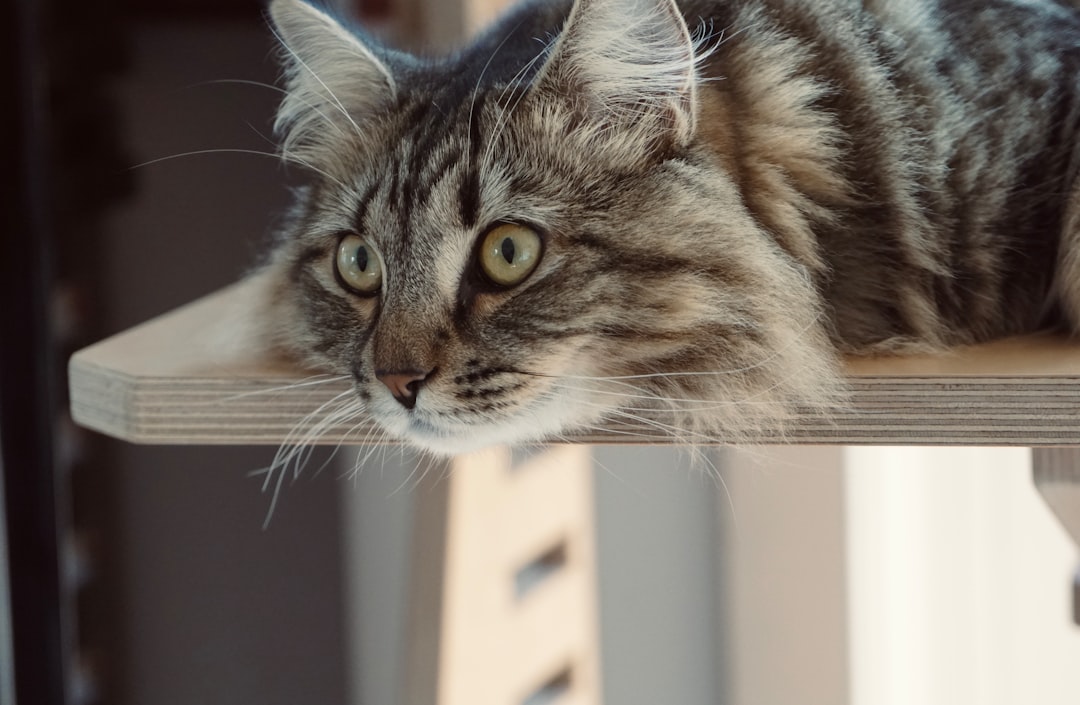
Breaking long-established routines in domestic cats, like suddenly avoiding favorite sleeping spots or changing preferred routes through the house. Cats are creatures of habit, so when they begin abandoning behaviors they’ve maintained for years, it signals a significant internal shift.
Your cat might stop greeting you at the door, skip their usual morning routine, or abandon their favorite sunny windowsill. These changes aren’t random but often represent their way of letting go of earthly attachments. It’s as if they’re slowly disconnecting from the patterns that defined their daily life with you.
Visiting Each Family Member Individually
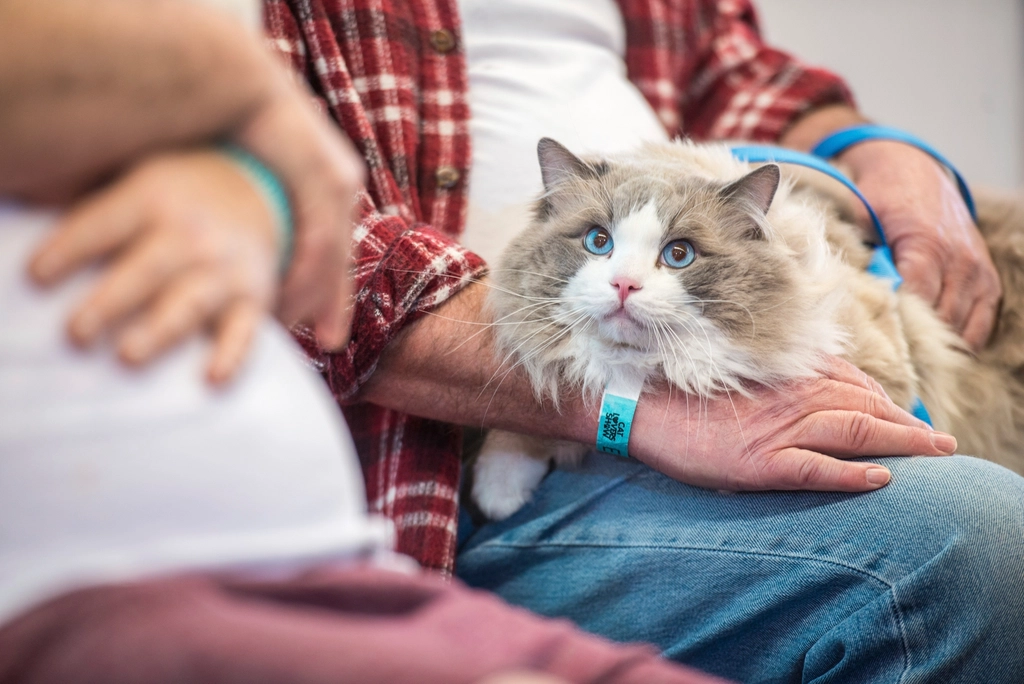
Examples include a cat sitting on every family member’s lap or a dog looking deeply into the eyes of their owner. This touching behavior often occurs in households with multiple people, where cats make deliberate efforts to spend time with each person they’ve shared their life with.
Some cats will systematically visit different rooms where family members spend time, almost as if they’re making rounds to say goodbye. They might linger longer than usual with each person, seeking attention or simply being present in a way that feels intentional and meaningful.
Showing Preference for Enclosed, Cozy Spaces
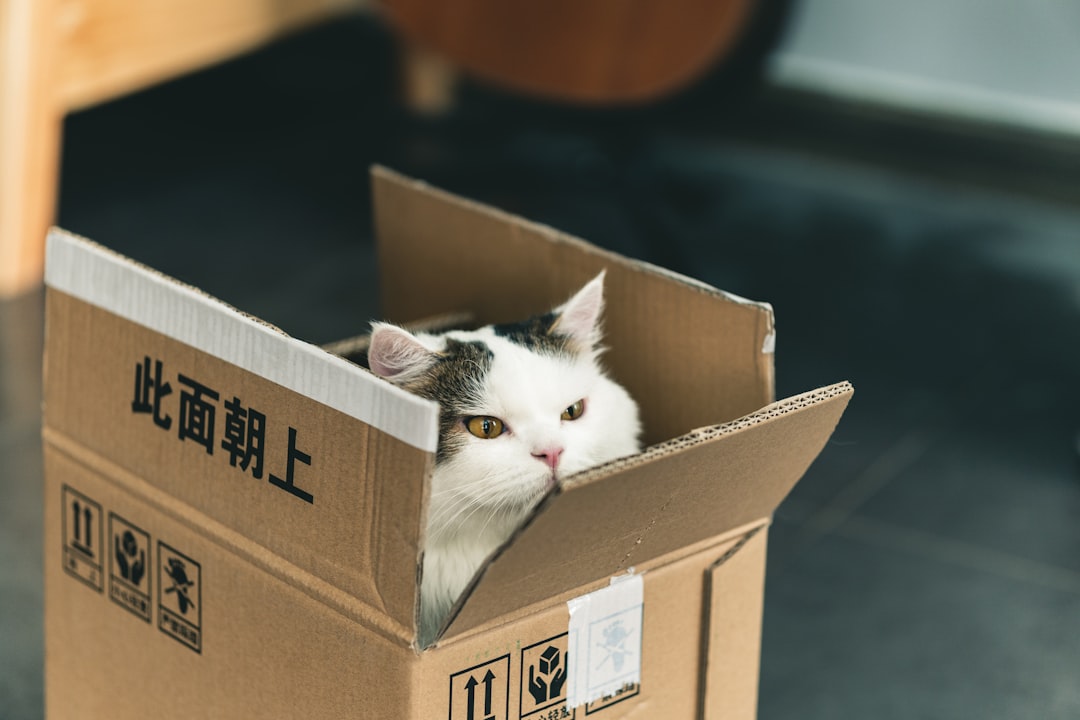
Security: Preferring enclosed spaces like boxes or carriers they previously avoided. This shift toward seeking security in small, enclosed areas represents their instinctual need for protection during vulnerability. Cats who once avoided carriers or boxes may suddenly find comfort in these confined spaces.
They might curl up in laundry baskets, squeeze into small boxes, or retreat to closets. This behavior isn’t about hiding from you but rather about creating a sense of security and warmth. Providing soft bedding in these chosen spots can offer them additional comfort during this time.
Displaying Sudden Bursts of Energy
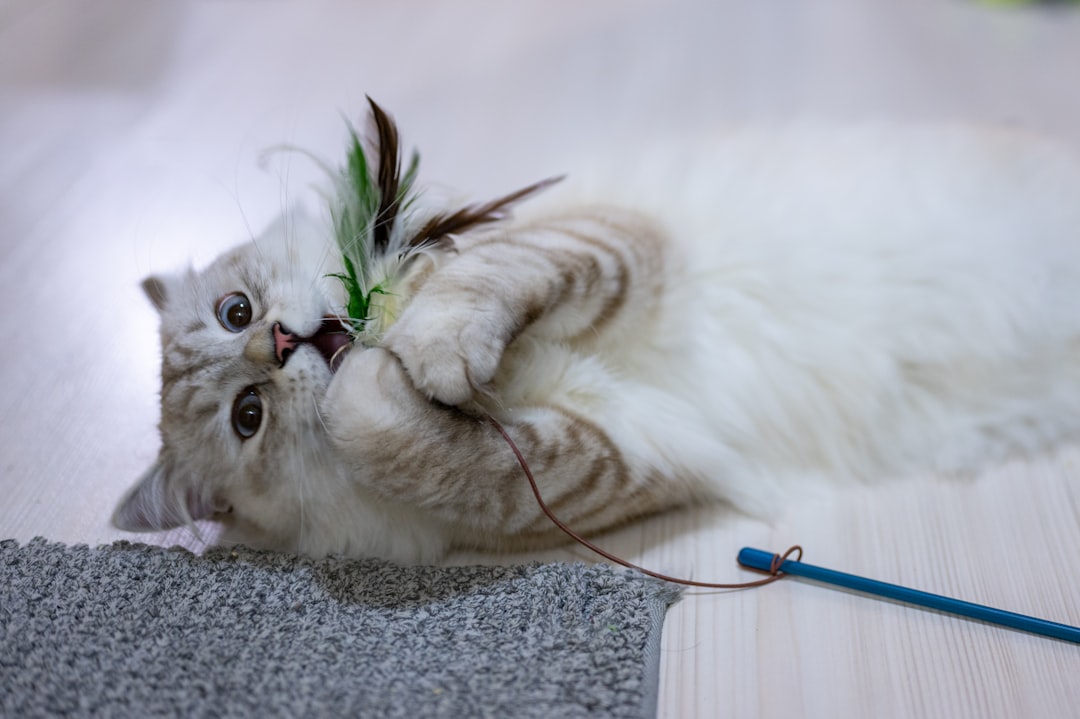
Last rally: The animal experiences a sudden surge of energy before it dies. This phenomenon, sometimes called a “last rally,” can be emotionally confusing for pet parents who might interpret it as their cat getting better rather than approaching the end.
During these moments, cats might briefly return to behaviors they enjoyed when healthy, such as playing with a favorite toy, eating with enthusiasm, or showing interest in activities they’d abandoned. While hopeful, these bursts often represent the body’s final effort before shutting down, making them both beautiful and bittersweet.
Becoming Unusually Social with Other Pets

Companionship: Staying unusually close to other household pets, even those they normally ignore. Multi-pet households often witness remarkable changes in social dynamics as a cat approaches the end of life. Cats who previously maintained distance from other animals may suddenly seek their company.
This behavior suggests an emotional need for companionship that transcends their usual territorial instincts. They might sleep next to a dog they previously tolerated or groom another cat they rarely interacted with. These moments of unexpected bonding can be profoundly moving to observe.
Demonstrating Unusual Patience and Gentleness
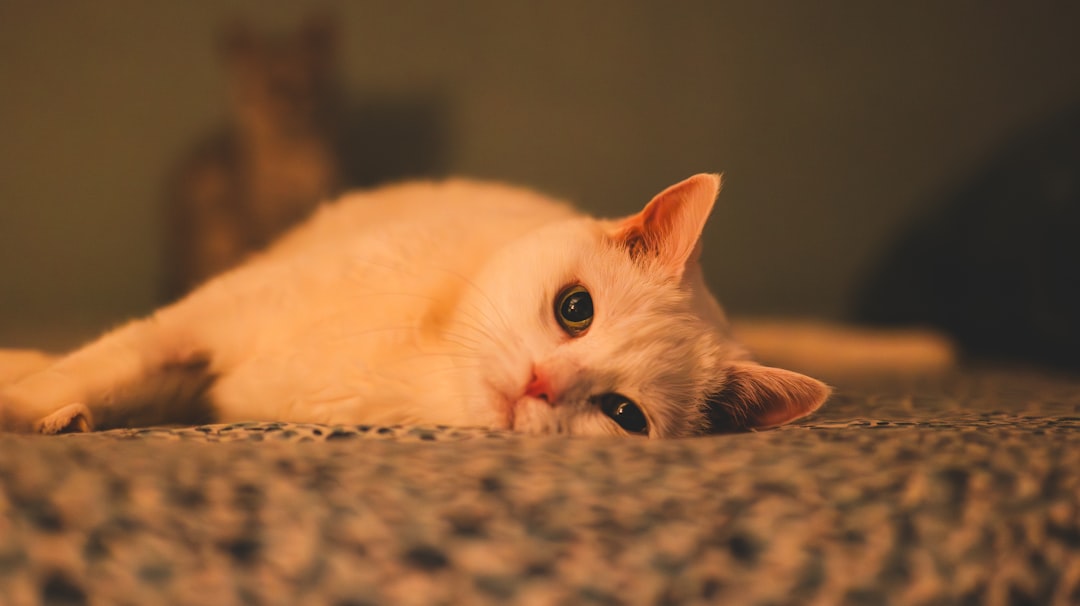
Many cats exhibit an remarkable change in temperament during their final days, becoming more patient and gentle than ever before. They may tolerate handling they previously resisted, accept medication more readily, or allow extended petting sessions without their usual boundaries.
This increased docility isn’t necessarily about weakness but often reflects a deeper emotional shift. It’s as if they understand that their time with you is precious and they want to make the most of every gentle moment. Some cats even seem to forgive old grievances, approaching family members they previously avoided with newfound openness.
Conclusion
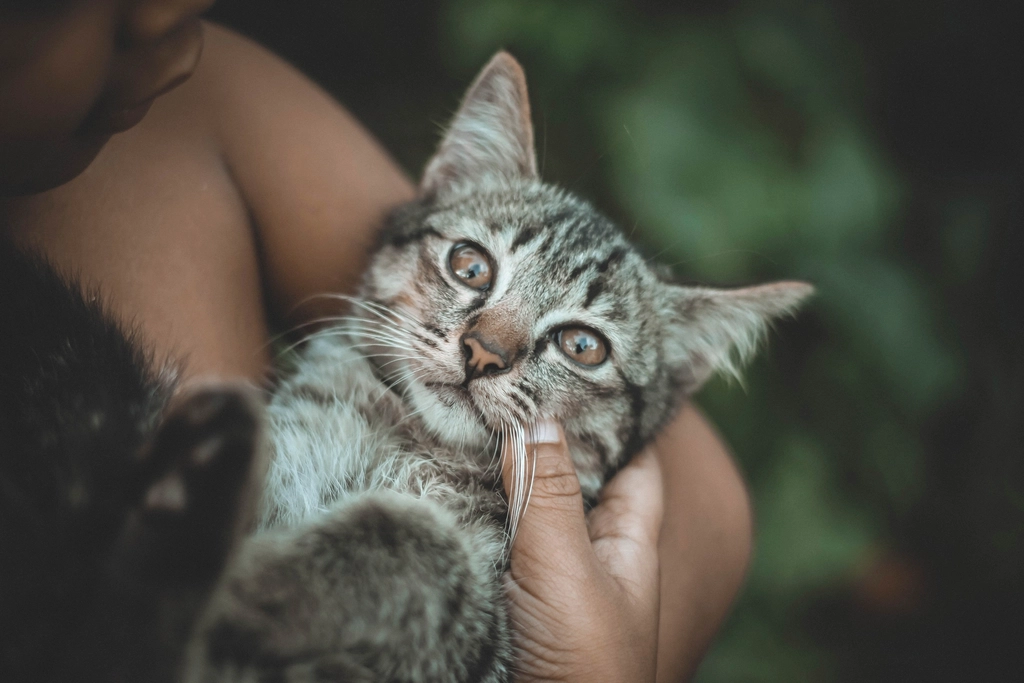
Recognizing these emotional farewell behaviors helps us understand that cats, in their own subtle way, do indeed say goodbye. While they cannot express their feelings in words, their actions speak volumes about the deep bonds they share with their human families. However, many pet owners seem confident in their interpretation of end-of-life behaviors: the animals were saying goodbye.
These final expressions of love remind us that the connection between humans and cats transcends the physical world. By understanding and honoring these goodbye gestures, we can provide our feline companions with the comfort, dignity, and love they deserve during their final journey. What moments of goodbye have you noticed in your own experiences with beloved cats? Share your thoughts in the comments below.