Have you ever watched your cat and thought they remind you of someone you know? Perhaps your Persian lounges regally like a sophisticated aristocrat, or your Bengal paces the room like an ambitious executive. The connection between feline behavior and human personality isn’t just in your imagination.
Recent research has identified five reliable factors that depict domestic cat personality: neuroticism, extraversion, dominance, impulsiveness, and agreeableness, which mirror human personality traits. These discoveries reveal remarkable similarities between how we categorize human personalities and feline temperaments. The Big Five personality model in humans includes openness, conscientiousness, extraversion, agreeableness, and neuroticism, and clear personality differences can be found between cat breeds, with certain personality and behavior traits being more common among specific breeds.
So let’s dive in and discover which cat breeds might be your personality twin.
The Anxious Perfectionist: Russian Blue Mirrors High Neuroticism
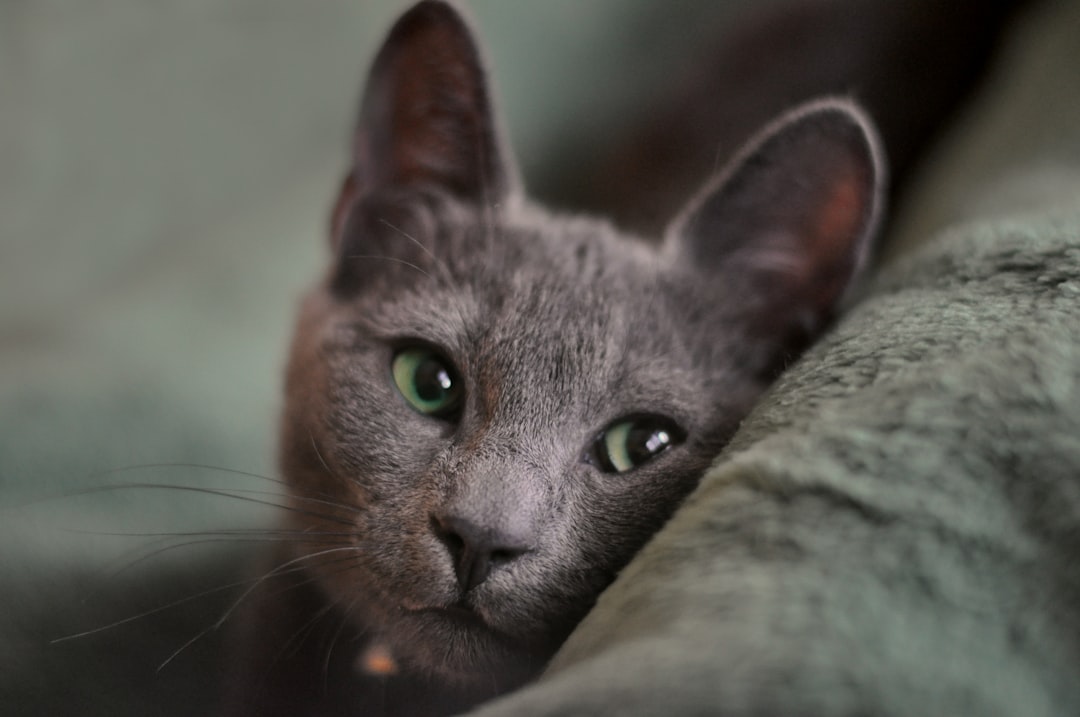
Picture that friend who double-checks every email before sending and worries about social gatherings for weeks. The Russian Blue was identified as the most fearful breed, perfectly embodying what psychologists call high neuroticism in humans.
Neuroticism in humans measures depression, irritability, and moodiness, while in cats it reflects traits of insecurity, anxiousness, fearfulness of people, suspiciousness, and shyness. Russian Blues display this through their cautious approach to new situations and their preference for familiar routines.
The Life of the Party: Siamese Reflects Pure Extraversion
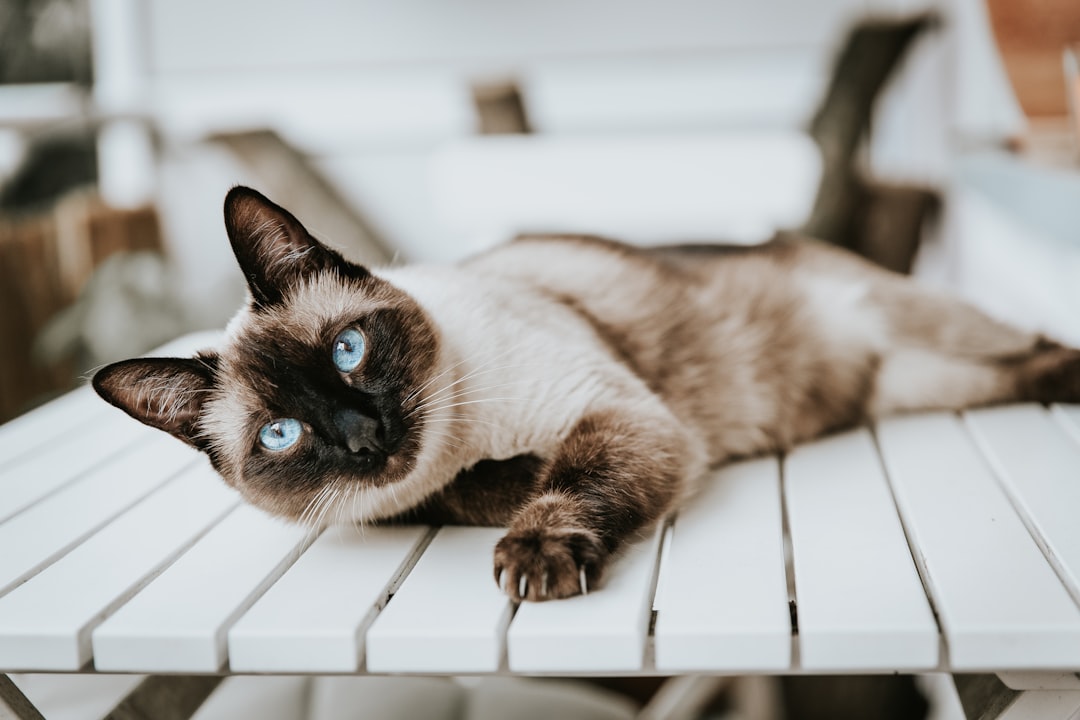
Siamese cats are determined, vocal, active, and affectionate but don’t like being left alone. They’re the feline equivalent of that friend who thrives at parties and needs constant social interaction.
In humans, extraversion measures boldness, energy, and social interactivity, and in cats it includes being active, vigilant, curious, inquisitive, inventive, and smart. Oriental breeds including Siamese are among those most likely to seek human contact, making them perfect companions for naturally extroverted people.
The Gentle Soul: Maine Coon Embodies Agreeableness
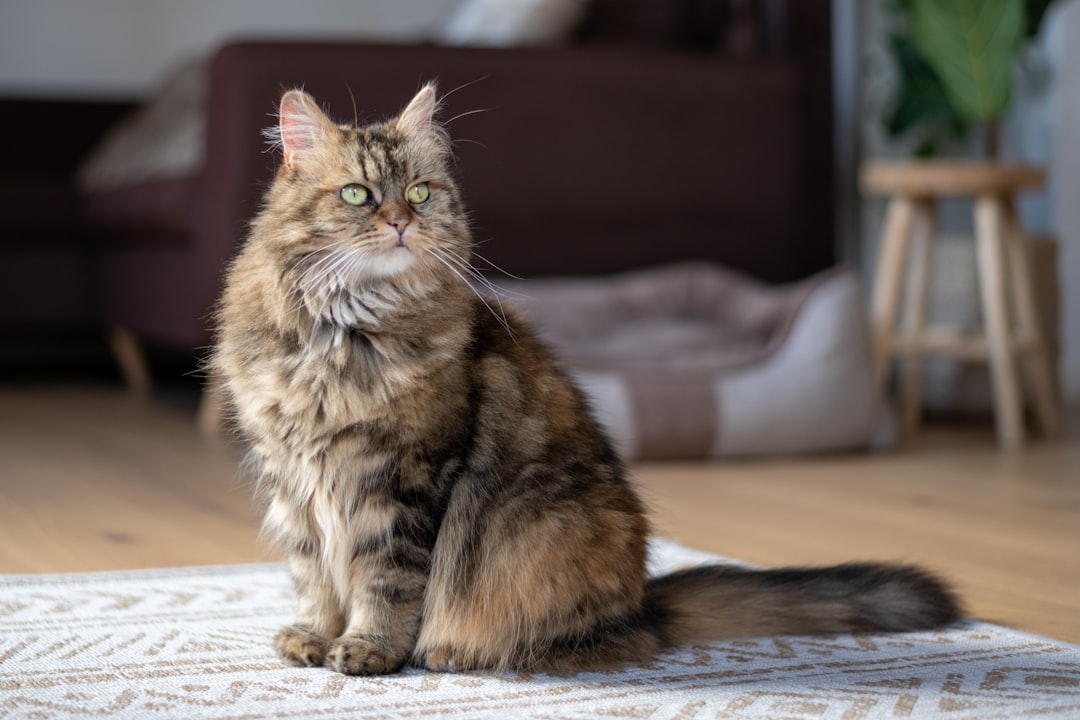
Maine Coon cats are calm, very friendly, good companions, super affectionate, and have a very social personality. They represent the human trait of agreeableness perfectly.
Agreeableness in humans measures kindness, helpfulness, and willingness to cooperate, while in cats it includes affectionateness, friendliness to people, and gentleness. These gentle giants mirror those incredibly agreeable humans who seem to get along with everyone and make natural mediators in conflicts.
The Organized Executive: Abyssinian Shows High Conscientiousness
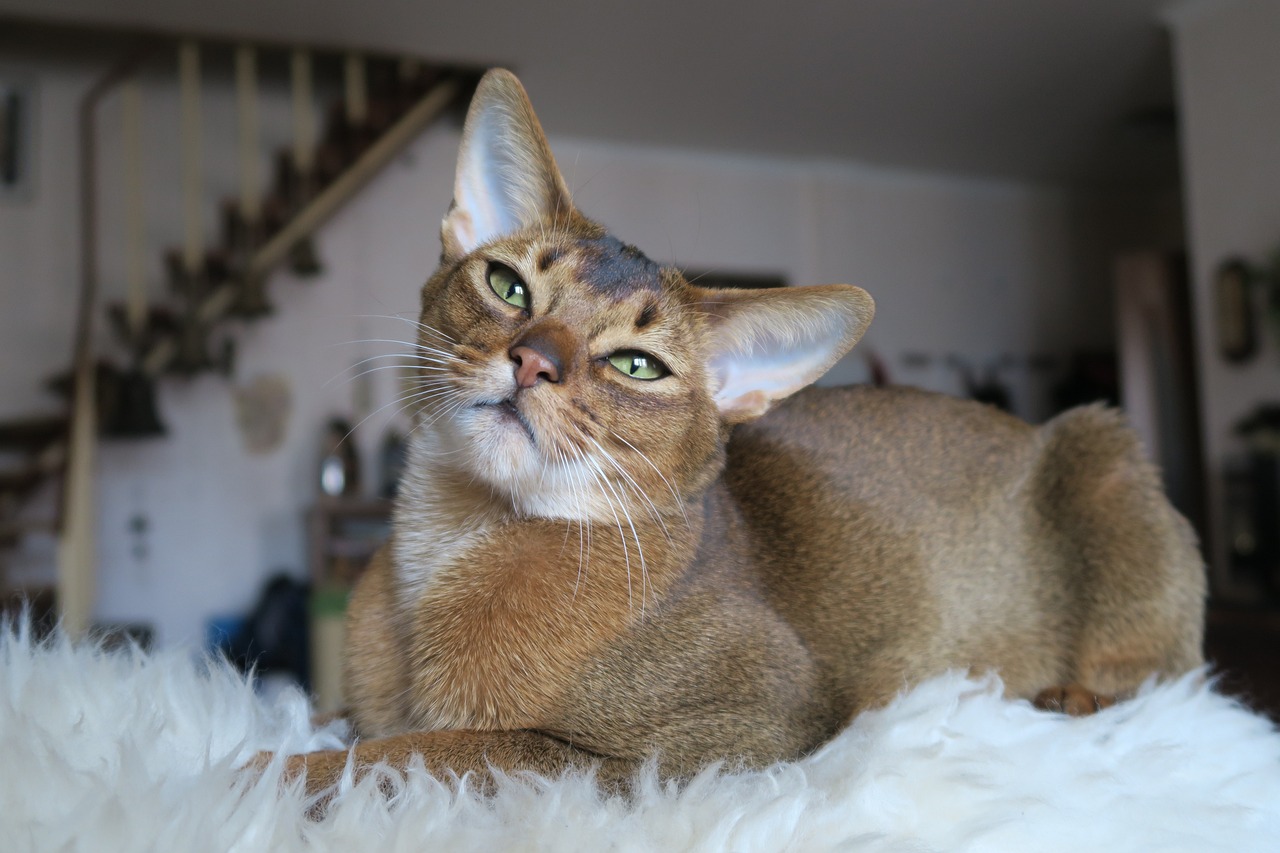
Abyssinians are busy, active, purposeful cats with lots of energy who are intelligent and talkative. They’re like those highly organized friends who have color-coded calendars and never miss a deadline.
Conscientiousness in humans measures self-control, diligence, and attention to detail. Abyssinians are intelligent cats that love games and will even play fetch, showing the goal-oriented behavior typical of highly conscientious personalities.
The Creative Visionary: Bengal Mirrors Openness to Experience
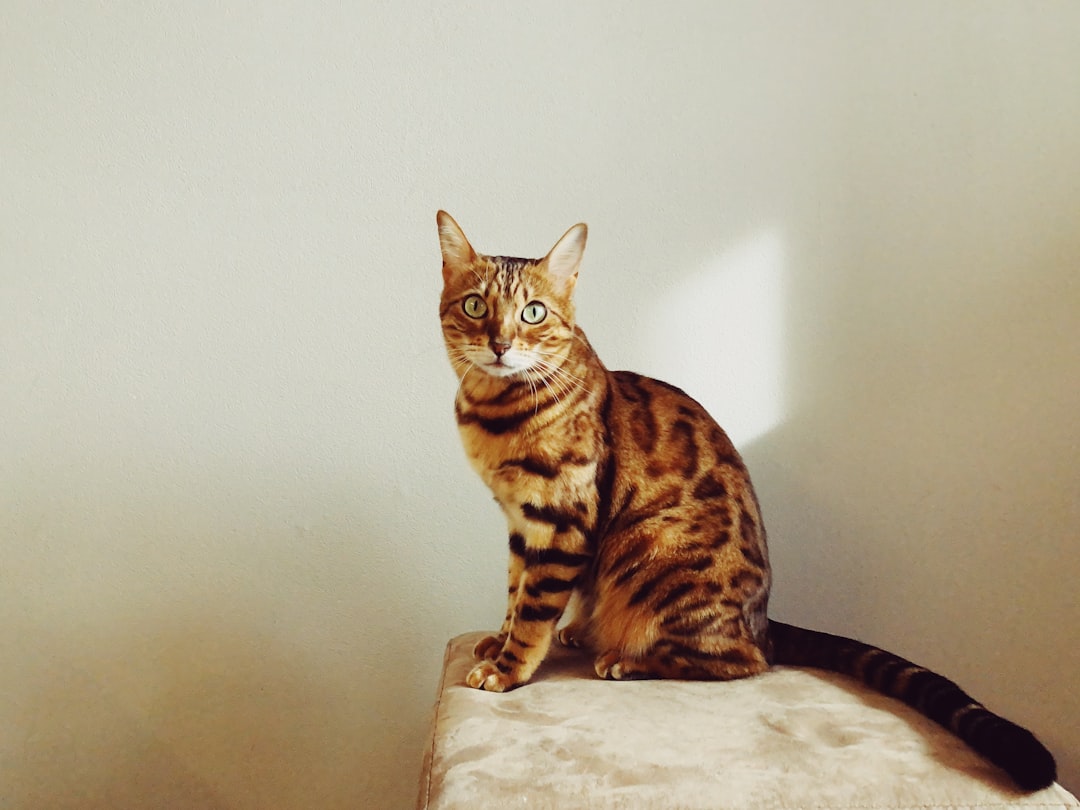
Bengal cats are curious, energetic, and athletic, requiring plenty of stimulation both mentally and physically. They embody the human trait of openness to experience with their adventurous spirit.
Openness in humans measures creativity, curiosity, and willingness to entertain new ideas. Bengal cats are exceptional hunters, very intelligent, have excellent memories, and will learn tricks, much like those creative humans who are always seeking new experiences and challenges.
The Independent Aristocrat: Persian Reflects Low Social Need
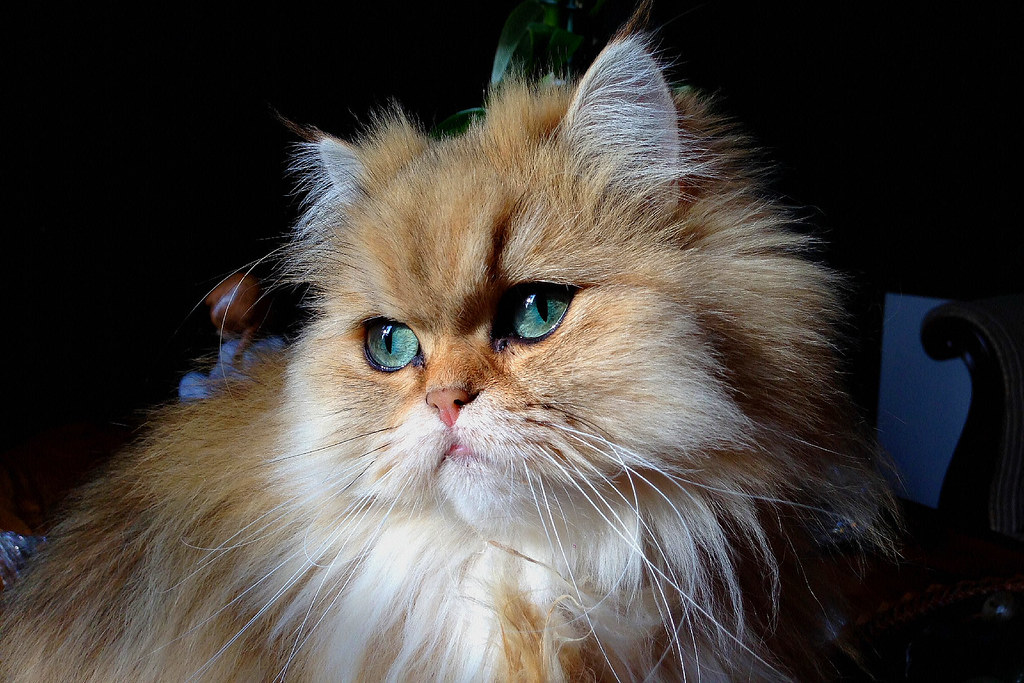
Persians are typically quiet, rather aloof, dislike loud noises, and enjoy lounging regally, being less active than other breeds. They mirror introverted humans who prefer solitude and quiet environments.
Persian cats are gentle, docile, quiet, don’t insist on attention, are content sitting alone or observing from across the room, and can be discerning in who they give affection to. This perfectly matches humans with lower extraversion scores who find social situations draining.
The Loyal Companion: Ragdoll Shows Secure Attachment
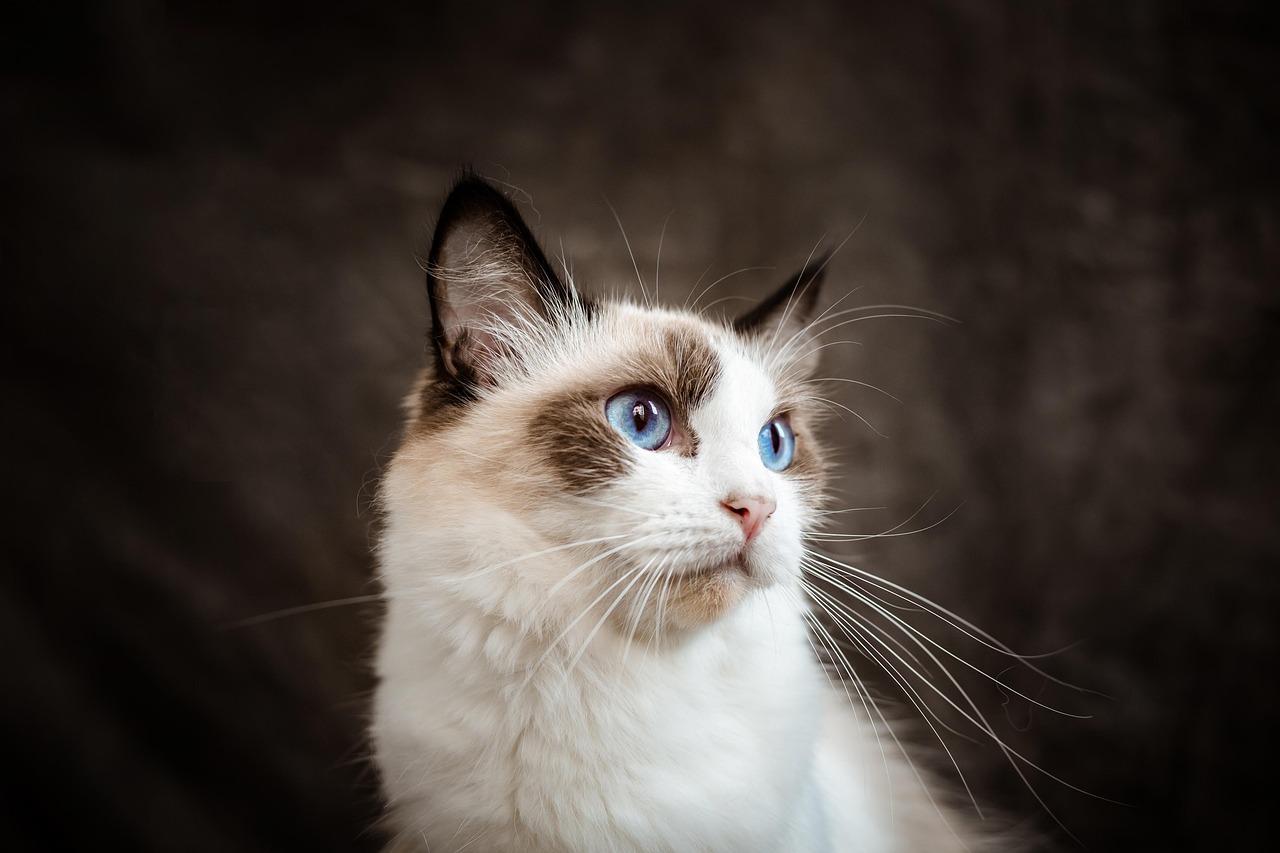
Ragdolls are large, affectionate, very docile and sweet-tempered cats that will follow you around the house much like a puppy would. They represent humans with secure attachment styles and low neuroticism.
Cats with lower neuroticism scores are calmer, more trusting, while still being bold and independent, and are generally well-adjusted to their environment. Ragdolls embody this emotional stability that characterizes mentally healthy, well-adjusted humans.
The Social Butterfly: Devon Rex Mirrors High Extraversion
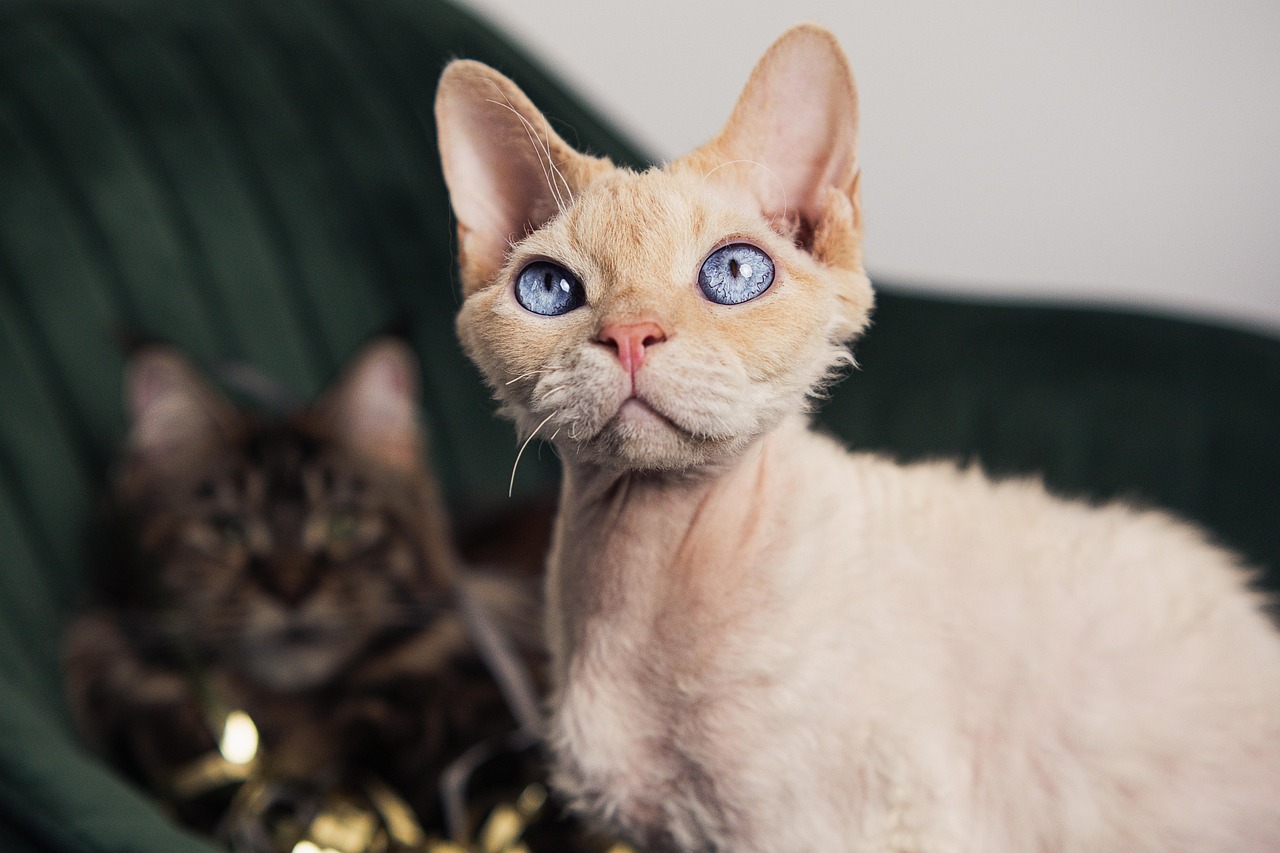
Devon Rex cats have the look and personality of a Pixie, and they’re among the breeds most likely to seek human contact. They’re like those naturally charismatic people who light up any room they enter.
These cats display the classic extraverted traits of being highly social, energetic, and people-focused. Cats scoring high in extraversion exhibit traits of being active, vigilant, curious, inquisitive, and smart, adjusting well to new people, animals, and situations.
The Nervous Overachiever: Turkish Van Shows High Aggression and Low Sociability
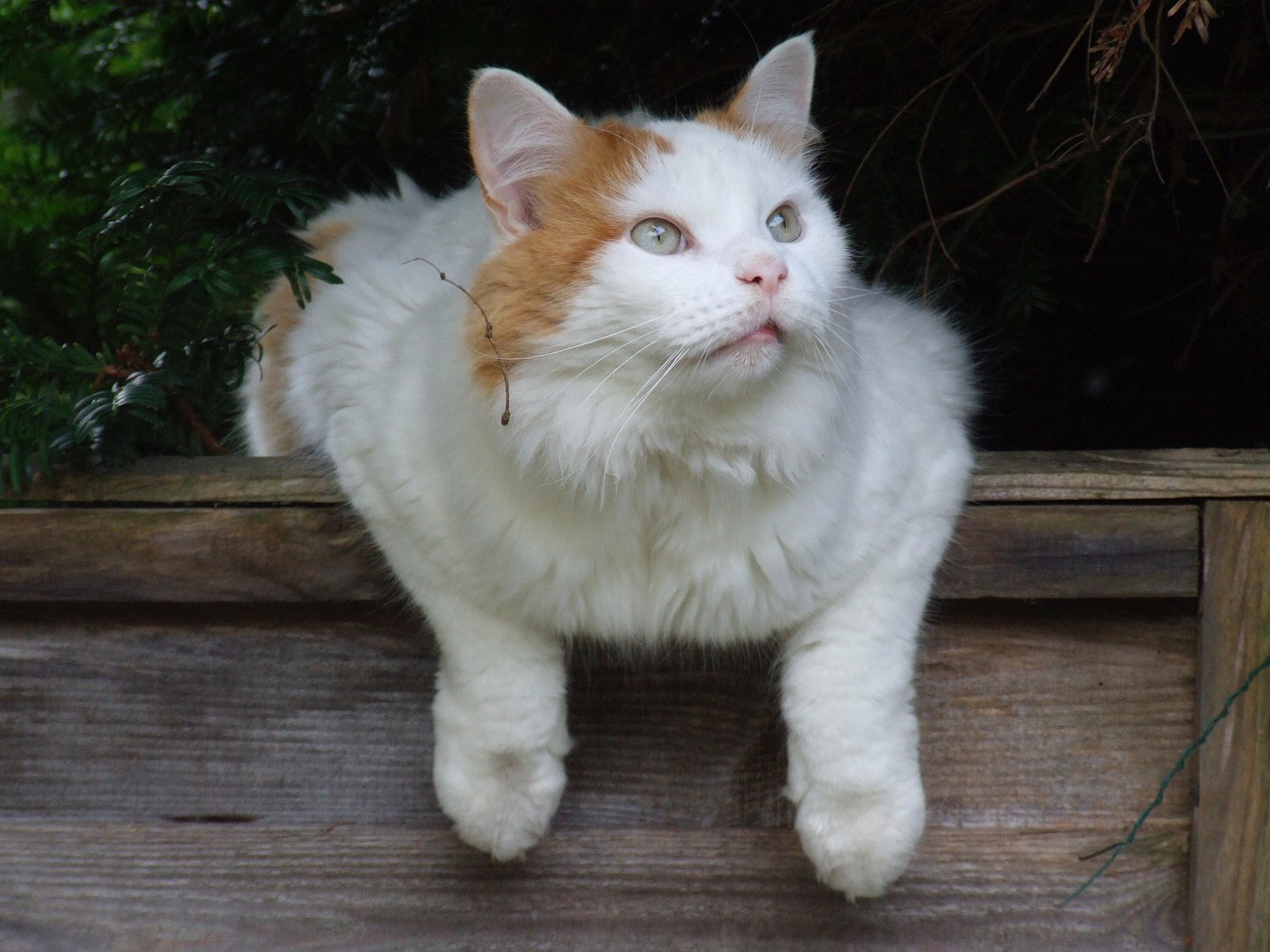
Turkish Van breeds scored highest in aggression toward family members and strangers, while they scored considerably higher in aggression towards humans and lower in sociability towards cats. They mirror humans with high dominance traits.
Dominance in cats includes bullying as well as characteristics of dominance and aggressiveness toward other cats. These cats represent those humans who are natural leaders but might struggle with interpersonal relationships, preferring to maintain control in social situations.
The Zen Master: British Shorthair Embodies Low Reactivity
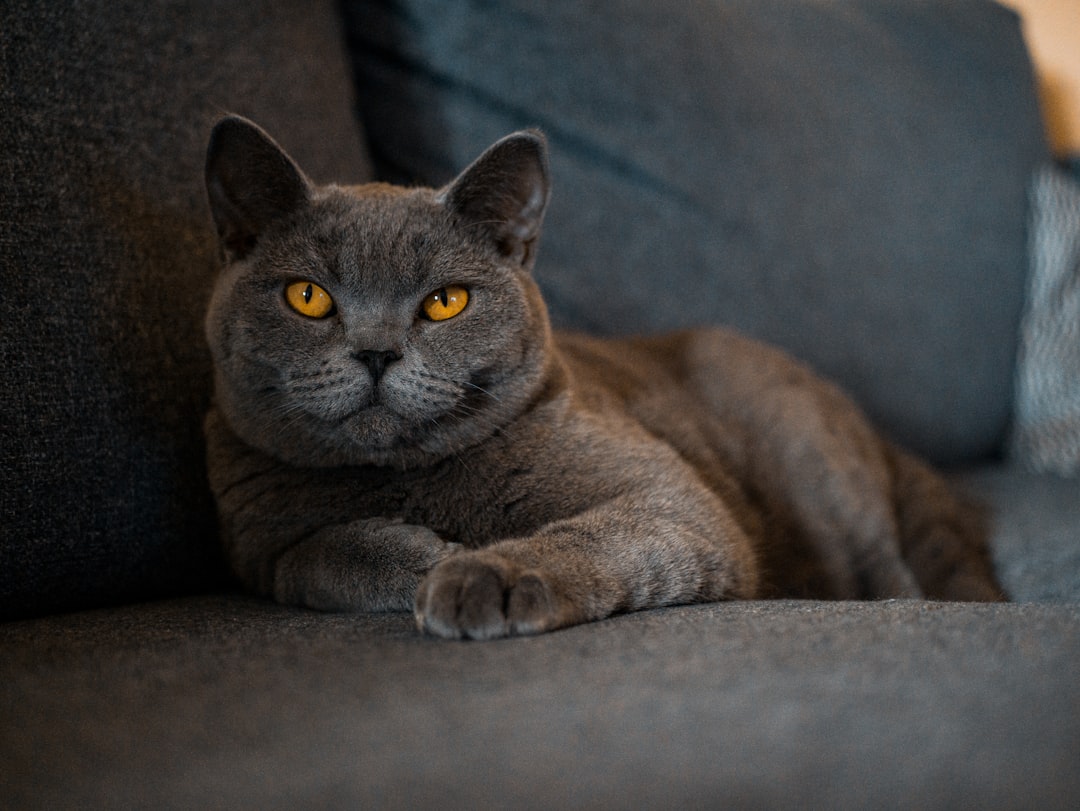
British Shorthairs are among the least aggressive toward family members, least likely to seek human contact, and least active breeds. They represent humans with extremely low neuroticism and moderate extraversion.
These cats embody the personality of someone who remains calm under pressure, doesn’t seek attention, and is perfectly content with their own company. Their low neuroticism makes them calmer and more trusting while remaining well-adjusted to their environment, much like humans who possess natural emotional stability and inner peace.
Understanding these personality parallels helps explain why certain cat breeds appeal to specific types of people. We’re naturally drawn to companions who mirror our own temperament, whether they walk on two legs or four. The remarkable similarity between feline and human personality traits suggests that personality patterns transcend species boundaries.
What do you think about these personality connections? Do you see yourself in your feline friend?