For thousands of years, cats have shared our homes and hearts, yet we’re only beginning to understand the depth of their emotional intelligence. While dogs often steal the spotlight as empathetic companions, recent scientific discoveries suggest our feline friends possess remarkable abilities to read and respond to human emotions that we’re just now uncovering. The question of whether cats can truly sense when we’re sad has captivated researchers and pet owners alike, sparking groundbreaking studies that reveal surprising truths about these mysterious creatures.
The latest research paints a fascinating picture of cats as emotionally attuned beings who may understand us far better than we ever imagined. So let’s dive into what science has discovered about your cat’s hidden emotional superpowers.
The Breakthrough Science Behind Feline Emotional Detection
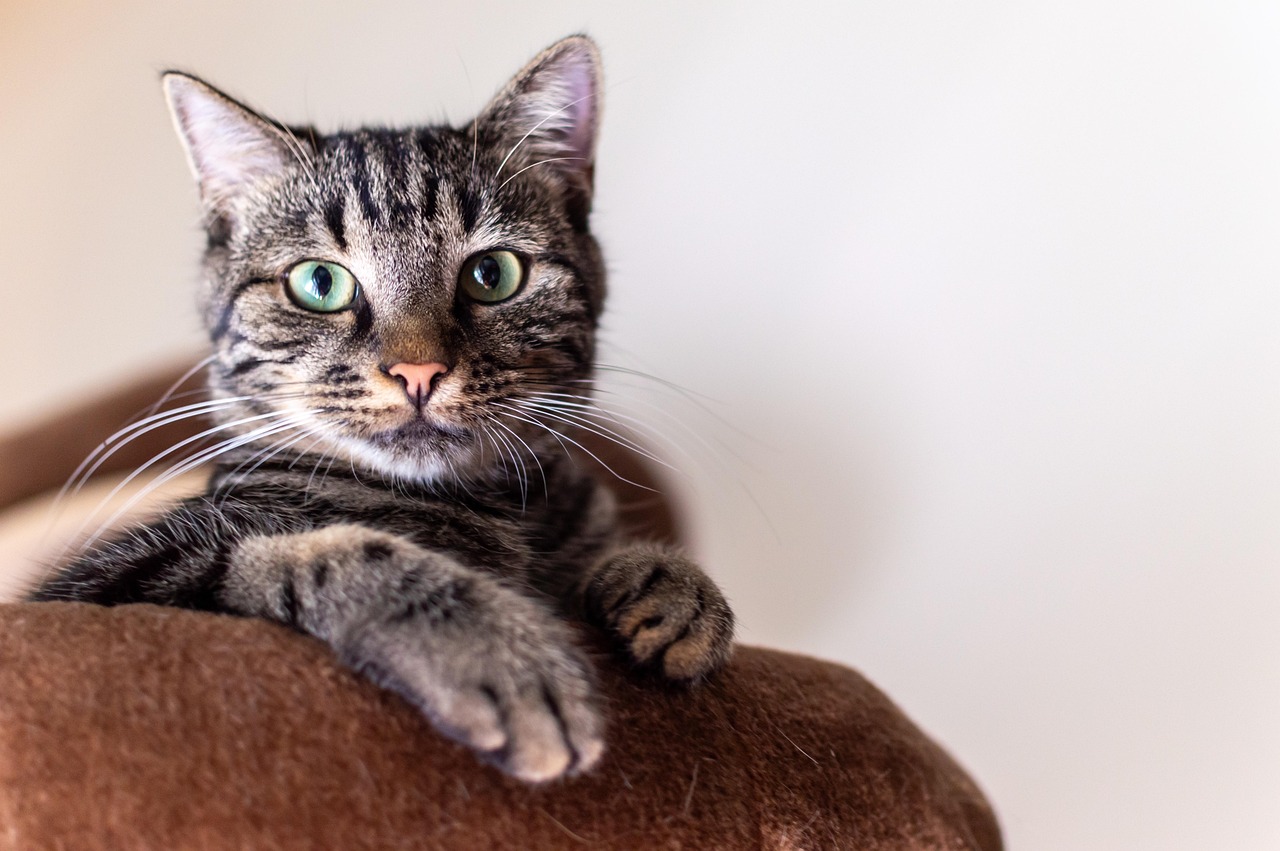
Recent groundbreaking research has demonstrated that cats can integrate visual and auditory signals to recognize human and conspecific emotions, with studies showing they’re able to recognize human emotions through auditory and visual observations. Scientists found that cats can recognize and interpret unfamiliar human emotional signals, suggesting they have a general mental representation of humans and their emotions. This discovery challenged long-held beliefs about feline emotional awareness.
Research has examined whether cats recognize human emotions using both visual and auditory signals, with different emotional stimuli such as “happiness” and “anger” portrayed through facial expressions and nonverbal sounds – and the cats were able to discriminate between them. The research revealed that younger cats (2-3 years old) showed higher ability to cross-modally recognize human emotions, suggesting this skill might be more pronounced in certain cats.
How Cats Actually Process Human Sadness

Cats can sense sadness by associating the visual and auditory signals of human sadness such as frowning and a listless voice with how they are addressed or treated whenever their human is in a sad state. The way cats recognize human emotion is based on our body language, behavior, speech, tone of voice, and facial expressions. Some research suggests cats can distinguish between different human facial expressions and may react differently based on what they “read” on our faces.
When you’re sad, your speech changes and you might make other noises like sniffling or crying, while your body language also changes as you may be less active, more hunched, and generally seem weighed down with life. Cats are sensitive to tonal changes in our voice, noticing when we’re cheerful or upset, with gentle tones comforting them while louder, sharp tones can make them dart for a hiding spot.
The Revolutionary Discovery of Scent-Based Emotion Detection

Some research suggests cats may detect human emotions through scent – especially fear – suggesting our cat friends might understand us more than we realize. Researchers investigated whether cats can smell human emotions by conducting an experiment using odor samples from three unfamiliar men exposed to different emotional states: fear, happiness, physical stress, and neutral, with sweat samples collected after the men watched emotionally charged videos.
The study found that “fear” odors elicited higher stress levels than “physical stress” and “neutral,” suggesting that cats perceived the valence of the information conveyed by “fear” olfactory signals and regulate their behavior accordingly. Cats used both nostrils equally often but relied on their right nostril more when displaying severe stress behaviors while smelling “fear” and “physical stress” odors, and since the right nostril connects to the right hemisphere of the brain responsible for processing arousal and intense emotions, this suggests these odors trigger a higher emotional response in cats.
The Remarkable Feline Sensory Arsenal
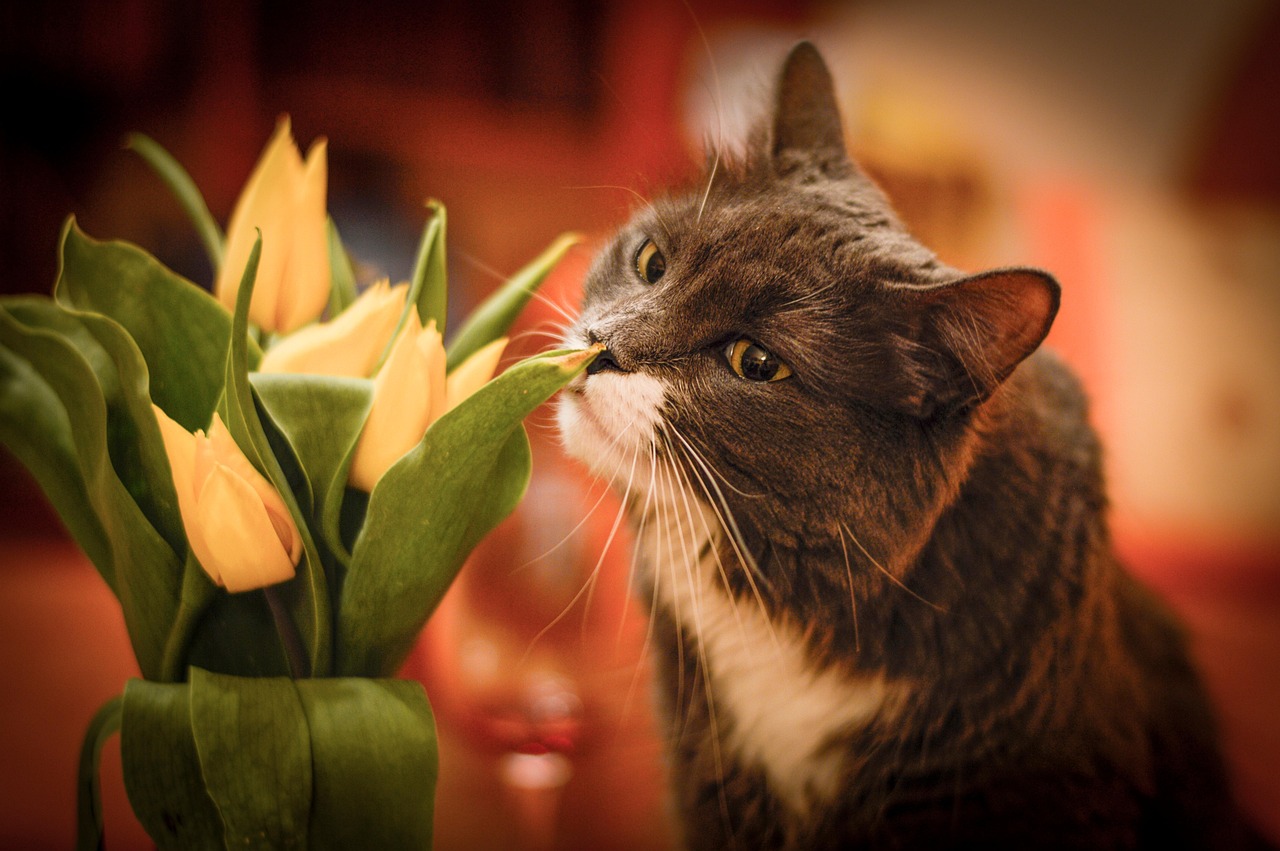
Cats possess an extraordinary sense of smell that’s approximately 14 times more powerful than humans, with their advanced olfactory system enabling them to detect subtle chemical changes in their environment, including the hormones and pheromones released when humans experience fear. Cats reportedly have approximately 200 million scent receptors in their nasal cavity, compared to humans’ 5-6 million, making their sense of smell significantly more sensitive than humans’.
The vomeronasal organ (Jacobson’s Organ) located in the roof of the mouth is connected to the nasal cavity and specializes in detecting pheromones and other chemical signals, with cats using the Flehmen response – curling their lips, opening their mouth, and inhaling – to draw scents into this organ for detailed analysis, particularly useful for social and reproductive cues.
Behavioral Changes When Cats Sense Your Sadness
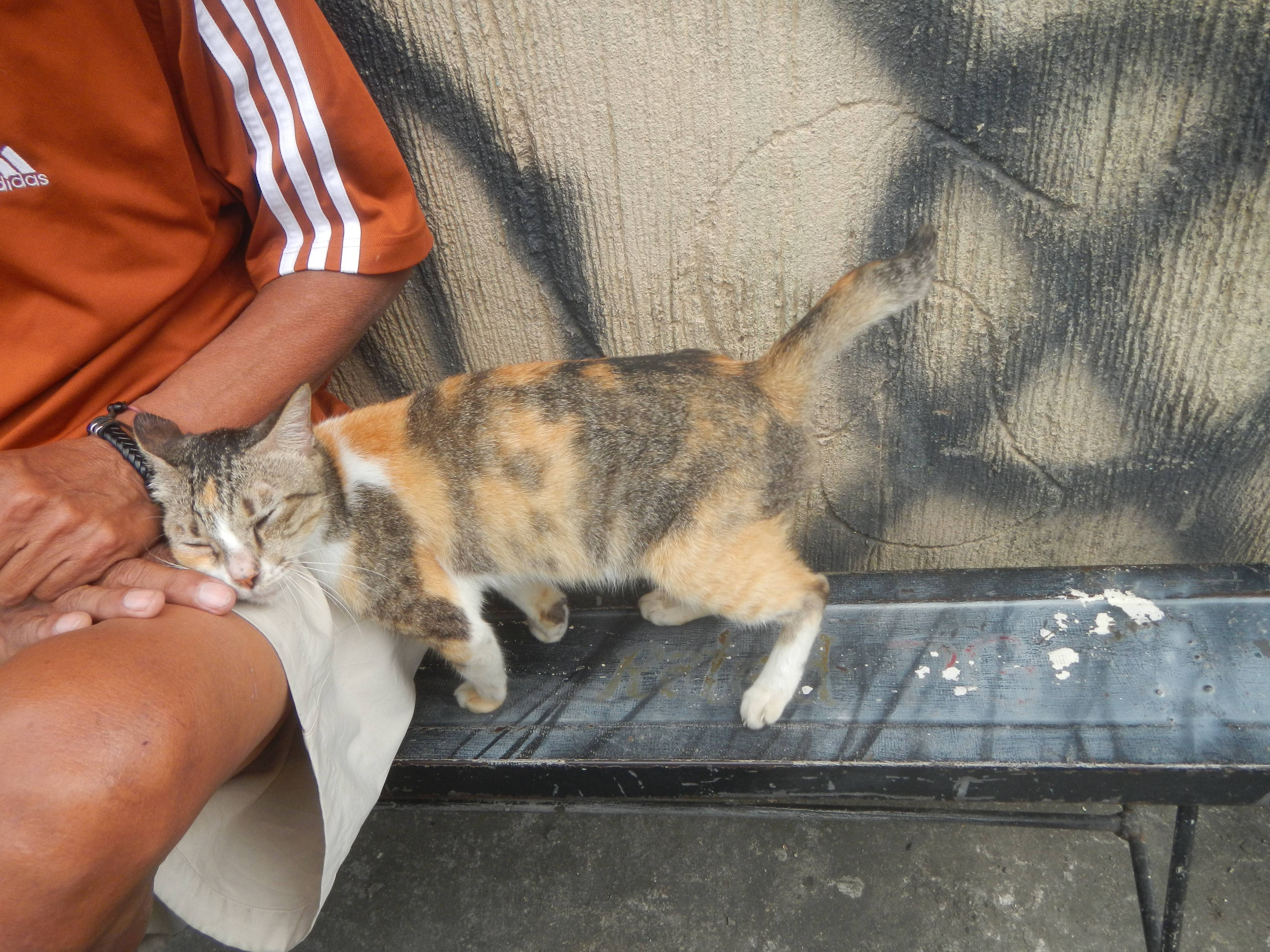
Cats tend to engage and interact more with their owners if they are depressed or showing negative emotional states like sadness, grief, or loneliness. They engage with their humans more often when they are sad or depressed, and they approach them more frequently when their humans are anxious or agitated, doing so in various ways including looking at you, sitting near you, rubbing themselves against you, and purring.
Cats tend to alter their behavior when their owner seems depressed or sad, tending to linger nearby, coming closer than they normally would, with some interacting more or being more affectionate, and no matter which type of cat you have, it’s likely they’re trying to comfort you in their own way. If you’re feeling blue and spending more time on the couch, don’t be surprised to find your feline friend snuggling up beside you, offering their own version of comfort.
The Social Intelligence Behind Cat Empathy
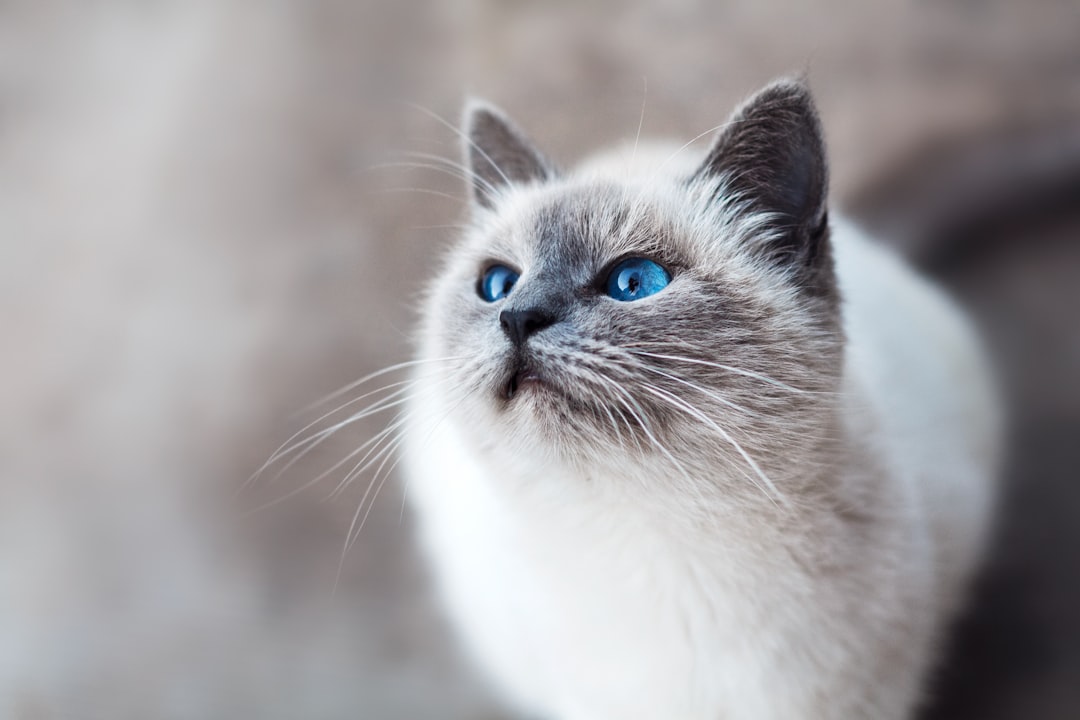
Although cats are known to be independent and may not be as social as dogs, they do form ties with their colony in the wild, and when it comes to your home, you are considered as part of your cat’s colony so they recognize the importance of emotional signals in living harmoniously with you. The findings demonstrate that as cats became domesticated, they have developed cognitive and social skills in understanding humans’ emotions to be able to behave accordingly in response to their human’s cues in communication and expressing emotions.
Human and cat companionship has been common in society for a long time, and this coexistence has made it possible – and even advantageous – for cats to read human emotional signals. The ability to perceive other individuals’ emotions plays a central role for animals living in social groups, and cats entertain social relationships with individuals of the same species as well as with humans.
The Mystery of Individual Cat Personalities
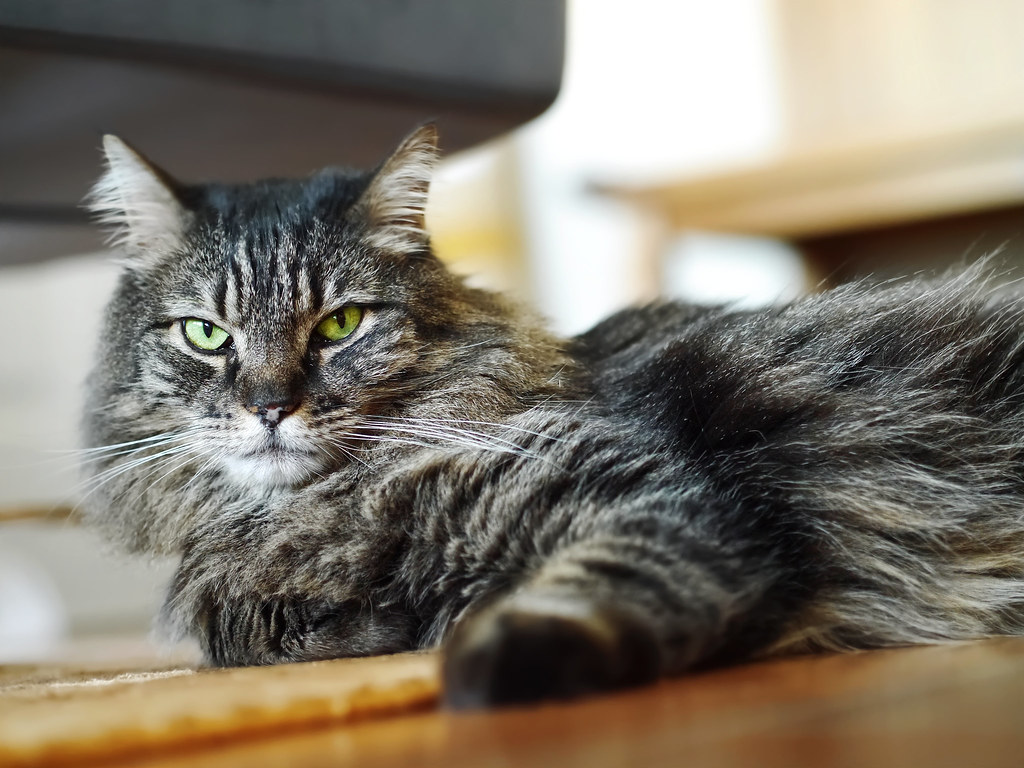
Every cat is different, so if you’re expecting your cat to hop into your lap for a cuddle when you cry, you could be disappointed, however cats do tend to alter their behavior when their owner seems depressed or sad. Cats have their own moods and personalities and might respond differently to anxiety or depression in their owners, but pets can be a huge source of comfort and support to many.
In some cases, they may show more affection as if they’re offering support, while other times they may keep their distance, and some cats can even have a fearful or aggressive response to certain human emotional states. Just like humans, a cat’s personality played a role, with neurotic cats sniffing furiously the blank or familiar tubes first, while agreeable cats calmly sniffed out the strange or blank scents first.
Limitations and Ongoing Research
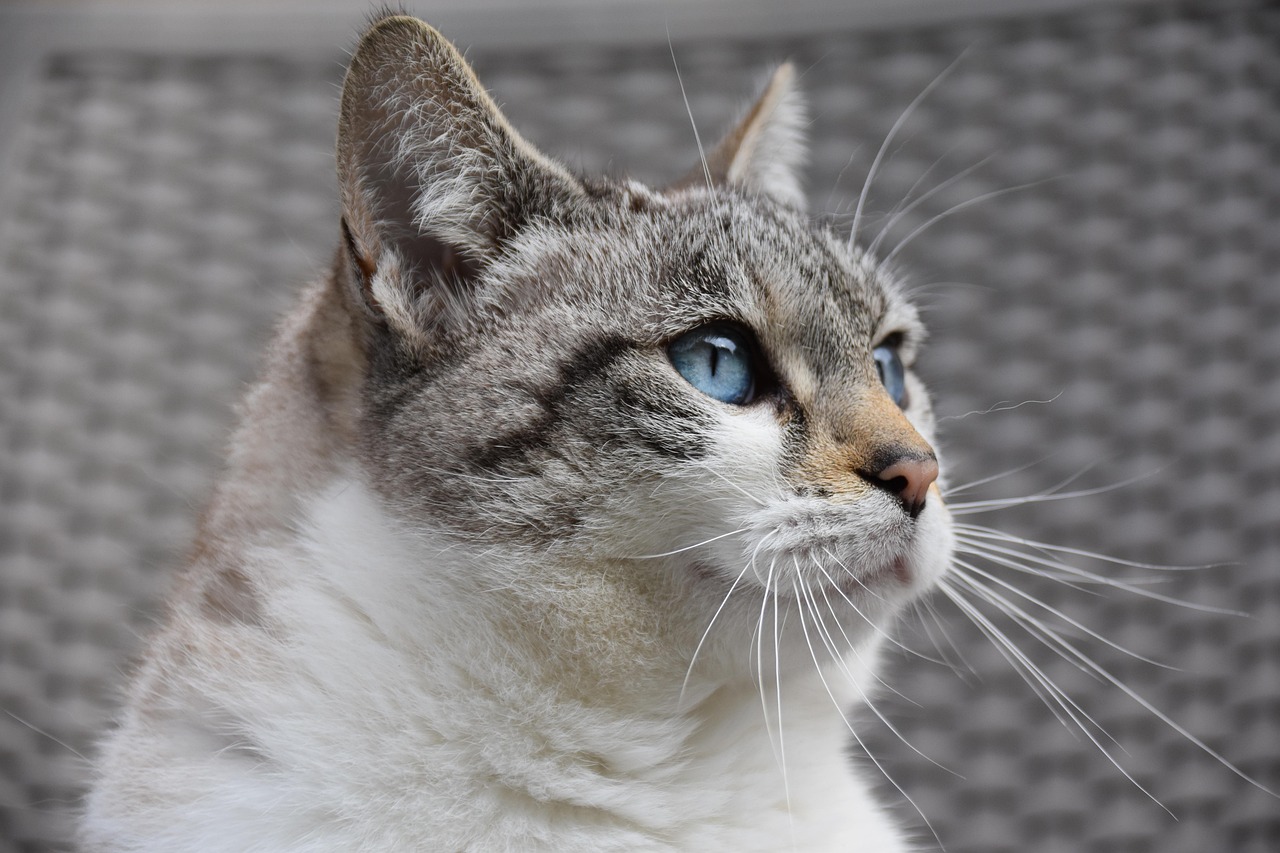
Surprisingly, cats did not show clear behavioral differences between “fear” and “happiness” odors, with one possible explanation being that cats might require visual and auditory cues in addition to scent to fully interpret positive emotions. Most studies have been based around “happy” and “sad” or “angry,” rather than anything more precise, and it is thought that cats sense human emotions to a lesser degree than dogs.
Though it’s very unlikely that cats can differentiate a full spectrum of human moods and emotions, they certainly seem to know when they’re needed, though they won’t be able to tell the difference between the vast array of negative emotions like grief, loneliness, or depression. More research needs to be done to determine if they can actually differentiate between different types of stress (i.e., anger, fear, and depression).
Practical Implications for Cat Owners

According to animal behaviorist Shadi Delshad, it helps to be observant about how your cats behave through time, for example, if you notice your cat coming over whenever you’re feeling down, it’s likely that they know how you are feeling. As cats bond more with their owners, they become better at picking up and adapting to our emotional states.
Their purring is something incredibly unique, where the frequency can ground us and potentially calm our heart rates, plus if we have physical contact through cuddles and purrs, our nervous system may calm down even more. Try to remain calm yourself, as your cat will pick up on your emotional state, provide a safe space for your cat, use calming pheromone products, and maintain regular routines, with speaking in a soft, reassuring voice also helping comfort your cat during stressful times.
Conclusion
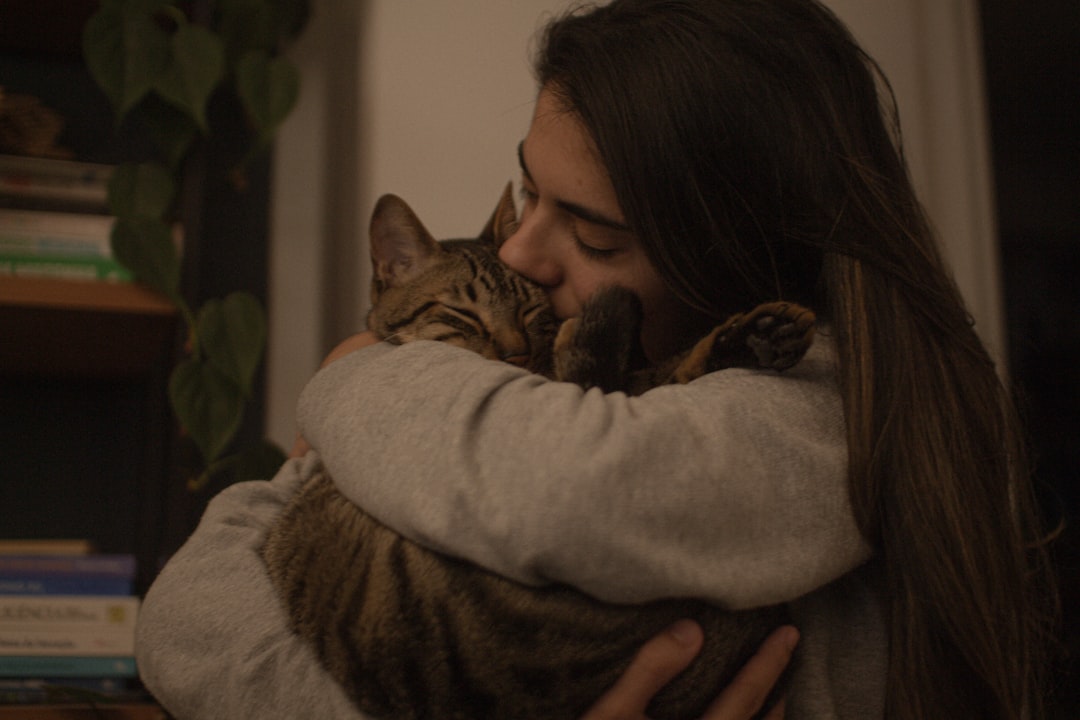
The growing body of research reveals that cats possess a sophisticated emotional intelligence that challenges our traditional views of feline behavior. These findings challenge the stereotype of cats as indifferent to human emotions, while they may not express their attachment in the same overt ways as dogs, cats are clearly tuned into the emotional states of their humans. From their ability to detect fear through scent to their nuanced responses to our body language and vocal cues, cats demonstrate a remarkable capacity for interspecies emotional communication.
Understanding that your feline companion can sense your sadness opens up new possibilities for deeper human-cat relationships. While each cat responds differently based on their personality and bond with you, the science confirms what many cat owners have long suspected: our cats truly do care about our emotional well-being. What do you think about these surprising revelations? Have you noticed your cat responding to your moods in ways that now make more sense?