Throughout history, few sights capture our imagination quite like a cat silhouetted against the night sky, their luminous eyes fixed on the glowing moon above. This mysterious connection between our feline companions and the celestial orb has fascinated humans for millennia, weaving together ancient folklore with modern behavioral science.
Cat owners worldwide report noticing their pets acting strangely during full moons, prompting questions about whether there’s truth behind the legends. From ancient Egyptian temples to modern veterinary clinics, the cat-moon relationship continues to intrigue us with its blend of myth, mystery, and measurable effects.
The Ancient Connection: Cats as Moon Guardians in Egyptian Mythology
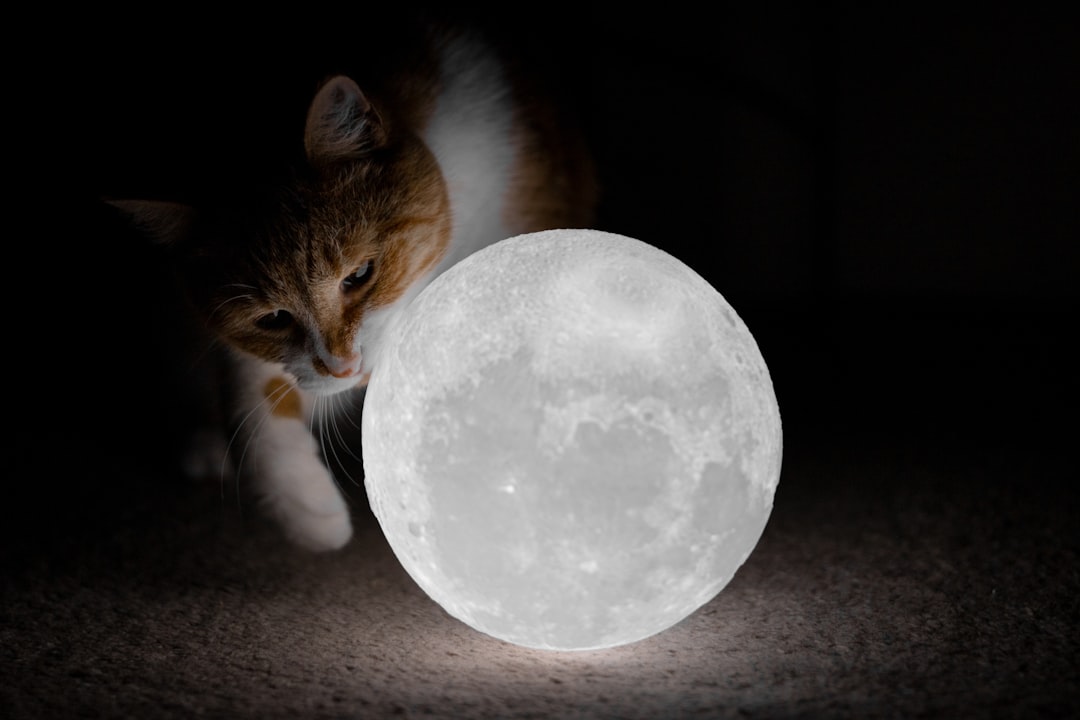
The cat’s lunar links date back at least as far as the ancient Egyptians, who likened the changing dilation and contraction of the pupils in its glowing eyes to the waxing and waning of the pallid moon. This profound observation formed the foundation of one of history’s most enduring spiritual connections. According to Egyptian mythology, the cat owes its eyes’ shimmering phosphorescence to the sun-god Ra, who entrusted to it the sun’s brilliant lustre, to be guarded and diligently transported by it throughout the night.
The Egyptians associated the cat with the moon, and it was sacred to the goddess Isis and Bast, the latter being the guardian of marriage. Most familiar of these is Bast, Egypt’s golden-eyed cat-headed goddess of the moon (again) and fertility. This divine association elevated cats from mere pest controllers to sacred guardians of cosmic balance, forever linking their earthly presence with celestial movements.
From Norse Chariots to Japanese Shapeshifters: Global Moon Cat Legends
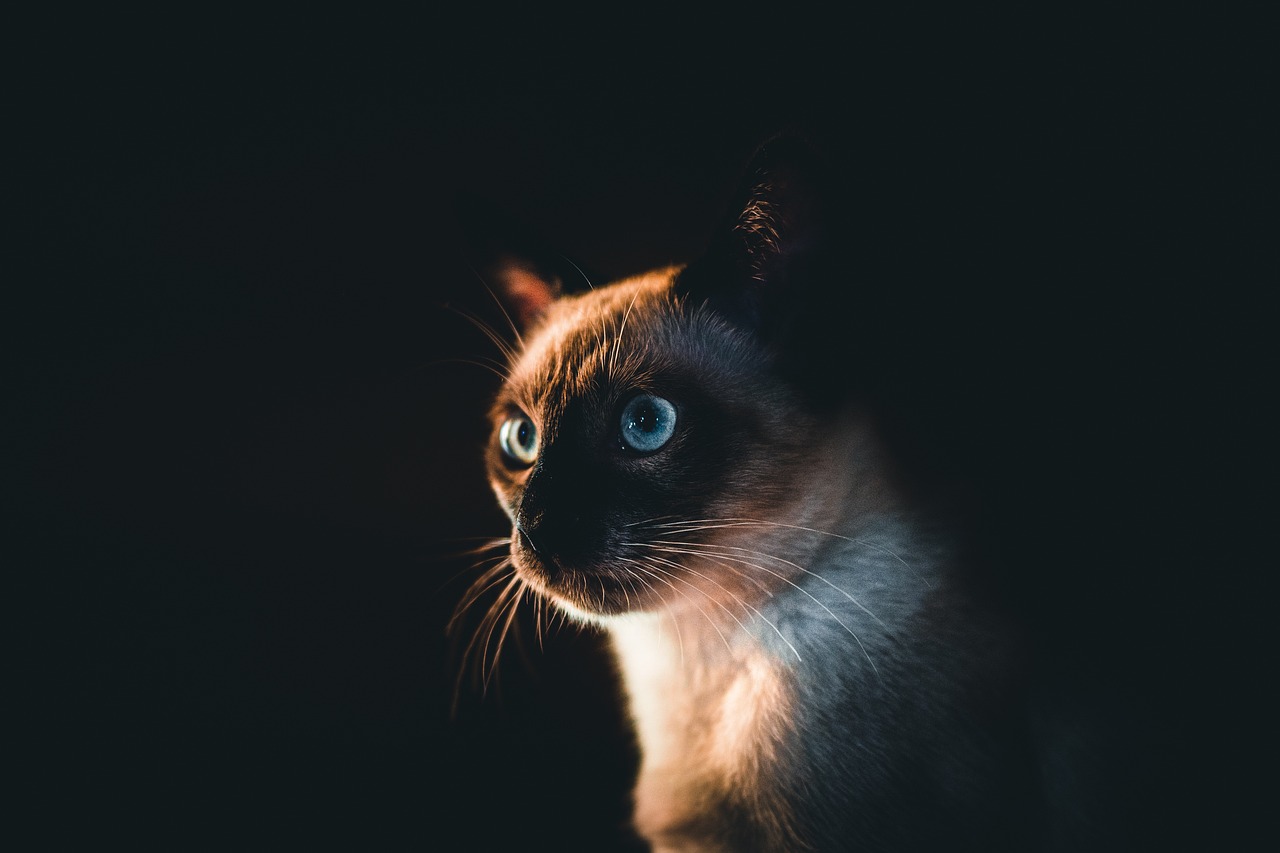
The Egyptian reverence for lunar cats spread far beyond the Nile Valley, manifesting in diverse cultures worldwide. The Greek goddess Artemis worked by the light of the moon, occasionally depicted in cat form, Artemis was the goddess of hunting, animals, and childbirth. Cats were sacred to Freyja of Norse mythology, whom among many things was the goddess of Seiðr, a type of visionary sorcery practiced in the Late Scandinavian Iron Age.
Perhaps most intriguing are Japanese legends of the bakeneko, supernatural cats whose power comes directly from the moon itself. Since their ability to bewitch humans is said to come from taking in the spiritual energy of the Moon, it is said that when a cat looks up at the Moon, it should be killed on the spot. This belief reflects a deep understanding of cats’ lunar fascination, even if wrapped in fearful superstition.
Native American Moon Weavers and Cosmic Felines
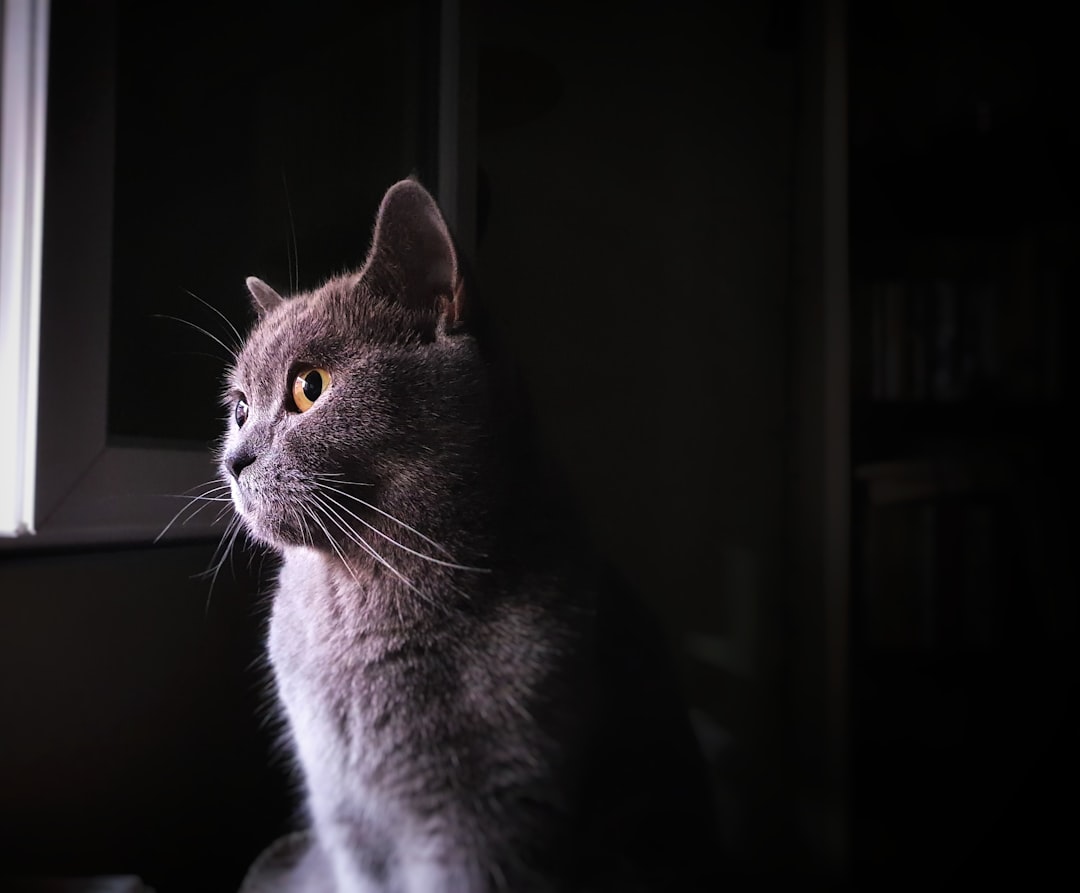
North American indigenous cultures developed their own rich traditions linking cats to lunar cycles. Iroquois myths from North America tell of Old Woman Moon and her companion, Bobcat. While she weaves a head strap, symbolic of the moon’s shape, Bobcat sits patiently beside her. Then, when she gets up to stir a pot of hominy on the fire, Bobcat pounces on Old Woman Moon’s head strap, and unravels it.
So, storytellers say, the cat undoes the moon, forcing it to change from full to famished, once every month. The moon cycle and the human female cycle are closely related in this myth. In Incan cosmology of South America, there is an inner earth called the Moon House. Inside lives a great puma or cougar. Early Andean people viewed this creature as a sun lord who nibbled at the moon, causing it to go from full to crescent.
The Science Behind Feline Night Vision and Lunar Perception
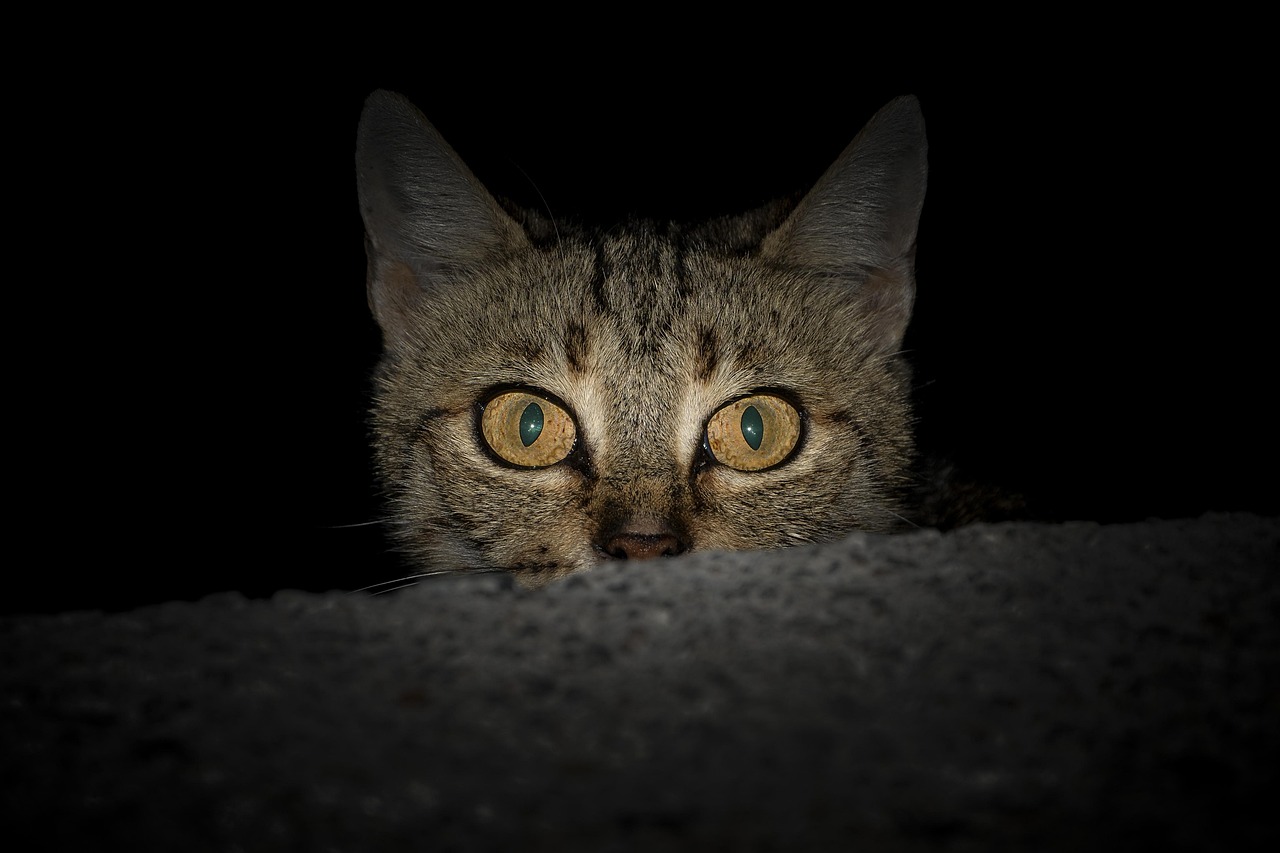
Modern science reveals fascinating truths behind these ancient observations about cats and moonlight. Many people believe that felines are nocturnal and can see in the dark perfectly, but it may surprise you to learn that cats are actually crepuscular. This means that generally they’re more active around dawn and dusk. They require only about one-sixth of the amount of light that humans need to see. This means that in low-light environments, such as during twilight or under the moonlight, cats can navigate with ease.
One of the most fascinating features of a cat’s eyes is the tapetum lucidum, a reflective layer behind the retina. This structure acts like a mirror, bouncing light back through the retina and giving the photoreceptor cells a second chance to detect it. This is what causes the eerie glow in a cat’s eyes when light shines on them at night. The tapetum lucidum enhances their ability to see in dim conditions.
Full Moon Frenzy: When Cats Go Wild
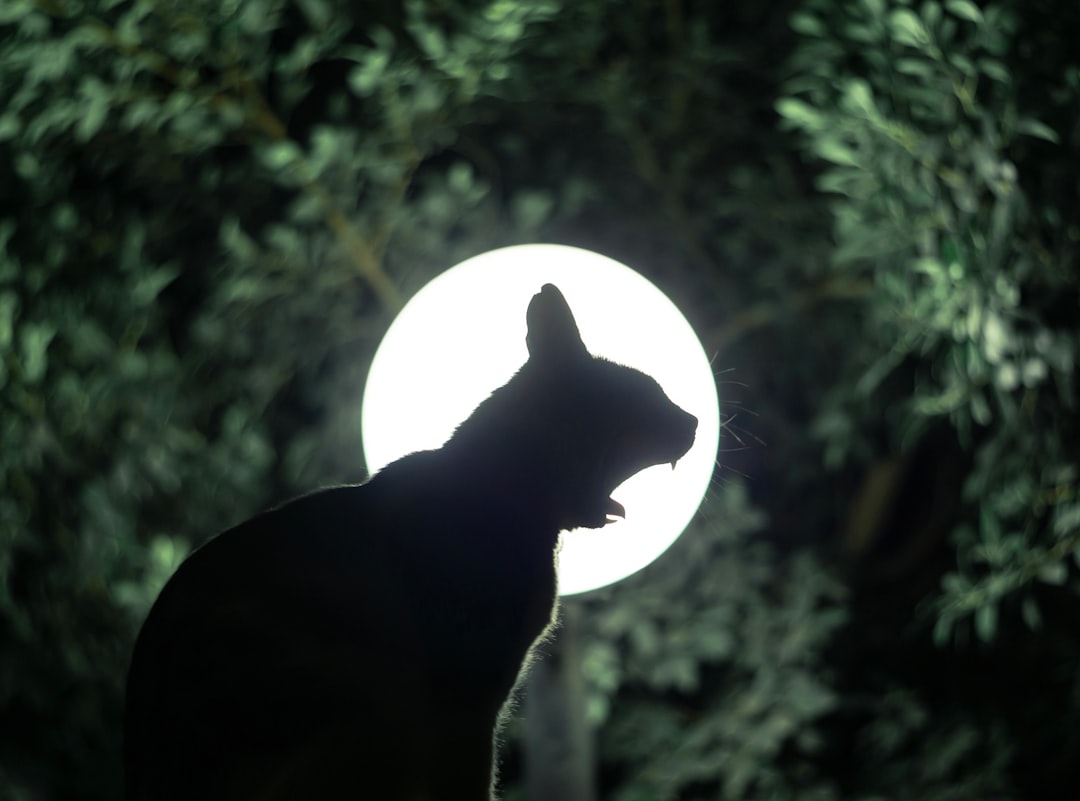
During a full moon, your chill cat might suddenly change into a wild ball of energy. Behaviors like late-night zoomies, nonstop meowing, and staring out windows like they’re on a mission tend to crank up. Some cats even change their sleep schedule, get extra sensitive to touch, or seem hungrier (or pickier) than usual. It’s like the moon flips a switch and turns up their weirdness.
Vets have noticed that cats tend to act out more during full moons, with more emergency visits and odd behaviors like nervous pacing or skipping meals. Some veterinary reports suggest increased emergency visits during full moons, though specific statistical data remains limited. This isn’t just anecdotal evidence anymore; it’s measurable data that validates centuries of folklore.
Circadian Chaos: How Moonlight Disrupts Cat Sleep Patterns
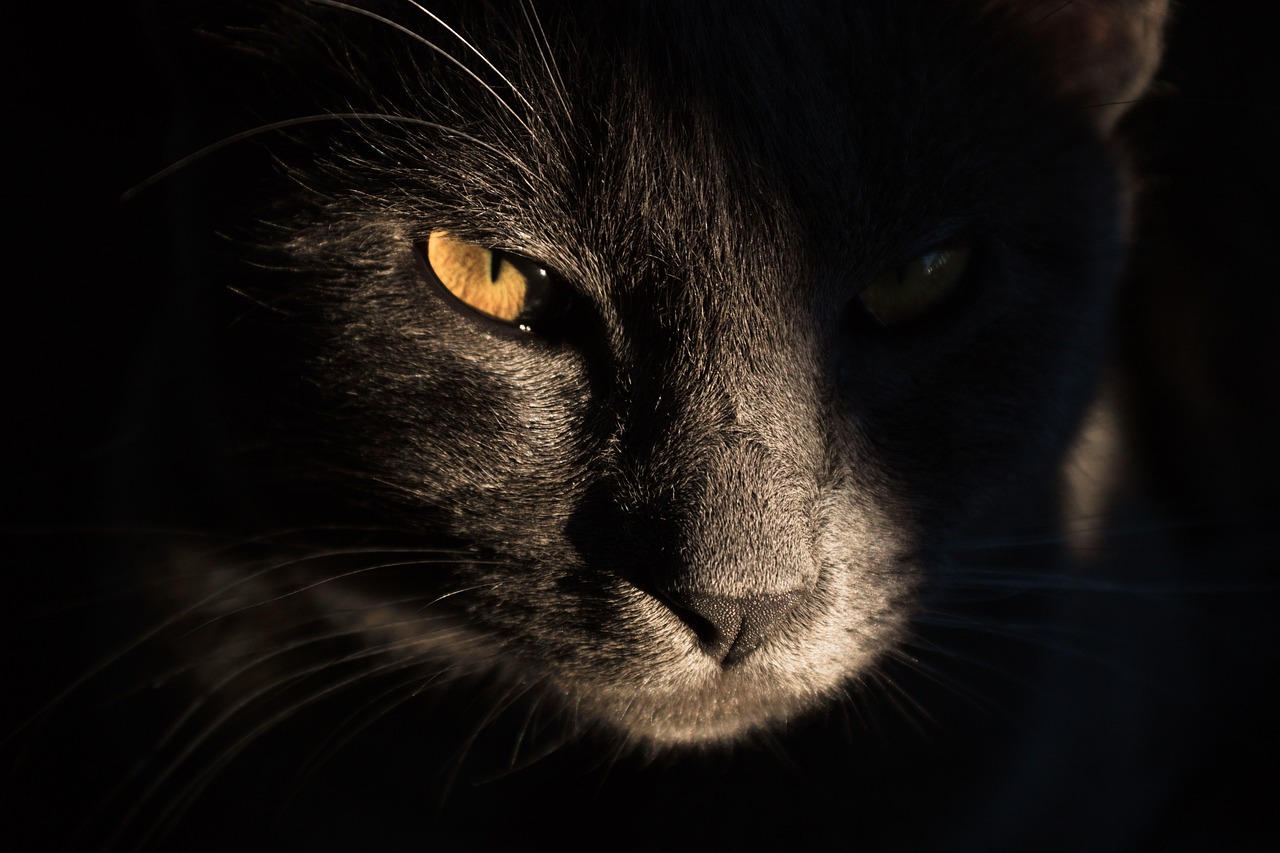
The full moon’s brightness can genuinely disrupt feline sleep cycles. That added glow at night can throw off your cat’s internal clock. Instead of winding down, they might be pacing, meowing, or bouncing off the walls when they’d normally be snoozing. A full moon’s extra brightness can confuse your cat’s sleep cycle, making them more restless and active during nighttime hours.
While the exact reasons behind this peculiar behavior during a full moon remain uncertain, some theorize that it may be linked to the impact on a feline’s circadian rhythm. The fluctuations in circadian rhythm associated with the completion of the lunar cycle to a full moon can lead to alterations in nighttime light and gravity, which in turn affect feline behavior. Some studies and anecdotal reports suggest cats become more vocal, restless, or agitated during a full moon, possibly due to the enhanced brightness of the night.
Hunting Instincts Under Moonbeams: Predatory Behavior Peaks
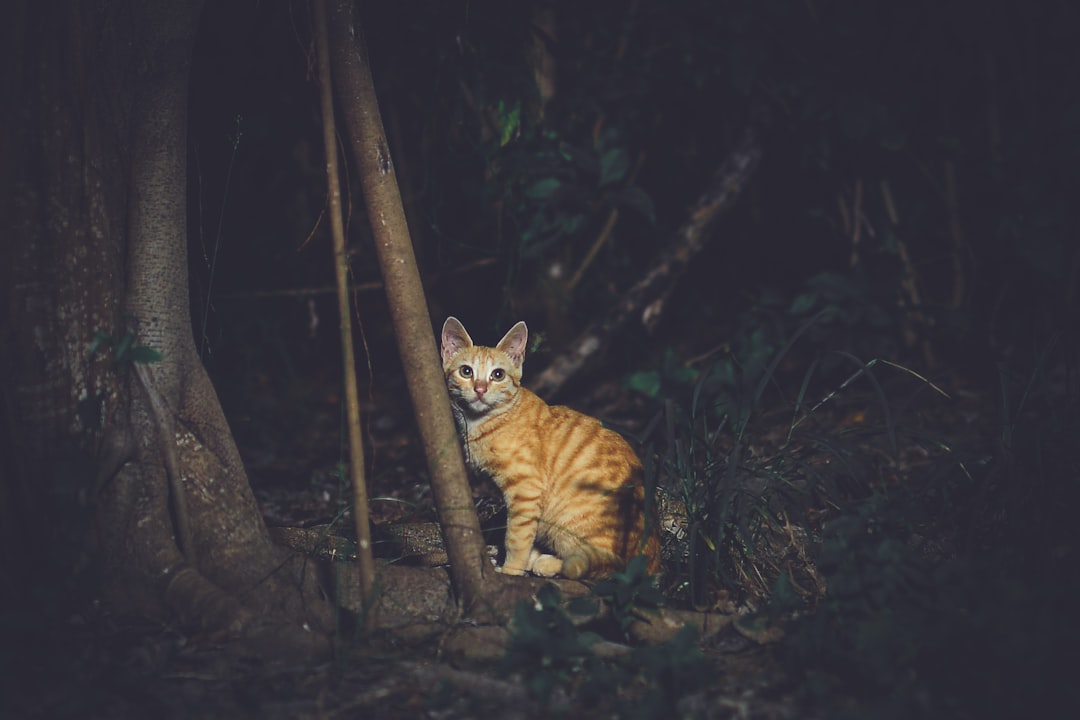
Many small animals that cats consider prey, such as rodents, insects, and small mammals, are also more active at night. This instinctual synchronization of activity enhances the feline’s chances of securing a successful hunt. The moon’s light can affect a cat’s hunting instincts, making them more alert at night. Another factor that shaped the crepuscular nature of cats was that their prey also tends to be active at twilight. Cats are most active at dawn and dusk because these are periods when their prey are also active.
Interestingly, research on wild felines reveals complex relationships with lunar illumination. Research on wild felines suggests complex relationships between their activity patterns and lunar illumination. This finding means that when prey is less active and foraging in bright moonlight, the bobcat must explore a broader range at alternative times to meet its energy needs. This suggests that moonlight creates a delicate balance between visibility and stealth in feline hunting behavior.
The Skeptical Side: Scientific Doubt Meets Anecdotal Evidence
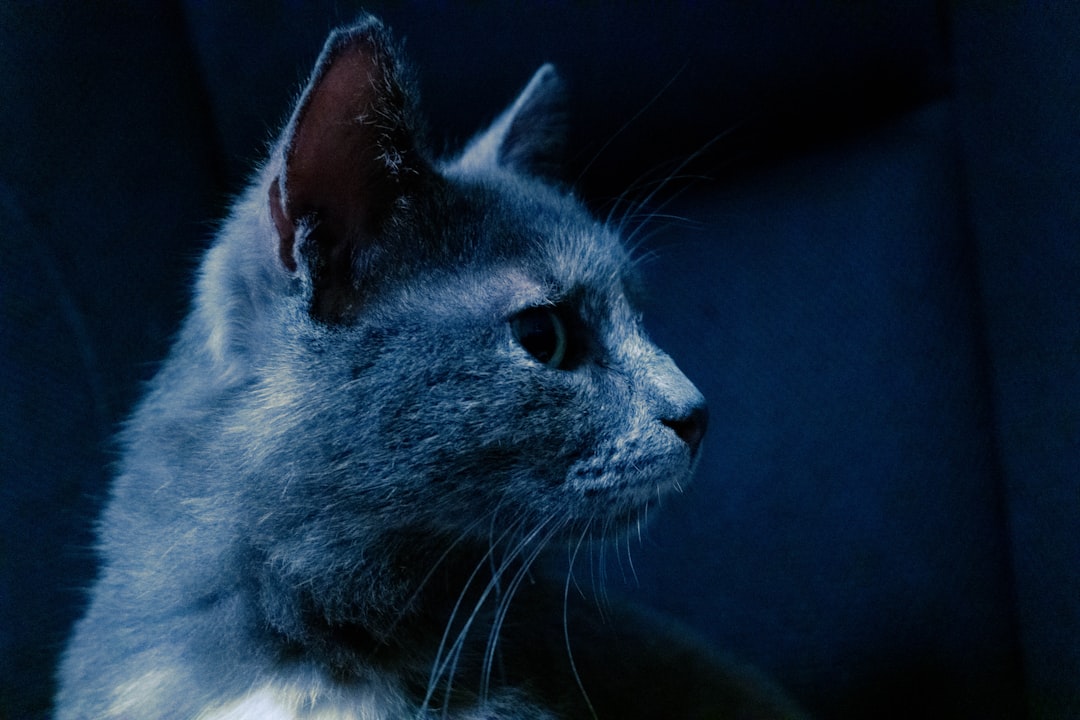
Despite compelling owner reports and some veterinary data, much of the scientific community remains cautious about lunar effects on cats. Studies conducted on various species, including domestic animals, have found little to no evidence to support the idea that the full moon affects their behavior in any meaningful way. As a general answer, much of the scientific community harbors doubt regarding the notion that the full moon exerts any substantial influence on animal behavior.
Unfortunately for the storytellers, this is mostly confirmation bias — we tend to notice the cases where the behavior corresponds to full moon and ignore all the cases where the behavior or the full moon happen independently. An alternative hypothesis I believe is more likely, is that people are morel likely to be out at night during a full moon, because of the extra light it provides. More people, means higher chances of accidents.
Owner Observations: Real Cats, Real Changes
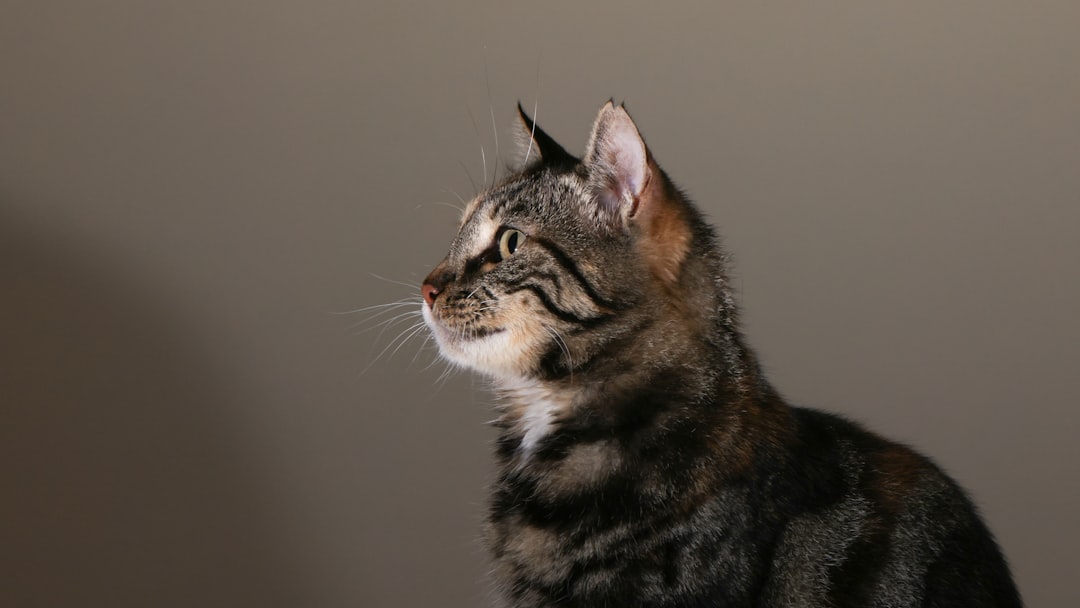
Despite scientific skepticism, cat owners worldwide continue documenting unusual lunar behaviors. Our cats go crazy during full moon, and during new moons too. Behavior includes running around, acting crazy, serious meowing, trying to mate (one is a boy and one a girl), pawing at things, having puffed fur and dilated pupils, carrying toys around the house to excess, getting into cupboards…and more. Then there is quiet until a next full or new moon….then crazy happens again. We track it. The male is much more affected.
Over the course of just over five years, we got over 700 hits from full moon + cat searches! I admit this is nothing resembling a scientific study…but anecdotally, it seems like this is a burning question for many cat folks out there. The sheer volume of owner concerns suggests something more than mere coincidence at work.
Managing Moon Madness: Practical Tips for Full Moon Nights
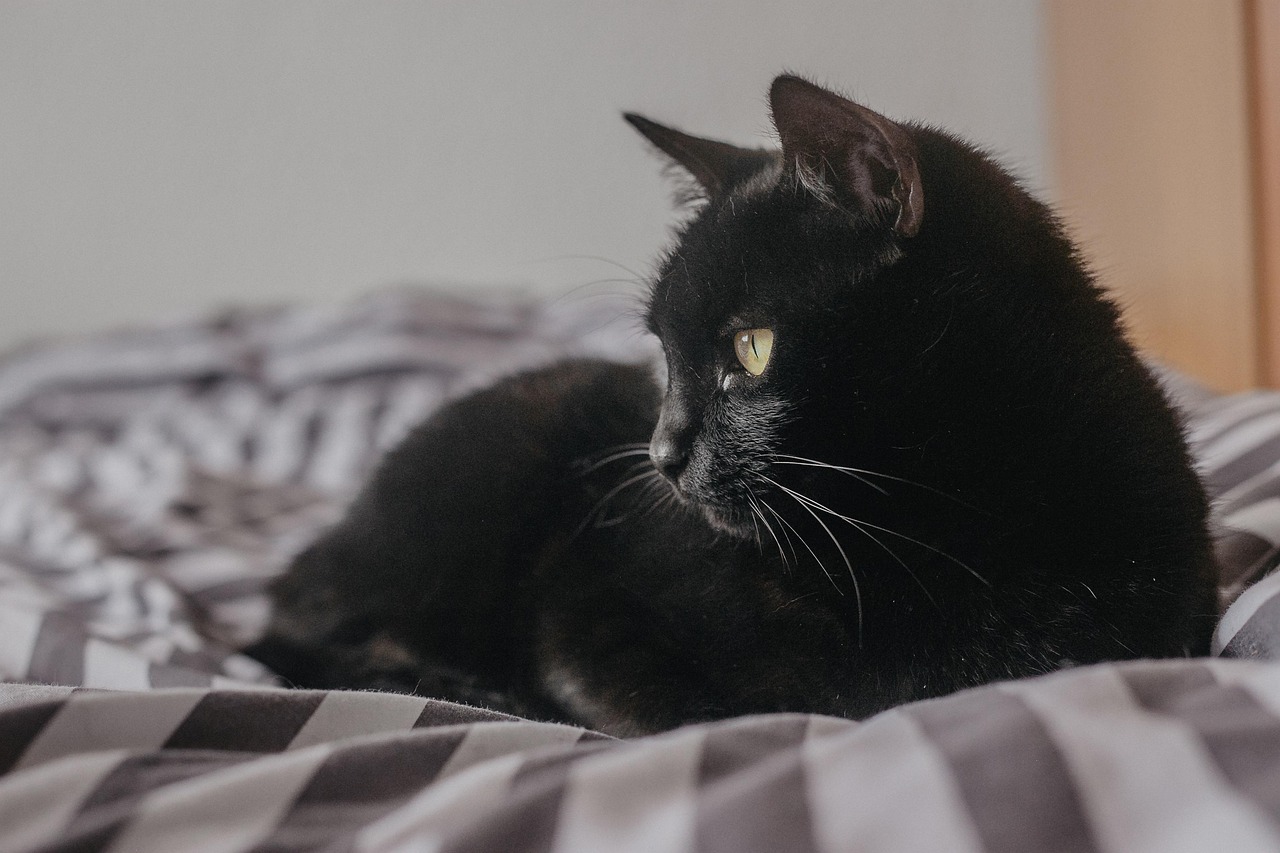
For owners dealing with lunar-triggered feline frenzies, veterinarians and behaviorists offer practical solutions. Full moons can make cats bolder or more restless, so keeping them inside at night is the safest bet. Pheromone sprays can take the edge off by mimicking natural calming scents. A few spritzes around their favorite spots can make a big difference.
Caring for your cat during a full moon involves being attentive to their behavior and ensuring their safety. Keeping them indoors, providing a calm and comfortable environment, and maintaining a regular routine can help mitigate any stress or agitation they may experience. It’s also beneficial to be patient and understanding, recognizing that any unusual behavior is likely temporary.
The Enduring Mystery: Where Science Meets Wonder
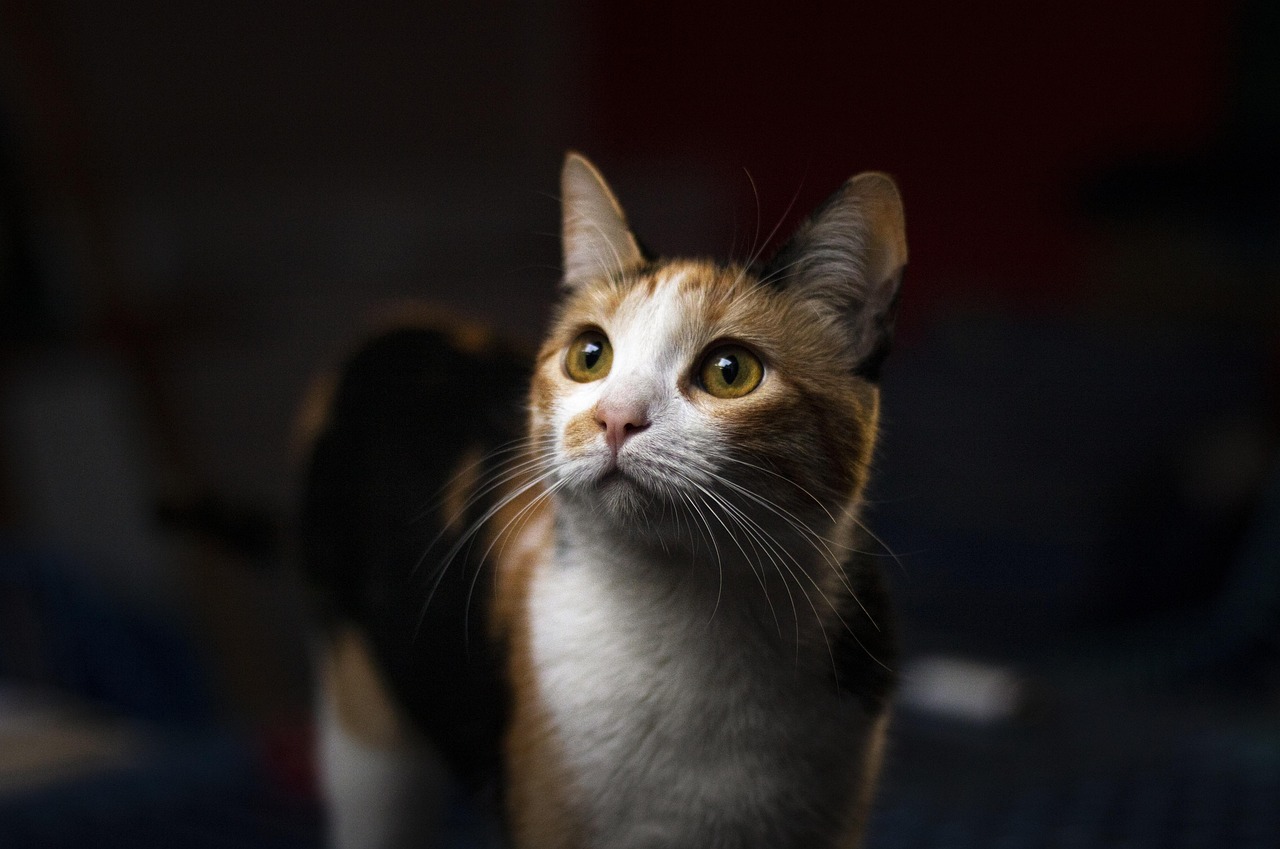
As science continues to investigate this connection, we’re reminded of the intricate ways in which our pets are attuned to the natural world around them. Whether the moon’s influence on cats is profound or subtle, it adds another layer of mystery and wonder to our relationship with these beloved companions. While science hasn’t fully pinned it down, there’s a growing sense that cats really do pick up on full moon vibes. Their sharp senses, especially sight and hearing, make them ultra-aware of the world shifting around them. The brighter nights, changes in routine, and maybe even a touch of instinct could all play a part. Even if the research is still catching up, enough cat parents and vets have noticed the pattern to suggest there’s something to it.
The truth likely lies somewhere between ancient wisdom and modern skepticism. The belief that the moon’s phases can influence animal behavior is primarily based on folklore and anecdotal evidence. While it’s true that some animals, including cats, can be sensitive to changes in their environment, there is no conclusive scientific proof that the moon’s phases significantly impact their behavior. Yet the consistent reports from owners and some veterinary data suggest our feline companions may indeed be more sensitive to lunar cycles than we currently understand.
Whether driven by increased light levels, gravitational effects, or ancient instincts awakened by moonbeams, cats continue to gaze upward when the moon is full, connecting us to thousands of years of human wonder at this celestial dance. Perhaps the real magic isn’t in proving or disproving the connection, but in appreciating how our cats remind us to look up at the night sky and marvel at the mysteries that still surround us.
What do you think about your cat’s behavior during full moons? Have you noticed any changes worth tracking?