Your feline companion has just finished a satisfying meal, yet you watch in bewilderment as she begins pawing around her empty bowl with the dedication of an archaeologist. She scratches at the floor, sometimes dragging newspapers or dish towels over the feeding area, appearing to bury something that isn’t even there anymore. This curious behavior might seem quirky or even pointless to us humans, yet it reveals a fascinating window into your cat’s evolutionary past and deep-seated survival instincts.
In the wild, a cat may attempt to bury or cover any uneaten food in order to avoid attracting any predators to the area. It also is an attempt to not alert any other potential prey that a feline hunter is in the vicinity. This ancient instinct remains remarkably strong in our domesticated companions, creating one of the most intriguing behavioral mysteries in the feline world.
The Ancient Art of Food Caching
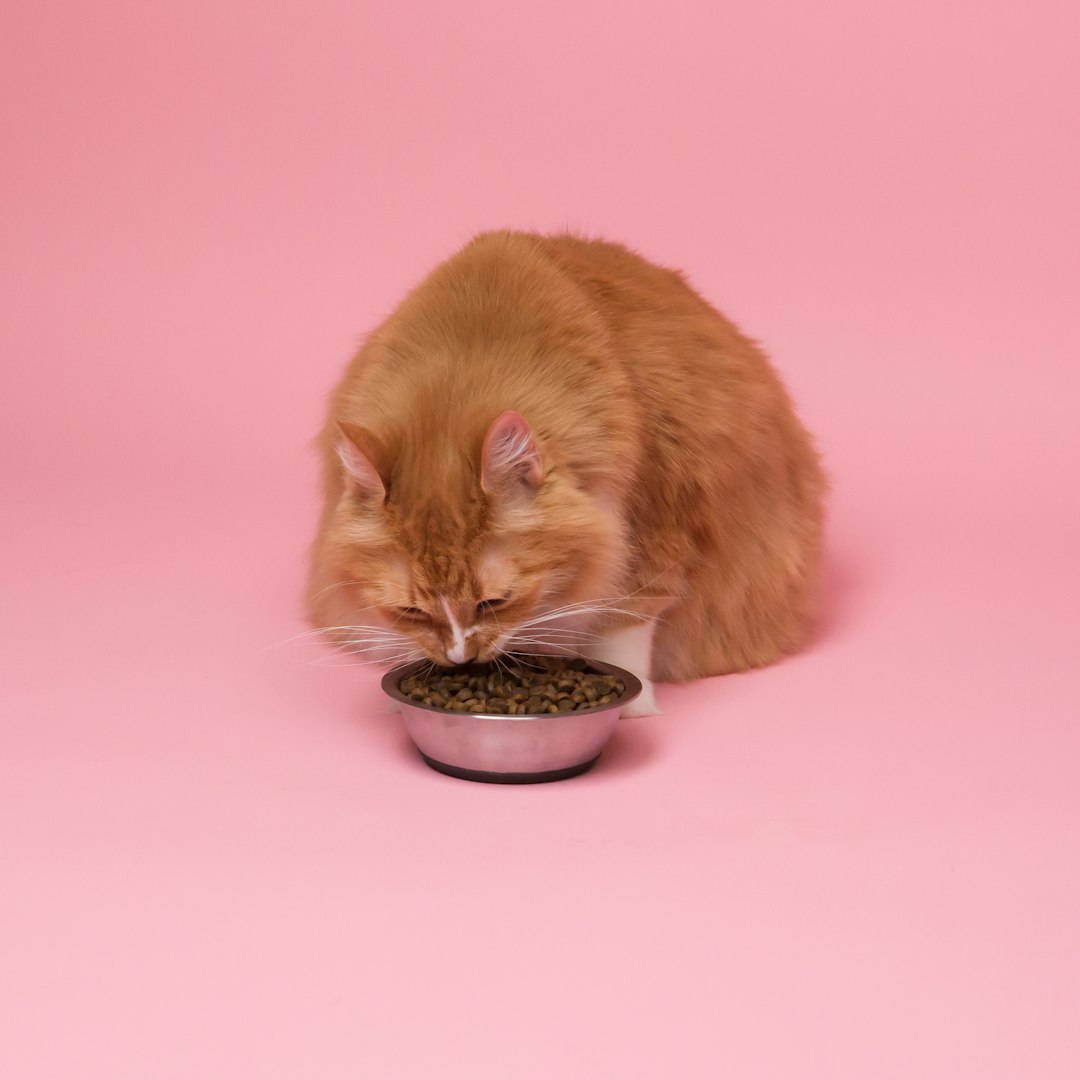
Burying food is an instinctual behavior by cats to protect food from scavengers and predators, and to save it for later when food is scarce. This behavior, scientifically known as caching, represents a sophisticated survival strategy that has been passed down through thousands of generations of feline evolution.
Caching behavior consists on the relocation or storage of food to protect it from competitors, to delay food spoilage, or to exploit it during times of scarcity. Wild cats developed this remarkable ability to ensure their next meal remained available and safe from theft by other predators.
Wild cats have been observed returning to cached food sources over extended periods, consuming portions and covering remains with natural materials. This real-world observation demonstrates how seriously wild felines take their food security, even returning repeatedly to carefully maintained caches over extended periods.
Your Indoor Tiger’s Genetic Programming
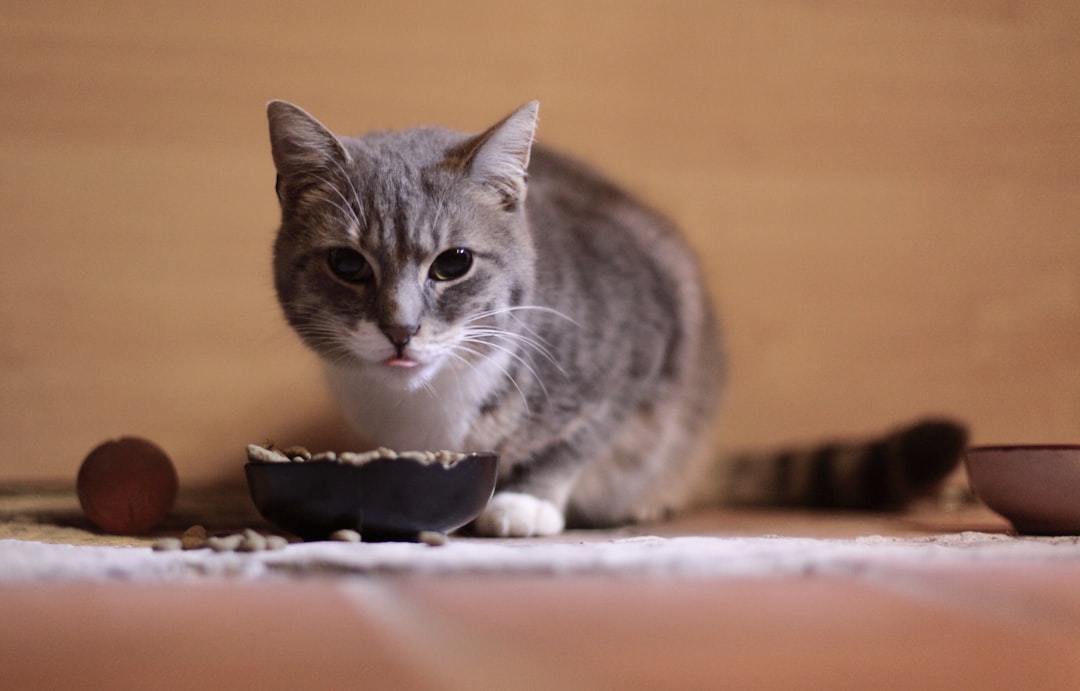
This is an instinctual attempt at burying food; i.e., your tiny domestic kitty, is displaying a genetically programmed behavior that dates back to their wild predatory ancestors. Even though your pampered house cat has never missed a meal or faced competition from wild scavengers, these ancient instructions remain hardwired into their DNA.
The food-covering behavior is instinctive – in other words, it’s not something that mama cat taught your kitty when she was a baby, but something ancient and automatic that your cat does without thinking. This means you’re witnessing behavior that predates human civilization itself.
What makes this particularly fascinating is that A lot of folks think this is because their cat doesn’t like the food, but in fact, it’s an innate behavior inherited from their ancestors. Even the comfy couch cats who have never set paw outside retains this feline instinct. Your indoor cat’s actions connect them directly to their wild heritage in the most primal way.
The Scent Trail Conspiracy
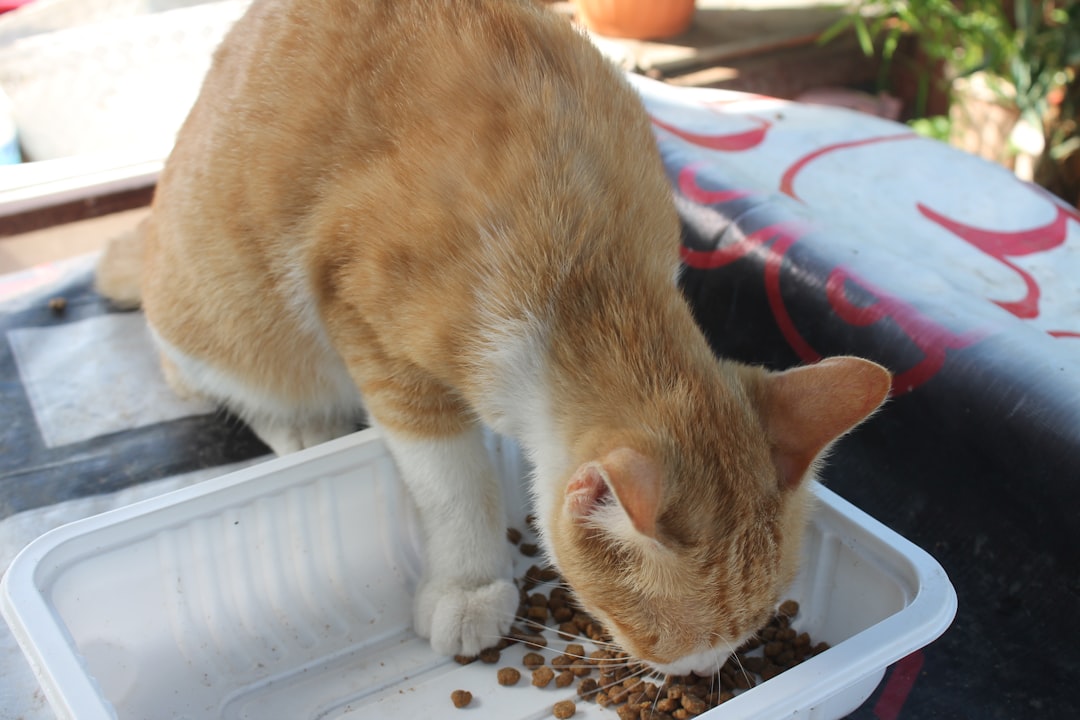
Covering or burying food helps hide the scent from other cats or predators. This is an intelligent move for wild cats on two fronts. First, hiding the scent means another animal is less likely to discover the food and eat it. Second, it helps disguise the scent from prey animals, which have sensitive senses of smell.
Your cat’s sensitive nose picks up lingering food odors that you might never detect. The feline sense of smell is approximately 14 times stronger than that of a human. Any trace of food that lingers will make a cat feel insecure and unsafe, especially if the cat is nervous by nature. This explains why some cats continue their burying motions even after finishing their entire meal.
Think of it as your cat’s version of cleaning up crime scene evidence. Those lingering food scents could theoretically attract unwanted visitors or alert potential prey to their presence, triggering an instinctual need to eliminate all traces of their dining activity.
Territory Protection and Resource Guarding
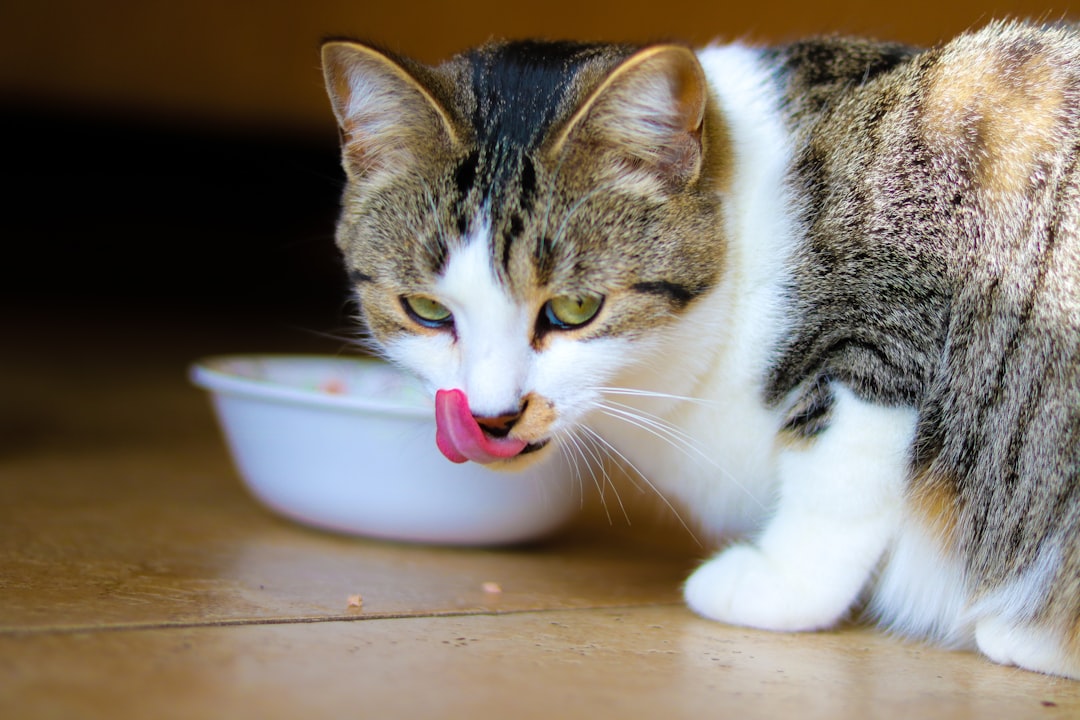
This is especially common when cats live with other pets. The cat may try to bury its food so no other animal can claim it. In multi-pet households, you might notice this behavior becoming more pronounced as cats compete for resources, even when there’s plenty of food to go around.
Sometimes, food-burying behavior can indicate stress, particularly in multi-pet households or when changes occur in the cat’s environment. Cats might feel the need to hide their food if they feel threatened or insecure about their resources. This protective instinct can intensify during times of household stress or change.
Interestingly, The likeliest explanation is that the cat is marking territory. Research indicates that cats often use claws to scratch territorial markings. Your cat might be claiming ownership of their feeding area through these ritualistic scratching movements.
The “Fake Burial” Phenomenon
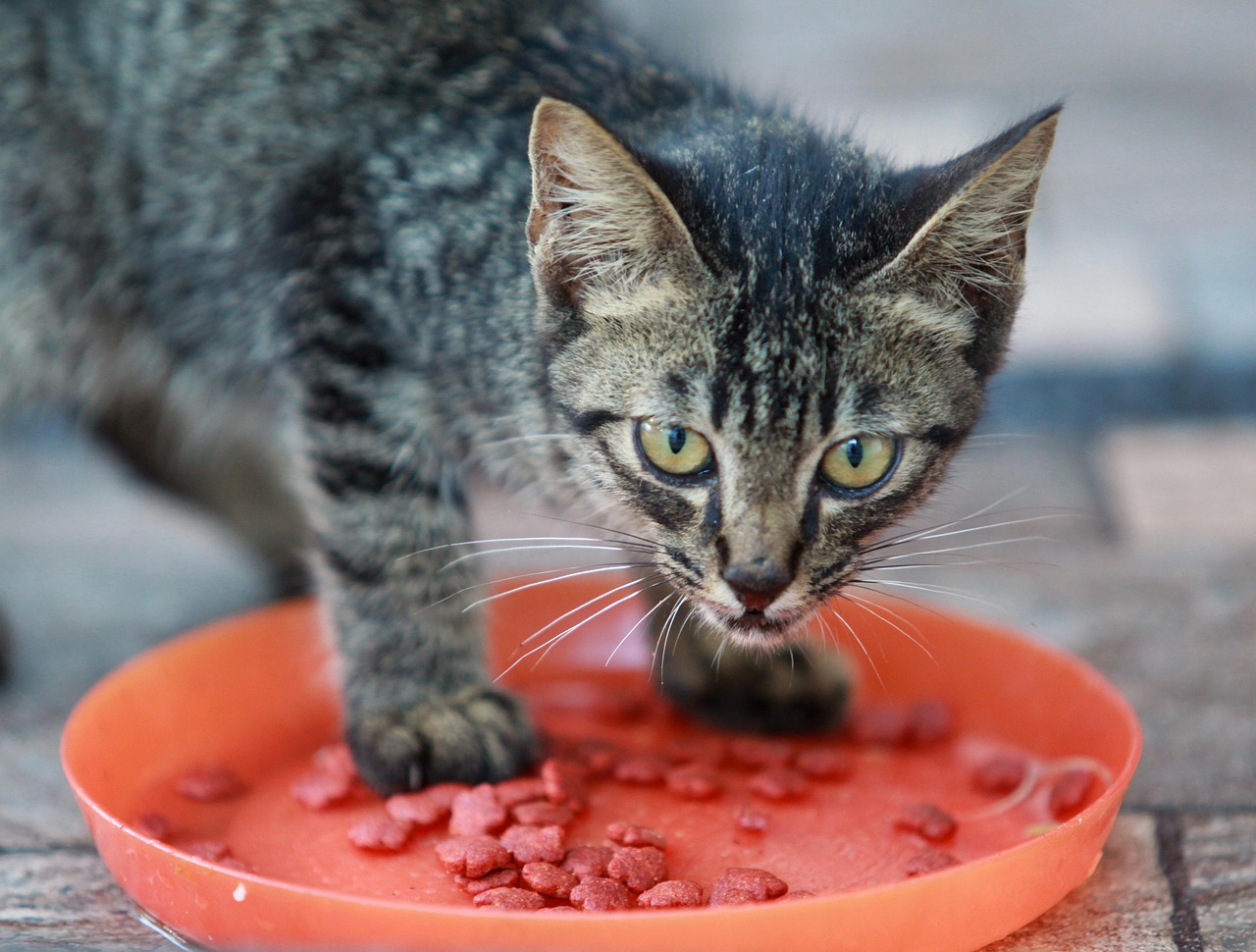
Owners of caching cats have also reported the cat making digging motions to uncover the food bowl when it returns to it. The covering and uncovering actions are instinctive and it can be comical to watch a cat “uncover” its cache where the “dirt” exists only in the cat’s mind.
Even if there is nothing in our houses that they can actually bury food in, many cats will scratch and paw at the ground around due to these survival instincts. This creates the amusing spectacle of cats performing elaborate burial rituals on hardwood floors or kitchen tiles.
Some cats take this behavior to creative extremes. Historical accounts describe cats literally cover their food: commonly with newspaper, carpeting, and towels. They’ll drag an object from some other location in the home and place it right on top of their food bowl. Some accounts describe cats using unusual materials as food covers when traditional options aren’t available.
When Burying Becomes Concerning
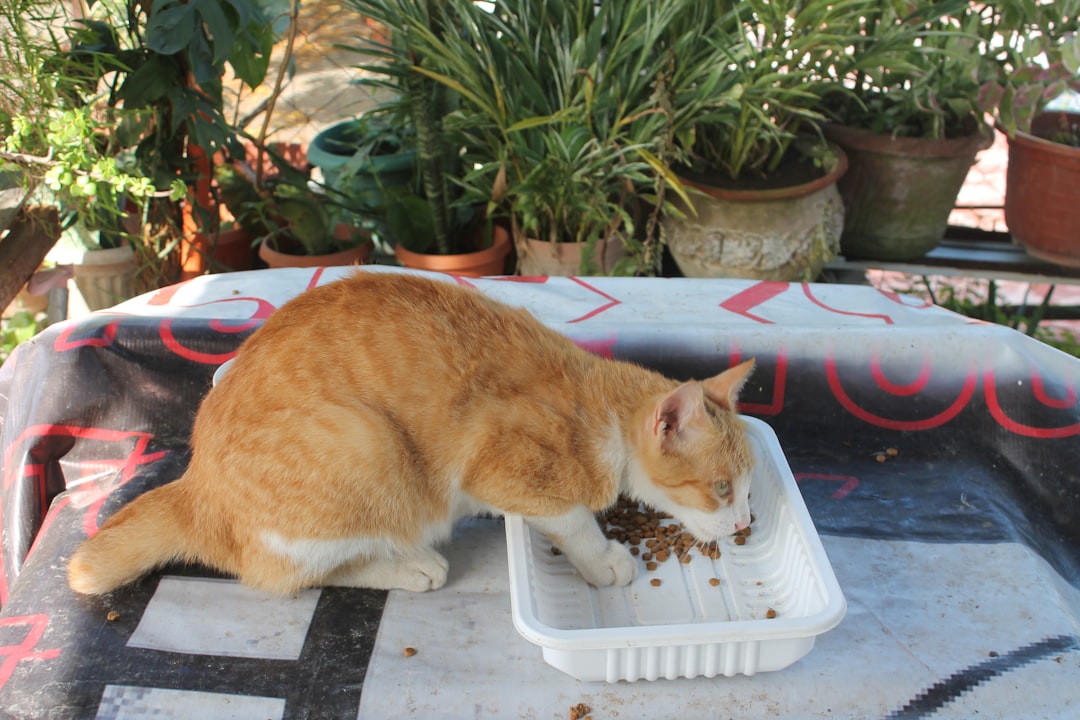
While food burying is typically harmless, if your cat is becoming neurotic and showing repetitive behaviors for prolonged periods, this becomes a problem. Some cats will rub their noses on the food bowl until they are red-raw and ulcerated, or they will scratch at furnishings in an attempt to bury food. When the behavior becomes detrimental or destructive, it is time to consider what is underpinning it.
Cats experiencing stress show a myriad of undesirable behaviors. Persistently burying food, particularly before they have even eaten, might be a sign of neurosis and anxiety. If your cat seems obsessed with burying behavior or shows other signs of distress, consulting with a veterinary behaviorist might be beneficial.
Additionally, Never punish your cat for trying to bury or cover their food. Remember, the behavior is instinctive, and it’s not something that they’re actively able to control. Understanding and patience are key to managing this natural behavior constructively.
Understanding your cat’s burying behavior offers a remarkable glimpse into their wild heritage and complex emotional world. This ancient survival instinct, preserved through countless generations, demonstrates just how closely connected our domestic companions remain to their ancestral roots. Rather than viewing this behavior as quirky or problematic, we can appreciate it as a fascinating reminder of the remarkable evolutionary journey that brought these incredible predators into our homes as beloved family members.
What do you think about your cat’s instinctual behaviors? Tell us in the comments how your feline friend expresses their wild side.