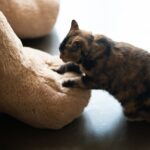
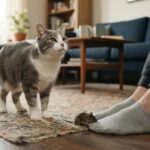
Picture this: ‘re settling down for a cozy evening when r feline friend hops onto r lap and begins that unmistakable rhythmic motion with their paws. Push, release, push, release. r cat has entered full “making biscuits” mode, and honestly, it’s one of the most endearing things they do. Yet this seemingly simple behavior carries layers of meaning that stretch back thousands of years.
When r cat kneads , they’re tapping into ancient instincts while simultaneously showing tremendous trust and affection. This fascinating behavior bridges the gap between their wild ancestry and their domesticated present, creating a unique window into r cat’s emotional world. Let’s dive into the remarkable reasons behind this beloved feline ritual.
The Nursing Connection That Never Fades
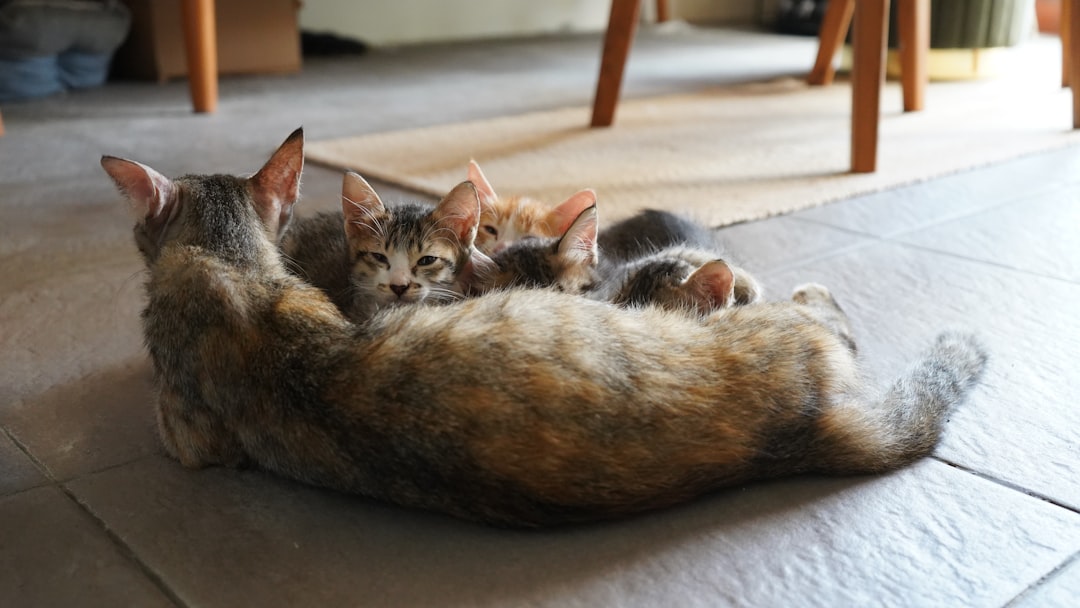
The roots of kneading behavior trace back to the very beginning of a kitten’s life, when they press their tiny paws against their mother’s belly to stimulate milk flow during nursing. This instinctive action serves a critical survival purpose, ensuring newborn kittens get the nourishment they need to grow and thrive. The rhythmic motion becomes deeply associated with comfort, warmth, and security.
Because nursing occurs alongside a mother cat’s calming pheromones, this early experience creates powerful associations with contentment that many cats carry into adulthood. When r adult cat kneads r lap, they’re essentially recreating those earliest feelings of safety and satisfaction. The behavior brings a sense of comfort that cats remember from their nursing days with their mothers.
Ancient Nest-Making Instincts at Work
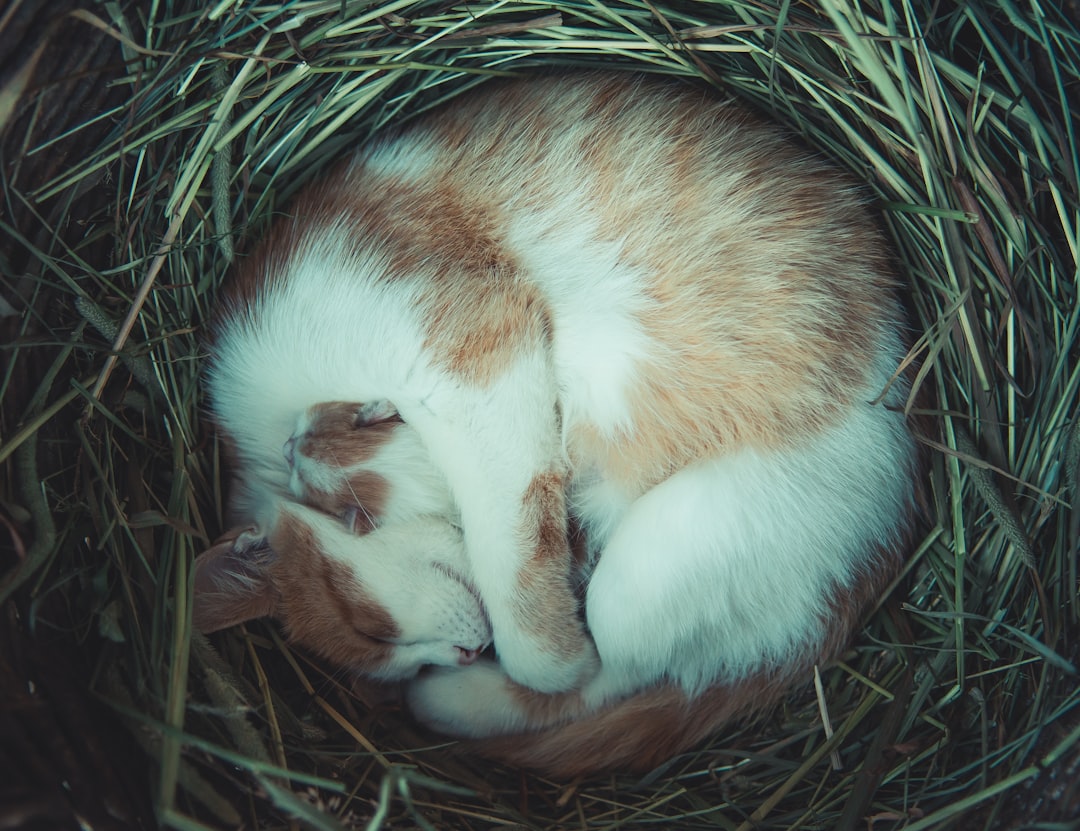
Wild cats would paw at piles of leaves or tall grass to create comfortable nests for themselves and their ng to rest and sleep in. This behavior served multiple purposes: creating a soft sleeping surface, much like how humans fluff pillows, while also checking for predators, prey, or dangerous things hidden in the foliage. r domestic cat has inherited this powerful instinct from their wild ancestors.
Even though modern cats have plush beds and fleece blankets, they still feel compelled to knead down surfaces to create the perfect resting spot, tapping into that ancient nest-making behavior when they vigorously work a blanket before settling in. This kneading represents r cat’s way of “making their bed” and ensuring their resting place is as comfortable and cozy as possible before taking a nap.
Scent Marking Through Those Precious Toe Beans
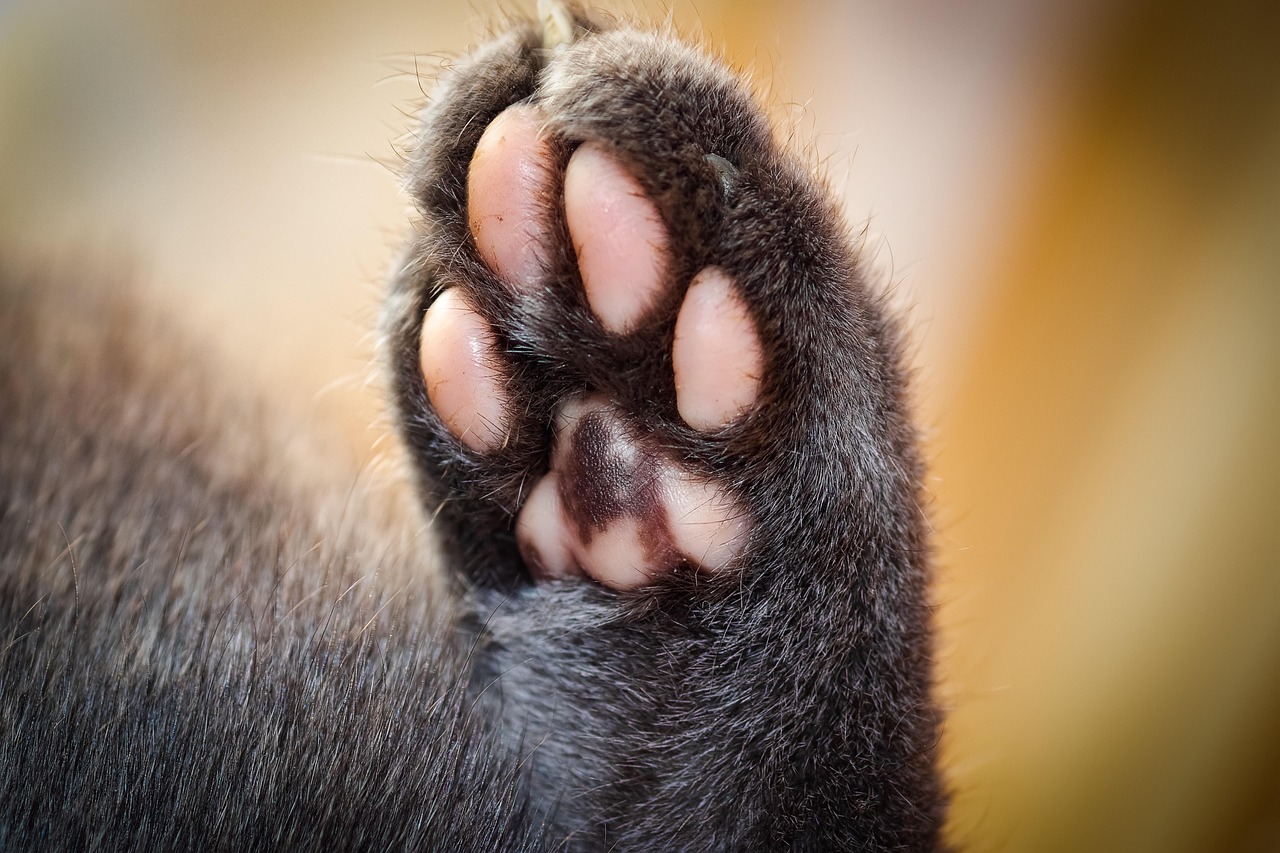
Cats have scent glands in their paw pads, and when they knead, they activate these glands to deposit pheromones that mark as their territory, essentially warning other cats to back off. These special scent glands tucked between their toes get stimulated by kneading movements, so when r cat kneads or objects around r home, they’re saying “this is all mine!”
This scent-marking helps cats feel more secure in their environment, and by kneading , a blanket, or a favorite chair, r cat is claiming that person or object as part of their safe territory. It’s their subtle yet profound way of establishing ownership and reinforcing their sense of belonging in r shared space.
The Ultimate Expression of Trust and Affection
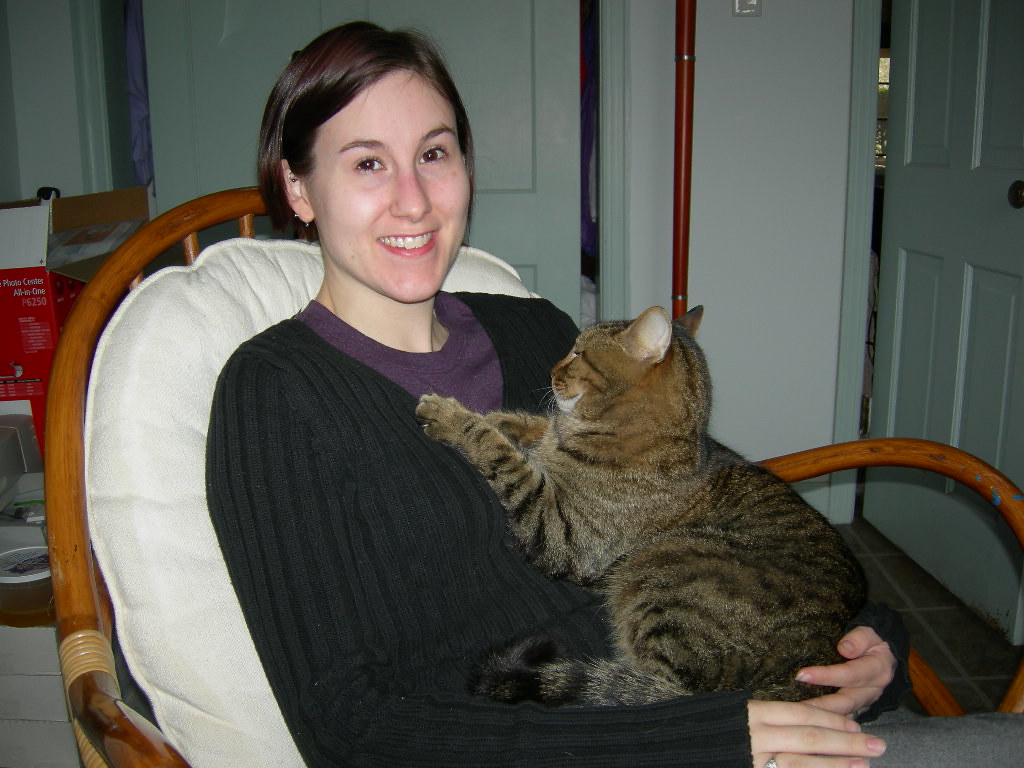
Cats often knead on their favorite people as a way of showing affection and strengthening social bonds. When a cat kneads their owner, it demonstrates trust and comfort, showing that the cat feels safe and secure in the presence of their human companion. This behavior represents one of the highest compliments r feline friend can offer.
Happy cats may knead to show pleasure and contentment, often doing so when being petted or snuggling into a comfortable spot, using this action to communicate love and let know they are truly content. It’s a powerful sign of love, contentment, and trust when this behavior is directed at . Think of it as r cat’s way of saying “I love ” in their own special feline language.
Stress Relief and Self-Soothing Comfort
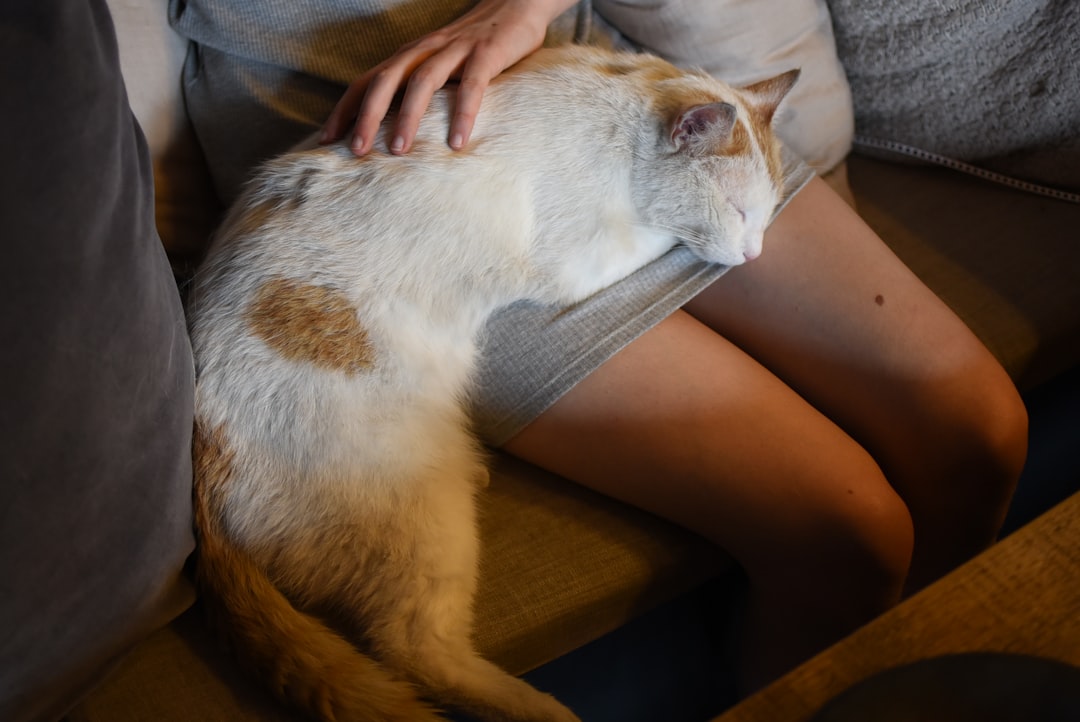
Many cats knead when they’re feeling relaxed, happy, or content, using this rhythmic motion as a way to relieve tension, much like a person might unwind by curling up with a good book under a warm blanket. Similar to how humans might rock back and forth for comfort, cats use kneading as a self-soothing behavior that helps flex their foot and leg muscles, allowing their whole body to relax.
Kneading is deeply relaxing and soothing for cats, with many appearing zoned out during the process and sometimes even drifting off to sleep while enjoying the motion. However, excessive kneading can sometimes indicate that a cat is using this behavior as a stress-management tool during difficult times.
Managing the Sharp Reality of Love
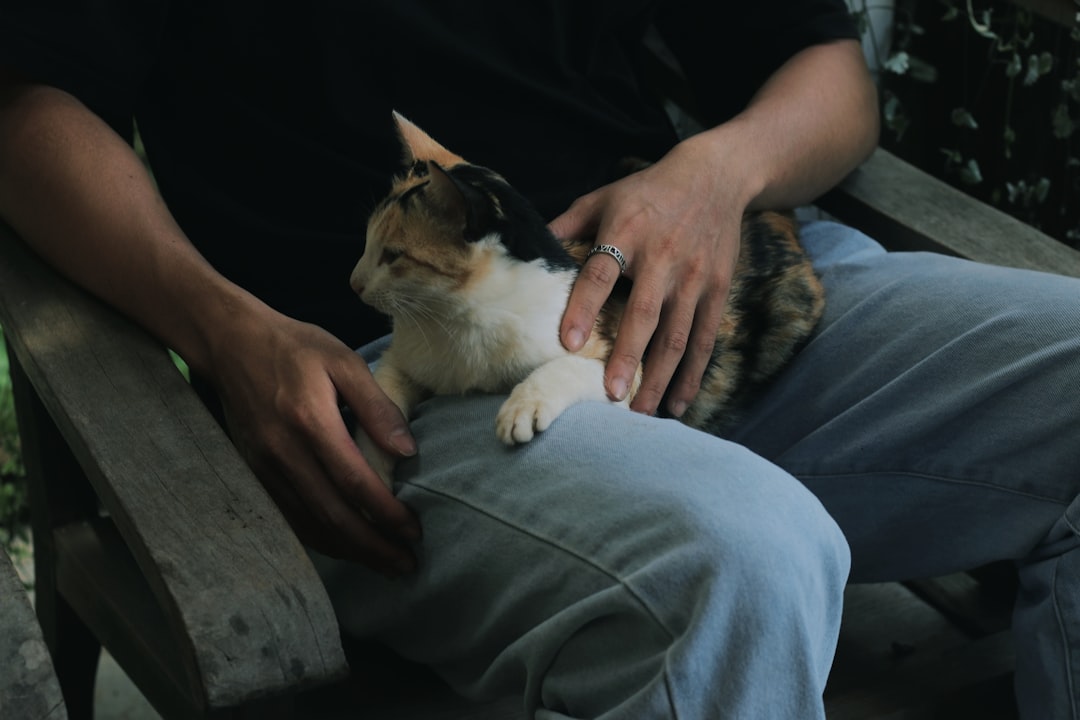
Some cats knead with their claws extended, which can feel like they’re using r lap as a pin cushion! When cats knead on their owners, it can be painful if their claws dig into r legs or stomach, and ironically, the better a cat feels, the harder they’re likely to knead. This presents a bittersweet challenge for devoted cat parents.
can try putting a soft barrier like a cushion or blanket between both, or encourage r cat to lie down and relax by stroking them and gently guiding them into a resting position. Never discourage r cat from kneading, as it’s a natural instinct that needs an outlet. Instead of punishment, try gentle redirection with treats or toys, remembering that r cat isn’t trying to hurt – they’re simply expressing happiness and contentment.
Conclusion
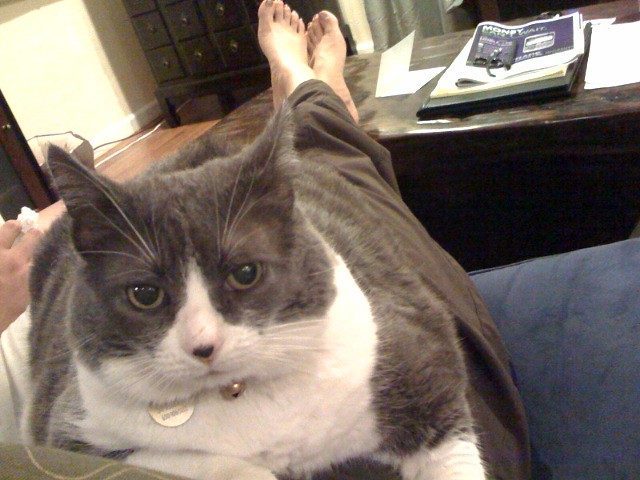
Cat kneading is a behavior that bridges the gap between the wild and the domesticated, an instinctual act rooted in nurturing connections that serves as a profound emotional expression of trust, comfort, and pleasure. The next time r cat kneads r lap, remember that it’s not just a random action – it’s a heartfelt expression of trust and affection.
This seemingly simple “making biscuits” behavior reveals the beautiful complexity of our feline companions, connecting their ancient survival instincts with their modern expressions of love. What do think about r cat’s kneading habits? Tell us in the comments.