You’ve probably noticed your cat squeezing into the tiniest cardboard box, cramming themselves under the coffee table, or disappearing into that narrow gap behind the washing machine. This isn’t just quirky feline behavior – there’s actually fascinating science behind why your furry friend gravitates toward these cozy hideouts. Understanding these instincts can help you create a more comfortable environment for your pet while appreciating the evolutionary wisdom behind their space preferences.
Instinctive Security from Predators
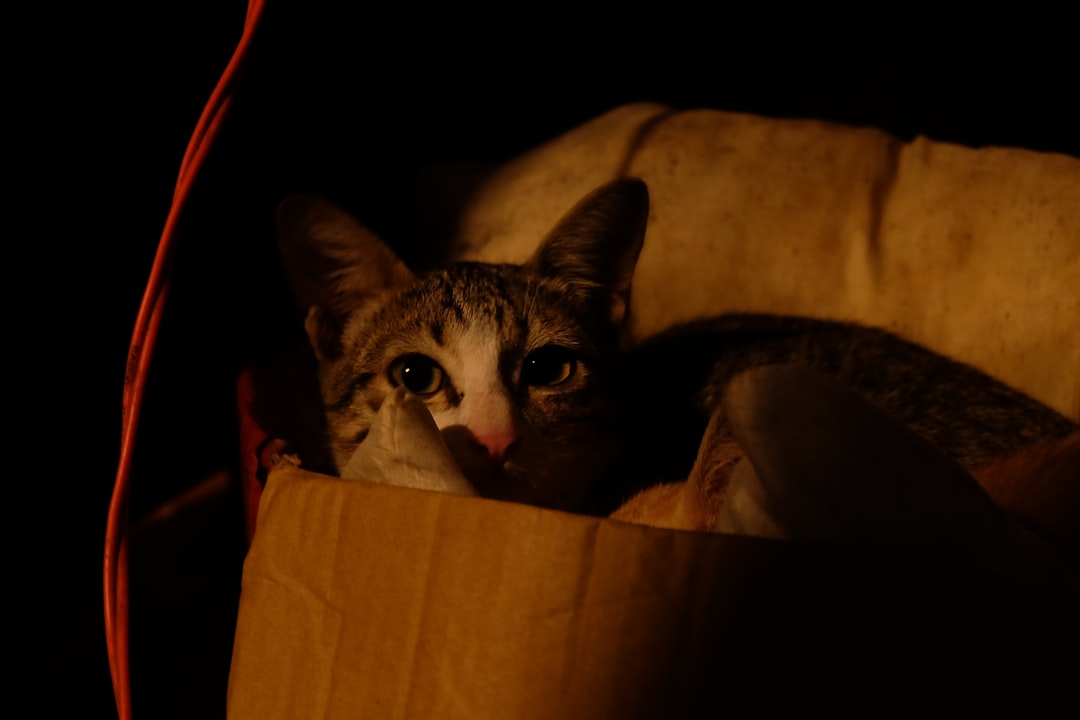
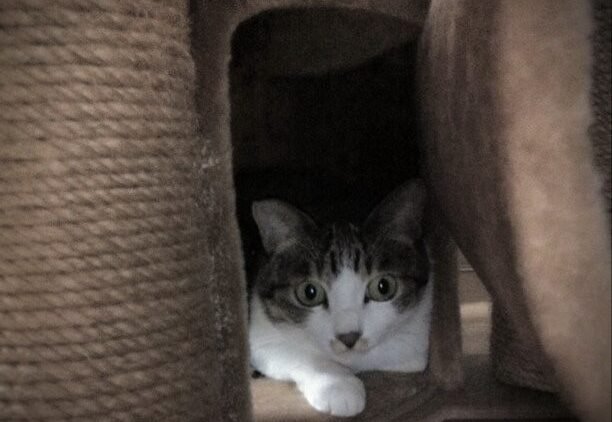
Your cat’s love for stems from millions of years of evolutionary programming designed to keep them alive. In the wild, cats are both predators and prey, making them naturally cautious about exposure in open areas. When your kitty wedges themselves into that impossibly small shoebox, they’re following an ancient survival instinct that protected their ancestors from larger predators like birds of prey, coyotes, and other threats.
provide what behaviorists call “defensive positioning” – your cat can monitor their surroundings while keeping their back and sides protected. This explains why you’ll often find them in corners, under furniture, or in enclosed spaces where they have a clear view of potential escape routes. Even though your pampered house cat faces no real predators, these deeply ingrained behaviors remain remarkably strong, influencing their daily choices about where to rest and hide.
Temperature Regulation and Warmth Conservation
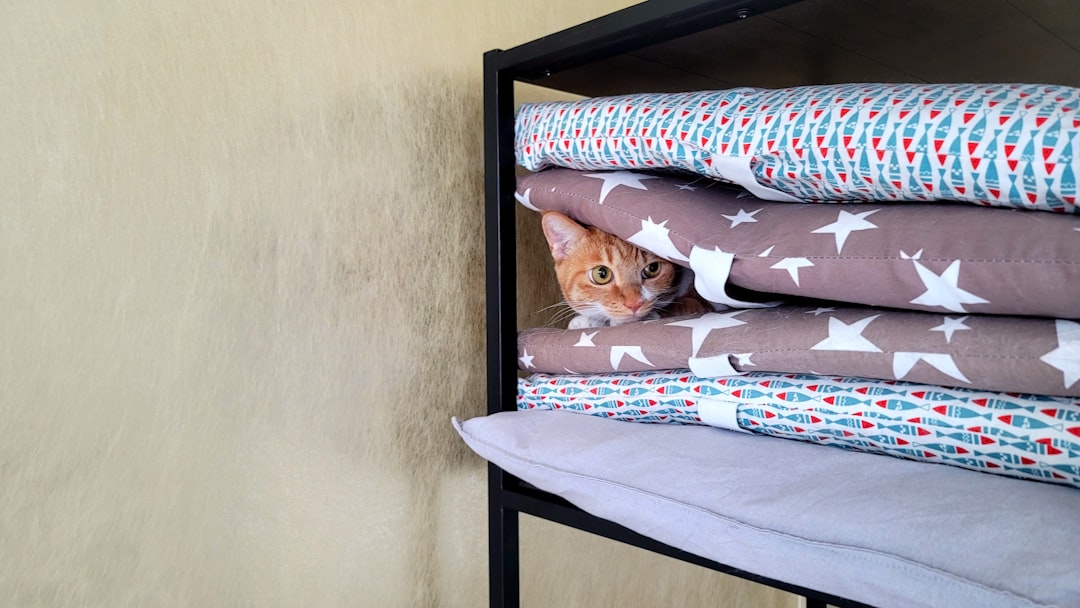
Those tight spaces your cat seeks out serve as natural heating systems, helping them maintain their ideal body temperature with minimal energy expenditure. Cats have a higher normal body temperature than humans – around 100.5 to 102.5 degrees Fahrenheit – and they lose heat quickly in open spaces. When they curl up in small, enclosed areas, they create a microclimate that traps their body heat and reduces heat loss through convection.
This behavior becomes especially pronounced during colder months when you might notice your cat spending more time in cardboard boxes, laundry baskets, or squeezed behind the radiator. The confined space allows them to maintain their preferred temperature without burning extra calories to generate heat. It’s essentially their version of wearing a cozy sweater, except they’re using physics and their environment to stay warm rather than additional clothing layers.
Stress Reduction and Mental Comfort
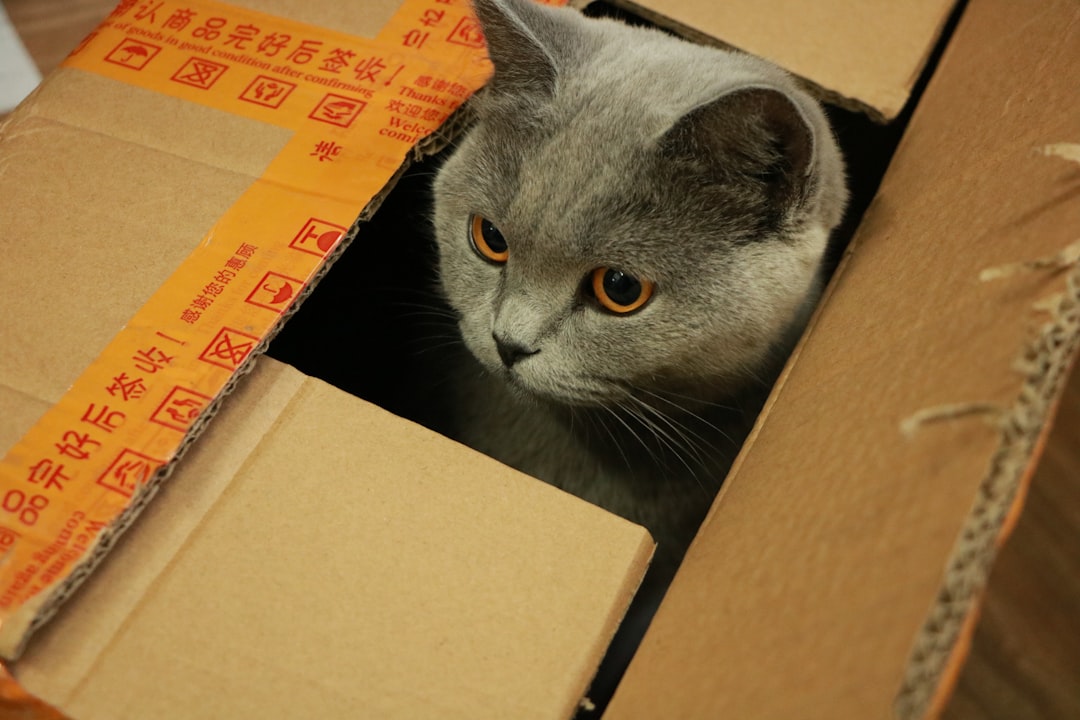
act like natural anxiety reducers for your cat, providing psychological comfort during overwhelming situations. When cats feel stressed by loud noises, unfamiliar visitors, or changes in their routine, retreating to a confined space helps them regulate their emotional state. The physical boundaries of tight spaces create a sense of control and predictability that cats find deeply soothing.
Research has shown that cats in shelters recover from stress more quickly when provided with hiding boxes compared to those without such refuges. The enclosed environment reduces cortisol levels and allows them to process stressful experiences at their own pace. Think of these spaces as your cat’s meditation room – a place where they can decompress, reset their nervous system, and emerge feeling more balanced and confident.
Enhanced Sleep Quality and Uninterrupted Rest
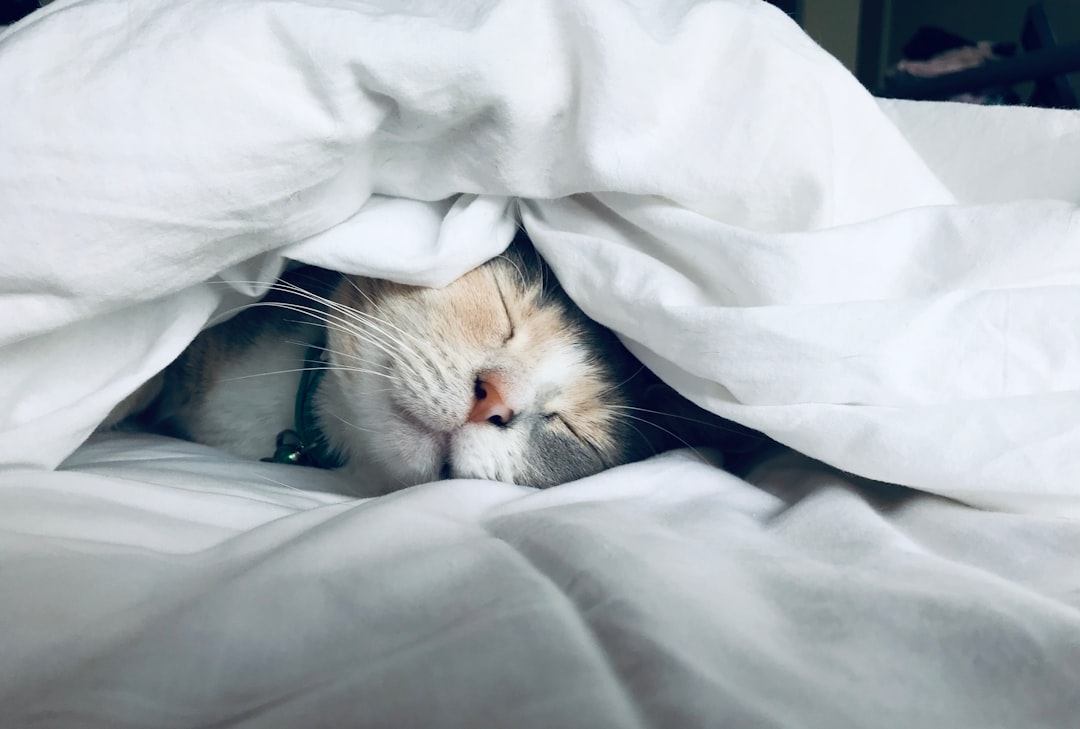
Your cat’s preference for cramped sleeping quarters isn’t about discomfort – it’s actually about achieving the deepest, most restorative sleep possible. Cats sleep an average of 12 to 16 hours per day, and the quality of that rest directly impacts their health and well-being. Small, enclosed spaces minimize external disturbances like sudden movements, sounds, or changes in lighting that might interrupt their sleep cycles.
The physical constraints of tight spaces also trigger what’s known as the “swaddling effect,” similar to how babies sleep better when wrapped snugly. This gentle pressure around their body promotes relaxation and deeper sleep phases. You’ll often notice your cat sleeping more soundly in their favorite cardboard box than they do sprawled out on your bed, despite the apparent comfort difference from a human perspective.
Conclusion
Your cat’s fascination with reflects a perfect blend of evolutionary wisdom, practical comfort, and emotional well-being. From ancient survival instincts to modern stress relief, these behaviors serve important functions that go far beyond simple preference. Rather than discouraging this natural tendency, consider providing appropriate throughout your home – whether it’s leaving out cardboard boxes, creating cozy nooks, or investing in cat caves and hideaways.
Understanding these motivations can strengthen your bond with your feline companion while ensuring they feel secure and comfortable in their environment. What have you noticed your cat gravitating toward lately?