Picture this: you’re enjoying a peaceful morning coffee when suddenly you hear a crash from the kitchen. Your cat sits innocently on the table, staring at the remnants of your favorite mug scattered across the floor. That smug expression seems to say, “Problem?” If you’re a cat owner, this scenario feels all too familiar.
This mischievous behavior has puzzled and frustrated pet parents for generations. Yet there’s actually a fascinating blend of biology, psychology, and pure feline logic behind these seemingly destructive antics. Let’s dive into the mysterious world of why our furry companions seem determined to clear every surface in our homes.
The Hunting Instinct Never Sleeps
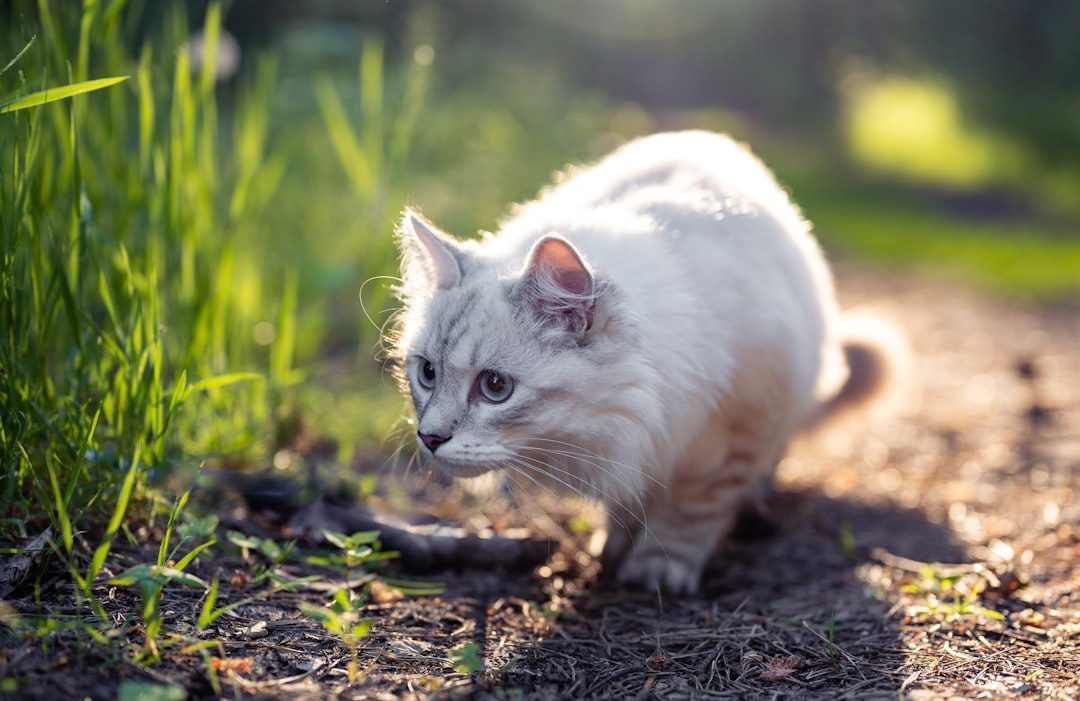
Your cat’s relentless table-clearing behavior stems from deeply ingrained hunting instincts that view fast-moving objects as potential prey to chase, catch, and eat. Cats are natural predators with paws that function as precision instruments designed for capturing prey. When your fluffy house panther spots a pen rolling across your desk or notices how a small object moves when touched, ancient programming kicks in automatically.
This behavior mirrors exactly how cats would bat at small animals in the wild, using swatting motions to test whether something is alive and assess its threat level. Your innocent paperweight becomes an unwitting stand-in for potential prey, triggering the same investigative pawing that helped wild cats survive for thousands of years.
Scientific Exploration Through Paw Power
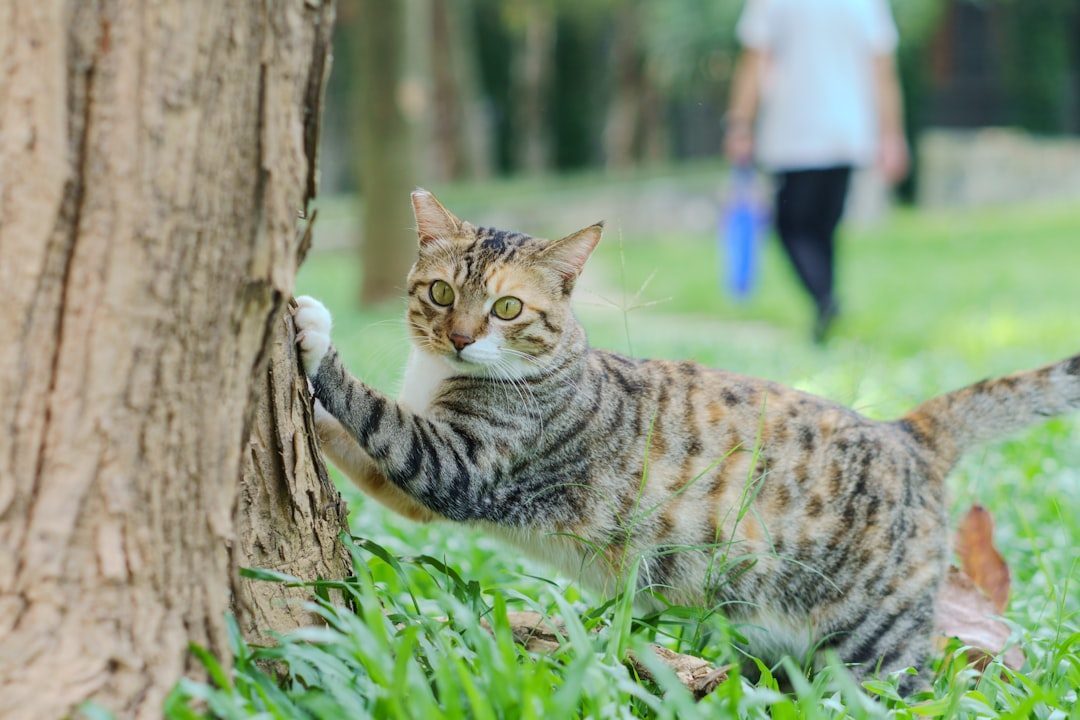
Knocking things over is actually part of how cats examine the world around them, looking to see how objects move, if they break, or if they contain something inside. Because cats use their sensitive paw pads to explore objects in their environment, they’re essentially hardwired to “test” suspicious tabletop items by giving them a good prod. Think of your cat as a furry scientist conducting daily experiments in physics and material properties.
Hard objects feel different from soft ones, light items move differently than heavy ones, and the various sounds created by different materials all contribute to their understanding of their surroundings. What looks like destructive chaos to us is actually sophisticated environmental analysis from their perspective.
The Irresistible Pull of Gravity
Cats seem genuinely intrigued by the fact that things fall when pushed, finding endless fascination in the trajectory of objects rolling off surfaces, bouncing balls, or the satisfying crash of breakable items. Honestly, who among us hasn’t been mesmerized by watching something drop? Your cat experiences that same curiosity, multiplied by their natural need to interact with their environment through touch.
This fascination with cause and effect makes cats excellent gravity experimenters, with each knocked-over object providing new data about how the physical world works. They’re essentially conducting their own version of Newton’s experiments, just with your belongings as test subjects.
Attention-Seeking Behavior at Its Finest
Simply put, your cat has you trained to jump up and run over the moment you see her start to bat at an object, and because she’s found a way to snatch up your attention for at least thirty seconds, she’s not going to stop this behavior. Cats are remarkably intelligent when it comes to understanding cause and effect regarding human behavior, learning that knocking something off a table consistently gets you to react. They’ve essentially figured out the most efficient way to get your undivided attention.
Attention can be as subtle as glancing at the cat while they bat stuff off the table. Even negative attention like scolding or sighing counts as a win in their book because it means they’ve successfully interrupted whatever else you were doing.
Boredom and Understimulation
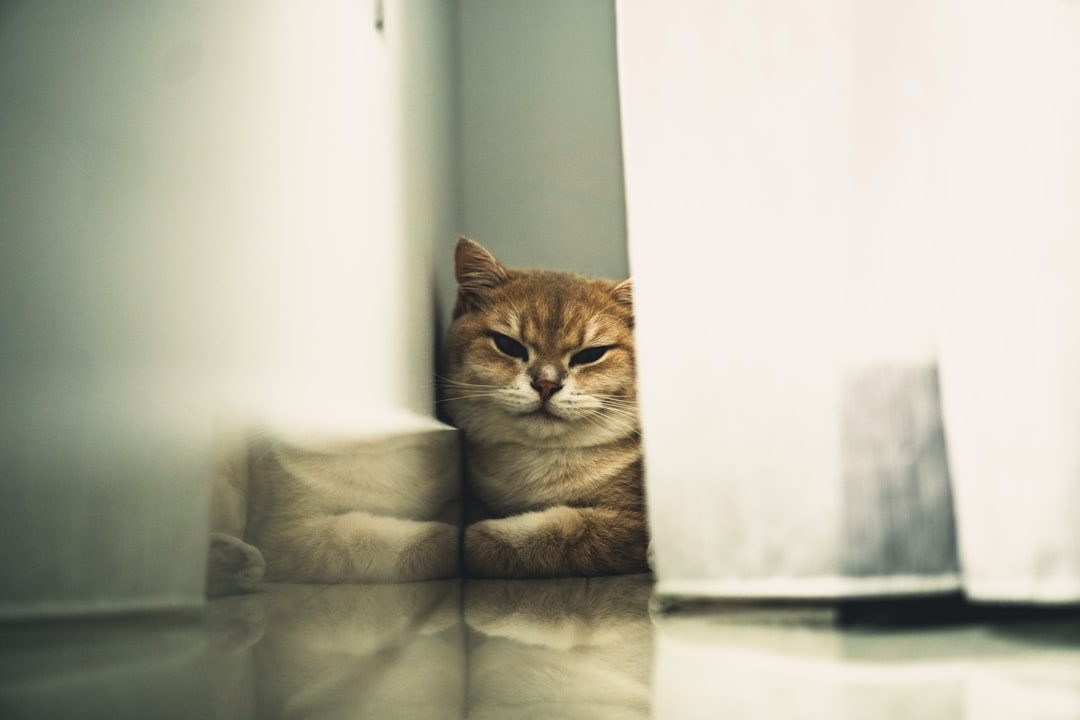
Intelligent creatures like cats can experience destructive behavior when they lack stimulation in their environment, with boredom being particularly common in purely indoor cats. Propelling things off surfaces may be the most exciting activity your bored kitty is doing all day. When cats don’t have adequate mental and physical challenges, they create their own entertainment.
Indoor cats without adequate stimulation may turn to table-clearing as a way to create their own entertainment and release pent-up energy. Think about it from their perspective: if you were stuck inside all day with limited activities, you might start finding creative ways to amuse yourself too.
Food Motivation and Communication
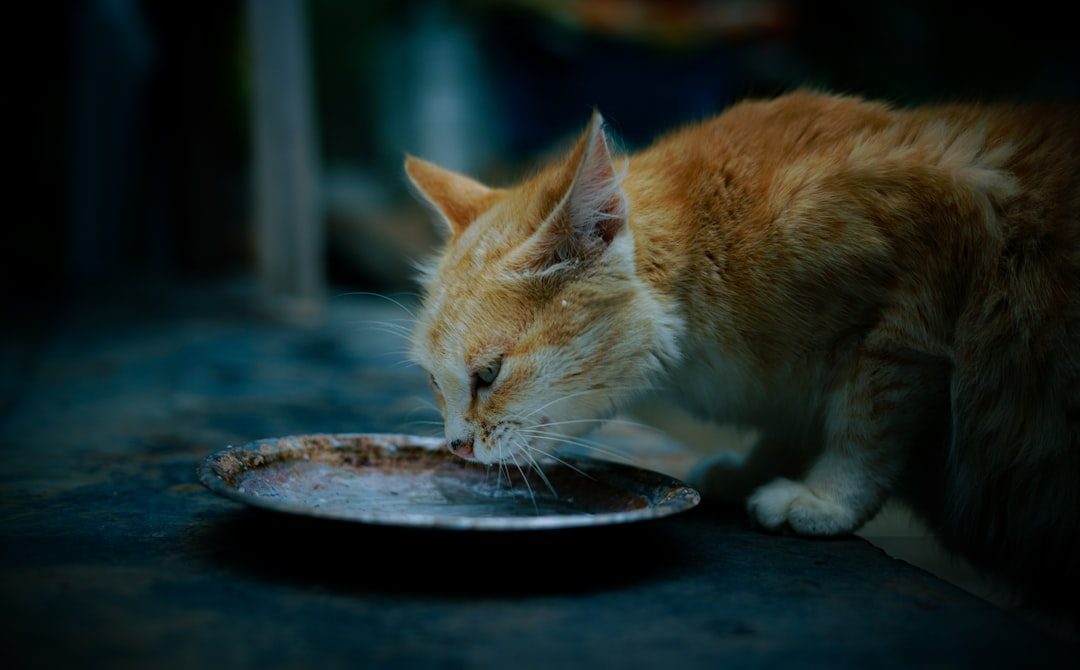
Many of these behaviors indicate that your cat needs something from you, whether it be affection or food, with cats being particularly tenacious when they want something, especially if they are very food motivated. One reason your furry friend might be knocking things off tables is because they’re trying to tell you they want something. It’s their version of tapping you on the shoulder, except much more dramatic and potentially expensive.
Occasionally, some cats may knock things over because they are hungry, with this behavior serving as their way of communicating basic needs. When your cat starts clearing the coffee table like a tiny tornado, check their food bowl and the clock.
Curiosity and Natural Investigation
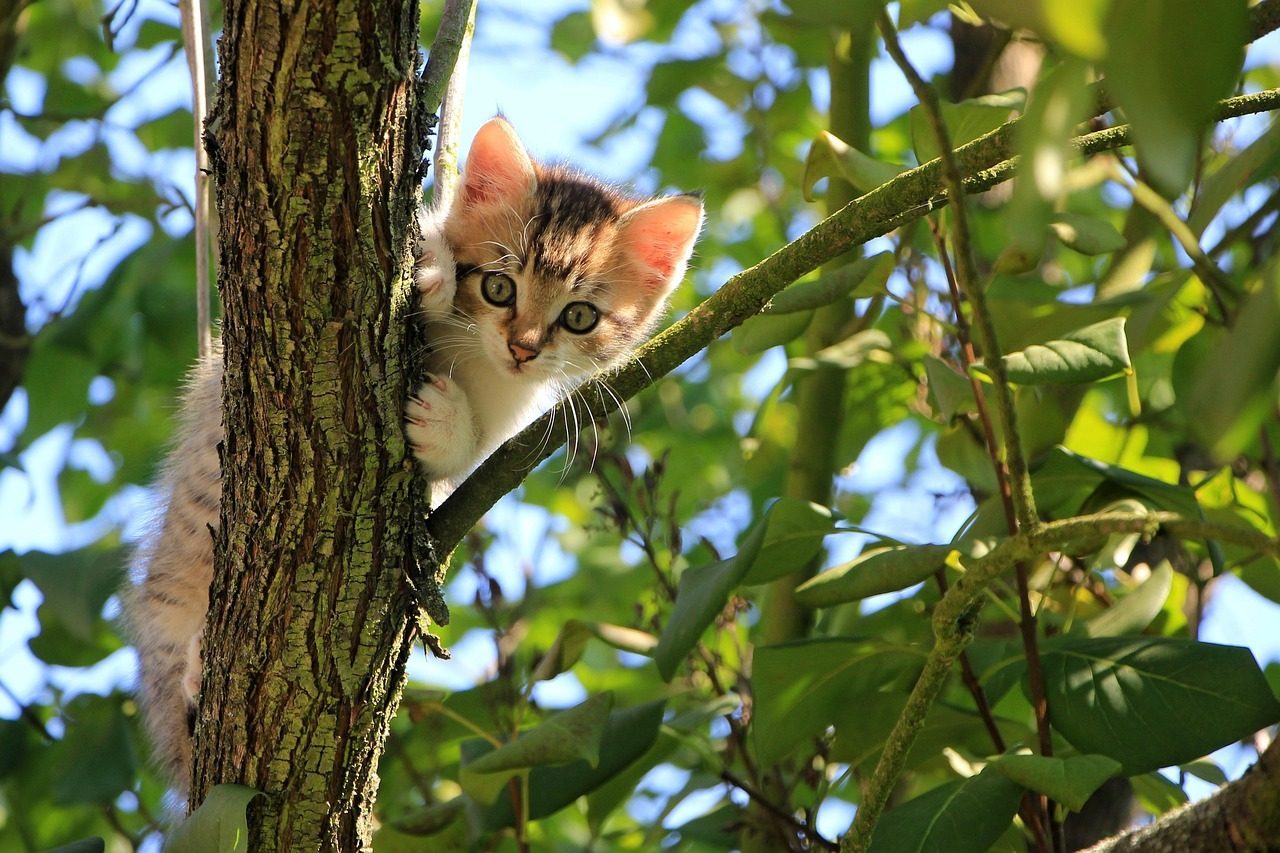
Cats are naturally curious and explore their environment for threats, with their prey-driven hunting instinct having them practice on inanimate objects. As with much of a cat’s behavior, the answer is instinct, with both wild and domestic cats nudging and swatting at objects to determine if it is friend, food or foe. This nudging serves a pretty practical survival purpose that’s hardwired into their DNA.
While you might think your cat is being plain evil, they’re more likely simply exploring their surroundings, seeing and discovering the world through their sensitive paw pads to understand whether something is safe or not. They’re not plotting against your favorite vase; they’re just being thorough investigators.
Playfulness and Energy Release
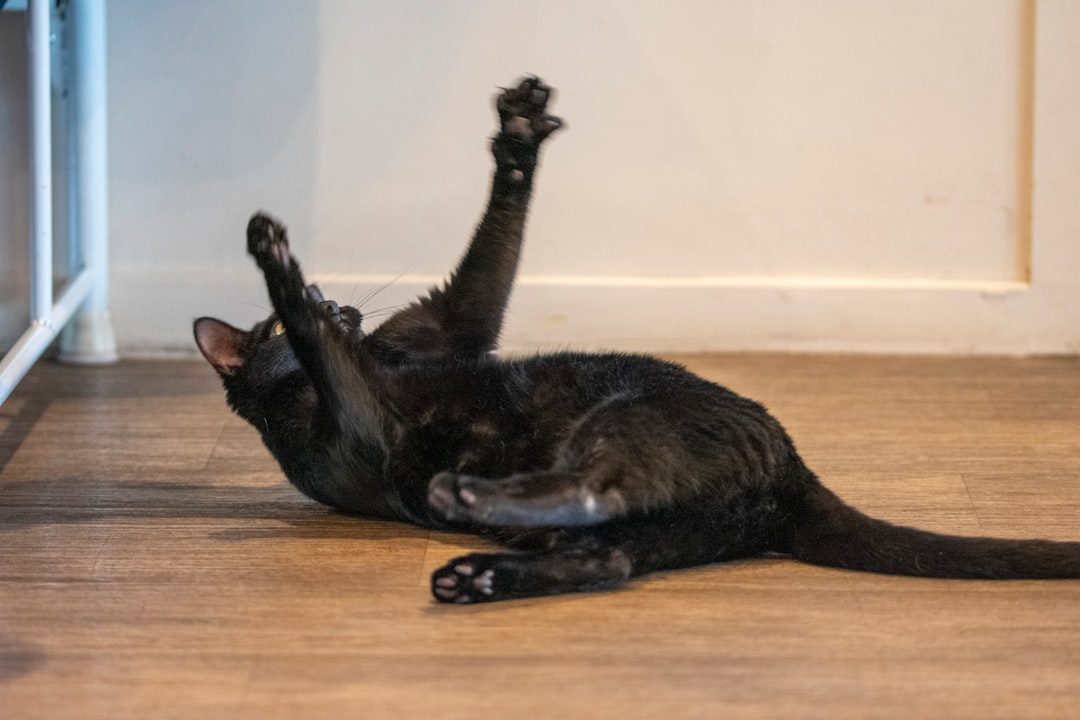
If your cat is knocking items off the table or pawing at something on your desk, they may be trying to initiate play or asking you to get them their favorite toy and have fun with them. There’s always the probability that your cat is turning tabletop items into impromptu toys, especially if she’s bored of her usual passive toys. Your pen becomes a hockey puck, your keys transform into prey, and your glasses turn into the most fascinating batting practice equipment.
Allowing cats to burn some energy and use their brain power through activities might leave very little enthusiasm for mischief. A tired cat is typically a well-behaved cat, though they’ll never admit it.
Territorial Marking and Environmental Control
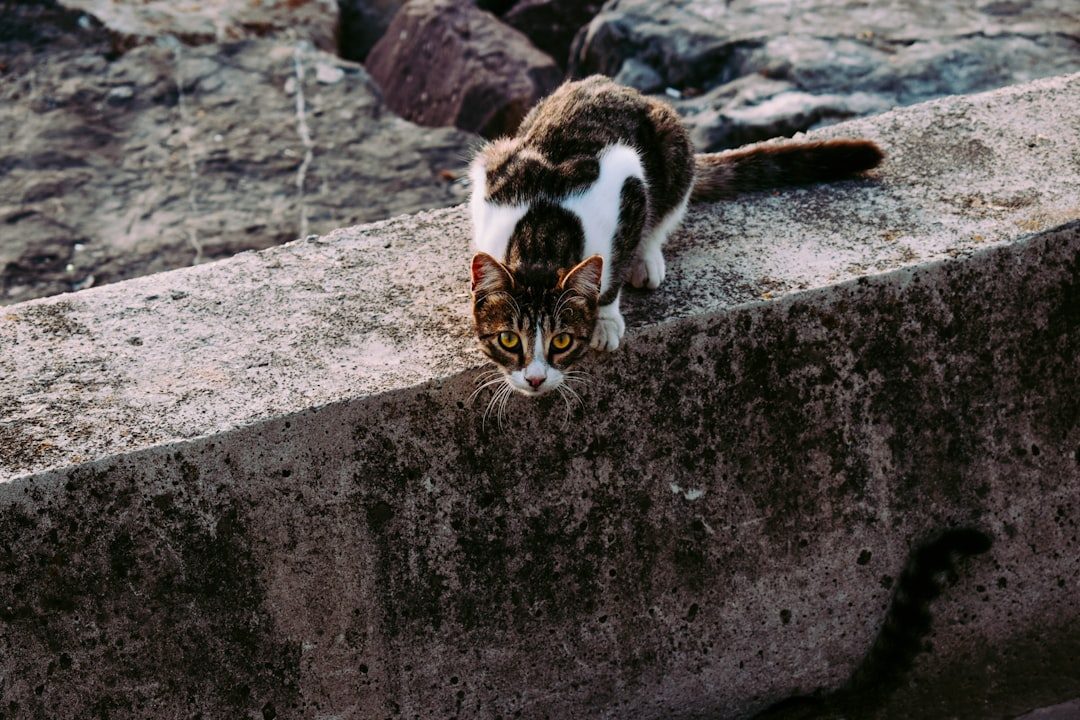
Some experts believe this behavior is also a form of territorial marking. Your cat might be asserting ownership over their domain by rearranging things to their liking. It’s their way of saying, “This is my house, and I’ll organize it how I see fit.” Cats are naturally curious creatures hardwired to hunt prey, so testing objects with their paws to make them mimic prey movement is completely normal behavior.
This territorial aspect explains why cats often focus on specific surfaces or areas. They’re not randomly destructive; they’re methodically claiming and controlling their space in the most feline way possible.
The Positive Side of This Behavior
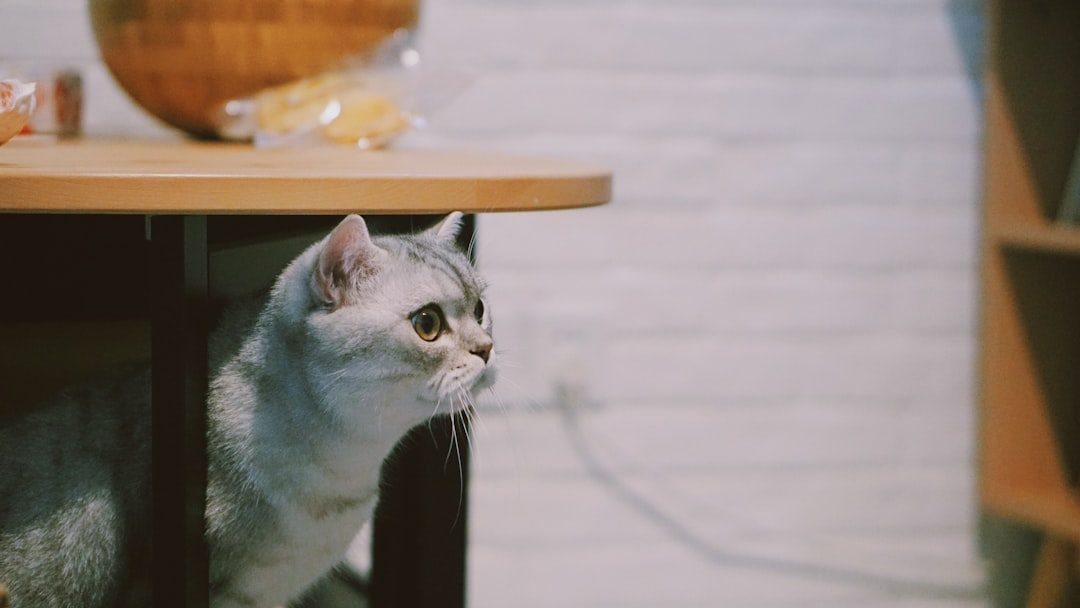
While it might be frustrating to constantly pick up knocked-over items, this behavior actually demonstrates several positive traits about your cat, showing they’re curious, intelligent, physically capable, and engaged with their environment. Rather than viewing your cat as a furry tornado of destruction, try to appreciate the complex motivations behind their actions, as they’re not being malicious but simply being cats.
The next time you hear that telltale crash, remember that your cat isn’t trying to annoy you but is following millions of years of evolutionary programming that tells them to investigate and interact with their environment using their incredibly dexterous paws. It’s actually a sign of a healthy, mentally active feline who’s fully engaged with the world around them.
Conclusion
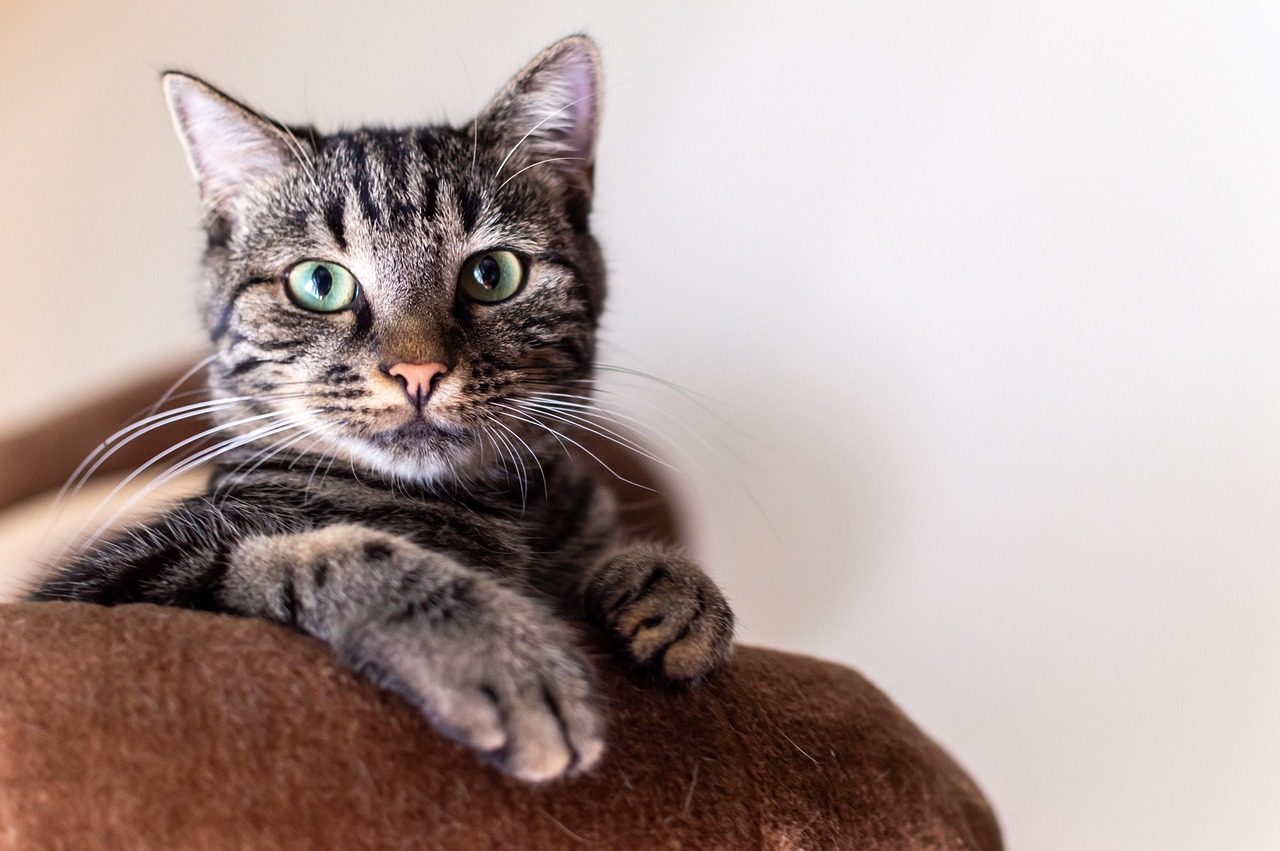
Understanding why cats knock reveals a complex tapestry of instincts, intelligence, and natural behaviors that have kept felines thriving for millennia. From hunting instincts to scientific curiosity, from attention-seeking to pure playfulness, this seemingly destructive behavior actually showcases the remarkable complexity of our feline companions. Rather than fighting against this natural tendency, embracing it through proper enrichment and environmental management can lead to a happier cat and a more harmonious household.
The next time you witness your cat’s latest gravity experiment, take a moment to appreciate the ancient wisdom and natural intelligence at work. What do you think about your cat’s table-clearing antics now? Tell us in the comments.