Picture this: You’re walking down the street and notice a furry face peering at you from behind curtains, intently studying your every move. Maybe you’ve caught your own feline companion stationed by the window like a tiny surveillance officer, watching the mailman with laser focus. This behavior has earned our cats the reputation of being the ultimate nosy neighbors. Their wide eyes track movement, their heads follow passing strangers, and they seem to know everyone’s business better than the local gossip columnist.
The question isn’t whether cats are curious about their surroundings – that much is obvious to anyone who’s ever owned one. The real mystery lies in understanding why they’ve turned neighborhood surveillance into an art form. Let’s dive into the fascinating world of feline behavior and discover whether our cats are truly the nosiest neighbors on the block.
The Science Behind Feline Curiosity
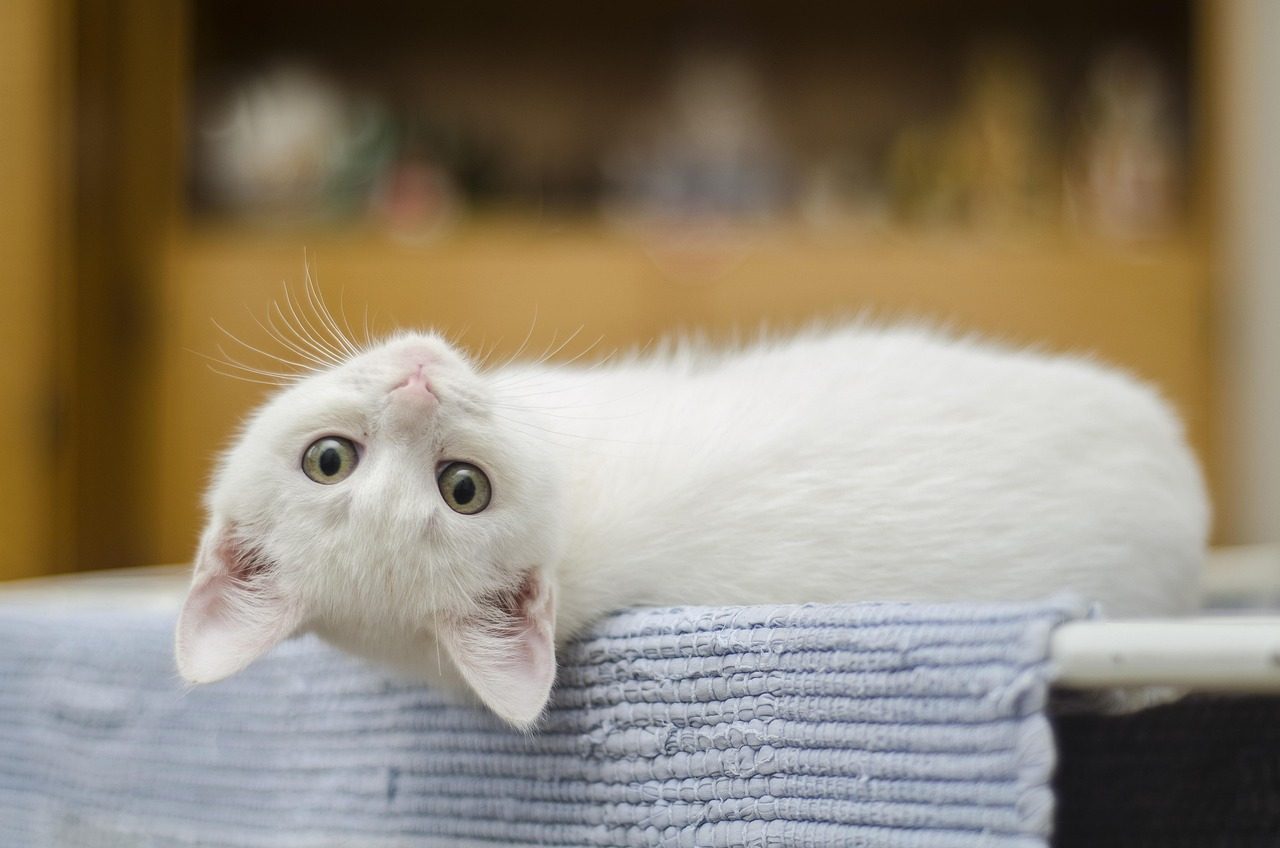
Curiosity is a fundamental part of being a cat and a key to their survival. Cats must always be aware of what is going on in their surroundings. They can’t afford to miss an opportunity to eat, but they must also be cautious of any dangers. This biological imperative drives their seemingly nosy behavior in ways that might surprise you.
Cats are curious because of survival instincts passed on from their wild cat ancestors, who were both predators and prey. Cats are mesopredators. This means that they are both predators and prey in the animal kingdom. Their position in the food chain requires constant vigilance, making what we perceive as “nosiness” actually essential survival behavior.
Window Watching: The Ultimate Entertainment System
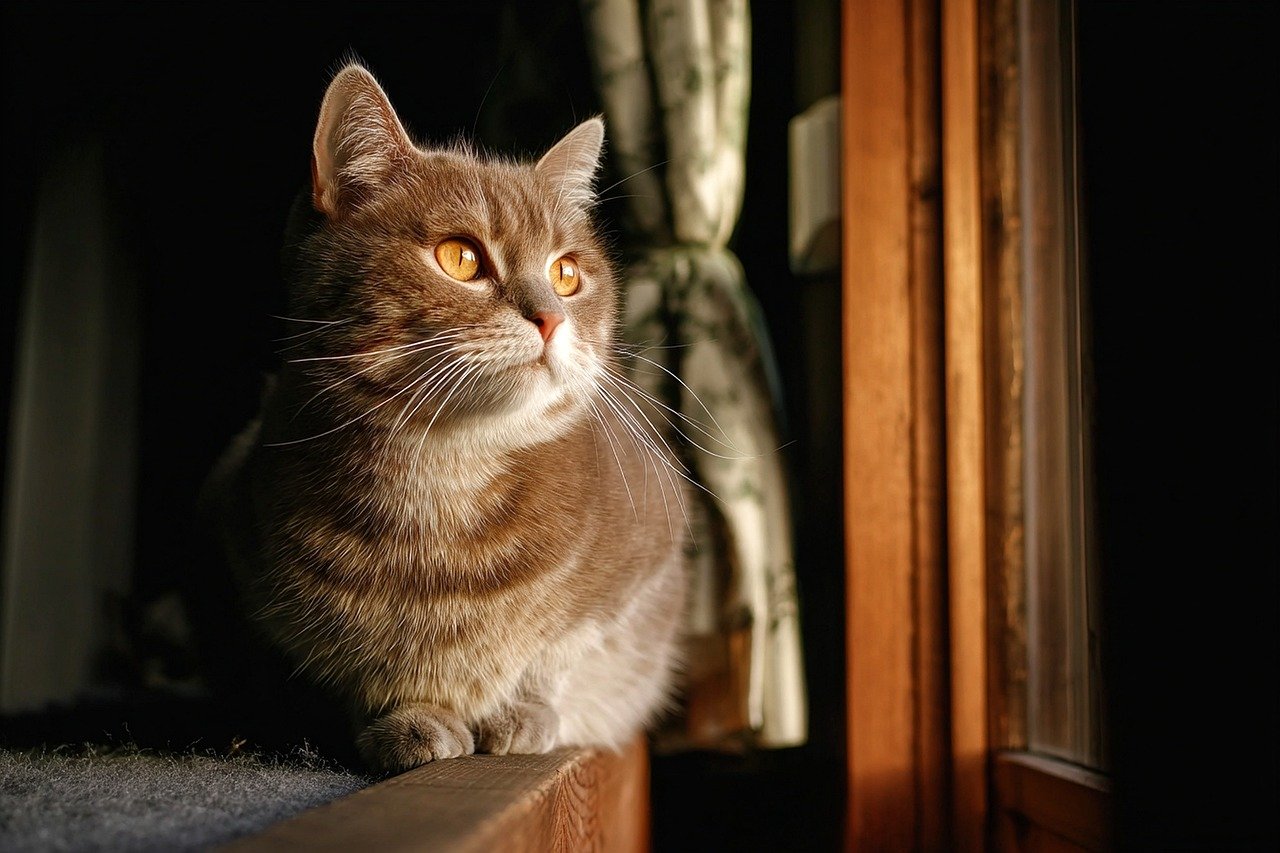
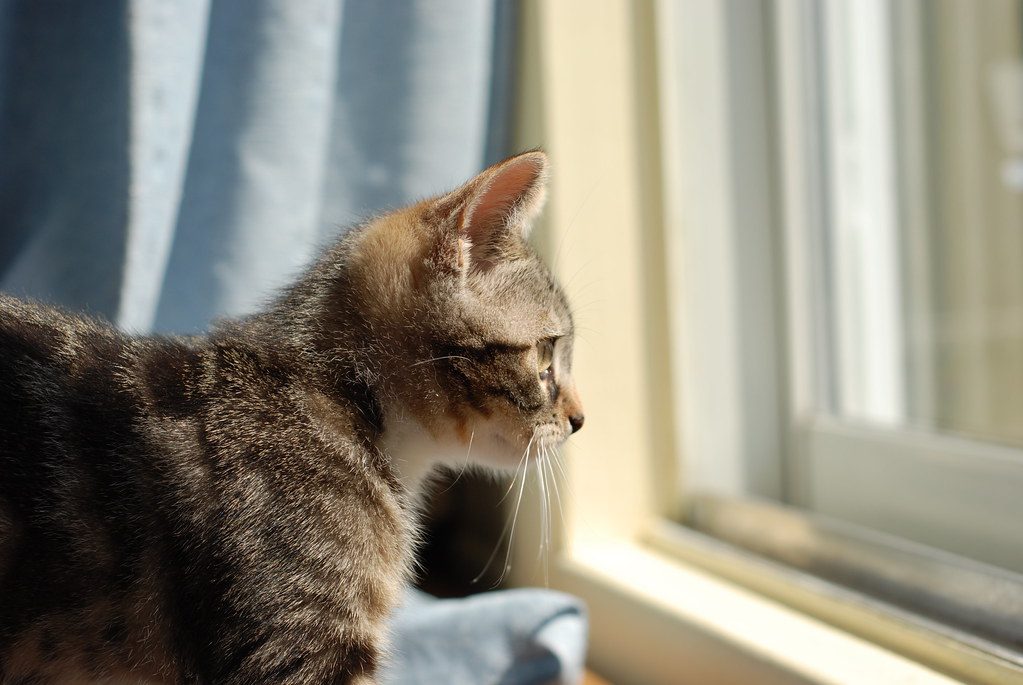
Research on cat behavior suggests that cats typically spend around two hours per day at windows observing their surroundings. So on average, pet cats spend 2 hours a day at the window. That’s more time than many humans spend reading the news.
Windows are an endless source of entertainment for felines. The Journal of Feline Medicine and Surgery refers to windows as essential lifestyle enrichment. In a review of enrichment practices, Sarah Ellis says that windows with an interesting view provide important visual enrichment for cats. Of course, it’s what the cat finds interesting that counts. Your cat’s version of must-see TV might include falling leaves, passing dogs, or that mysterious neighbor who always leaves at exactly 3 PM.
Territorial Surveillance Operations
Cats are very territorial, and sitting next to a window is a way for them to monitor and watch their territory. Think of it like them taking notes about the world around them: potential threats, new neighbours, etc. Your cat isn’t just being nosy – they’re conducting important security operations.
If you spot us cats looking out the window, we may be keeping an eye out for any intruders into our territory. The moment a neighborhood cat crosses onto my turf, believe me, I’ll know! This territorial behavior explains why your cat seems to have encyclopedic knowledge of every person, animal, and delivery truck in your neighborhood. They’re essentially running their own intelligence network from your windowsill.
The Hunting Instinct Never Sleeps
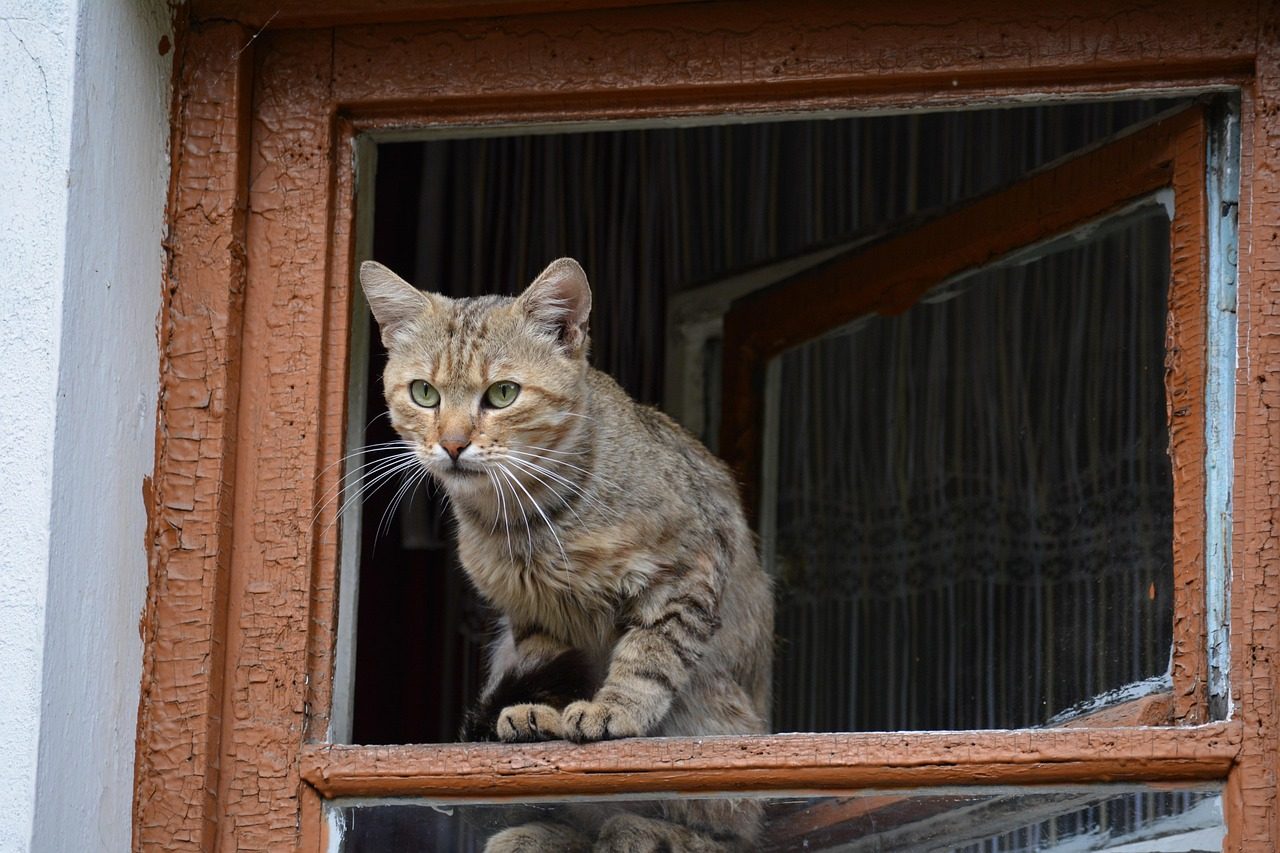
Cats, as obligate carnivores, are natural predators. This isn’t a switch they turn off and on; it’s an instinct that’s always running in the background, even when they’re acting relaxed or playful. Windows serve as a safe vantage point for cats, allowing them to watch and take notes on prey, like watching birds, insects and squirrels.
If something outside the window sparks that prey drive, your cat will lock in for a seriously intense staring session. It’s fun to watch anything that moves, prey or not, including grass swaying in the breeze or a leaf falling from a tree. This explains why your cat can spend an hour transfixed by what appears to be absolutely nothing – they’re seeing movement patterns and details that escape human observation.
Social Media for Cats
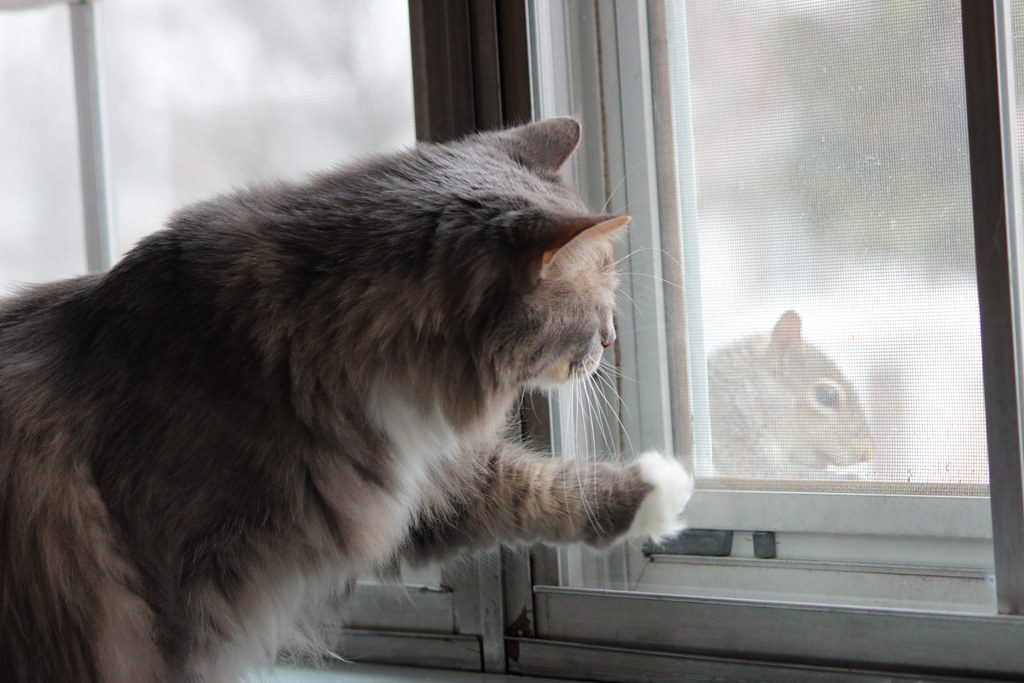
Just like some folks, some pets like to spend their evenings sitting by the window, people-watching and hoping to observe something truly intriguing. The only difference is that we can never be mad at them for it. Think of window watching as your cat’s version of scrolling through social media.
According to Catster, cats are naturally curious animals, and their staring is often a way of gathering information about their surroundings. This behavior can stem from their instincts as hunters and their need to remain alert to potential threats. Every passerby represents new information to process, catalog, and potentially react to.
The Remarkable Sensory Experience
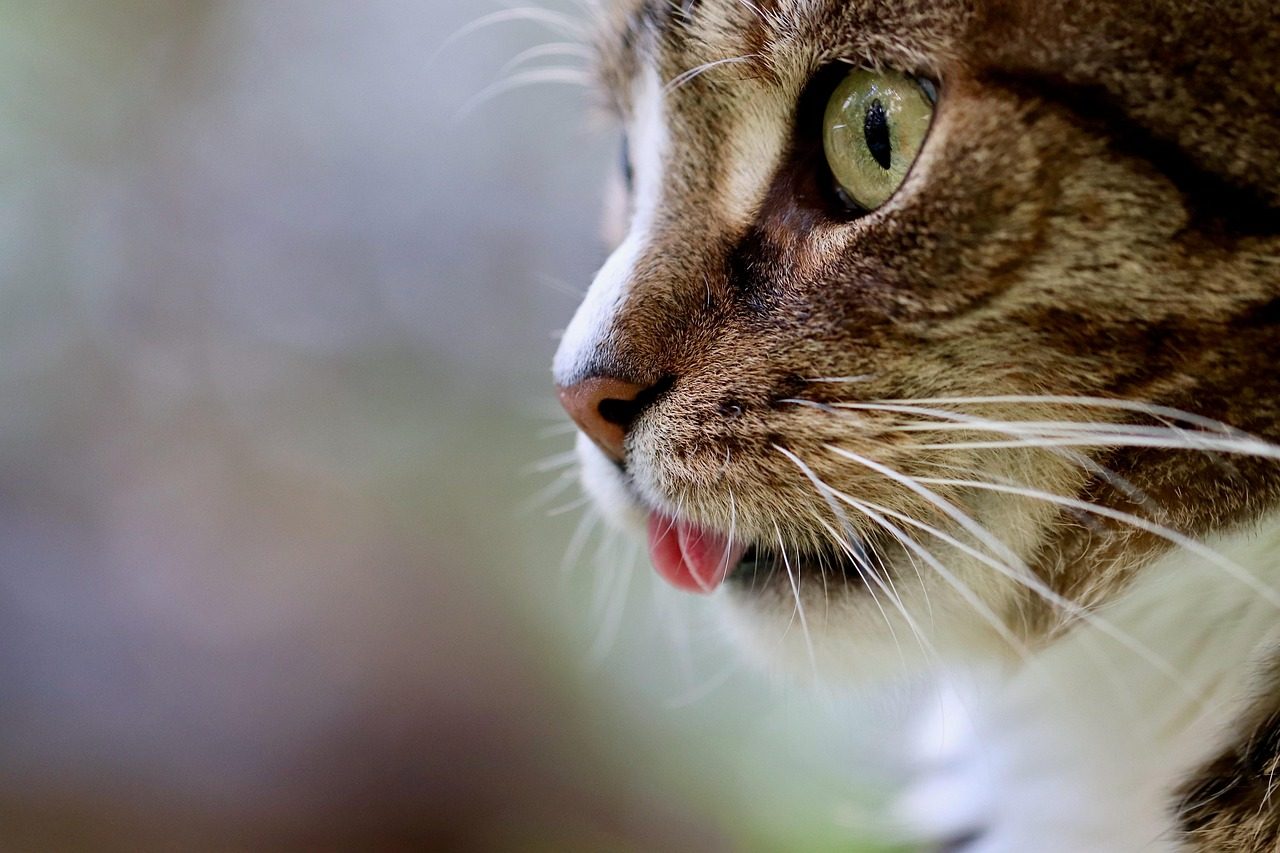
From the tip of their independently moving ears to the carpal whiskers on their front legs – cats are always in-tune and exploring their environment. While cats have remarkable hearing abilities, claims that they can predict storms through detecting air pressure changes remain scientifically unsubstantiated. Their little noses have approximately 14-30 times more olfactory receptors than ours and their eyes have six to eight times the amount of rods than humans.
A cat’s curiosity is a mix of her natural instincts that have evolved over many thousands of years. Forget mysterious, the senses that make your cat such a curious animal are downright miraculous. Your cat’s “nosiness” is actually a sophisticated information-gathering operation using equipment far superior to anything humans possess.
Communication Through Observation
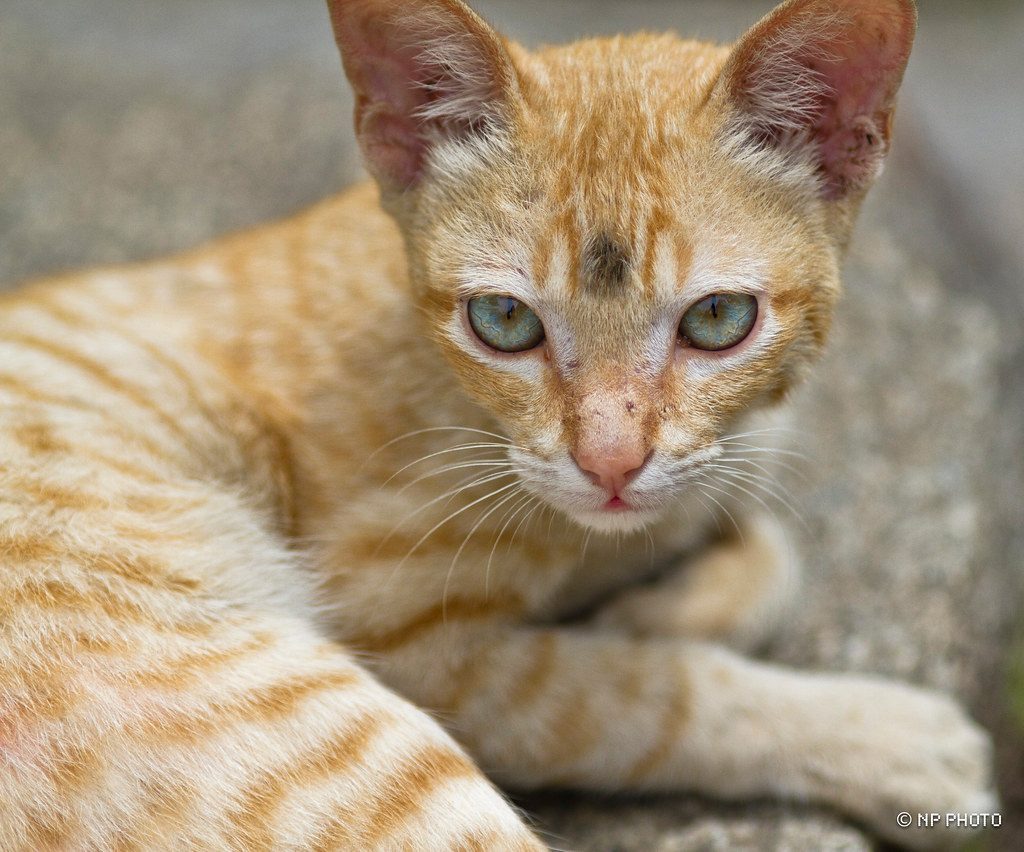
Staring can also be a form of communication. Cats don’t rely heavily on vocalization, instead they use body language and eye contact. A prolonged, unblinking stare could mean they’re trying to assert dominance, express discomfort, or even seek interaction.
Cats may also stare out of fascination. Movement, new sounds, or even small changes in the environment can captivate their attention, leading to an intense gaze. When your neighbor walks by and your cat tracks them like a security camera, they’re not just being nosy – they’re gathering crucial environmental data and potentially trying to communicate.
The Boredom Factor
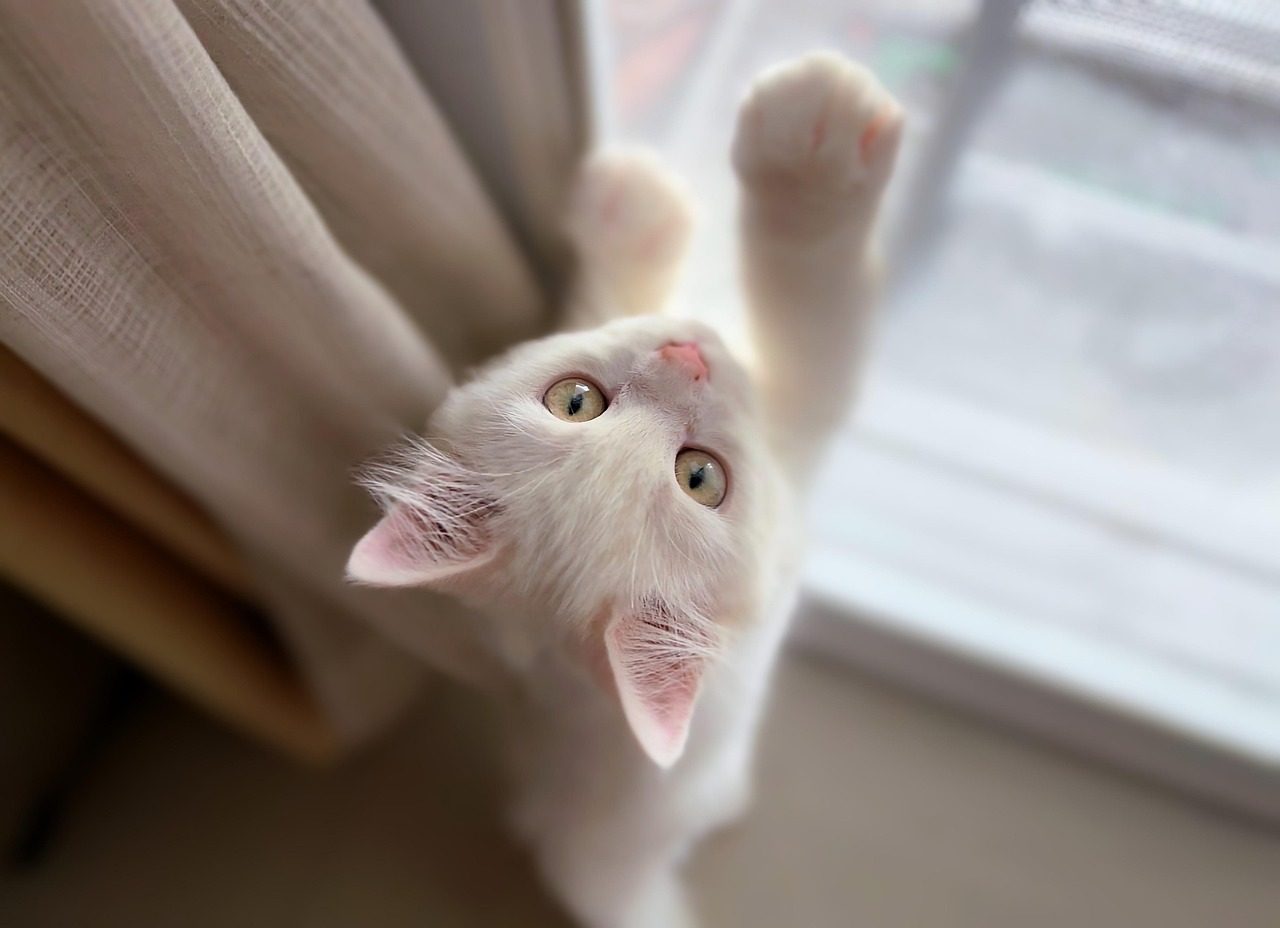
Sometimes, your cat looks out of the window because they’re a bit bored. Looking out of the window, especially if you’ve given them a perch, provides plenty of enrichment and stimulation. We recommend placing perches or cat trees near the window if you have them, as it’s an easy way to give your cat some mental enrichment.
For indoor cats, windows become even more important. Since cats that live exclusively indoors can easily become bored or frustrated, it is important to provide environmental enrichment for them. Your cat’s apparent nosiness might actually be a cry for more interesting activities in their daily routine.
Famous Feline Neighborhood Watch

The owner shared in an April 27 Instagram video under the account @maple.and.pumpkin a montage of all the times Pumpkin dedicates his time to his favorite hobby: sneaking a peek at the neighbor’s yard. Pumpkin’s sole focus is on one neighbor – a cat. The owner told Newsweek via Instagram that Pumpkin is “obsessed” with the neighbor’s cat. He’ll spend all day watching her every move.
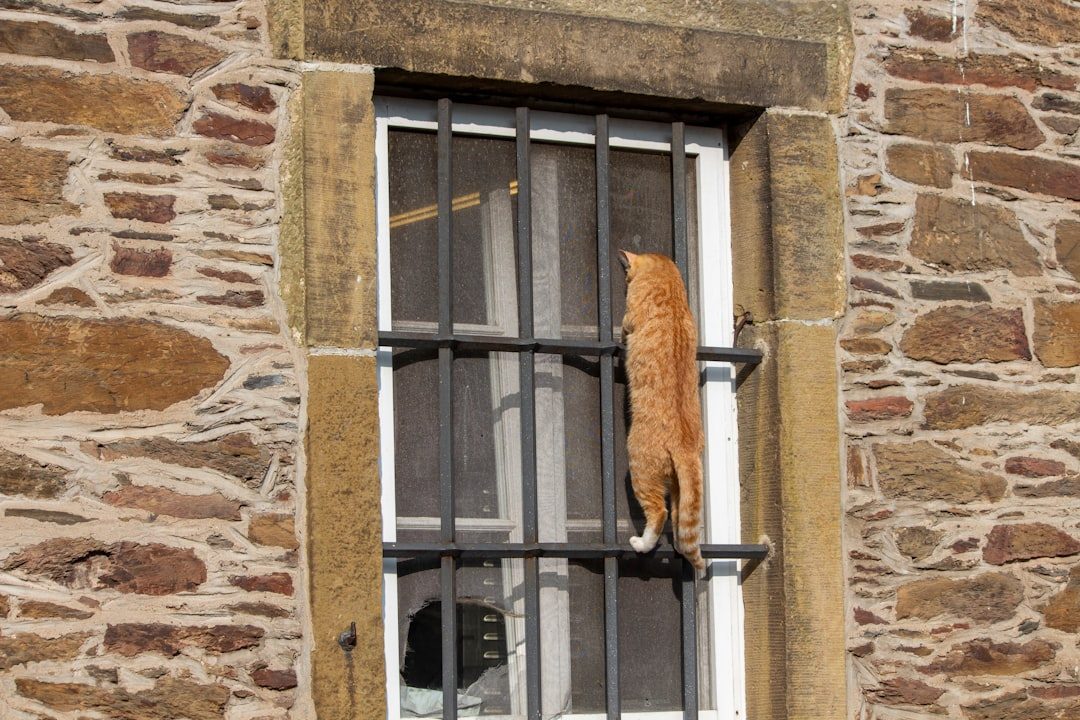
A cat seemingly turned into a fully fledged nosy neighbor after the police appeared outside the apartment next door. Though it ultimately ended up being a false alarm, Sunny appears gripped throughout, watching on from behind a metal gateway. Whatever the case, the clip of her nosy antics had plenty of people chuckling away to themselves in the clip’s comments section. These viral examples show that cats worldwide have mastered the art of neighborhood surveillance.
When Nosiness Becomes Problematic
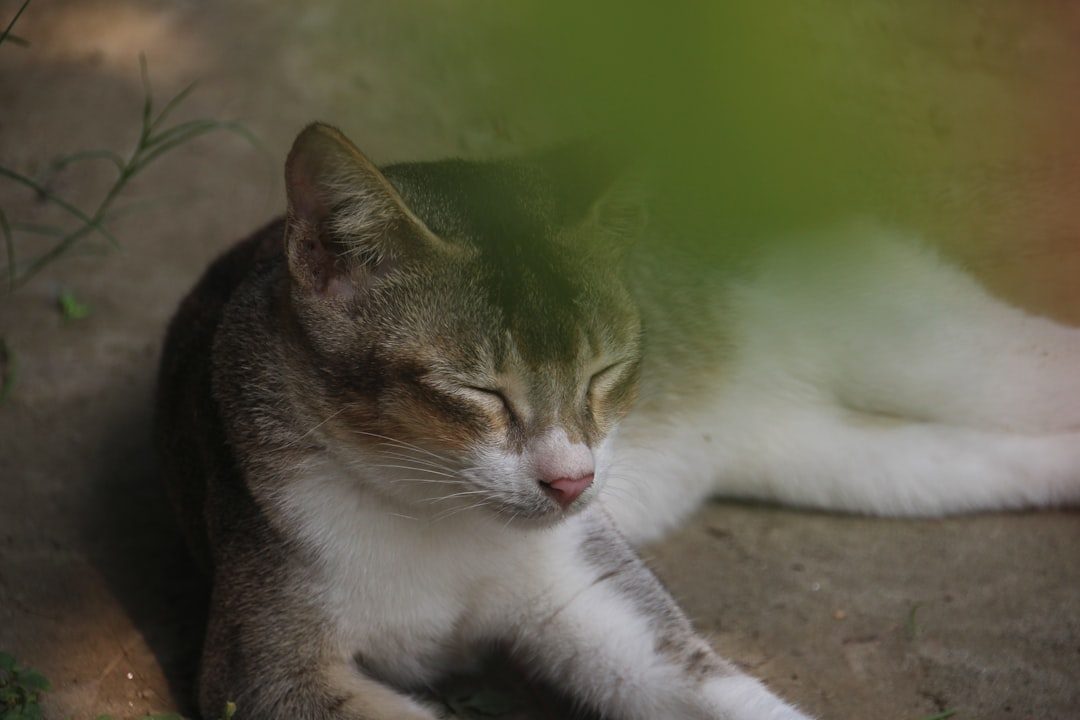
Cats often show redirected aggression and territorial behavior when stressed by outside cats. Redirected aggression occurs when a cat cannot reach the source of its agitation, such as a neighboring tom cat seen through a window. Symptoms include hissing, growling, and attacking nearby humans or pets.
A cat spending too much time looking out of the window or doing any other activity to an obsessional level can indicate mental health problems. Always chat to your vet if you’re concerned; it’s a key part of good, preventative pet care. While most window watching is harmless entertainment, excessive fixation might signal underlying stress or anxiety that needs attention.
Conclusion: The Verdict on Feline Nosiness
So, are cats really nosy The answer is both yes and no. Yes, they observe everything with intense focus and seem to know everyone’s business. However, this behavior isn’t driven by gossip or idle curiosity – it’s rooted in millions of years of evolutionary programming.
Far from getting them into trouble, curiosity is one of your cat’s survival assets. What we interpret as nosiness is actually a complex blend of territory monitoring, predator-prey awareness, sensory exploration, and environmental enrichment. Your cat isn’t being nosy – they’re being brilliantly, instinctively cat-like.
Next time you catch your feline friend conducting their daily neighborhood surveillance, remember that you’re witnessing millions of years of evolution in action. They’re not just being nosy neighbors – they’re being the remarkable, complex creatures they were born to be. What do you think about your cat’s window-watching habits? Tell us in the comments.