You think you know your cat, right? Those adorable head butts, that hypnotic slow blink, even the occasional unwelcome “gift” left on your pillow. Yet the truth is, most of us are walking around with some seriously wrong ideas about what our feline friends are actually trying to tell us.
Cats are among the most popular pets worldwide, but there are still major gaps in the public’s general understanding of their social behaviors and related needs. People often ascribe higher levels of meaning to a cat’s behavior than can be reasonably contained in the cat’s brain. The result? We end up completely misreading their signals, sometimes to their detriment. So let’s get started unraveling these mysteries, one misunderstood behavior at a time.
That Slow Blink Isn’t Just Sleepiness
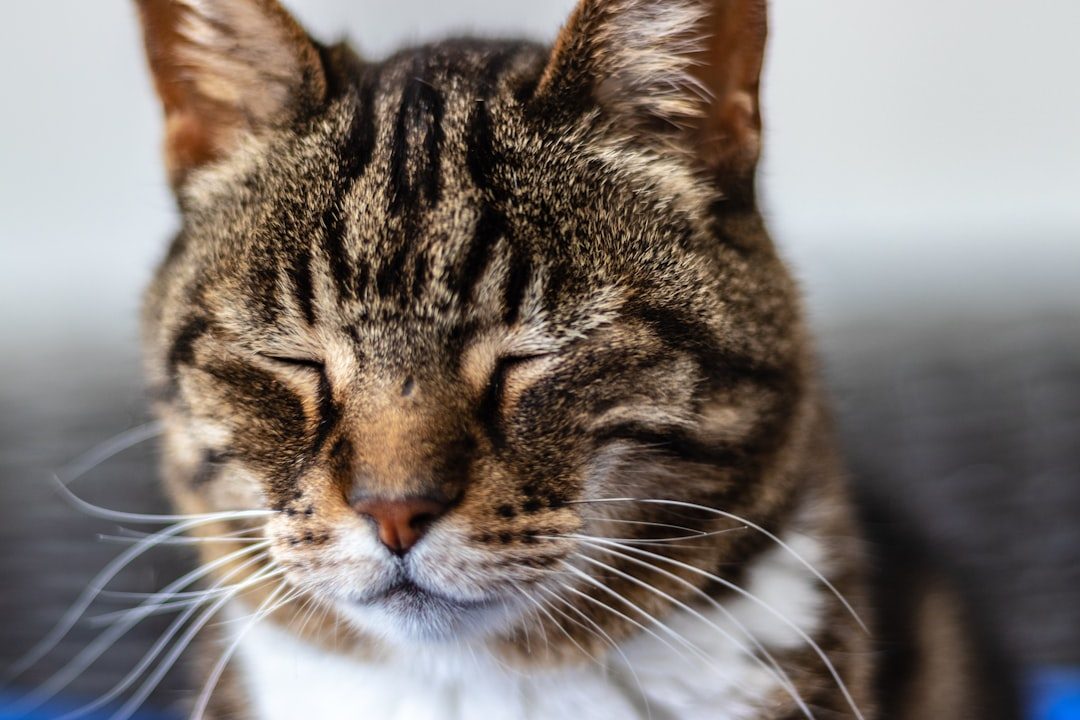
When your cat gazes at you with those half-closed eyes and blinks slowly, you might think they’re just tired. This small but powerful gesture has often been called a “cat kiss.” Cats slow blink at us as a sign of love and trust. As theorized by animal behavior experts, the slow blink is how a cat tells her human family that she feels safe. Although it may seem like an ominous gesture, slow blinking is cat code for “You are my entire world!”
Research published in Scientific Reports notes that cat slow blinking, when both the closing and the opening of the eyelid happen at a slow pace, differs from the velocity of a typical cat blink, when the closing of the eyelid is rapid but the opening is slow. This observation is noteworthy because it shows that slow blinking is not a reflexive movement – it’s an intentional behavior. You can actually return this gesture to strengthen your bond with them.
Purring Doesn’t Always Mean Happiness
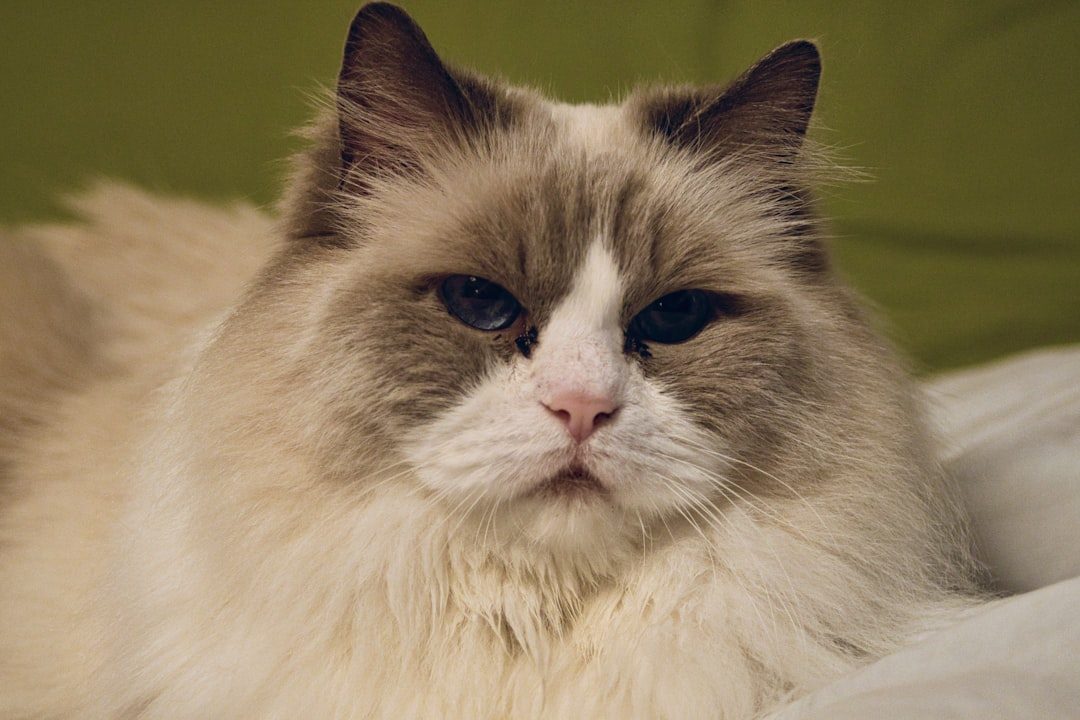
Most people assume a purring cat is a content cat, which isn’t entirely wrong but it’s not the complete picture either. Cats often purr when they’re feeling relaxed, but they may also purr to self-soothe if they are feeling stressed or are injured. Think of it like humans humming when nervous or whistling in a dark alley.
Cats also purr at times of fear, stress and pain. It’s possible the act of purring when less than happy is a bit like humans whistling in the dark – they may be attempting to self-soothe with an act that is usually associated with a happier time. So next time you hear that rumbling sound, take a moment to assess the situation and your cat’s overall body language.
Tail Twitching Has Multiple Meanings
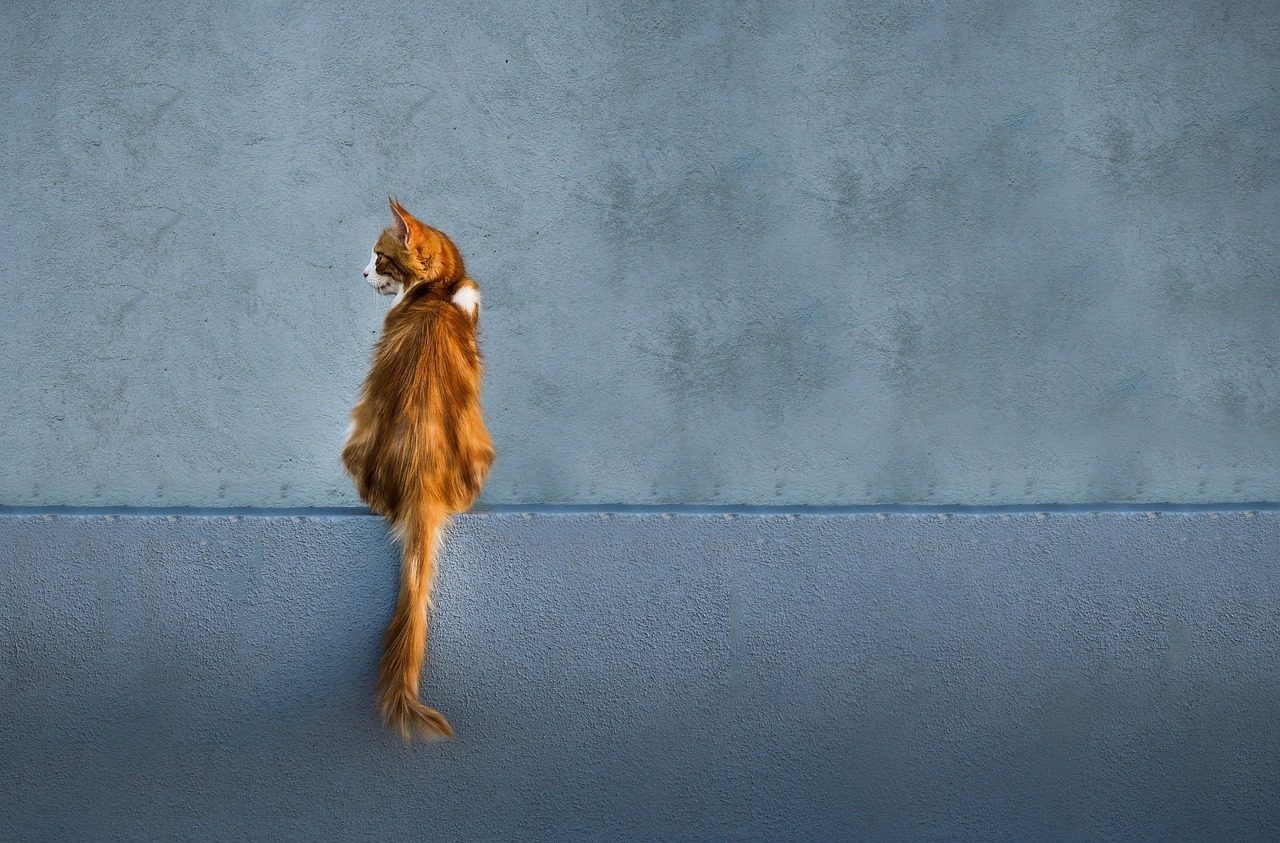
You’ve probably noticed your cat’s tail doing that quick little twitch and assumed they were annoyed. Sometimes that’s correct, but tail twitching is actually much more complex than simple irritation. Tail twitching can communicate a range of emotions, from irritation to excitement. The tail’s language is intricate, with subtle variations signaling different feelings. A gently swaying tail might show curiosity, while a vigorous twitch can express frustration.
Twitching the tail tip while holding it low and straight is often associated with hunting behavior. The crouch and moving tail tip indicate an intense focus on prey. During play or when they spot a bird outside the window, that twitching tail is actually a sign of excitement and predatory focus, not annoyance at all.
Head Butting Is More Than Affection
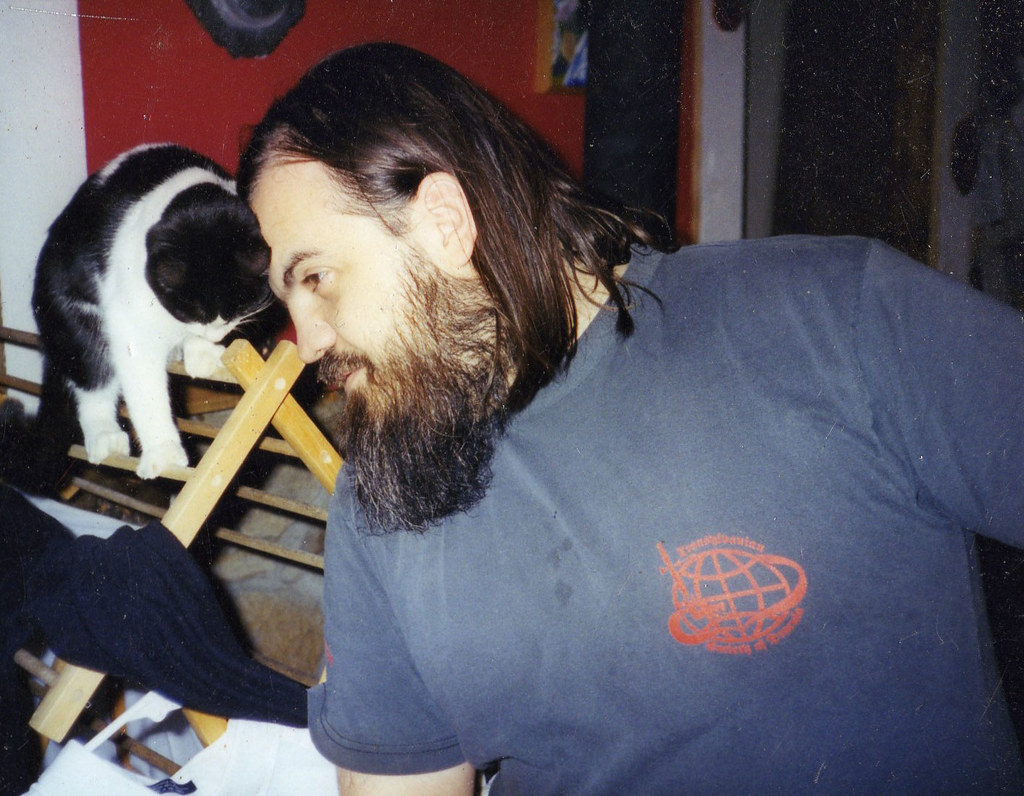
When your cat rams their head into your leg or face, you probably think it’s just a cute way of saying hello. While affection is part of it, there’s something more strategic happening. When your kitty rubs their head on you, they’re doing more than just showing you affection and saying hello. Pheromones are actually being released from the cat’s head and it is their way of showing ownership over you. Just as a cat would rub on furniture to leave his scent to mark his territory – they are showing pride in that you are theirs.
When cats are rubbing themselves around our legs they are scent marking us as they smooch their face and body against us. Cats have scent glands around their face and anoint us with these to show we are part of their family. Consider it a compliment! Essentially, your cat is claiming you as their property in the most loving way possible.
Kneading Isn’t Just About Comfort
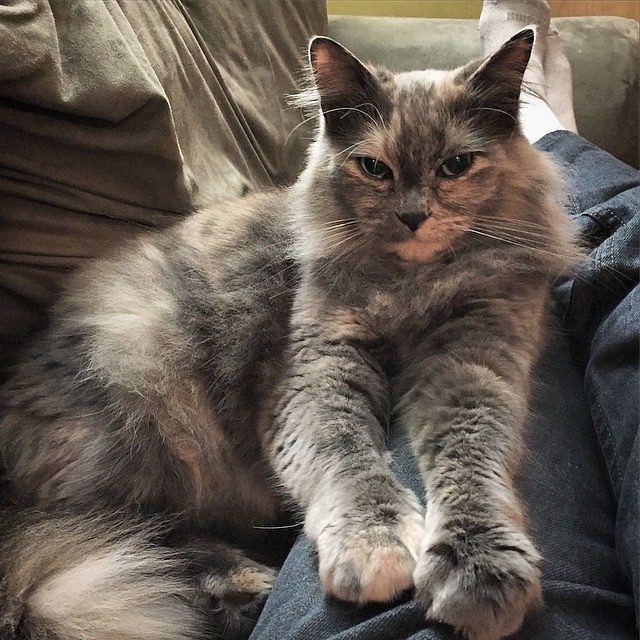
Those adorable paws pushing rhythmically against your lap might seem like pure contentment, and partly it is. Kneading or “making bread” is an adorably weird behavior that’s leftover from the cat’s days of nursing on mom. Using their paws to manipulate the mammary glands stimulates the production of milk. It may also be a calming or enjoyable repetitive behavior that makes your cat feel relaxed or sleepy.
And remember how face rubbing involves scent-marking you? It’s likely that kneading does, too, since a cat has scent glands in their paws as well. So while your cat is definitely feeling cozy, they’re also marking you with their scent, essentially saying “this human belongs to me” with every gentle push of their paws.
Bringing Dead Animals Isn’t Spite or Cruelty
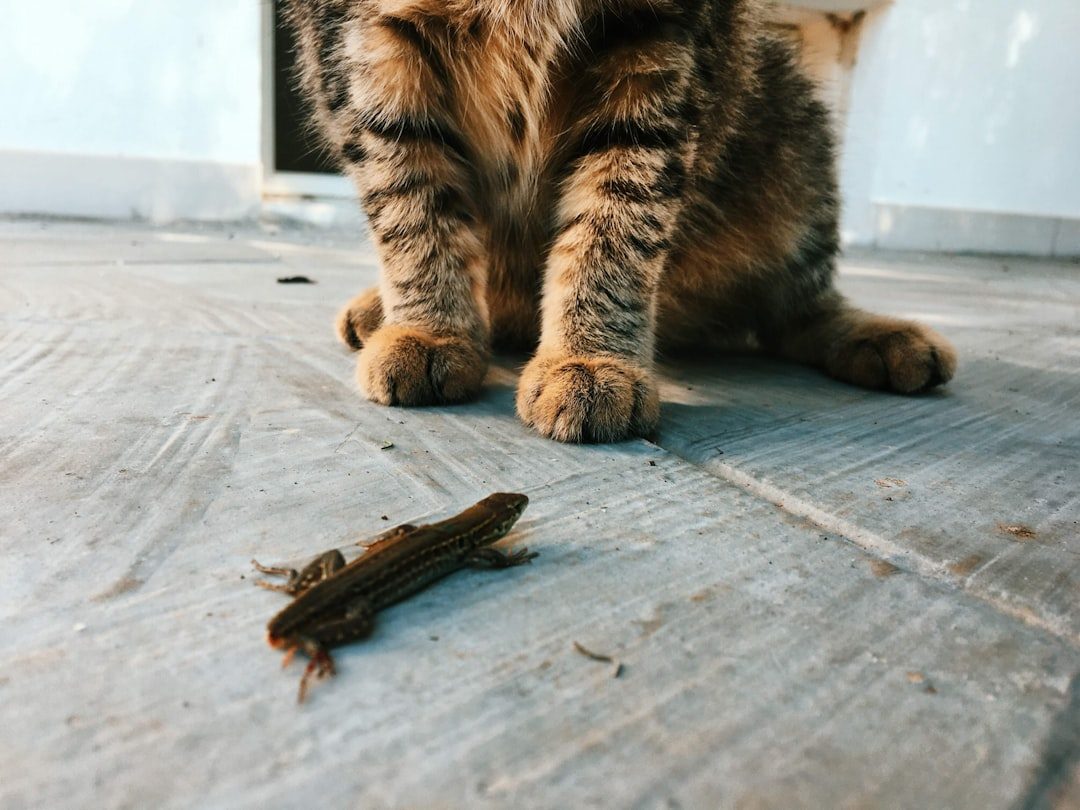
Finding a deceased mouse on your pillow is nobody’s idea of a perfect morning, but your cat isn’t trying to gross you out or send some dark message. Cats have an innate hunting instinct, which can sometimes manifest in them bringing their humans dead birds, rodents, or bugs. This behavior is a way for cats to show their affection and regard their human family as part of their pack. By presenting these items as gifts, cats are demonstrating their desire to contribute to the group’s wellbeing and ensure that their humans are well-fed.
After catching a particularly good dinner, cats will then bring it home to a place of safety like their den or a secluded bush or grassy area (or yes, your front porch) to enjoy the meal. They may even offer it up to others in their family. It’s essentially their version of bringing home groceries to share with the family.
Litter Box Issues Aren’t Revenge
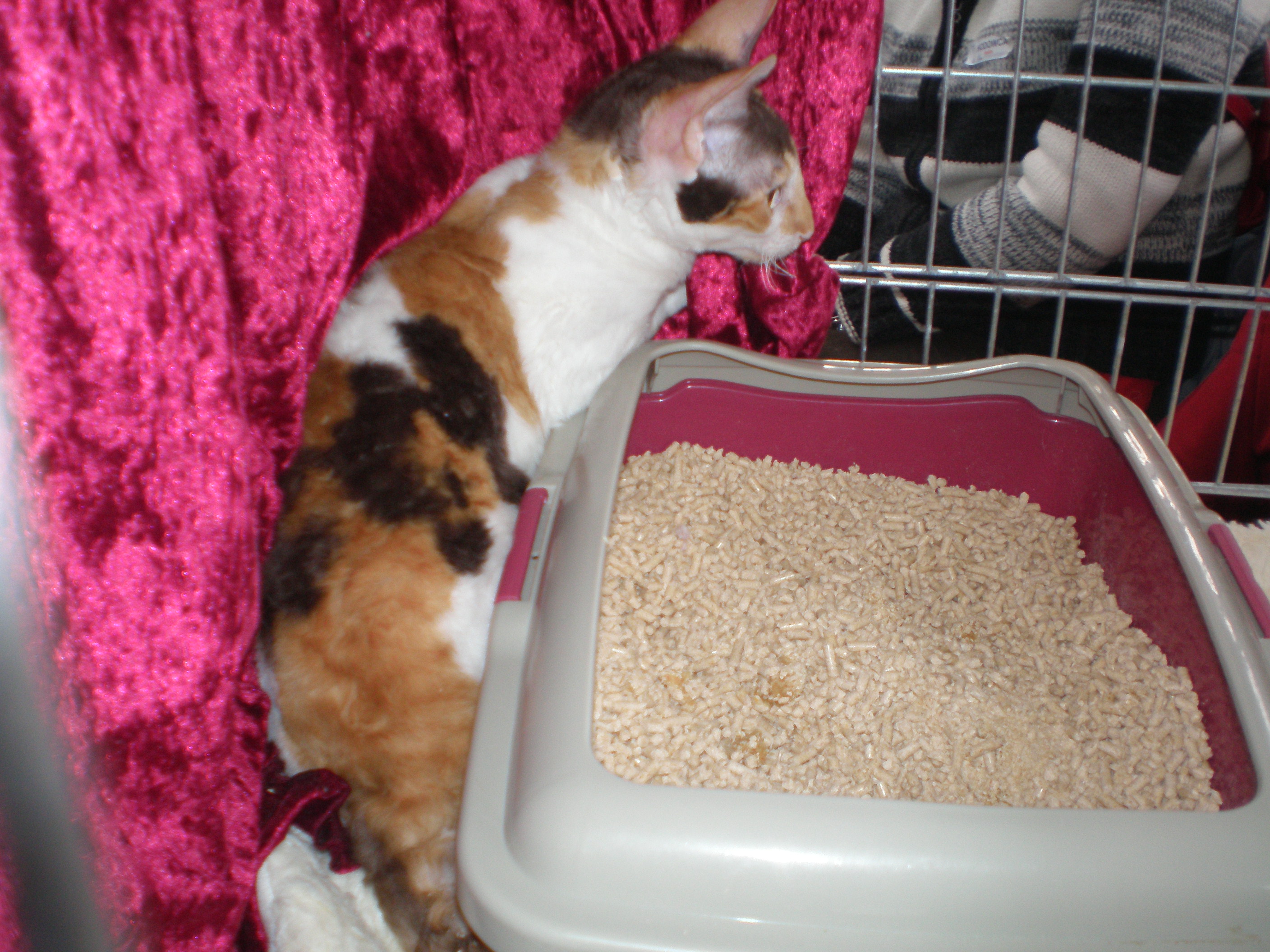
When your cat suddenly starts avoiding their litter box, it’s easy to think they’re punishing you for something. Maybe you were late with dinner, or they didn’t appreciate that bath last week. The first thing to acknowledge is that cats don’t do this to annoy us. Most importantly, your cat isn’t acting out on purpose – they’re trying to tell you something.
If your cat has previously been great at using their box and then suddenly starts urinating or defecating in inappropriate places, this is often a sign of a health issue or stress. They’re not mad. They’re just stressed out. All they know is their favorite person is gone, the routines you two have established are out the window, and they have no idea when or if you will be back. Think of it as their way of sending up a flare signal.
Scratching Furniture Isn’t Destruction for Fun
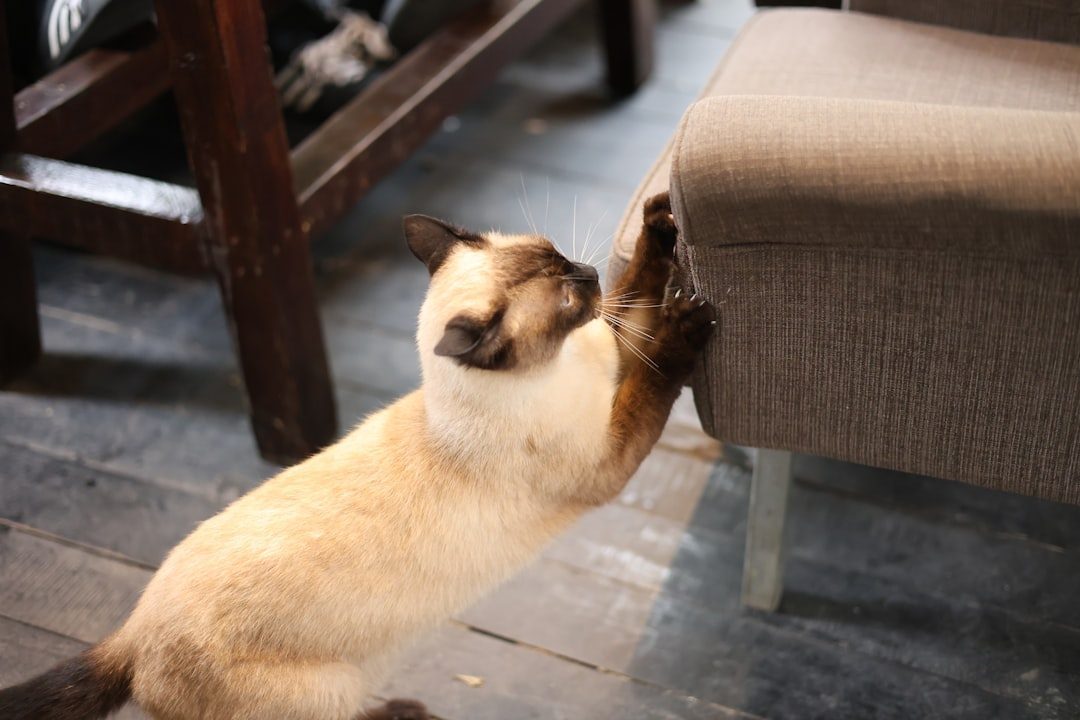
Your expensive sofa didn’t become a scratching post because your cat has it out for your furniture budget. Your scratching post might be too flimsy. Furniture is sturdier and more satisfying to dig into. When they touch it, it doesn’t move, so they can really sink their claws in. Cats need a stable surface that won’t wobble or tip over when they put their full weight into a good stretch and scratch.
Some cats also prefer horizontal scratchers, especially seniors with arthritis. Offering sturdy vertical and horizontal options can save your having redecorate. They’re not trying to ruin your décor, they’re just looking for the right tool for the job.
Staring Contests Aren’t Challenges
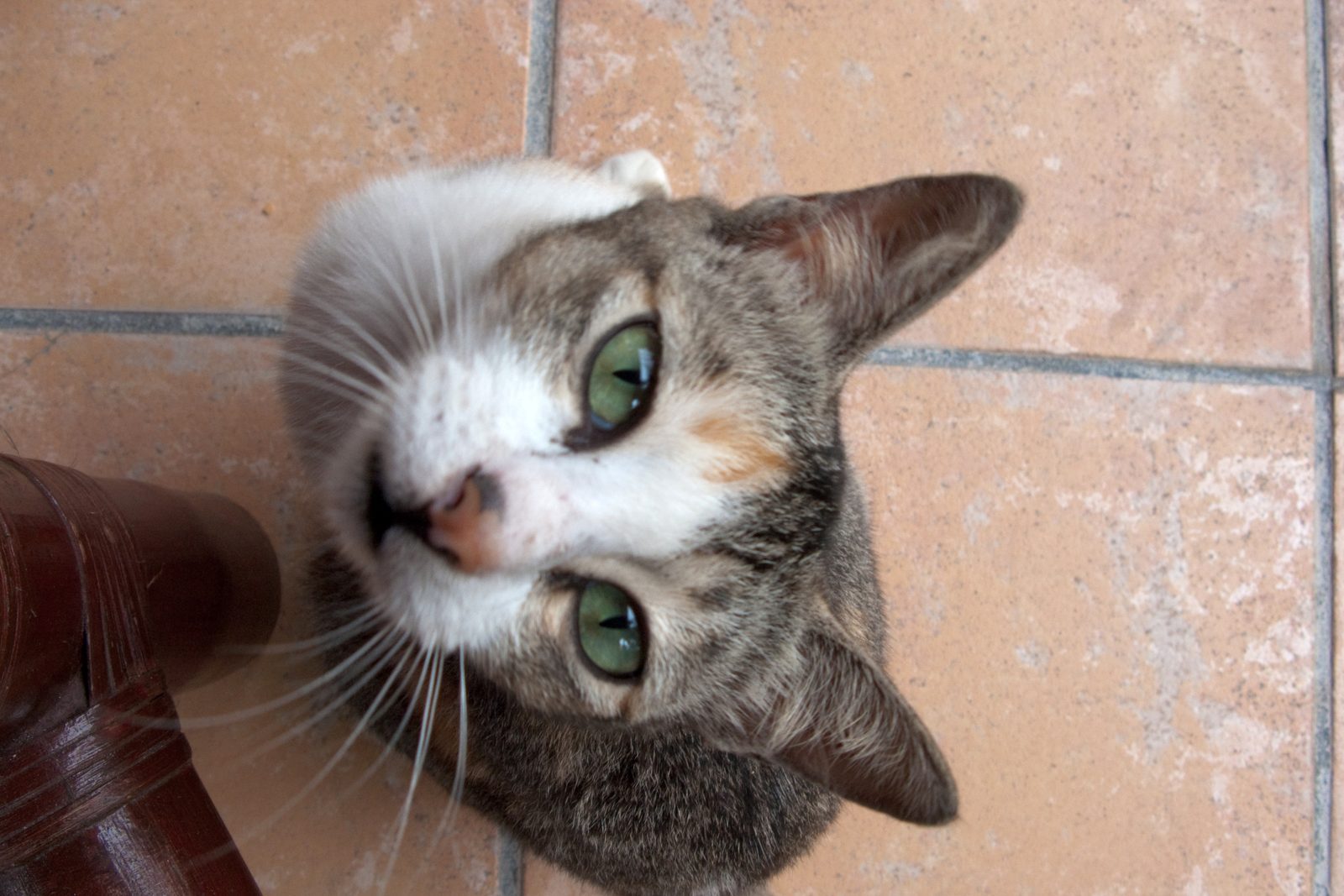
That intense, unblinking stare your cat gives you might feel like they’re sizing you up for battle, but it’s usually much simpler than that. When your cat is staring you down, they’re probably just trying to get your attention. If the stare is intense, this “staring contest” could mean that they are on high alert about someone or a situation. Most of the time, they just want something from you, whether it’s food, play, or acknowledgment.
It is advised to not look at your cat directly in the eyes. As with any animal, cats see this is an act of aggression in preparation for a fight. If you want to communicate peacefully with your cat, try the slow blink technique instead of maintaining that direct eye contact.
Chattering at Birds Isn’t Conversation
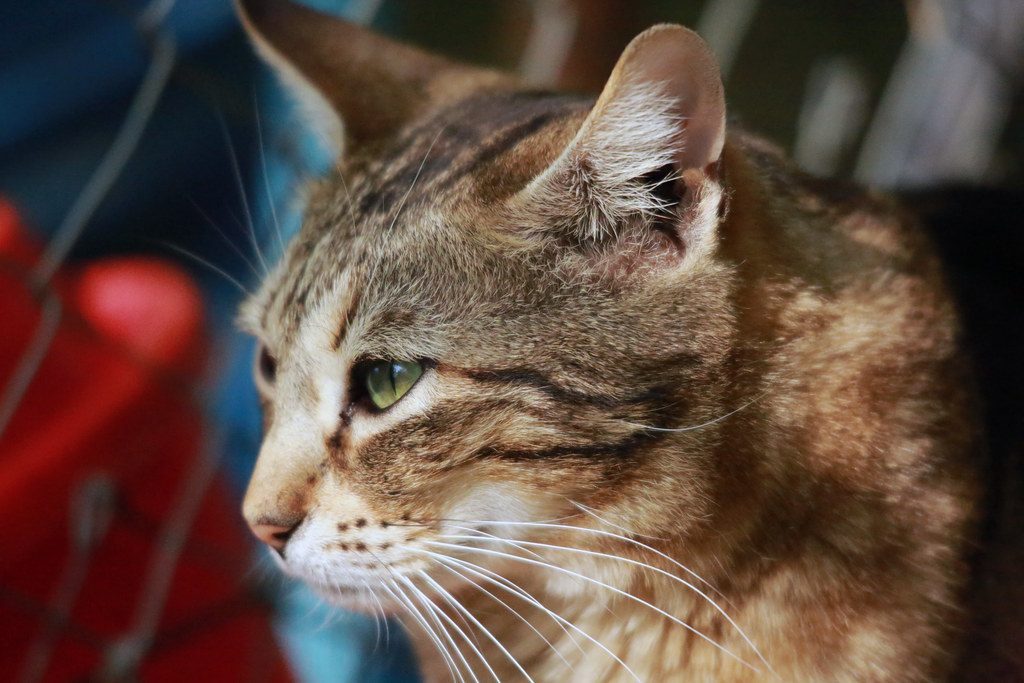
When your cat sits by the window making those rapid clicking sounds at birds outside, they’re not trying to have a chat with potential feathered friends. You have probably heard your cat emit a fast and intense teeth chattering- especially when they spot a bird while gazing out of a window. Behaviorists speculate that this is because your cat is frustrated that they cannot get outside to hunt prey. They also may be excited and slightly aggravated.
Others say that this strange jaw movement may be your kitty’s natural instinct that allows their muscles to prepare for the act of killing prey. It’s like a boxer shadow boxing before a match, your cat is essentially practicing their hunting technique while watching their would-be prey safely through the glass.
Understanding these behaviors changes everything about how you interact with your feline friend. When we let go of the idea that our cats are tiny, furry humans with complicated motives and cynical inner lives, we start to see them more clearly for who they are. And that shift not only prevents misunderstandings, it also deepens the trust and affection that make sharing our lives with them so rewarding. What do you think about your cat’s mysterious ways now? Tell us in the comments.