Have you ever wondered just how much your feline companion picks up from watching you go about your daily routine? The relationship between you and your cat runs deeper than you might realize. While dogs have long been recognized for their ability to learn from human behavior, recent scientific research reveals that cats are equally astute observers, quietly absorbing lessons from every interaction they have with you.
Your cat spends much of their day staring at the world around them, including you, and these amazing observational learners acquire knowledge by watching and then mirroring what they see. From morning routines to emotional responses, your furry friend is constantly taking mental notes about how you navigate the world. Let’s explore the fascinating ways and transforms these observations into their own unique behaviors.
Your Sleep Schedule and Daily Rhythms
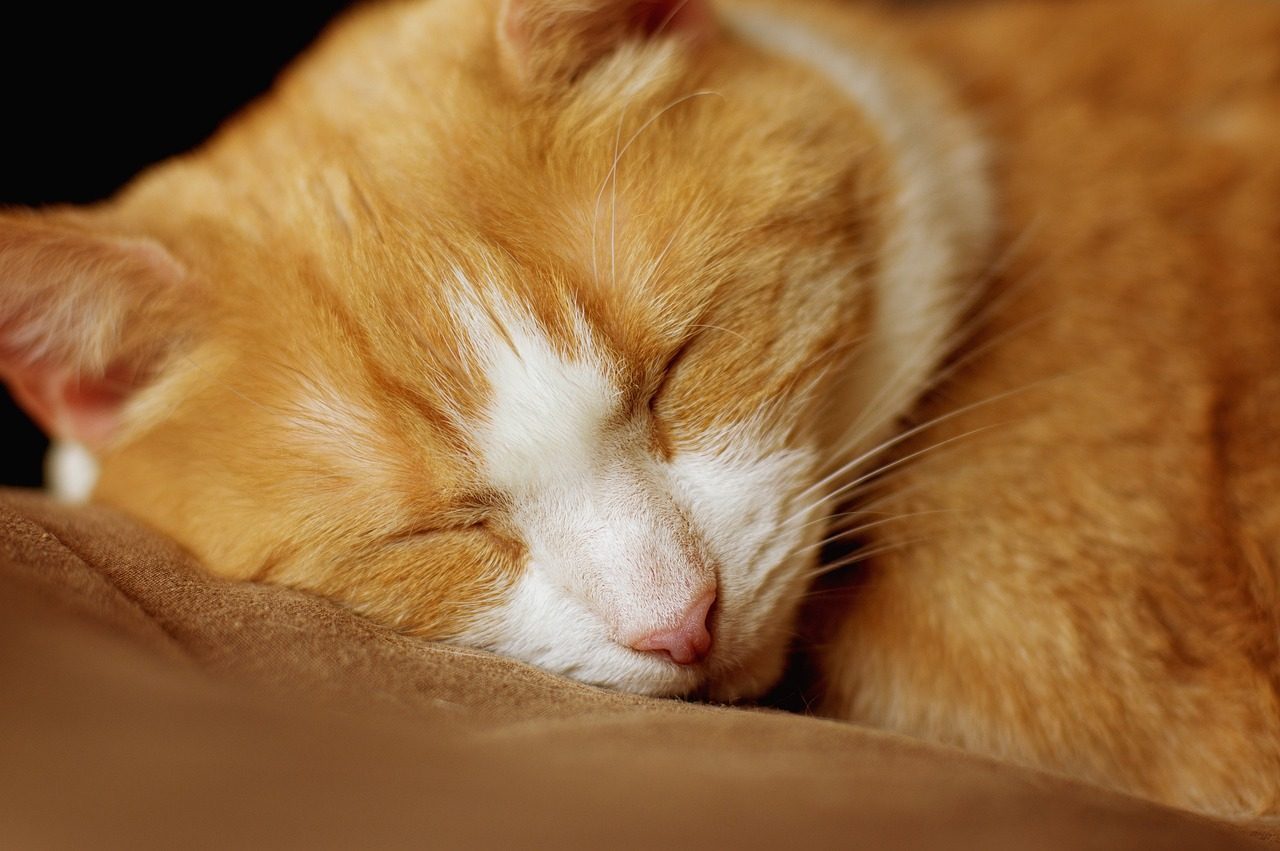
Indoor cats who stay close to their owners adapt eating and sleeping patterns similar to those of their owners, with activity levels also becoming similar to that of the humans around them. This remarkable synchronization isn’t just coincidence. Over time, cats mirror the lives of their owners, with their eating, activity and sleeping patterns becoming very similar.
Think about it: if you’re a night owl who stays up late scrolling your phone, your cat likely becomes more active during those evening hours too. Conversely, early risers often find their cats naturally waking them up at dawn, having learned to match their human’s preferred schedule. This adaptation shows just how closely your cat pays attention to your lifestyle patterns.
How You Handle Stress and Emotional Responses
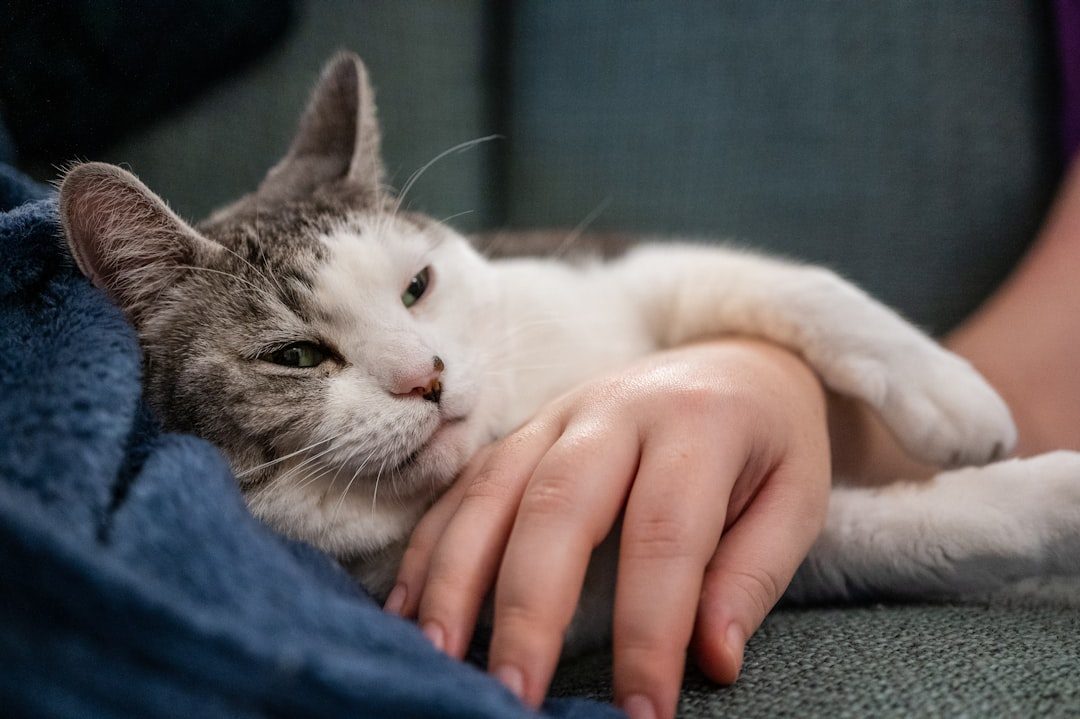
Roughly four-fifths of cats in studies looked at their owner to see how they were responding, matching observations in dog studies and indicating both dogs and cats rely on their owners for emotional cues when placed in an unfamiliar situation. Cats base certain behaviors and reactions on their owners’ cues through social referencing, spending more time with owners when shown positive cues but looking for an exit when owners respond in a fearful way to a new object.
In studies, cats not only repeatedly looked at their owners before or after seeing an object, as if looking for help, but nearly four-fifths of the time they also mirrored the owner’s emotion. When you approach new situations with calm confidence, your cat learns to do the same. However, if you’re anxious or fearful, your cat picks up on these signals and may become stressed themselves.
Your Vocal Patterns and Communication Style
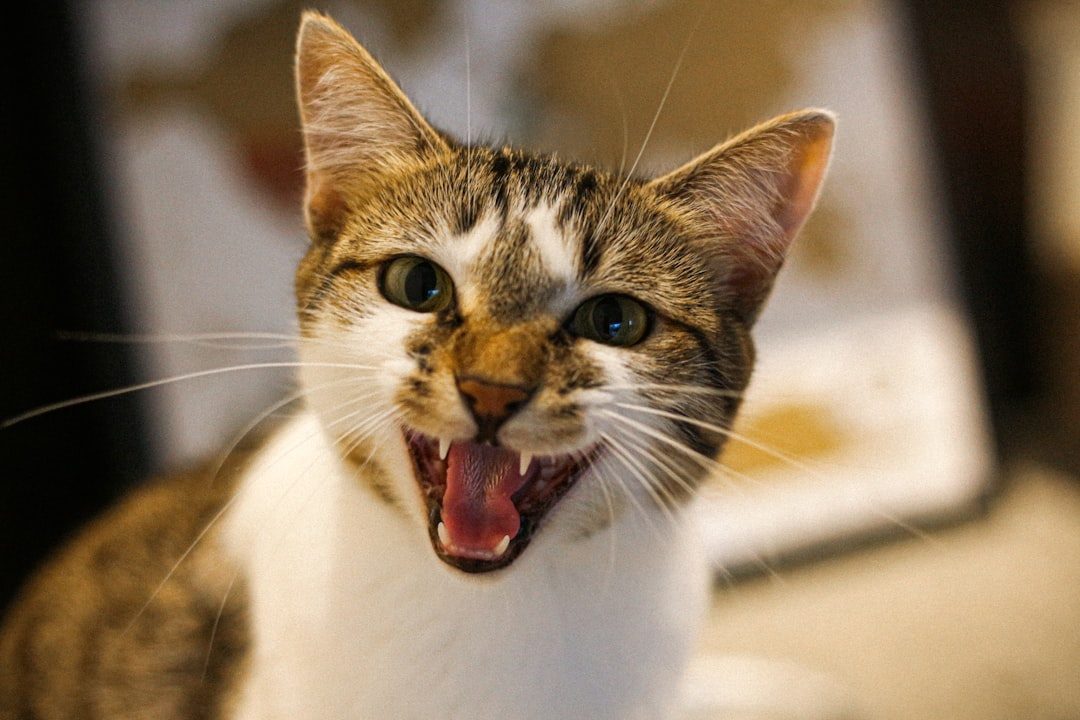
Cats learn specifically how their owners react when they make particular noises, so if the cat thinks they want to get their owner from another room, it works to vocalize through straightforward learning. Cats learn to mimic the sounds of their owners while walking around the house, sitting on the couch, or responding to other people in the house.
Your cat doesn’t just randomly meow at you. While kittens use meows to communicate with their moms, grown cats employ them solely to communicate with humans, also using hisses, growls, squeals, and other sounds to talk to each other. They’ve carefully studied which sounds get your attention and which ones prompt specific responses from you, creating a personalized communication system.
With approximately 16 distinct vocalizations, cats have various options for saying they want attention and food, giving them dozens of ways to communicate their wants and needs. The more vocal you are throughout your day, the more likely your cat is to develop a chatty personality to match yours.
Your Eating Habits and Food Preferences
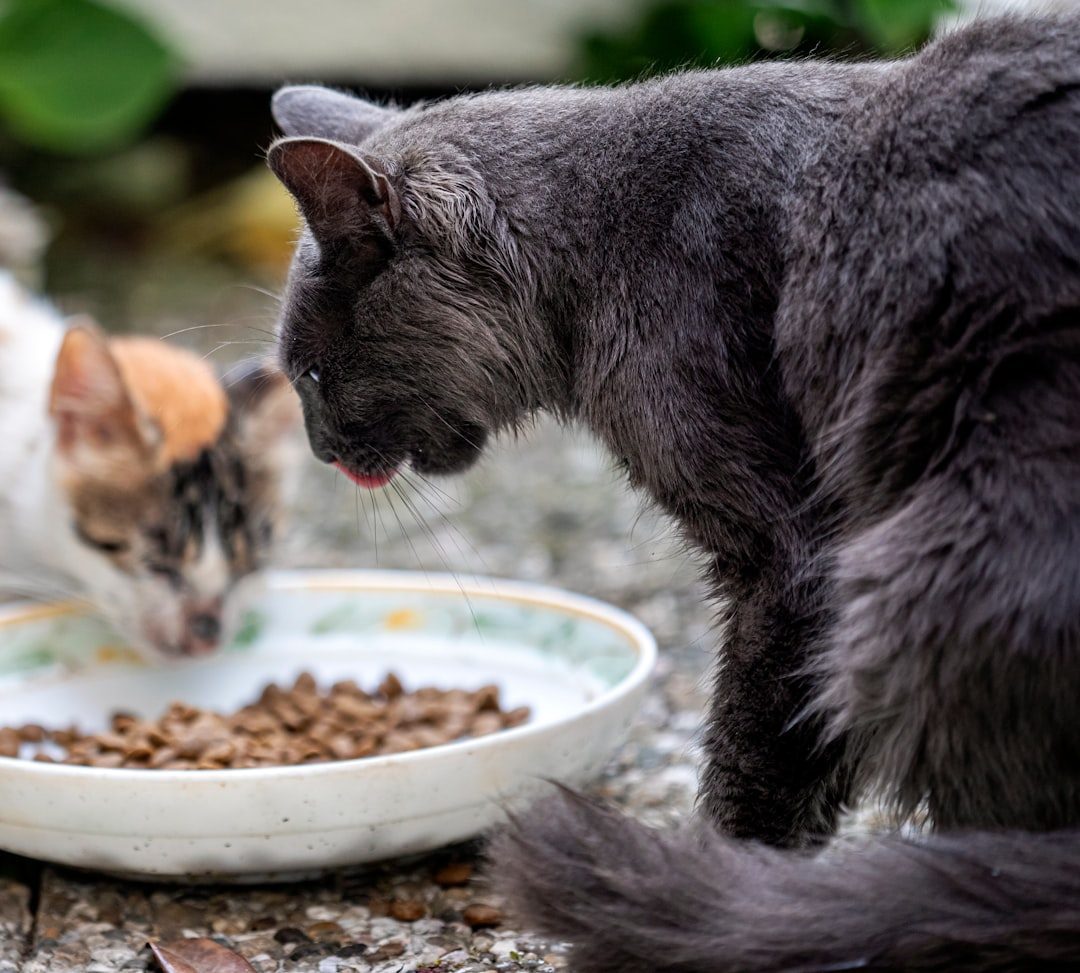
Cats seem to mimic the dietary habits of their owners, with food intake often associated with that of their owners, which might explain why both human and cat obesity rates often tend to match. This connection goes beyond just feeding times. Some owners have noticed that their cats will mimic their eating habits, such as if a person likes to eat small meals throughout the day, their cat may also graze on food rather than eating a large meal all at once.
Your approach to food directly influences your cat’s relationship with meals. If you’re someone who eats on a strict schedule, your cat learns to expect meals at regular times. Many cats follow their owners into the bathroom to use their litter box at the same time or follow them into the kitchen for a shared breakfast, and they might even make sounds when they get up or lie down, mimicking their owner’s morning routine.
Your Response to New Objects and Situations
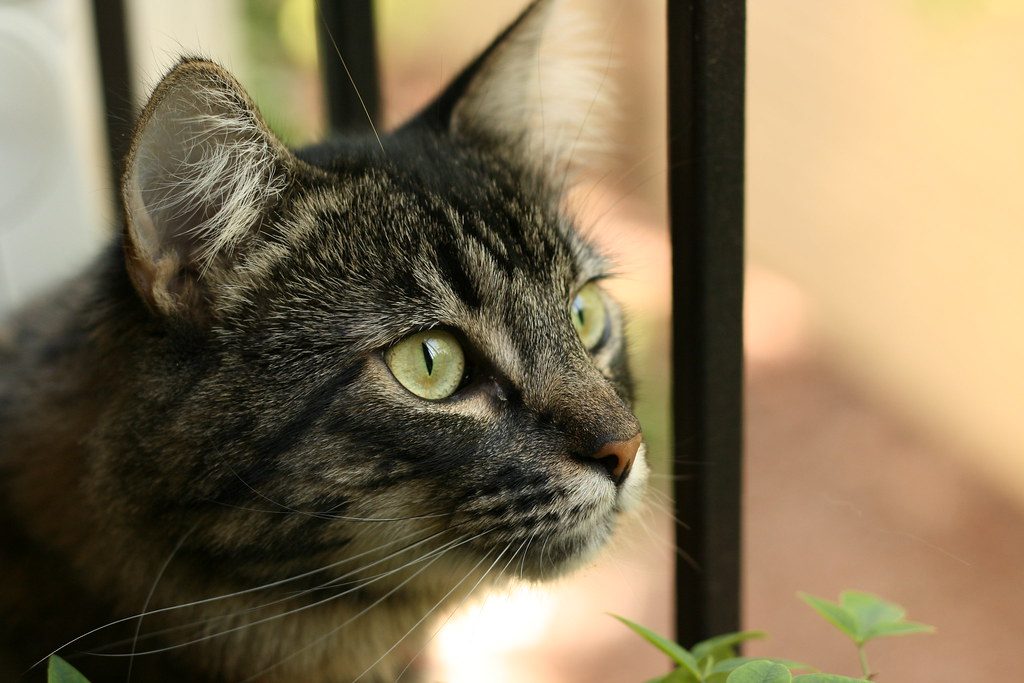
Studies show that cats react to their owners’ visual and vocal signals and adjust their behavior based on human emotions. Cats in the positive message group were more likely to move toward unfamiliar objects and less likely to look for an escape route, while cats whose owners appeared frightened or nervous were less likely to go near the object and appeared to search frantically for a way out.
When you encounter something new in your home, whether it’s furniture, appliances, or even visitors, your cat watches your reaction carefully before deciding how to respond. Your confidence or apprehension becomes their roadmap for navigating unfamiliar territory. This learned behavior can actually help or hinder your cat’s adaptability throughout their life.
How You Interact with Technology and Routine Tasks
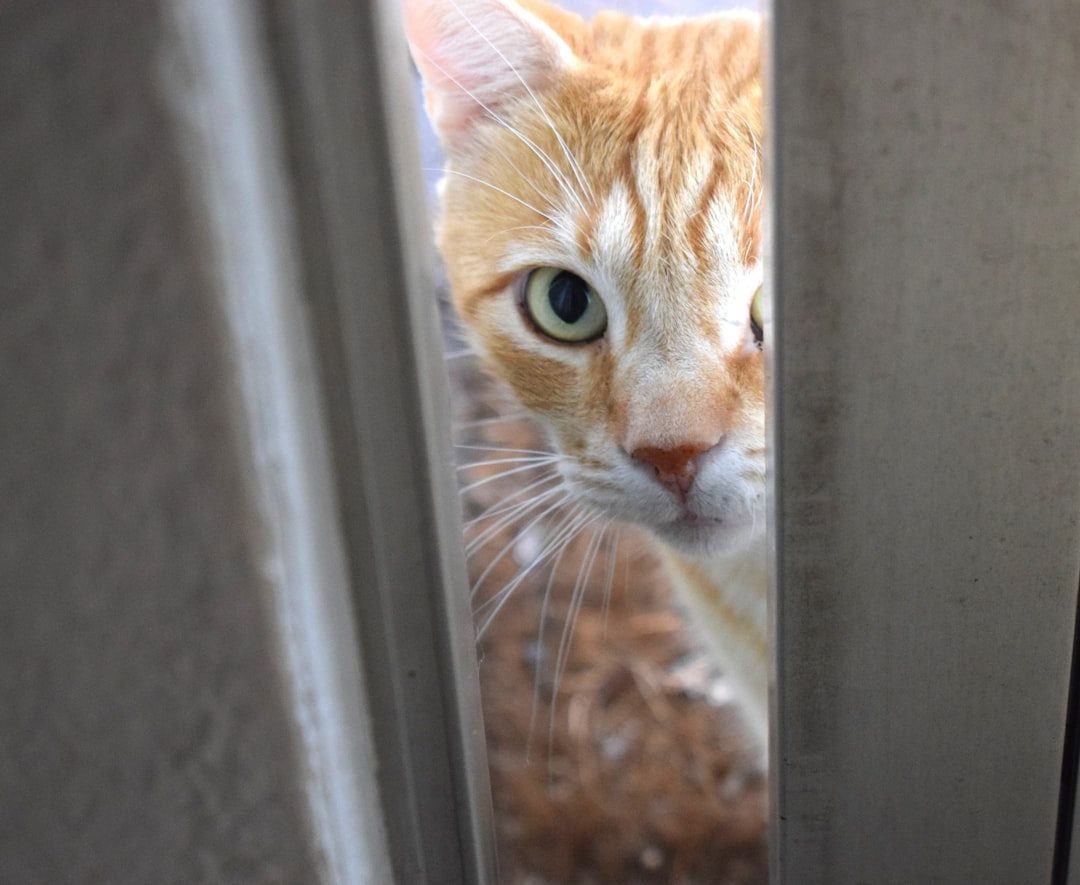
Cats are great observers who learn how to open a cabinet door that has been improperly closed, and they also know where their respective feeding and toileting areas are and use them wisely and on schedule. Cats watch and learn from us, noting the patterns of our actions, as evidenced by knowing where their food is kept and what time to expect to be fed, how to open cupboard doors and where their feeding areas are.
Your daily interactions with household items don’t go unnoticed. Cats are skilled at adapting to their environment and finding ways to access resources, and when cats observe humans carrying out specific actions like opening a can of cat food or turning on a faucet, they may mimic these behaviors to gain access to their desired resources. Some cats even learn to operate light switches, open doors, or use electronic devices by watching their humans.
Your Social Interactions and Relationship Dynamics
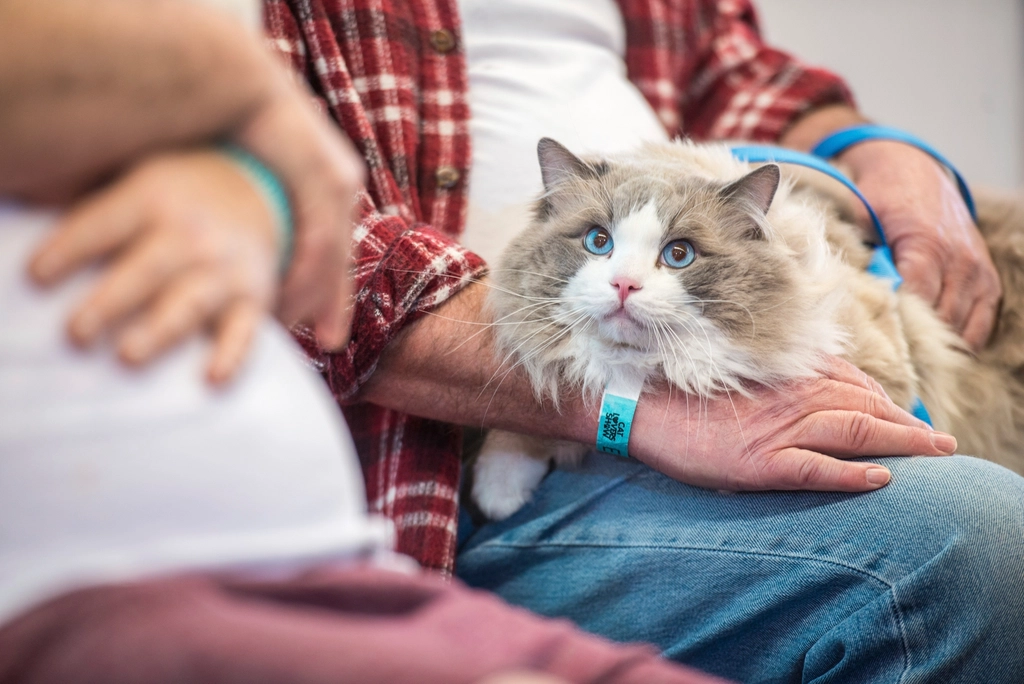
Cats are much smarter than we give them credit for, as they learn what works with what person and know if one member of the family is prone to get up early and give them treats. Your cat observes not just how you behave, but how different people in your household interact with each other and with them.
Cats have a strong bond with their human companions and are often influenced by their behavior, with mimicking being a way for cats to communicate and bond with their human companions. They learn who’s the softie who gives extra treats, who’s likely to play, and who provides the best cuddles. This social awareness helps them navigate family dynamics more effectively.
Your Grooming and Self-Care Routines
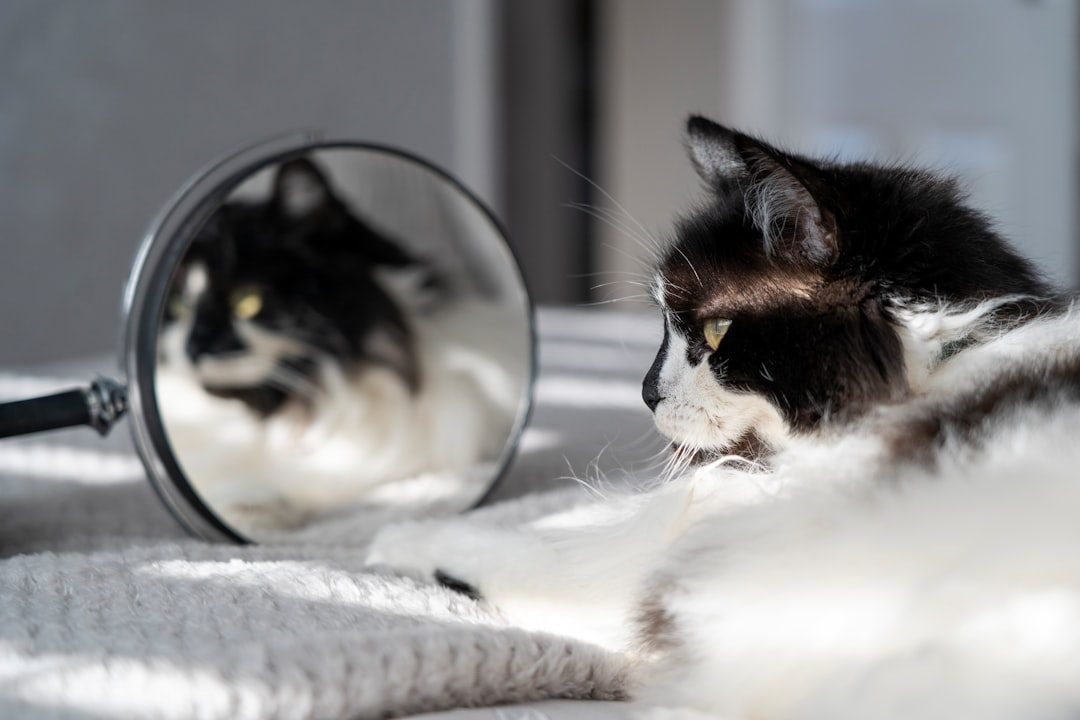
Just as your cat meticulously grooms themselves, they pay close attention to your personal care habits. Cats are experts at reading body language and some owners have noticed that their cats will mimic their body language, such as sitting in a similar position or mirroring their facial expressions. Some cats even develop behaviors that mirror their owner’s grooming routines.
If you spend time in front of the mirror each morning, your cat might start positioning themselves nearby during your routine. Imitating their owners is a sign cats feel comfortable with their humans, seeing them as someone to keep them safe and protect them like a parent would, and by mimicking the traits and habits of their owners, they’re showing they deeply care.
Your Emotional States and Mood Changes

Cats discriminate their owner’s emotional reaction toward an unfamiliar object and adjust their behavior accordingly, expressing more positive behaviors when their owner appears happy, whereas they display less positive behaviors in response to angry expressions and move more quickly looking for an exit when the owner reacts fearfully. Cats are sensitive to changes in physiological parameters like heart rate, breathing cues and blood pressure, and they’re highly attuned to schedules with even small alterations to daily routines being noted.
Studies show correlations between owner and cat personality traits, though the relationship is complex. Research suggests that if an owner is extroverted and loves being social, their cat may also show more social behaviors, and similarly, anxious owners may have cats that display more anxious behaviors, though the exact mechanisms are still being studied. Your emotional baseline becomes their emotional template for how to approach the world.
The depth of learning between you and your cat creates a unique partnership that goes far beyond simple pet ownership. Whether it’s copying sleeping habits, vocalizations, grooming behaviors, or emotional states, cats have a unique ability to mirror their owner’s behavior as a way of connecting and communicating. Understanding this dynamic helps you recognize the profound responsibility you have in shaping your cat’s behavior and emotional wellbeing. What aspects of your daily routine do you think your cat has picked up on? Share your observations in the comments below!