Have you ever locked eyes with your cat only to wonder what secret message they might be sending? Those mysterious feline gazes carry far more meaning than most people realize. Your cat’s eyes serve as powerful communication tools, revealing everything from deep affection to territorial warnings through subtle shifts in expression and blinking patterns.
Scientists have recently confirmed what cat lovers have suspected for years. The slow blink sequence, involving half-blinks followed by prolonged eye narrowing, is a genuine form of cat-to-human communication that signals trust and positive emotions. Understanding these visual cues can transform your relationship with your feline companion, opening new channels of connection you never knew existed. So let’s dive into the fascinating world of feline eye language and discover what your cat has been trying to tell you all along.
The Direct Stare: When Your Cat Means Business
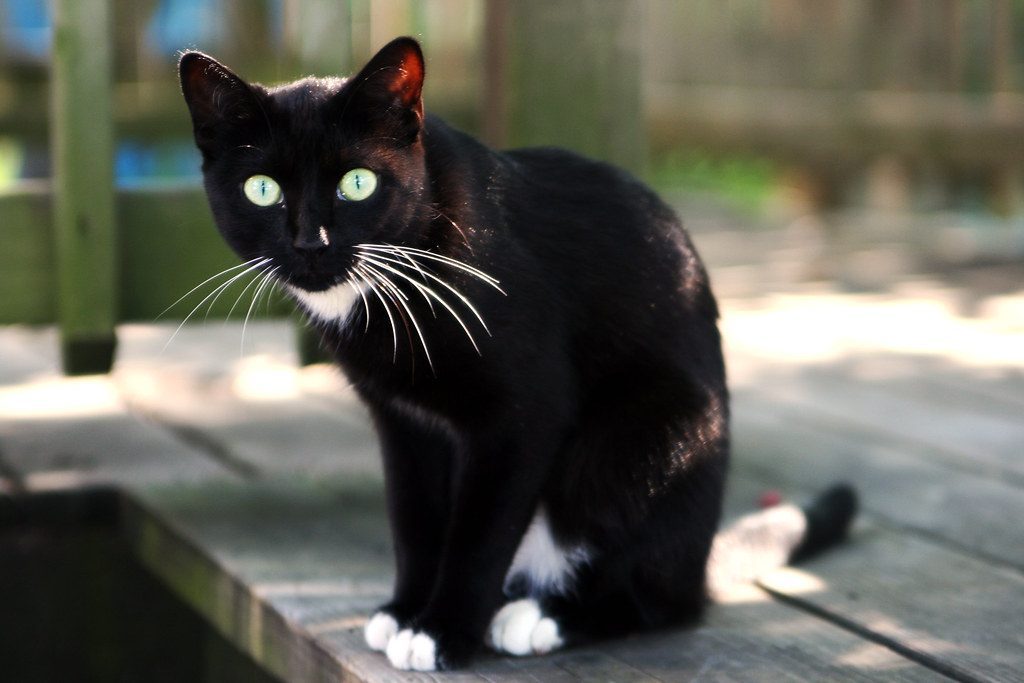
A direct stare in feline communication is threatening and confrontational, often associated with asserting dominance, feeling threatened, or preparing to pounce. When your cat fixes you with an unblinking, intense gaze, they’re sending a clear message that shouldn’t be ignored.
When cats notice another cat staring at them, they both stop everything and begin a staring match where if one blinks, it signals they’ve given in, and the one staring is deemed dominant. This same principle applies to human-cat interactions. A hard, unblinking stare often serves as a warning when cats feel threatened or frustrated, typically paired with flattened ears or stiff posture.
However, context matters immensely here. Cats can also stare at you because they find what you’re doing interesting or they think they might get a treat. The key difference lies in accompanying body language and the intensity of the gaze.
The Slow Blink: Your Cat’s “I Love You”
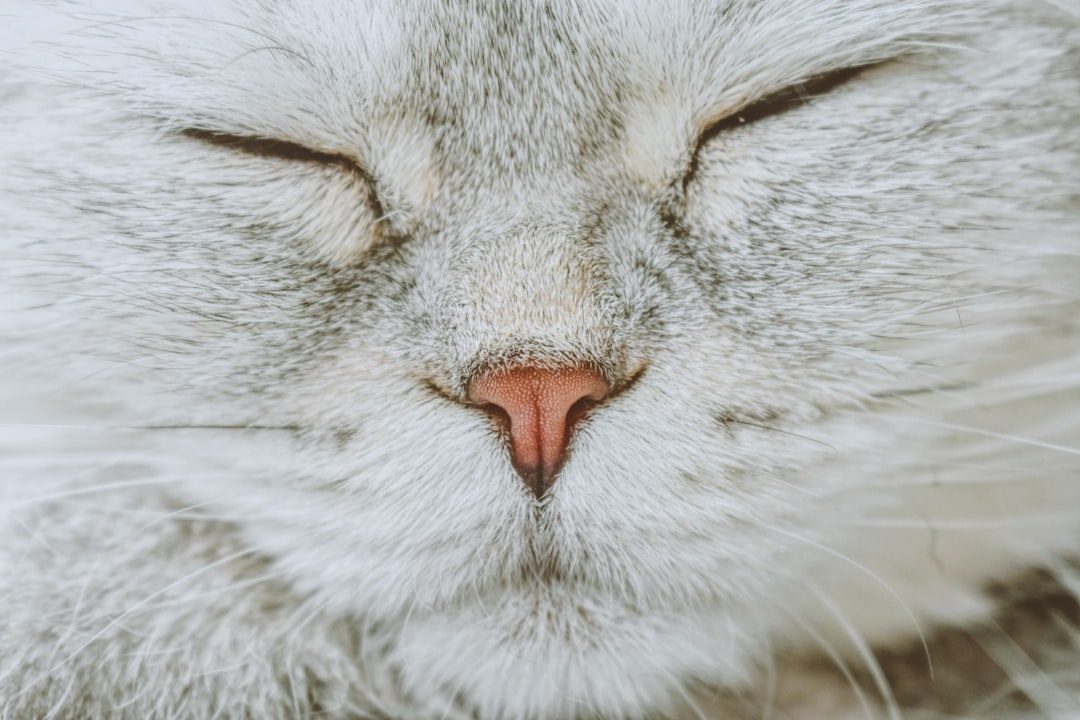
The slow blink, often called a “kitty kiss,” is a deliberate, gentle closing of the eyes that expresses trust, contentment, and affection. This behavior represents one of the most beautiful forms of feline communication you’ll witness.
The slow blink requires your cat’s eyes to be almost fully closed for longer periods, and by performing this behavior, your cat is trusting that you will keep him safe while he’s vulnerable. A cat worried about a threat won’t close their eyes in the face of that threat, even briefly, as this would make them vulnerable to attack.
Research reveals that cats perform half-blinks and eye narrowing more frequently in response to owners’ slow blink stimuli, and they show a higher propensity to approach experimenters after slow blink interactions. When your cat offers you a slow blink, they’re essentially saying they feel completely secure in your presence.
Wide-Open Eyes: The Alert and Trusting Gaze
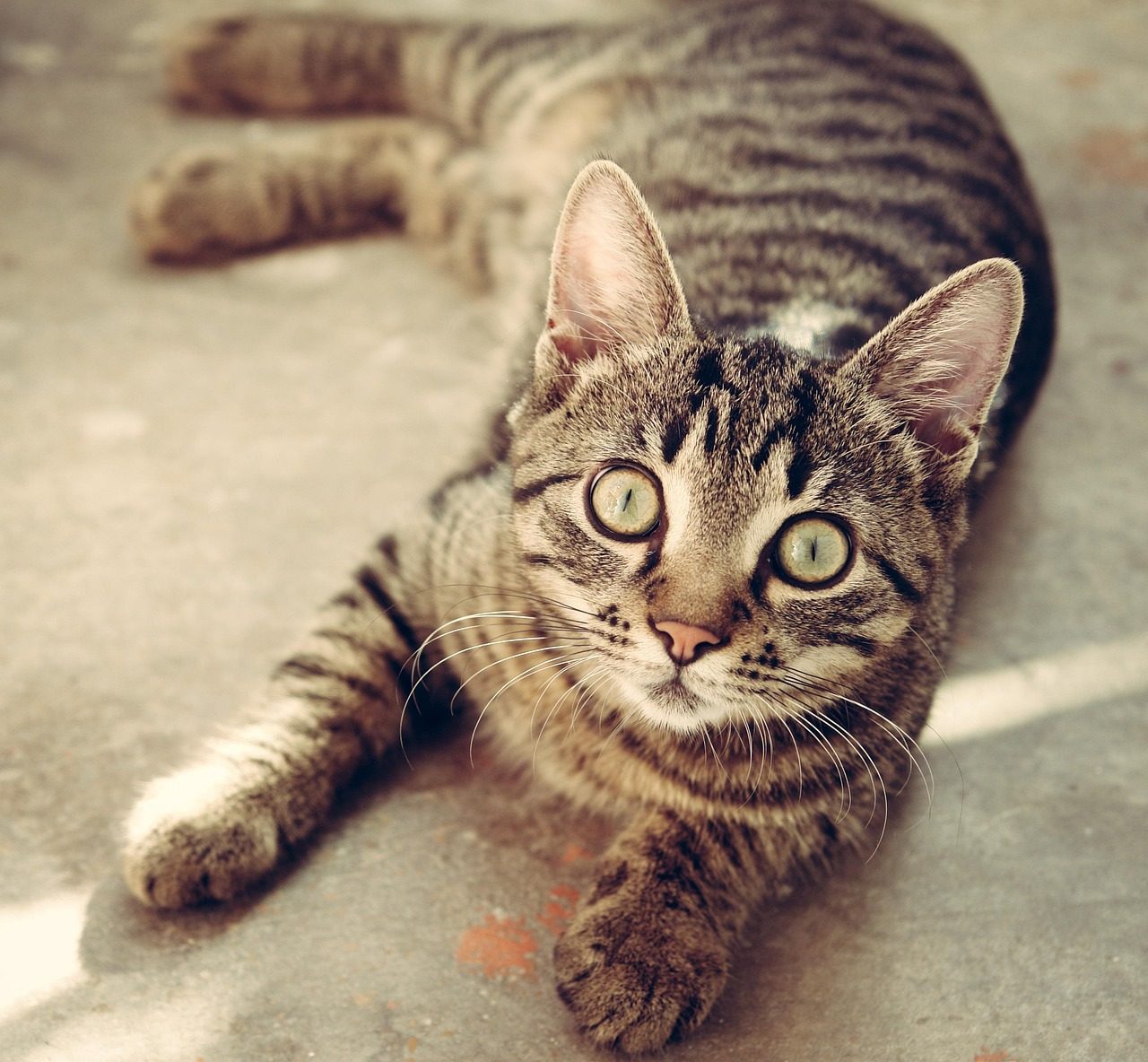
Alert, wide-open eyes with pupils at normal dilation signal trust, often accompanied by squinty eyelids, soft brows, and the cat offering cheek rubs as a sign of love and trust. This expression indicates your cat feels completely comfortable yet attentive in their environment.
Cats open their eyes wide when they are alert and assessing their surroundings, and exposing wide-open eyes to potential injury can be a sign of trust. Think of it as your cat’s way of showing they’re present and engaged without feeling threatened.
This gaze often appears during positive interactions like playtime preparation or when your cat is genuinely interested in something happening around them. The wide-eyed look suggests curiosity combined with confidence rather than fear or aggression.
The Half-Closed Squint: Contentment and Relaxation
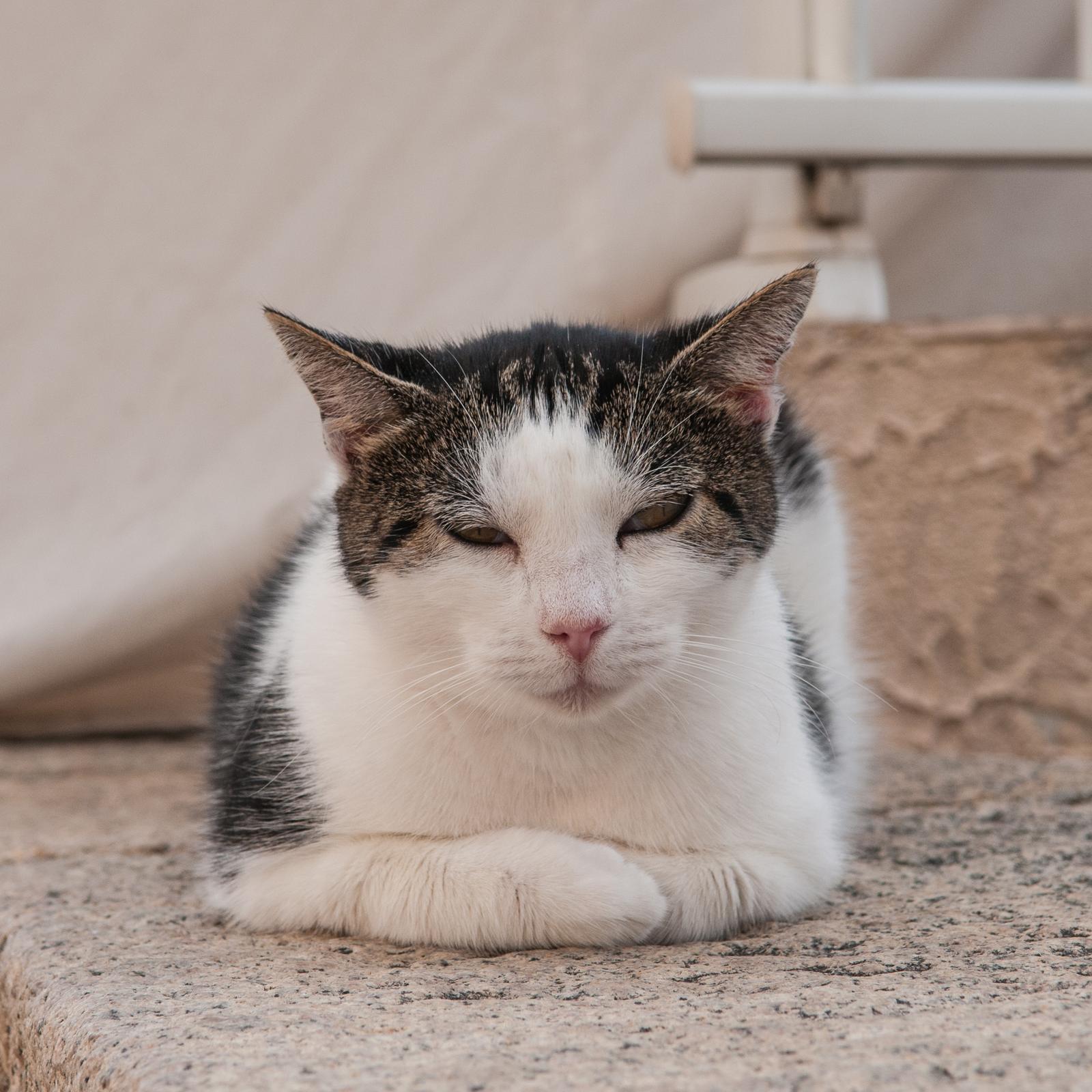
Half-closed or drooping eyes convey relaxation and friendliness, with slow blinking being a sign of trust and comfort that can be reinforced when you reciprocate the gesture. This dreamy expression often appears when cats are in their most peaceful state.
The eyes with lids partially closed have a sleepy, dreamy appearance, as if cats are in a state of bliss. You’ll frequently see this expression when your cat is being petted in their favorite spots or when they’re settling down for a nap in a sunny windowsill.
This gaze represents pure contentment. Your cat isn’t just tolerating your presence; they’re actively enjoying it and feeling completely at ease. It’s their way of showing that everything in their world is exactly as it should be.
Dilated Pupils: The Emotional Intensity Signal
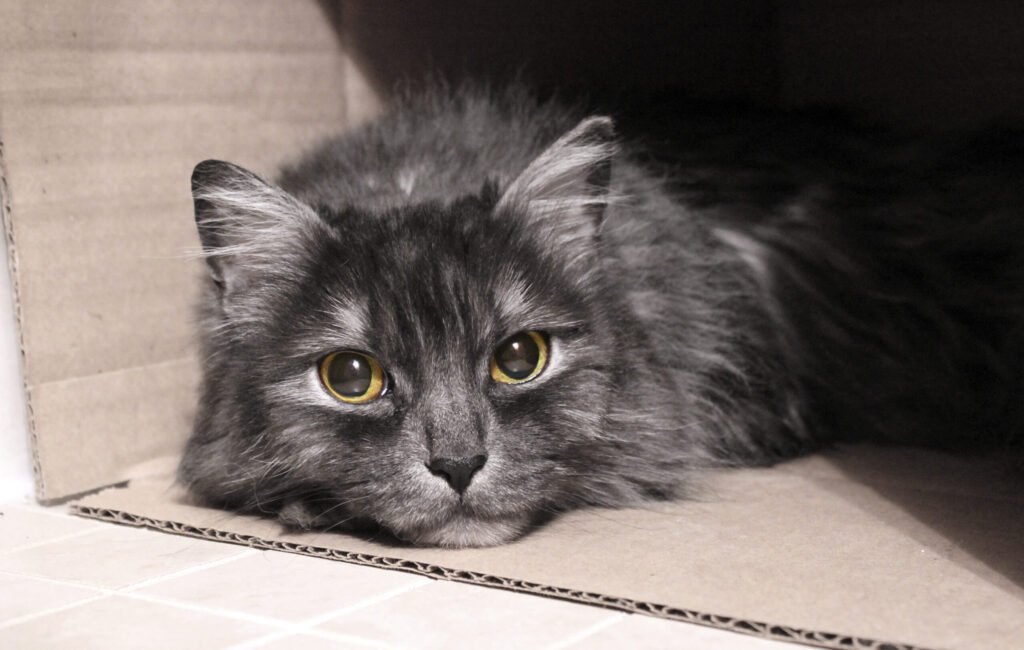
When a cat’s pupils are dilated with a large black center, the message is that the cat is stimulated, which could mean stimulated to play or stimulated in fear or aggression. Pupil dilation serves as an emotional amplifier, intensifying whatever your cat is experiencing.
Dilated pupils can point to excitement or fear, with context being crucial in determining the specific trigger, as pupils dilate when a cat is excited or afraid because their brain is saying ‘get more information’ from the environment. When cats feel fearful or anxious, their autonomic nervous system triggers a fight-or-flight response that causes pupil dilation, helping them take in more light and stay vigilant to potential threats.
During playful or exciting moments, cats’ pupils might dilate as a sign of their heightened interest. The key to interpretation lies in observing your cat’s overall body language and the current situation to determine whether this signals positive excitement or stress.
Constricted Pupils: Focus and Potential Aggression
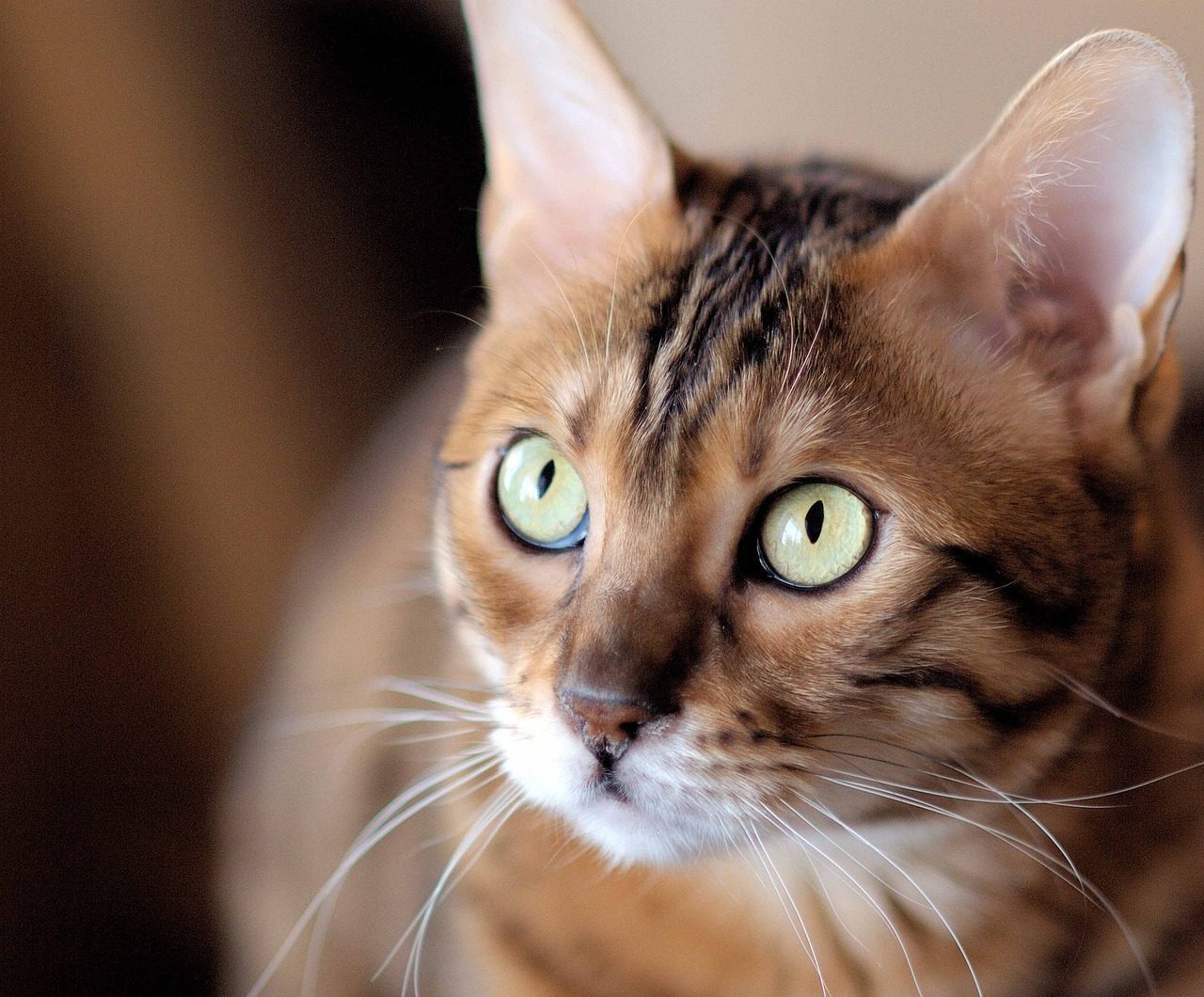
Constricted pupils could indicate aggression, high play arousal, or simply be a response to bright light. When your cat’s pupils narrow to thin slits outside of bright lighting conditions, pay careful attention to their body language.
If a cat’s pupils become thin slits when they’re not in a bright environment, they’re generally angry or ready to attack. This expression often appears during territorial disputes or when your cat feels the need to assert dominance.
An offensively aggressive cat’s pupils may be slits or dilated, showing that constricted pupils can be just as warning-worthy as dilated ones. The narrow-eyed look suggests your cat is highly focused and potentially preparing for confrontation.
The Unequal Pupil Size: When Something’s Not Right
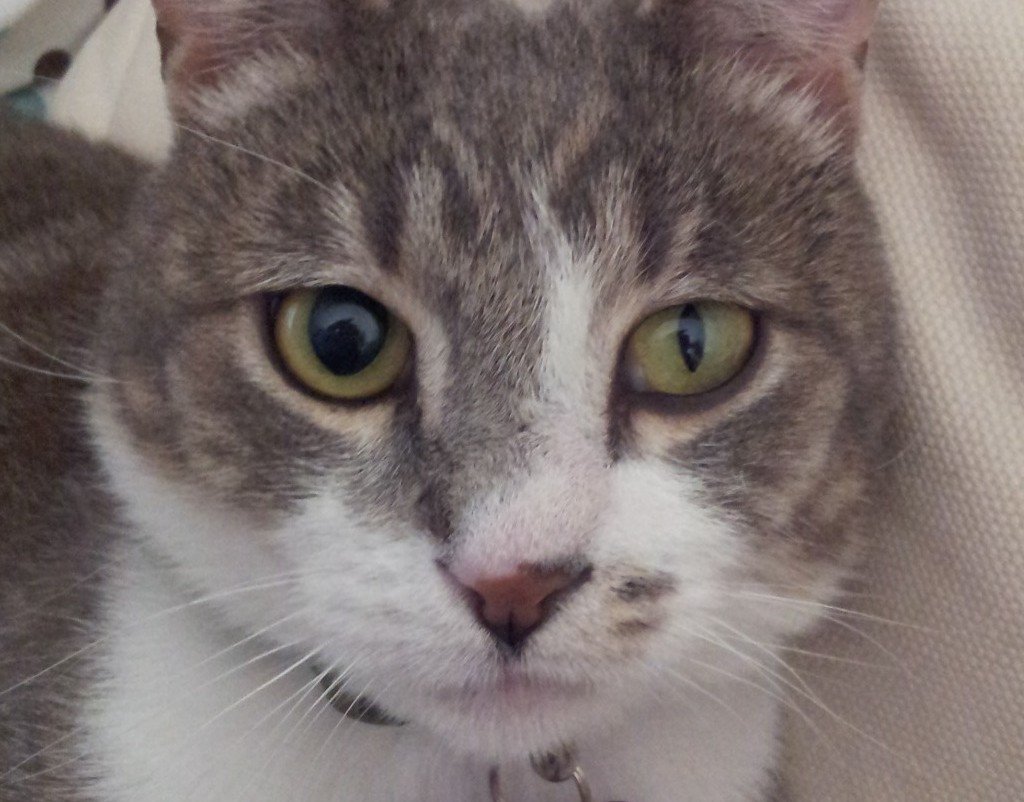
Anisocoria is when the cat has uneven pupils where one pupil is more dilated than the other, which can result from corneal ulcers and glaucoma. This condition requires immediate veterinary attention as it often signals underlying health issues.
Unequal pupil sizes can indicate potential health issues, and it’s recommended to consult a veterinarian for professional evaluation to rule out underlying medical conditions. If you notice one of your cat’s pupils is dilated and the other isn’t, contact your vet right away, as emergency veterinary care may help prevent or delay blindness.
Never ignore this symptom, even if your cat seems otherwise healthy. Anisocoria can indicate serious conditions including neurological problems, eye injuries, or systemic diseases that require prompt medical intervention.
The First “I Love You” Blink: The Classic Slow Close
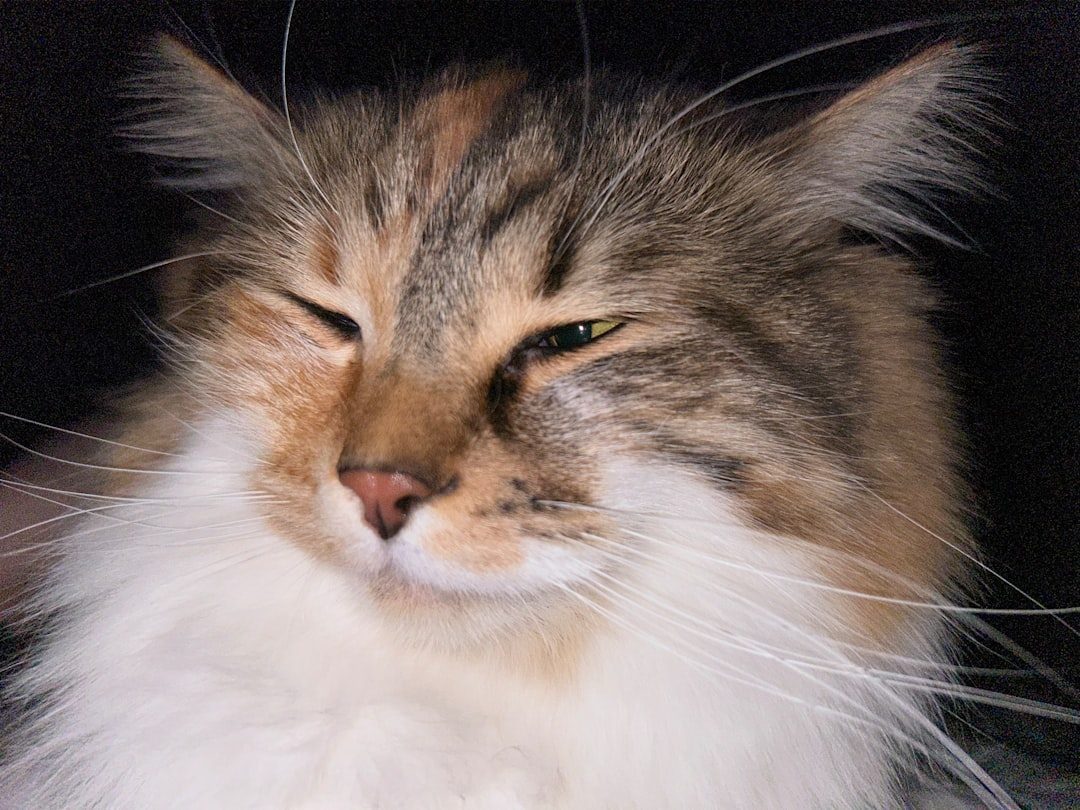
Slow blink sequences typically involve a series of half-blinks followed by either a prolonged eye narrow or an eye closure. This is the most recognized form of feline affection, often called the quintessential cat kiss.
Cat slow blinking is characterized by deliberately slow, deliberate eye movements that involve partially or completely closing the eyelids at a notably slow pace, typically lasting more than half a second. When your cat performs this gesture, they’re making themselves vulnerable while trusting in your protection.
This blink often occurs during quiet moments when you’re simply existing together. Your cat might be lying nearby, catch your eye, and offer this tender gesture as a way of acknowledging your bond.
The Second “I Love You” Blink: The Repeated Flutter
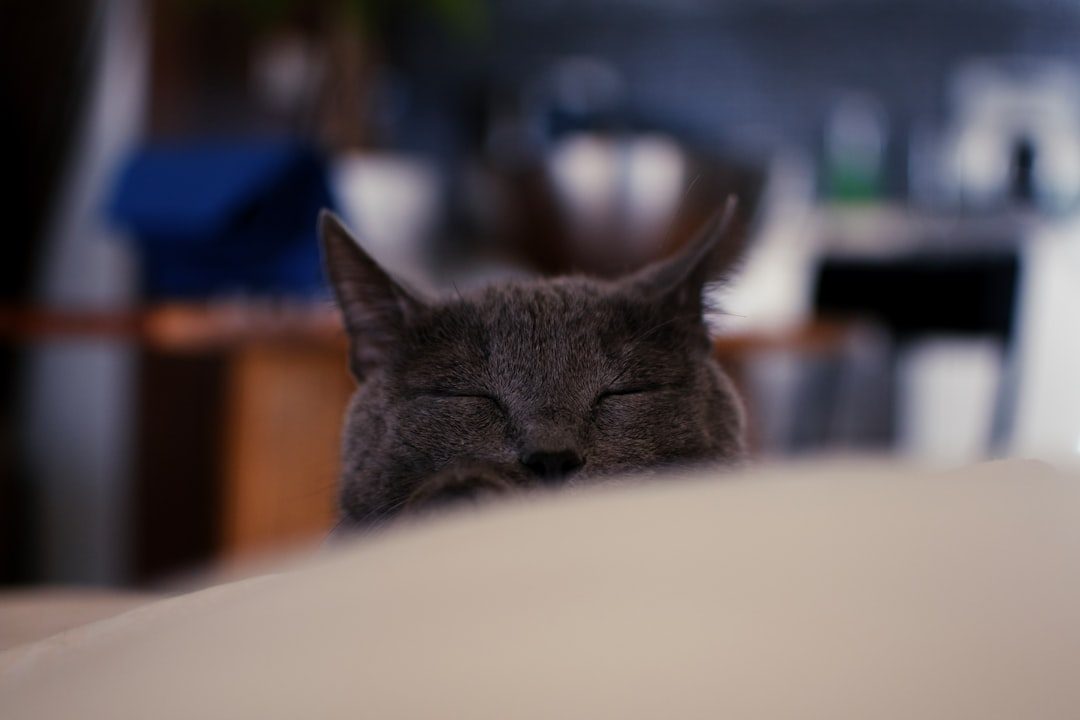
When cats slowly blink, their eyes will be relaxed and they may flutter their eyelids repeatedly, with the movement being leisurely and involving repeated half-blinks before narrowing or fully closing their eyes. This variation adds a rhythmic quality to the love message.
The flutter blink demonstrates your cat’s complete comfort level with you. Unlike the single slow blink, this repeated pattern shows sustained affection rather than just a momentary acknowledgment. It’s like receiving multiple kisses instead of just one.
You’ll often see this during petting sessions when your cat is purring contentedly. The rhythmic blinking pattern matches their relaxed breathing and creates a hypnotic display of trust and affection.
The Third “I Love You” Blink: The One-Eyed Wink
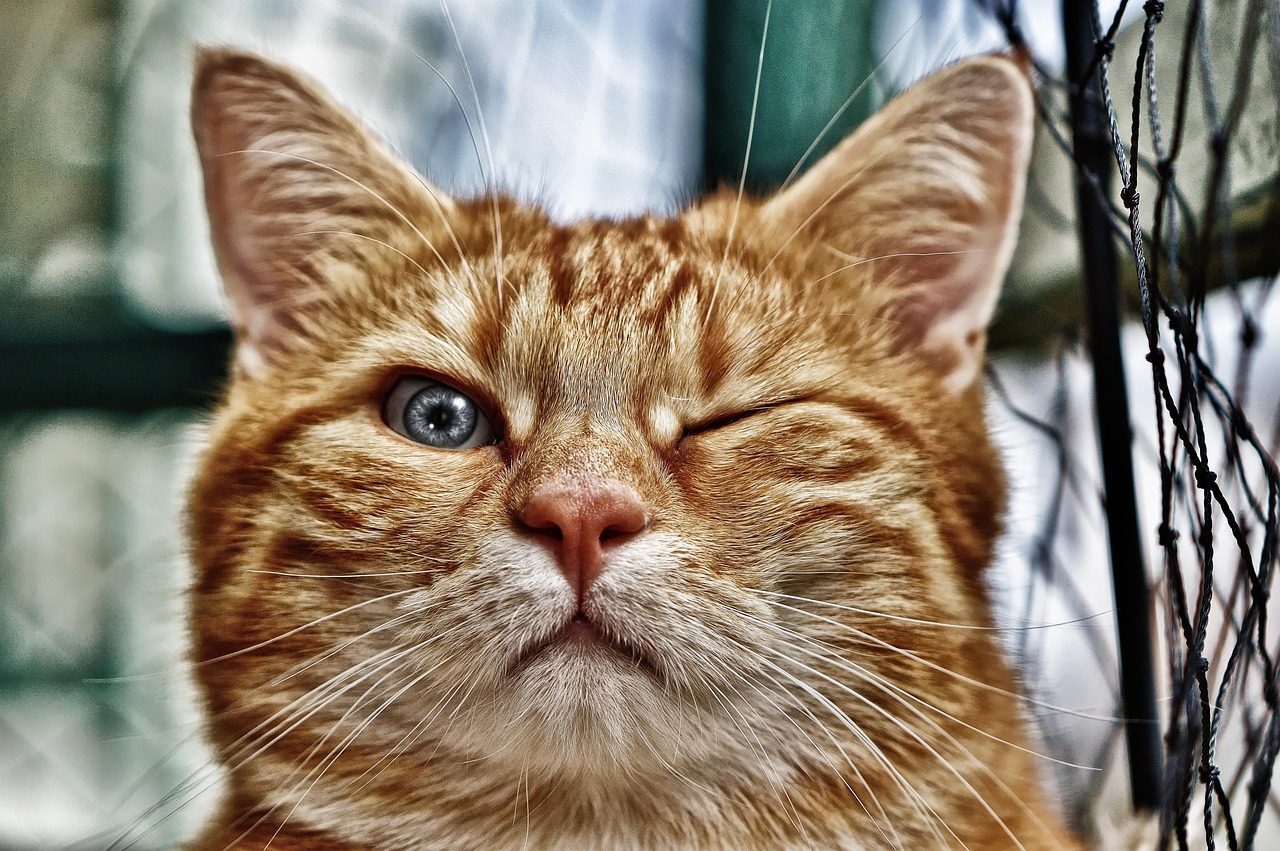
Cats may perform a slow blink in one eye at a time, which might look like your kitty has something in their eye but isn’t likely the case unless you notice other signs of discomfort. This playful variation adds personality to their communication.
The one-eyed wink often appears more casual than the dramatic bilateral slow blink. It’s your cat’s way of being subtly affectionate without making a big show of it. Think of it as their version of a knowing wink between friends.
This gesture frequently occurs during everyday activities when your cat wants to acknowledge your presence without interrupting what they’re doing. It’s a sweet “hello” that doesn’t require full attention.
The Fourth “I Love You” Blink: The Sleepy Gaze
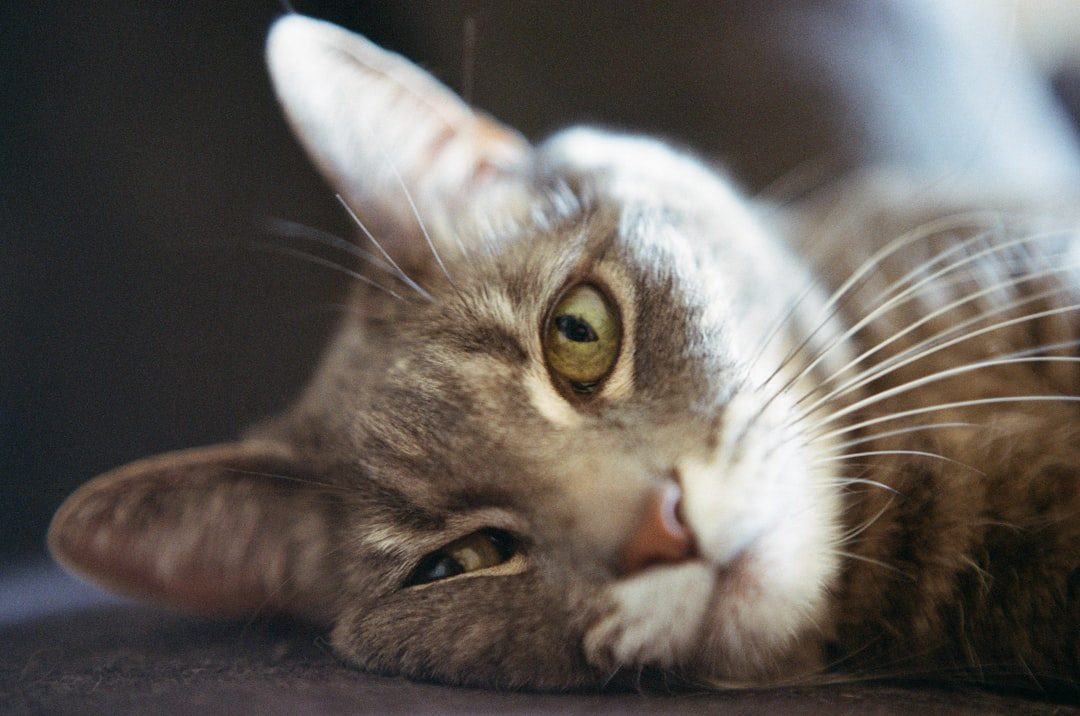
A series of slow blinks could indicate sleepiness, but when combined with relaxed body language, it becomes a tender expression of comfort and safety. This drowsy version of the love blink shows ultimate trust.
When your cat is getting sleepy in your presence and offers these languid blinks, they’re essentially saying you make them feel so secure that they’re willing to drift off to sleep. This represents the highest compliment a naturally vigilant predator can offer.
These sleepy love blinks often occur during evening bonding sessions or when your cat is settling down for a nap near you. The message is clear: your presence equals peace and safety.
The Fifth “I Love You” Blink: The Greeting Blink
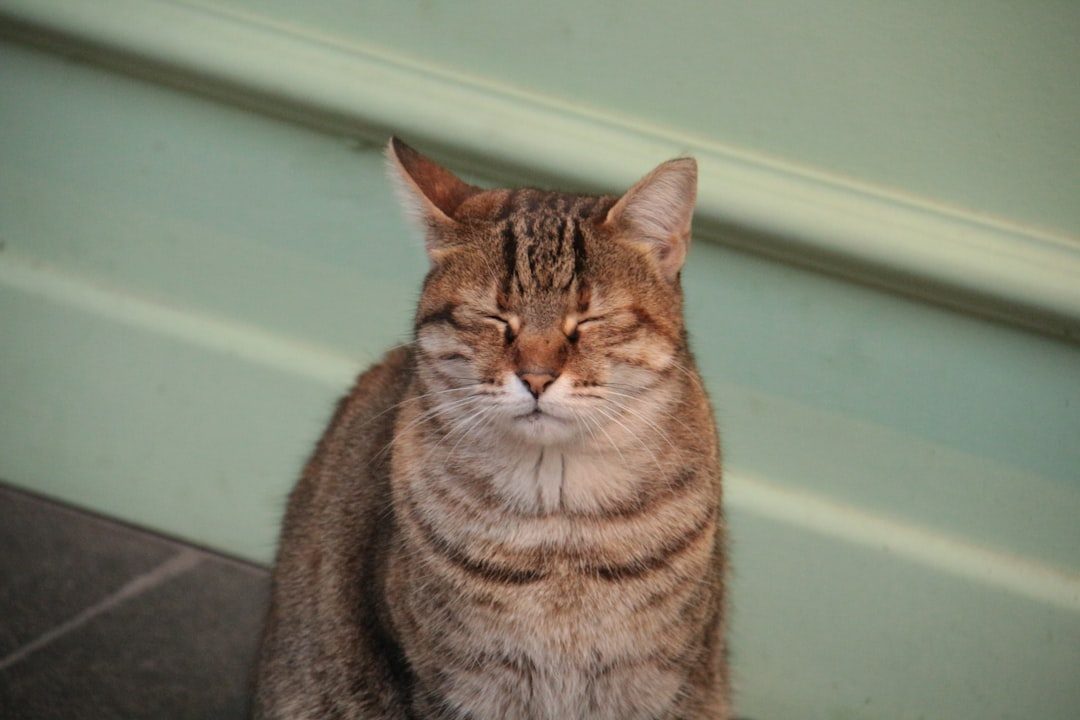
When a cat offers a slow wink or blink as a greeting, this is a sign of affection that some owners have called the equivalent of a kiss in kitty language, and you can try blinking back to communicate that you are not a threat and they can trust you. This welcoming gesture sets a positive tone for interaction.
The greeting blink typically happens when you first make eye contact after being apart, even if only for a few hours. It’s your cat’s way of saying they’re happy to see you and re-establishing your emotional connection.
You can use slow blinking to communicate with your cat by making soft eye contact, then slowly closing and opening your eyes, as this gentle gesture can help build trust and strengthen your relationship. The greeting blink invites reciprocation and mutual acknowledgment of your bond.
Conclusion
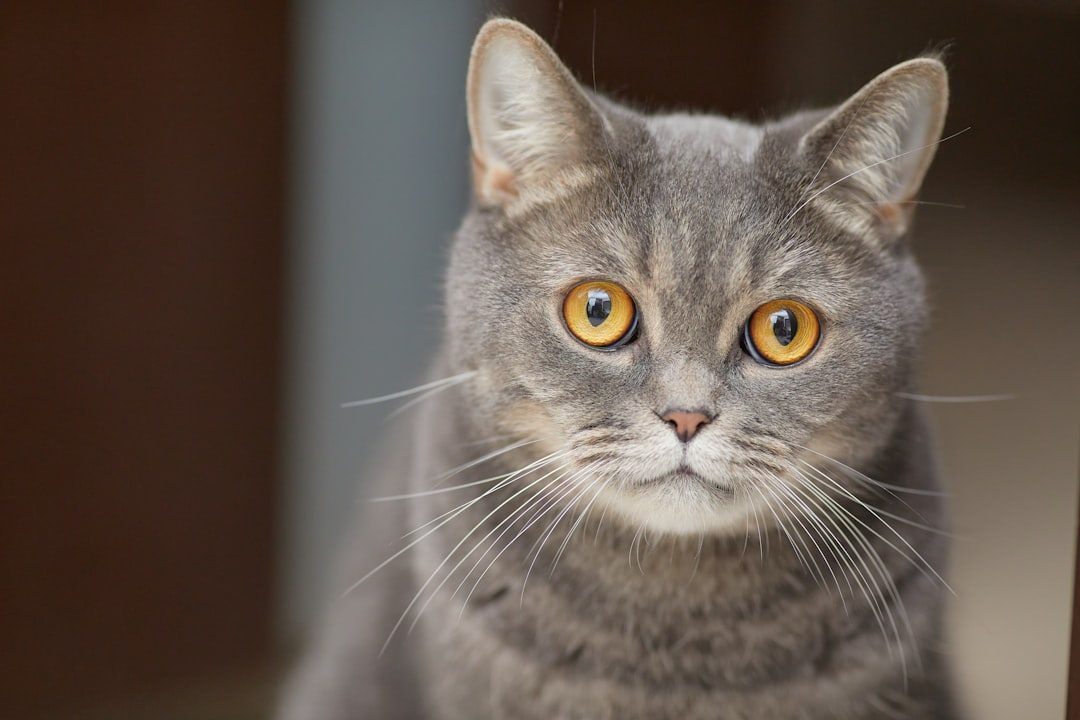
Your cat’s eyes offer a window into their complex emotional world, revealing feelings that extend far beyond simple needs for food or attention. Cats share some of the same features of positive signalling found in a wide range of animals, including humans, making eye communication a universal language of trust and affection.
Learning to read these subtle visual cues transforms ordinary moments into meaningful exchanges. Whether your cat is offering a slow blink of love, signaling alertness with wide eyes, or warning you with an intense stare, each gaze carries purpose and emotion. The five types of loving blinks especially demonstrate the depth of feline affection when you know how to recognize them.
Next time your cat catches your eye, take a moment to truly observe what they’re telling you. Try offering a slow blink in return and watch how they respond. What messages do you think your cat has been sending that you might have missed? Share your experiences in the comments below.