If you’ve ever wondered whether your feline companion truly understands your emotions, you’re about to discover just how remarkably connected cats are to their humans. Your furry friend isn’t just adorable company – they’re a sophisticated emotional support system with scientific benefits that might surprise you. Interacting with cats triggers the release of hormones in humans such as serotonin, dopamine and oxytocin. These are often associated with good, positive feelings.
While your cat is busy helping you unwind from daily stress, they’re also incredibly perceptive about your emotional state. Cats are able to determine when their humans are anxious or stressed. Apart from this, they can also mirror their human’s emotions and well-being. This creates a fascinating two-way street where understanding both sides can strengthen your bond and create a healthier home for everyone.
Your Cat’s Healing Purr Creates Therapeutic Vibrations
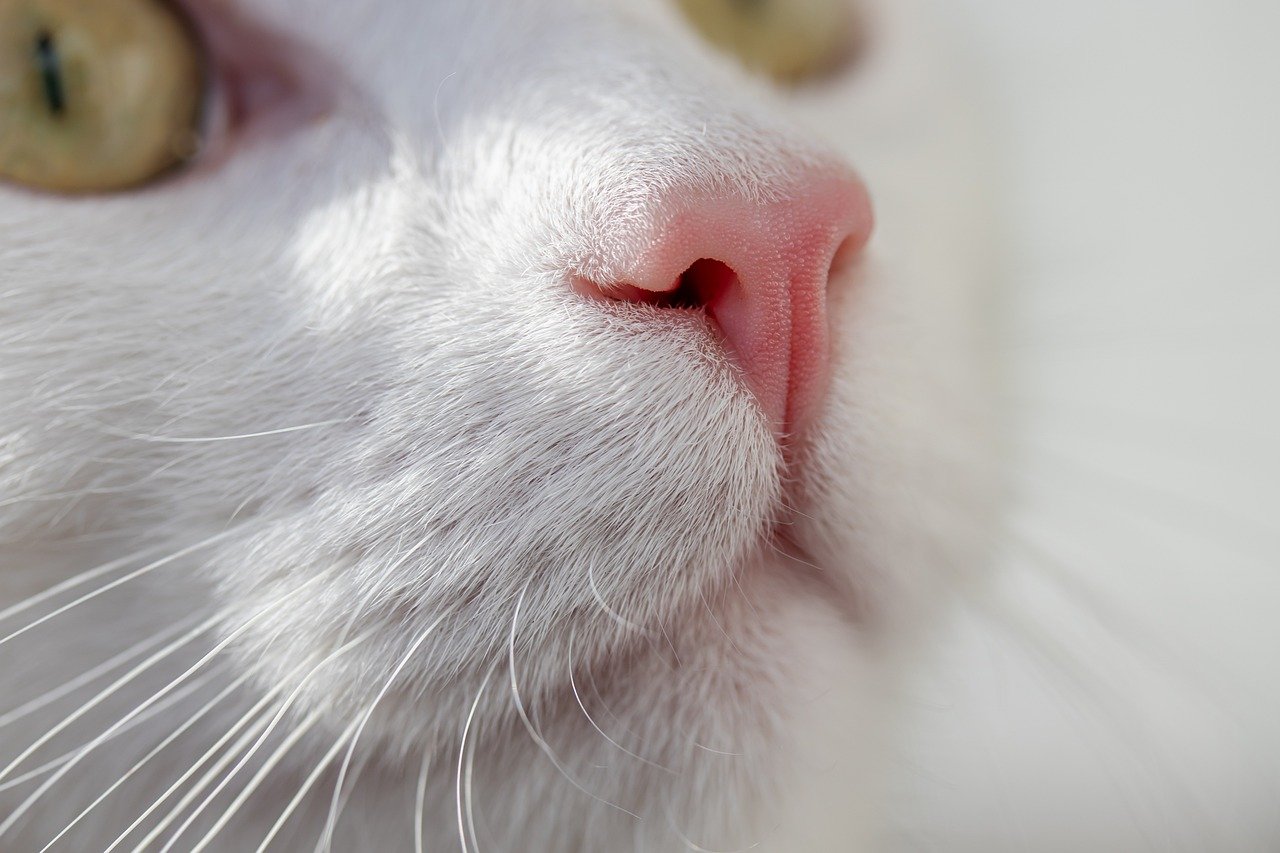
The sound that makes you instantly melt has actual healing properties. The frequency of a cat’s purr, somewhere between 25 and 150 Hertz, falls within the same range as vibrational and electrical frequencies used in therapeutic or clinical settings to treat pain, swelling, wounds, and other injuries. When your cat curls up on your chest and starts their rumbling engine, you’re receiving a form of natural sound therapy.
It’s believed that cats purr to calm and soothe themselves, and that calming effect can be passed along to humans. This means every lap session becomes a mini healing session for both of you. The therapeutic frequencies may help lower your heart rate and blood pressure while you simply enjoy the cozy moment with your furry companion.
Petting Your Cat Reduces Cortisol Within Minutes
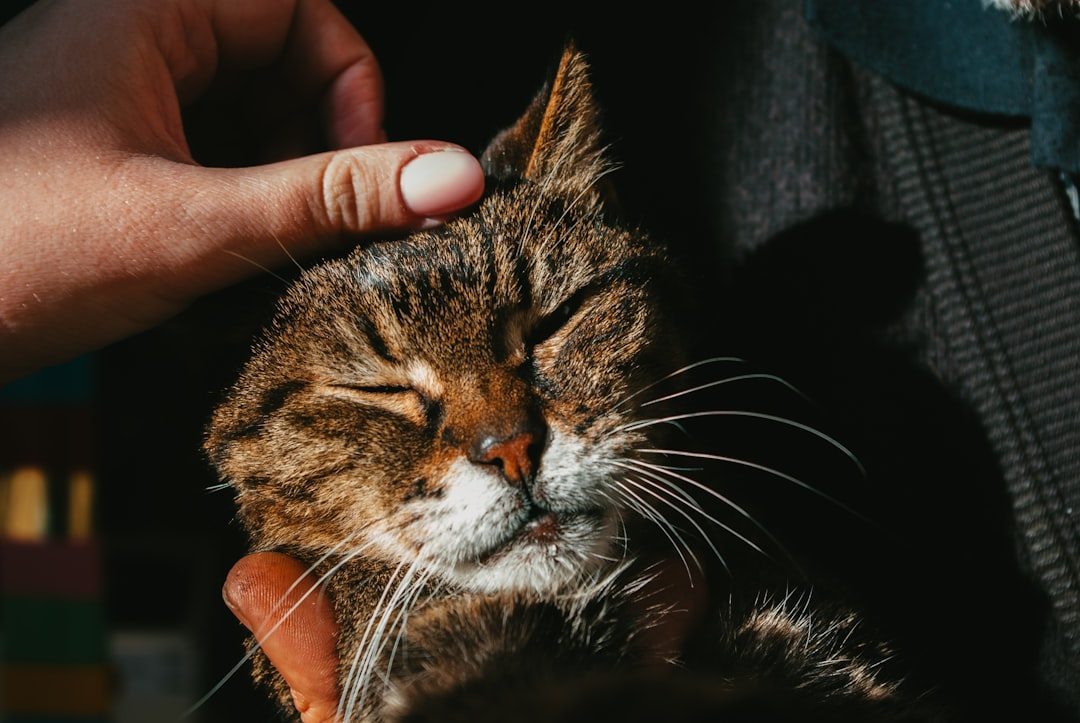
In a study, college students who spent as little as 10 minutes per day petting a cat experienced decreased levels of cortisol, the hormone associated with stress. This hormone reduction happens remarkably quickly, making your cat an incredibly efficient stress-relief tool. Even university programs now recognize this benefit, with many schools incorporating pet therapy sessions during stressful periods like finals week.
A Washington State University study found that petting or cuddling with a cat for just 10 minutes can relieve stress and improve students’ moods. The tactile connection creates an immediate biochemical response that helps your nervous system shift into a more relaxed state, proving that those stolen moments of cat cuddles are actually investment in your mental health.
Their Presence Lowers Your Heart Rate and Blood Pressure
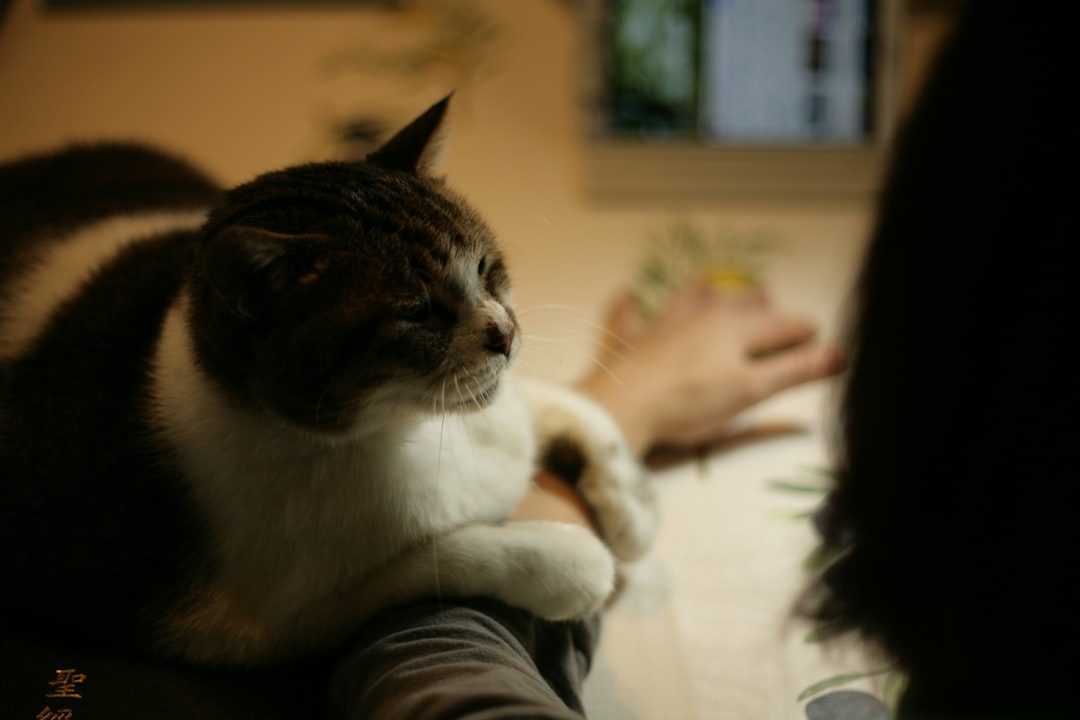
Even spending just 10 minutes interacting with a cat can reduce heart rate and blood pressure. This positive effect increases if you’ve owned your cat for more than 2 years. The longer relationship you build with your cat, the more pronounced these cardiovascular benefits become, creating a compound effect of wellness over time.
Before the stressful tasks began, the cat owners had a lower resting heart rate and blood pressure than people who didn’t own any pets. This suggests that living with a cat creates baseline health improvements that extend beyond just the moments when you’re actively interacting. Your furry roommate is essentially providing round-the-clock cardiovascular support just by existing in your space.
Cats Provide Distraction from Anxiety and Negative Thoughts

Another reason our cats are great at helping us through depression and anxiety is probably their ability to distract us. When dealing with mental health issues, such as anxiety or depression, one of the more important things you can do on bad days is to distract yourself from negative thoughts or behaviors. And what’s more distracting than a cute, cuddly kitty that wants to snuggle and play?
Your cat’s natural behaviors – from their amusing antics to their demand for attention at the perfect moment – create healthy interruptions to spiraling thoughts. Holding, petting, snuggling, or just sitting together with our cats can significantly reduce feelings of anxiety simply by offering a distraction from our overbearing thoughts, even if just for a moment. Sometimes the simplest intervention is the most effective one.
They Combat Loneliness with Constant Companionship
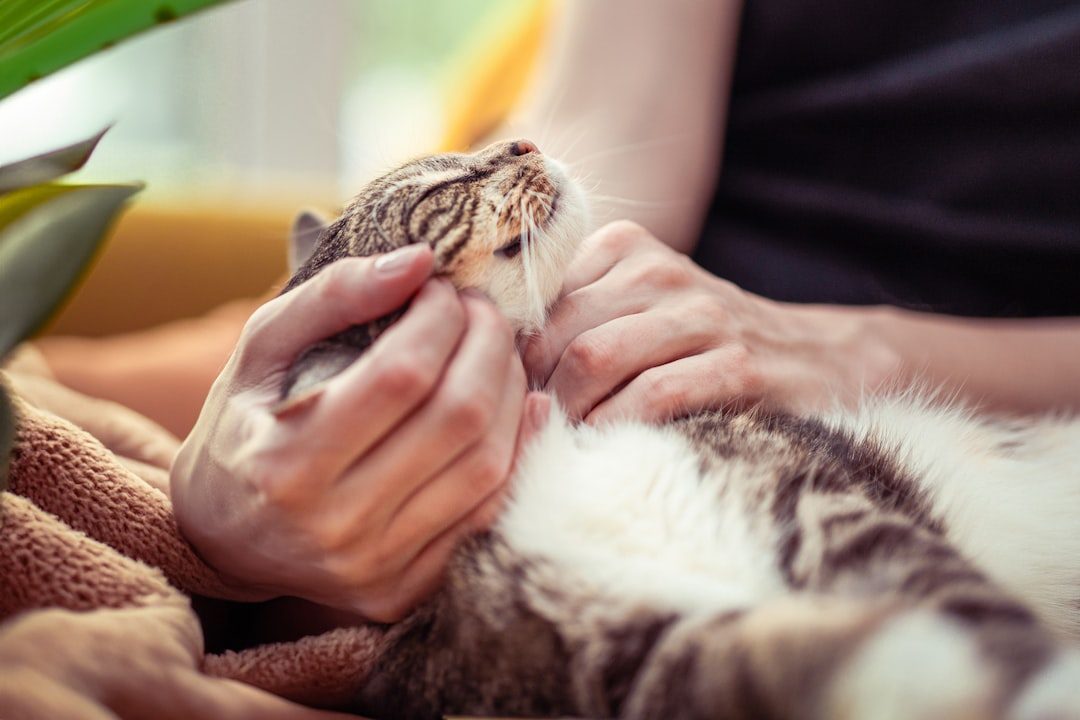
Cats may help reduce loneliness (which can often be a factor in depression and anxiety), and because we’re responsible for our pets, they encourage us to keep going so we can properly care for them. Your cat provides a sense of purpose alongside their companionship, creating a gentle but meaningful motivation to maintain daily routines and self-care.
Being in the company of our cats can make us feel less alone and provide us with a sense of comfort and friendship. This consistent presence becomes especially valuable during difficult periods when human social connections might feel challenging or overwhelming. Your cat offers judgment-free companionship that asks for very little in return.
Cat Ownership Improves Sleep Quality
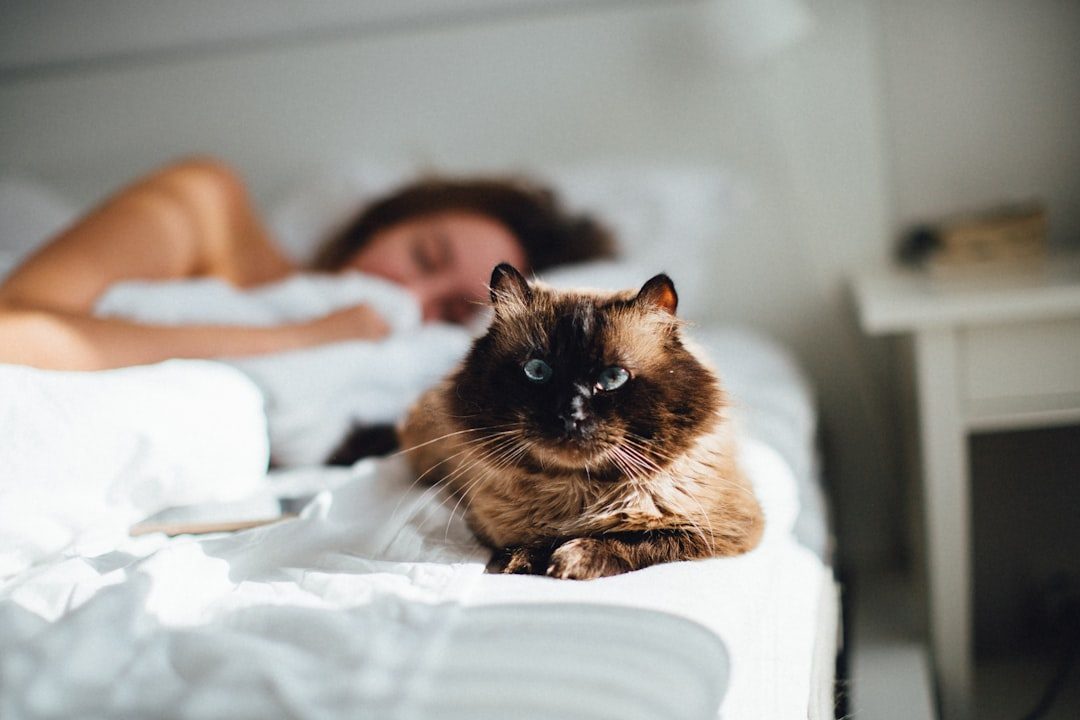
Studies have shown that having your cat close by results in a better night’s sleep. Owners who allowed their pets to sleep in their bed (or in the same room on their own bed) said they had an easier time both falling and staying asleep. The security and comfort provided by your cat’s presence creates an environment conducive to deeper rest.
Cat owners specifically indicated waking fewer times throughout the night and having reduced feelings of restlessness and fatigue. While some might worry about disruption from a sleeping cat, research suggests the opposite effect occurs. Your feline companion actually helps regulate your sleep cycles through their calming presence and steady breathing rhythms.
They Encourage Mindfulness and Present-Moment Awareness
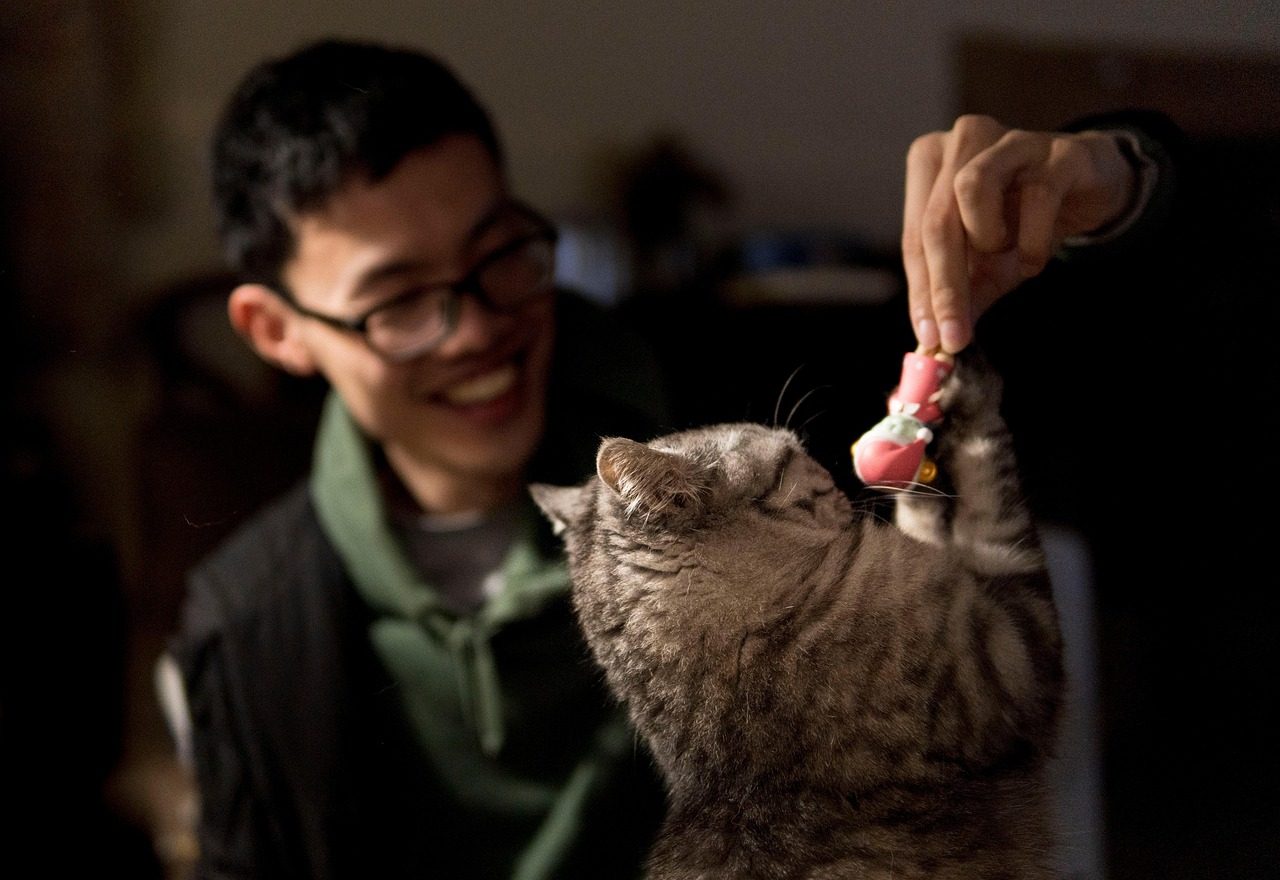
When we play with our feline friends, we’re able to focus on the present moment and forget about our worries. Cats naturally live in the moment, and their behaviors invite you to join them in this mindful state. Whether they’re stalking a toy or simply lounging in a sunbeam, they model present-moment awareness.
It’s hard to feel stressed when you’re watching a cat chase a toy or pounce on a feather wand. Plus, the physical activity of playing with a cat can also release endorphins, which are natural mood boosters. These interactive moments become natural meditation sessions that ground you in the here and now while providing gentle exercise for both you and your cat.
Cats Offer Emotional Support Without Judgment
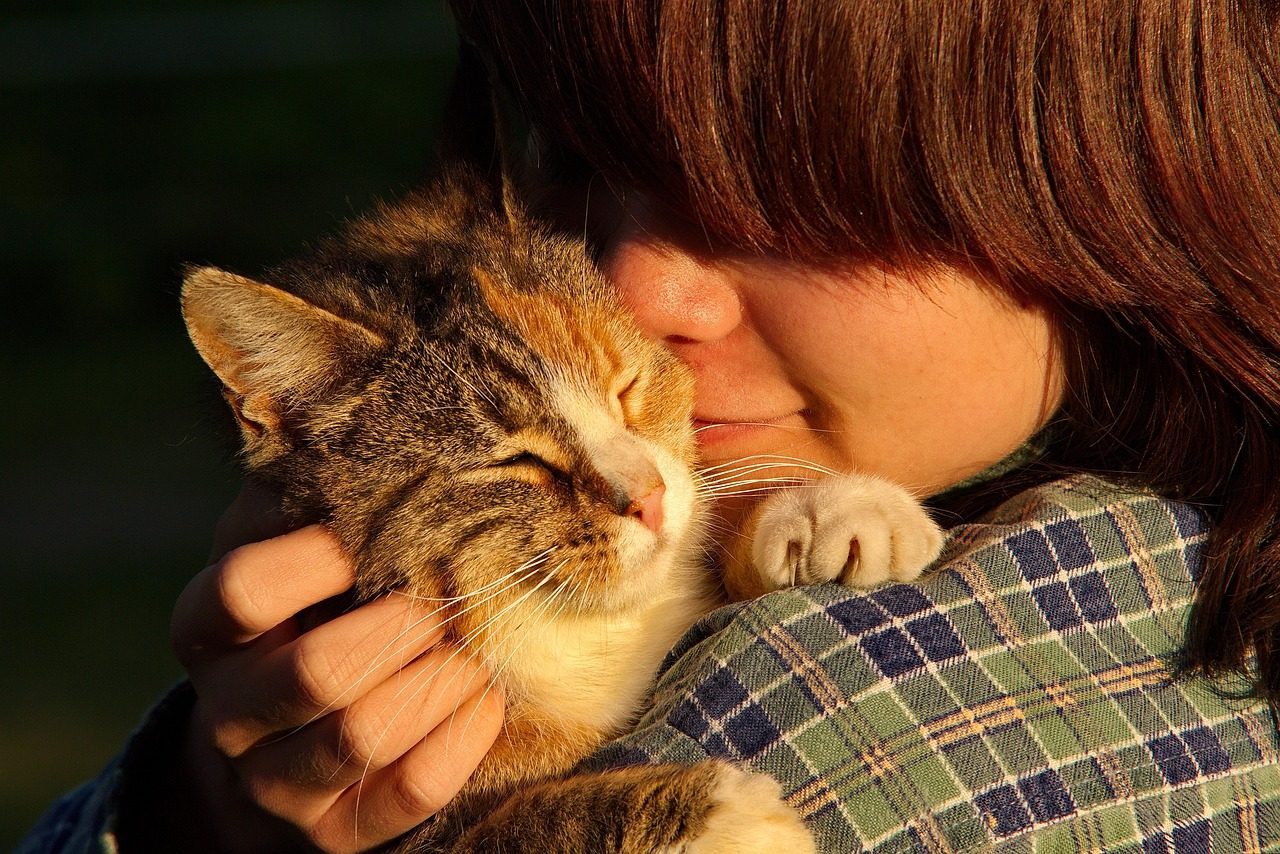
Cat owners were more likely than dog owners to say their pets offer companionship, provide a calming presence and help reduce stress and anxiety. This unique quality of cats – their ability to provide comfort without being overly demanding – makes them particularly effective emotional support companions for many people.
Studies have shown that cat owners frequently report that their cats have a positive impact on their mental health, providing a calming presence and helping reduce stress and anxiety. Your cat’s non-judgmental presence creates a safe emotional space where you can process feelings without fear of criticism or unwanted advice.
When Your Cat Becomes Unusually Clingy or Follows You Around
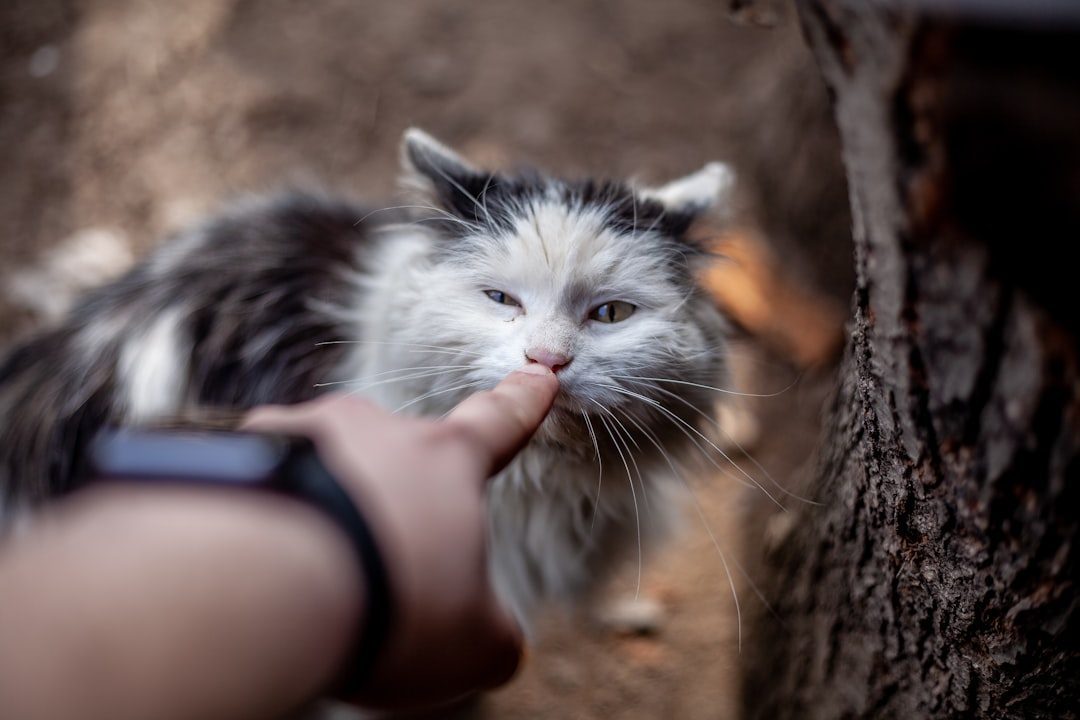
Your cat insists on snuggling up with you, either by sitting on your lap or by letting themselves be held. Some cats may comfort their owner by showing more affection or just being present with them, providing love and company. While this behavior might seem sweet, it often indicates your cat has detected changes in your emotional state and is responding accordingly.
They might rub themselves against you, spreading comforting pheromones to try to reduce anxiety. This may appear as the cat being more clingy or needy or just getting in your way more than usual! If your typically independent cat suddenly becomes your shadow, they’re likely picking up on stress signals you might not even realize you’re displaying.
Your Cat Starts Hiding More Than Usual
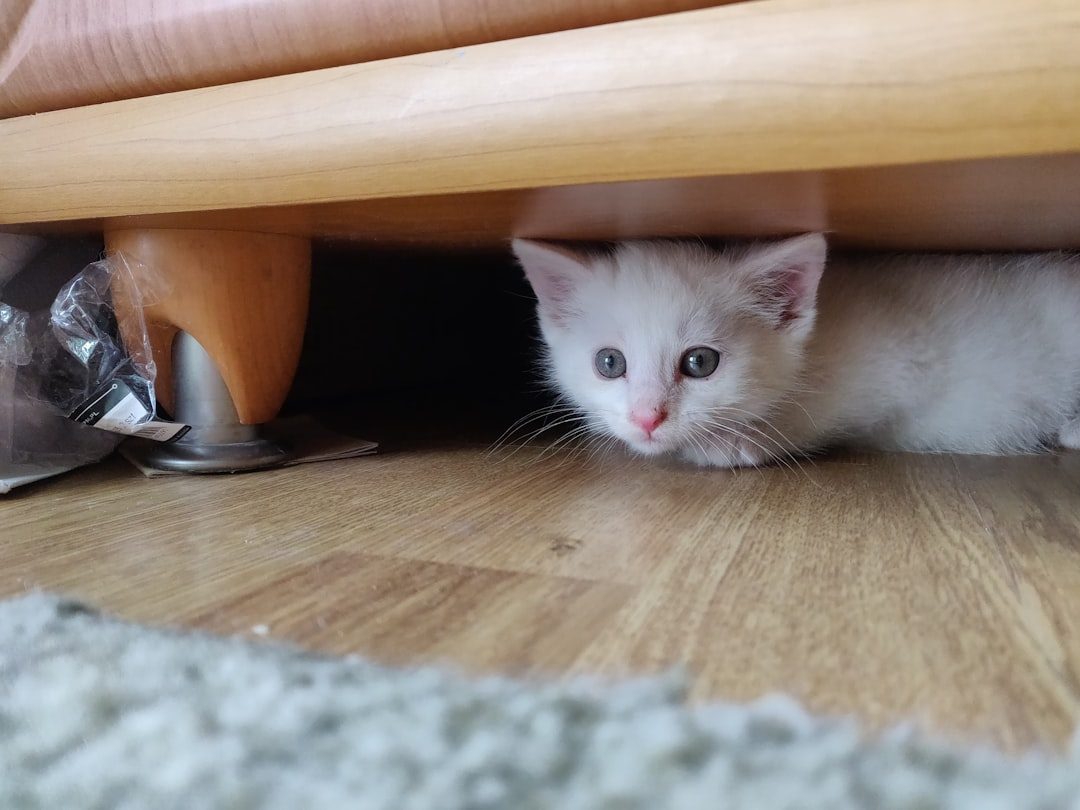
If you’re feeling low or anxious, your cat will sense that your mood has changed and might alter their behavior accordingly. Some cats will pick up on your stress and become anxious themselves, especially if their routine changes or the person interacts with them differently. When cats absorb their owner’s stress, their first instinct is often to seek safety in secluded spaces.
This can manifest as inappropriate toileting, hiding away, changes to appetite, overgrooming, or other signs of feline stress. If your social cat suddenly prefers hiding under the bed or in closets, consider whether recent stress in your life might be influencing their behavior. Their withdrawal often mirrors your own emotional state.
Changes in Eating or Grooming Habits
Cats are sensitive to changes in physiological parameters, such as heart rate, breathing cues and blood pressure, which can all be symptoms of depression, stress, and anxiety. Your elevated stress hormones create detectable changes in your scent and behavior that your highly sensitive cat picks up on immediately.
Stress is very likely to reduce feed intake, and stress-related anorexia may contribute to the development of potentially serious medical conditions. Stress also increases the risk of cats showing urine marking and some forms of aggression, including redirected aggression. These behavioral changes in your cat often directly correlate with stress levels in the household.
Excessive Vocalization or Unusual Silence
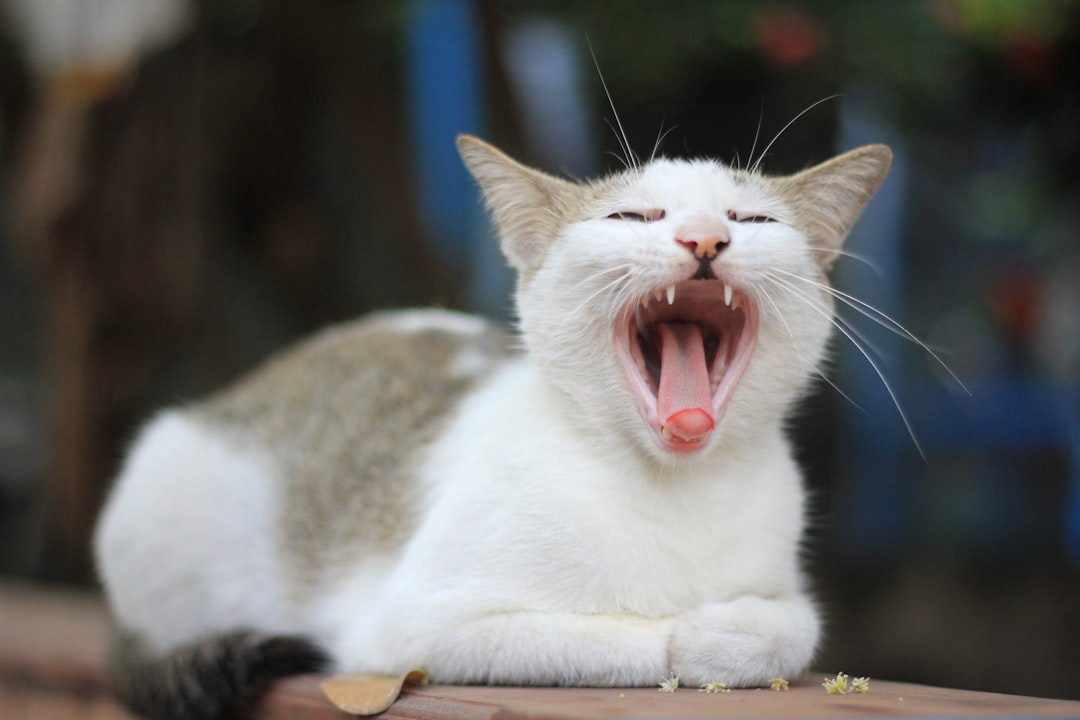
Vocal Changes: Cats might start meowing more or differently if they sense your energy is off. They might be checking in or feel confused about what’s going on with you. Some cats respond to their owner’s stress by becoming more talkative, as if trying to communicate their concern or confusion about the changed household dynamic.
Conversely, other cats may become unusually quiet when they sense tension. Cats don’t tend to show their emotions as overtly as other species do, and often signs are very subtle, such as withdrawing and becoming quiet. Pay attention to significant changes in your cat’s typical vocal patterns, as both increased chatter and unusual silence can indicate they’re responding to your emotional state.
Litter Box Issues Despite Good Health
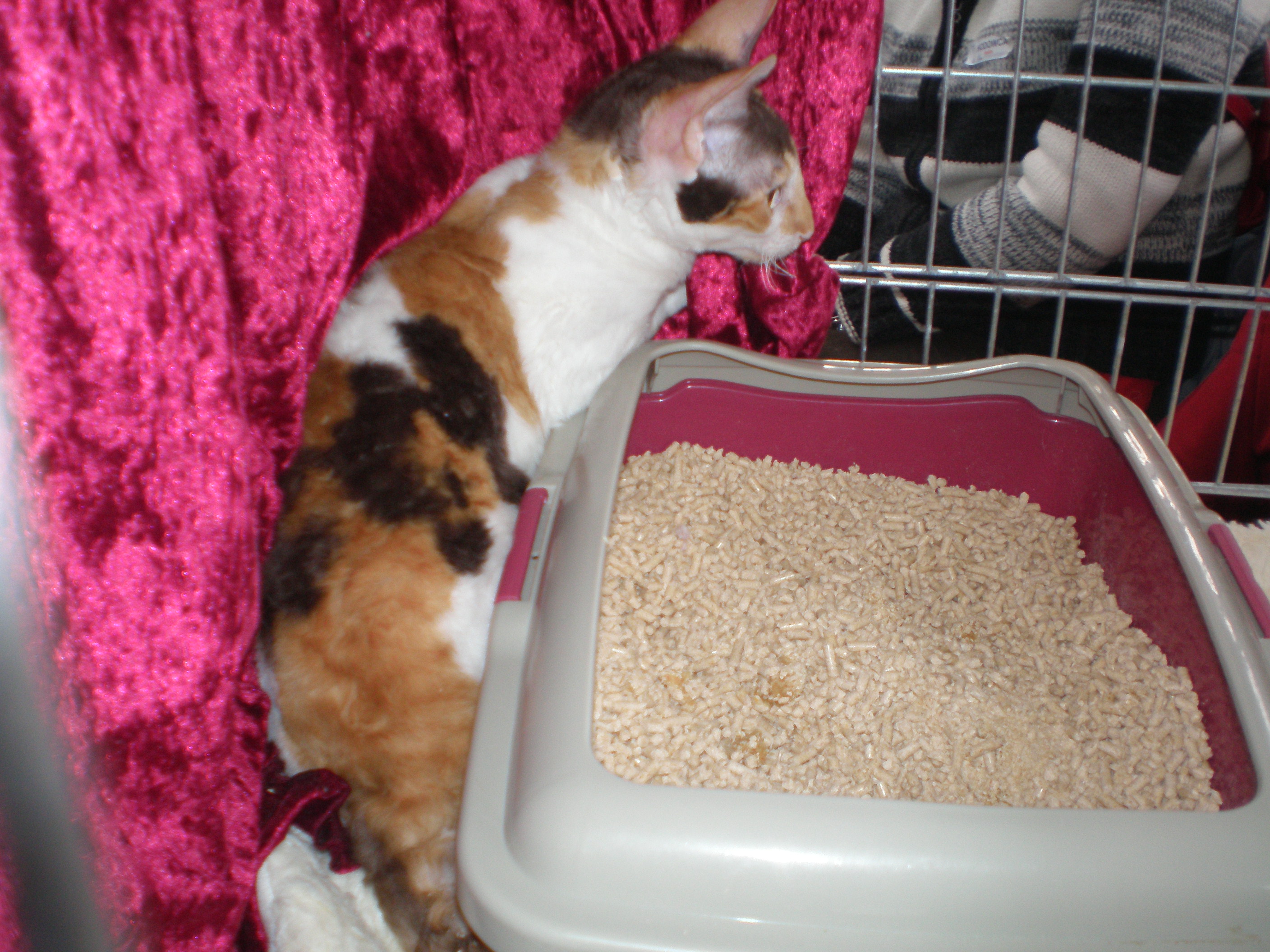
One of the most common signs of stress in cats is urinating outside the litter box. Cats usually do this because the smell of their own urine is comforting for them, and litter absorbs the smell. When your cat senses household stress, they may engage in marking behaviors as a way to create familiar, comforting scents in their environment.
Cats may also spray onto vertical surfaces to mark their territory. This marking behavior can also be comforting to cats when they are stressed. However, it’s crucial to rule out medical causes first, as urinary issues can have physical origins. If your vet confirms your cat is healthy, the inappropriate elimination may be their response to your stress levels.
Increased Aggression or Irritability
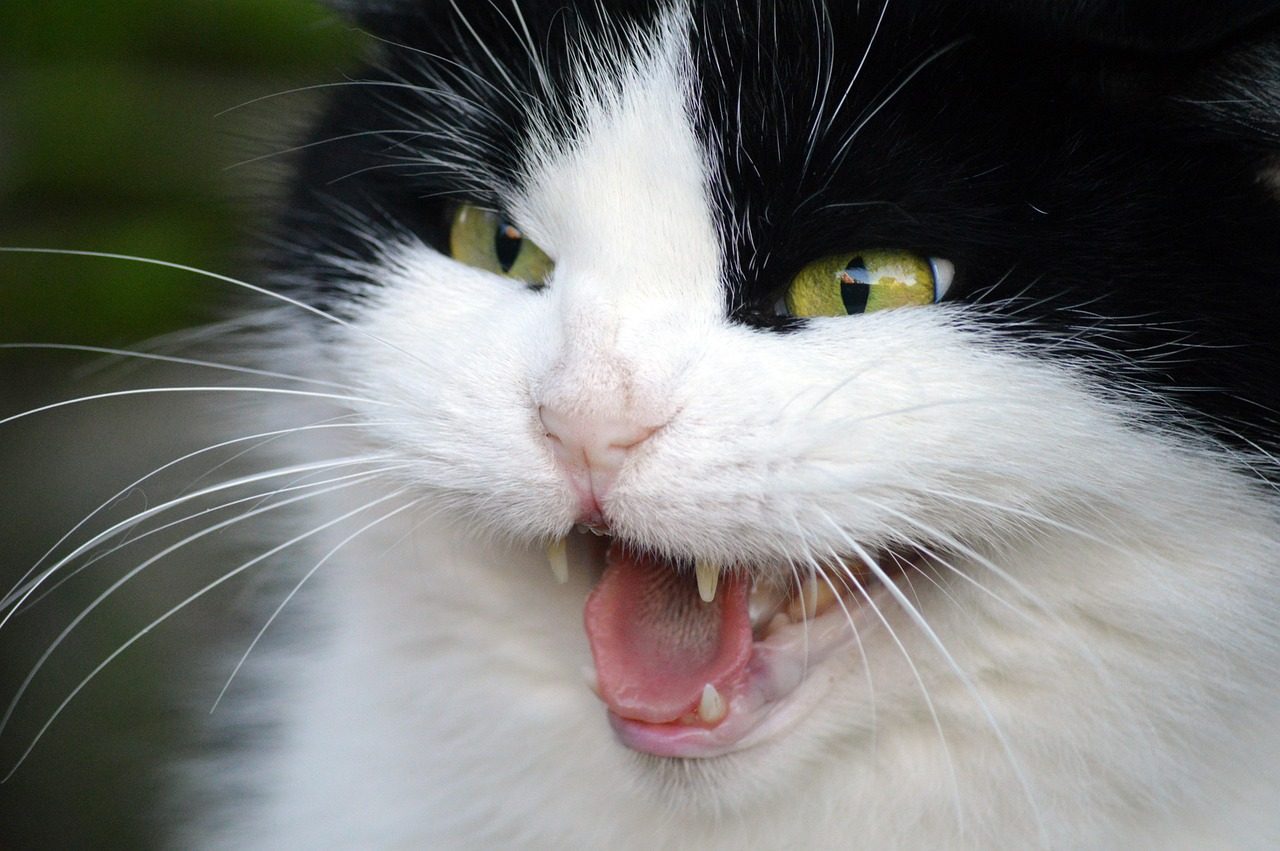
This study shows that cats respond functionally to their owner’s emotional stimuli when their owner showed “anger” or “anxiety”, and their stress levels were higher as compared to when they were shown “happiness”. Your cat’s behavioral changes often mirror and amplify the emotional climate you create in your shared environment.
Stress also increases the risk of cats showing urine marking and some forms of aggression, including redirected aggression. A number of compulsive disorders such as over-grooming may also develop as a consequence of stressful environments. If your typically gentle cat starts hissing at other pets or seems more irritable than usual, they might be absorbing and reflecting the stress they’re detecting from you.
Over-grooming or Changes in Self-Care Routine
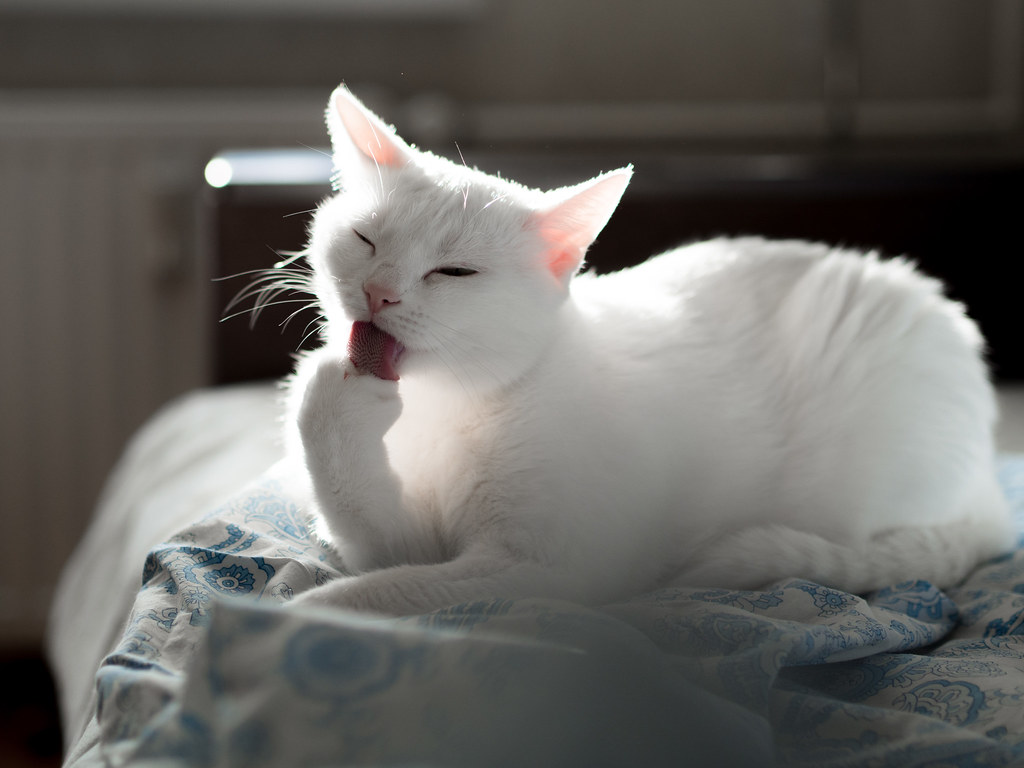
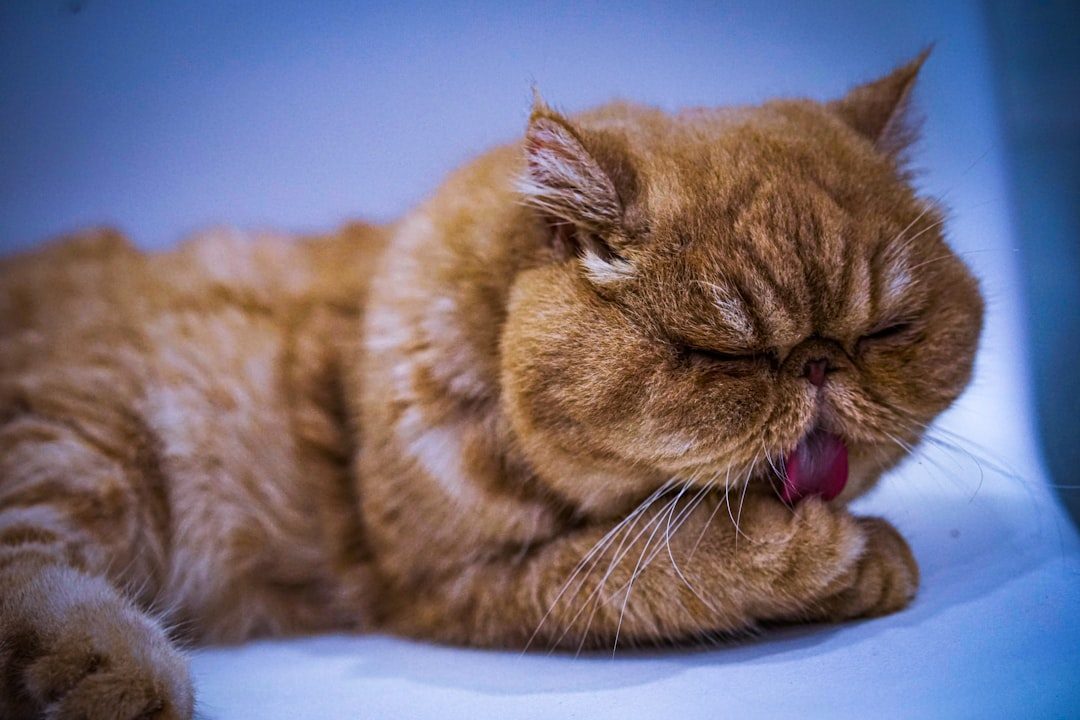
A number of compulsive disorders such as over-grooming may also develop as a consequence of stressful environments. When cats feel anxious due to their owner’s stress, they often turn to repetitive behaviors as coping mechanisms, with excessive grooming being one of the most common responses.
Some cats may groom themselves excessively to cope with stress or boredom, perhaps because licking is believed to release endorphins, which help alleviate stress. However, if grooming makes your cat feel better, that can become a compulsive habit. Compulsive grooming is often triggered by a change in the cat’s normal routine or environment and can cause psychogenic alopecia. If you notice bald patches or irritated skin from excessive licking, your cat may be processing household stress through their grooming behavior.
Building a Stress-Free Environment Together
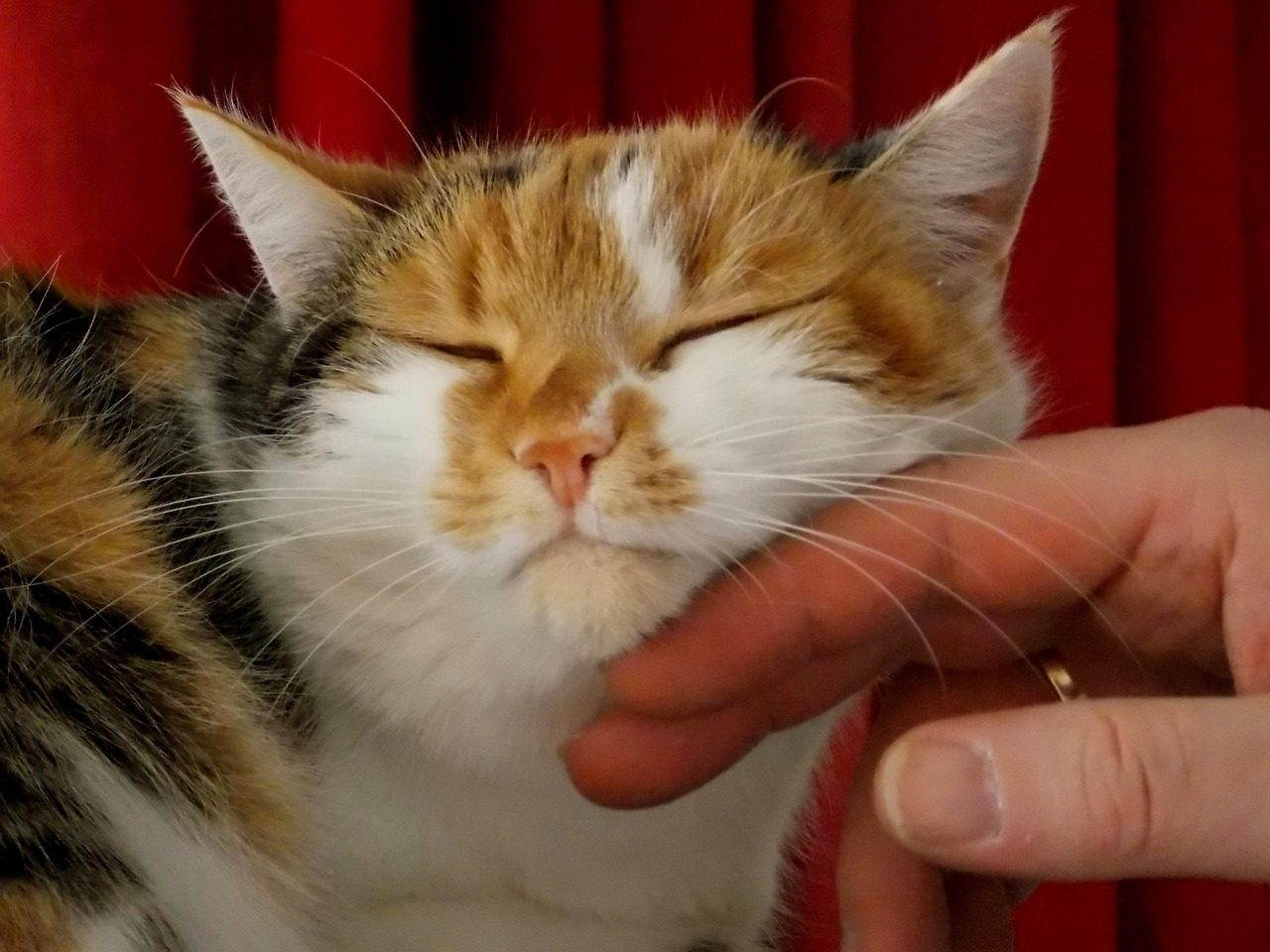
Understanding the remarkable connection between you and your cat creates opportunities for mutual wellbeing. Interacting with them can shift both the human’s and the cat’s cortisol (stress) levels. This means that when we’re stressed, our cats can reduce our cortisol levels, and vice versa. It also suggests the potential that cats can sense our emotional state and respond in a way to help us both feel more relaxed and connected.
This two-way emotional exchange means that managing your own stress benefits both of you. When you create calming routines, practice stress management, and maintain a peaceful home environment, you’re not just improving your own mental health – you’re also supporting your cat’s emotional wellbeing. The next time you notice your cat exhibiting stress signals, take a moment to check in with yourself too.
What do you think about this fascinating emotional partnership with your feline friend? Have you noticed your cat responding to your moods in ways you hadn’t considered before?