Your feline companion possesses a remarkable ability to communicate their deepest feelings of trust through subtle behaviors that often go unnoticed. When your cat views you as their ultimate protector, they exhibit specific actions that reveal their vulnerability and complete faith in your care. Understanding these signals creates a profound bond between you and your furry friend, while recognizing their innate survival mechanisms helps you appreciate the fascinating evolutionary traits that have kept cats safe for thousands of years.
The relationship between cats and their humans goes far deeper than daily feeding routines or casual petting sessions. Your cat’s behavior tells a captivating story of ancient instincts meeting modern companionship. So let’s dive in and discover the incredible ways your cat shows their trust while exploring the remarkable safety mechanisms that continue to protect them today.
They Sleep Peacefully Next to You
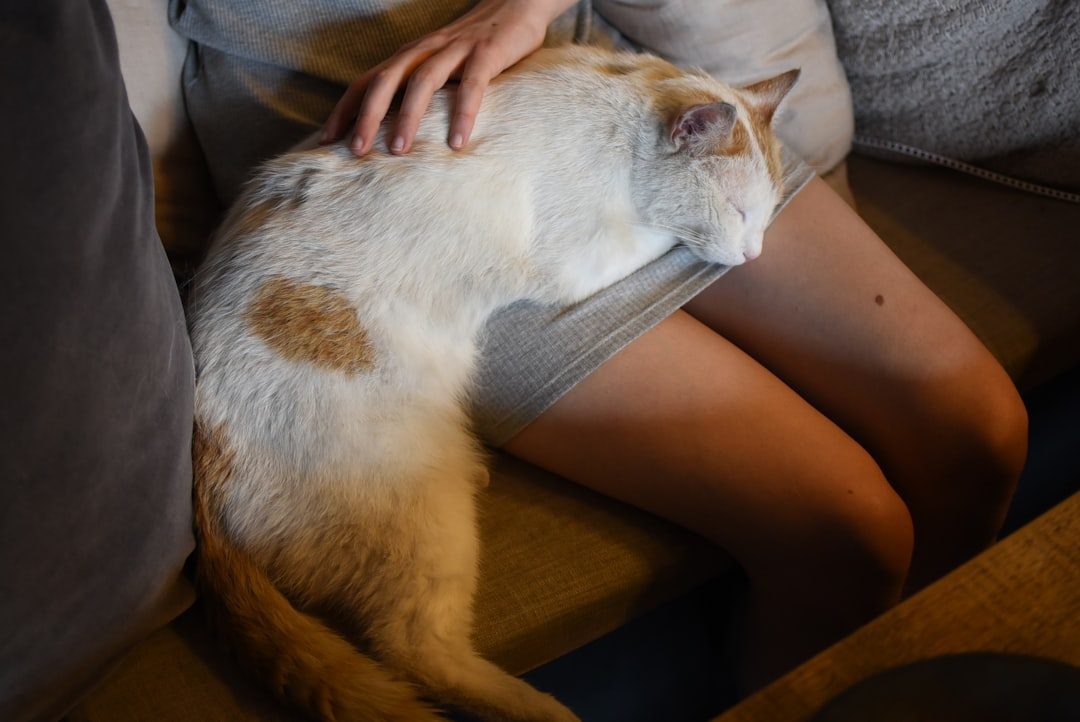
When your cat chooses to sleep beside you, this represents one of the strongest indicators of trust they can offer. Cats are naturally vigilant creatures with survival instincts always on high alert. Sleep is an incredibly vulnerable state for cats, and they prefer to rest in secure, safe environments. If your furry friend decides to take its nap next to you, it’s a strong indication that they feel safe and protected in your presence. They view you as someone who won’t harm them and can protect them if needed.
This behavior stems from deep evolutionary programming. In the wild, a cat would typically seek out a safe, hidden spot to rest away from potential threats. A cat that feels threatened avoids sleeping in open areas or close to others. Meanwhile, if your cat chooses to doze off next to you, it means they recognize you as a reliable source of protection.
Your Cat Brings You “Gifts” from Their Hunting Adventures
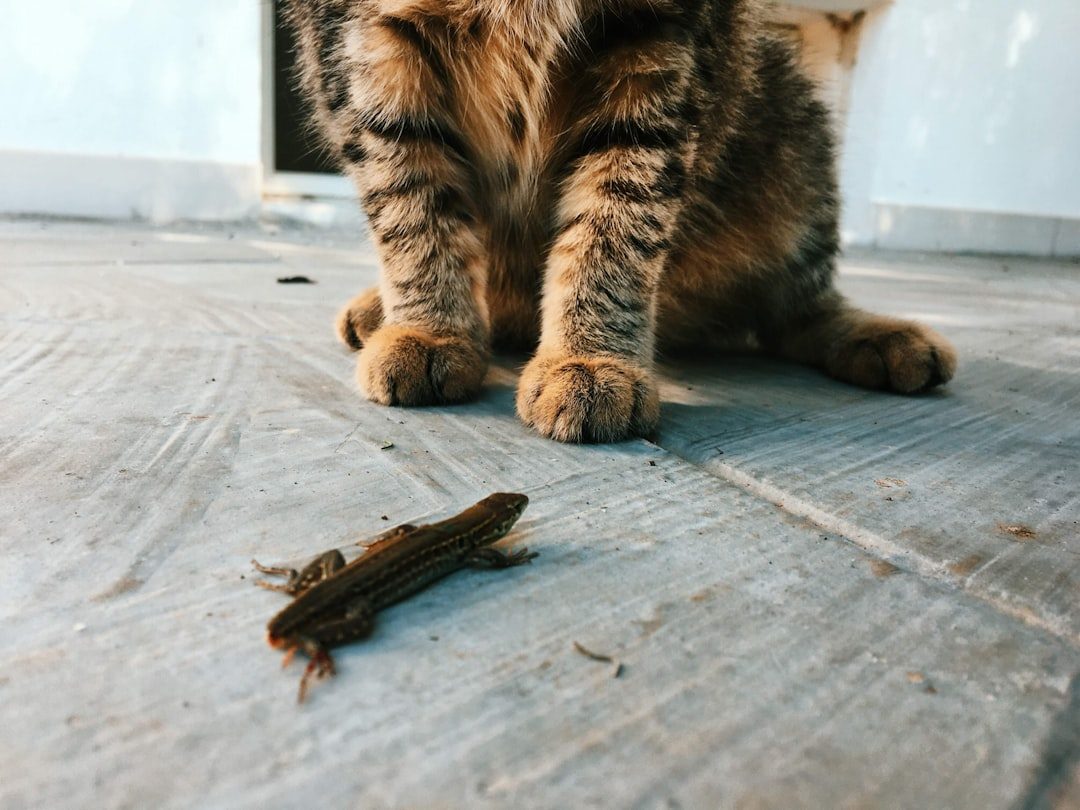
Even if you don’t have a cat, you’ve probably heard about cats bringing their owners little presents in the form of dead (or worse, decapitated) backyard critters. While you might view these cat hunting gifts as weird cat behavior, your cat thinks it’s perfectly normal. For them, their prey represents triumph, survival and their instinctual nature as wild hunters. Wild cats would catch food for their young, so your cat’s gift of his latest catch just means he considers you family.
This is often considered the ultimate sign of trust for a cat. Cats are hunters at heart, and sometimes a cat that catches a mouse or insect will bring the remains back to their humans as a gift. Though this may turn your stomach, it truly is a sign of love and pride. Your cat wants to reward you for your love. Cats will also do this with toys if they don’t have the option to hunt live prey.
They Show You Their Belly
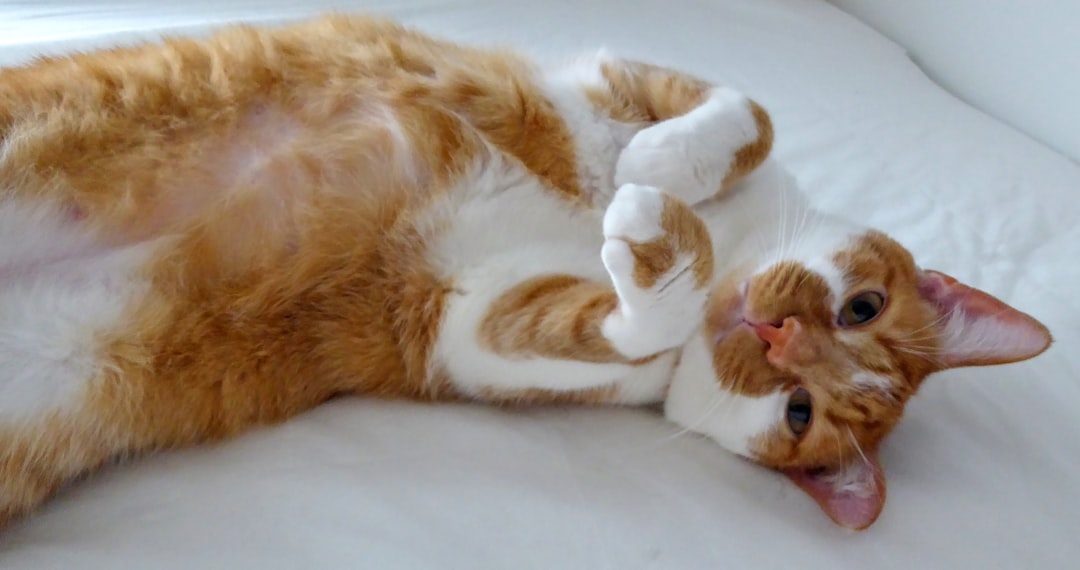
Your cat’s belly is a particularly tender spot. If she rolls onto her back and exposes her belly, she’s telling you she’s comfortable being around you. This doesn’t necessarily mean your cat wants you to pet her belly, though; most cats don’t actually like that. It’s mainly a sign that she feels protected when you’re nearby, since being on her back is a defenseless position. A cat’s stomach is a very vulnerable place, and in the wild, it would be dangerous for a cat to show its belly.
When your kitty rolls onto their back and shows you their tummy, this is their way of showing that they feel safe in your company and can reveal this vulnerable part of their body. Be aware though – this is probably not an invitation for a tummy rub. Unlike dogs, cats don’t tend to like being stroked on their belly so stick to rubbing around their head and ears.
Head Bonks and Scent Marking Rituals
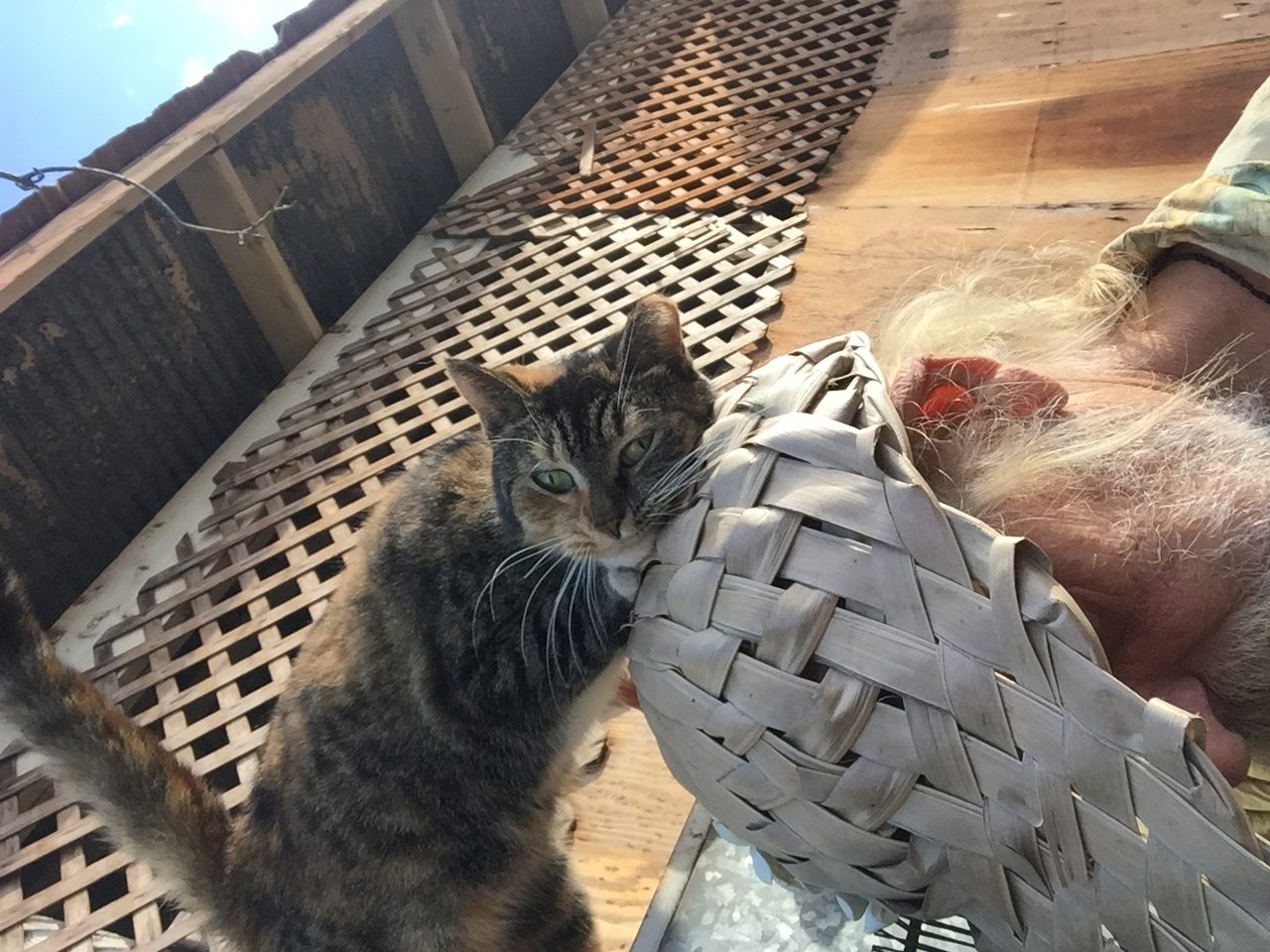
If you notice that your feline friend likes to headbutt you or rub their head against you, this is a sign that you’re familiar to them and they’re showing you their respect. Did you know that cats deposit pheromones on you when they headbutt? It’s a way for them to mark their territory and show that you’re safe to be around. If your cat does this, they trust you and see you as their best friend.
Marking you with their scent is another way that cats show that they trust you. How they might do this includes bunting you with their head. They’ll tap their head against your hand, leg, or foot and then rub their face against you. This enables them to spread their scent onto you and their surroundings. Your cat will do this to create a group or colony scent, bond with other cats and you, self-soothe, and mark their safe areas. By headbutting you, they’re not just asking for affection; they’re also telling you that they trust you and feel safe in your presence.
The Slow Blink of Pure Affection
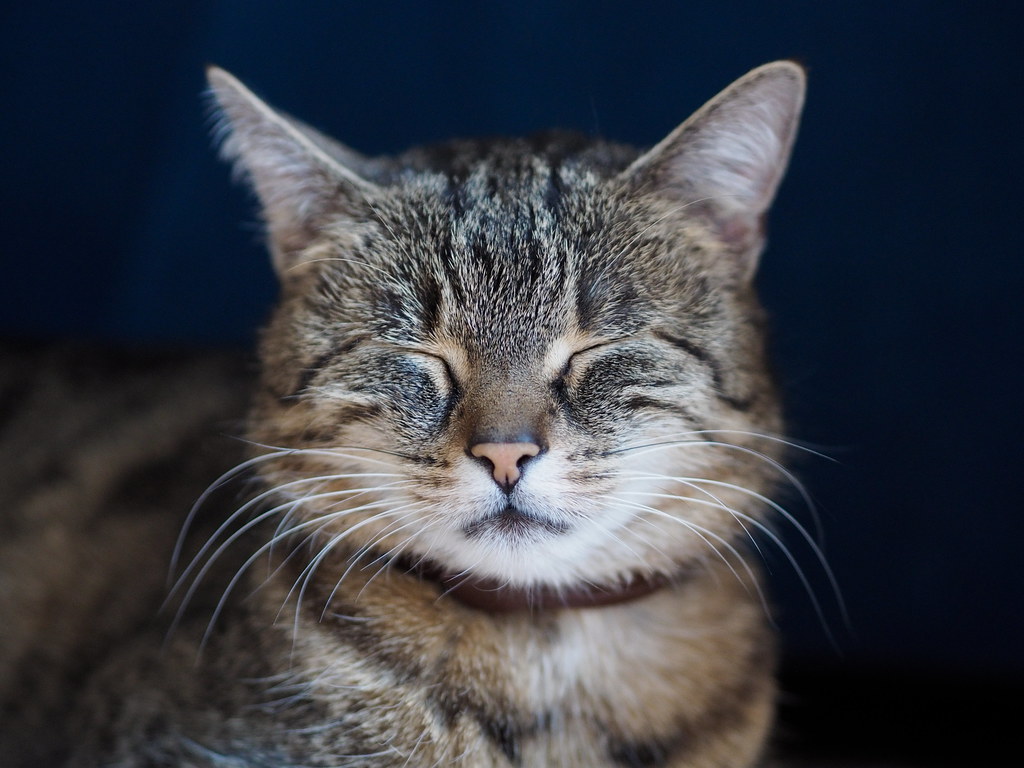
The slow blink is a sign of trust. Your cat is showing that they are relaxed and comfortable in your presence. Maybe they hide behind you when there are new people in the house, keeping you between them and the strangers because they trust you to protect them.
Do you sometimes think your cat is winking at you? The slow blink and wink is thought to be a cats way of smiling at you or showing their love. Cat’s slow blink and wink to show that they’re happy and also that they trust you. Eyes are said to be the windows to the soul, and cats use eye contact with their people to show adoration. Often, cats directly stare into the eyes of those that they trust and love. Cats will often make eye contact with lowered eyelids and steady, slow blinks. This is considered a feline version of a kiss, and you can even try slow blinking to show love back to cats.
Kneading You Like Their Mama Cat
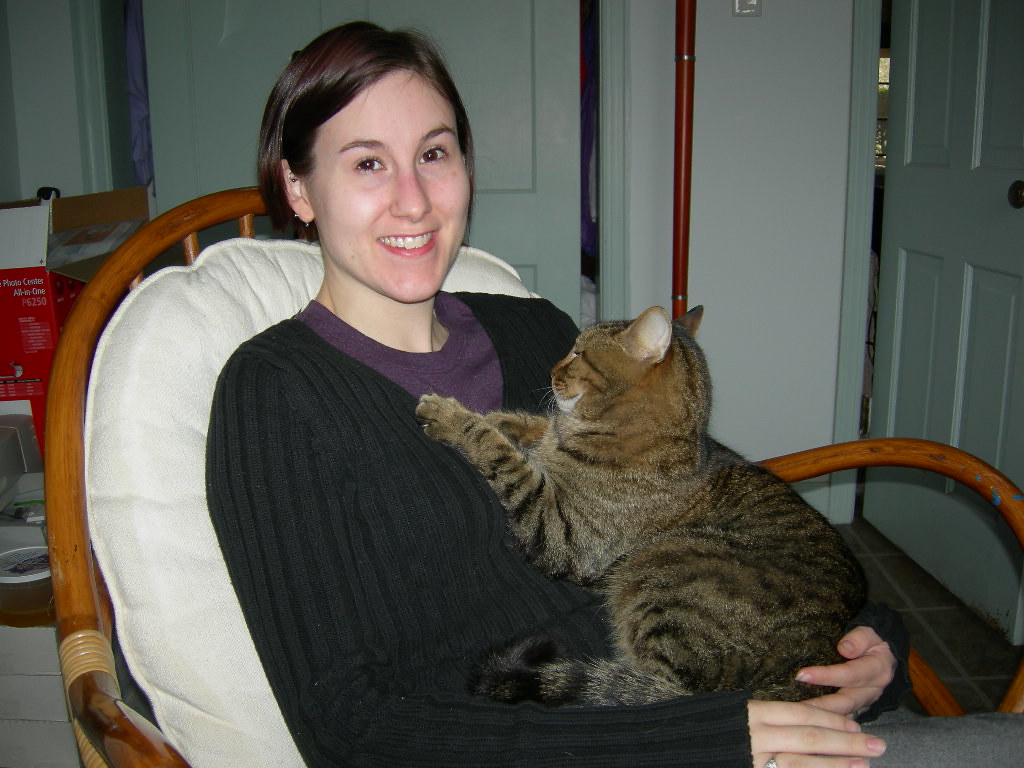
One of the most endearing behaviors cats display is kneading – pushing their paws in and out against a soft surface, often while purring. This charming action, sometimes called “making biscuits,” is a sign that your cat sees you as a protector and a source of comfort. Kneading originates from kittenhood when young cats knead their mother’s bellies to stimulate milk flow. When your cat kneads you, they see you as a mother and protector. Consider it a huge compliment. They’re creating a familiar feeling of safety, much like they experienced as kittens.
Cats usually knead with their front paws. This is a behavior that begins in kittenhood and is associated with nursing on their mother. Kneading is believed to bring comfort by releasing endorphins to reduce stress and promote relaxation. Relaxed cats that knead are showing contentment. They will often knead when you gently pet or stroke them.
Following You Around Like a Loyal Shadow
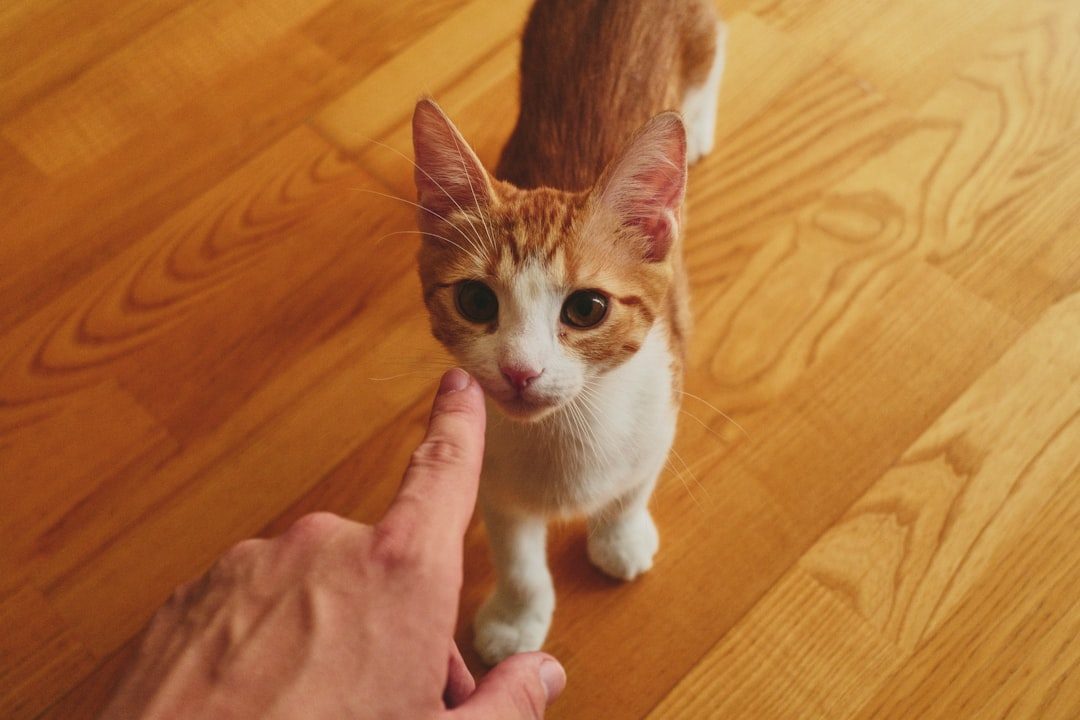
Cats often follow those they love and trust around the home. It is similar to the greeting at your front door, where they follow behind you and keep you in sight at all times. They may also weave around your legs. Signs of guarding behavior include following you around, positioning themselves in elevated spots to observe their surroundings, reacting to unusual sounds or movements, and displaying alert body language when strangers approach. Cats show protective behavior through vigilant monitoring, staying close to their owners, warning vocalizations, and occasionally intervening in dangerous situations. They may also follow their owners around the house and react to unfamiliar people or sounds.
This shadowing behavior demonstrates their desire to stay close to their protector while keeping watch over their environment. Your cat essentially becomes your personal bodyguard, monitoring potential threats while maintaining proximity to their trusted human companion.
The Lightning-Fast Escape Artist Instinct
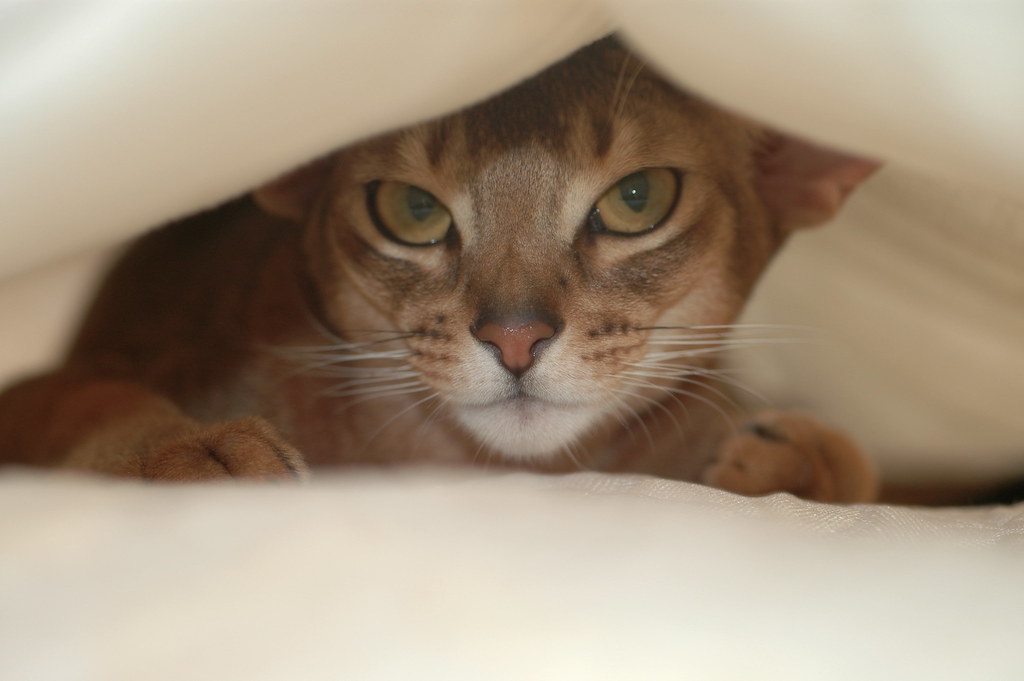
Cats like all animals including humans have a fight or flight reaction to danger. Most animals will choose to run and hide if this is possible. A cat will fight viciously if cornered by a predator. This fundamental survival mechanism has served cats well throughout their evolutionary history, allowing them to avoid confrontations that could prove fatal.
While it is enjoyable to watch your pet cat snuggle into a small space for a nap, there is some ancestral instinct in your cat that makes it attracted to boxes and small spaces. Cats in the wild like to seek shelter where they feel safe and protected from predators. When a cat can squeeze into a small space, it knows that all sides are covered, and it can remain hidden. That same logic follows for your pet cat, and the smaller the area, the safer it will feel.
Their Incredible Night Vision and Heightened Senses
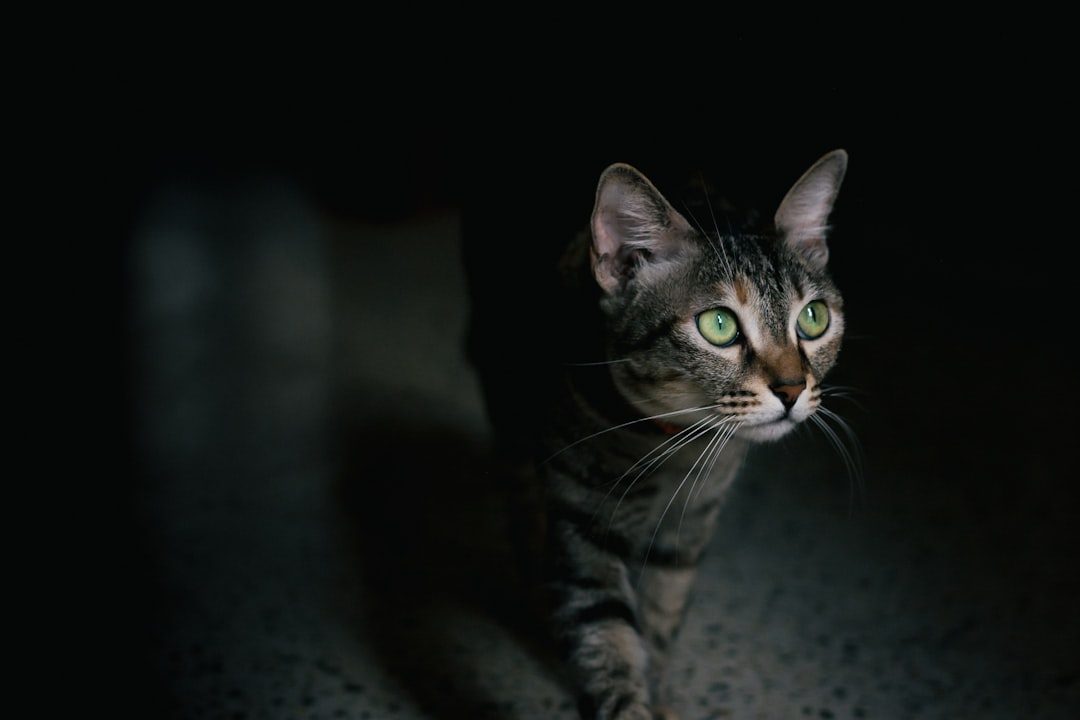
Cats are equipped with remarkable innate abilities that aid their survival in the wild. Their sharp claws, keen night vision, and excellent hunting reflexes are evolutionary advantages that have helped them survive for thousands of years. These enhanced sensory capabilities allow cats to detect threats and opportunities that humans might completely miss.
Their acute senses allow them to detect environmental changes that humans might miss, making them excellent early warning systems for potential dangers. Your cat’s ability to hear frequencies up to 64,000 Hz and see in light levels six times lower than what humans need gives them a significant advantage in detecting potential threats long before they become visible to you.
The Strategic Art of Hiding for Safety
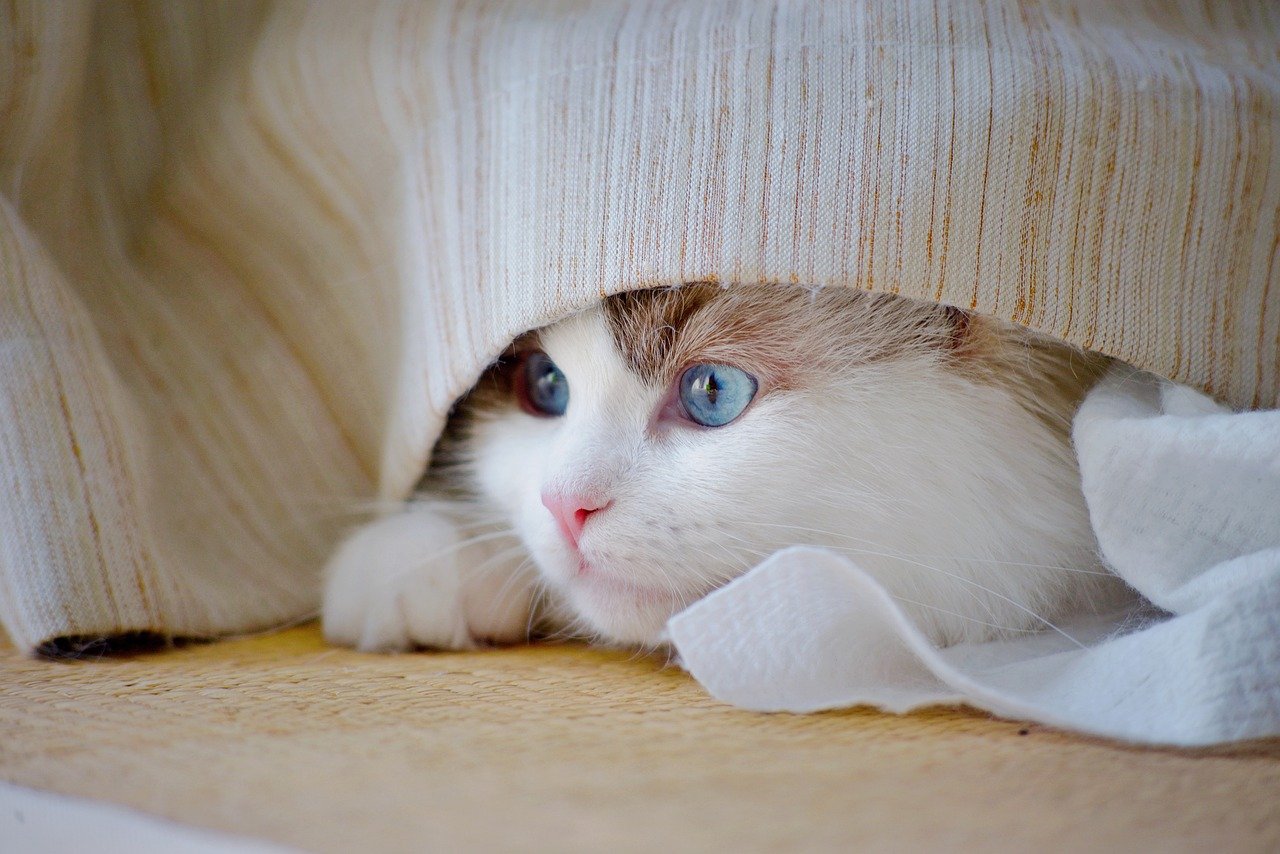
There are lots of reasons why a cat might hide. Cats hide to feel safe, and in order to protect themselves from things they perceive as dangerous or stressful so it’s important to find out the reasons why your cat is hiding. Cats as a species are self-reliant, so when faced with a difficult situation your cat would naturally prefer to avoid it rather than charge in and fight.
Hiding places provide warmth, quiet, safety, and even a good vantage point to keep watch over their surroundings. Put simply, cats enjoy being in enclosed spaces because they like to feel safe and secure. Although they’re domesticated, your cat’s ancestors sought secluded spaces to birth their kittens and seek shelter from predators. That’s likely why your cat gravitates toward the unassuming cardboard box left over from your latest online purchase.
Grooming as a Survival Strategy
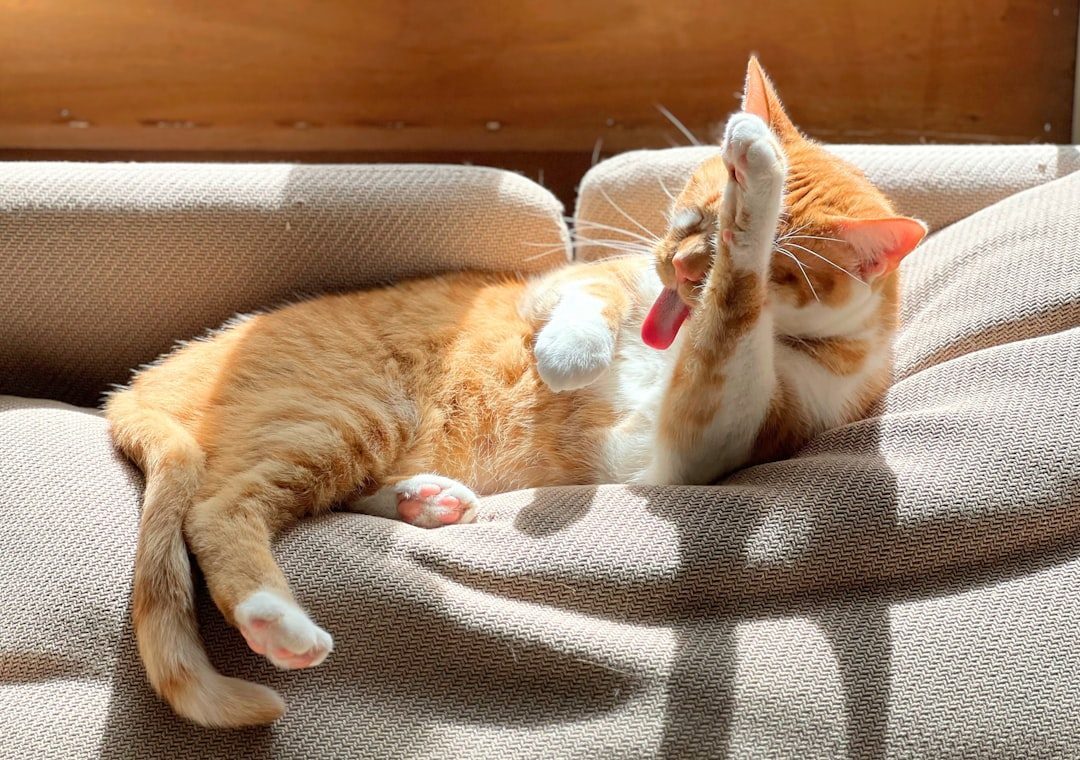
Those hours your cat spends licking themselves serve multiple survival functions beyond cleanliness. Grooming removes scent trails that could attract predators or alert prey to their presence, essential for hunting success. The rough tongue also distributes natural oils that waterproof fur and regulate body temperature. Additionally, grooming removes parasites that could cause disease.
Your cat probably spends plenty of time grooming. In the wild, felines do this to minimize shedding in unwanted areas. It lowers the chances of leaving behind traces of fur. Thus larger predators cannot find the cat. Potential prey would not have a clue where the cat is. If you see your cat self-grooming, she is protecting herself. Plan to groom her regularly and help her to maintain her status.
Territorial Marking and Scratching Behaviors
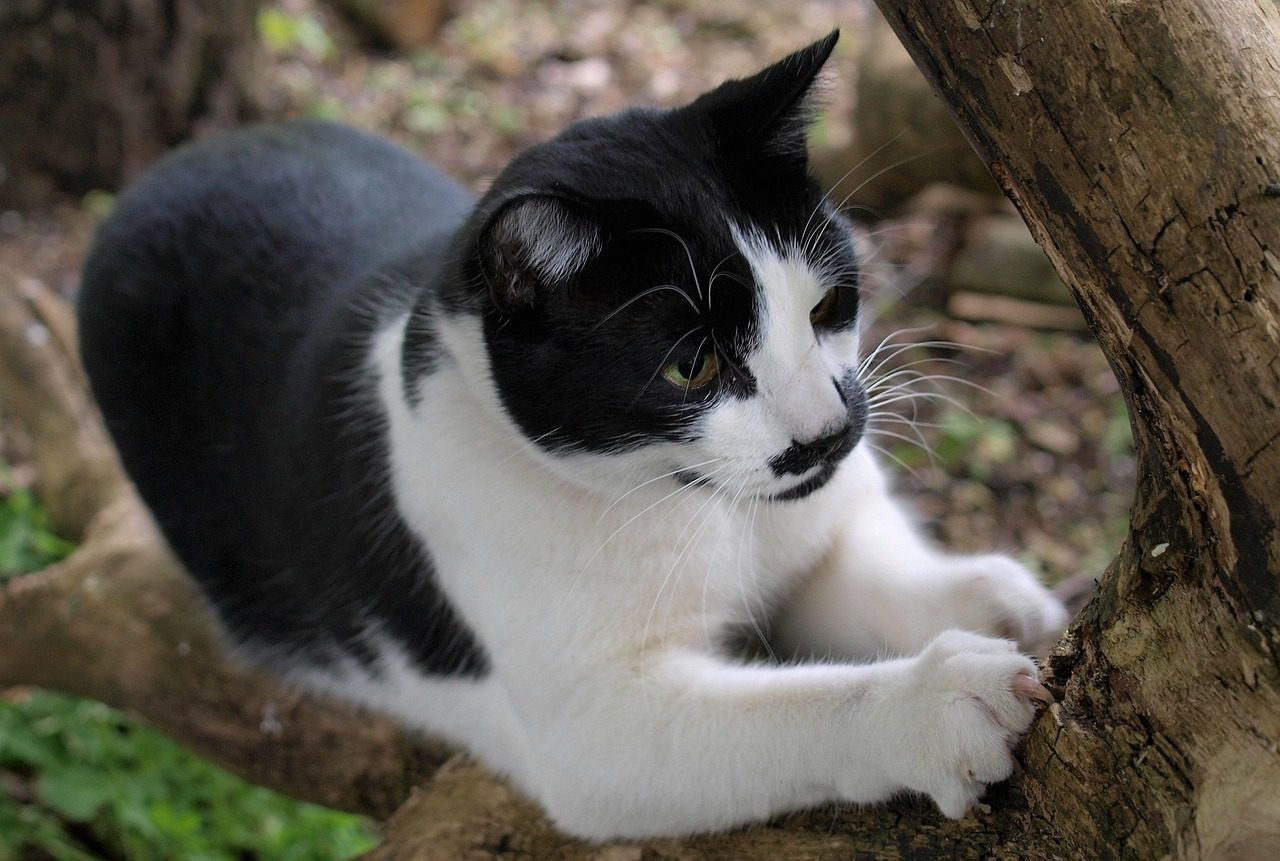
Many owners view a cat’s urge to scratch as bad behavior. Though cats do this to mark territory and to sharpen their claws. She does this instinctively, and her physiology has adapted to it. A cat’s paws contain sweat glands. When the cat scratches, she leaves scent marks and visible marks to identify her territory.
When your cat paws at furniture and doors, it’s more than just mischief. Cats possess scent glands in their paws, and by marking various objects, they’re laying claim to their territory. In the wild, maintaining territorial boundaries helped cats avoid confrontations and ensured a stable environment for hunting and living. This behavior serves as both a warning system to potential intruders and a confidence booster for your cat within their established domain.
The Purring Healing Mechanism
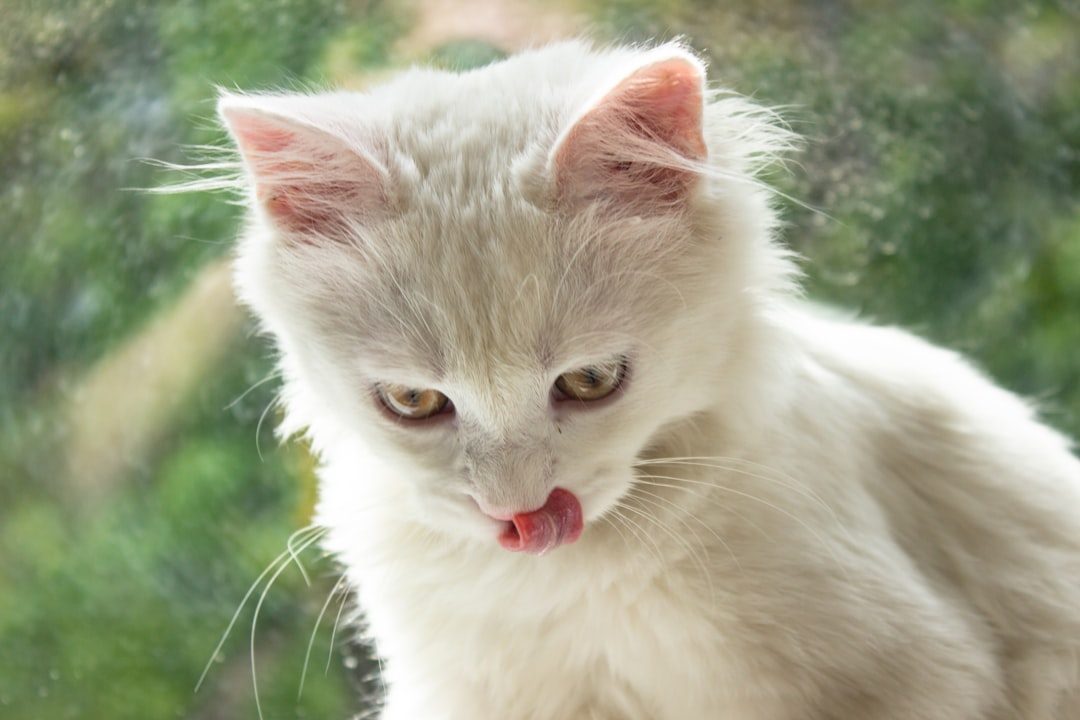
That soothing rumble isn’t just a sign of happiness. Scientists have discovered cats purr at a frequency between 25-50 Hz. The vibrations essentially say, “I’m harmless, please don’t eat me,” turning this comforting sound into a clever survival strategy.
While it certainly conveys comfort, it serves an essential survival purpose: self-soothing. When injured or stressed, a cat’s purring can aid in healing. The vibrations at specific frequencies can promote tissue regeneration and act as a calming mechanism. This remarkable ability allows cats to essentially provide their own first aid treatment during times of distress or injury.
Hunting Instincts and Play Behavior
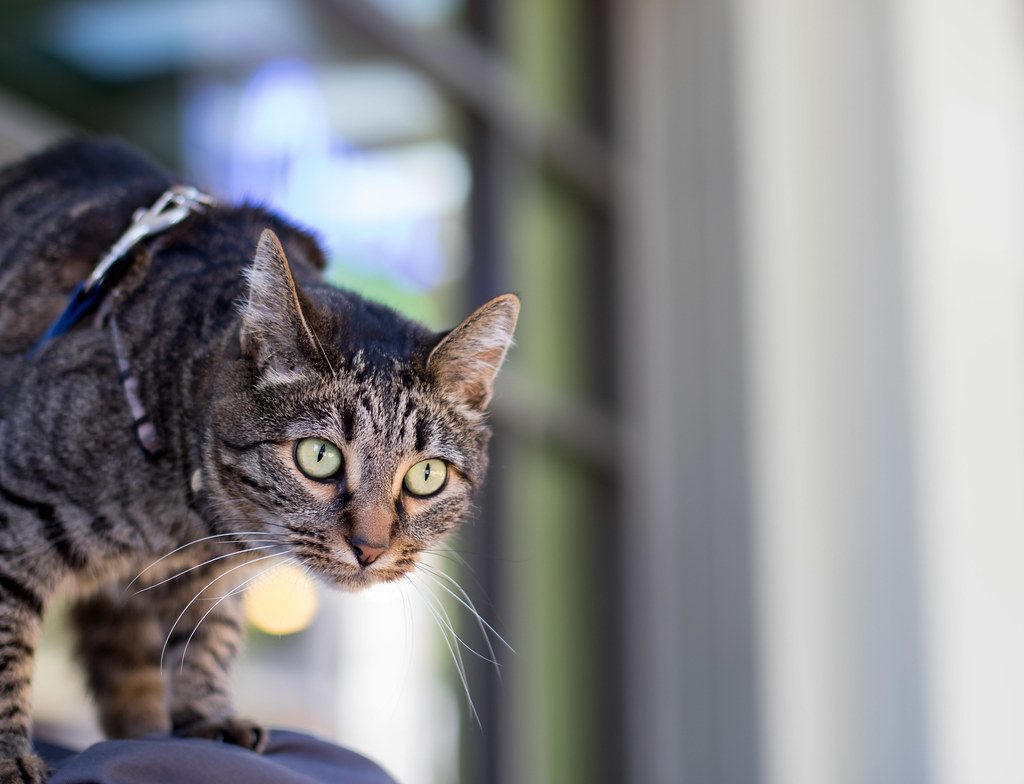
If you watch a cat play at home, they will often mimic hunting behaviors. A cat will wait, ambush its toy, then roll around with it, and bite at it. Your pet cat is mimicking a hunt; this behavior is taught to young kittens in the wild. Researchers have observed wild parent cats giving small kittens live animals to play within the wild to help sharpen their hunting skills. Cats who rely on hunting to survive have learned that playing with prey and disorienting it before killing it reduces the chance of injury. The prey and hunting behavior is instinctual, so it is seen in even domestic cats, who have the privilege of fresh food in their bowl daily.
Those strange clicking sounds your cat makes while watching birds through the window? It’s called chattering, and it reveals their predatory nature. Some zoologists believe this jaw movement mimics the killing bite used to break prey’s neck. Others suggest it’s a frustration response when prey is inaccessible.
Litter Box Instincts and Waste Management
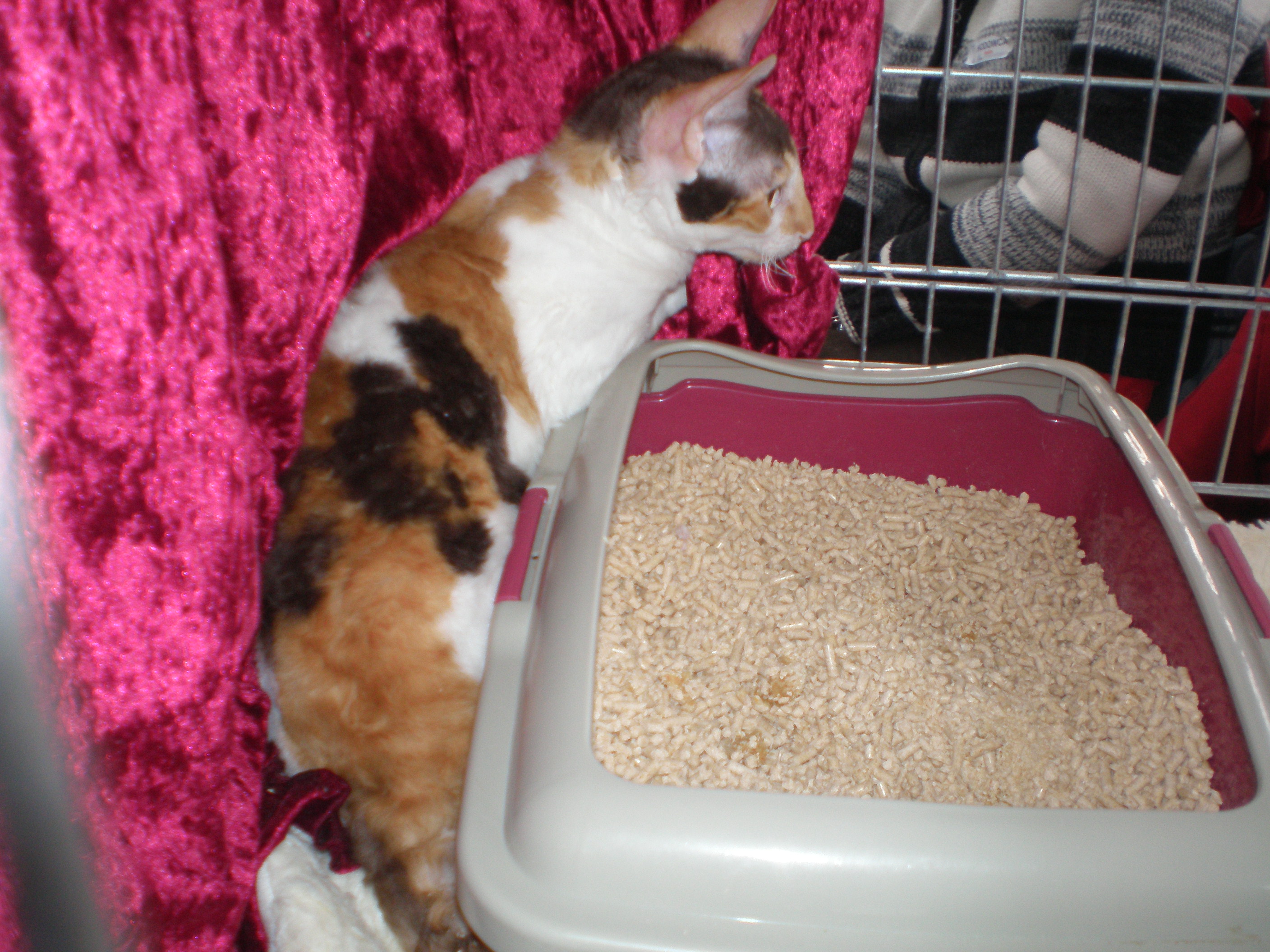
One of the best parts about owning a cat is not having to worry about potty training. Cats will very quickly learn to go to the bathroom in a litter box and cover their droppings. While convenient, this is a skill passed on through generations of wild cats over centuries of survival. In the wild, a cat will instinctively cover their droppings to avoid possible detection from predators.
The cat will ignore a dirty little box because she does not want to mingle with the smell in the litter box. It could hang on to her and make it easy for large predators to sniff her out. Encourage your cat to use her litter box by keeping it pristine. This behavior demonstrates how deeply ingrained survival instincts continue to influence even the most pampered house cats.
Temperature Regulation and Comfort Seeking
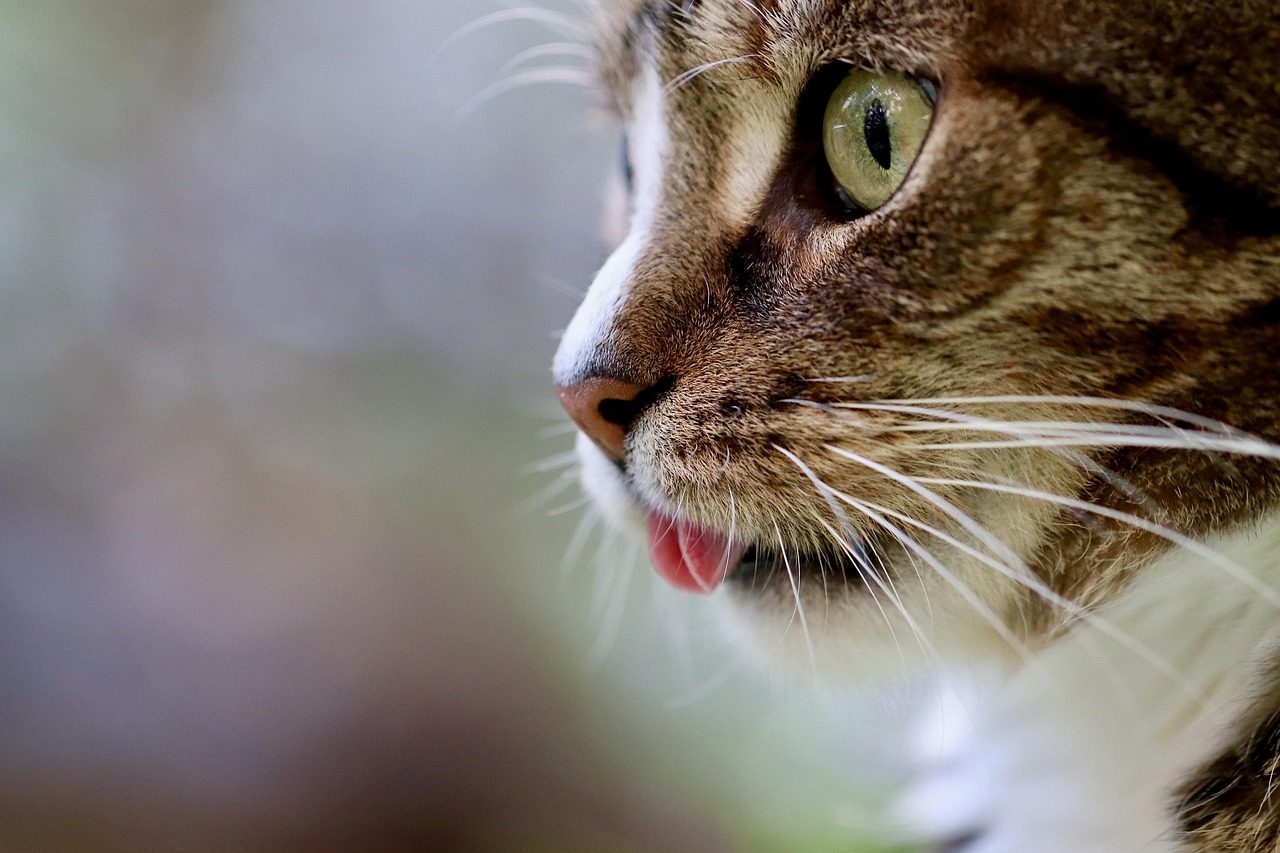
Your cat’s refusal to eat in busy areas isn’t attitude, it’s survival instinct. Wild cats are both predators and prey, making mealtime a vulnerable moment when their guard is down. Similarly, their temperature-seeking behaviors serve important survival functions beyond mere comfort preferences.
When they’ve got a fever, or they’re nauseous, or they’re close to dying, cats will seek cool rather than warmth. If they’re lying in the corner on a cold floor, this could be a sign that your cat needs to be examined by a vet. Not only do cardboard boxes provide a sense of security but they also provide warmth. Cardboard boxes help them regulate body temperature without expending energy. This instinctive behavior helps cats conserve energy while maintaining optimal body temperature for survival.
Understanding these remarkable behaviors creates a deeper appreciation for the complex relationship between you and your feline companion. Your cat’s trust signals reveal the profound bond you’ve built together, while their survival instincts showcase millions of years of evolutionary perfection. Every purr, headbutt, and hiding spot tells a story of ancient wisdom meeting modern love.
What fascinates you most about your cat’s protective instincts? Share your observations in the comments below.