You know that unnerving moment when your cat suddenly stops mid-stride, fixes their gaze on an empty corner, and stares with the intensity of someone watching the most riveting thriller. Their tail might even twitch. Their eyes dilate. Sometimes they’ll track something moving that you simply cannot see.
It’s enough to send chills down your spine, honestly. For centuries, this peculiar feline behavior has fueled countless ghost stories and supernatural theories. The question isn’t whether your cat is acting strange – it’s whether they’re seeing something from beyond our world, or if there’s a more earthly explanation for their mysterious stares.
The Science Behind Those Piercing Feline Eyes
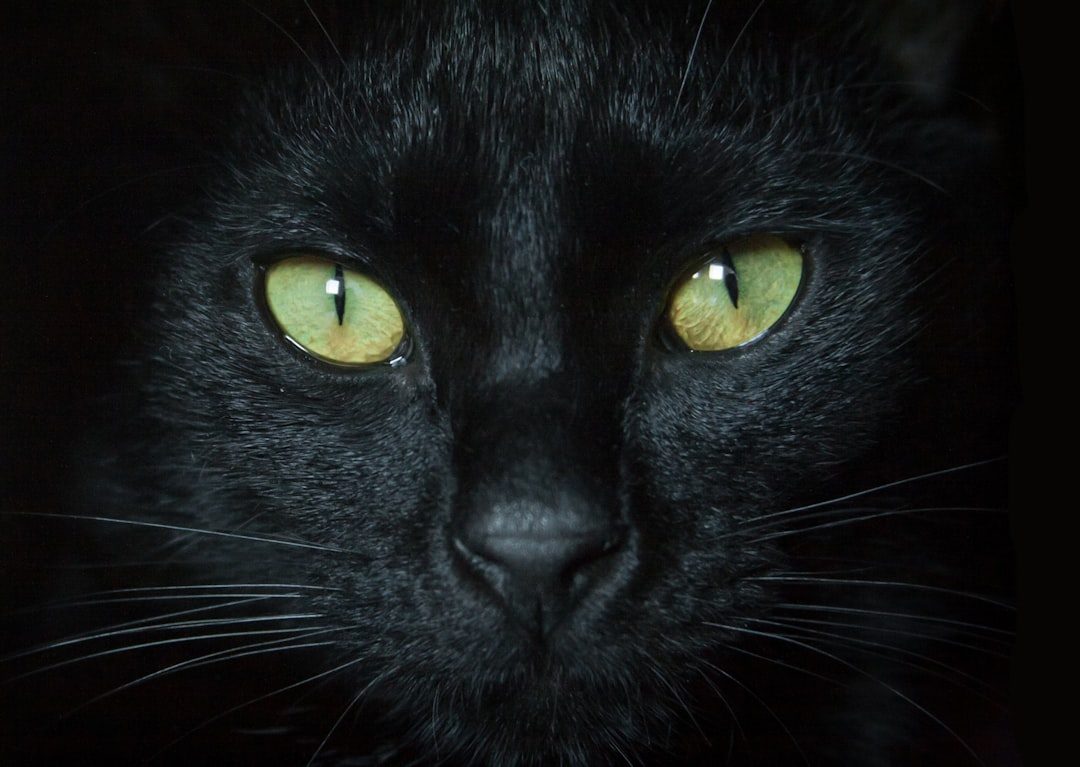
Let’s be real – cats didn’t evolve to be your average house pet lounging around all day. Cat senses are adaptations that allow cats to be highly efficient predators. Cats are good at detecting movement in low light, have an acute sense of hearing and smell, and their sense of touch is enhanced by long whiskers that protrude from their heads and bodies. These senses evolved to allow cats to hunt effectively at dawn and dusk.
Here’s where it gets fascinating: Cats have a tapetum lucidum, which is a reflective layer behind the retina that sends light that passes through the retina back into the eye. They also have a high number of rods in their retina that are sensitive to dim light. While these improve the ability to see in darkness and enable cats to see using roughly one-sixth the amount of light that humans need, they appear to reduce net visual acuity, thus detracting when light is abundant. Think of it like having built-in night vision goggles.
Yet there’s more to the story. A 2014 study found that, along with several other mammals, cats’ lenses transmit significant amounts of ultraviolet (UVA 315–400 nm) light, which suggests that they possess sensitivity to this part of the spectrum. That means your cat might literally be seeing things that are completely invisible to you.
The Ultraviolet Revelation That Changes Everything
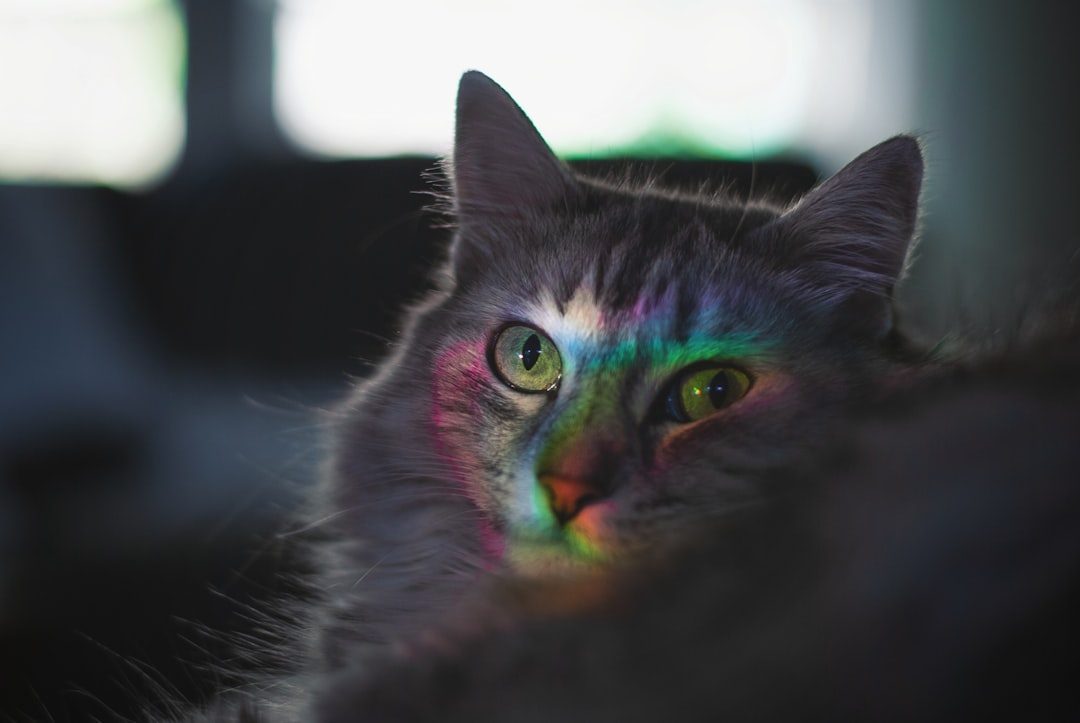
Scientists made a startling discovery that flipped our understanding of feline vision upside down. Unlike humans, many animals see in ultraviolet, and a study now suggests that cats, dogs and other mammals can, too. “Nobody ever thought these animals could see in ultraviolet, but in fact, they do,” said study leader Ron Douglas, a biologist at City University London, in England.
When your cat seems to be staring at something you can’t see, it may not be ghosts – it could be something that we can’t see simply because the light the object is reflecting is not within our ability to perceive. Those mysterious fixations might be entirely natural responses to stimuli that exist beyond human perception.
Consider this mind-bending possibility: The skill might also help to explain why cats become obsessed with unusual objects, like sheets of paper. Man-made optical brighteners are sometimes added to paper, fabrics, laundry detergents, cosmetics and shampoos to make them appear brighter. Your living room might look like a disco to your cat’s UV-sensitive eyes.
Their Supernatural Hearing Abilities
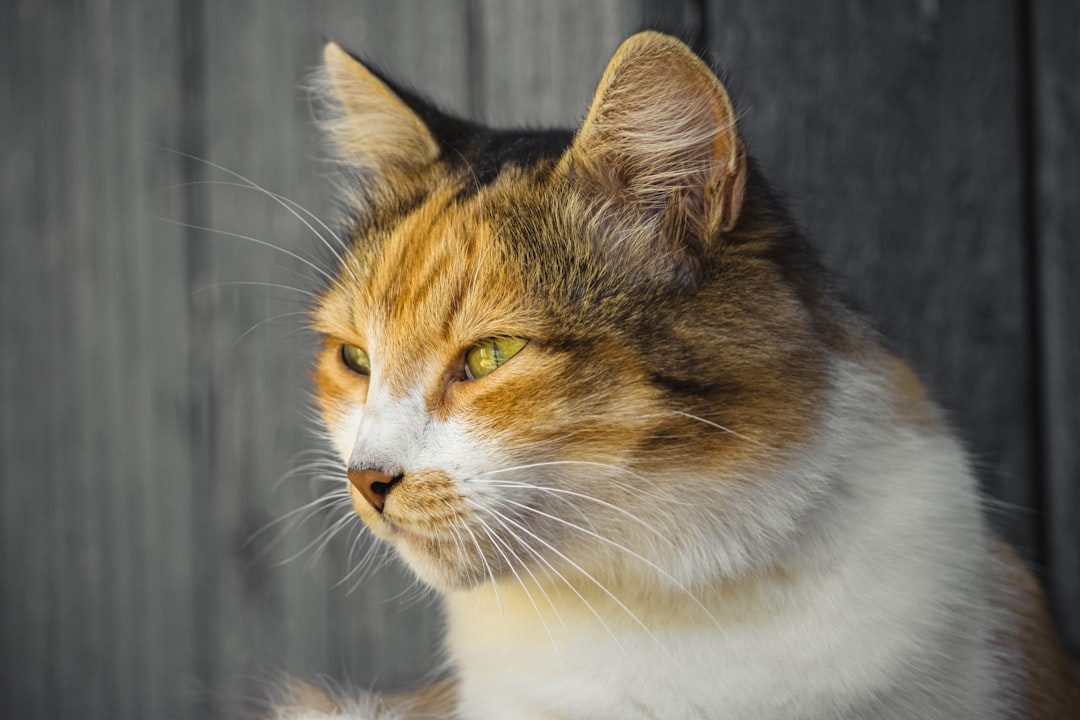
Humans and cats have a similar range of hearing on the low end of the scale, but cats can hear much higher-pitched sounds, up to 64 kHz, which is 1.6 octaves above the range of a human, and 1 octave above the range of a dog. That’s not just impressive – it’s borderline supernatural by human standards.
On top of night vision, cats have turbo-charged hearing. They can pick up ultrasonic sounds far beyond the human range – reacting to sounds from rodents, plumbing vibrations, or even electrical currents – things we can’t hear but they can. Your cat’s sudden alertness might be them tracking a mouse scurrying inside your walls, completely inaudible to you.
When listening for something, a cat’s ears will swivel in that direction; a cat’s ear flaps (pinnae) can independently point backwards as well as forwards and sideways to pinpoint the source of the sound. Cats can judge within 8 centimetres (3 inches) the location of a sound being made 1 metre (1 yard) away – this can be useful for locating their prey. It’s like having built-in radar systems.
The Whisker Network of Detection
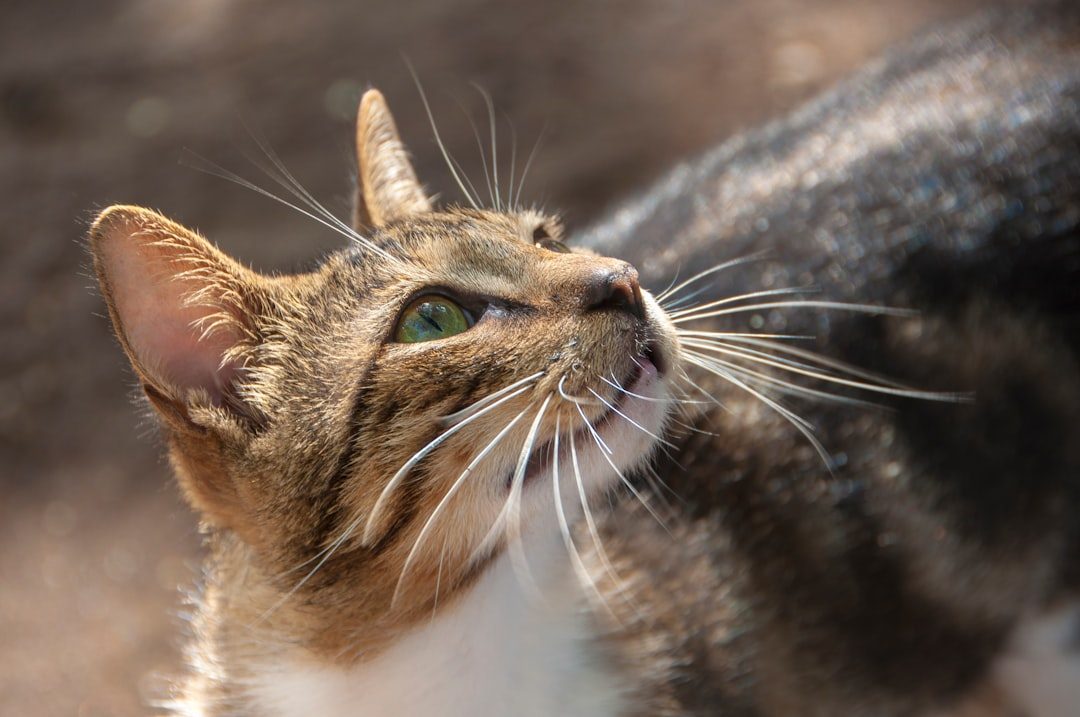
Those whiskers aren’t just adorable facial accessories – they’re sophisticated sensory equipment that would make any detective jealous. A cat’s whiskers are more than twice as thick as ordinary cat hairs, and their roots are three times deeper in a cat’s tissue than other hairs. They have numerous nerve endings at their base, which give cats extraordinarily detailed information about nearby air movements and objects with which they make physical contact.
Cats have twenty-four vibrissae or whiskers which send information to their barrel cortex (similar to the visual cortex of the brain). Because of this, felines can essentially create a 3D map of their environment – they can also use their vibrissae to sense air movement. Felines, with these additional gifts, may be able to detect things that we humans are insensitive to. So, should you live in an active household, your cat may very well be picking up on things that you aren’t.
The whiskers may be able to detect subtle changes in electromagnetic fields caused by nearby objects or living beings. It’s also possible that cats’ whiskers play a role in their ability to sense vibrations. Think of them as living antennae constantly broadcasting environmental data.
Electromagnetic Field Sensitivity and the Unknown
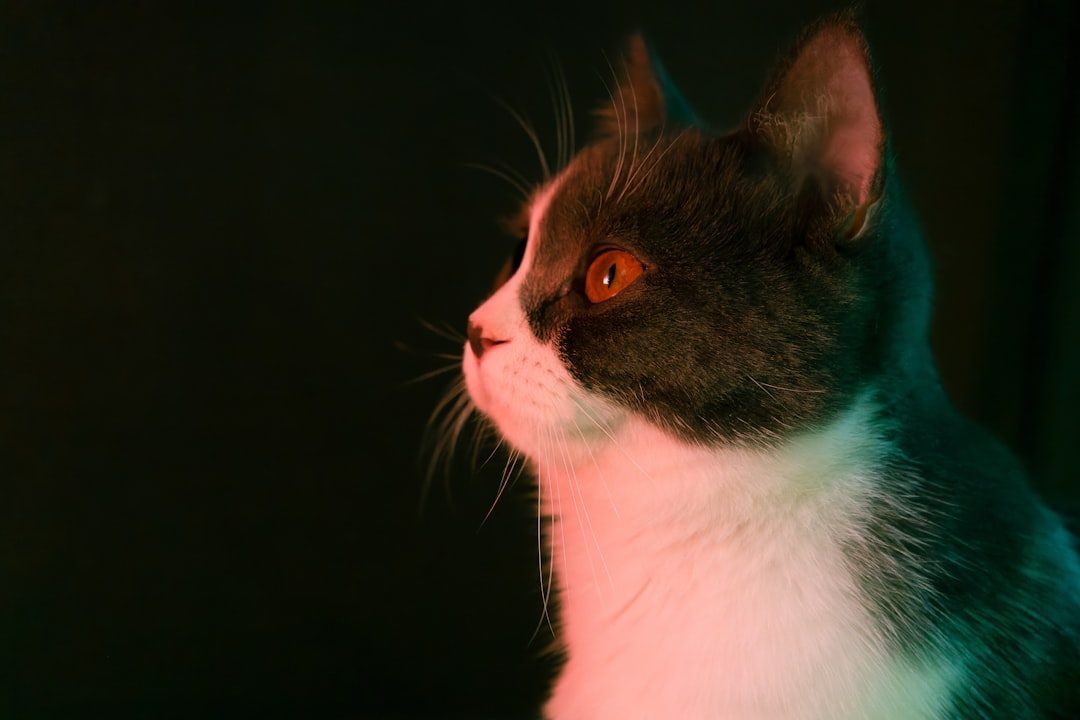
Here’s where things get genuinely mysterious. One theory is that cats are sensitive to electromagnetic fields, which are created by ongoing electrical activity in living beings. According to this theory, cats may be able to detect subtle variations in these fields that are undetectable to humans.
However, some experts believe that cats may be able to detect variations in electromagnetic fields that are imperceptible to humans. This ability may be related to the presence of tiny magnetite particles in the cells of a cat’s inner ear. It sounds like science fiction, yet it might be science fact.
But interestingly, research has found that cats can detect changes in barometric pressure. This sensitivity to changes in the weather can help them “predict” storms and other natural occurrences. If they can sense weather patterns, what else might they be picking up on?
The Real Explanations Behind Ghost-Like Behaviors
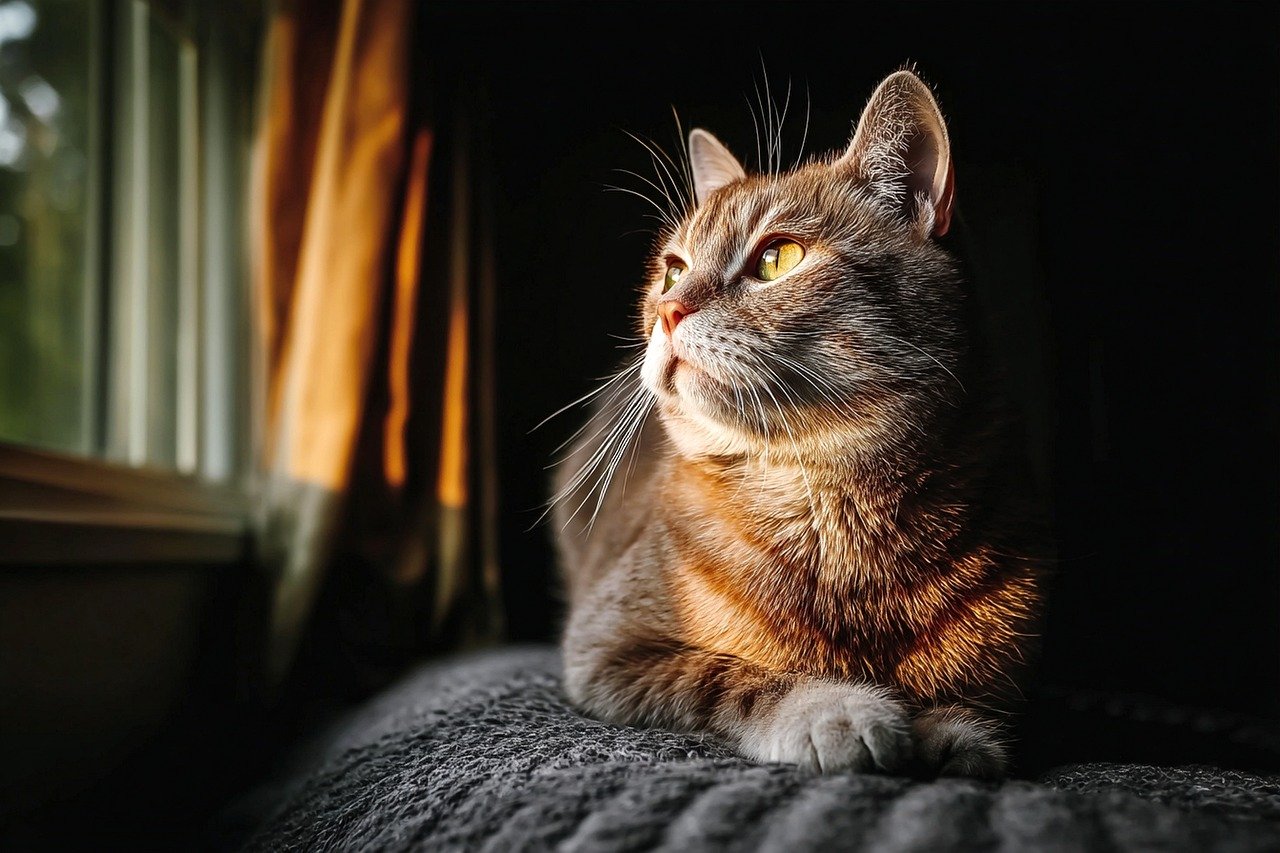
Before you start believing your house is haunted, consider the simpler explanations that science offers. While it might be easy or more interesting to attribute some feline behaviours to them interacting with ghosts, the likelihood is the real reason is simpler. Consider some of the alternative options: Reflections and Shadows – A flicker of light on a wall or a shifting shadow could catch your cat’s attention and send them into a temporary paranoid state. This is totally normal behaviour.
Cats are natural predators with brains wired to detect and respond to small, fast movements. Dust particles in sunbeams, tiny insects, subtle shadows, or reflections might capture their attention while remaining beneath human notice. Their superior hearing might cause them to track sounds from within walls (like rodents or insects) or from outside the home that humans cannot detect.
Pests and Small Creatures – The simple sounds of mice or bugs could set off your cat. Just because we don’t hear them, doesn’t mean they don’t make a sound! Smaller insects flying by might also catch their eye and pique their curiousity.
Ancient Beliefs Meet Modern Science
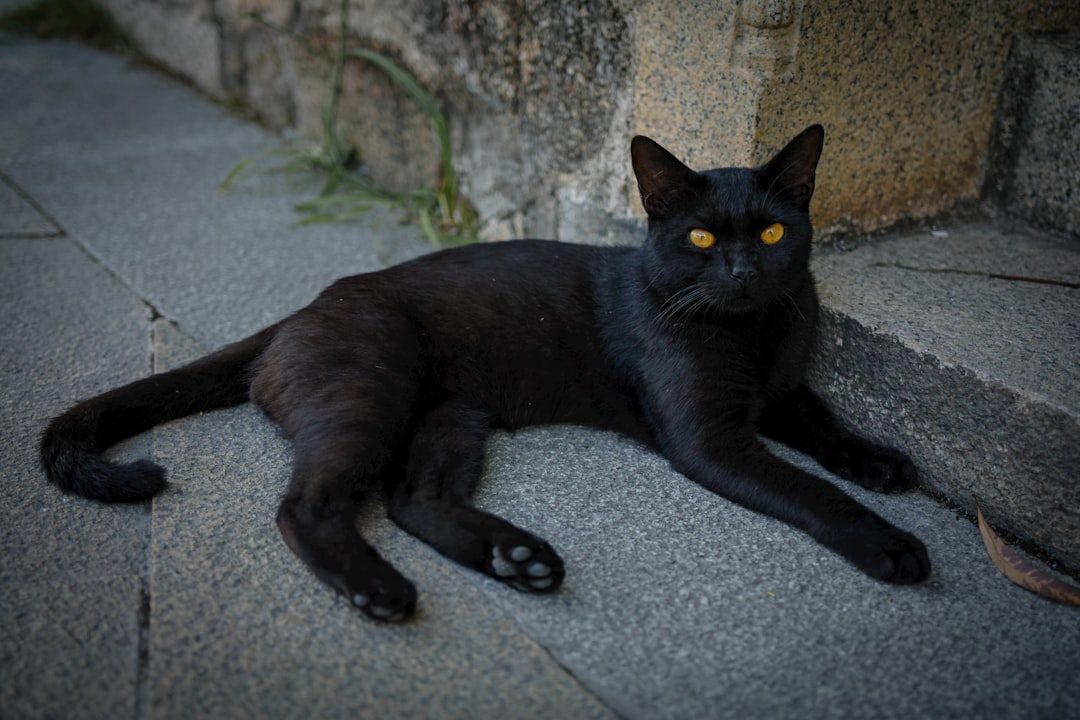
Cats have long been associated with the supernatural. Whether you go back in time to the ancient world, or look towards the modern day, cats can be found in association with the occult in folklore and film. These beliefs didn’t emerge from nowhere – they developed from observing cats’ genuinely uncanny behaviors.
Cats have been associated with energy sensing for thousands of years. In ancient Egypt, cats were revered as sacred creatures, believed to have supernatural powers that allowed them to see into the future and ward off evil spirits. Modern science suggests these “supernatural” abilities might actually be enhanced natural senses.
Many mythologies and folklore tales assert that cats ward away evil spirits. These stories contradict the classic superstition that black cats bring bad luck. While there’s no confirmation that cats protect you from spirits, there are plenty of anecdotes of cats communicating with their owners about disturbances – like a guest at the door, or something else that their human has yet to notice.
When Cats Truly Act Like They See Spirits
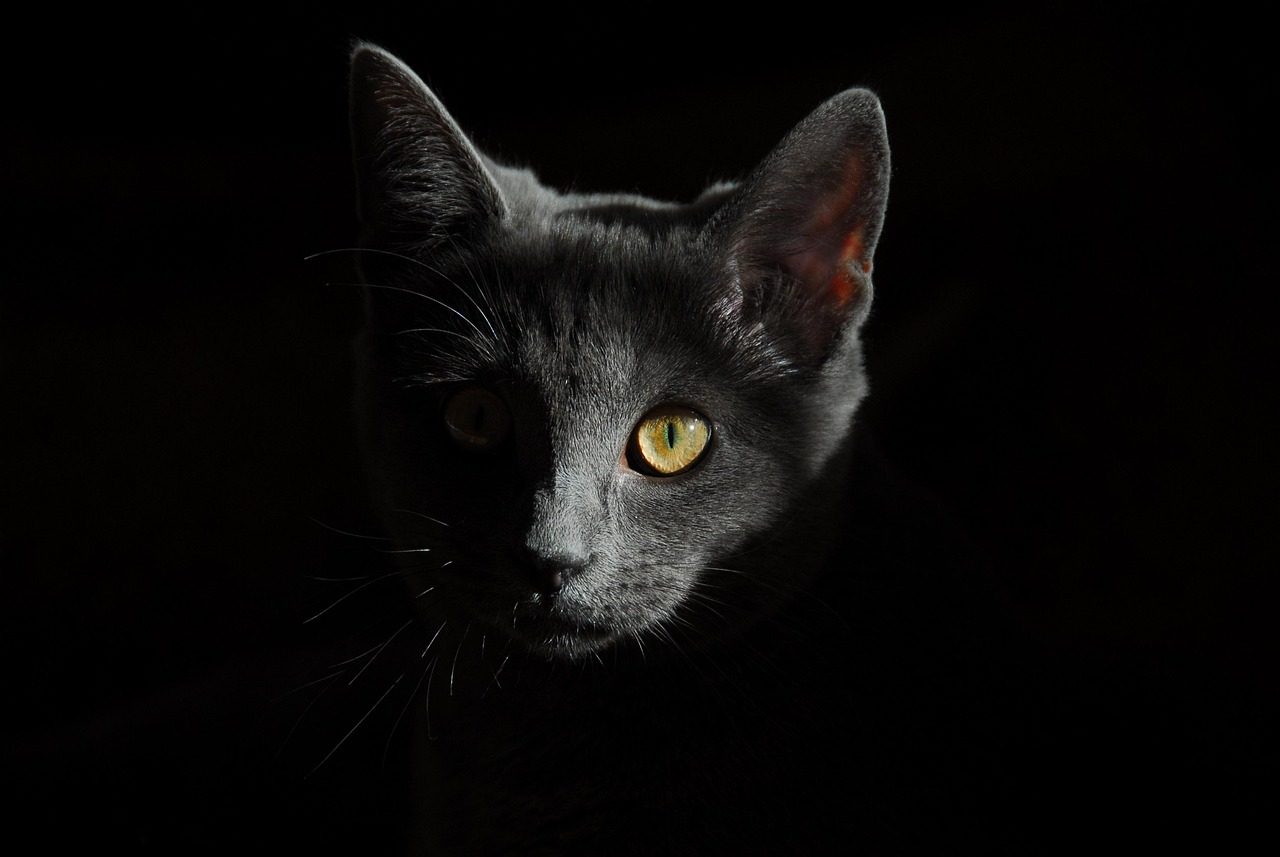
Some cats stare continuously at a particular spot – a spot that was later discovered to have a story behind it. Others watch the stairway, like someone is walking up and down the stairs, or a wall in the house, as if someone is hiding behind it. Sometimes, after staring for a while, the cat’s face looks as if they are trying to fight something off.
They suddenly startle for no reason (arched back, fluffy tail, wide eyes). They stare at absolutely nothing for long periods of time with an unbroken gaze. When there is an unusual noise at night, your cat is next to you simply watching. These behaviors can genuinely feel supernatural when you witness them.
You have surely seen a cat staring intensely at an empty corner or space as if it’s seeing something invisible. It stares with unwavering focus, almost as if in a trance. This may be a sign that it is sensing a ghost or spirit. Still, the jury remains out on whether this represents genuine supernatural perception or simply superior natural senses at work.
Whether your feline friend is detecting ghosts or simply operating with sensory equipment far superior to our own remains one of those delicious mysteries. Whether interpreting their behavior through scientific or supernatural frameworks, cats remind us that reality extends beyond human perception. Their inscrutable behaviors and seemingly mysterious awareness have captivated human imagination for thousands of years, contributing to their enduring mystique.
Perhaps that’s exactly how it should be. After all, a world where cats might glimpse dimensions beyond our understanding is infinitely more intriguing than one where everything has a simple explanation. What do you think – are your cat’s mysterious stares supernatural or scientific? The next time you catch them fixated on that empty corner, you might find yourself wondering too.