Every cat owner knows that feeling of uncertainty. You want your feline friend to live their best life, yet cats can be mysterious creatures who don’t always wear their emotions on their sleeves. Unlike dogs who practically bounce off walls when they’re happy, cats express contentment through subtle signals that can easily be missed if you don’t know what to look for.
Understanding these signs isn’t just about satisfying your curiosity. It’s about strengthening the bond with your companion and ensuring they receive the care they deserve. When you recognize the indicators of a happy cat, you can better respond to their needs and create an environment where they truly thrive.
Purring When Relaxed and Content
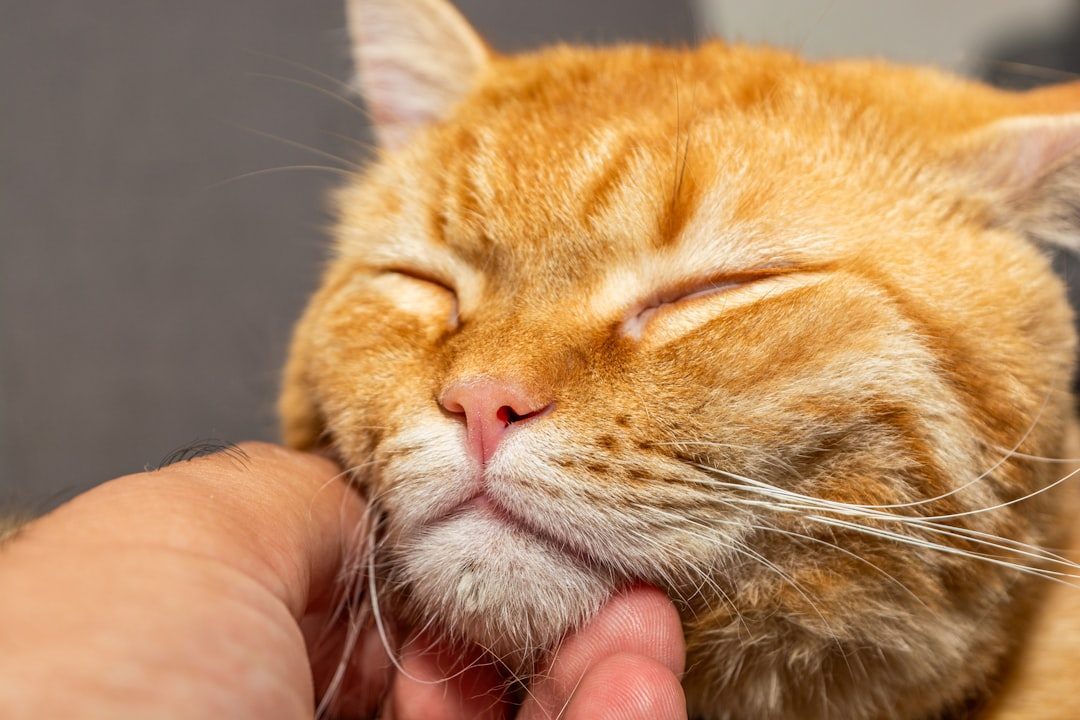
Purring is one of the signs that most people recognize as a sign of a happy cat. For the most part, if a cat is purring, you can be assured that they are happy. Yet here’s the thing many cat owners don’t realize: there are rare instances, though, when a cat purrs because they are frightened or hurt, so you’ll need to take the circumstances into account.
The key lies in reading the whole picture. If your cat is curled up next to you and seems relaxed, and their motor starts, you know for sure that your cat is content. You might hear them purring away when you stroke them or when they are basking in a warm patch of sunlight. When your cat combines purring with other relaxed behaviors, that steady rumble becomes one of the most reliable indicators of feline happiness.
Making Biscuits Through Kneading Behavior
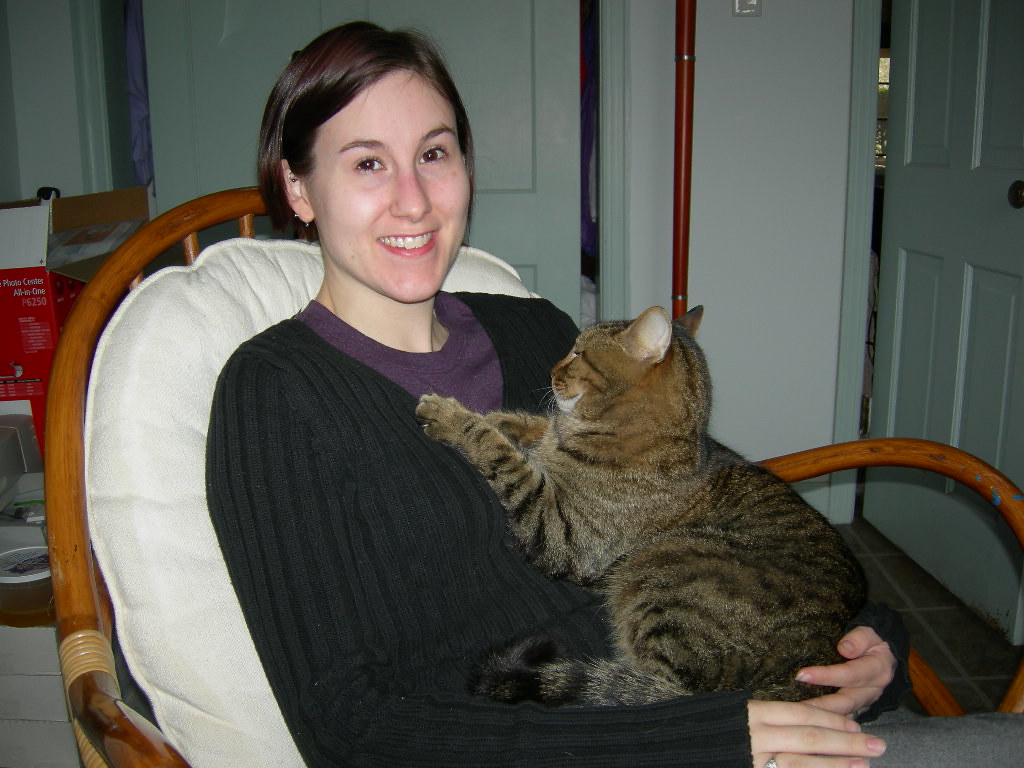
Cats often knead on soft surfaces or laps when they are feeling content. Kneading, also known affectionately as “making biscuits,” is when a cat pushes rhythmically with alternating front paws against a person or an object while extending and retracting their claws. This adorable behavior takes you straight back to their kittenhood memories.
This kneading motion is something they would have done as kittens to stimulate milk flow from their mother’s nipples. It is thought that they carry this behavior into adulthood and do so when they are in pleasurable situations. Cats might knead a blanket or their favorite people or something soft, and it’s often the height of contentment. Thought to be a throwback to the security that kittens feel when kneading on their mother, kneading is a clear sign that a cat is extremely happy.
Slow Blinking and Cat Kisses
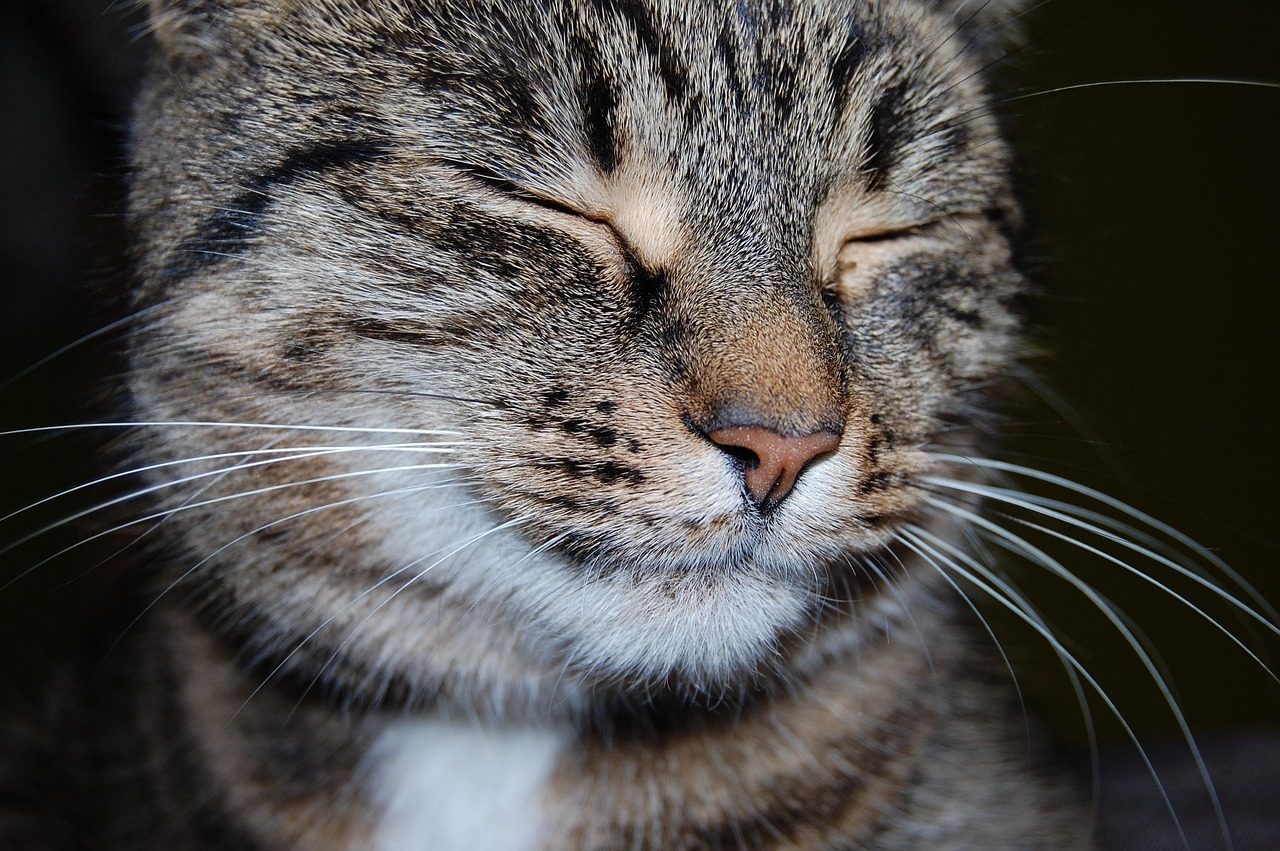
One of the unmistakable and totally endearing signs of kitty bliss is slow blinking. Warm eyes, followed by a slow and unmistakable blink is one of the most heartwarming signs of kitty happiness and love. This behavior, sometimes called a “cat kiss,” represents something profound in the feline world.
Blinking may seem like the most common and mundane motion to us, but for cats, it’s a sign that they trust you. That’s because when they’re blinking, their guard is down, and that shows they’re content and happy. If you return the slow-blink favor, you’ll communicate the same. This simple exchange creates a beautiful moment of mutual understanding between you and your cat.
Healthy Appetite and Enjoyment of Food
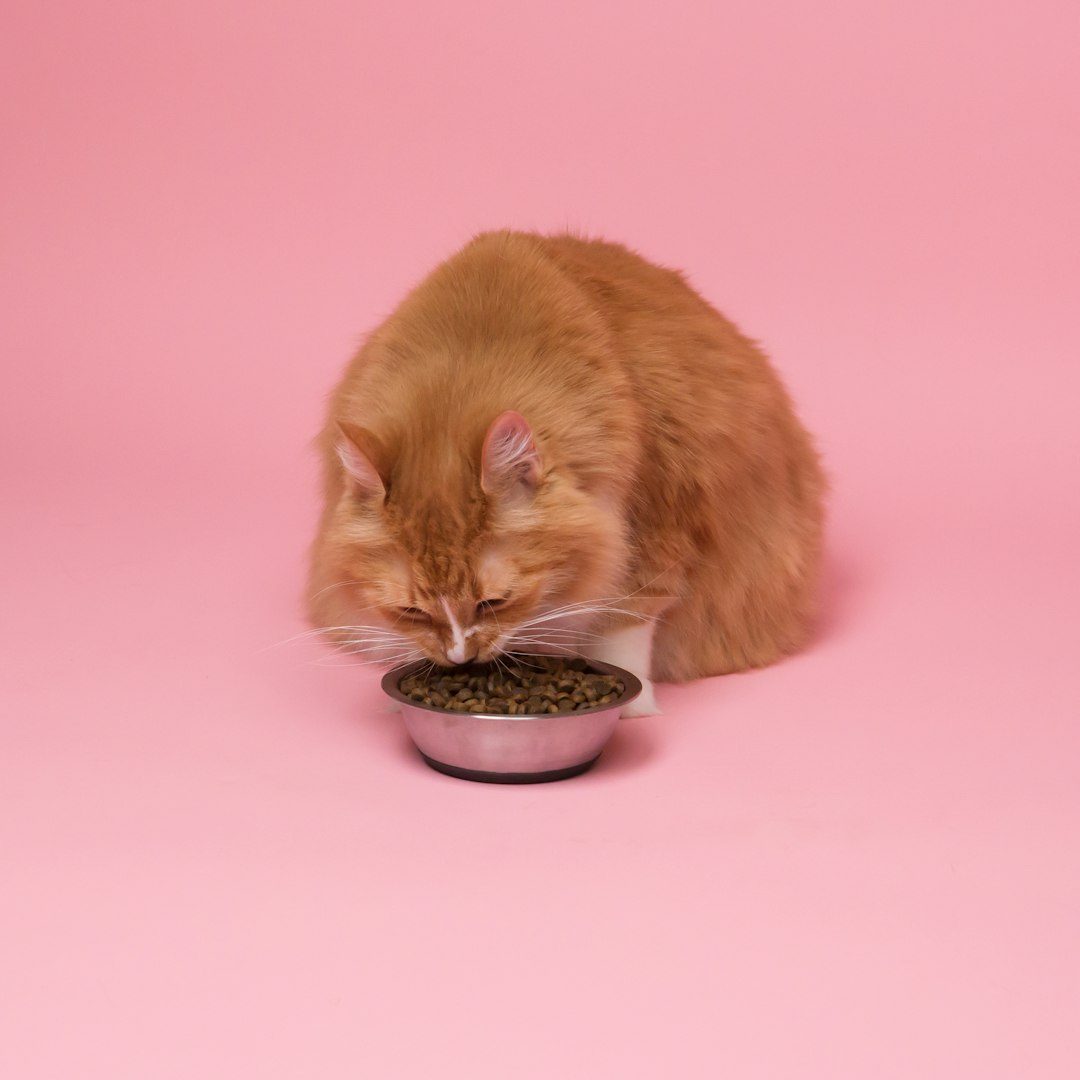
Eating well is almost always a sign of a happy cat. A happy cat looks forward to mealtime and treats. A happy cat will have a healthy appetite. This connection between emotional wellbeing and eating patterns makes perfect sense when you think about it.
In the same way that consistent grooming is an indication of good health and happiness, having an appetite is also a sign that your feline is feeling fine. If they’re eager to eat at every meal, that’s good news for everyone. Changes to your cat’s appetite can signal an underlying health issue, so check in with your veterinarian if your cat seems unusually hungry or loses interest in food.
Pristine Self-Grooming Habits
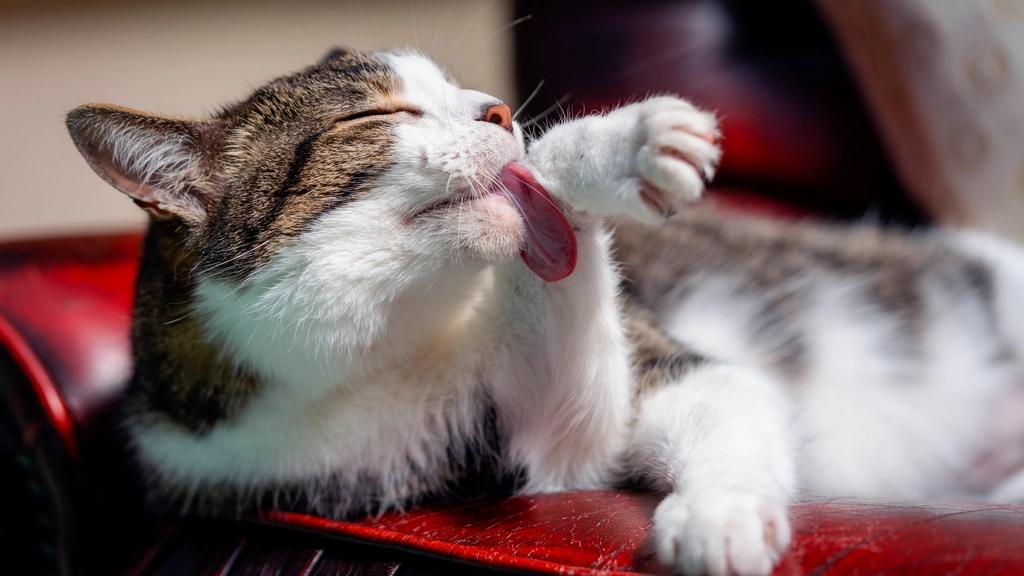
A clean, well-kept coat is a sign of a healthy, happy cat. Not only do cats enjoy sleeping for many hours, but they can also spend 50% of their waking hours grooming themselves. Grooming is serious business so a happy cat will always make sure they keep themselves in tip-top condition.
You’ll notice that content cats take pride in their appearance. Cats are fastidious about their personal hygiene, so as long as it’s not excessive, your kitty grooming themselves on a regular basis is a great sign that it’s feeling physically and mentally healthy. If your cat is grooming as normal, then everything is well in their world. When grooming habits change dramatically, it often signals that something else is going on emotionally or physically.
Proper Litter Box Usage
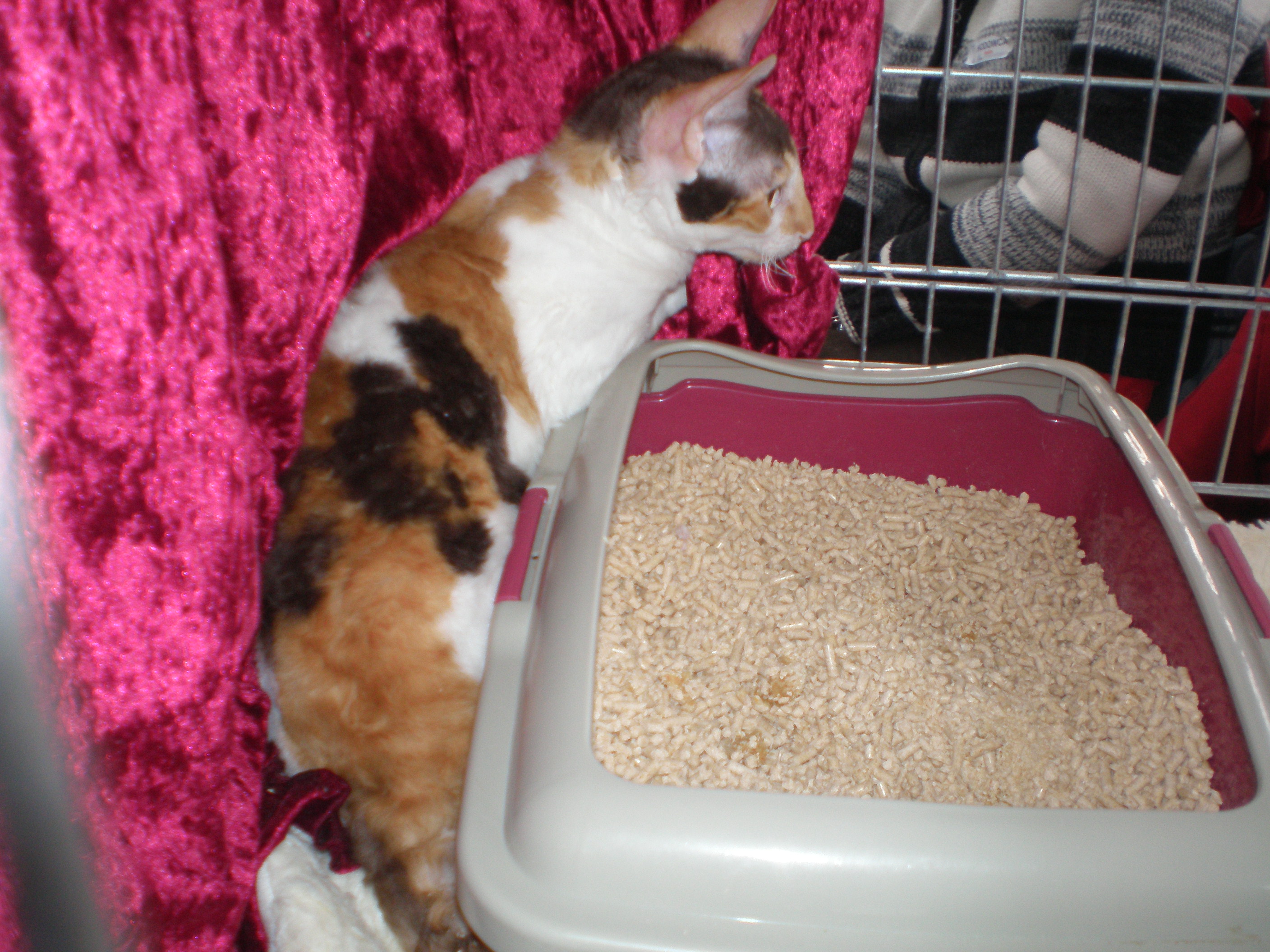
Cats instinctually want to use their litter box, so if they are going elsewhere it’s a sign there’s a problem. A happy and content cat will use their litter box, as they are usually exceptionally clean animals. This might seem like a basic expectation, yet it reveals so much about your cat’s emotional state.
Using the litter box and toileting normally are good signs that your cat is happy. Accidents occur during times of ill health or if something is upsetting your cat. Litter box behavior often mirrors your cat’s mood. When cats are happy and healthy, they tend to use the litter box correctly. Consistent bathroom habits indicate that your cat feels secure and comfortable in their environment.
Upright Tail Position and Confident Body Language
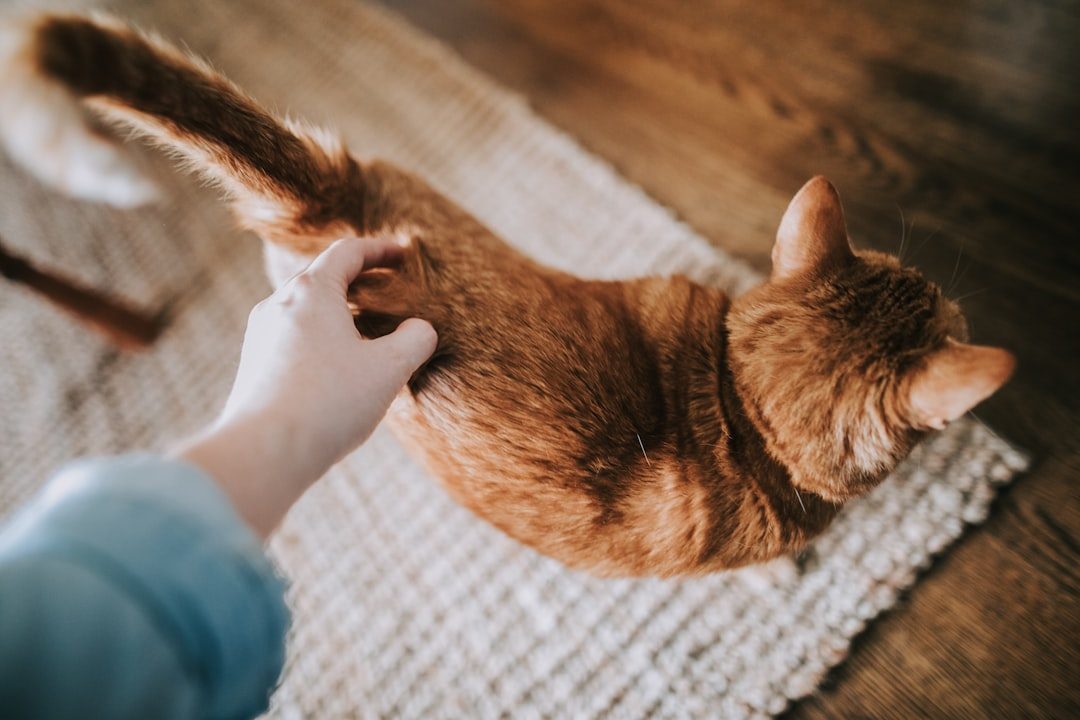
You may notice that sometimes your cat’s tail looks like a question mark – it stands upright but curls at the end. Again, this cat tail language indicates that your cat is happy and approaching amicably. A tail held high in the air with a slight curl at the end indicates your cat is happy and approaching in a friendly manner.
A cat who’s happy and confident will show it in his body. Look for easygoing, contented body language like a raised yet relaxed tail, a head up with alert eyes, and a sweeping, steady walk. Tail pointing straight up signifies a cat is feeling confident and ready to engage in some positive interaction. This confident posture tells the world that your cat feels secure and ready to interact positively.
Affectionate Head Bonking and Rubbing
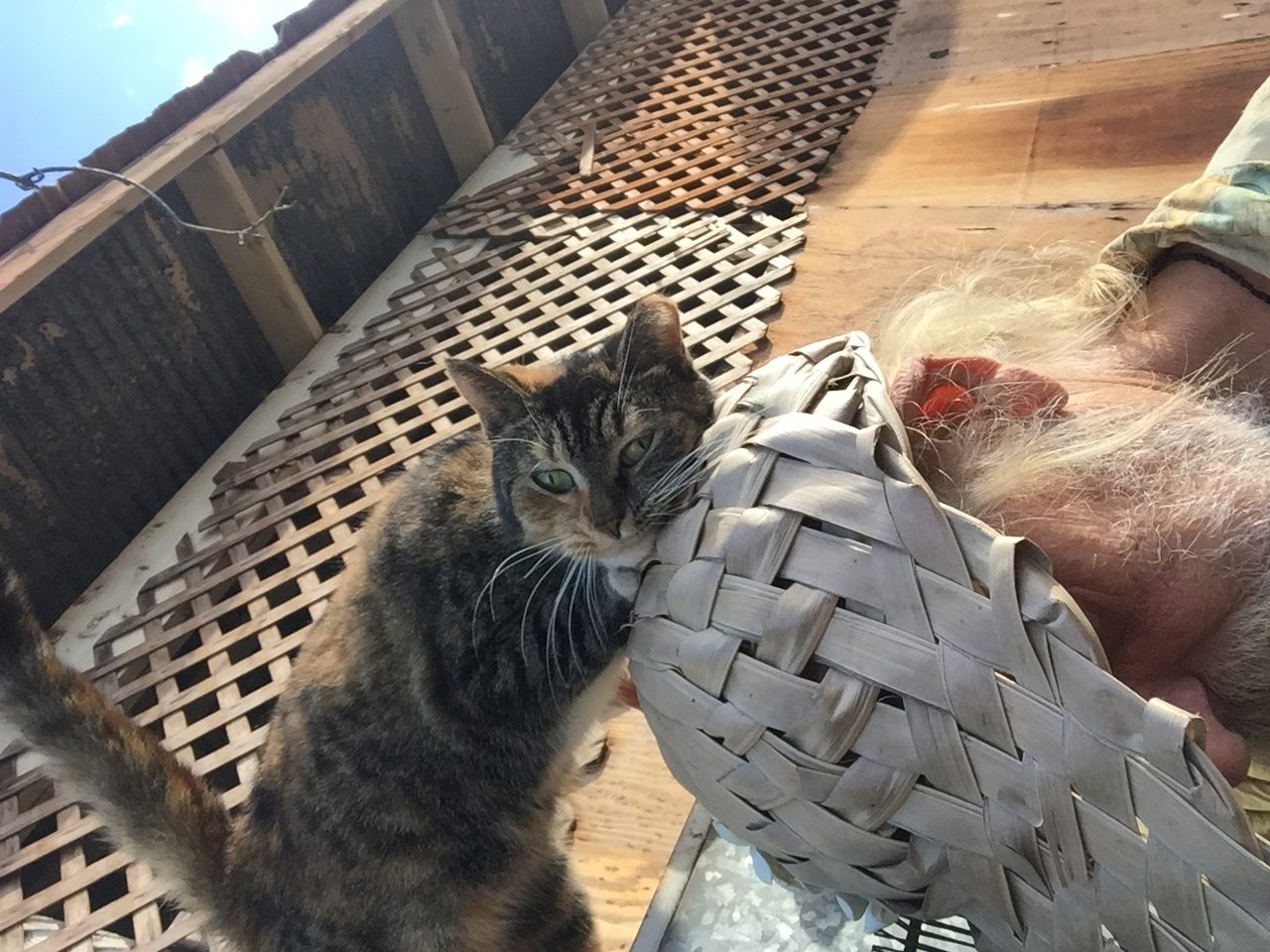
If your cat frequently “headbutts” you or gently rubs their head against you, consider it a sign of affection – and a happy cat! This behavior, often known as nuzzling or head-butting, is more than just cute; it’s a telltale sign that your cat is relaxed, happy, and trusts you implicitly. When your kitty nuzzles you, they’re not just showing affection; they’re also marking you with their scent from the glands located on their face.
In the feline world, scent-marking is a way of claiming something – or someone – as their own. It’s a form of communication that says, “You’re part of my tribe, and I feel safe and content around you.” This intimate behavior demonstrates the deep trust and happiness your cat feels in your presence.
Engaging in Play and Curiosity
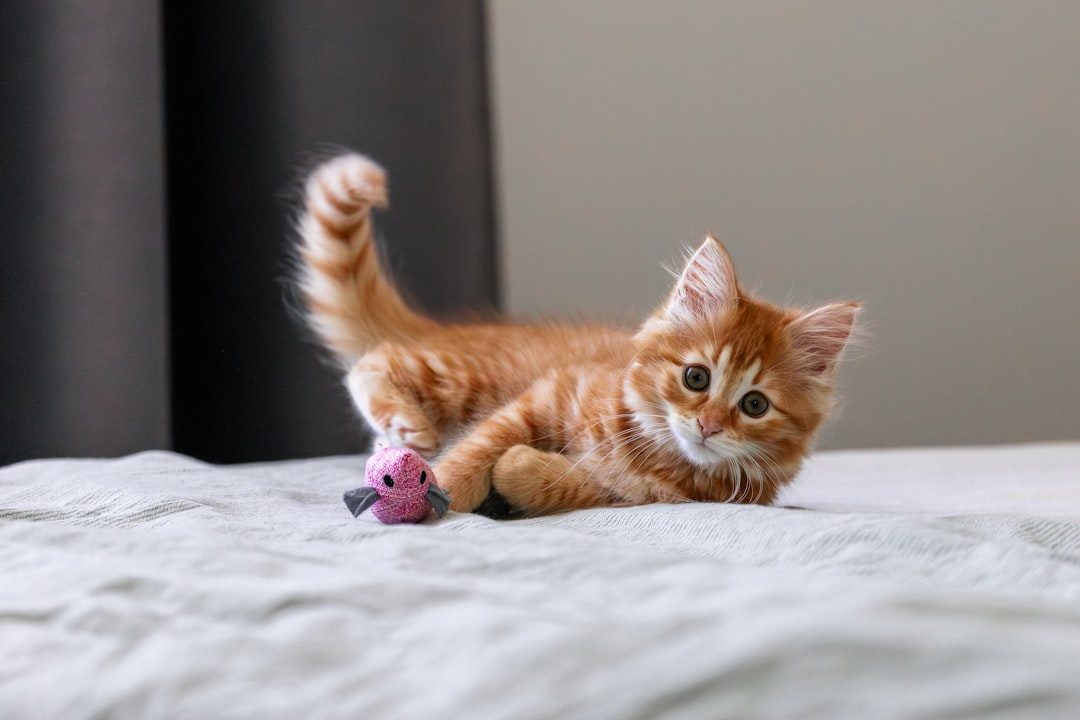
Although play drive varies amongst individual cats, most happy cats enjoy playing at least a little. Cats are built to explore, and a happy cat is often a curious cat. Confident kitties driven by their curiosity will be more likely to engage in interactive play with their human, other cats, or toys.
Happy cats also like to play, especially younger cats. Often this play may be solo, such as attacking a hanging feather or chasing a toy mouse down the hall, but other times it may include human family members. When your cat suddenly pounces on their cat toys or initiates a game of “catch the feather with their paws,” it’s not just about burning off those extra catnip calories; it’s a showcase of contentment and well-being.
Relaxed Sleep Positions and Comfortable Rest
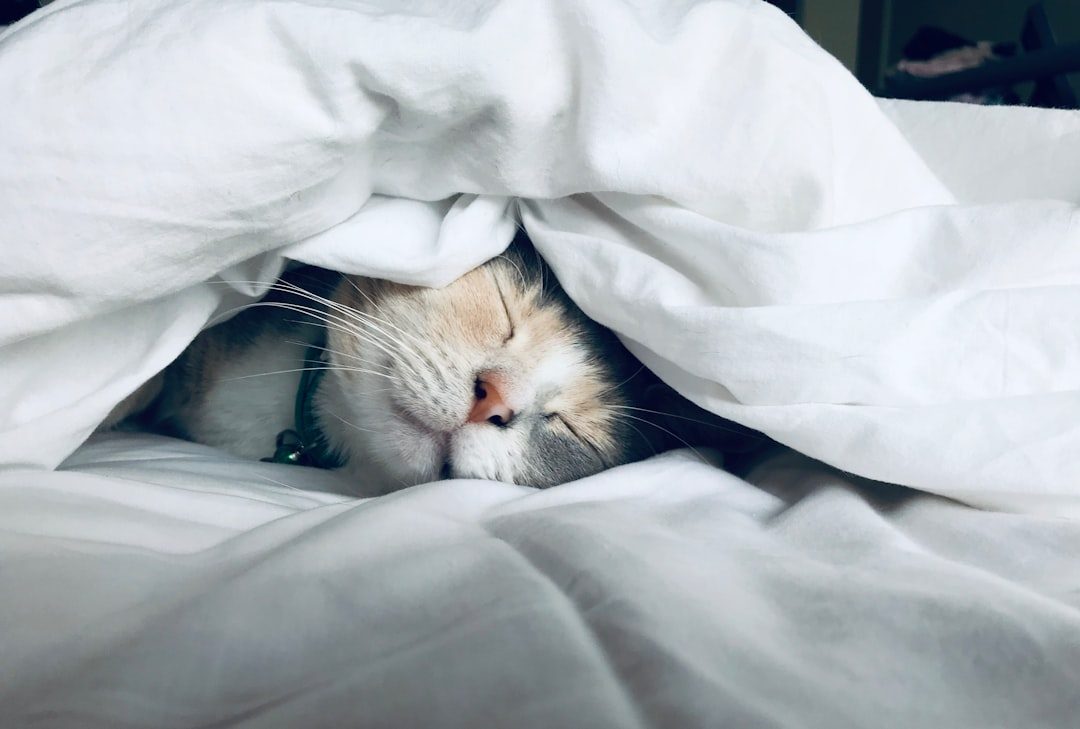
Glance over at your cat, and most of the time, there’s a good chance you’ll find them with their eyes glued shut! While cats have spells of being active (mostly at dawn and dusk), the majority of content kitties will spend a lot of time catching up on their beauty sleep. However, it’s not just the amount of sleep that matters, but how they position themselves while resting.
You can watch as your cat snoozes to look for additional signs that indicate his comfort level. A happy, comfy cat may stretch out, splay himself on the furniture, and even lie on his back and expose his belly – a vulnerable position. He may continue to sleep even as you pass by him, demonstrating how safe he feels. These relaxed sleep positions show that your cat feels completely secure in their environment.
Conclusion
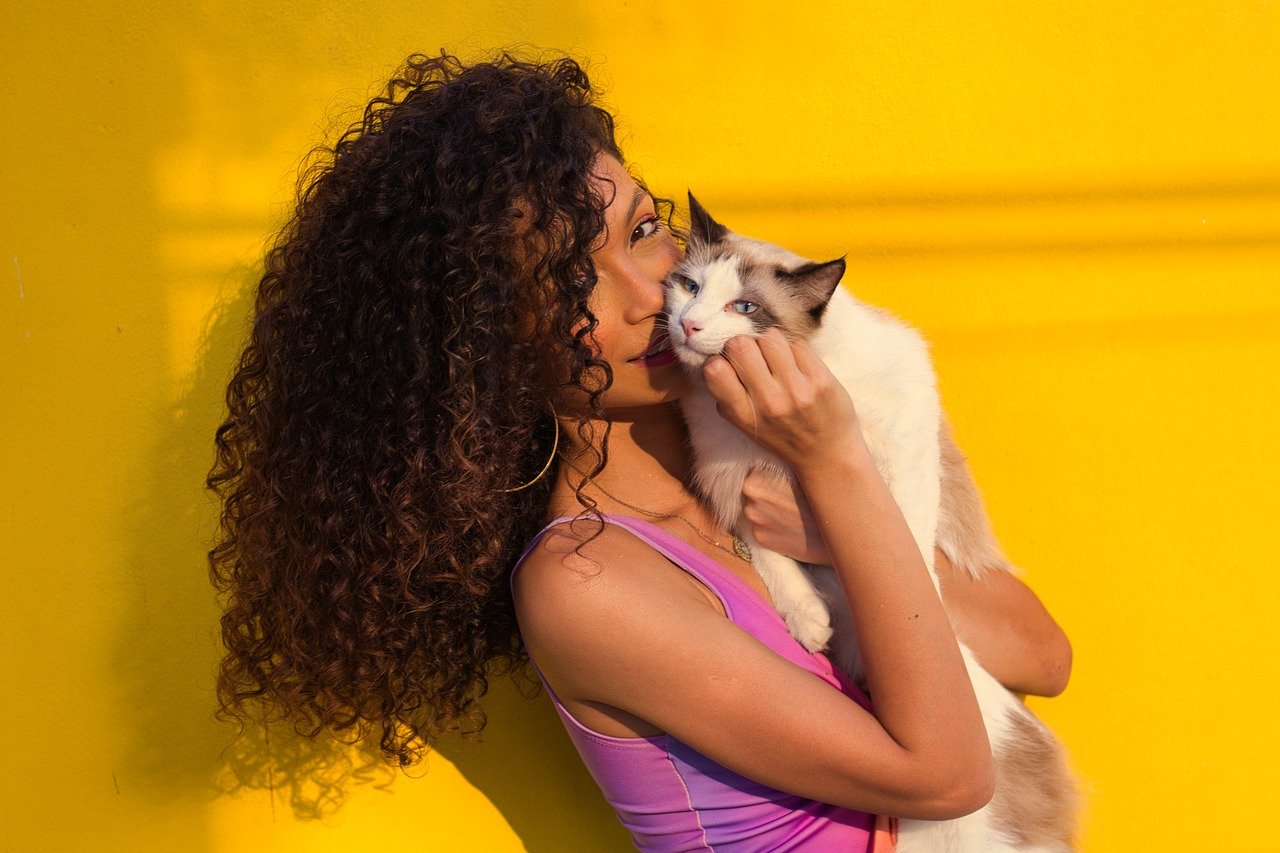
Recognizing these ten signs creates a roadmap to understanding your cat’s emotional world. When you notice your feline friend displaying multiple indicators simultaneously, you can feel confident that you’re providing an environment where they truly flourish.
Remember that each cat has their own personality and ways of expressing happiness. Some might be more vocal and affectionate, while others show contentment through quiet confidence and consistent routines. The beauty lies in learning your individual cat’s unique language of happiness.
What’s your cat’s favorite way of showing they’re content? Share your observations and let other cat parents know about the special ways your feline companion expresses their joy.