You’re standing there with your new feline friend in their carrier, heart racing with excitement. Finally, after weeks of planning and anticipation, you’re bringing home your very first cat! The playful purrs, those adorable little meows, and those captivating eyes that seem to hold ancient secrets.
But let’s be honest – while the Instagram-worthy moments are real, there’s so much more to expect during those first crucial weeks. Your new companion will go through their own adjustment period, and honestly, so will you. From mysterious midnight sprints across your living room to discovering just how particular cats can be about literally everything, this journey is full of surprises that no amount of YouTube videos can fully prepare you for.
Your Cat Will Need Time to Adjust and May Hide at First
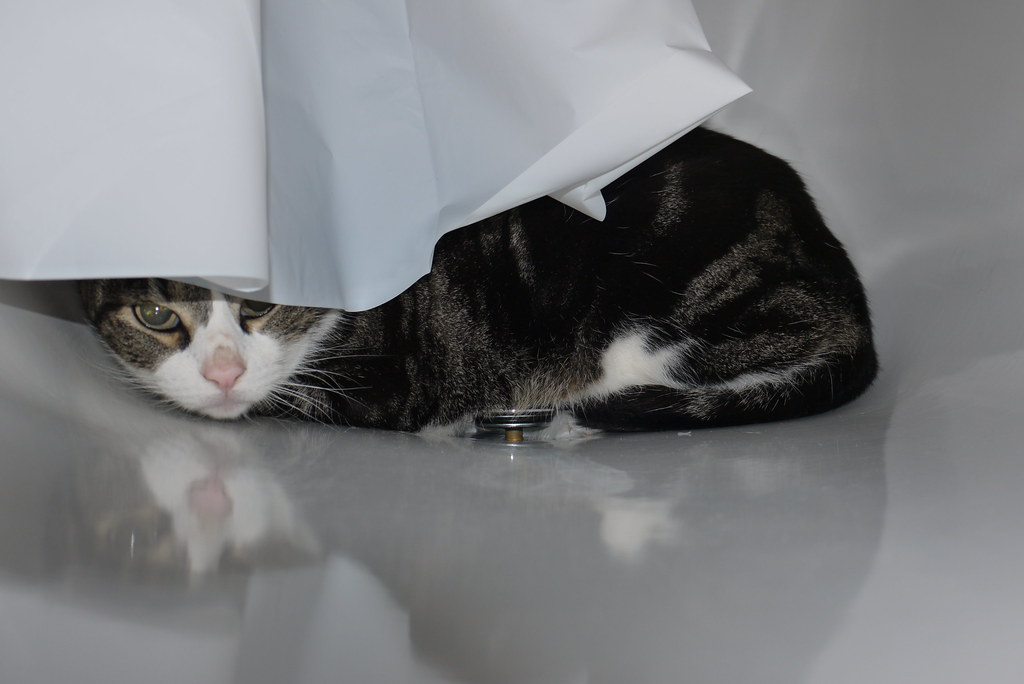
Don’t panic when your new cat disappears under the bed for the first few days. Your new cat will likely be stressed at first. Signs of stress can include decreased appetite, decreased grooming, hiding, lack of interest in attention or affection, and sleeping in unusual locations. A cat’s territory is of paramount importance. They view their territory the way most of us view our clothes; without them, we feel naked and vulnerable.
Think about it from their perspective – everything smells different, sounds different, and feels unfamiliar. In the first 3 days, your cat may hide, eat less, and seem distant. Everything is unfamiliar, and they’re just trying to feel safe. This is normal, and your role is to offer a calm space, routine, and patience. The hiding phase is actually a healthy coping mechanism, not a rejection of you or their new home.
You’ll Witness the Famous “Midnight Zoomies”

If you’re a first-time cat owner, expect your cat to go a little haywire in the middle of night. “Cats will start racing around the house for no apparent reason whatsoever,” says Jenn Corsun, manager of Cat World at Best Friends Animal Society in Kanab, Utah. These sudden bursts of energy might leave you wondering if your cat has lost their mind, but it’s completely normal behavior.
Cats are naturally crepuscular creatures, meaning they’re most active during dawn and dusk hours. So while you’re winding down for sleep, your feline friend may be experiencing a natural energy burst. If you’re a new cat owner searching for a way to try to stop late-night cat parties, try to play with your cat during the day. It will help them burn off energy and hopefully keep them asleep throughout the night.
Litter Box Training Is Usually Simple but Requires Consistency
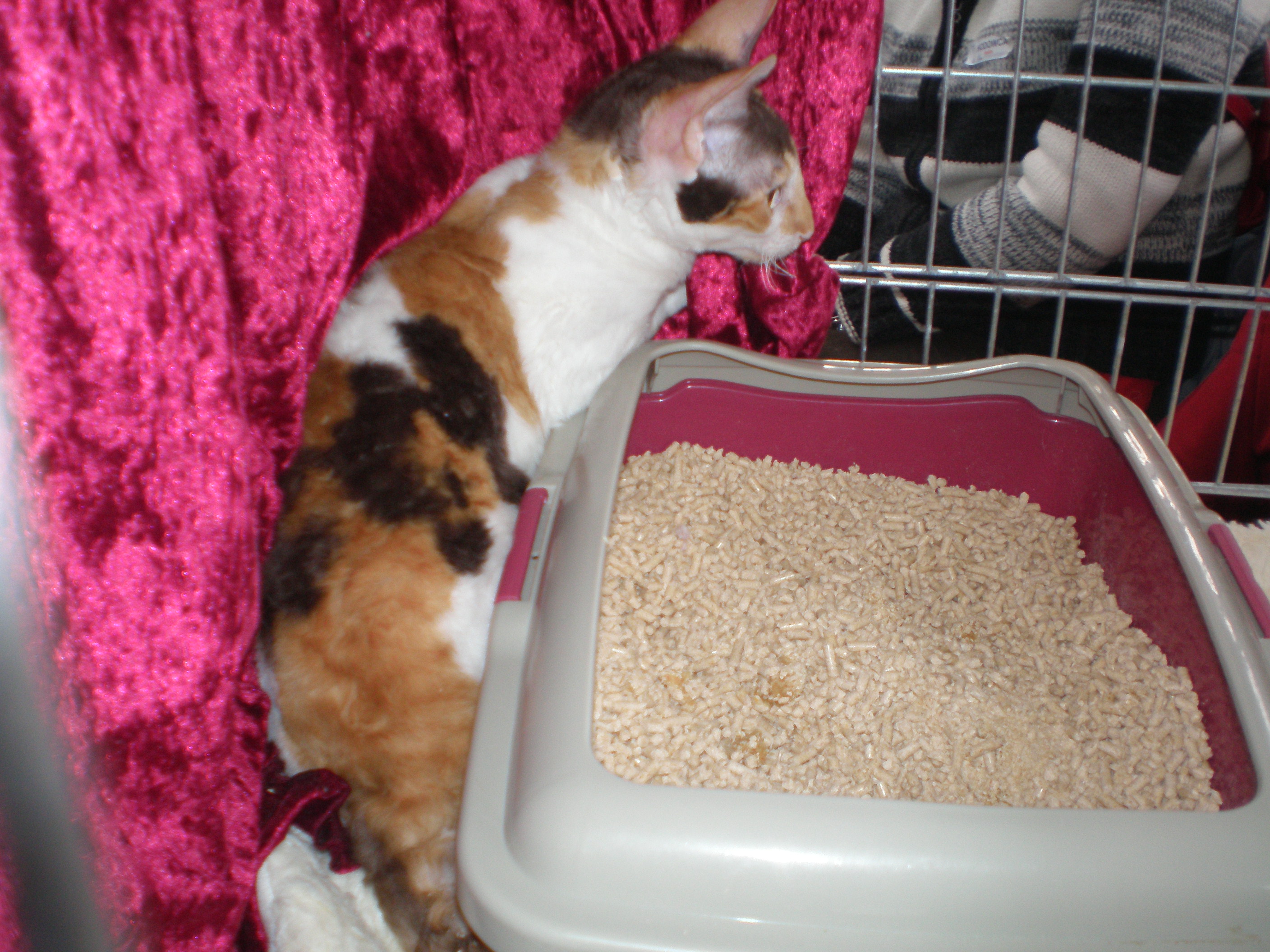
One of the best aspects of raising a cat is how quickly they adapt to housetraining. Long before most puppies master the concept of where they should go potty, kittens are reliably heading to their litter boxes, making life easier for everyone at home. There’s a good chance that your kitten will use the litter box right away.
However, don’t just plop the box anywhere and expect success. The first step to litter box training is proper placement of the box itself. Most cats prefer a quiet, private space. It is also wise to choose a spot that is far from your pet’s food and water, as cats usually prefer not to eliminate in the same area where they eat. The general rule of thumb for how many litter boxes you’ll need is one litter box per cat, plus one extra. So, if you have one cat, buy two litter boxes.
Scratching Everything Is Natural and Necessary
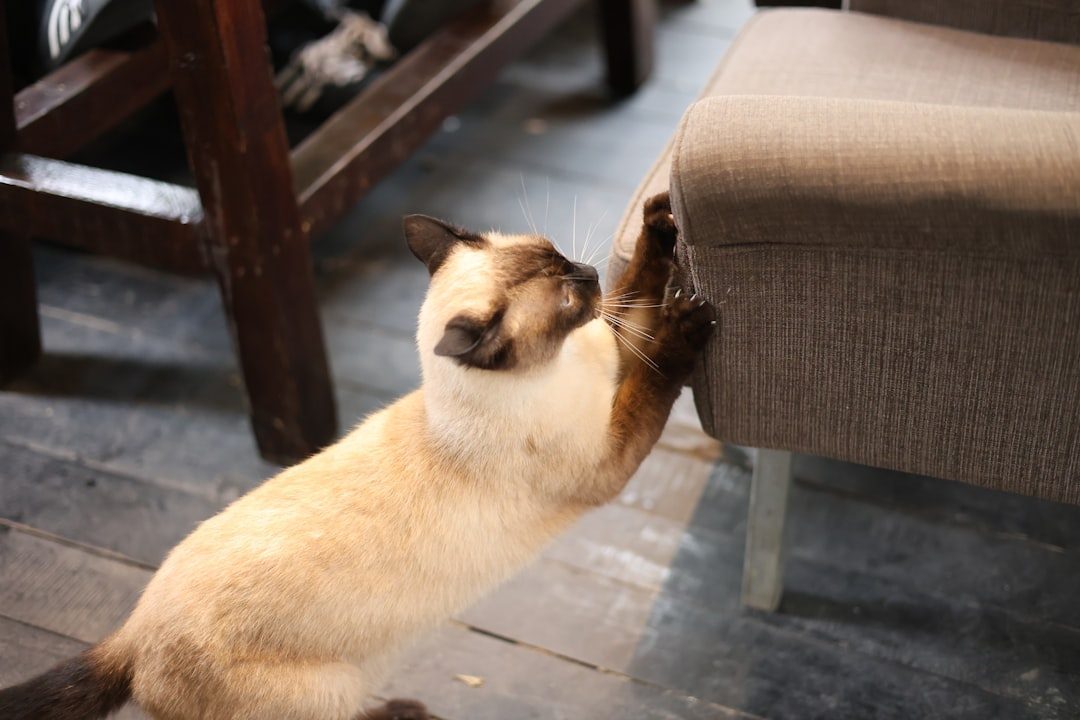
Scratching is a normal feline behavior. Although scratching does serve to shorten and condition the claws, perhaps the most important reason cats scratch is to mark their territory (both visibly and with the scent of the foot pads). Your furniture isn’t being maliciously attacked – your cat is simply following millions of years of evolutionary programming.
Here’s the thing: trying to stop scratching entirely is like asking you to stop stretching when you wake up. The best tactic when dealing with scratching is not to try to stop your cat from scratching, but instead to teach her where and what to scratch. An excellent approach is to provide her with appropriate, cat-attractive surfaces and objects to scratch, such as scratching posts. It must be covered in the right material, sturdy and well-constructed, and tall enough for a full stretch. Bennett recommends a post covered in sisal, rope, or any rough texture.
Your Cat’s Eating Habits May Surprise You

Exposure to a new environment can be overwhelming for many cats. If your cat refuses their food at first, don’t worry. Your cat will acclimate to their new home on their own time. Some cats dive right into their new food bowls, while others might turn their noses up at even the fanciest gourmet meals for the first few days.
Your cat’s food and water bowls should be in a low-traffic area in your home. Loud noise, other pets, and a stimulating environment can deter your kitty from eating their food. You’ll have to prepare for your new cat to be possibly not eating. If your new cat goes more than a day without eating or drinking at all, it is important to talk to your vet right away.
Climbing and Height-Seeking Is in Their DNA

Most cats are climbers. Some can even leap high on your counters or on your book shelves. “They love to be on top of things and up high surveying down, where they feel most safe and comfortable,” says Borns-Weil. Don’t be shocked when you find your cat perched on top of your refrigerator, casually judging your life choices from above.
First-time cat owners can try buying a cat condo or tree so your cat can sit up high and watch the environment. Borns-Weil says she once laid a mat down on top of her fridge so her cat had a place to rest. Think of it as providing them with their own personal skyscraper – they’ll appreciate having designated high spots that are actually theirs.
Grooming Requirements Vary More Than You’d Think
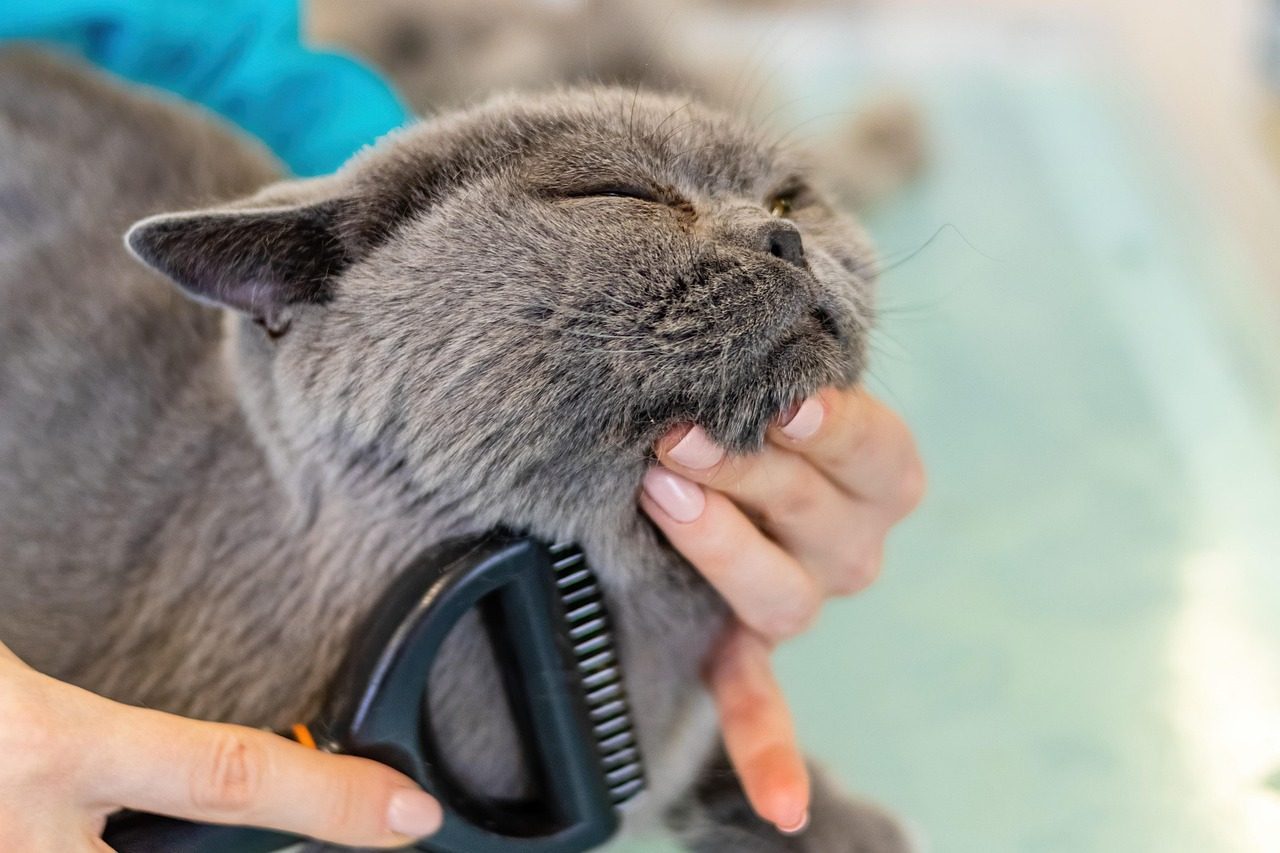
Cats spend up to half of their day grooming themselves – which might seem a little excessive at first, but there’s no denying they manage to look spiffy pretty much all of the time. Still, they actually do benefit from human help in the grooming department as well. Both short and long-hair cats need to be brushed on a regular basis, with long-hair cats requiring more frequent maintenance.
Long-haired cats need regular brushing to prevent mats and tangles. Cats with long hair may also need more frequent baths. Short-haired and hairless cats are low maintenance when it comes to bathing and brushing. But, they may need extra skincare and protection from the sun. The grooming routine you establish now will set the tone for your cat’s entire life, so patience during those first brushing sessions really pays off.
Veterinary Care Is More Involved Than Expected
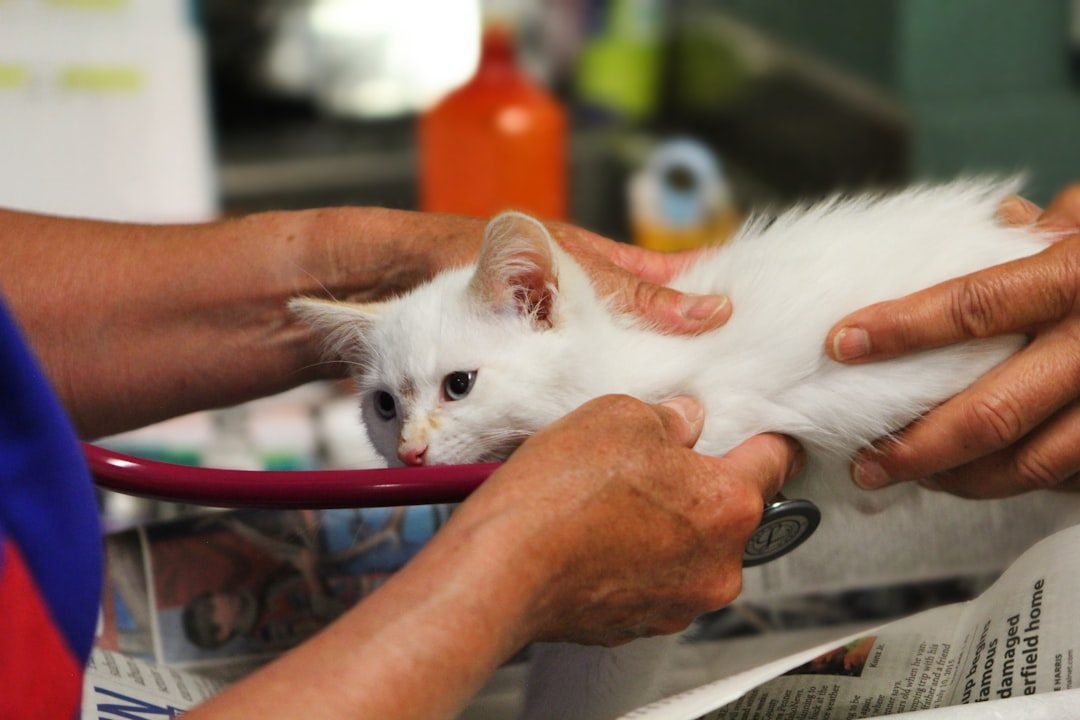
Within your first week together, take your cat to the veterinarian for their first wellness visit. Bring any paperwork you have to the appointment including health records, vaccination history, microchip information, etc. Expect your vet to perform a routine physical exam. This isn’t just a quick check-up – it’s establishing a comprehensive health baseline for your new companion.
At your cat’s check-up, your vet will make sure your pet has all the vaccinations they need to live a healthy life. If your shelter, breeder, or seller shared any known cat health problems with you, pass those along to your vet. Your vet may also find other health conditions or dietary needs for your cat. Take note of each and work with your vet to create a wellness plan.
Expenses Add Up Quickly Beyond the Adoption Fee

Cat Litter: $120 Dog Training: $65-$150 per session (more for sleep away training) After the first year of ownership, the maintenance costs of pets decrease significantly. However, there are a few ongoing costs to be aware of and set money aside for. That adoption fee is honestly just the entry ticket to a much larger financial commitment.
It is important to ensure that you have enough money for veterinary visits and to purchase quality food and other necessities that your cat will need, such as proper grooming materials, toys and furniture, and even kitty litter. Quality Food: $300-$2,500 Cat Litter: $120 The remainder of the major expense will be split between feeding and grooming costs. Planning for these ongoing expenses now will save you stress later.
Building Trust Takes Patience and Understanding

Being a good cat owner involves building your cat’s trust, and building trust with a new cat takes time and patience. Sit on the floor and let your cat come to you. Resist the urge to pick up the cat for love and snuggles – let them approach you. Sitting on the floor at your cat’s level can help them feel less intimidated.
Simply hanging around your cat while you read, work, surf the Web and relax – rather than focusing all your attention on the cat every time you visit – can help them understand they’re safe around you. Over the next 3 weeks, they’ll begin to decompress by eating more, exploring a little, and slowly showing their personality. By 3 months, most cats settle in fully and feel at home, revealing their true nature, whether playful, affectionate, or independent. The cat you meet on day one might be completely different from the confident, quirky companion they become once they’ve settled in.
Conclusion

is like starting a beautiful, sometimes bewildering relationship. Those first few weeks will test your patience, challenge your assumptions, and probably leave you googling “Is this normal cat behavior?” more times than you’d care to admit. Yet through all the midnight zoomies, the strategic furniture scratching, and the mysterious disappearing acts, something magical happens.
Your home transforms from a house into their territory, and somehow, you become their chosen human. The investment in proper supplies, veterinary care, and endless patience pays off when that initially skittish creature eventually curls up next to you, purring like a tiny motor. What surprises you most about your first few weeks together? Share your experiences in the comments – every new cat parent needs all the wisdom they can get!