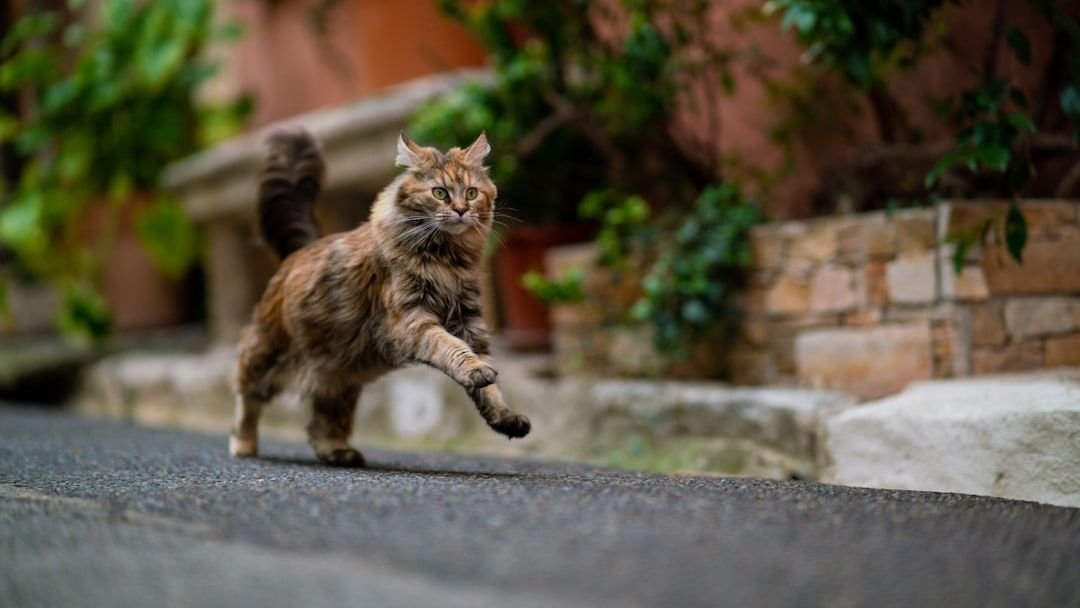
You think you know your cat inside and out. They eat, they sleep, they knock things off your counters. Pretty straightforward, right? Well, here’s the thing. Beneath that nonchalant exterior lies a world of quirky preferences and hidden delights that even the most devoted cat parent might miss.
Honestly, living with a cat is like cohabitating with a tiny, furry mystery. They’re domesticated, sure, yet they still carry the instincts and behaviors of their wild ancestors. What seems utterly bizarre to us makes perfect sense to them. So let’s dive in and uncover the surprising things your feline friend secretly adores.
1. The Irresistible Allure of Running Water
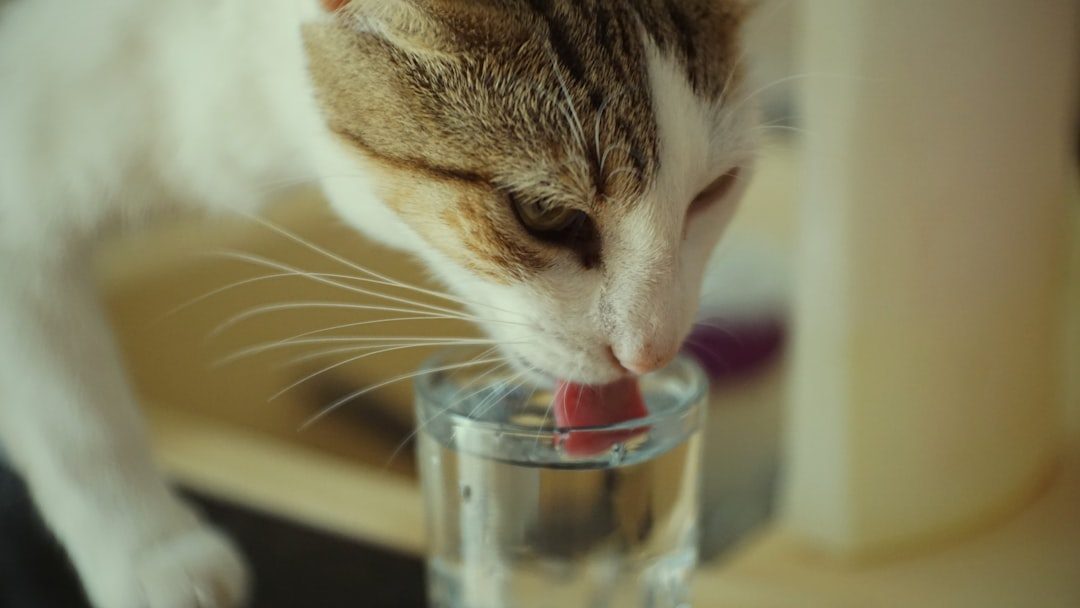
Your cat might ignore their freshly filled water bowl and instead bolt to the bathroom sink, begging you to turn on the faucet. This odd preference actually comes from feline instinct: in the wild, feral cats avoid standing water because it carries a higher risk of contamination, and running water is colder, crisper, and fresher.
Your cat may simply have a taste preference for running water compared to water sitting in a bowl all day, which leads to bacteria formation, especially when food particles fall in and change the taste. Some cats even love the novelty of drinking from human glasses or watching the mesmerizing flow of a dripping tap. If your furry friend is obsessed with running water, consider investing in a cat fountain to keep them hydrated and happy.
2. Tiny, Enclosed Spaces
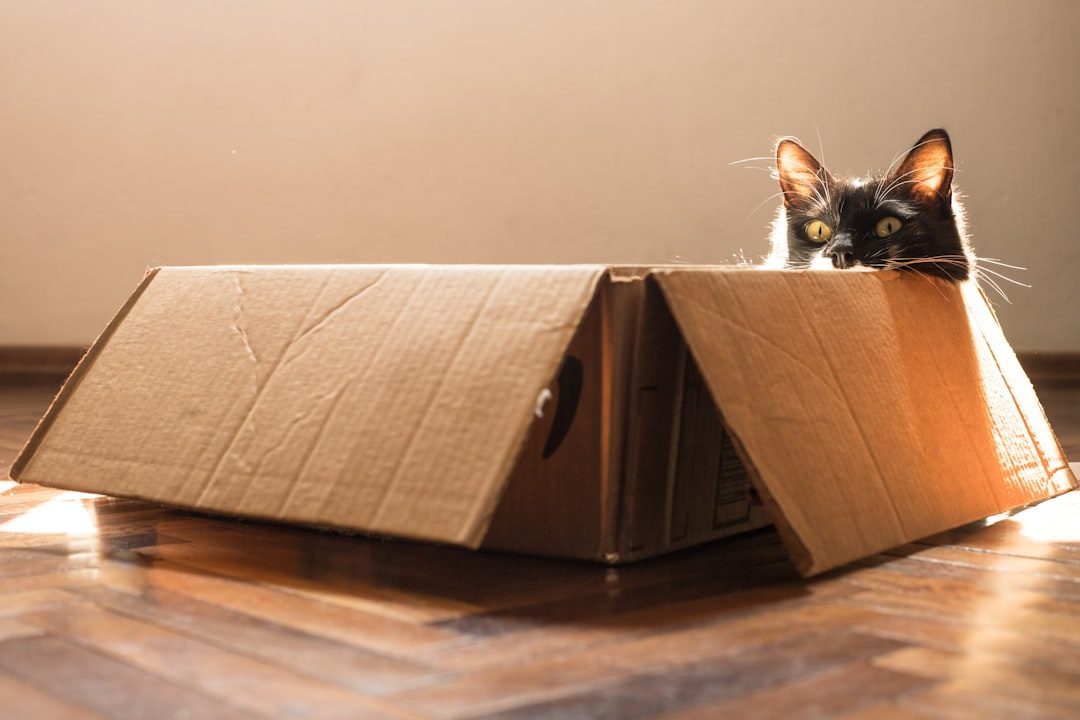
Cats are creatures of comfort, and sometimes being in a box with side support is comfortable. Other times, being in a box makes some cats feel safe and secure, like they’re protected from all sides. Boxes are also fun to hide in, spring out and surprise people and other pets in the household.
Cats love seeking small hiding places. Although this behavior is endearing, it also makes cats feel safer. They seek comfort, security and warmth in spots that seem so odd to you, like a shoebox or the bathroom sink. Whether it’s a cardboard box three sizes too small or the bathroom sink, your cat finds these cramped quarters oddly delightful. It’s their own personal fortress.
3. Perching on High Surfaces
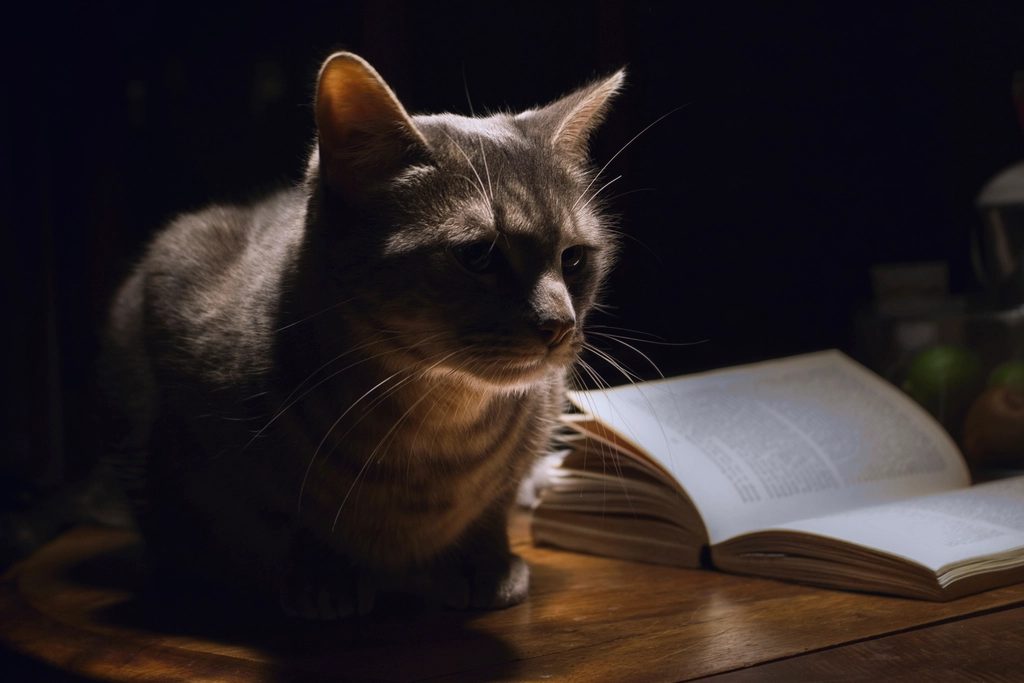
Does your cat love to jump on countertops, bookshelves, or the top of your fridge? They love to be on top of things and up high surveying down, where they feel most safe and comfortable. Like their ancestors, your feline friends seek out high places to survey their home territory and to escape from another pet in the home, a young child or something that scares them.
It’s instinctual. Cats are both predators and prey, so having a bird’s eye view of their domain gives them a sense of control and safety. Instead of constantly shooing them off forbidden surfaces, provide cat trees or window perches. Trust me, they’ll appreciate having their own high ground.
4. The Slow Blink of Love
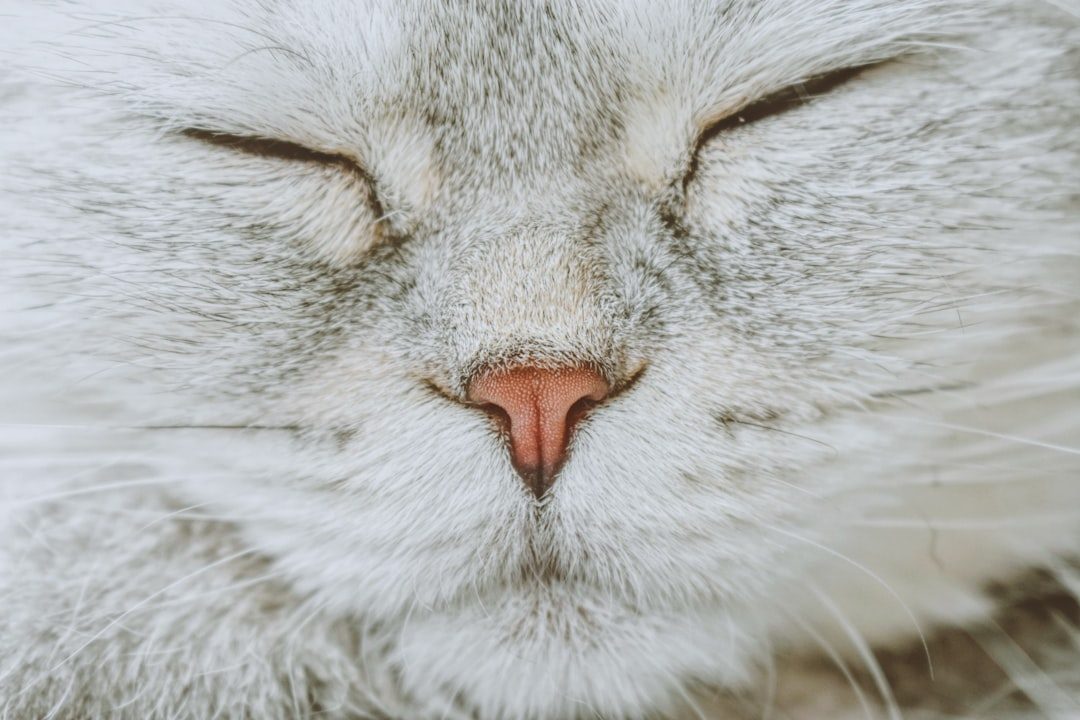
When a cat gives you that adorable slow blink of the eyes, it’s actually a way of communicating love. This gentle eye movement is a sign of deep trust and affection. A slow blink is a cat’s way of showing you that they trust you and feel safe with you.
Sometimes called “kitty kisses,” these slow blinks are one of the sweetest ways your cat says they adore you. Next time your cat gives you one, try blinking slowly back. It’s like having a secret language with your furry companion, and honestly, it’s kind of magical.
5. Kneading You Like Dough
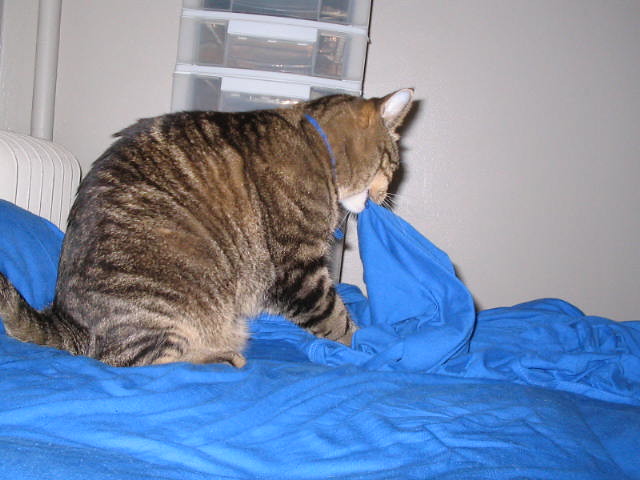
Kneading mimics the motion kittens use to nurse. For cats, kneading is deeply ingrained in their behavior and tied to feelings of love and trust. When your cat kneads, it’s their way of showing affection and comfort, creating a sense of security in their environment.
Yes, those little paws pushing rhythmically into your lap can be painful when claws are involved. Still, this behavior shows your cat feels utterly content and safe with you. They’re essentially telling you that you remind them of their mother. Take it as the ultimate compliment, even if you need to keep a blanket handy to protect your legs.
6. Chattering at Birds
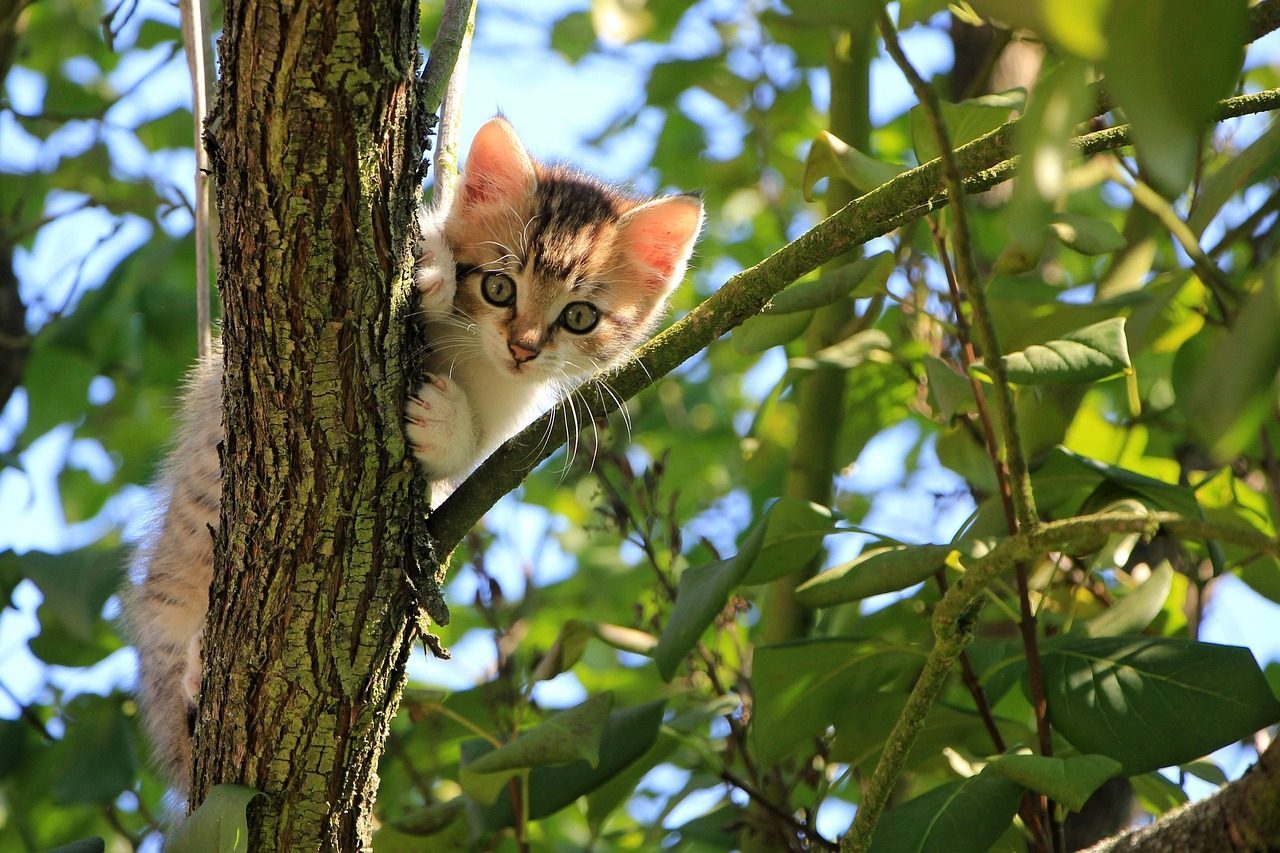
You have probably heard your cat emit a fast and intense teeth chattering, especially when they spot a bird while gazing out of a window. Behaviorists speculate that this is because your cat is frustrated that they cannot get outside to hunt prey. They also may be excited and slightly aggravated.
Chattering is a distinctive, repetitive clicking sound made from a combination of lip smacking and your cat rapidly vibrating their lower jaw. This odd behavior looks like teeth chattering, and cats also sprinkle in soft, birdlike “chirp” sounds. This strange cat trait is thought to be a mix of predatory excitement and frustration at not being able to get to the bird. It’s simultaneously adorable and a little unsettling when you remember your fluff ball is technically a tiny carnivore.
7. Scratching Everything
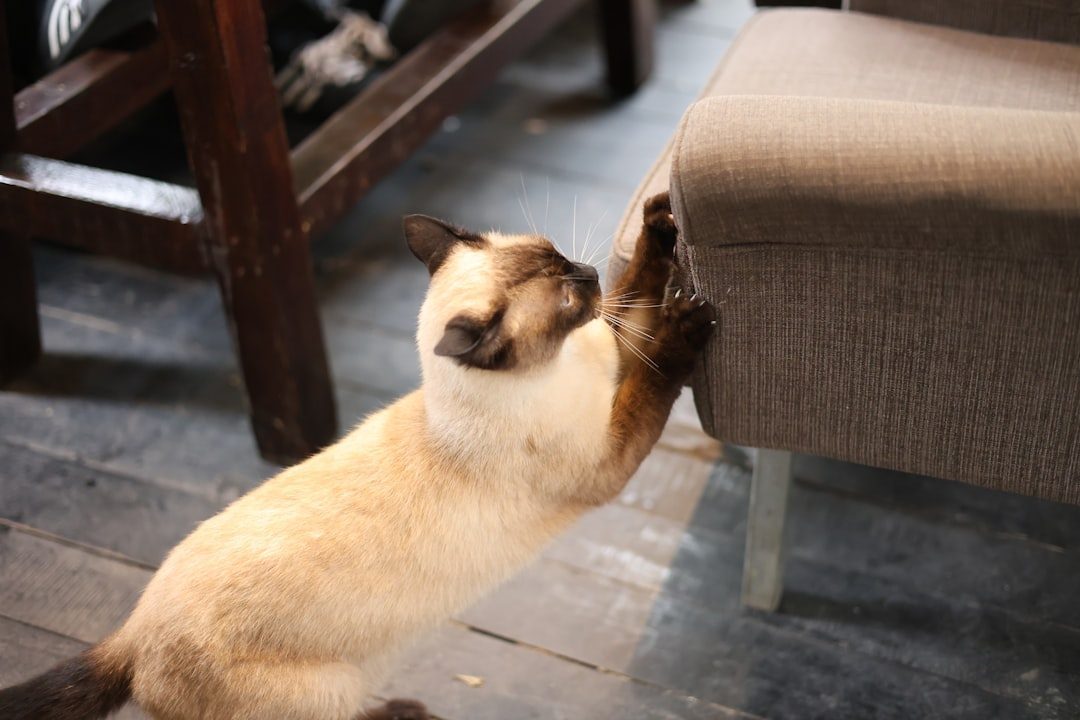
Scratching on rough and appealing objects is a natural and beneficial aspect of healthy cat life. Scratching serves multiple functions. It keeps the nails healthy by removing the outer dead nail sheath to expose the new growth. It also helps remove debris from the nails.
Scratching is both an olfactory and visual way of marking. There are scent glands in the paw pads so when cats reach up to scratch and press their paws against the object, in addition to the visible scratch marks, they leave pheromones there as well. So when your cat scratches the furniture, they’re not being spiteful. They’re stretching, maintaining their claws, and claiming their territory. Invest in tall, sturdy scratching posts covered in rough materials like sisal to satisfy this need.
8. Head Bunting and Face Rubbing
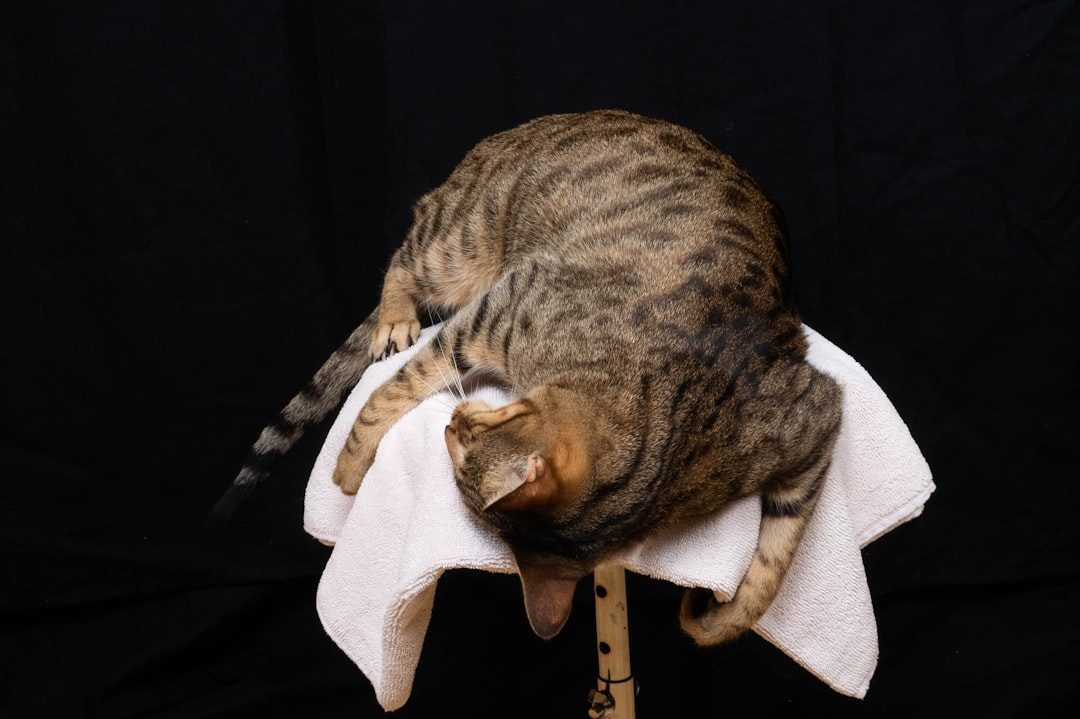
When your cat comes up and presses their forehead against your face or rubs their cheek against your leg, this is called bunting and it is one of the clearest ways your cat is marking you as their own. They do this not only to claim you but also as a way to bond with you.
The cat is trying to show their owner that they love them by rubbing its face against them and transferring some of its scents. It might seem like they’re just being affectionate, which they are, yet they’re also essentially branding you as part of their family. You’ve been chosen.
9. Bringing You “Gifts”
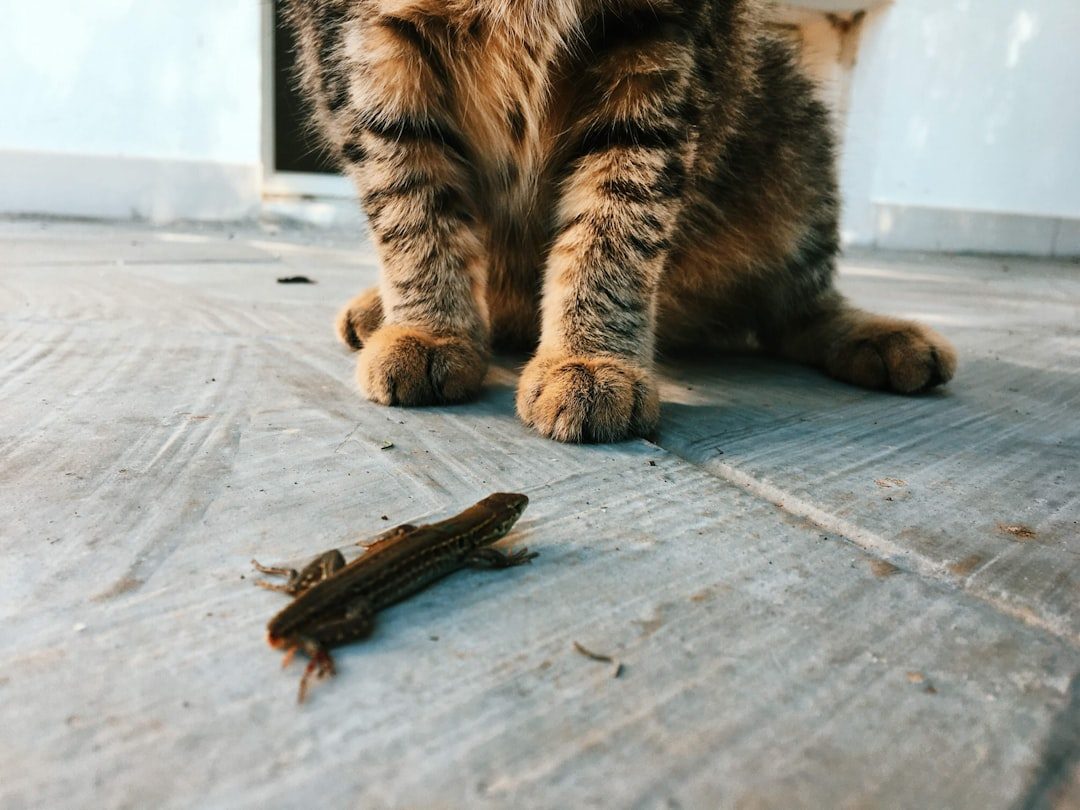
Behaviorists have a few theories on why your cat is persistent in their pursuit of leaving you their kills. Even though this habit may be perceived as a gross one, your kitty is acknowledging you as a member of their group, and is sharing their hunting success with you. They could be thanking you for taking care of them, or perhaps you pay more attention to them when they generously bring you rodents, birds, or insects.
Let’s be real, finding a dead mouse on your doorstep isn’t exactly the highlight of your morning. However, your cat genuinely believes they’re doing you a favor. They’re sharing the spoils of the hunt and showing they care about you enough to provide for you. Twisted? Maybe. Sweet in a primal way? Absolutely.
10. Those Midnight Zoomies
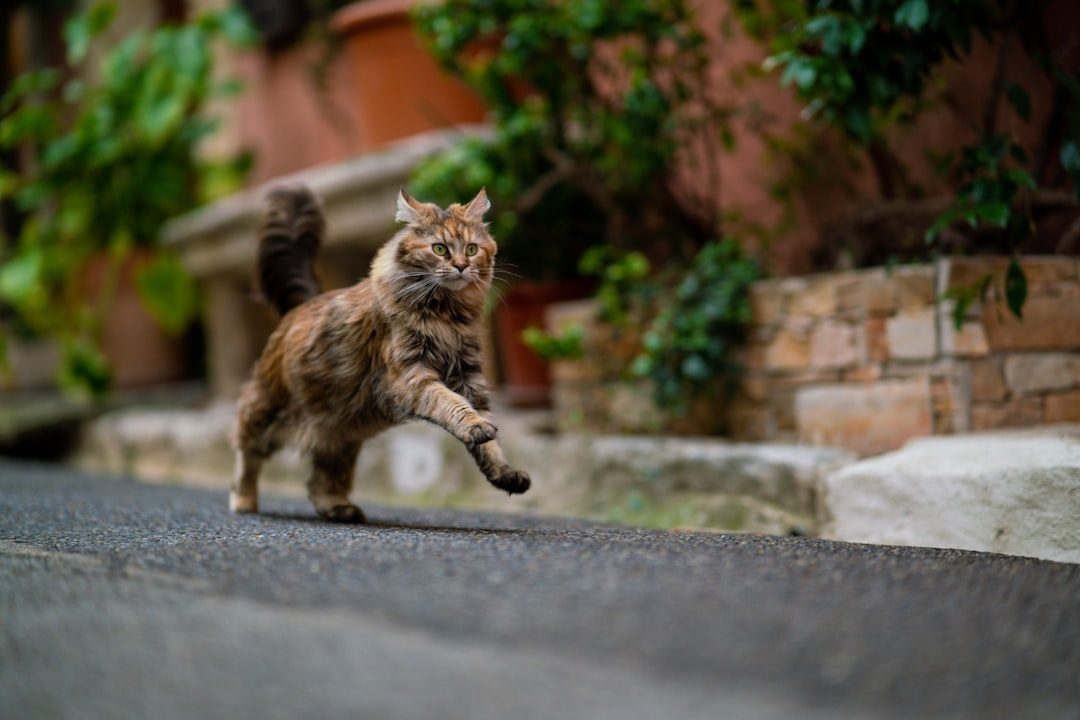
In the evening, when everyone is ready for bed, nocturnal felines get especially frisky. It’s a cat’s way of discharging pent-up energy, and it feels good. Cats sleep 12 to 16 hours a day, with their main burst of energy arriving in the nighttime hours. That’s because their wild ancestors would do most of their hunting at night.
Suddenly your peaceful house turns into a racetrack at three in the morning. Your cat tears through rooms, leaps onto furniture, and acts like they’ve lost their mind. Zoomies (properly known as Frenetic Random Activity Periods or FRAPS) can startle us, especially in the middle of the night. This normal cat behavior has several potential causes. In most cases, zoomies express pent-up energy or counteract kitty boredom. Try exercising them more during the day to minimize these nocturnal sprints.
11. Knocking Things Off Tables
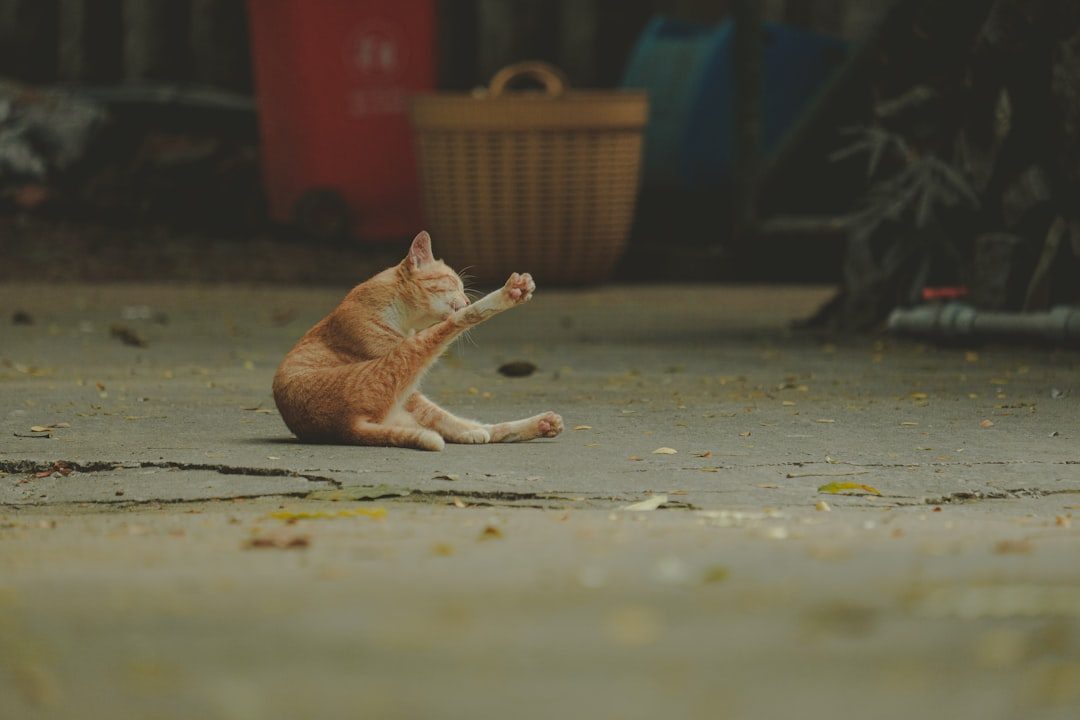
Every time your cat pushes an item until it drops, it reacts in a different manner. It may just be fun for them to watch the items bounce around in different directions each time they fall or watch them shatter to multiple pieces. It’s likely that your cat is trying to get your attention, which makes sense because, well, it works.
Is anything more infuriating than watching your cat deliberately nudge your phone, keys, or glass of water off the counter while maintaining direct eye contact? They know exactly what they’re doing. Sometimes it’s pure entertainment for them, watching objects fall and observing your reaction. Other times, it’s their way of saying, “Hey, pay attention to me.”
12. Social Interaction With You
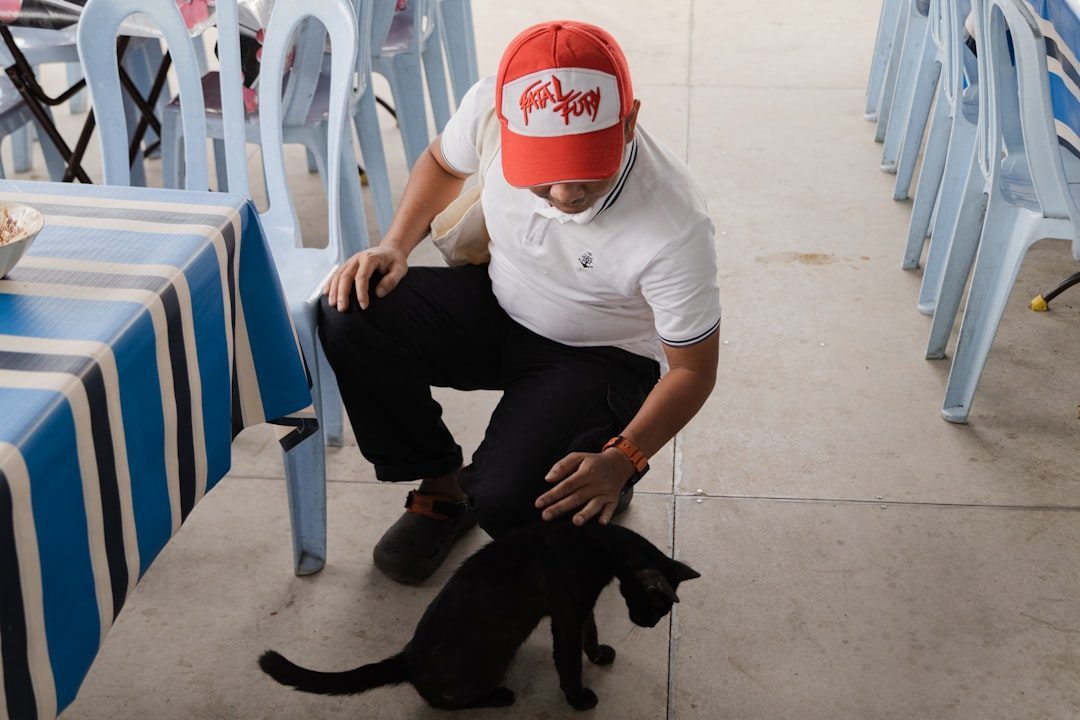
Would it surprise you to learn that cats prefer social interaction to food? A study done at Oregon State University showed a majority of cats prefer social interaction with people over food, which came in second. The study included pet cats and shelter cats who were given a choice between food, toys, scent and social interaction with humans. While researchers noted variation among cats, the majority of pet cats and shelter cats preferred to interact with people more than anything else.
This goes against everything we’ve been told about cats being aloof and independent. Turns out, most cats genuinely crave your company. They might not show it with wagging tails or slobbery kisses, yet that slow blink, that gentle head bump, that moment when they choose to sit next to you instead of anywhere else in the house? That’s their version of devotion.
Conclusion
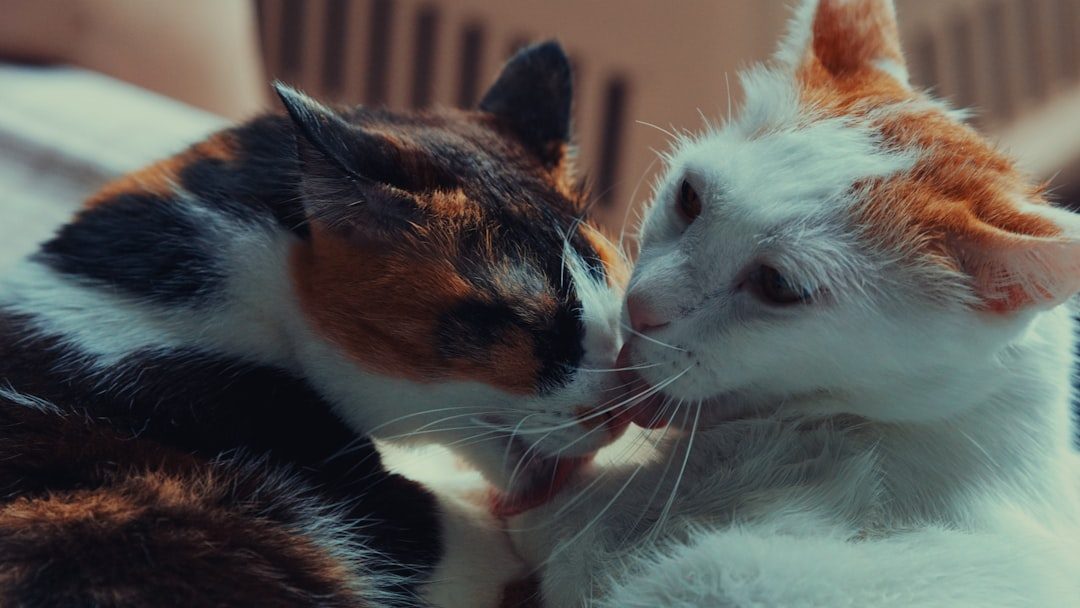
Cats are endlessly fascinating creatures who continue to surprise us with their complex behaviors and hidden preferences. From their love of running water and tiny boxes to their deep desire for social connection, these furry enigmas are constantly communicating with us, if only we know how to listen.
Understanding what your cat truly loves helps you create a more enriching environment for them. It strengthens your bond and makes life together more enjoyable for both of you. Your cat isn’t being weird or difficult. They’re simply being themselves, following instincts that have been hardwired over thousands of years.
Did any of these surprise you? What quirky behaviors does your cat have that you’re still trying to decode? Share your stories in the comments below.