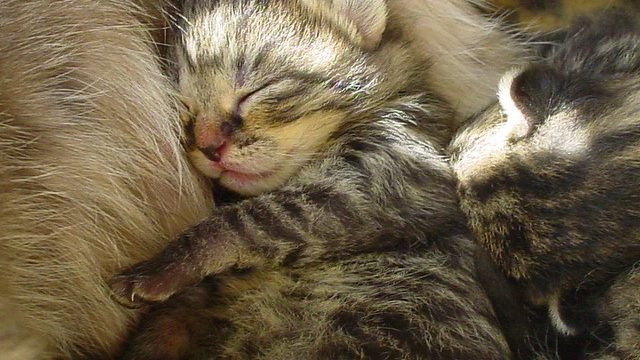
Ever watched your cat sleeping peacefully when suddenly their paws start paddling, whiskers twitch frantically, and they let out soft little chirps? You’re not alone in wondering what’s happening inside that furry little head. Scientists have been fascinated by feline sleep for decades, and what they’ve discovered might surprise you.
The truth is, your cat is likely experiencing something remarkably similar to your own dreams. Though we can’t exactly ask them about their nighttime adventures, the research paints a vivid picture of what’s going on behind those closed eyelids. Let’s dive into the mysterious world of cat dreams and decode those adorable sleep twitches.
The Science Behind Feline Dreaming
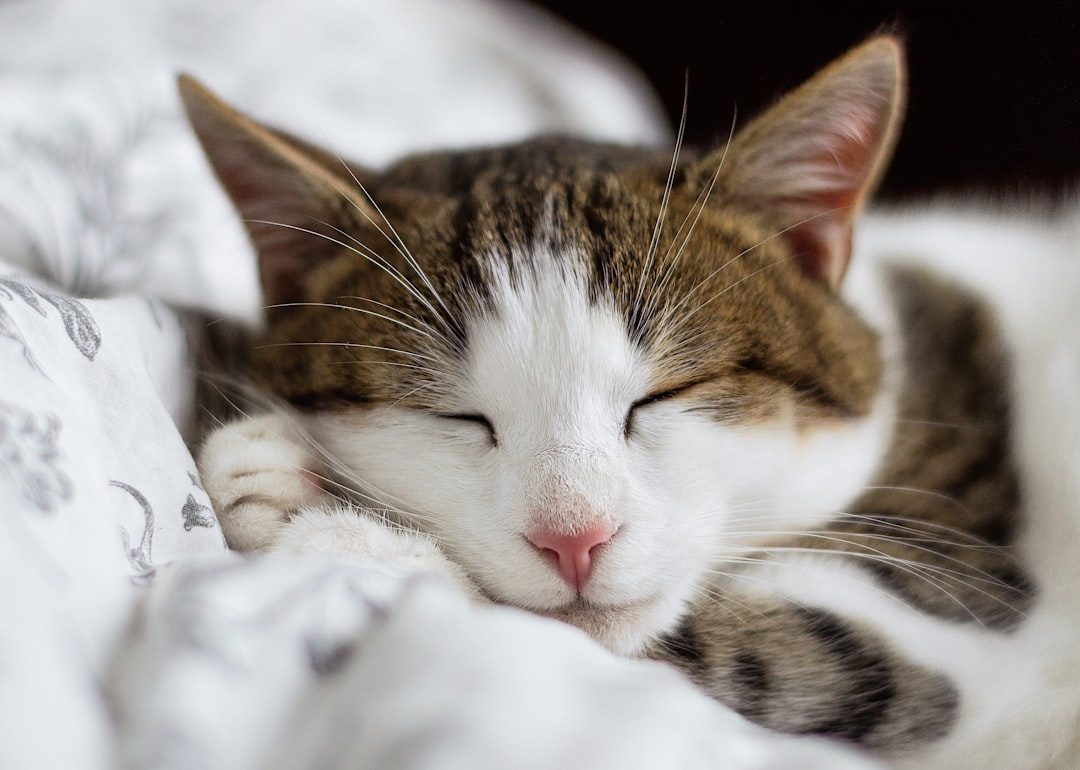
Cats do dream, like most mammals, as it’s an important phenomenon that helps the brain process the activities of the day. Here’s the thing: your cat’s brain isn’t all that different from yours when it comes to sleep architecture. Dreaming occurs primarily during rapid eye movement (or REM) sleep, when the brain shows activity similar to wakefulness.
Research conducted by French neuroscientist Michel Jouvet in the 1960s provided groundbreaking evidence of cat dreams, revealing that cats have a specific region in their brainstem called the pons. This discovery changed everything we thought we knew about animal consciousness. When researchers disabled this brain region in experiments, something fascinating happened.
What That Twitching Really Means
A cat twitching in their sleep is a pretty sure sign that they’re dreaming, likely acting out part of their dreams, whether they’re chasing a housemate, stalking a bird, or playing. Those rapid paw movements? Your cat might be sprinting after an imaginary mouse. The whisker flutters? Perhaps they’re sniffing out prey in their dream world.
As the brain replays vivid activities, cats may move and twitch as they relive the events, resulting in twitches, running motions, and even sounds like purrs and meows. It’s honestly pretty adorable when you think about it. Your dignified feline is basically playing out an internal movie, complete with action sequences.
Why Cats Purr While Sleeping
Not all sleep sounds are created equal. Soft purring or chirping sounds may suggest that cats are experiencing positive dream content. That gentle rumble you hear when your cat is snoozing might mean they’re dreaming of something pleasant, maybe that satisfying meal they had earlier or a particularly enjoyable cuddle session.
When cats purr during sleep, they’re engaging their laryngeal muscles, creating rapid vibrations in their vocal cords that produce the characteristic purring sound during both inhalation and exhalation. Interestingly, purring during sleep may serve multiple purposes beyond just signaling contentment.
The frequency of these purrs typically ranges between 25 and 150 Hertz, which scientists have discovered can promote healing and reduce inflammation, explaining why cats often purr more when recovering from illness.
What Cats Actually Dream About
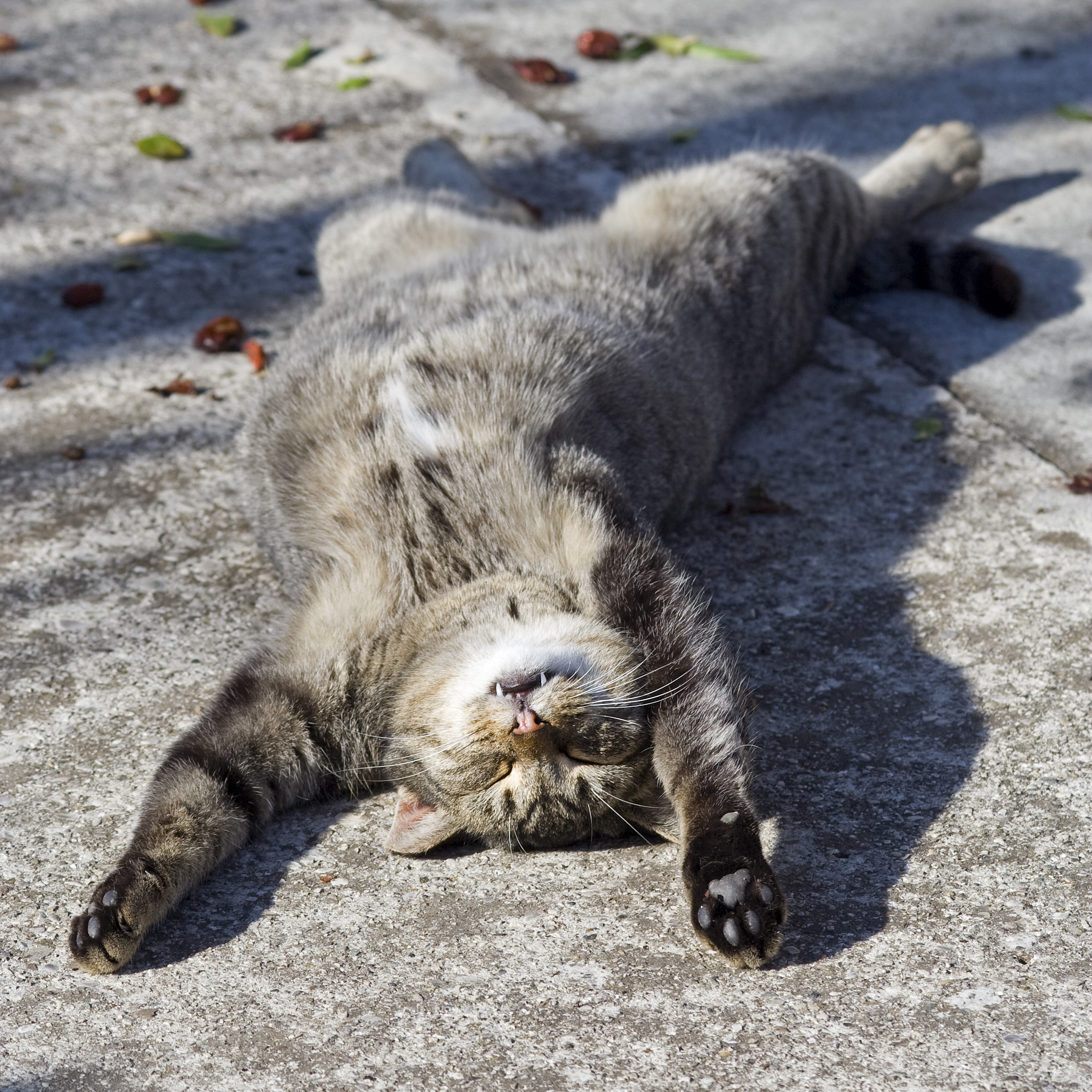
So what fills your cat’s dreamscape? While we can’t know for sure, it’s believed that their dreams often revolve around daily experiences, with playtime, meals, and interactions with their human companions likely being recurring themes. Think about what your cat does all day. That’s basically their dream content right there.
Cats with damage to the pons area displayed movements during REM sleep that appeared consistent with hunting, such as pouncing on imaginary prey or reacting to nonexistent predators. Let’s be real, most of their dreams probably involve hunting scenarios. It’s hardwired into their brains, after all.
Pet cats, like dogs, do dream about their humans, though in the most feline way, and cats with fairly strong attachment to owners would dream about owners some, but probably not as much as dogs.
The Unique Sensory Experience of Cat Dreams
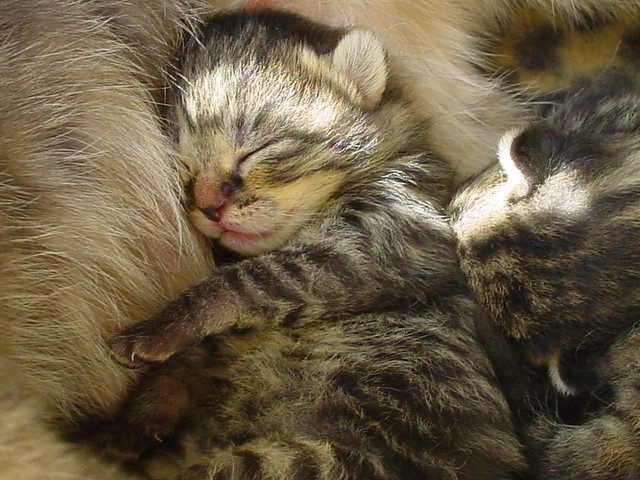
Here’s something that might blow your mind. Animals might dream using more senses than humans do, and because smell is very important for cats, their dreams might focus more on odors than ours do. Imagine experiencing a dream world dominated by scent rather than visuals. That’s potentially what your cat experiences every night.
Because smell is important for both cats and dogs, their dreams might focus more on odors, suggesting that cats may dream in smells. This makes sense when you consider how much time cats spend sniffing things during their waking hours. Their dream world might be a rich tapestry of smells we can barely imagine.
How Much Time Cats Spend Dreaming
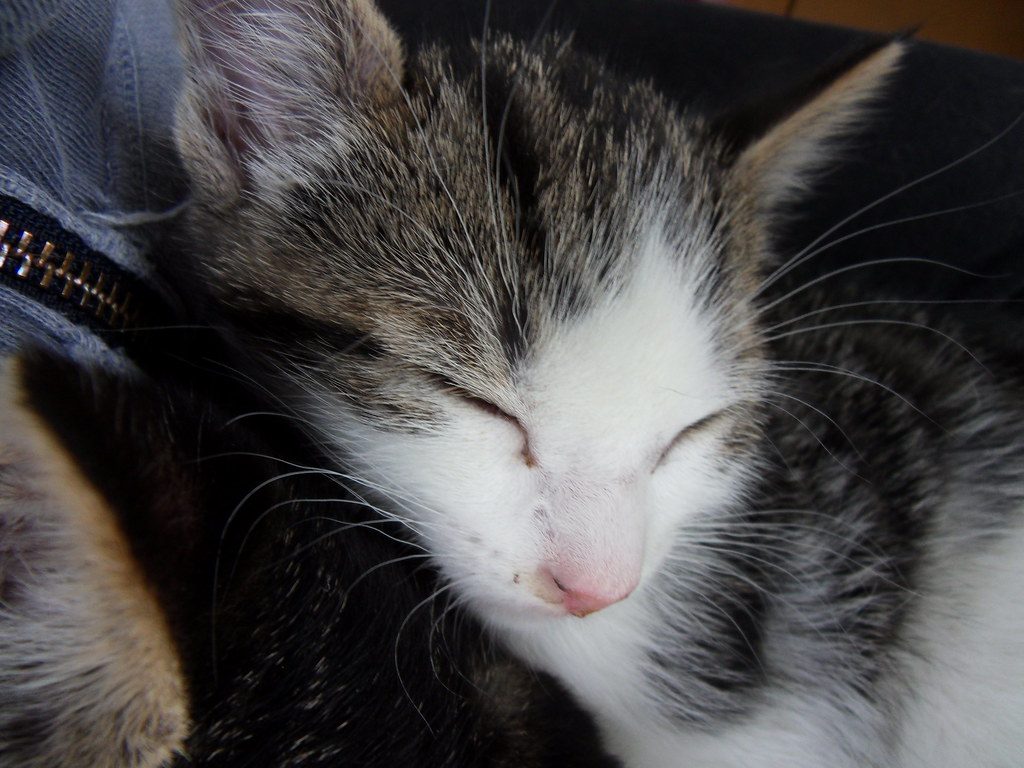
Cats are professional nappers. Cats need, on average, 15 to 20 hours of sleep per day. That’s a significant chunk of their lives spent in dreamland. Cats typically spend about 3 to 8 hours in REM sleep per day, depending on their age, activity level, and environment, with REM sleep occurring in brief cycles throughout the day and night.
The amount of REM sleep cats experience decreases as they get older, therefore kittens are much more likely to dream than adult cats. Kittens have so much new information to process every single day. Every toy is an adventure, every corner a mystery to explore.
When Twitching Becomes Concerning
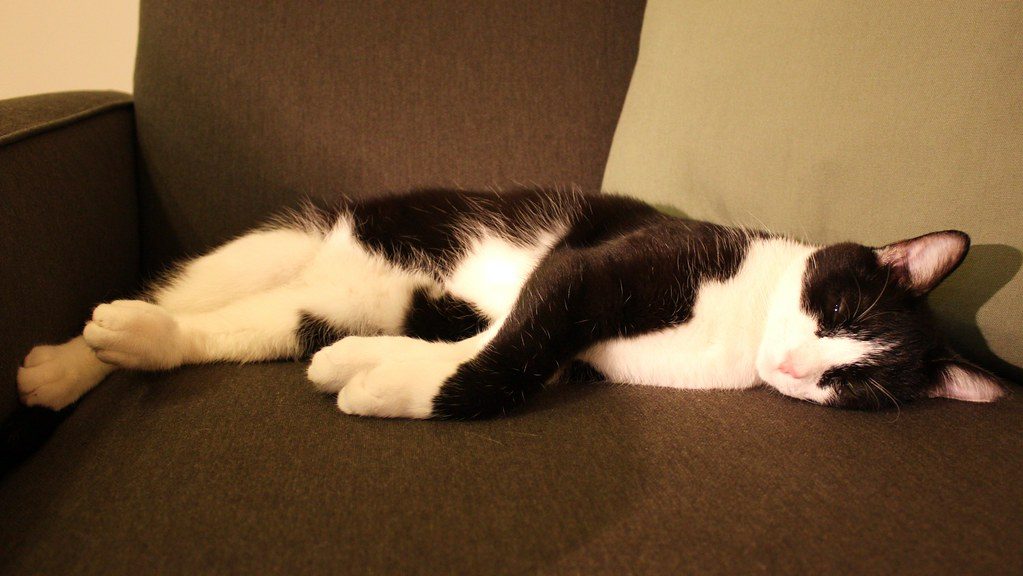
In most cases, twitching during sleep is not a cause for concern; rather, it’s a sign that your feline friend is having a particularly vivid dream. Normal dream twitching is gentle, sporadic, and accompanied by relaxed breathing. Your cat should be easily roused if you gently call their name.
However, there’s a difference between dream twitches and seizures. Seizures are often more intense, involving stiff limbs, jerking movements, drooling, or vocalizations. If you’re seeing violent, repetitive movements or your cat seems disoriented after waking, that’s worth a vet visit. Better safe than sorry.
Do Cats Have Nightmares
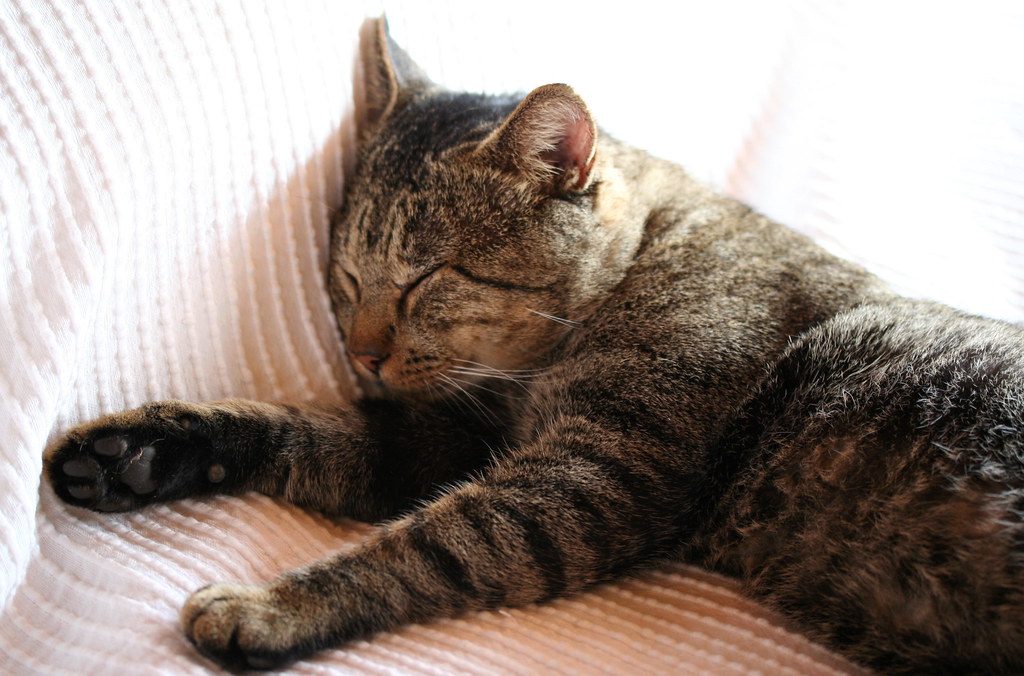
This is where things get a bit unsettling. Like us, animals’ dreams may not always be happy or based on their reality, and nightmares are suspected to be the way that minds determine the best course of action in case that dream experience occurs during waking hours. Your cat might be rehearsing responses to potential threats, even if those threats are purely imaginary.
You might notice your cat suddenly waking up looking confused or even slightly frightened. They might have just experienced the feline equivalent of a nightmare. Perhaps they dreamt about the vacuum cleaner, or maybe that neighborhood cat that wanders into your yard. Who knows?
The Evolutionary Purpose of Cat Dreams
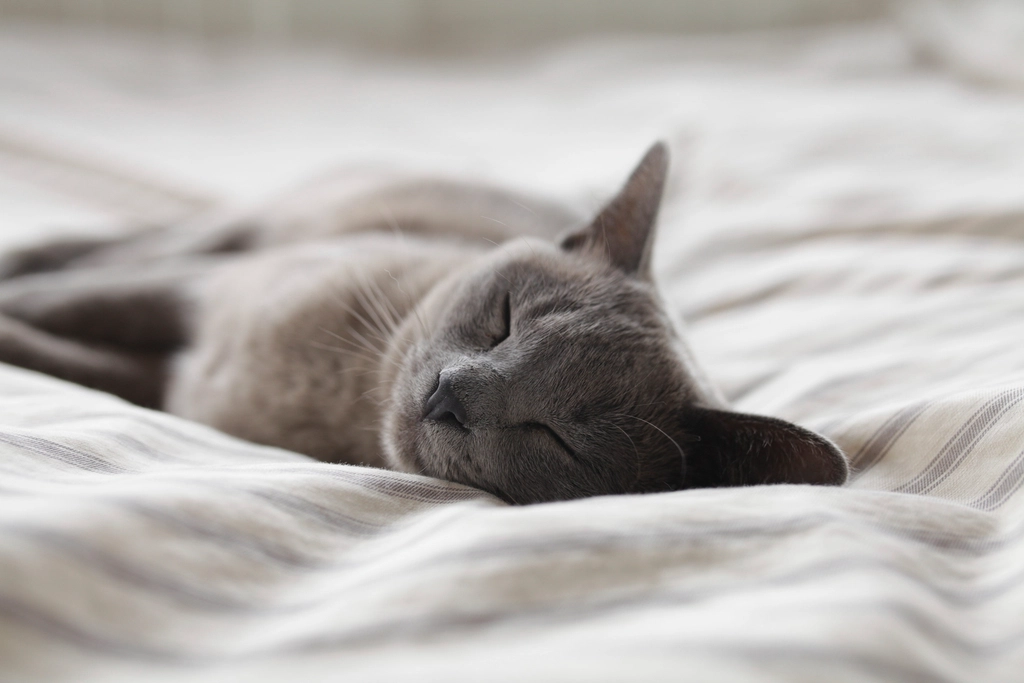
It’s likely that their brain is reviewing the day’s activities, consolidating memories, and processing various experiences, with dreaming helping to reinforce learning, retain memories, and serve as enrichment. Dreams aren’t just random entertainment for your cat’s sleeping brain. They serve critical functions.
Cats’ brainwave patterns during REM sleep closely resemble those of awake cats, suggesting they may be processing memories and emotions, with dreams helping consolidate memories and reinforce learning. Think of it like your cat’s brain filing away important information. Which hunting technique worked? Where was that sunny spot? Who gives the best chin scratches?
Creating Better Dreams for Your Cat
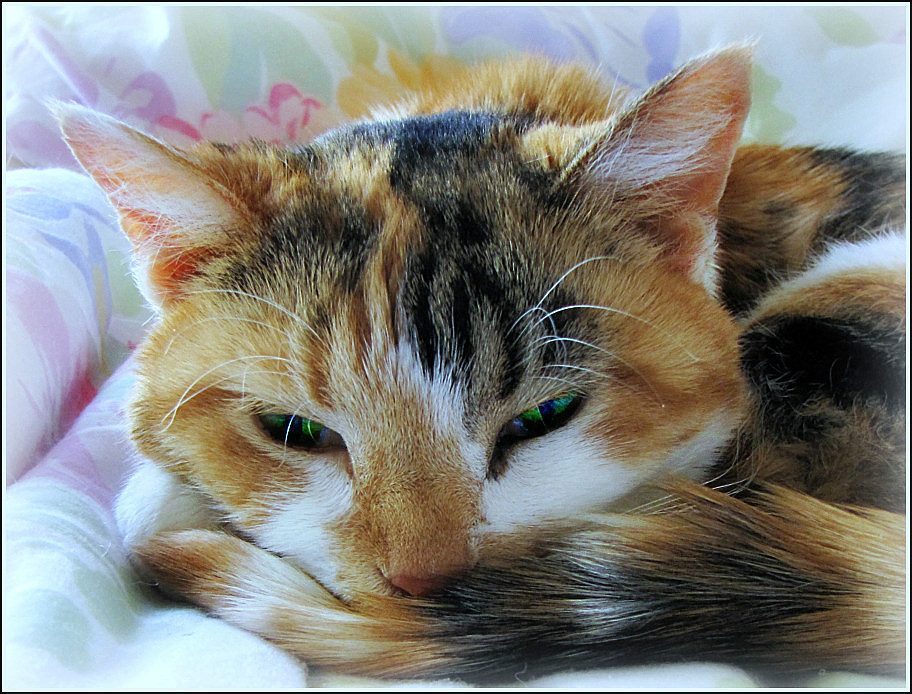
You can actually influence the quality of your cat’s dreams. Providing a comfortable and cozy sleeping area where your cat feels safe and secure, keeping the space free from disturbances, and engaging your cat in regular play sessions can contribute to more enriching dream experiences.
A mentally stimulated cat during the day likely has more interesting dreams at night. Play with your cat regularly. Give them new experiences to process. That fifteen-minute play session with the feather toy? That’s tomorrow night’s dream content. The more enriched their waking life, the richer their dream world becomes.
Conclusion: A Window Into Their Secret World
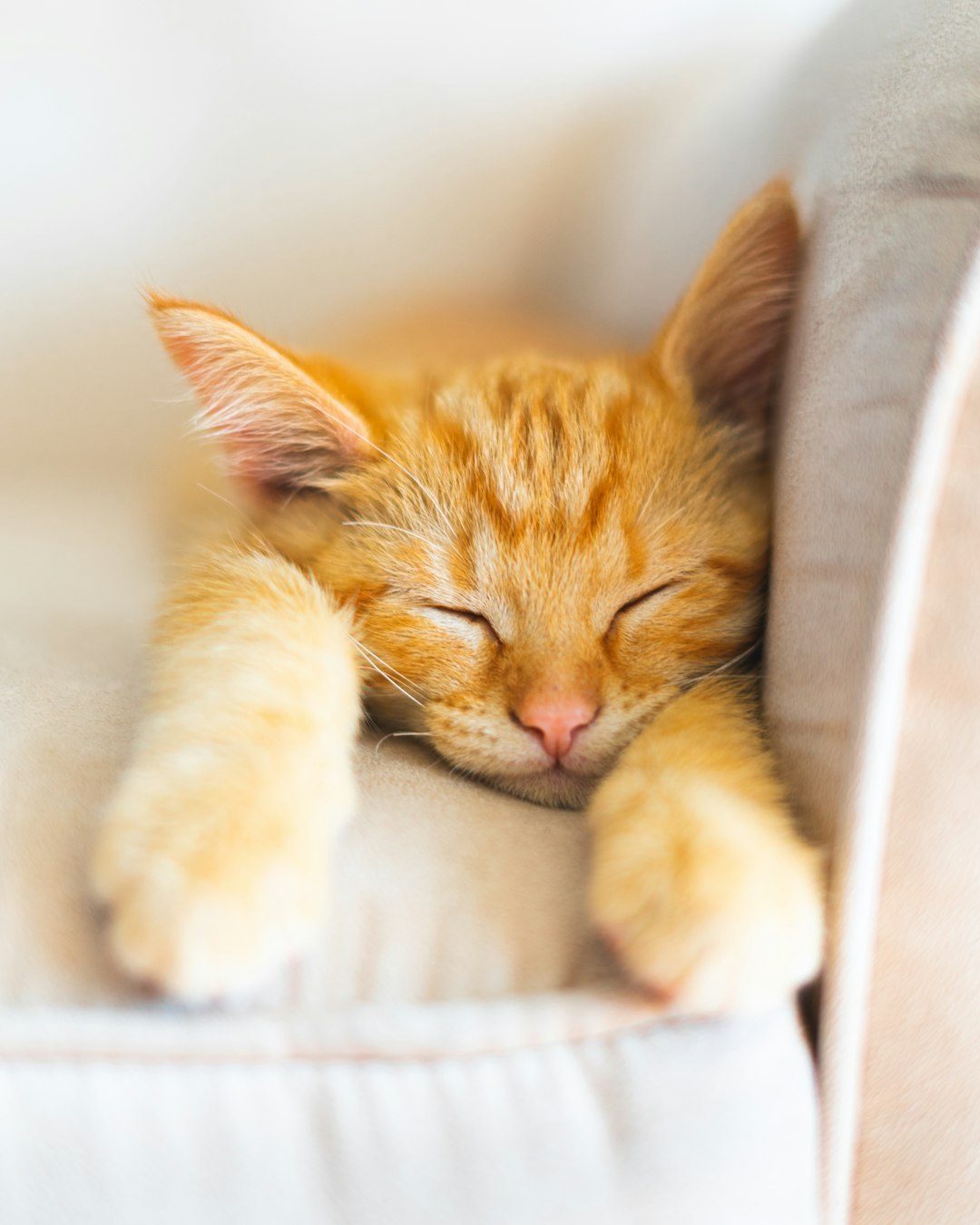
Those twitches and purrs during sleep are far more than just cute quirks. They’re glimpses into your cat’s inner world, evidence of a complex brain actively processing experiences and emotions. Although the specifics of a cat’s dreams are unknown, it’s likely that their brain is reviewing the day’s activities, consolidating memories, and processing various experiences.
The next time you catch your cat mid-dream, take a moment to appreciate the mystery of it all. Behind those twitching whiskers might be an epic hunting expedition or a peaceful memory of basking in the afternoon sun. Whatever they’re dreaming about, one thing’s certain: their inner world is just as rich and complex as ours. What do you think your cat dreams about most? Tell us in the comments.