Why The Jaguar Is Considered King Of The Amazon
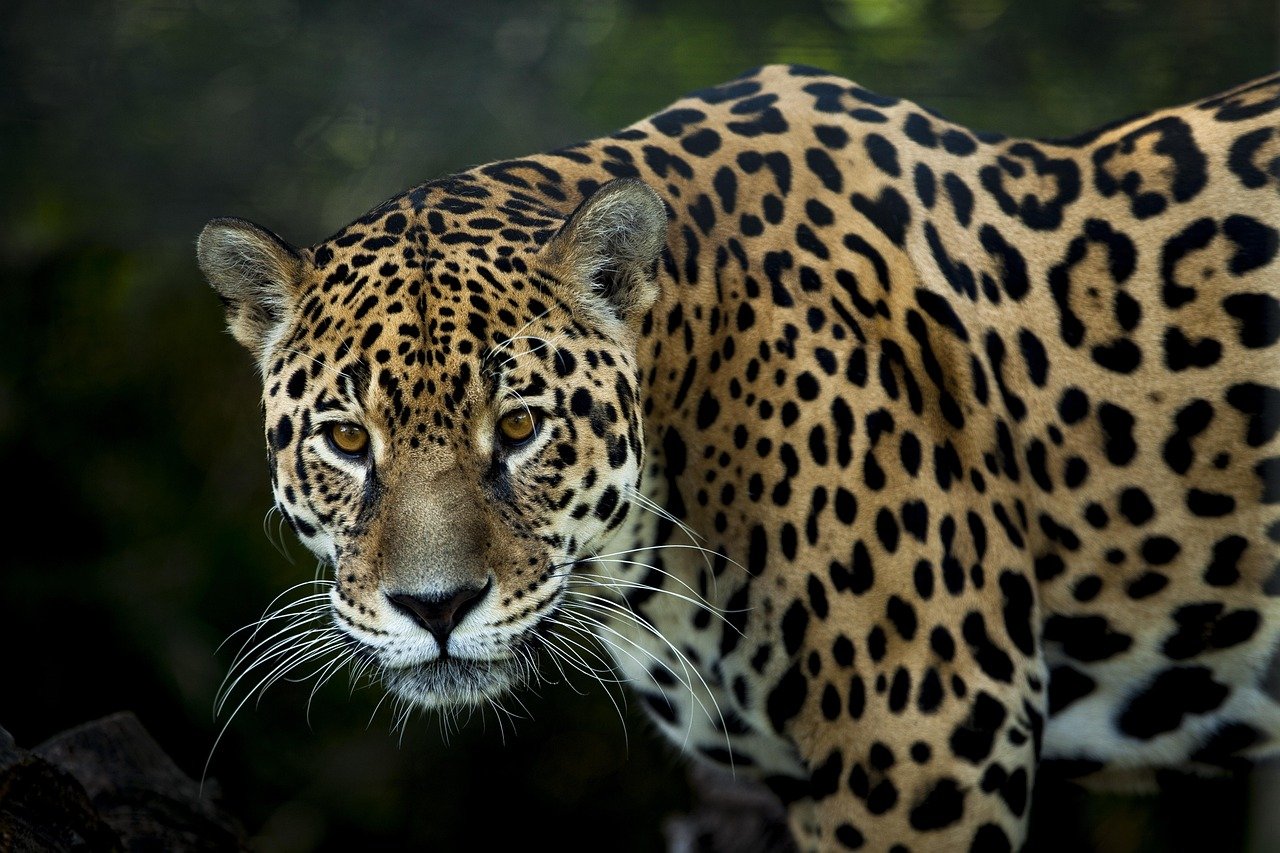
You've probably heard lions called the king of the jungle, right? Well, let's be real, the true ruler of the rainforest is a completely different beast. Deep in the Amazon's tangled green maze, a spotted shadow prowls the forest floor with unmatched power and precision. This is the jaguar's realm. It's the largest big cat in the Americas and commands respect not through sheer size, but through an arsenal of abilities perfectly tailored to the challenges of jungle life. From crushing turtle shells with a single bite to hunting caimans in murky waters, the jaguar has earned its crown through centuries of evolution and adaptation. So what really makes this magnificent feline the undisputed ? Let's dive in and discover why this powerful predator reigns supreme in one of Earth's most complex ecosystems.
The Apex Predator Position Defined
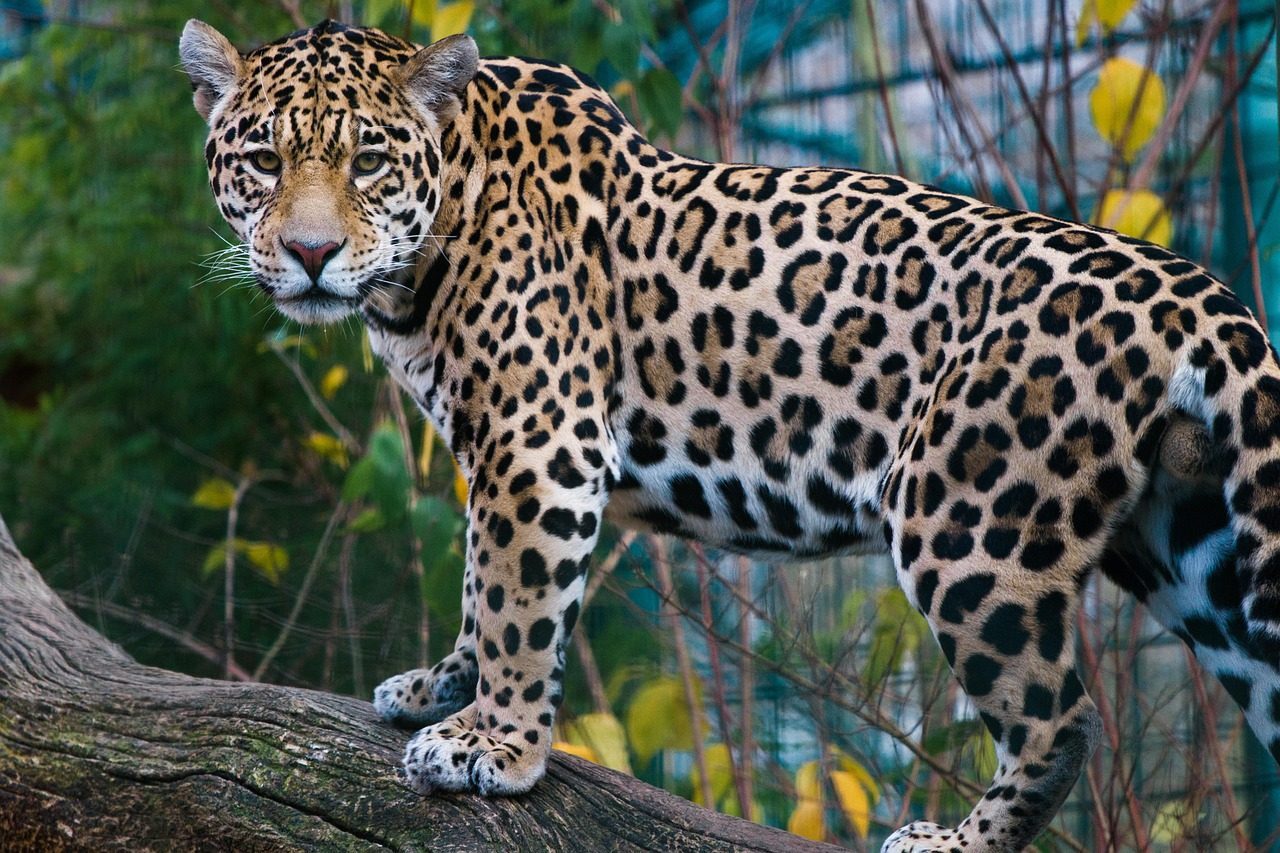
An apex predator sits at the top of a food chain, without natural predators of its own. Think of it as the ultimate position in nature's hierarchy. The adult jaguar is an apex predator, meaning it is at the top of the food chain and is not preyed upon in the wild. This isn't just a fancy title. When you occupy this position, you become an ecosystem engineer.
Apex predators can have profound effects on ecosystems, controlling prey density and restricting smaller predators, making them central to the functioning of ecosystems, the regulation of disease, and the maintenance of biodiversity. Without these top hunters, everything falls apart. Without apex predators, an ecosystem can quickly get out of balance as herbivorous species can over-graze and their populations will typically crash as lack of food and disease overwhelm them.
A Bite Force Like No Other
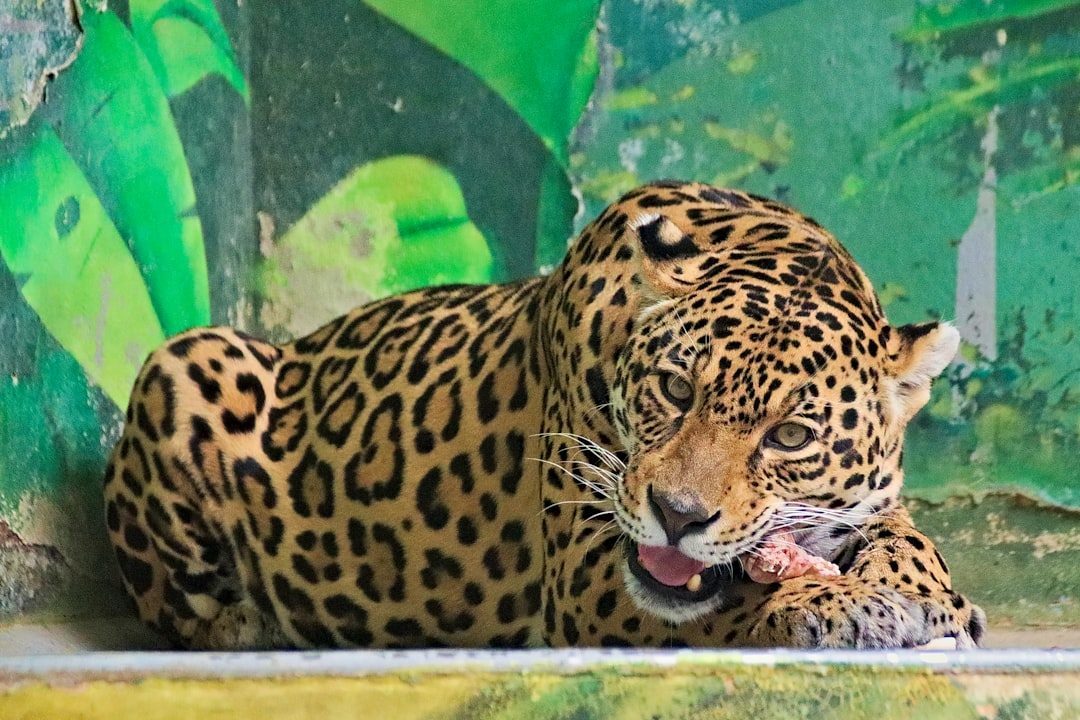
Here's the thing that sets jaguars apart from every other big cat: their jaw strength is absolutely phenomenal. When it comes to sheer pound-for-pound, pressure-per-inch bite force, lions and tigers can't hold a torch to the jaguar and its record-worthy jaws that can produce a bite force of 1,500 psi. To put that in perspective, yet relative to body size, it has the strongest bite force of all felids.
While a tiger has a stronger bite force in absolute terms, given that jaguars are considerably smaller, relatively speaking their bite is stronger. This incredible power allows them to do something no other big cat can manage. The jaguar's powerful bite allows it to pierce the carapaces of turtles and tortoises, and to employ an unusual killing method: it bites directly through the skull of mammalian prey between the ears to deliver a fatal blow to the brain. Imagine having jaws so powerful you could crunch through bone like it's cardboard.
Master Of The Skull Bite Technique
Most big cats go for the throat to suffocate their prey. The jaguar? It takes the direct approach. Their powerful jaw allows them to pierce through turtle and tortoise carapaces and mammalian skulls, biting directly through the cranium between the ears to deliver a fatal blow to the brain. This isn't just showing off. It's the most efficient killing technique in the cat world.
This technique, known as a cranial bite, results in instantaneous death for the victim, and jaguars can locate the exact point where their canines can penetrate between the vertebrae or through the temporal bones with surgical accuracy. When hunting dangerous prey like caimans, this precision becomes absolutely critical. With a leap and a bite to the back of the head, jaguars can cut off a caiman's brain from the rest of its nervous system, paralyzing it and minimizing danger to the jaguar during the ensuing struggle. That's what I call surgical precision combined with raw power.
Swimming Hunters Of Rivers And Wetlands
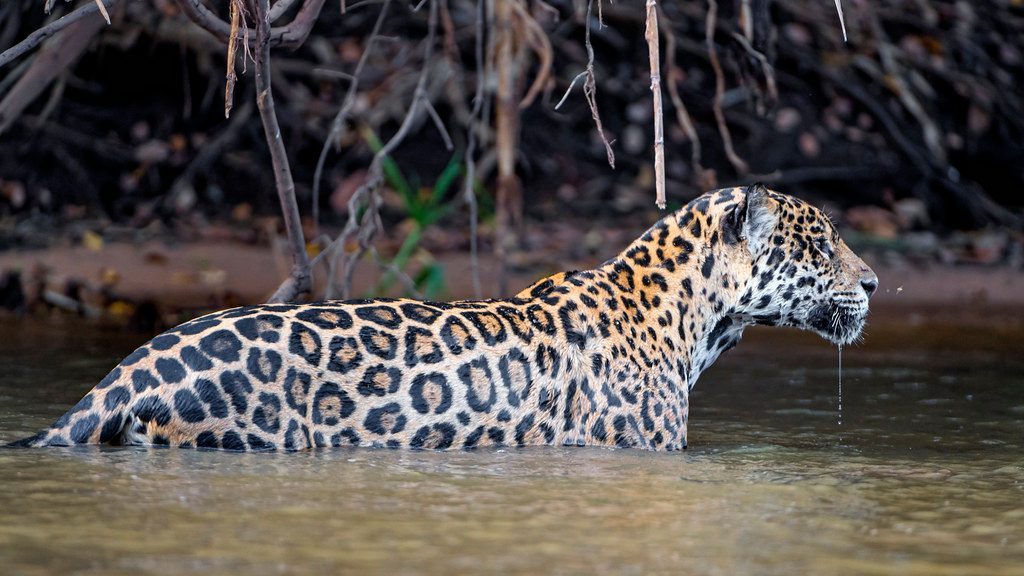
Unlike most cats who avoid water like, well, cats avoiding water, jaguars are exceptional swimmers. Jaguars are good swimmers and play and hunt in the water, possibly more than tigers. This aquatic prowess opens up an entire world of prey that other big cats simply can't access. Rivers, swamps, and flooded forests become their personal hunting grounds.
Jaguars are skilled swimmers, and this ability is critical to their role in the ecosystem, serving as a top predator in both terrestrial and marine environments. They'll dive right into murky waters to pursue caimans, capybaras, and even fish. The jaguar's strength is such that carcasses as large as a heifer can be hauled up a tree to avoid flood levels. Try picturing that: a cat dragging a massive kill through water and then up a tree. That's the kind of strength we're talking about.
The Amazon's Ecological Balancer
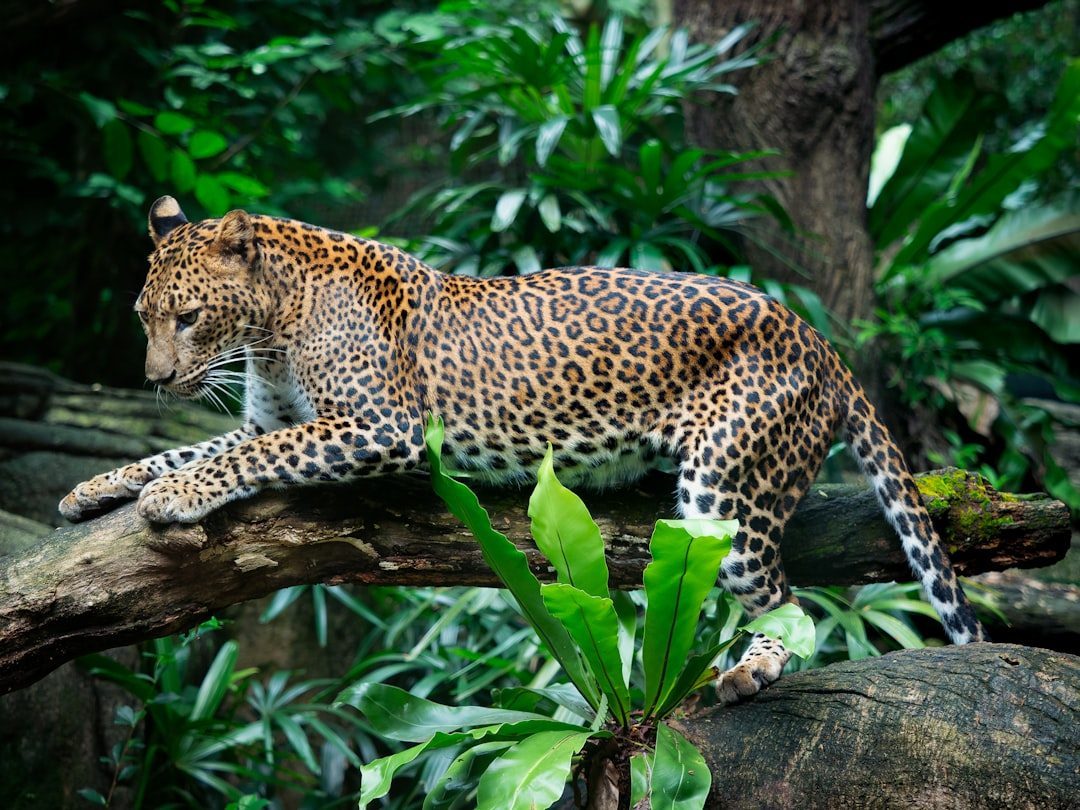
The Amazon is home to the majority of the world's jaguar population, and these apex predators regulate prey species by controlling populations of herbivores like capybaras and smaller predators, helping preserve the rainforest's rich biodiversity. Think of jaguars as nature's quality control managers. They keep everything running smoothly.
By keeping populations of prey animals like deer and peccaries in check, jaguars prevent overgrazing and allow plant communities to thrive, making their presence a key indicator of a healthy, functioning ecosystem. Without them, the delicate balance tips. Herbivores would multiply unchecked, vegetation would be decimated, and the entire forest structure would change. As a keystone species, the jaguar plays an important role in stabilizing ecosystems and regulating prey populations, controlling the population levels of herbivorous and seed-eating mammals and thus maintaining the structural integrity of forest systems.
An Incredibly Diverse Diet
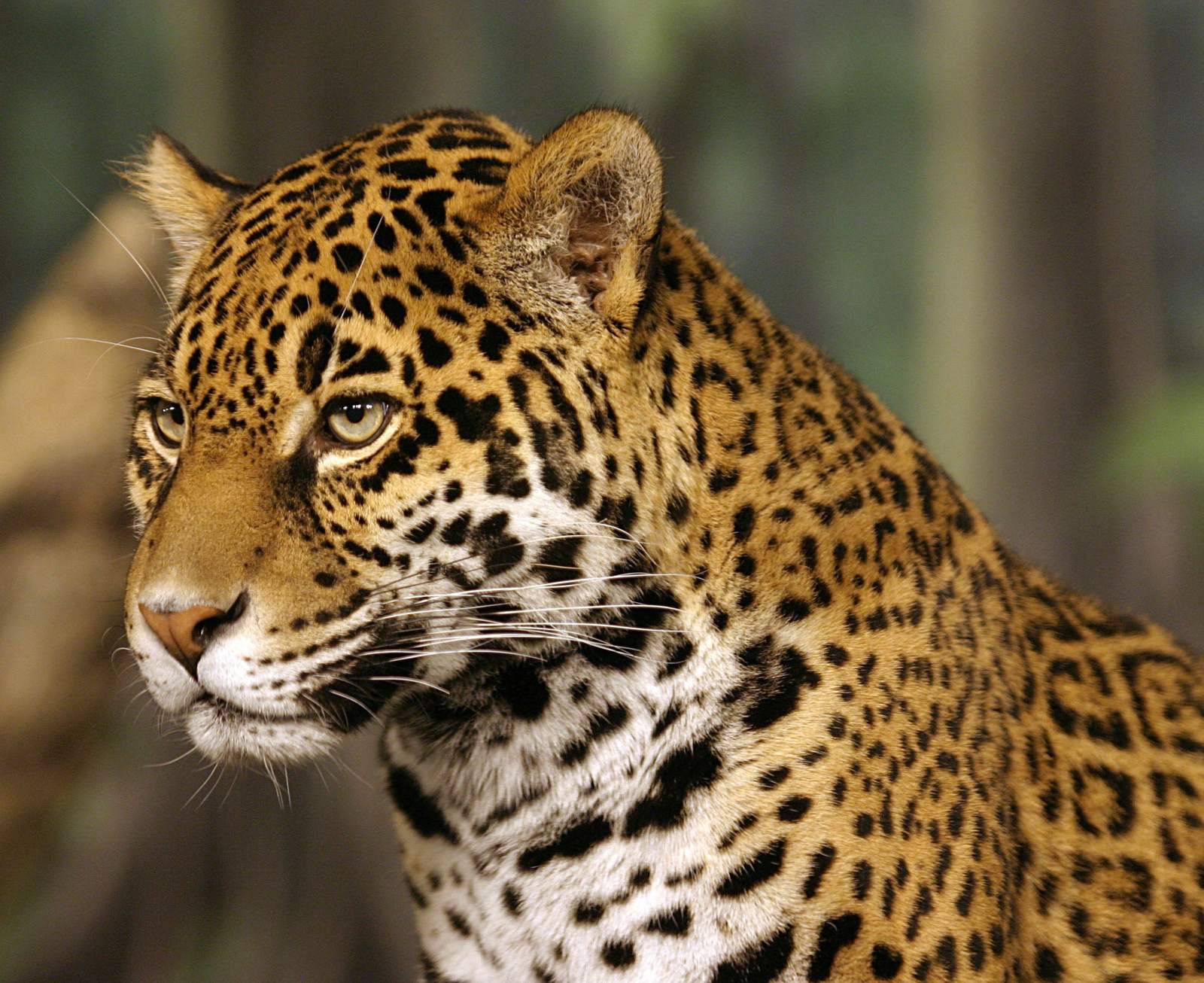
One remarkable aspect of jaguar dominance is their flexibility as hunters. As apex predators, jaguars have a varied diet, with over 85 species recorded as prey, including deer, capybaras, tapirs, turtles, fish, and even large caimans. This adaptability is key to survival in the ever-changing Amazon environment. When one food source becomes scarce, they simply switch to another.
In floodplains, jaguars opportunistically take reptiles such as green anacondas, turtles and caimans, with consumption of reptiles appearing to be more frequent in jaguars than in other big cats, and one remote population in the Brazilian Pantanal is recorded to primarily feed on aquatic reptiles and fish. Their menu ranges from tiny fish to massive tapirs. Besides caimans, jaguars have been recorded hunting very large crocodilians such as the Orinoco crocodile, and also prey on turtles and tortoises and have been known to go after prey as large as boa constrictors and anacondas. That's what you call a varied palate.
Stealth, Strategy, And Ambush Mastery
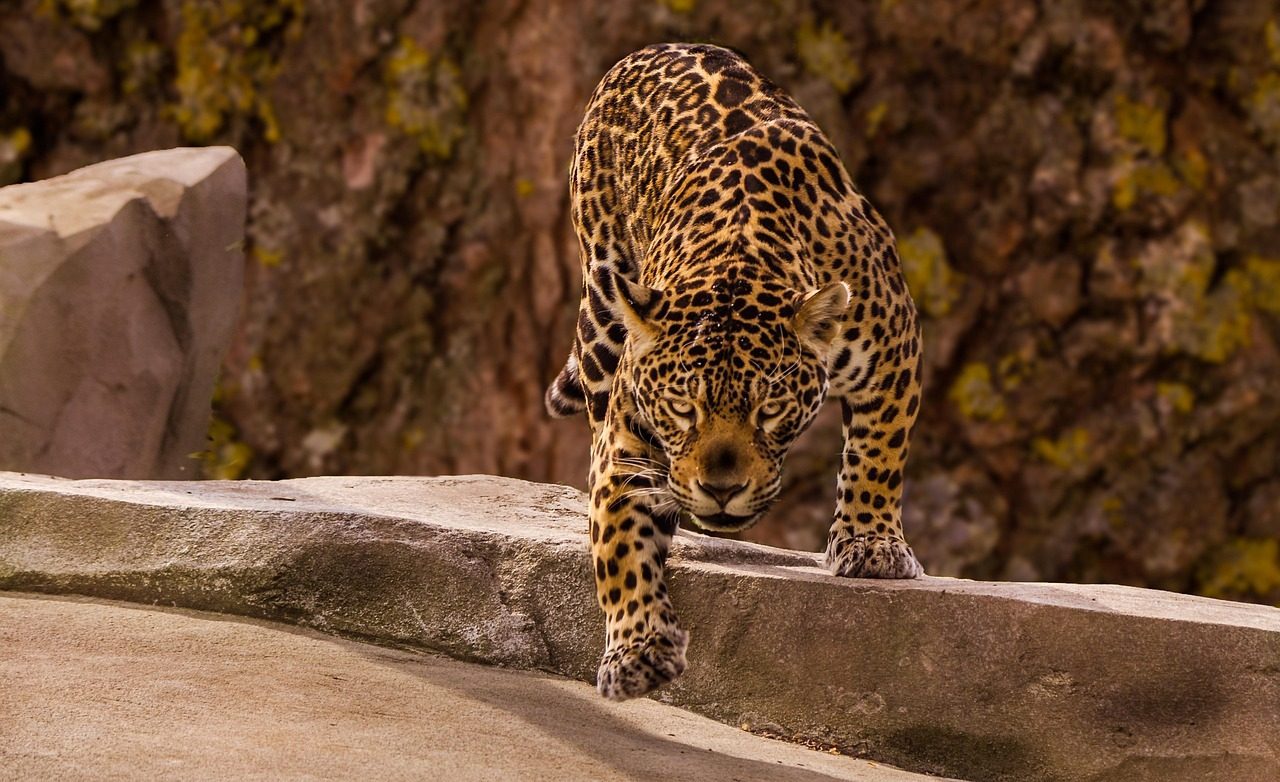
Power means nothing without precision and strategy. The jaguar uses a stalk-and-ambush strategy when hunting, slowly walking down forest paths, listening for and stalking prey before rushing or ambushing, with its ambushing abilities considered nearly peerless in the animal kingdom by both indigenous people and field researchers. They're patient, calculated, and absolutely deadly when the moment arrives.
The species' ambushing abilities are probably a product of its role as an apex predator in several different environments. Whether in dense jungle, open wetlands, or along riverbanks, jaguars adapt their hunting techniques to match the terrain. As the jaguar usually surprises the caiman from above and behind, the skull or nape bite is simply the best way to bite and not be bitten by prey that can revolve and snap its deadly jaws with lightning speed. It's chess, not checkers.
Cultural Significance And Spiritual Power
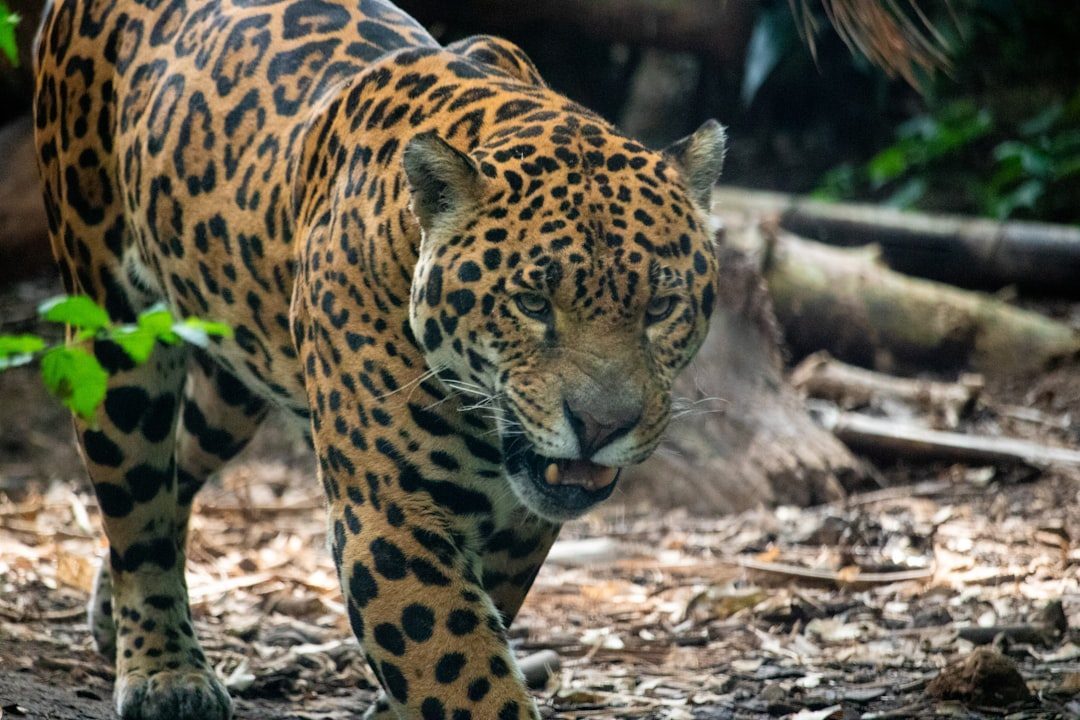
Beyond ecology, jaguars hold profound meaning for indigenous peoples throughout the Amazon. For Indigenous peoples throughout the Amazon, the jaguar is more than a biological species - it is a spiritual force, regarded as a guardian of the forest, a being that connects the material and spiritual worlds, symbolizing power, transformation, and harmony with nature. This reverence isn't accidental. These communities recognized what scientists are now confirming: jaguars are essential.
In the tapestry of pre-Columbian cultures, jaguars emerged as symbols of power and strength, worshiped as gods with representations adorning the art and artifacts of ancient South American civilizations, and to the Maya, the jaguar was believed to facilitate communication between the living and the dead and to protect the royal family. Several Maya rulers even bore the name b'alam, the Mayan word for jaguar. That's the level of respect and awe this animal commanded.
Conservation Challenges Threatening The Crown
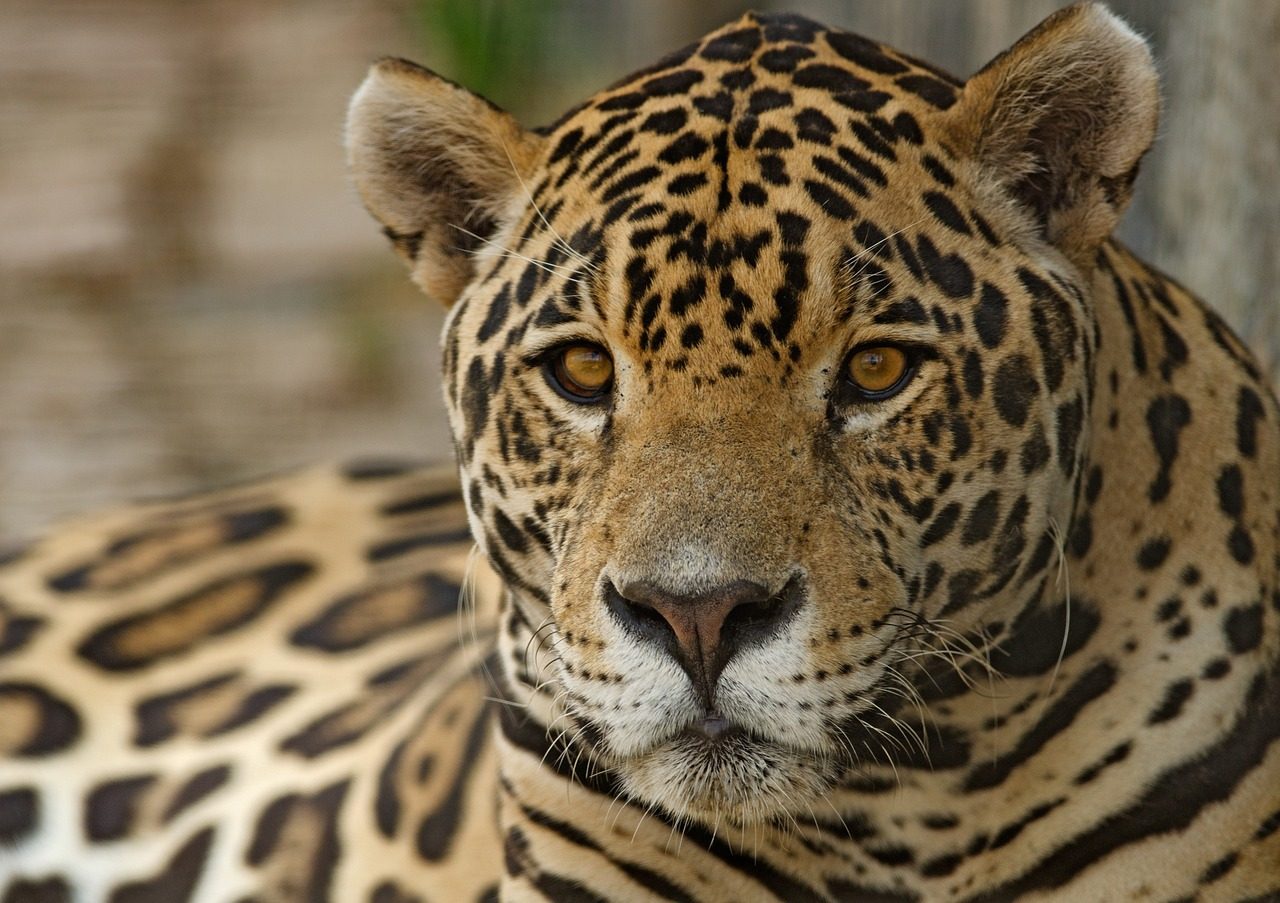
Despite their power and importance, jaguars face serious threats. Shrinking and fragmented territories increase the risk of human-wildlife conflict as jaguars are forced into closer proximity to human settlements, and in addition to habitat loss, jaguar populations are directly threatened by illegal hunting and the trafficking of their teeth and bones, resulting in populations that have declined significantly over the past century. The only remaining stronghold is the Amazon rainforest, a region that is rapidly being fragmented by deforestation.
Escalating threats such as habitat degradation and deforestation are reducing their habitat at an alarming rate, and over the past several decades, the Amazon has lost around 17-20% of its forest cover, with further losses threatening to push it past a tipping point into savannah-like conditions. The king's kingdom is under siege. Protecting jaguars means protecting the entire Amazon ecosystem, and frankly, that's something worth fighting for.
The jaguar's reign as isn't about arrogance or aggression. It's about being perfectly adapted to one of the planet's most challenging environments. From their unmatched bite force to their swimming prowess, from their skull-crushing hunting technique to their role as ecosystem engineers, jaguars embody what it means to be a true apex predator. They don't just survive in the Amazon - they define it, shape it, and keep it healthy. Without jaguars, the Amazon would be a fundamentally different place, likely less diverse, less balanced, and less resilient. The crown isn't given - it's earned through millions of years of evolution, adaptation, and sheer determination. What do you think? Does any other predator deserve the title more?