7 Behaviors That Show Your Cat Feels Safe and Secure in Your Home
You've probably wondered at some point whether your feline companion truly feels at home with you. Cats can seem like such mysterious creatures, switching from aloof independence to affectionate purring in seconds. Here's the thing though: when your cat feels genuinely secure, they reveal it through specific behaviors that are impossible to fake. These little gestures and habits tell you everything about their emotional state.
From sprawling belly up on the living room floor to following you around like a furry shadow, your cat has their own language of trust. Understanding these signals not only strengthens your bond with them, it also confirms that you've created a space where they can truly thrive. Let's dive into the seven key behaviors that show your cat considers your home their safe haven.
They Sleep in Vulnerable Positions
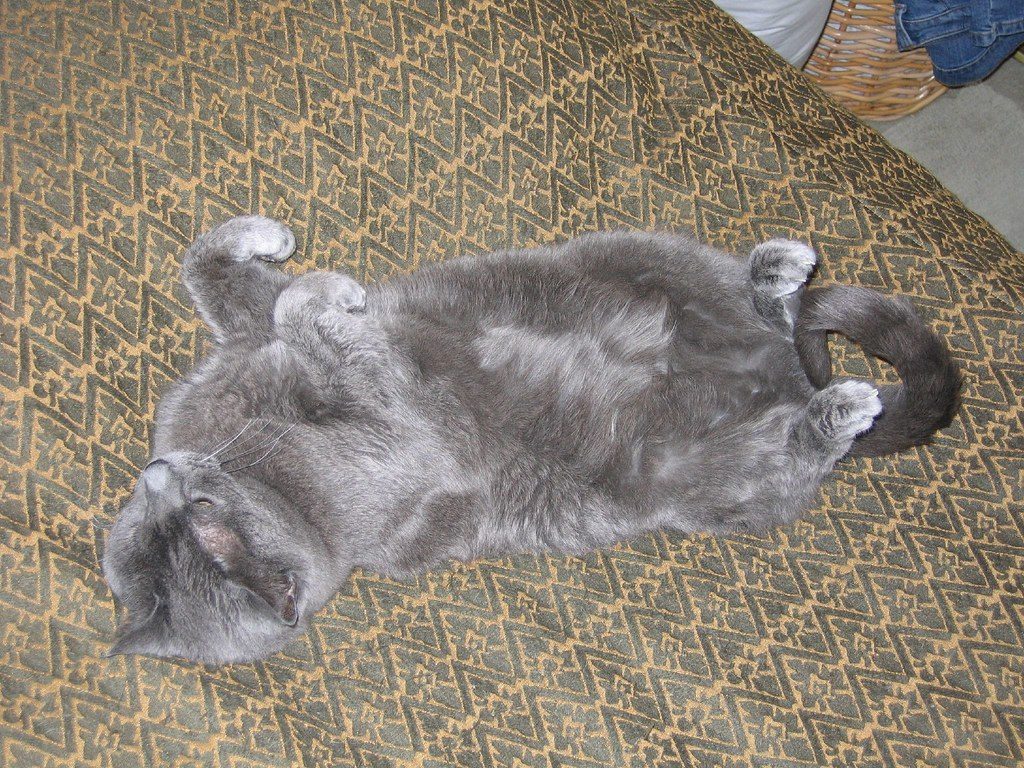
When your cat chooses to sleep in the middle of the living room with their belly fully exposed, it's one of the most reliable signs they feel safe and comfortable in their home. Think about it from their perspective: in the wild, sleeping out in the open would leave them defenseless against predators. Cats in deeply secure homes often choose to nap near their humans, sometimes even on their backs, with their legs stretched out.
You might catch your cat snoring away in positions that look almost absurdly relaxed. Some curl up on their side, others sprawl with all four paws pointing in different directions. This relaxed sleeping posture shows complete trust - you're the protector, not a threat. If your cat seeks out the sunny spot on the kitchen floor or claims the middle of your bed for their afternoon nap, they're telling you they have zero concerns about their safety in your home.
They Engage in Slow Blinking
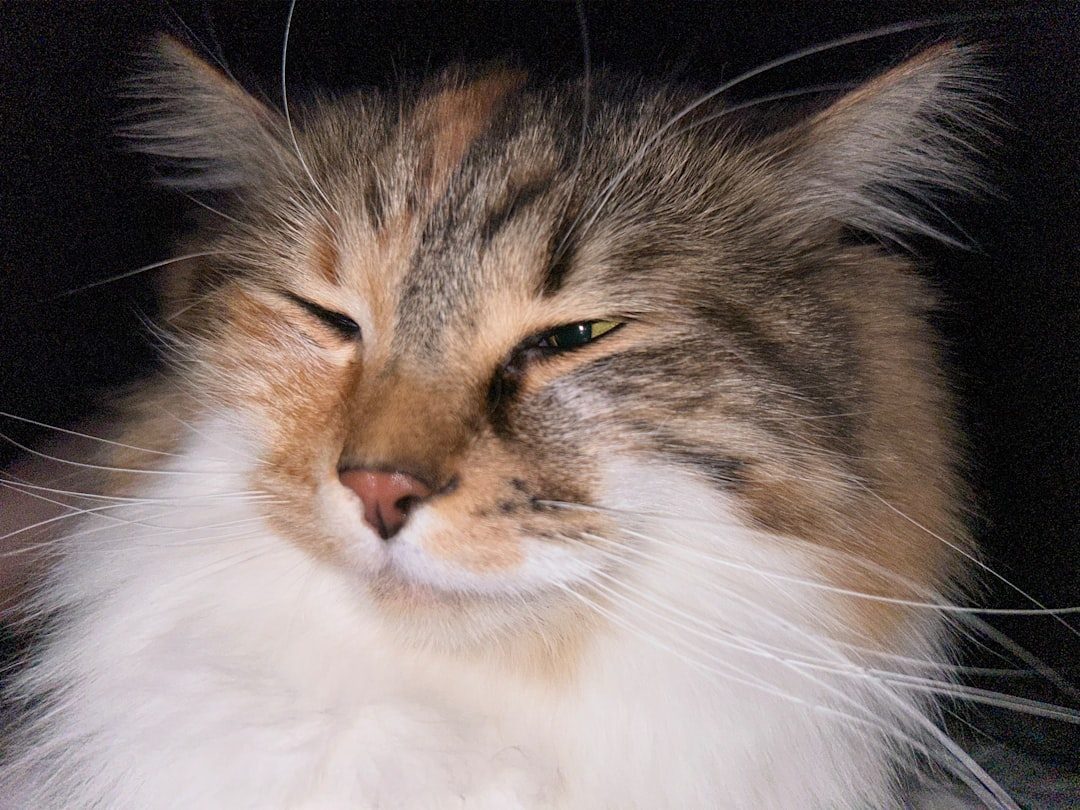
When your cat looks at you with half-closed eyes and slowly blinks, they're not just tired - they're actually communicating with you in a profound way through what's often called a "cat kiss" or "love blink." This is honestly one of the most touching gestures your cat can offer you. In cat body language, staring can be interpreted as threatening, while averting the gaze or closing the eyes indicates trust and vulnerability.
Cat's slow blink and wink to show that they're happy and also that they trust you. Next time your cat gazes at you and gradually closes their eyes, recognize it for what it truly is: a declaration of complete comfort in your presence. You can even return the gesture by slowly blinking back at them, creating a silent conversation of mutual affection. It's a simple yet profound exchange that speaks volumes about the security they feel around you.
They Knead and Make Biscuits
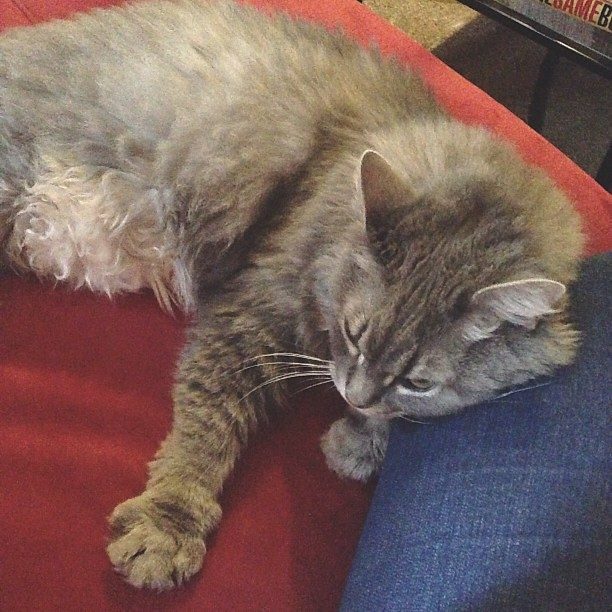
Secure cats love to knead - pressing their paws rhythmically into soft surfaces, sometimes even into your lap, a behavior that harks back to kittenhood, when they kneaded their mother's belly for milk. When adult cats perform this adorable action, it's pure nostalgia mixed with contentment. They only do this when they feel safe and happy, often purring loudly as they go, with some cats even drooling a little, lost in blissful memories.
When grown cats knead, it usually means they feel super safe and relaxed around you, a cozy, happy behavior that shows your kitty really trusts their home and you. The intensity of kneading can vary wildly from cat to cat. Some do it gently, while others really dig in with their claws, which might require a protective blanket on your lap! Regardless of the style, this "making biscuits" behavior is an unmistakable sign that your cat associates you and your home with warmth and security.
They Rub Their Face Against You
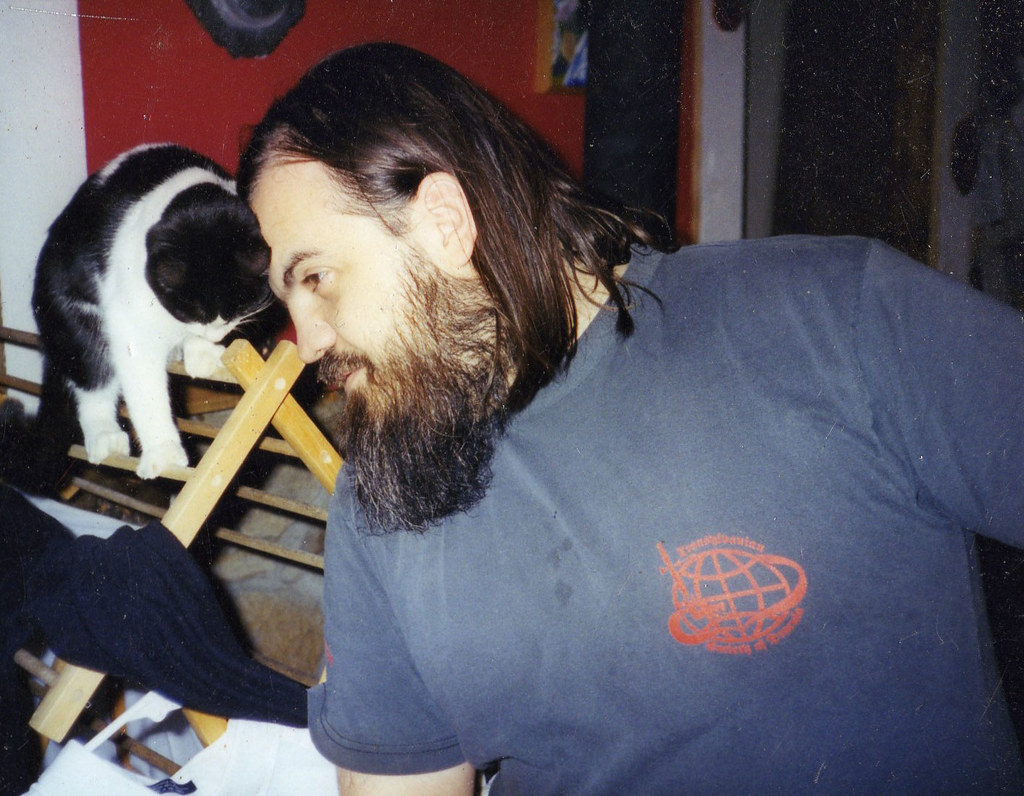
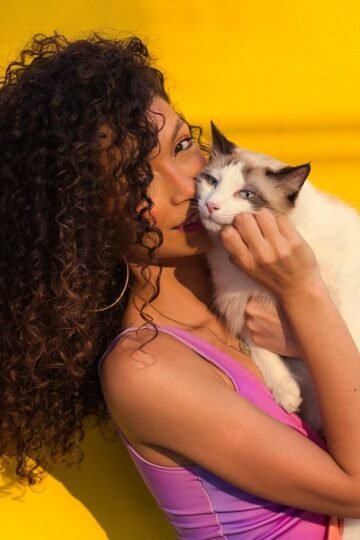
When a cat rubs their face against you, it's more than just a sweet gesture, it's a natural behavior where they mark you as part of their territory using scent glands located on their cheeks, a strong sign that your cat feels safe, trusts you and considers you a loved member of their social group. This behavior, sometimes called bunting or headbutting, is reserved exclusively for those they consider family. The feline headbutt, or "bunting," is a behavior reserved for loved ones, and when your cat presses its head or face against you, it's marking you with its scent and declaring you part of its territory.
You might notice your cat rubbing their cheeks on your hand, your face, furniture corners, or even your phone. Every single time they do this, they're essentially saying "you belong to me, and I belong to you." This is a deeply affectionate, trust-filled gesture that only happens in secure homes. Let's be real, there's something incredibly heartwarming about being claimed by your cat in this way. It's their version of a hug, and it confirms that they view your home as a safe territory they're proud to share with you.
They Follow You From Room to Room
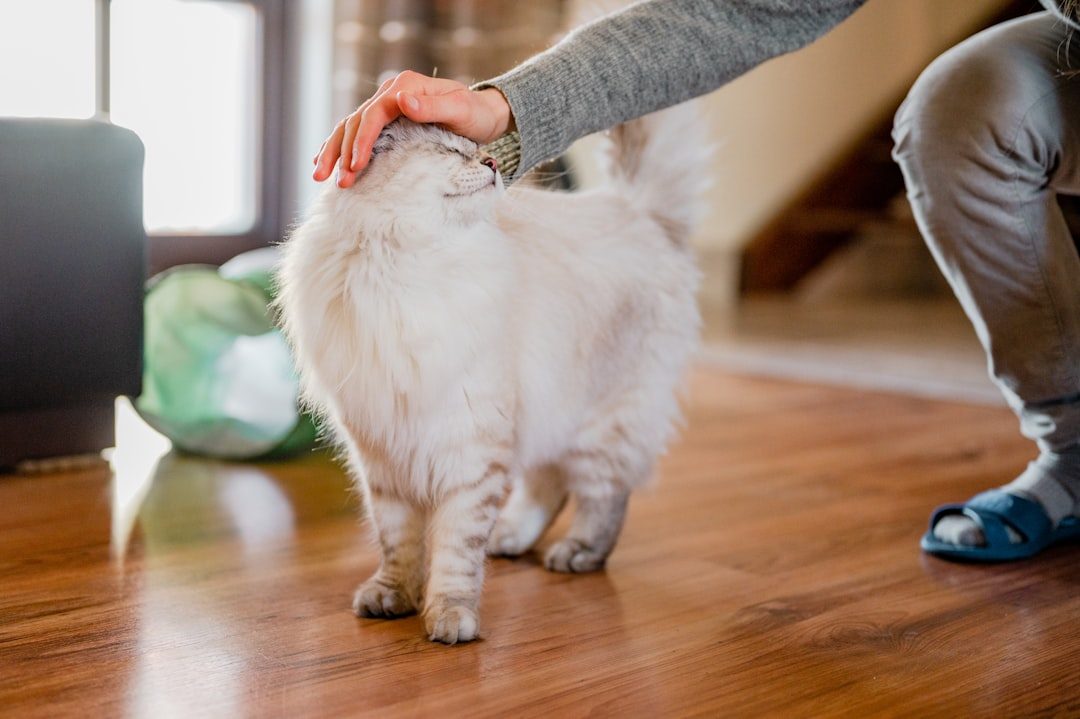
Some cats are famously independent, but those who feel secure often shadow their owners like furry little shadows, following you from the kitchen to the bathroom, content just to be in your presence, a sign of attachment and trust where your cat feels comfortable enough to make you its chosen companion. This isn't clinginess or neediness as some might think. It's actually a compliment of the highest order in the feline world.
Choosing to stay close means your cat feels secure and connected, and you might notice your cat quietly slipping into the room or even waiting outside the bathroom door. They don't necessarily want constant interaction or petting. Often, they're perfectly happy just being in the same space as you, watching you go about your daily activities. This companionship behavior reveals that your cat views you as their safe base, someone worth staying close to even when they could be napping elsewhere or exploring on their own.
They Groom Themselves Openly in Your Presence
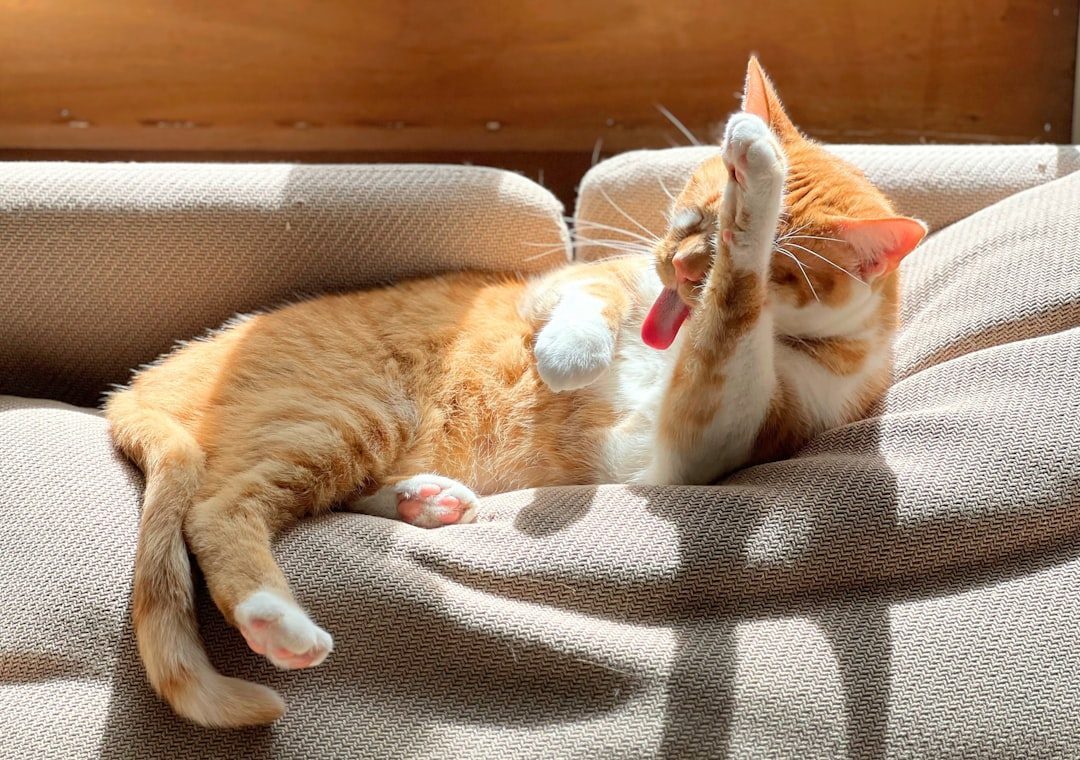
Cats are fastidious groomers, but stressed cats often neglect their coats or hide while grooming, whereas in a secure environment, cats groom themselves openly and frequently - even while you watch. Grooming is a vulnerable activity for cats. When they're focused on cleaning themselves, they're temporarily distracted and less able to react quickly to threats. Cats are fastidious groomers, and their grooming habits are a good barometer of your cat's stress levels, with a return to normal meticulous grooming behavior indicating that your cat is feeling more at ease and in control of their environment.
Sometimes, they'll groom you, licking your hand or hair as a sign of affection and trust, and this mutual grooming behavior, called allogrooming, is reserved for those a cat considers family. If your cat bathes right in front of you, perhaps even on your lap, they're demonstrating complete comfort. They trust you enough to lower their guard and engage in this personal ritual. Honestly, it's hard to say for sure, but I think when cats include us in their grooming routine, it's one of the most intimate gestures they can offer.
They Display a Relaxed Body Posture
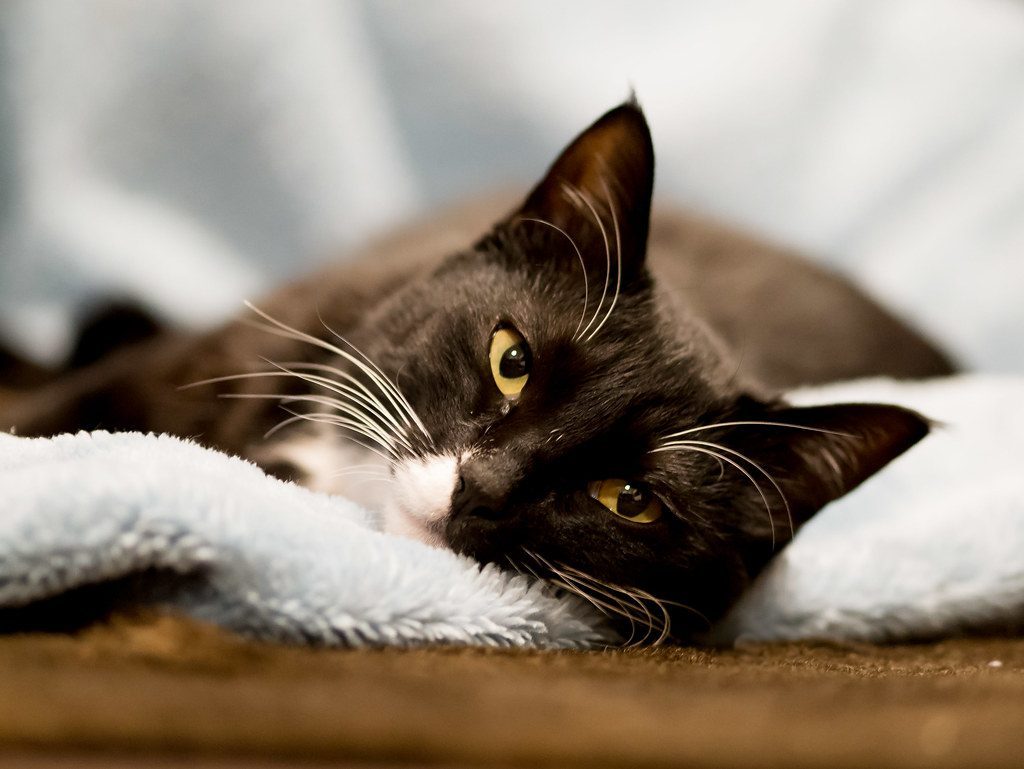
Secure cats have loose, relaxed bodies, and you'll see them lounging with their paws tucked under, tails still or gently swaying, and their ears pointed forward or slightly to the side, with their eyes might be half-closed, and their whiskers fanned out in a calm way. A cat holding its tail up high is a classic sign of confidence and comfort, and along with other confident body language, such as erect ears and a relaxed posture, this behavior indicates that your cat feels safe and happy in their surroundings.
Compare this to a stressed cat, which typically crouches low, holds their tail tight against their body, and keeps their muscles tense. Cats who are relaxed will have loose, fluid body movements, and their breathing will be slow and steady, and they might fold their feet in front of themselves, stretch their feet way out in front, or slouch over the side of a perch. When your cat melts into what can only be described as a puddle of fur on the couch or stretches out luxuriously in a sunny window, they're showing you in the clearest possible way that they feel entirely at peace in your home.
Conclusion
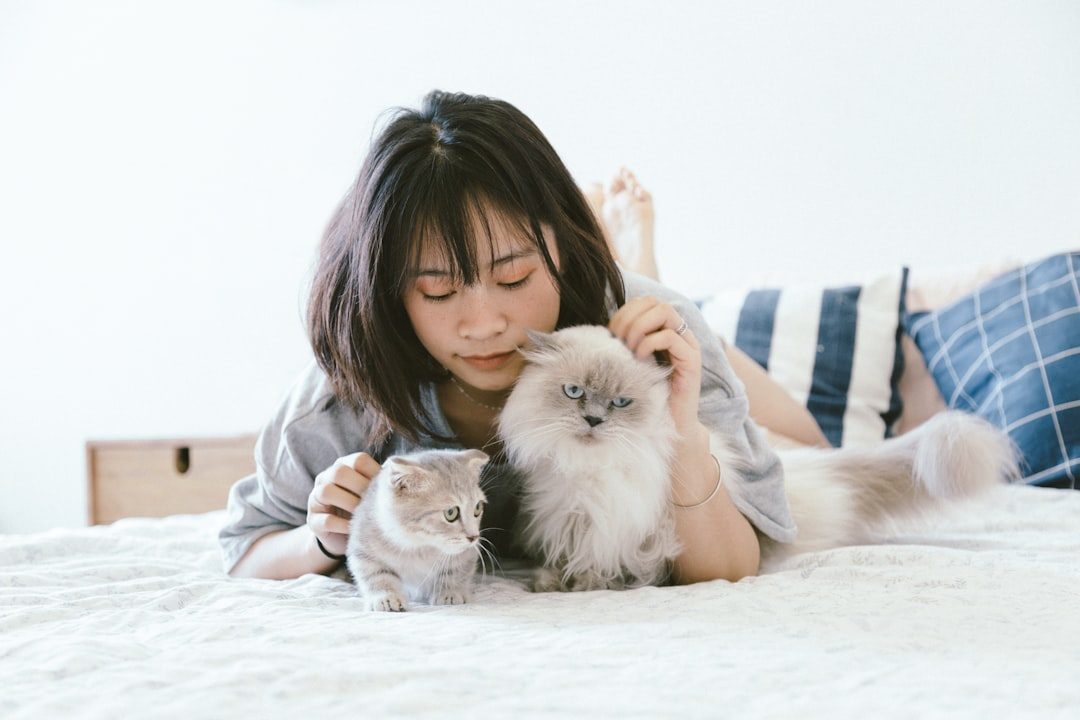
Recognizing these seven behaviors helps you understand the emotional landscape of your feline companion. Your cat might not express affection the way a dog does, with obvious enthusiasm and tail wagging, yet their subtle signals speak just as loudly about the security they feel in your home.
Every slow blink, every headbutt, every time they sprawl belly up in the middle of the hallway tells you that you've succeeded in creating a safe haven for them. These behaviors aren't just cute quirks; they're genuine expressions of trust that cats reserve only for environments where they feel truly protected and loved. What signs does your cat display most often? Have you noticed any of these behaviors in your own feline friend?