Why Does My Cat Keep Knocking Things Off My Kitchen Table
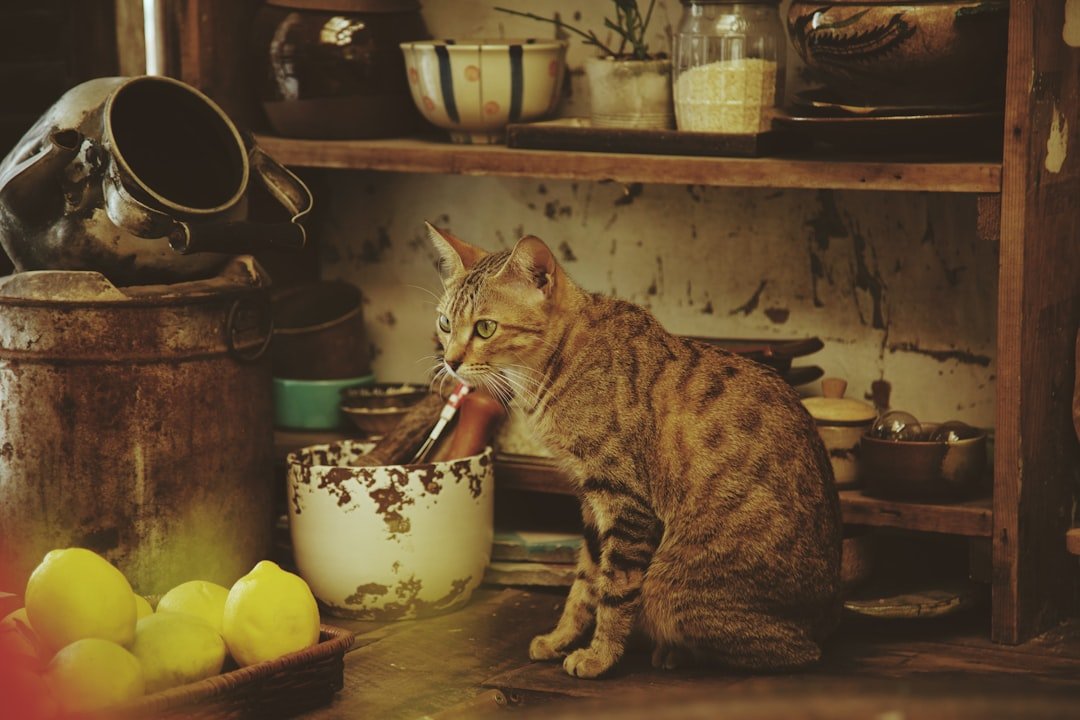
You've seen it happen. Your cat sits perched on your kitchen table, staring at your coffee mug with an intensity that could pierce steel. Then, without warning, that little paw extends. The mug wobbles. You freeze. Too late - it crashes to the floor.
If you've ever wondered whether your feline friend is secretly plotting against you or just exercising their natural talents, you're not alone. This quirky behavior actually reveals something fascinating about the way cats see and interact with their world. Let's dive into what's really going on inside that furry little head.
The Hunter's Instinct Never Sleeps
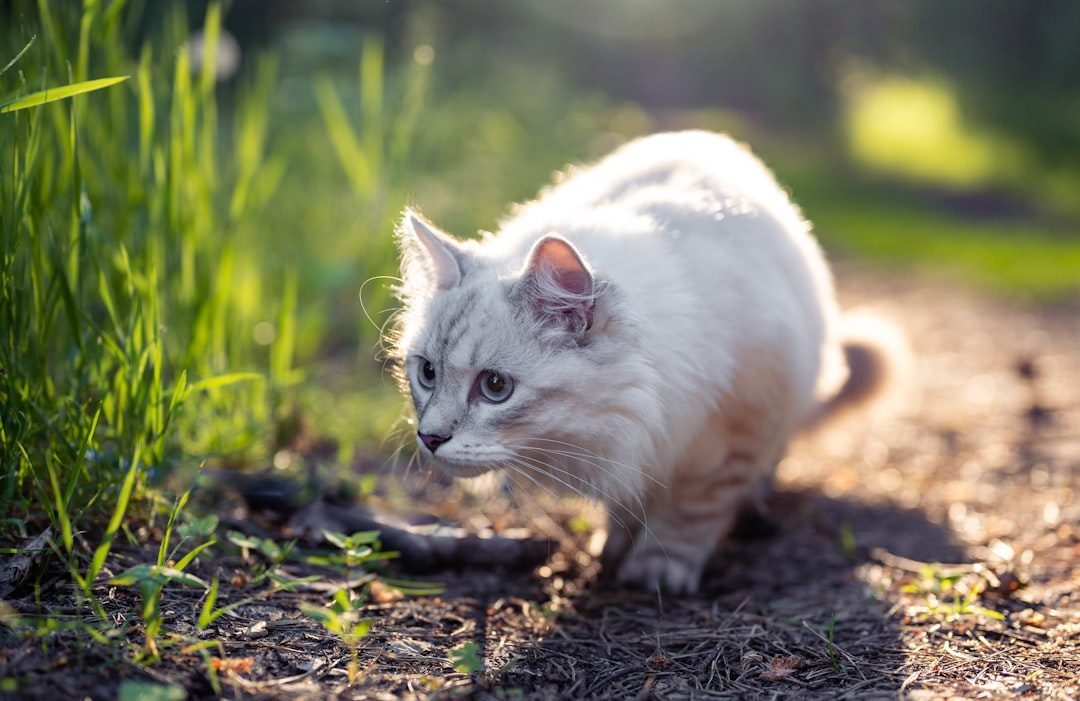
Cats are hardwired to chase fast-moving objects, and pushing items off counters plays directly into this hunting instinct. Your salt shaker might not look like prey to you, but to your cat, it's a perfect practice target.
Think about how cats hunt in the wild. They bat at small animals to test whether something is alive and assess its threat level. That innocent pen on your table? It could be a mouse for all they know. Cats push objects around with their paws to determine if something is edible or requires chasing. Even though your cat has never missed a meal in their life, those ancient instincts remain as sharp as ever.
The fascinating part is how seriously they take this. Cats love knocking things off surfaces because objects move rapidly as they fall, and if something bounces or rolls afterward, many cats will jump down to investigate. It's not vandalism - it's research.
Your Cat Might Be a Bored Genius
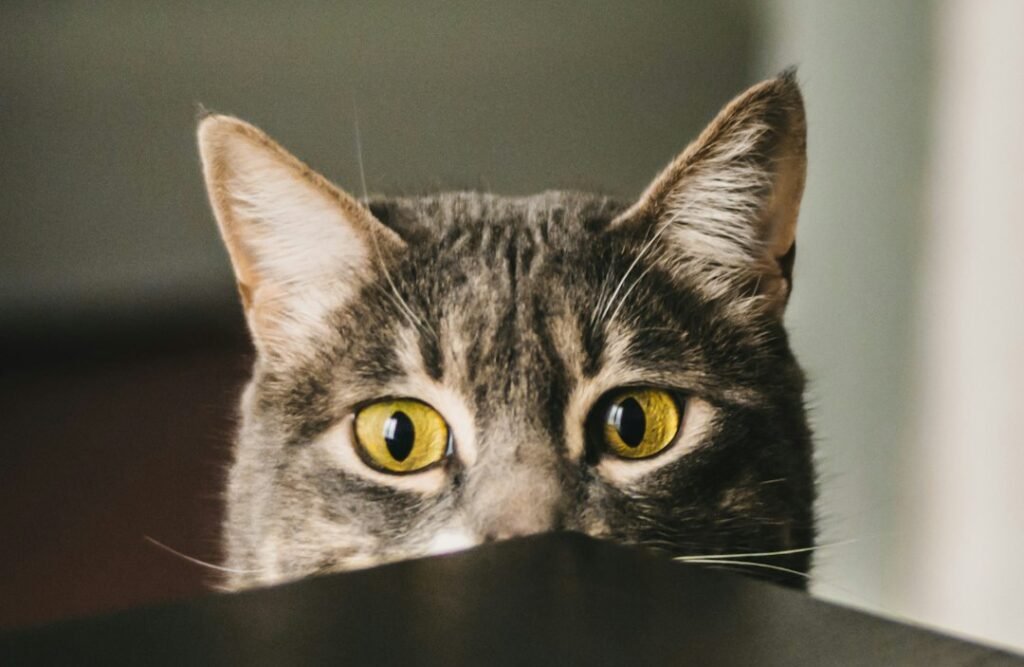
Pushing things off surfaces may be the most exciting activity your bored cat does all day. Here's the thing: indoor cats don't have access to the stimulating environment their ancestors enjoyed. No birds to stalk, no mice to chase, no trees to climb.
So what's a clever cat to do? Create their own entertainment, obviously. For indoor cats especially, knocking things over provides entertainment and mental stimulation through the unpredictable movement and sound of falling objects. Your kitchen table becomes their personal physics laboratory.
I think we underestimate how intelligent cats really are. Studies from Animal Cognition found that cats understand object permanence and physical properties. They're not mindlessly swatting - they're experimenting with gravity, cause and effect, and the properties of different materials. That's actually pretty impressive when you stop to think about it.
You're Accidentally Rewarding the Behavior
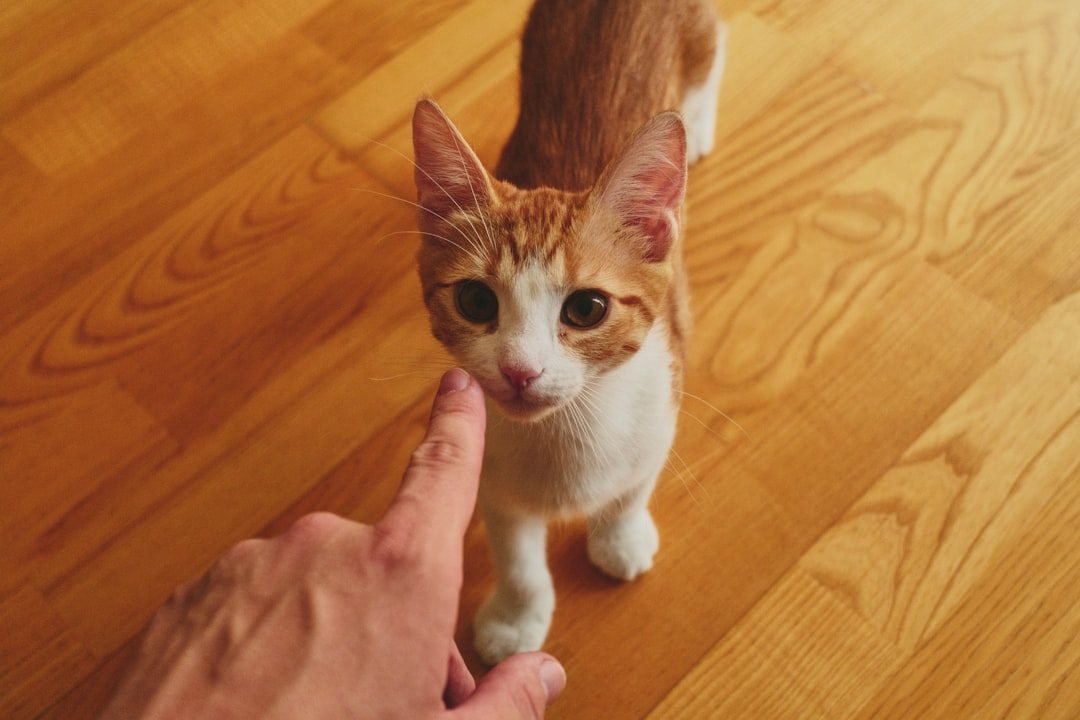
Let's be real: you might be part of the problem. If knocking something off a table consistently gets you to jump up, make noise, or rush over to them, your cat has learned a valuable lesson - this behavior works.
Cats are incredibly observant creatures. Some cats will deliberately knock items off tables while making eye contact with you, having learned that this behavior gains them a quick response and interaction. Even if you're scolding them, they're still getting what they want: your undivided attention.
Attention can be as subtle as glancing at the cat while they bat stuff off the table, or going to put the item back, giving them the opportunity to knock it off again - you may be reinforcing your little attention-seeker's behavior. It's hard not to react when your phone is sliding toward the edge, but every reaction teaches your cat that this strategy pays off.
The Fascinating Science of Gravity Experiments
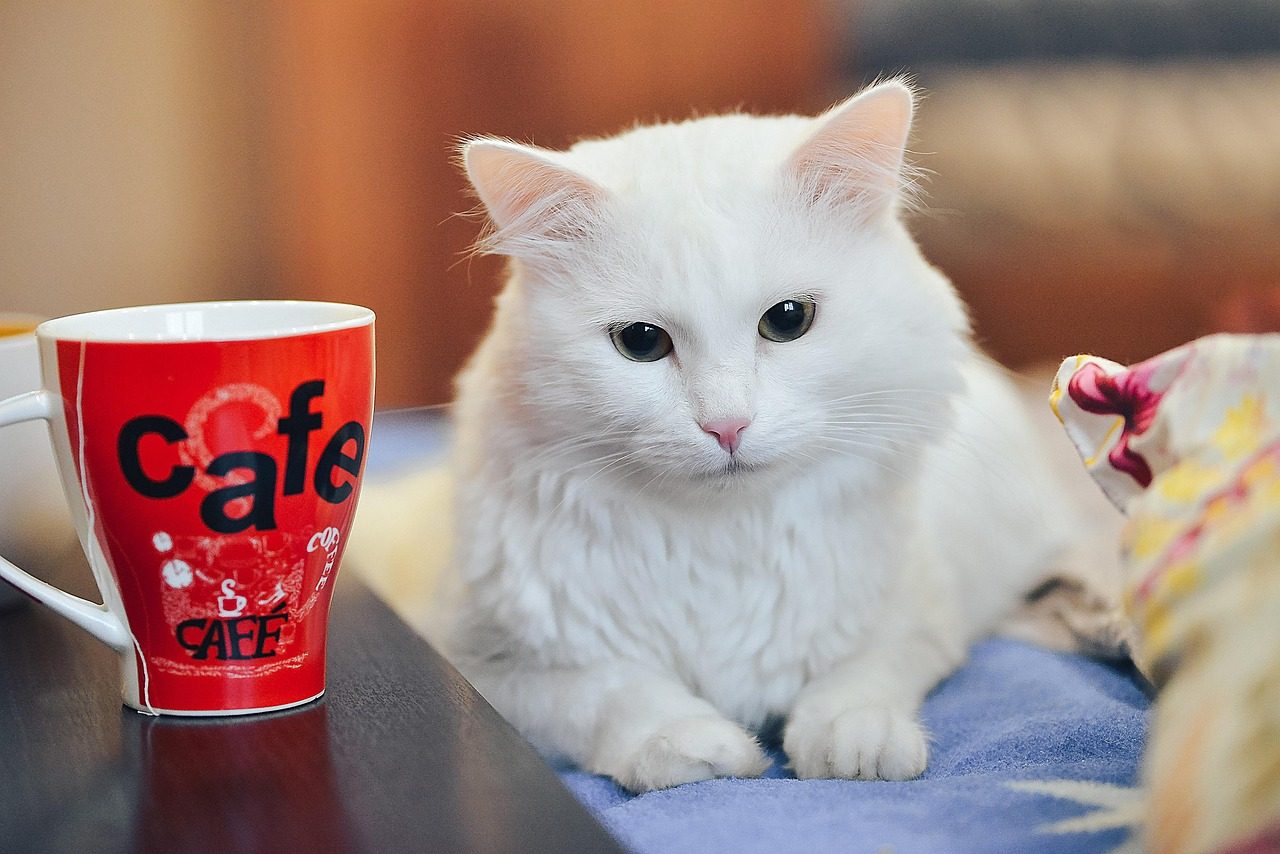
Cats seem genuinely intrigued by the fact that things fall when pushed. Honestly, can you blame them? The world must look so different from their perspective.
The physics of falling captivates cats because when they nudge an object close to the edge, they're manipulating the center of gravity. The trajectory of a pen rolling off a desk or the bounce of a rubber ball provides entertainment and mental stimulation, and their precision paws combined with access to elevated surfaces makes them excellent gravity experimenters.
Each knocked-over item provides new data. Hard objects feel different from soft ones. Glass makes a different sound than plastic when it hits the floor. Your cat isn't being destructive - they're conducting scientific research, one household item at a time.
Sometimes It's Just a Cry for Attention or Food
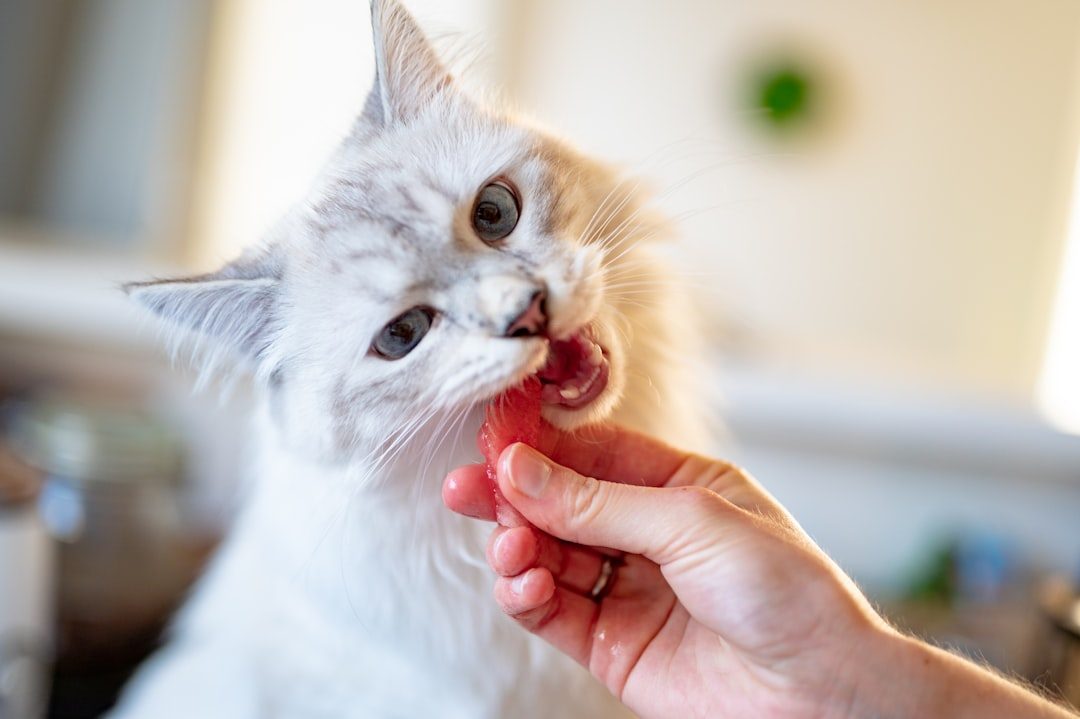
If your cat wants your attention, they'll do almost anything to get it - perhaps they fancy some cuddles or you just haven't acknowledged them for a while. Cats may seem independent, but they actually crave interaction on their own terms.
If a cat's tummy is telling them it's dinner time, some cats won't take no for answer and might let you know in no uncertain terms that it's time for food. That vase didn't stand a chance when breakfast is five minutes late.
The clever part? Cats quickly learn that a fallen or broken item will have you running to pick it up, and their attention seeking might be a result of boredom or trying to encourage you to interact or play with them. They've basically trained us to respond to their demands.
Understanding Your Cat's Curious Nature
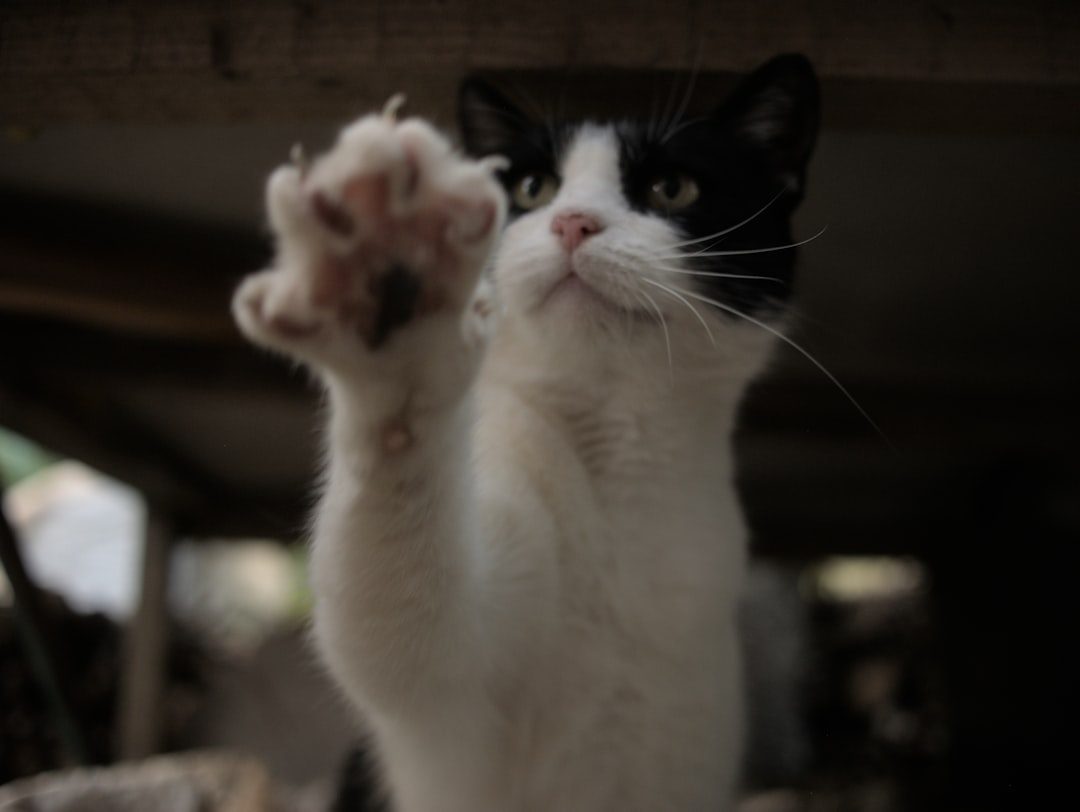
Knocking things over is part of cats' way of examining the world around them - they're looking to see how objects move, if they break, if they contain something inside. Unlike dogs who explore with their mouths, cats rely on their sensitive paws.
Cats use their paws to investigate the world, and knocking something off a surface may simply be your cat's way of discovering what it is, how it feels, and whether it moves or makes a sound. This curiosity is completely natural and actually shows a healthy, engaged mind.
Sometimes it really is accidental, though. Cat breeds with long or fluffy tails might be more prone to sweeping things off counters. Norwegian Forest Cats, I'm looking at you.
How to Redirect This Behavior Without Going Crazy
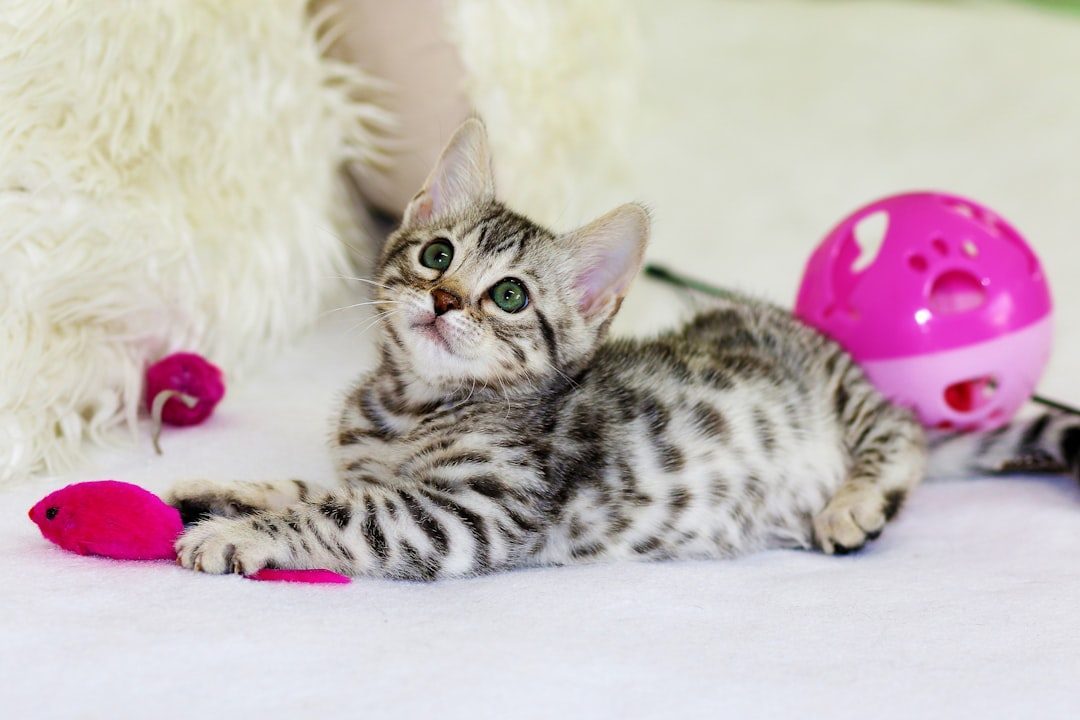
Give your cat stuff to do that's more fun than knocking things onto the floor - all cats need horizontal scratchers, scratching posts, and lots of toys that are more fun to box and chase. The key is making their legitimate toys more appealing than your belongings.
Tall cat condos and high-up cat shelves encourage cats to climb and exercise, and placing a couple next to windows will keep your feline entertained so they can watch birds and bask in the sun. Throw toys and cat treats for them to chase, and make them work for meals by hiding treats and food on cat trees and in puzzle toys.
Here's the critical part: Don't accidentally reinforce your cat's behavior with attention when they swat your treasures off the table - instead, before they jump on the desk or counter, proactively redirect their attention and give them stimulating things to do. Prevention beats intervention every single time.
Practical Strategies That Actually Work
It's essential to ignore your cat if they go to knock something over - as tempting as it might be to rush in or scream 'NO,' any reaction gives them the attention they're craving, so instead busy yourself with other things and wait before quietly cleaning up.
You can also be strategic about what you leave out. Be mindful of where your fragile items live - instead of placing breakables in spots that are irresistible, stash them in cupboards, cabinets, and areas they can't reach. It's not surrendering; it's being smart about sharing space with a tiny, furry scientist.
Place puzzle feeders around your home to encourage your cat to 'hunt' for treats and discourage attention-seeking behaviors - if there's a particular spot your cat likes to knock things off, place a puzzle feeder there instead to distract them. Fight instinct with instinct.
Understanding Means Better Living Together
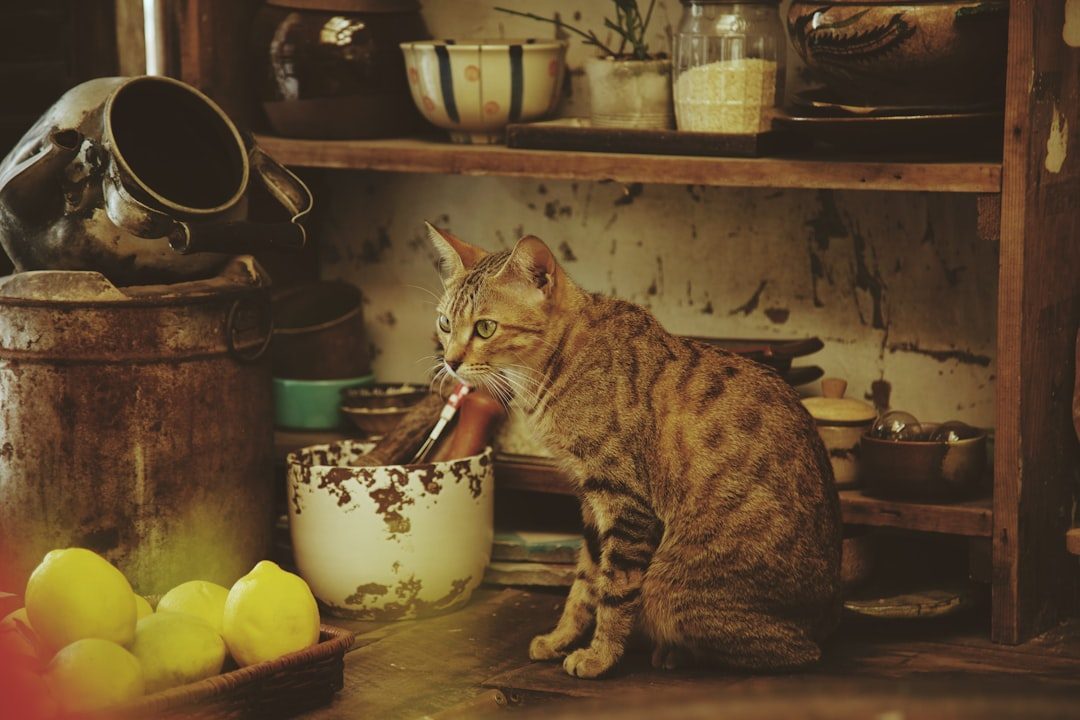
This behavior actually demonstrates several positive traits about your cat - it shows they're curious, intelligent, physically capable, and engaged with their environment, all signs of a healthy, mentally active feline. When you look at it that way, it's almost charming.
Understanding why cats knock things over helps us appreciate this behavior as a natural part of their complex personality and instinctual drives - your cat isn't being malicious, they're simply being a cat, and with proper environmental enrichment and consistent training, you can help channel this behavior in more appropriate ways.
The next time you hear that telltale crash from the kitchen, take a breath before you react. Your cat isn't plotting your demise or disrespecting your home. They're exploring, playing, practicing ancient skills, and maybe asking for a little more attention. It's frustrating, sure, but it's also a reminder that we share our homes with creatures who still carry the wild within them - even if that wildness is currently aimed at your favorite coffee mug. What's the most ridiculous thing your cat has knocked over? I bet it's quite a story.