6 Signs Your Cat Enjoys Your Company (And 4 Times They Need Alone Time)
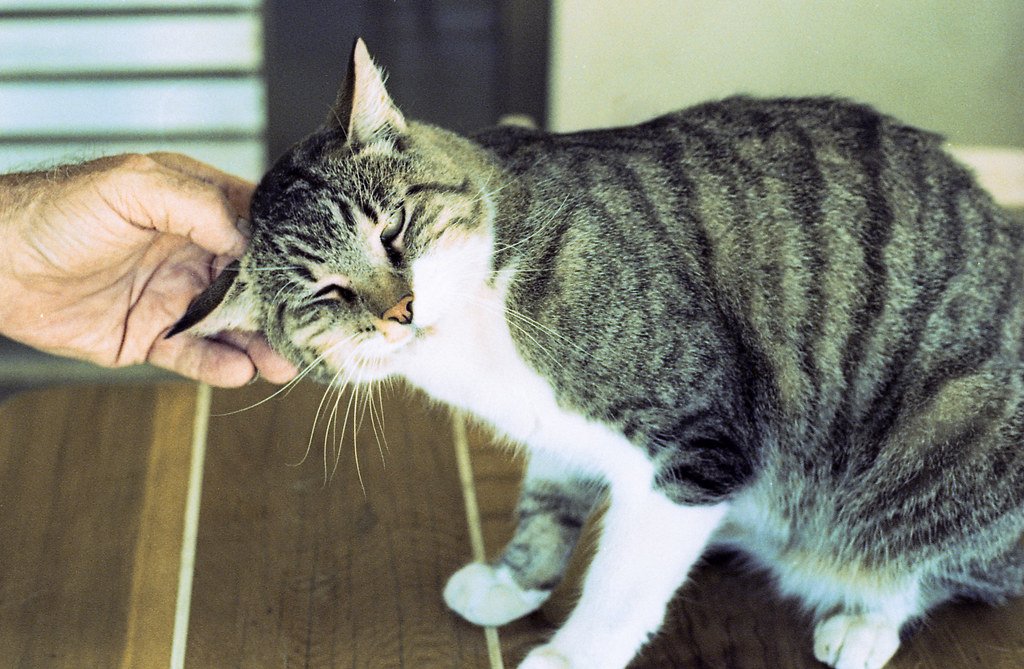
Have you ever wondered whether your cat actually likes having you around, or if they're just tolerating your presence until the next meal? Let's be real, cats have a reputation for being mysterious creatures. It's hard to say for sure what's going through that fuzzy little head of theirs. The truth is, your feline friend is constantly communicating with you through subtle body language and behaviors that are easy to miss if you're not paying attention.
Understanding when your cat craves your company versus when they desperately need some space can transform your relationship from awkward roommates into genuine companions. Think of it like learning a new language. Once you crack the code, everything starts to make sense.
The Slow Blink Says It All
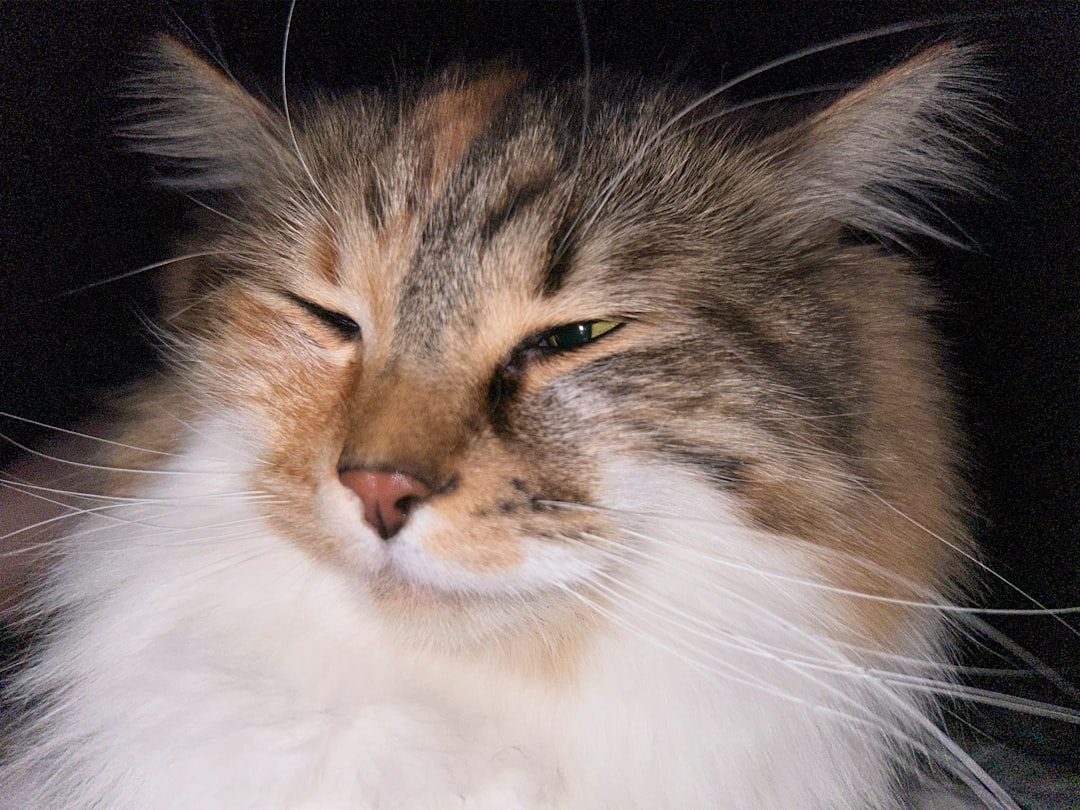
When your cat gives you a slow, deliberate blink, they're showing affection and relaxation. These slow eye blinks, known as cat kisses, signify a positive emotional message conveying attention and trust. It's honestly one of the sweetest things a cat can do.
Try returning the gesture next time you notice it. You can slow blink back at them, which is a great way to communicate with your cats. This simple exchange can become a private conversation between you two, a moment of mutual understanding that strengthens your bond. Honestly, once you start doing this, you'll notice your cat initiating these slow blinks more often, like they're checking in to see if you're still friends.
That Tail Held High Is a Welcome Sign
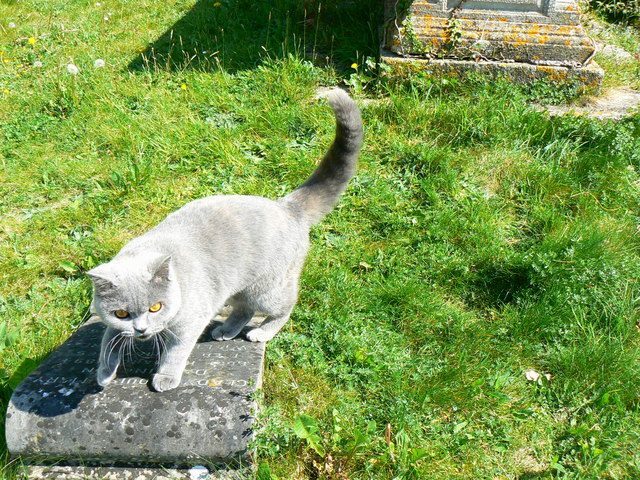
One of the most reliable signs of a confident cat is a tail that's lifted vertically, high in the air, which indicates that the cat feels comfortable and open to interaction. Their tails are held high, often with a tiny curve at the very end, showing that they're happy to see you or another cat. When your cat approaches you with this tail position, it's essentially their version of waving hello.
Think of it as your cat's greeting card. The tail-up display was important when a cat approached a human being, and in the vast majority of cases the cat rubbed itself on a human's leg. This isn't random behavior either. It means your presence makes them feel secure enough to be vulnerable and friendly.
Head Butts and Chin Rubs Are Acts of Love
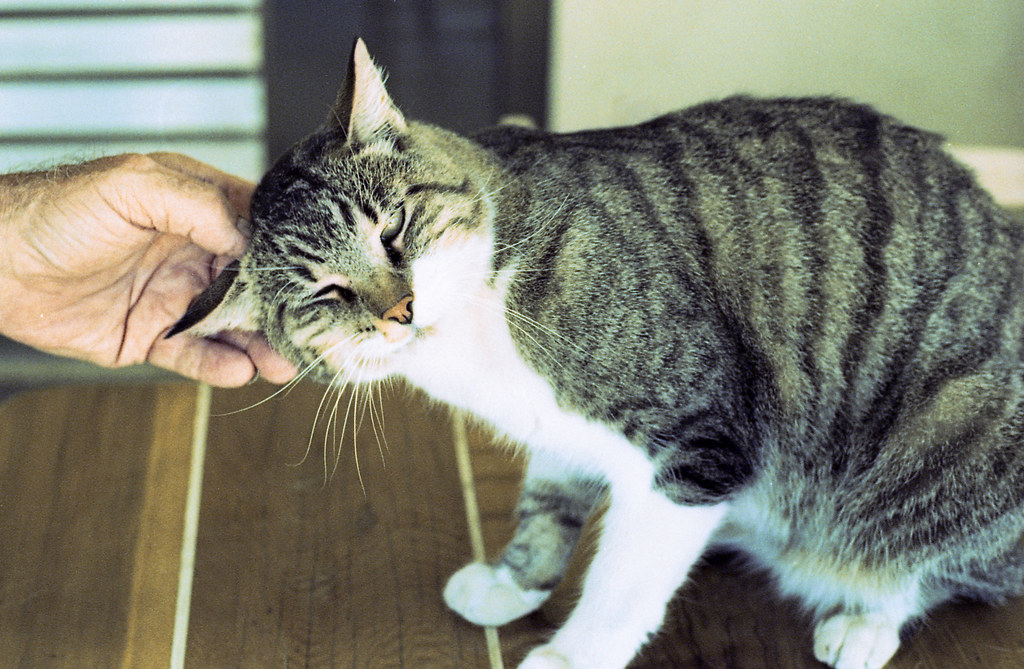
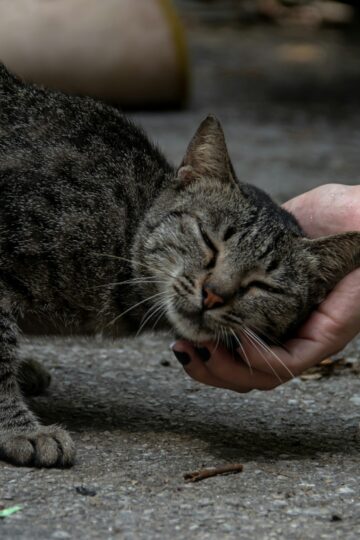
Head butts and chin rubbing are clear signs that your cat loves you because cats have scent glands in their faces that allow them to claim friends and objects as their own. Headbutting, aka bunting, is one way cats show affection, greet, and mark their family. When your cat bonks their head against your leg or hand, they're essentially saying you belong to them.
When your cat rubs their chin and body against you, they're telling you they love you. It's a bit possessive, sure, but that's how cats show they care. They're leaving their scent on you, marking you as part of their trusted inner circle. I find it incredibly touching when cats do this, because it shows they've chosen you specifically.
Making Biscuits Means Pure Contentment
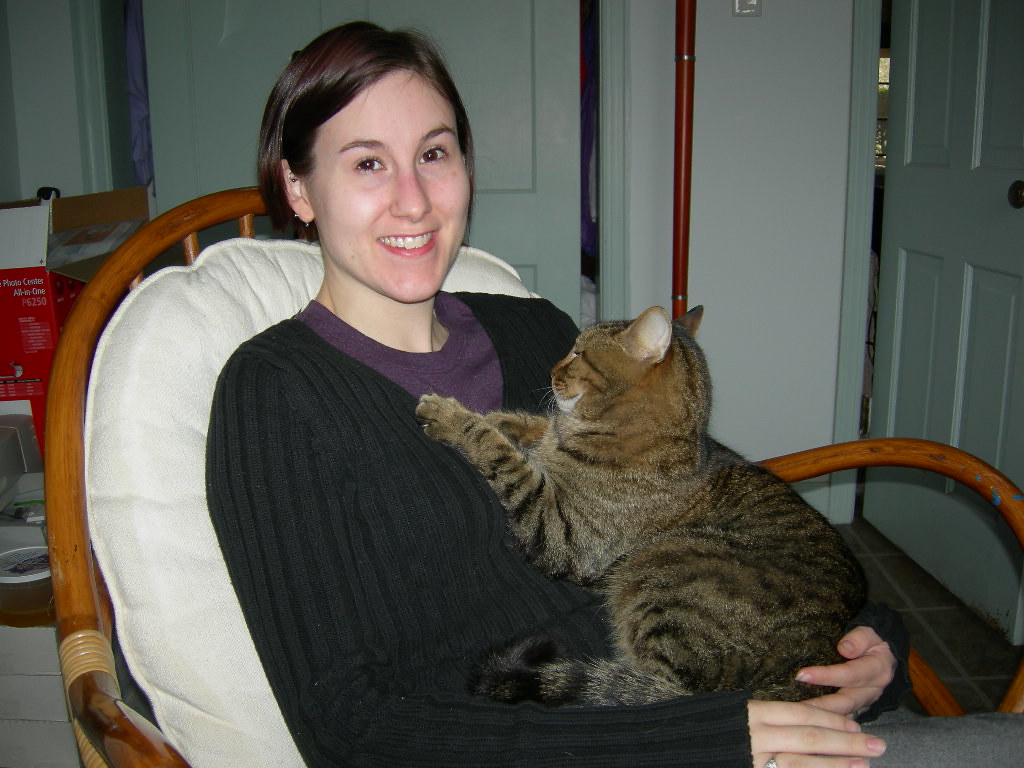
When your cat is spending some time cuddling on your lap, you might notice them kneading (aka making biscuits), another sign of enjoyment because it mimics feeding behavior in nursing kittens. You'll probably hear your cat purring too, a classic sign of contentment. This rhythmic pushing motion with their paws is a throwback to kittenhood, when they kneaded their mother while nursing.
The fact that your adult cat does this on your lap says everything. They associate you with safety, warmth, and nourishment. Sometimes the kneading can be a bit painful if your cat has sharp claws, but try not to push them away abruptly. Instead, place a soft blanket on your lap as a buffer. Your cat is in a blissful state, and that's something worth preserving.
Following You Room to Room Shows Attachment
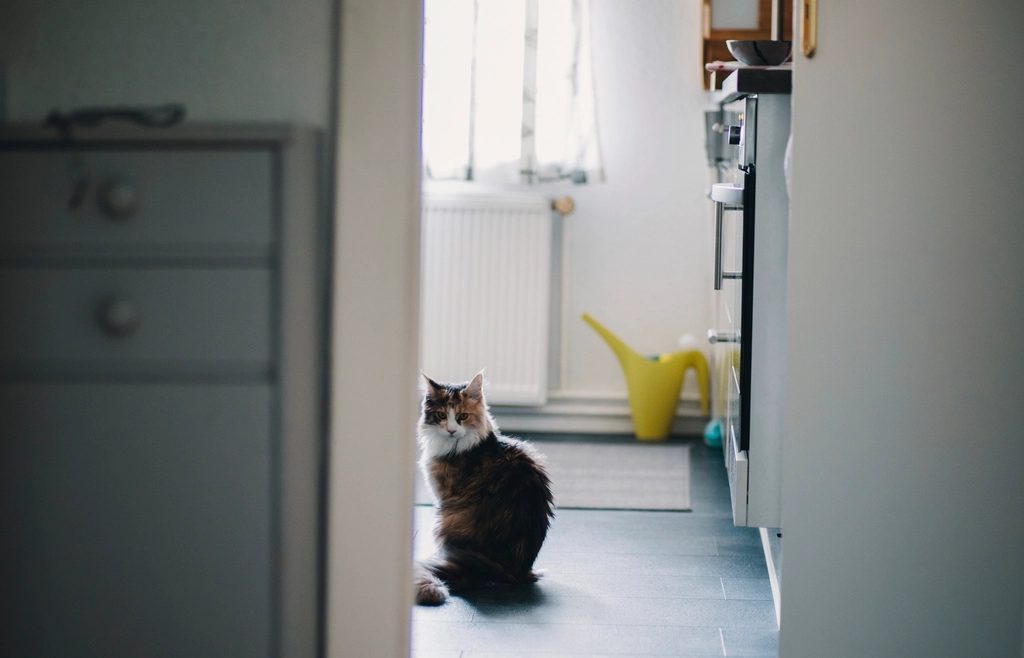
If your cat is clingy and always wants to be around you, then that's a strong sign they've imprinted on you, and they'll follow you around the house, make noises at you, sleep with you, and just generally be obsessed with you. Cats actually like spending time with their humans more than we give them credit for, and cats strongly love their humans and want to be with us. Your little shadow isn't being annoying - they genuinely enjoy your company.
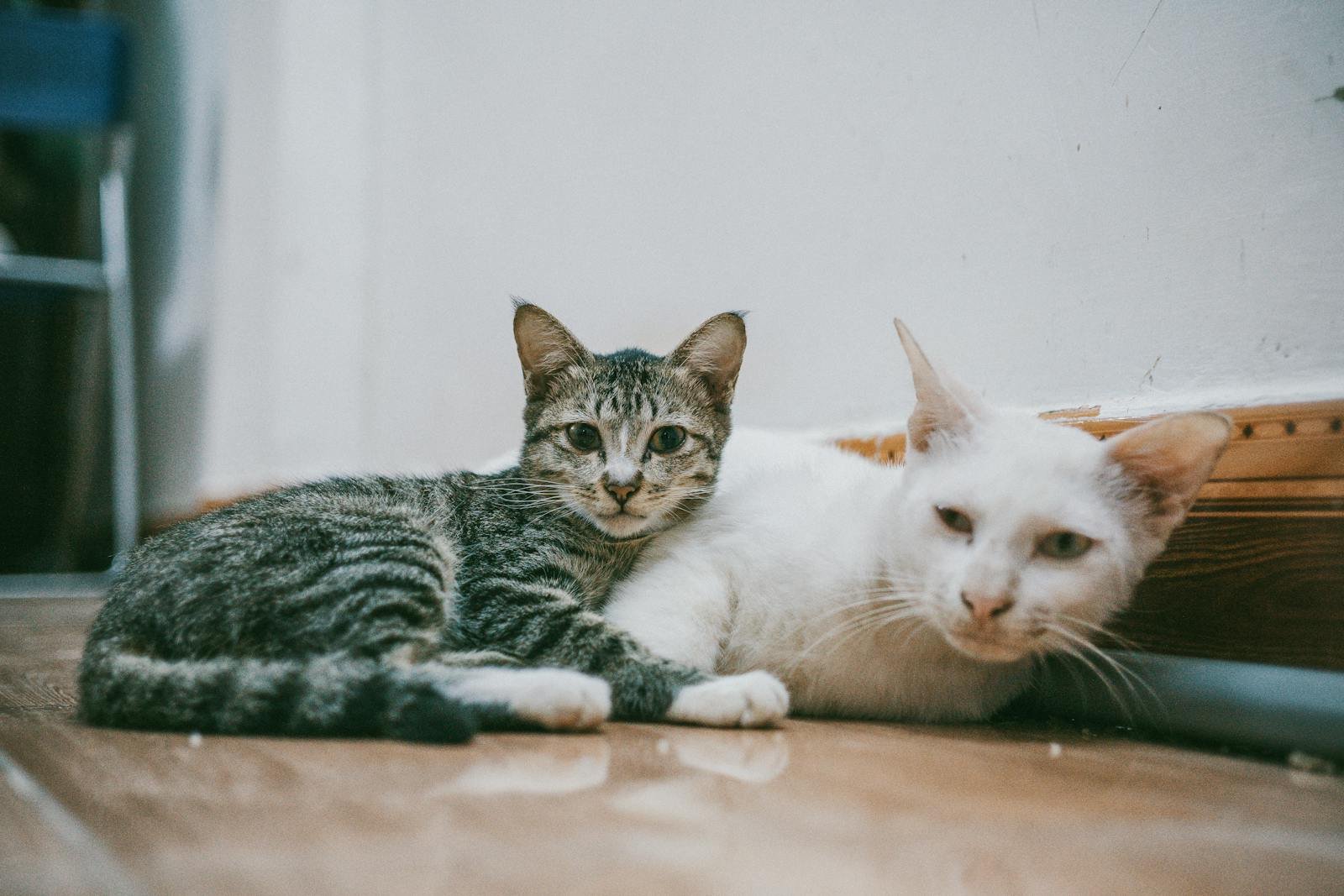
Your cat may sit near you or choose a napping spot that is in the same room where you are sitting to feel more connected. They don't always need direct interaction. Sometimes just being in your presence is enough to make them feel content and secure.
Belly Exposure Is a Trust Signal
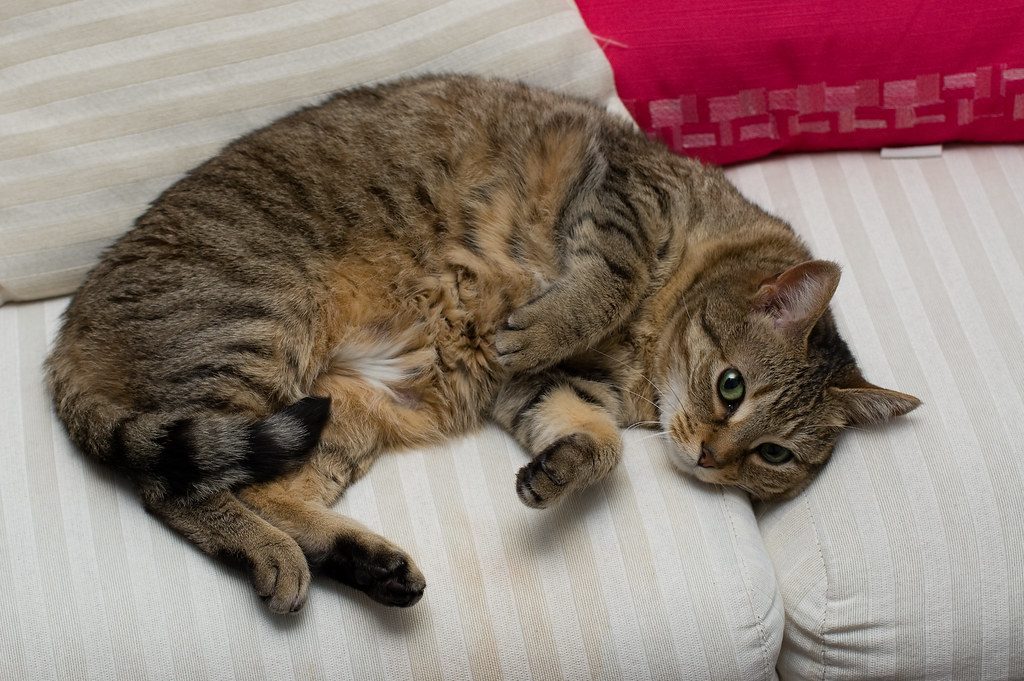
When your cat arches up their back to meet your hand when you pet them, this means they're enjoying this contact with you. A belly-up posture often means trust and relaxation. When a cat rolls onto their back and exposes their stomach to you, it's showing ultimate vulnerability.
Here's the thing though. Many cats don't want belly rubs, so try chin or cheek scratches instead. The exposed belly is more about displaying trust than requesting a belly massage. It's hard to say for sure without knowing your specific cat, but most felines prefer not to have their vulnerable underside touched. Respect that signal and appreciate it for what it is - a demonstration of complete confidence in your presence.
Ears Pinned Back Mean Back Off
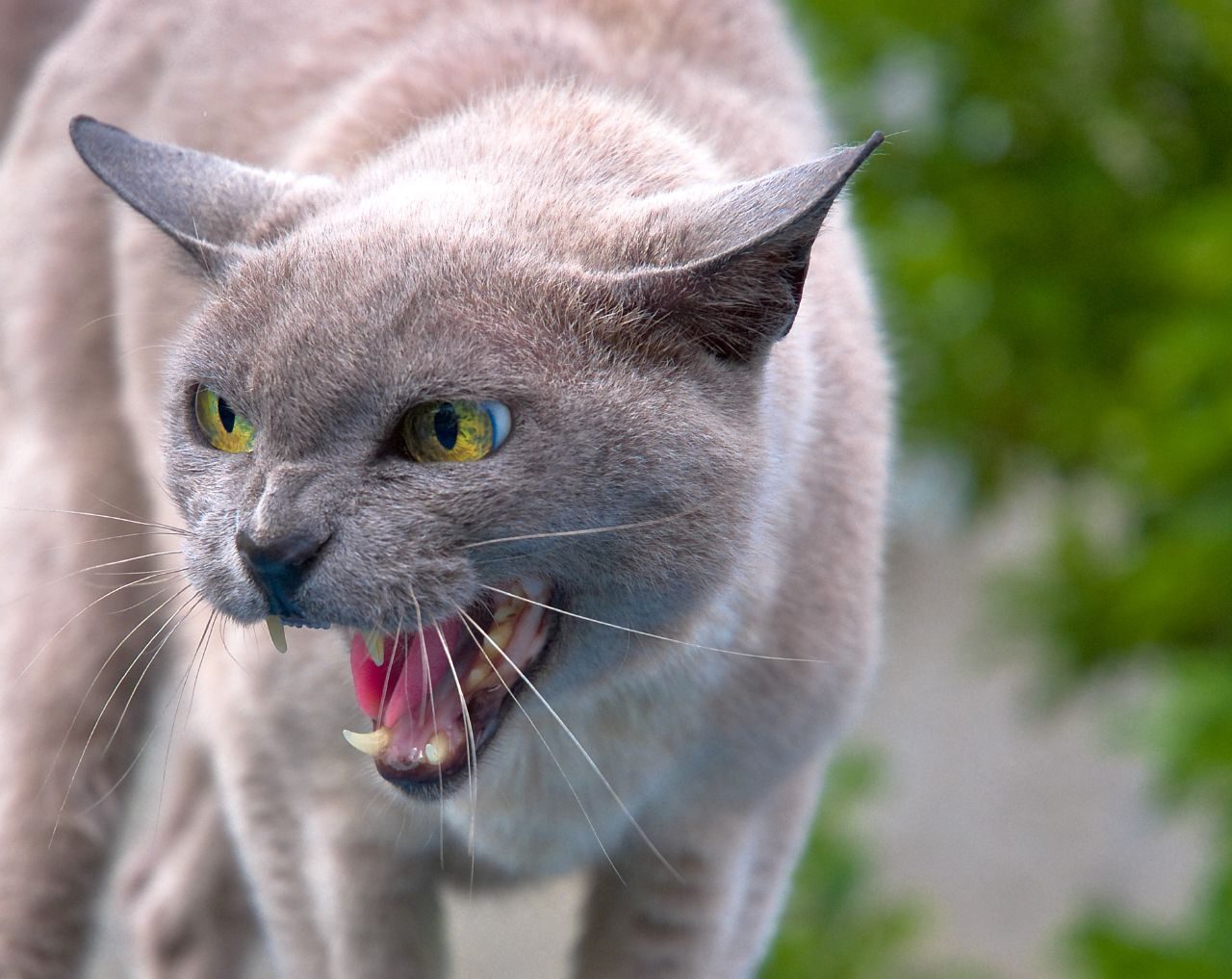
Flattened ears basically translate to step off and are indicative of potential aggressive behavior to come, including biting or scratching. Sideways ears serve as a warning sign, indicating annoyance, fear or potential aggression. This is one of the clearest signals your cat sends when they've had enough.
Aggressive or anxious purring will be followed with tense muscles, trying to flee or with their ears pinned back to their heads. Pay attention to the whole picture your cat is presenting. If those ears go flat against their head, give your cat space immediately. It's in the best interest of humans to walk away from a cat when their ears are in this position, or you could risk getting injured.
Tail Thrashing Signals Overstimulation
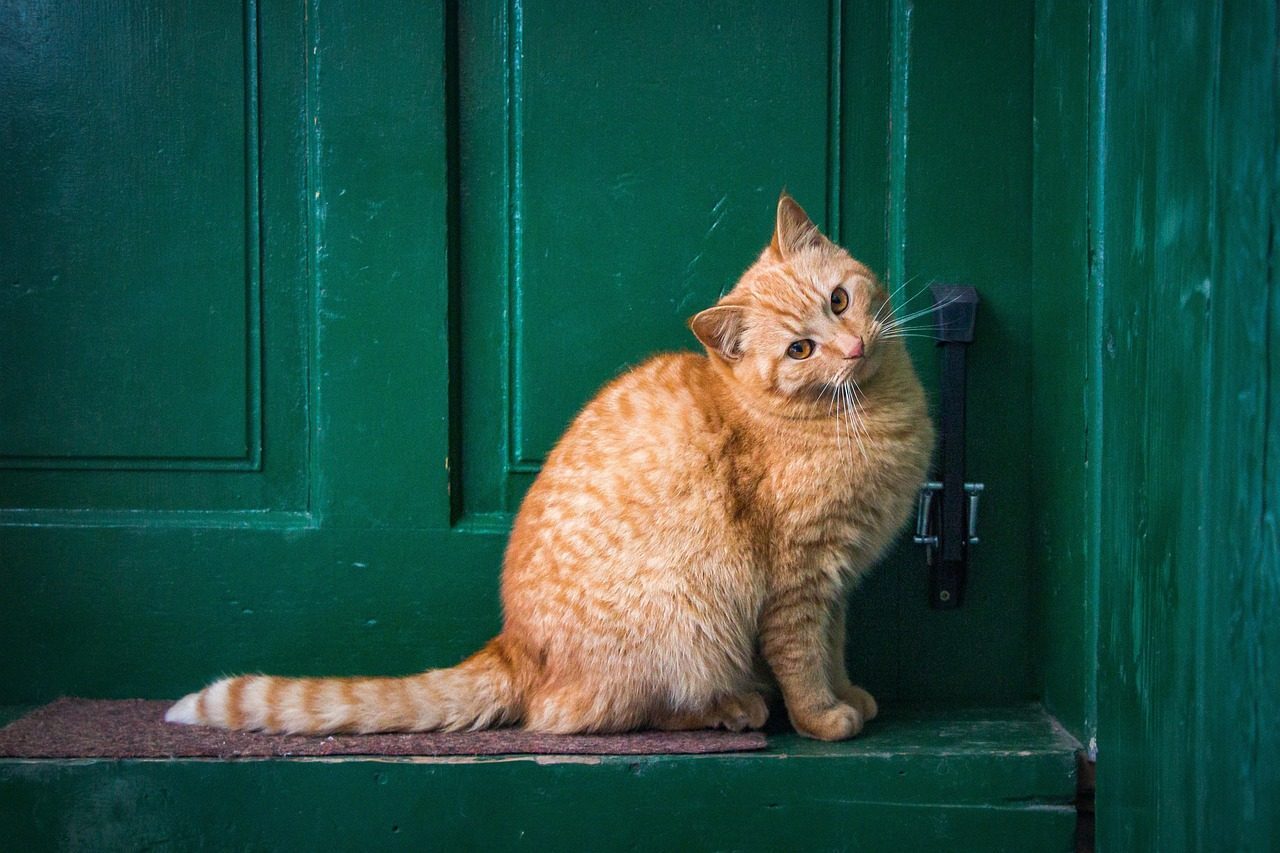
Rapidly thrashing or whipping tails, or ones thumping on the ground indicate irritation, annoyance or anger, and something might be bothering your cat. Overstimulation during petting includes tail swishing, head turns, cranky meows, biting and scratching. This is your cat's way of saying the interaction has gone on too long.
A cat will sometimes show their lack of receptivity by flicking their tail, and when she receives attention and pets, she'll often go from excited and happy to simply tolerant and then to upset, with her body language giving clues at each stage. Watch for these escalating signals. When that tail starts twitching, it's time to stop petting and let your cat decompress. Be sure to let them initiate future interactions, and keep petting sessions brief and focused on areas of the body they like to be petted, such as the cheeks and chin.
Hiding Away Indicates Space Requirements
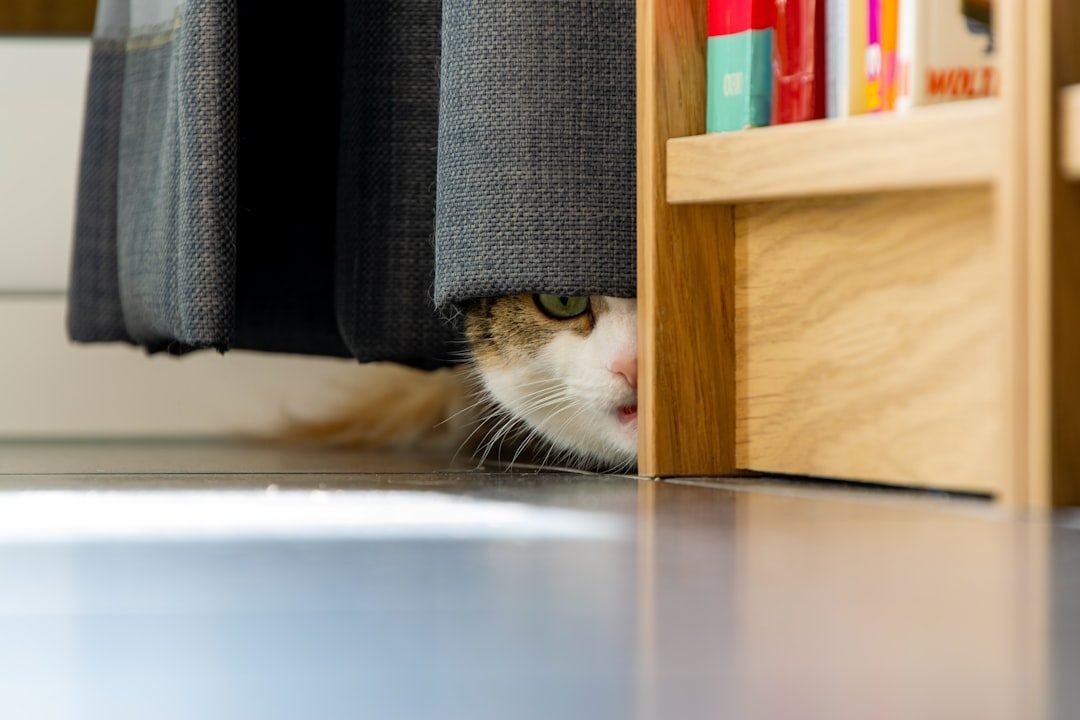
Cats will always seek out a quiet space, whether it's behind a cupboard or atop their cat tower, as this helps them get away from overstimulating sights and sounds and keep an eye on their surroundings, however if you find your little lion spends all their time hiding, it could be a sign they need a bit of extra space from their human family. If your feline friend retreats to a quiet corner, their favorite hiding spot, or a cozy cat bed, it's a clear sign that they need some time to themselves, so avoid intruding on their privacy and allow them to relax undisturbed.
Cats cherish their independence as much as they love their kibble, and just like us, they need a little space to recharge their batteries, so when your cat disappears, remember they're just on a mini-vacation in their own home. Don't take it personally. Every cat needs downtime, even the most social ones. Creating designated safe spaces with familiar-smelling blankets gives your cat a retreat when life gets overwhelming.
Hissing or Growling Demands Distance
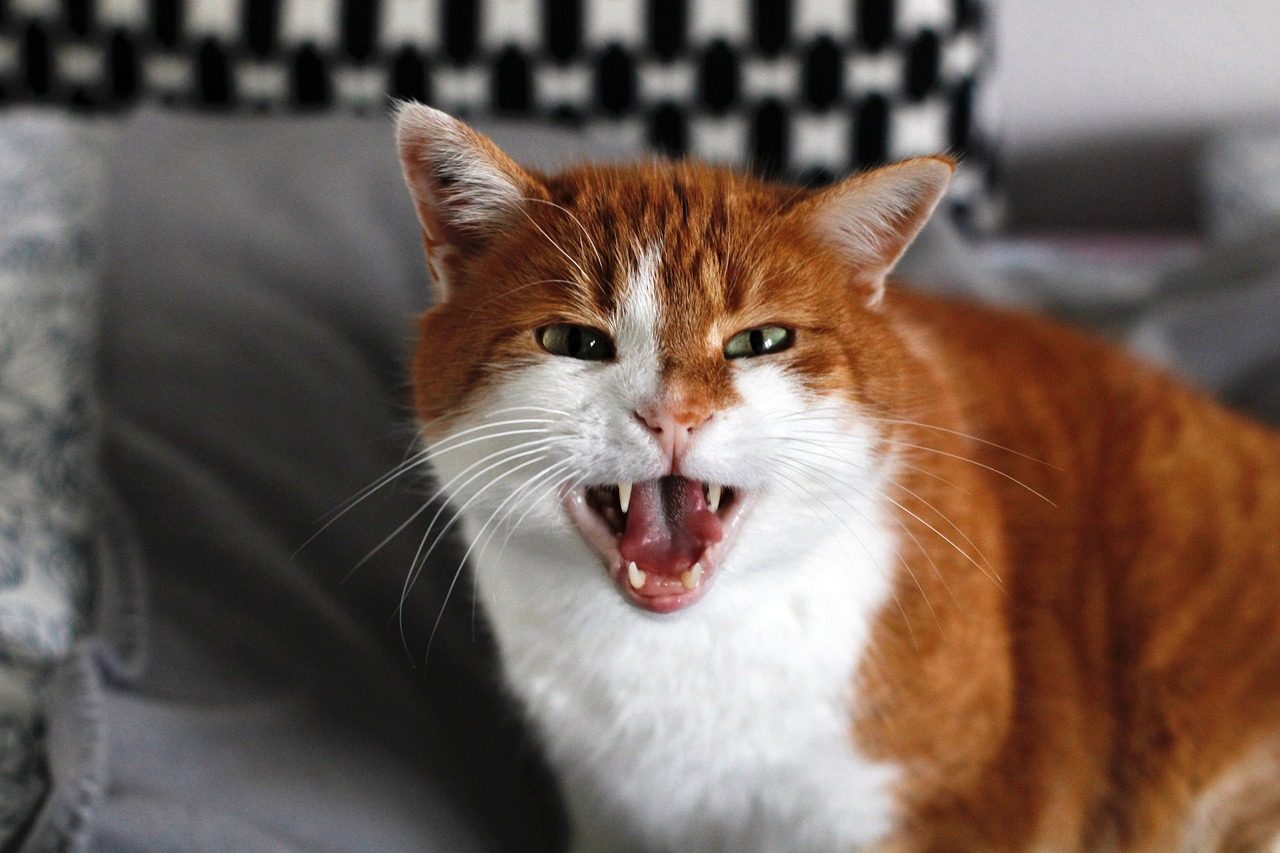
Growling, hissing or spitting indicates a cat who is annoyed, frightened, angry or defensive, so leave this cat alone. A cat often attempts to avoid resorting to aggression by growling or hissing, but if these warnings are not heeded, then a cat may spit, a sudden and explosive burst of noise that is often accompanied with a lunge or swat. These vocalizations aren't just dramatic flair - they're serious warnings.
Signs of aggression are usually obvious to pet parents, but it's important to remember that a cat showing aggression is not being mean or vindictive, they are panicking, so if you see a cat demonstrating these signs, remove the perceived threat and give the cat space. Your cat is communicating their boundaries in the only way they know how. Respecting these vocal cues prevents stressful confrontations and helps your cat feel safer in their environment.
Building a Balanced Relationship
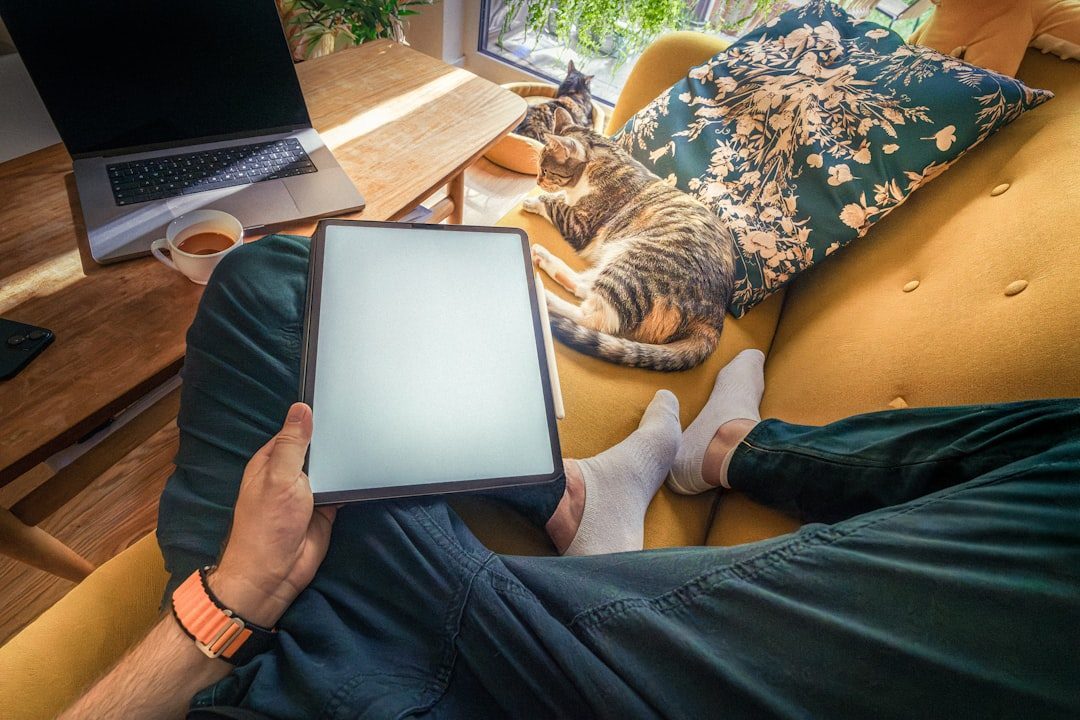
Understanding your cat's communication style transforms your daily interactions. You'll notice patterns emerging - maybe your cat loves morning cuddles but prefers solitude in the afternoon, or perhaps they seek you out after dinner for playtime. Every cat has their own unique personality and preferences.
Even though your cat may seem like a Velcro kitty, they still want control over personal space preferences, and overlooking these subtle choices can impact your cat's happiness and behavior. Creating a home environment that respects both connection and independence means everyone wins. Provide multiple safe spaces, engage when your cat initiates, and recognize withdrawal signals immediately.
The beauty of living with cats lies in this delicate balance between togetherness and independence. They're not dogs who constantly seek approval and attention. Instead, they offer something different - a companionship that honors boundaries and celebrates mutual respect. What surprises you most about your cat's communication style? Tell us in the comments.