Why Do Cats Need So Much Sleep? The Cozy Truth About Their Naps
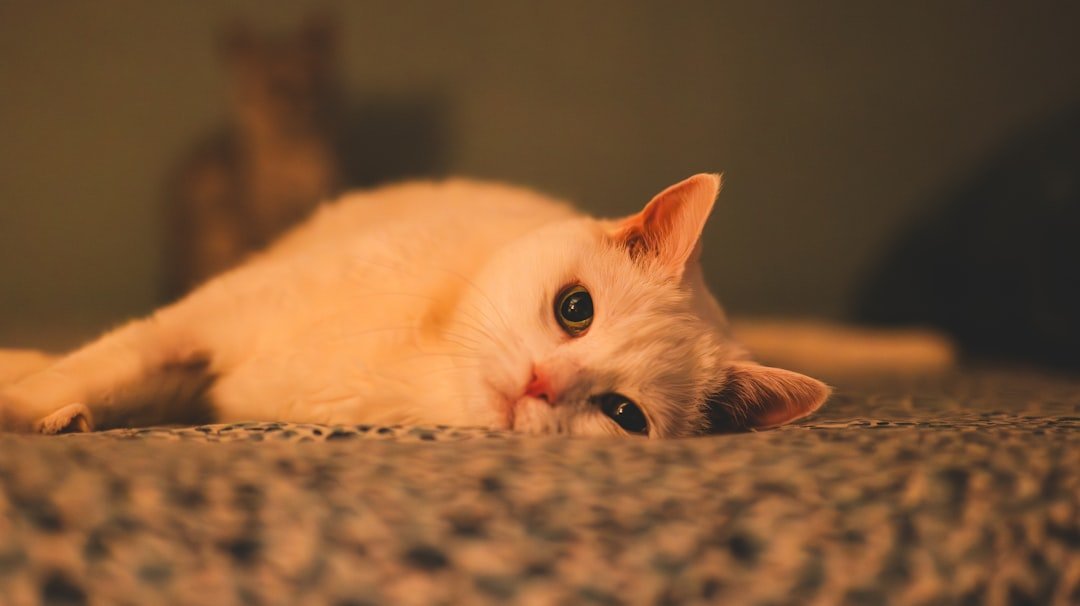
You've probably noticed it countless times. Your feline friend curled up in that sunny spot on the windowsill, sprawled across your favorite chair, or tucked into a cozy corner somewhere in your home. They're sleeping. Again. It almost seems like your cat spends more time asleep than awake, right? Well, here's the thing: they actually do. Cats are professional nappers, and there's a whole lot of fascinating biology behind those lengthy slumbers. Let's dive into the cozy truth about why your furry companion needs so much sleep.
Your Cat's Wild Ancestry Explains It All
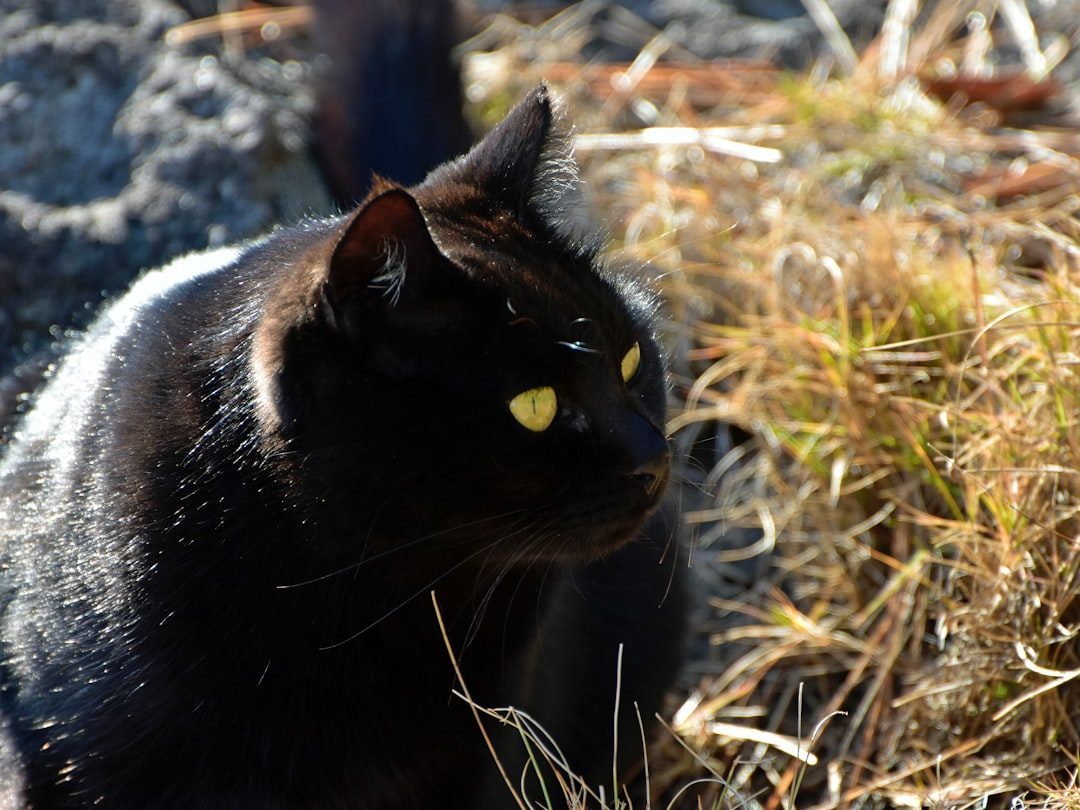
Cats are natural predators, and their prey is quick and elusive. Sneaking up and pouncing repeatedly is undoubtedly exhausting. Cats in the wild work hard in order to meet their dietary needs, and expending that kind of physical effort requires a lot of recharging. Think about it this way: imagine having to chase down every single meal you eat. You'd probably want to rest up between hunts too.
Cats have developed a natural inclination to sleep for extended periods during the day. This behavior stems from their evolutionary adaptation to conserve energy for hunting, chasing, and capturing their prey in the wild. Even though your domesticated kitty doesn't need to hunt anymore, that ancient programming is still hardwired into their DNA. It's honestly pretty remarkable how these instincts persist even after thousands of years of living alongside humans.
The Numbers Are Staggering
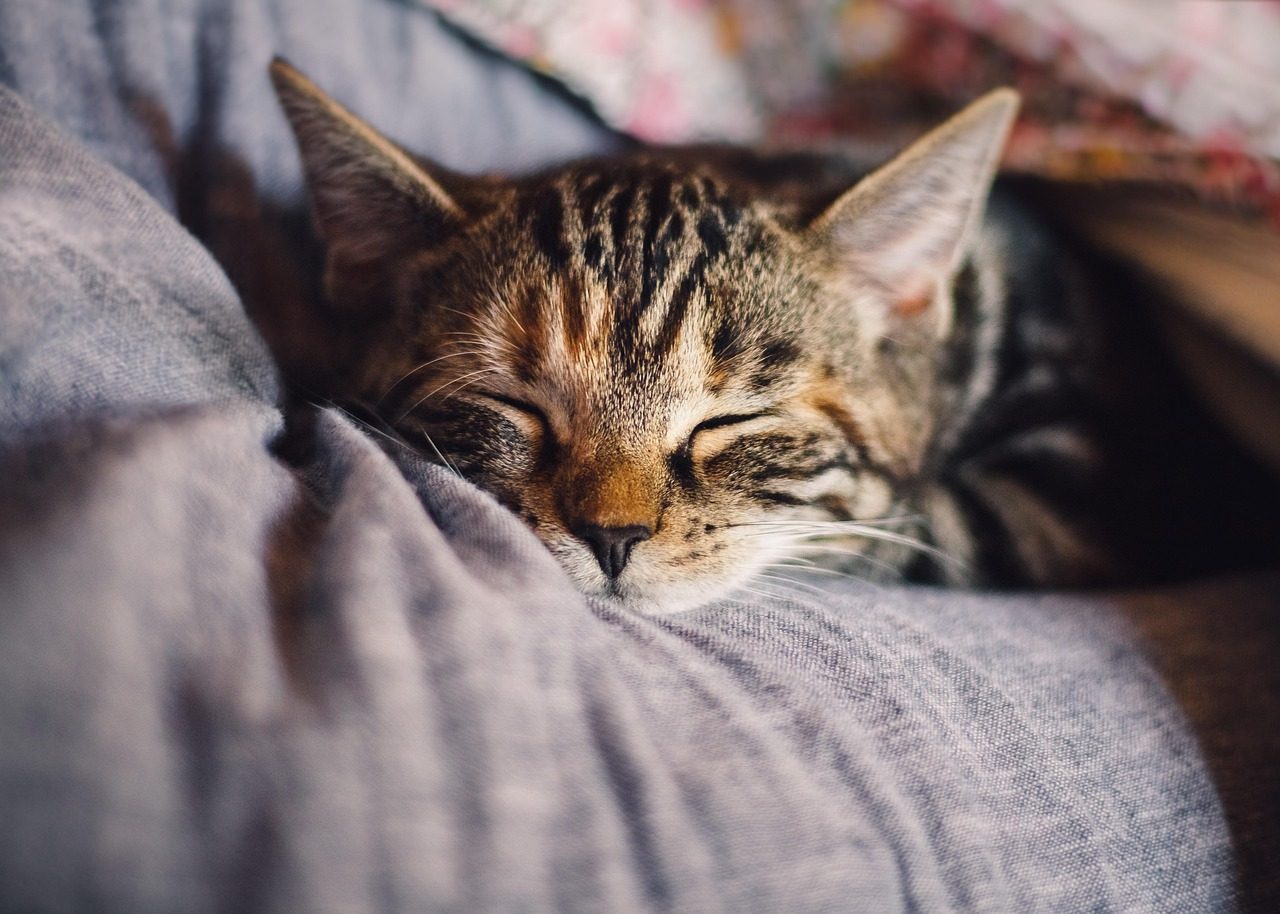
So exactly how much do cats sleep? Cats sleep an average of 12-18 hours every day. That's roughly two-thirds to three-quarters of their entire lives spent snoozing.
The truth is that cats sleep an average of 15 hours per day. Some of them stretch that toward 20 hours, especially older cats and kittens. When you break it down like that, it makes you wonder when they actually have time to eat, play, or cause mischief. Yet somehow, they manage to fit it all in.
They're Crepuscular Creatures
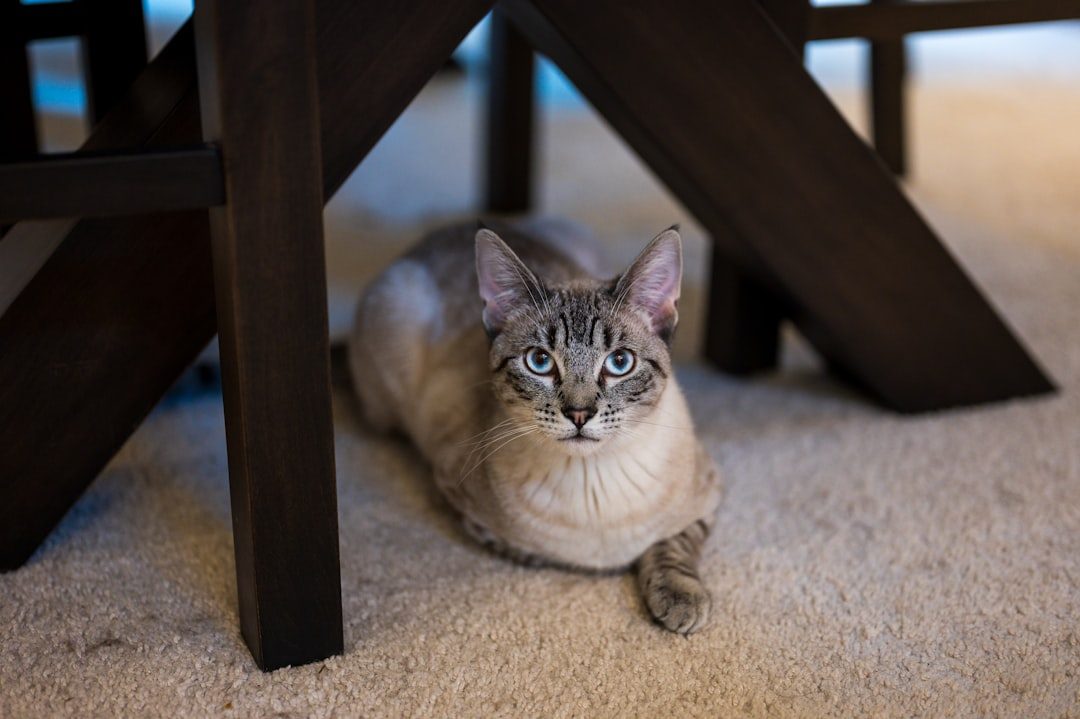
Here's where things get interesting. Cats are crepuscular predators, which means that the go lights come on for them at dawn and dusk during the twilight hours when their prey - rodents and birds - are equally active. This explains why your cat might wake you at sunrise or suddenly become energetic just as you're winding down for the evening.
They are naturally most active during dawn and dusk, rather than throughout the night. Cats sleep during the day due to their evolutionary programming as crepuscular hunters. So while many people assume cats are nocturnal, that's not quite accurate. They're wired to be active during those twilight hours when hunting conditions are optimal.
Light Sleep Versus Deep Sleep
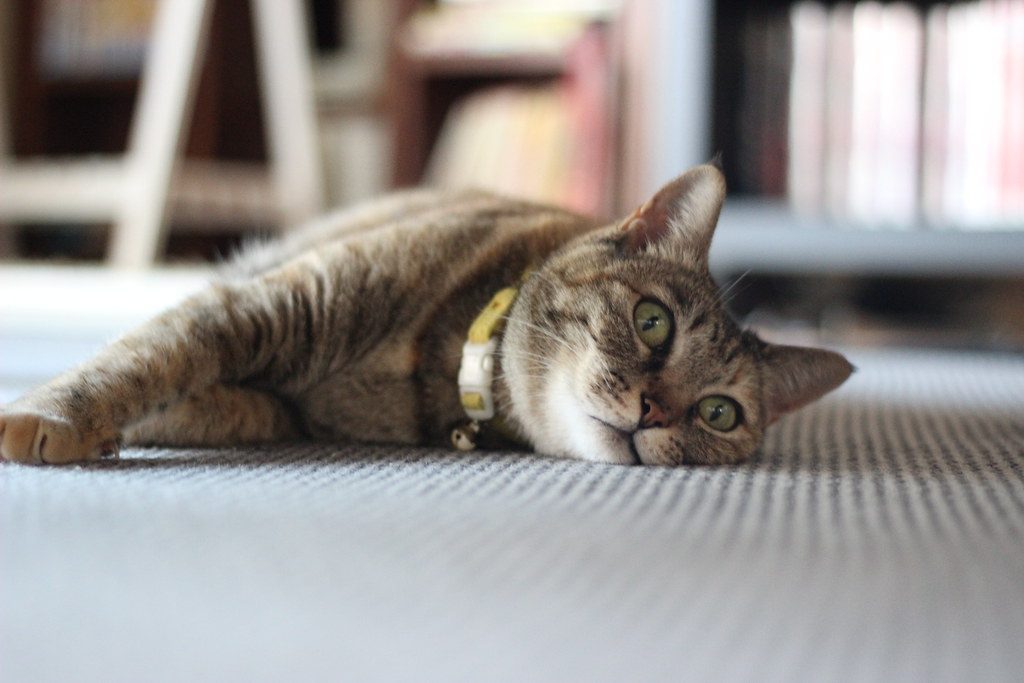
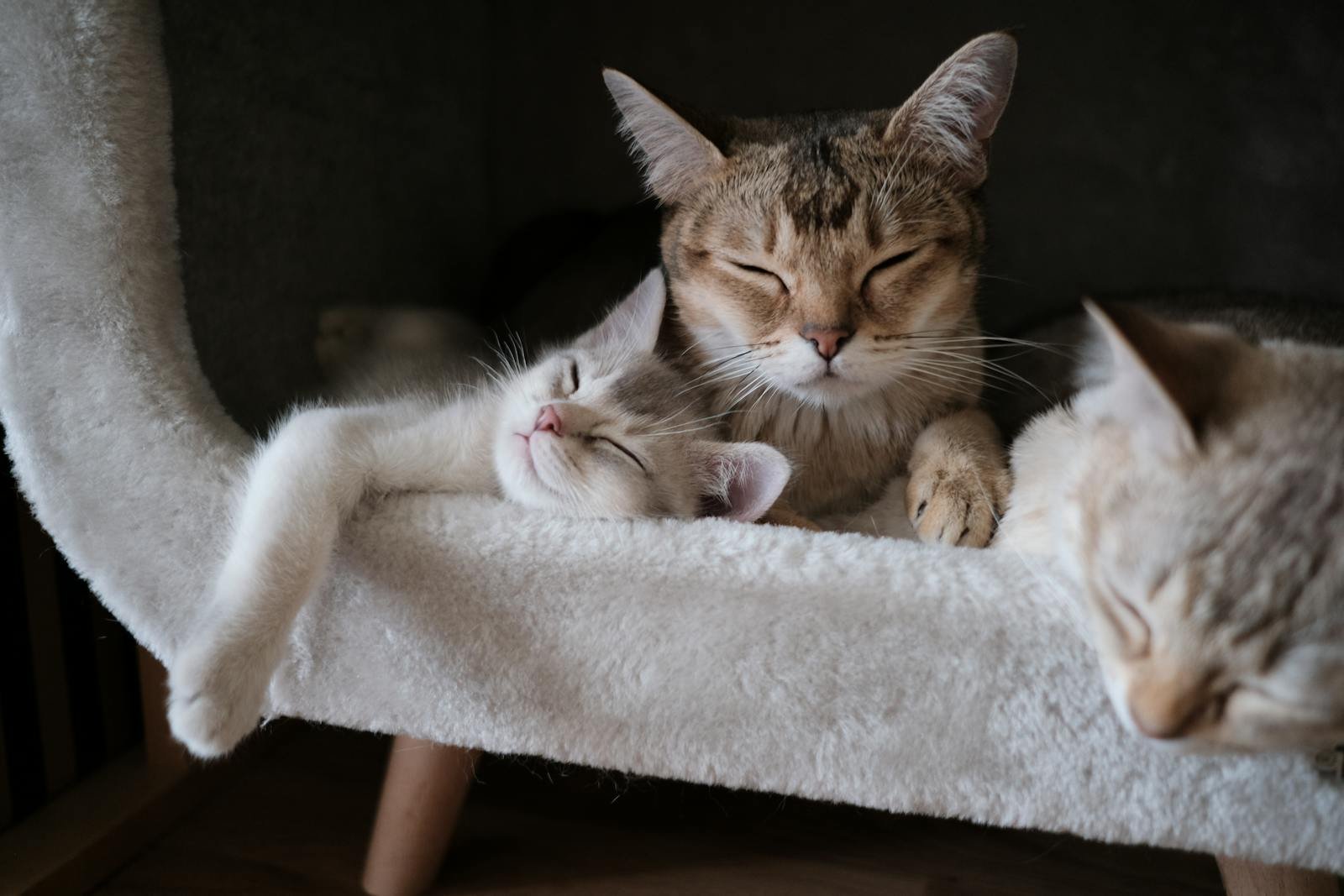
Not all cat sleep is created equal. About three-fourths of their sleep is a shallow, almost-waking rest light sleep. Cats doze in a kind of ready position, their senses of smell and hearing in the "on" mode. You might notice their ears twitching or rotating toward sounds even while they appear to be sleeping.
These famous catnaps usually last 15–30 minutes. The other one-fourth of the time, cats really are out of it, sleeping deeply, often reaching REM sleep. During this deep sleep phase, you might see their paws trembling or twitching. If it looks like they are dreaming when their paws tremble, it is because they probably are dreaming.
Energy Conservation Is Key
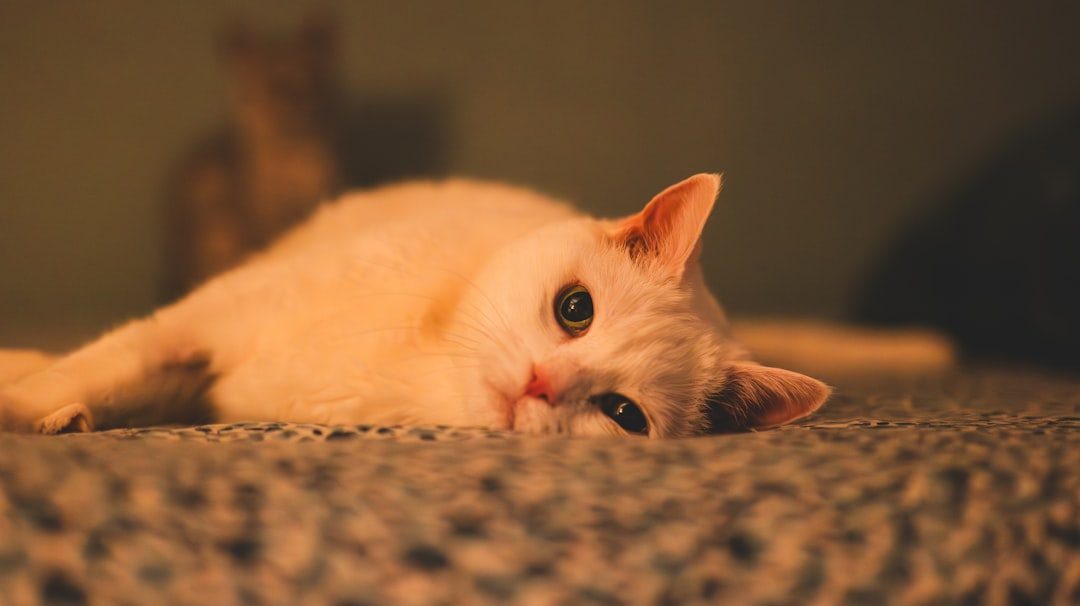
Hunting and exploring are energy-consuming activities. As predators, cats need a lot more rest than humans so they can remain alert and focused. Think of it as strategic energy management. Rather than maintaining a constant moderate activity level like some animals, cats operate in bursts of intense energy followed by long periods of rest.
Because cats are natural predators, the amount of energy they expend to stalk and catch their prey has to be compensated, primarily through sleep. Even indoor cats who get their meals served in a bowl still possess this biological need to conserve energy. Their bodies don't know the difference between hunting for survival and batting around a toy mouse.
The Polyphasic Sleep Pattern
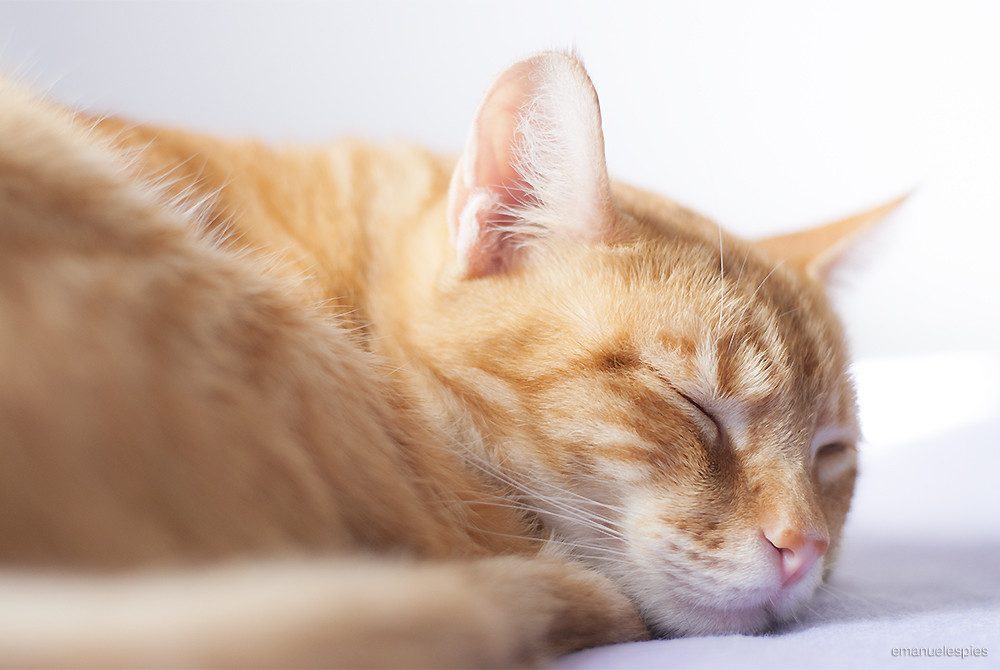
Cats have a polyphasic sleep pattern, which means they sleep multiple times each day rather than in one, long period, like humans generally sleep. These cat naps average 78 minutes in length. This sleep pattern is perfectly designed for their predatory lifestyle.
Unlike humans who typically consolidate our sleep into one long stretch, cats take numerous shorter naps throughout the day and night. Cats commonly sleep for periods of time ranging from 50 to 113 minutes, which allows them to quickly respond to opportunities or threats whenever they arise.
Age Makes A Significant Difference
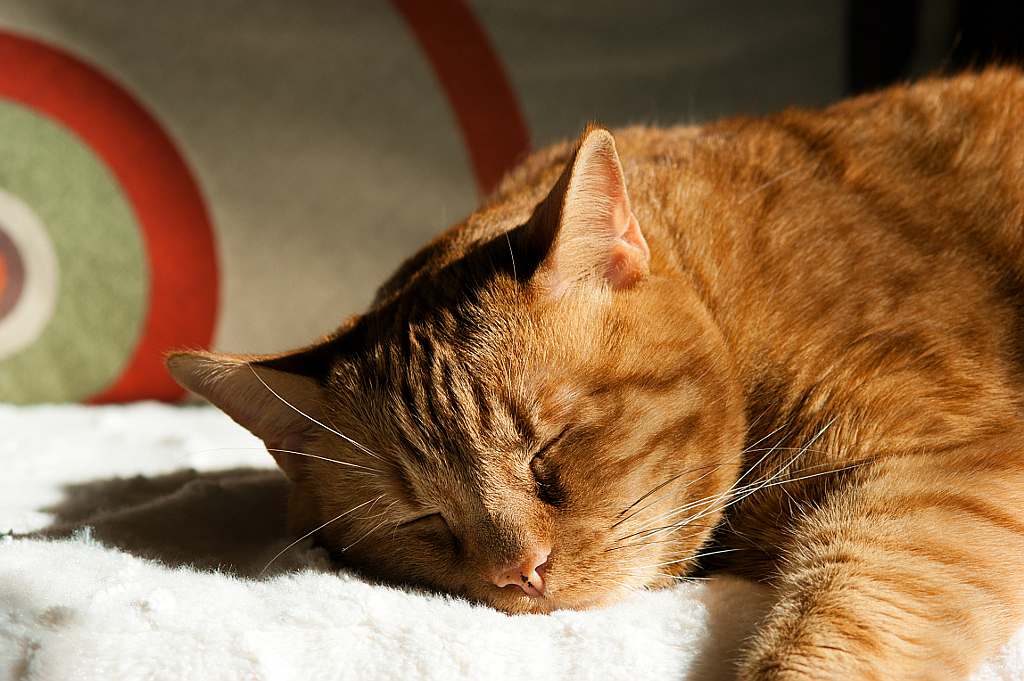
The amount of time spent sleeping can depend on a cat's life stage. Kittens are still growing and developing, so they're likely to need up to 20 hours of sleep per day, while adult cats need 12-16 hours. Tiny kittens are basically sleep machines with brief bursts of chaotic energy in between.
As your cat ages, they also require more sleep. As they grow older, a majority of cats sleep for more hours each day than they did in their younger years. Senior cats may sleep up to 20 hours per day, which is more than adult cats. It's like they return to kitten-level sleep requirements in their golden years.
The Protein-Rich Diet Factor
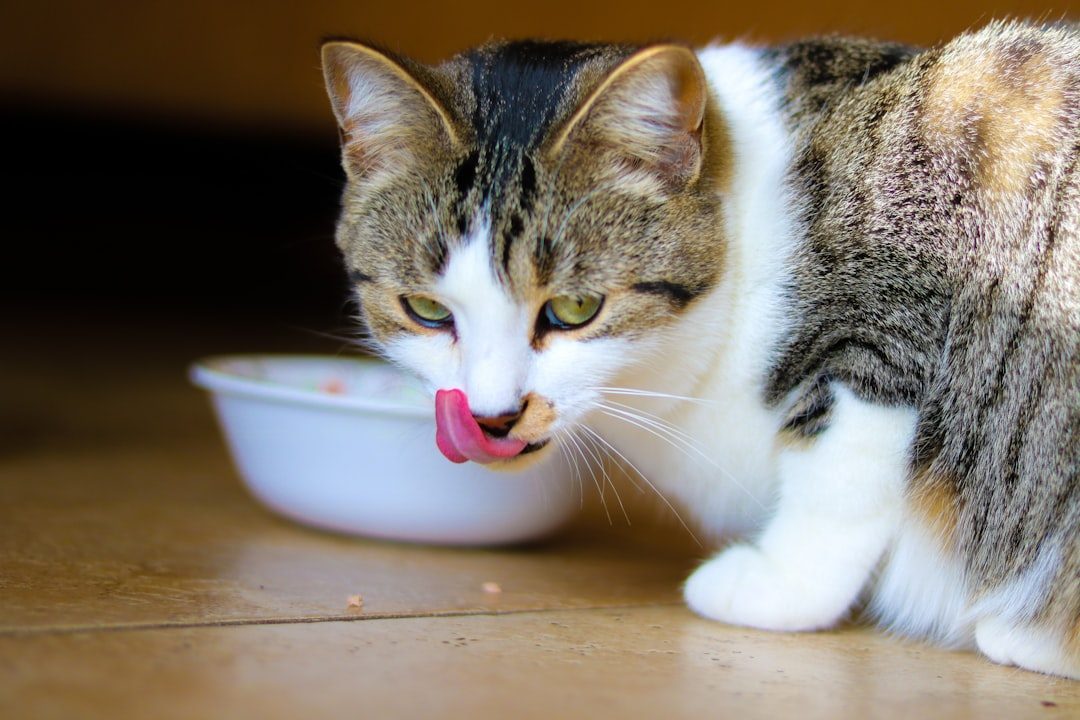
The cat's diet may play an important role in its sleep patterns. Large grazing herbivores must graze for hours to supply their bodies with enough food. But the protein-rich diet of the cat does not require such an investment of time, and allows him plenty of time for napping.
This is a fascinating point that people often overlook. Because cats are obligate carnivores with high-protein diets, they don't need to spend hours grazing or foraging like plant-eating animals do. A successful hunt (or a bowl of quality cat food) provides concentrated nutrition that fuels them efficiently, leaving plenty of time for rest.
Staying Alert Even While Sleeping
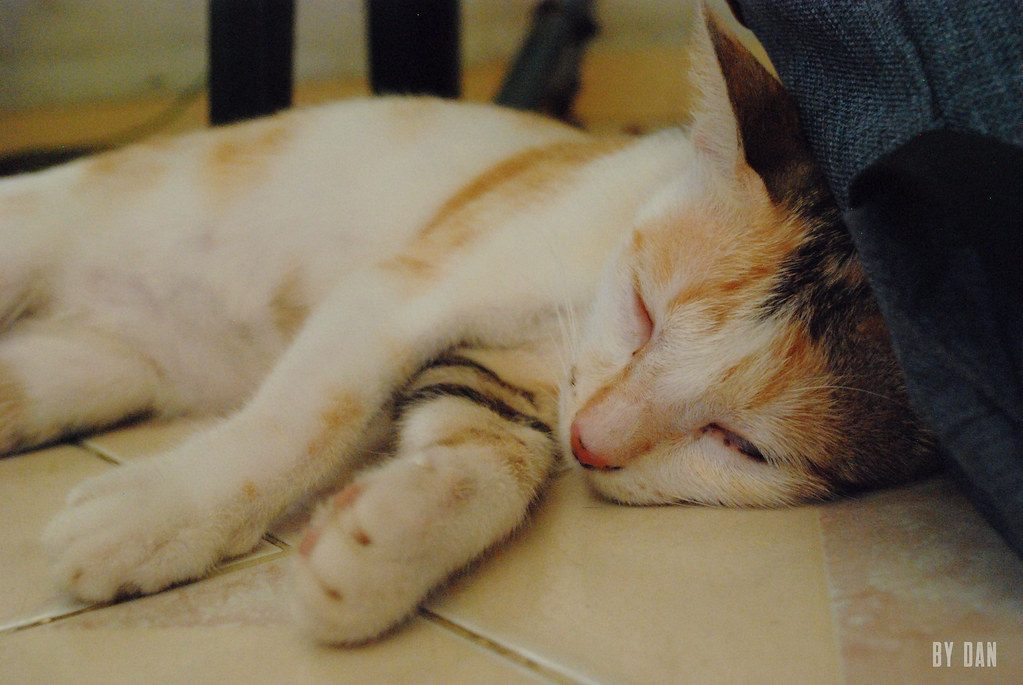
In the wild, while cats are certainly predators, they can also fall prey to even larger animals, higher up on the food chain. Cats can remain alert even in their sleep – three-quarters of their sleep is light – and this extra precaution ensures they can respond quickly to any potential threats or disruptions.
This dual nature as both predator and potential prey has shaped their sleep behavior in remarkable ways. Most of the time when cats are sleeping they remain in light sleep so that they can quickly respond to threats and protect themselves at a moment's notice. However, they do reach deep sleep for short periods if they feel safe in their environment.
Brain Activity During Cat Sleep
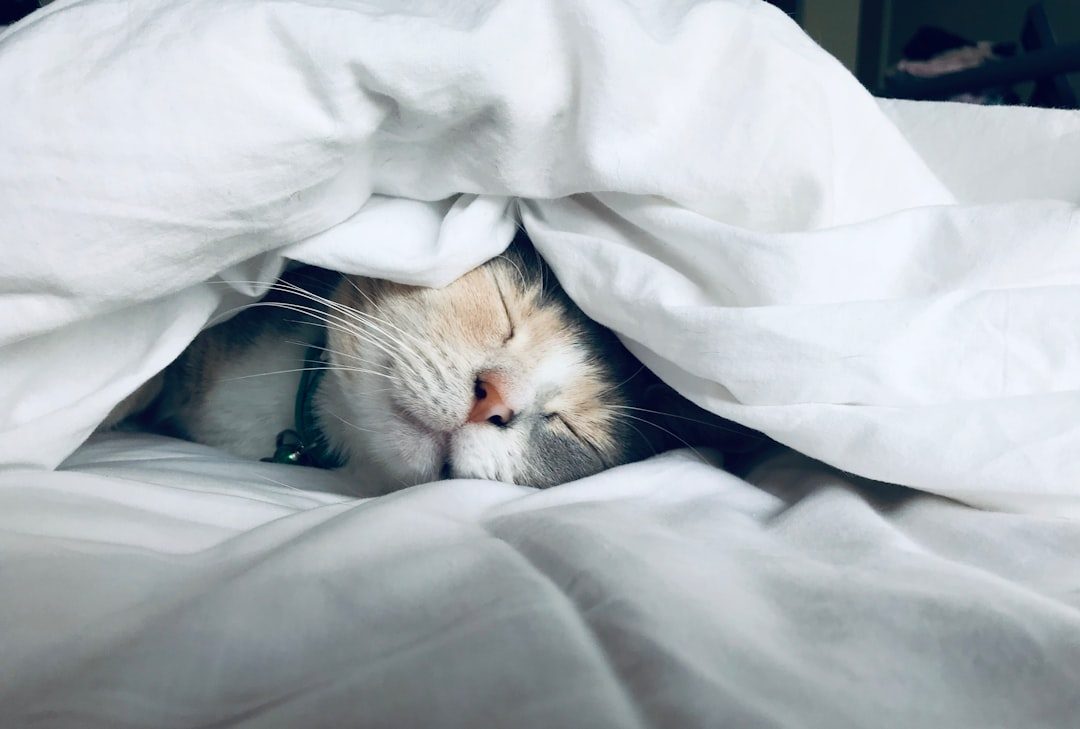
Yes, it's believed that cats can dream. According to Michel Jouvet in the 1960s, cats also experience REM sleep so it's extremely likely that they enter dreamland in a similar way that we do. Jouvet proved that cats have a similar low voltage of electrical activity in the brain, tend to twitch their eyes and have a relaxed muscle state.
REM sleep in cats is a time for them to think about everything that they've experienced that day. So, if they've managed to chase or catch prey then it's likely that's what your cat's dreaming about. Next time you see those little paws paddling during sleep, your cat might be dreaming about that epic hunt for the feather wand toy.
When Boredom Leads To More Sleep
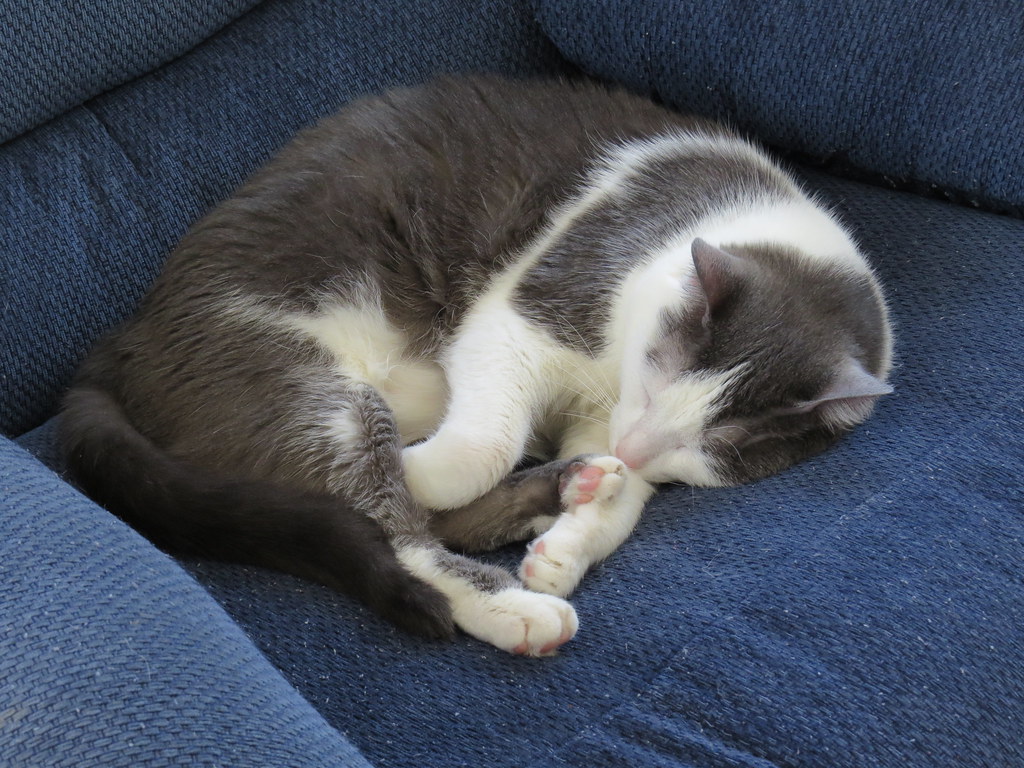
Sometimes cats sleep because they're bored. While sleeping might not seem like a big deal, boredom can lead to other problematic behaviors in cats, such as destruction, constant meowing, and over-grooming. It's hard to say for sure, but excessive sleeping could actually be your cat's way of coping with a lack of stimulation.
As a species, cats - whether they sleep on the street or cuddle on a sofa - are all hardwired to the same internal clock, and it generally has the snooze button depressed. That, and house cats also sleep when they are bored. If your indoor cat seems to sleep more than average, consider whether they're getting enough mental and physical enrichment during their waking hours.
When Should You Worry About Sleep Patterns
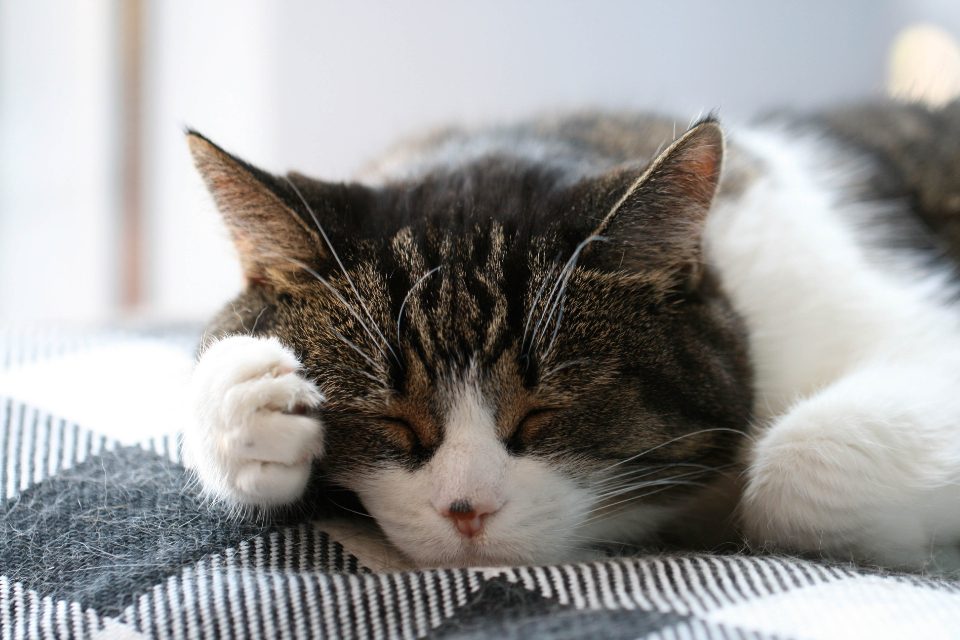
No set amount of sleep indicates a health problem or emergency; instead, it is important to understand your cat's normal sleep patterns and recognize when those patterns change significantly. If your cat begins to sleep a lot more or a lot less than is usual for him/her there may be a health issue.
Certain illnesses and diseases can also make your cat sleep more than usual. Take your cat to the vet right away if you notice any other changes, such as loss of appetite or weight loss. The key is knowing what's normal for your individual cat and watching for sudden changes rather than worrying about absolute numbers.
Conclusion: Embrace The Nap Life
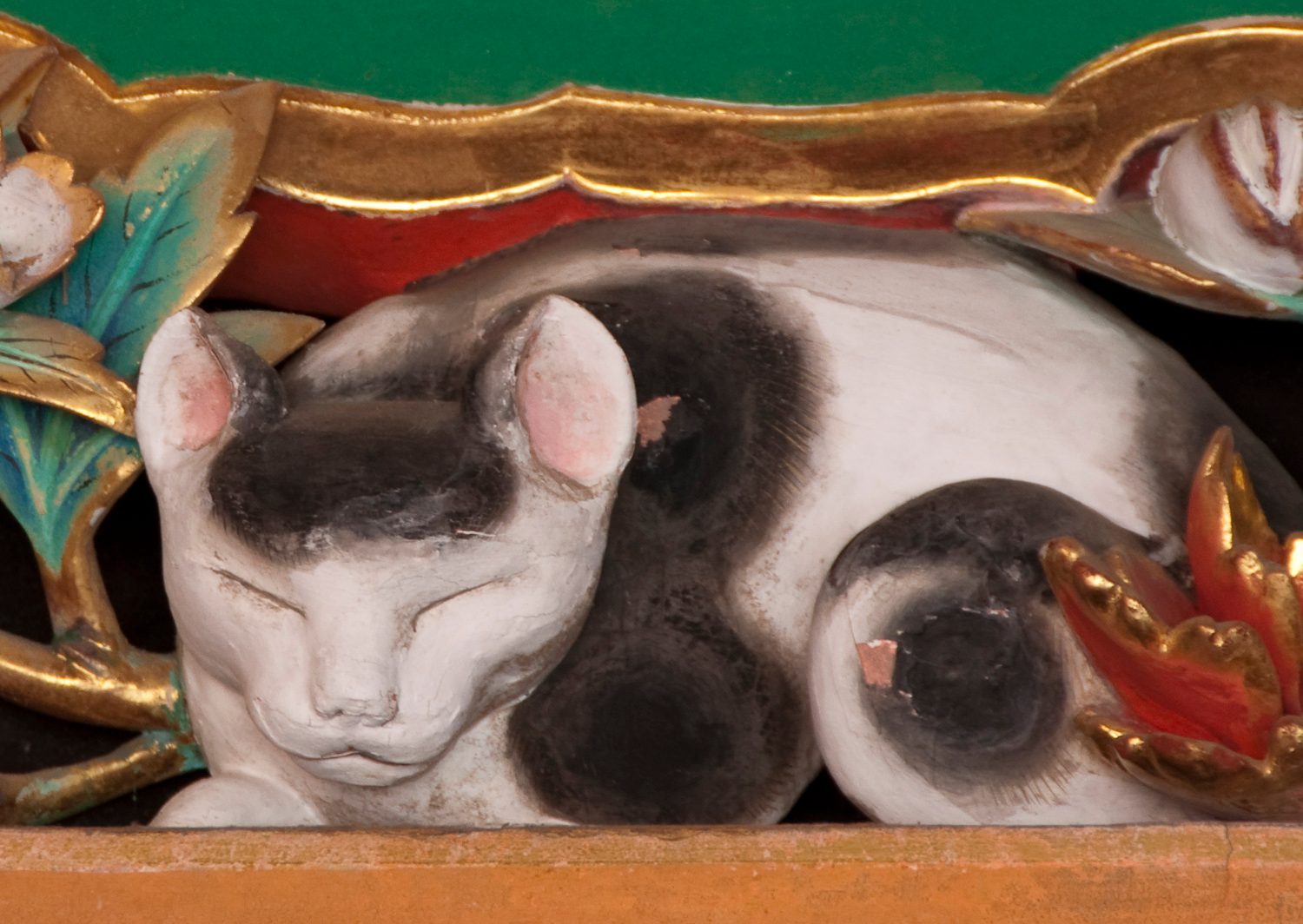
Understanding why cats sleep so much helps us appreciate just how wonderfully adapted these creatures are to their evolutionary role. Those marathon napping sessions aren't laziness or lack of interest in us. They're the result of thousands of years of predatory programming, energy conservation strategies, and sophisticated sleep cycles that keep cats healthy and ready for action when they need to be.
So the next time you find your cat snoozing in yet another impossibly comfortable position, remember that they're simply following their biological blueprint. They're conserving energy, processing their experiences, and staying primed for those bursts of activity that make cats such fascinating companions. Does your cat have a favorite napping spot that seems particularly ridiculous? What do you think they're dreaming about during those deep sleep twitches?