How Can You Tell If Your Cat Is Secretly a 'Talker'?
You've probably wondered why some cats seem to have an opinion about everything while others barely utter a sound. Truth is, your feline friend might be trying to tell you something important every single day, and you could be missing all the signals. Let's be real, cats aren't exactly known for being easy to understand. They've perfected the art of mystery over thousands of years. Yet beneath that aloof exterior lies a surprisingly complex communication system that goes way beyond the occasional meow. So how do you know if your cat belongs to the chatty club or the silent observer society? Let's dive in.
The Meow Isn't What You Think It Is
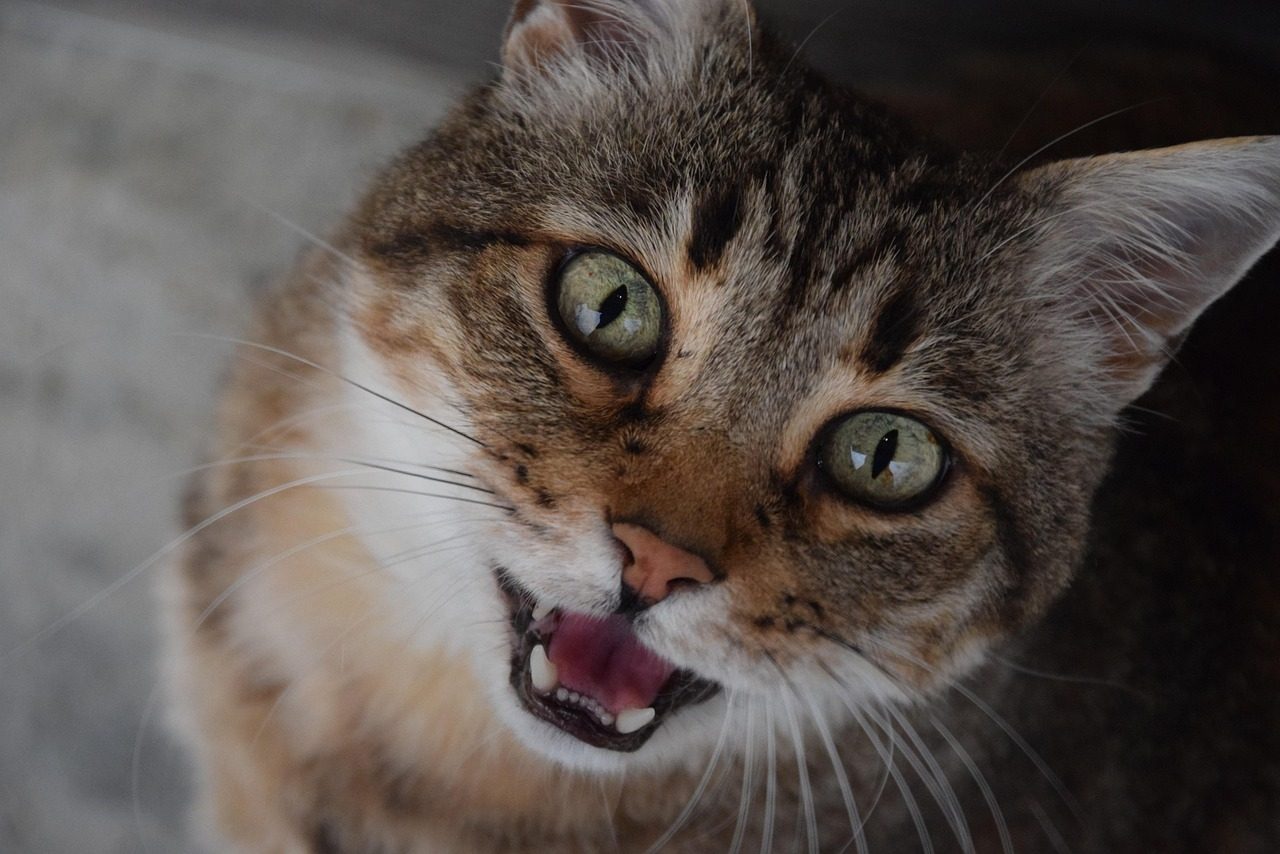
Here's something that might surprise you. Adult cats don't actually meow at each other, just at people. Kittens meow to let their mother know they're cold or hungry, but once they get a bit older, cats no longer meow to other cats. They continue to meow to people throughout their lives, probably because meowing gets people to do what they want. Pretty clever manipulation when you think about it.
Research suggests cats have refined their meows specifically to manipulate people, and it works. Cats can learn to modify the characteristics of their meows, such as their tone or duration, to let people know what they want, particularly when it comes to food. Your cat has basically trained you, not the other way around. That's the reality.
Certain Breeds Are Born Chatty
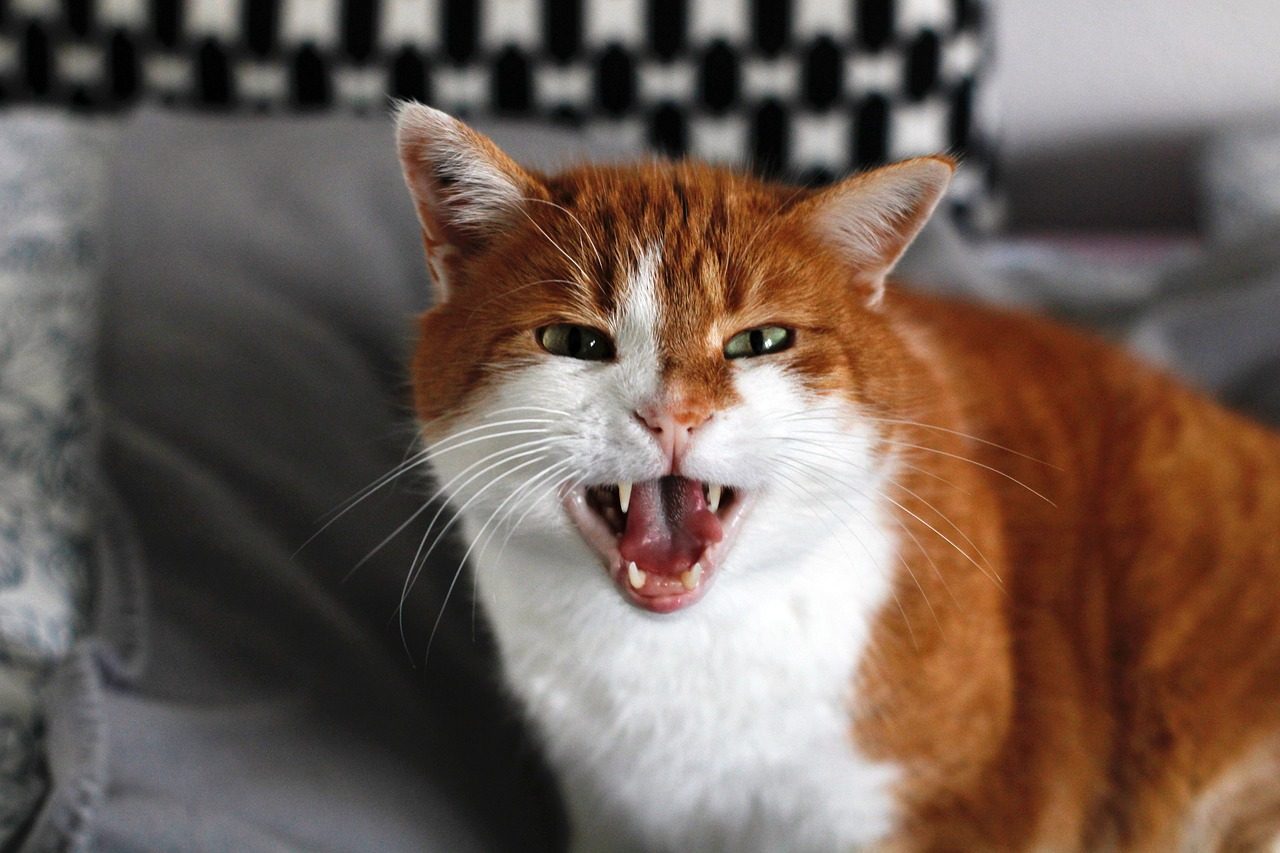
Certain cat breeds are genetically predisposed to be more talkative. These cats often use their voice to express themselves, get your attention, or respond to their environment. Siamese cats probably have the most famous talkers, with a loud, distinctive voice and love to communicate with their humans.
Kittens who are handled often and well socialized may turn into more vocal adults and certain breeds, like Siameses and Abyssinians, are loquacious by nature. If you've got one of these breeds, prepare yourself for daily conversations whether you're ready or not. Oriental Shorthairs are similar, and even Maine Coons can be surprisingly vocal with their softer, melodic meows.
Watch for the Trill and Chirp
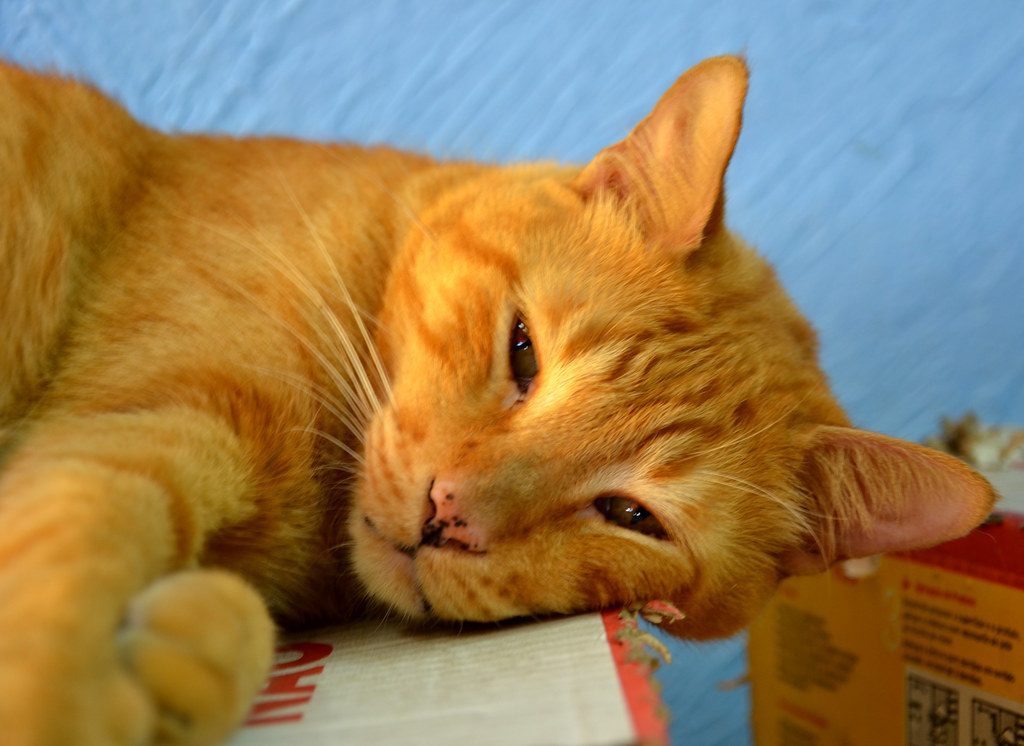
You know that adorable rolling sound your cat makes sometimes? The trill is a short and soft sound that's somewhere between a purr and a meow. It's a friendly approach and greeting and is often used during play. Think of it as your cat's way of saying a cheerful hello.
Cat trilling is a vocal form of communication that cats use to talk to other cats, to humans, and even to other animals. It is a high-pitched, repetitive noise that comes out in short bursts. Mother cats use this sound to tell their kittens to follow them, so when your cat trills at you, they might want you to come check out their food bowl or follow them somewhere. It's honestly one of the sweetest sounds in the feline vocabulary.
Chattering Reveals Their Inner Hunter
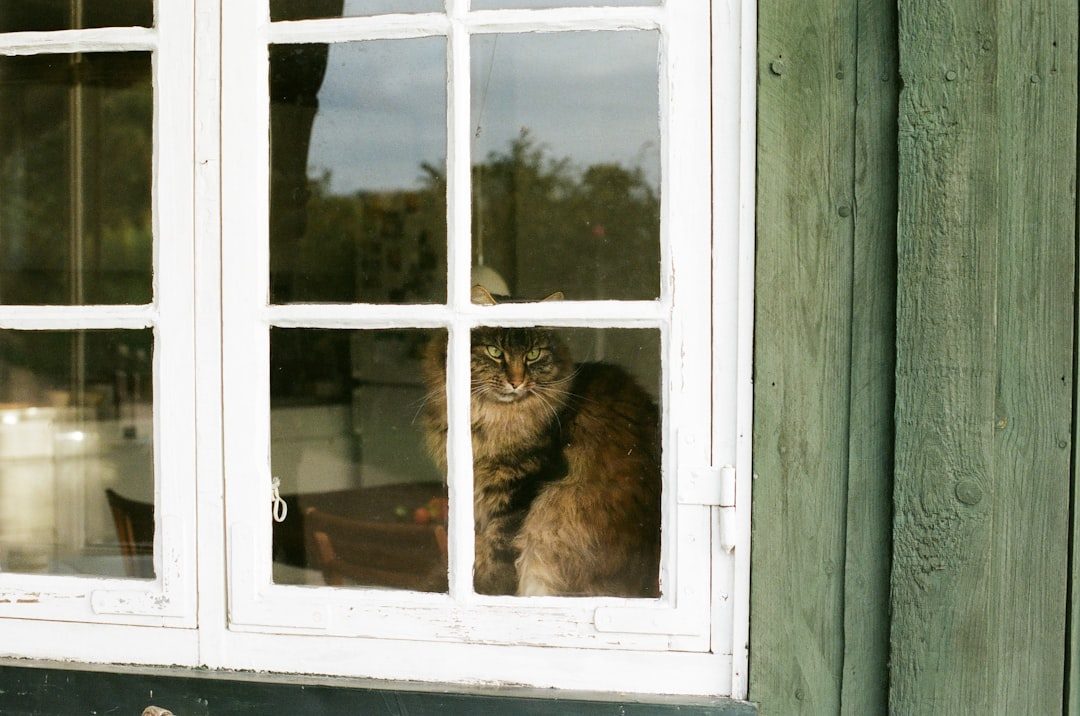
Chattering, chittering or twittering are the noises your cat makes when they're sitting in the window watching birds or squirrels. It usually translates to excitement or they may be contemplating snack time. That rapid jaw movement paired with a staccato clicking sound is pure predator instinct kicking in.
Cat chattering nearly always happens when a cat is interested in a visual or auditory stimulus, such as a bird or rodent moving about. This behavior comes from your cat's hunting instincts and might be a strategy to mimic prey, making it easier to sneak up and catch them. Some researchers think it could also be frustration at not being able to reach their target. Either way, a chattering cat is definitely telling you something.
Listen to the Context and Timing
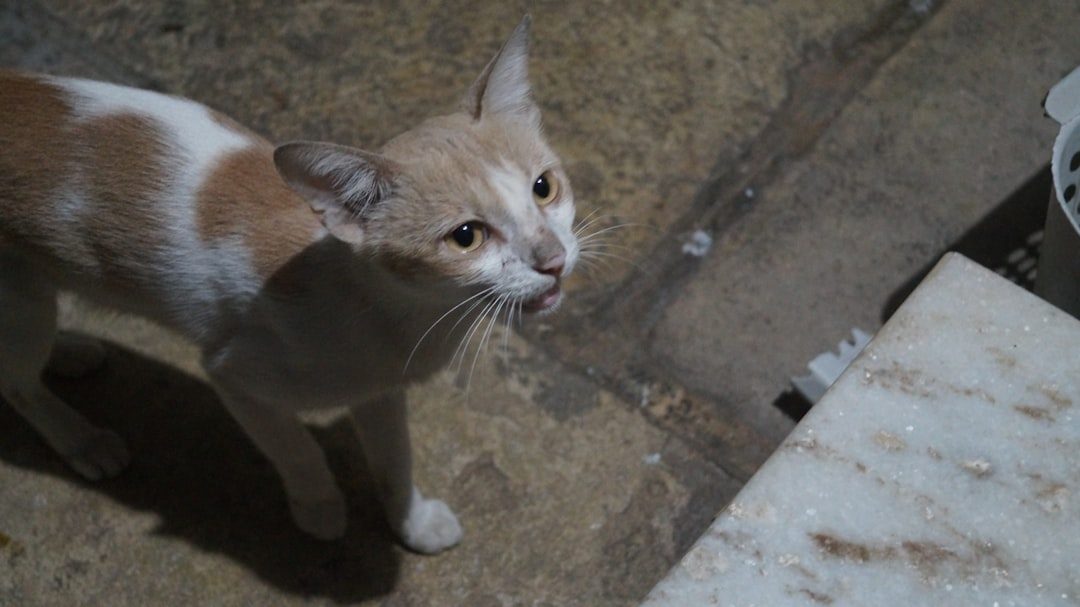
Different sounds add different meanings, so a meow can be assertive, coaxing, demanding, inviting, imperious, whining, melancholic, suffering, friendly, or undaunted. It is often used to get attention. Honestly, the same meow can mean totally different things depending on when it happens.
Your cat meowing at the door at six in the morning? They want breakfast. That same insistent meow when you're sitting on the couch? Probably attention or playtime. Consider the context and timing of your cat's vocalization if you're not sure what they want. Did you just come home? Is it mealtime? Do they seem bored? These are just some of the questions that can help you understand them. Pay attention to patterns and you'll crack your cat's personal code pretty quickly.
Personality Plays a Huge Role
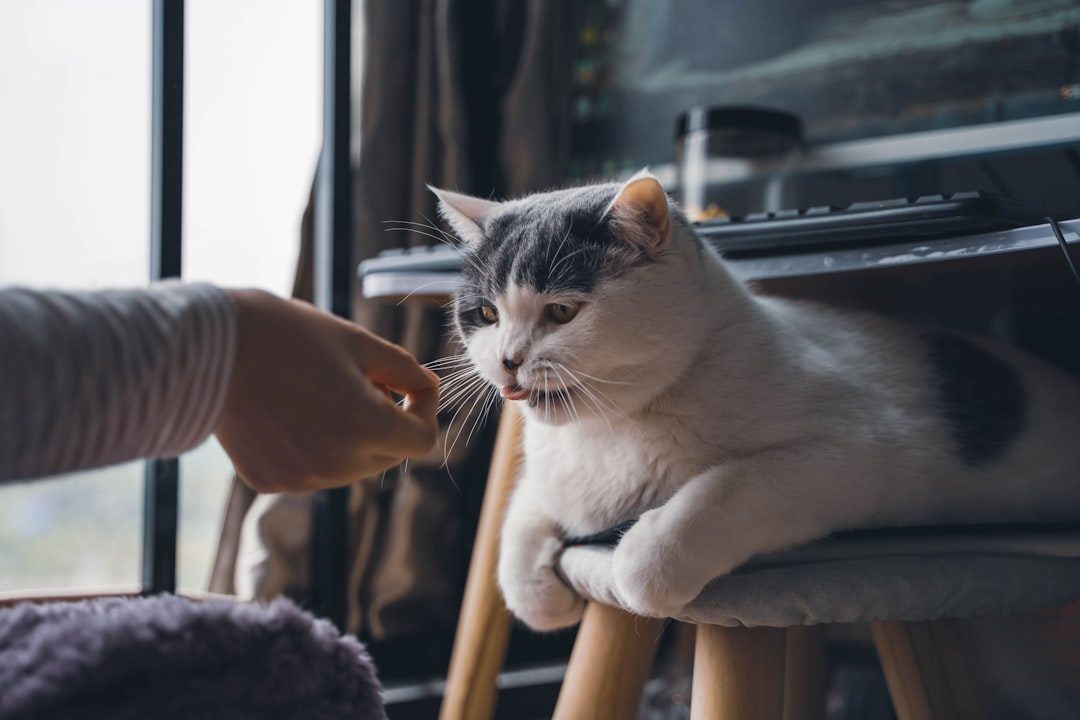
Just like humans, cats have different personalities. Some are naturally more social and outgoing, while others are shy or independent. Cats that are confident and curious are often more vocal because they want to engage with their environment and with you.
Some cats simply love to chat. They'll narrate their entire day to you if you let them. It is part personality and partly experiences. If a cat talks a lot, you will talk back; this makes the cat talk even more, so it is a self-enforcing behaviour. You might have accidentally encouraged your talker by responding every time they vocalize. That's not necessarily bad, it just means you've built a back-and-forth communication system with your feline.
Body Language Speaks Volumes Too
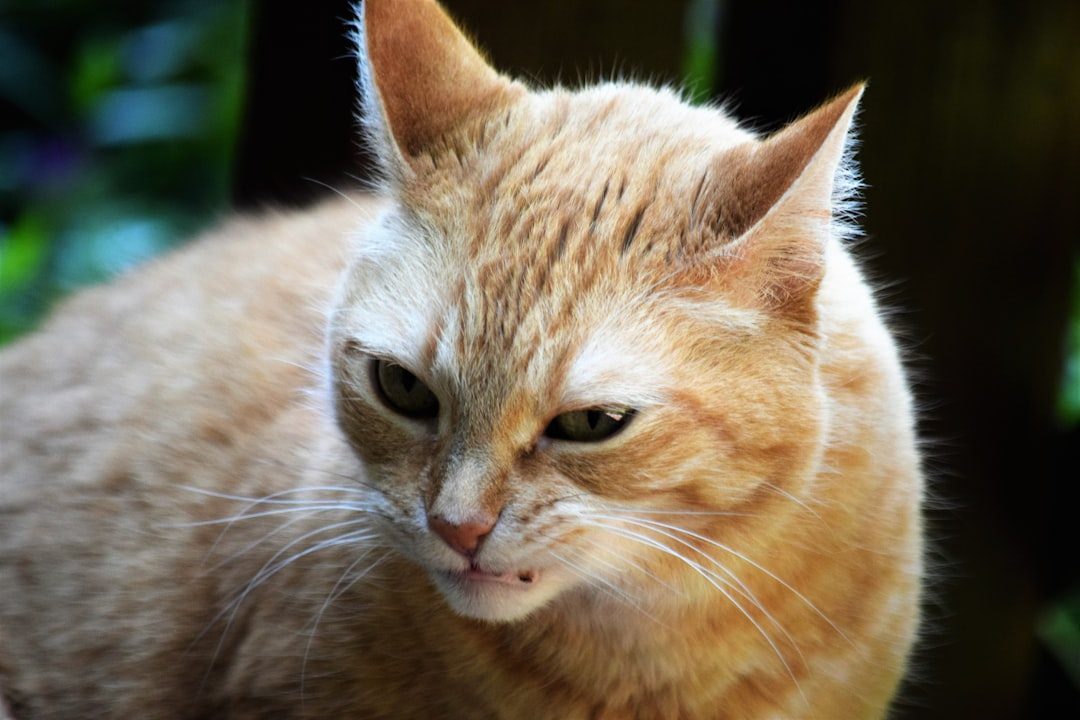
Domestic cats frequently use visual communication with their eyes, ears, mouths, tails, coats and body postures. The change in a cat's facial features can be a strong indicator of their communication. A truly vocal cat won't just rely on sounds. They'll give you the full performance.
Use the combination of tail, ears, eyes, and posture to get a full picture of what your feline companion is feeling. Over time, you'll learn your pet's specific cues. A tail held high with a friendly trill? Your cat is happy to see you. Ears forward with excited chirping? They've spotted something fascinating. The whole package tells the story, not just the soundtrack.
Some Sounds Signal Stress or Health Issues
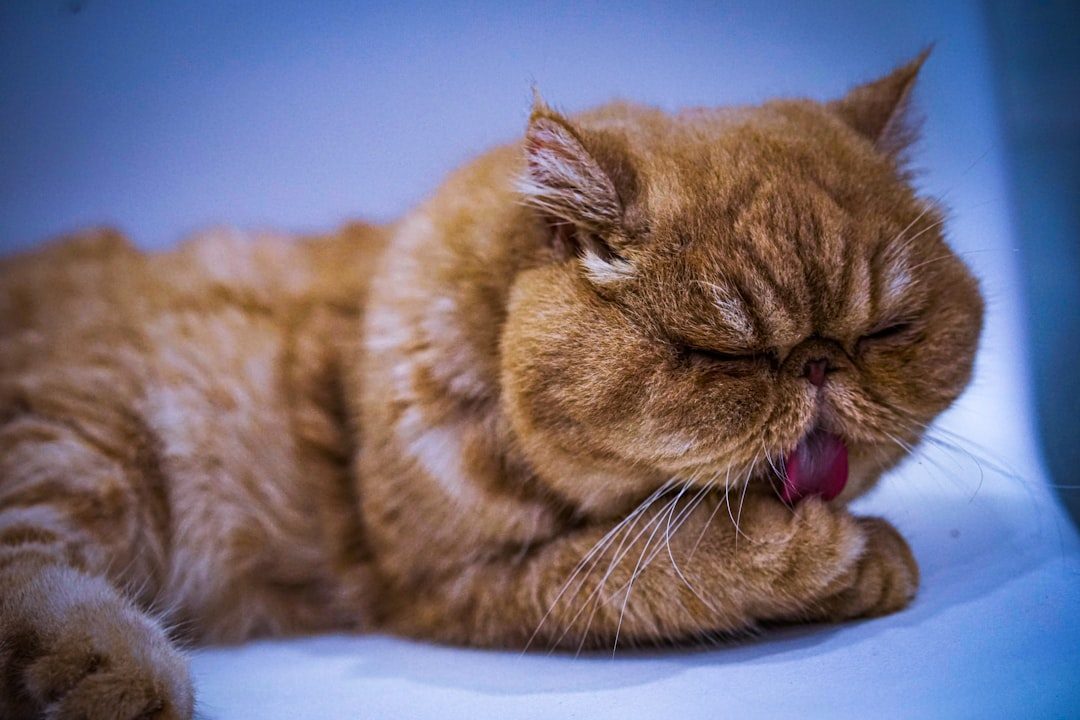
Not all vocalizations are positive, and that's crucial to understand. Yowling and howling are signs that a cat is in distress. This may be physical distress from pain or illness, or emotional distress from worry, frustration, boredom, or confinement.
Two possible reasons for increased vocalization are age-related dementia and deteriorating eyesight. A cat who feels anxious or confused may meow to seek reassurance. Hearing loss can also cause a kitty to vocalize louder than usual because they can't determine their volume. If your cat suddenly becomes more vocal than usual, especially with a different tone, don't ignore it. Schedule a vet visit to rule out medical problems.
The Frequency Range Is Enormous
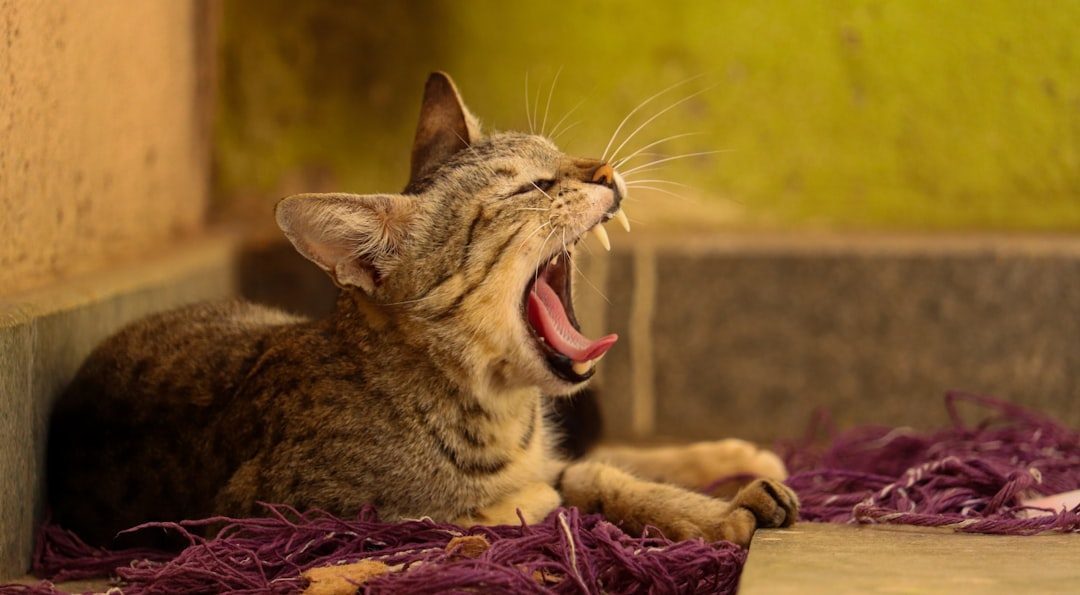
One of the first big discoveries was that the frequency range in cat sounds was enormous. Another was that felines use a large number of different sounds to communicate with humans and other cats. Researchers have actually documented roughly two dozen distinct vocalizations, though there are probably way more.
Cats have a diverse vocal range of sounds. In fact, they can express around 100 different phonations. That's seriously impressive when you think about it. Your cat has more vocal variety than you probably ever realized.
Your Talker Is Building a Bond With You
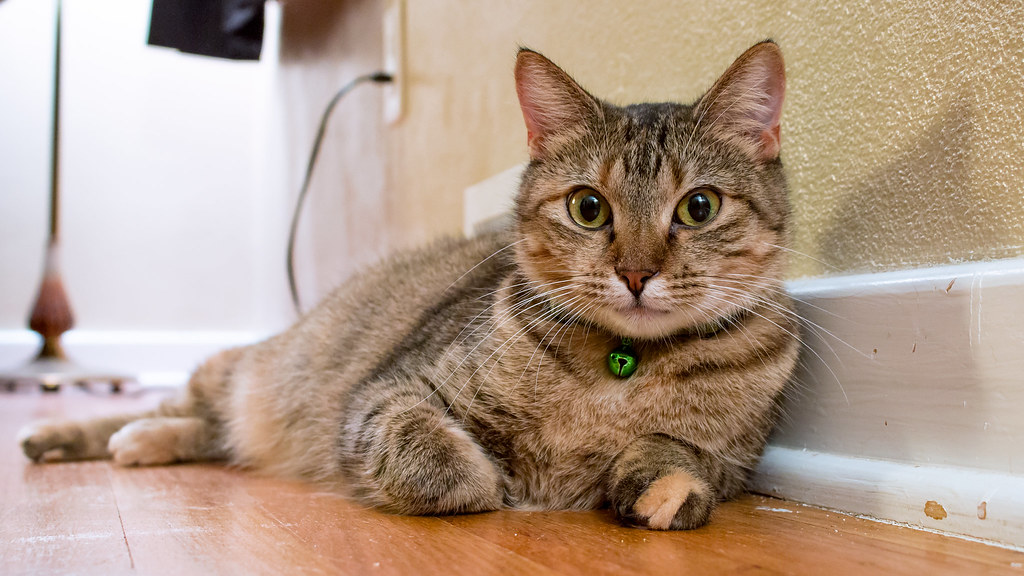
Research shows cat owners are significantly better at understanding their cat's vocalizations than non cat-owners. That's a pretty remarkable result, considering respondents in the study didn't have any visual clues to help them. The more you listen, the better you'll understand.
Researchers encourage cat parents to listen closely to their cats and to even record them in order to break down their cat's individual sounds linked to their unique behavior patterns. Think of it as learning a new language specific to your household. Every chatty cat has their own dialect, and you're the best person to become fluent in it. That connection you build by truly listening transforms your relationship from owner-pet to genuine companions who understand each other.
Conclusion: Embrace Your Cat's Communication Style
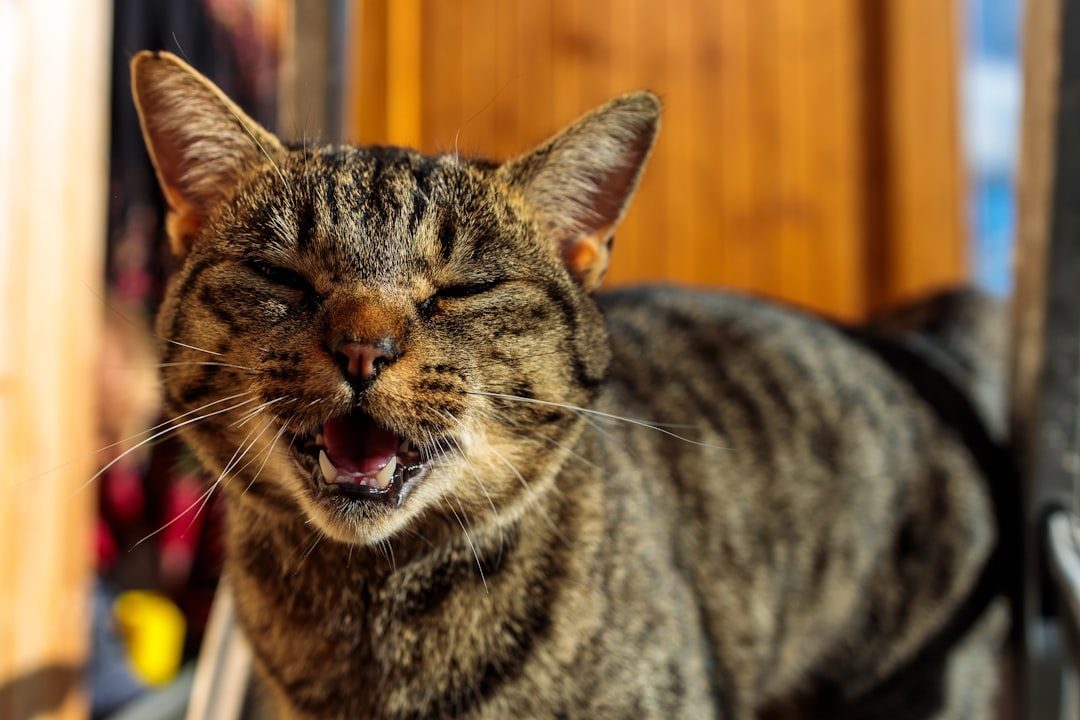
Whether your cat is a non-stop chatterbox or a quiet observer, they're constantly communicating with you in their own unique way. Up to 21 different cat vocalizations have been observed, and your job is simply to tune in and pay attention. From enthusiastic trills to urgent meows to that strange chattering at the window, every sound carries meaning.
The secret talkers aren't really secret at all. They're just waiting for you to listen. Does your cat fall into the vocal category, or are they more of the strong, silent type? Tell us in the comments.