Why Are Black Cats Stigmatized and Considered Bad Luck
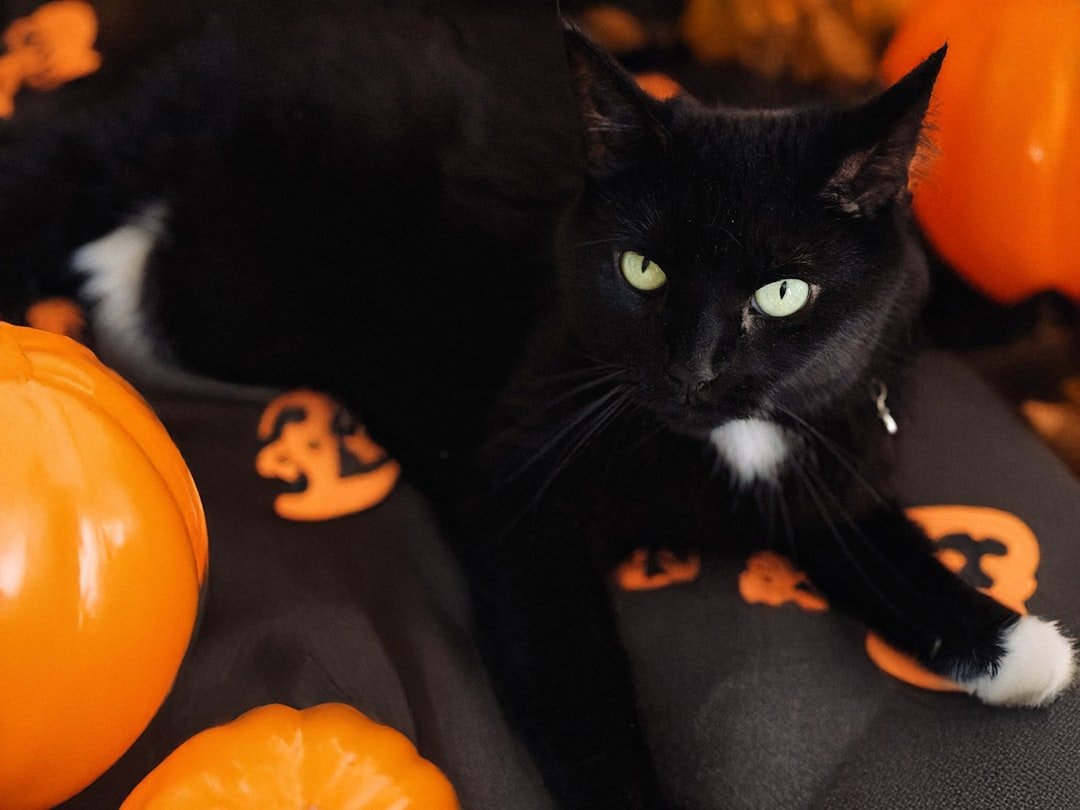
You've probably heard someone warn you about black cats crossing your path. Maybe you've even felt a little twinge of superstition when one padded across the street in front of you. It's strange, isn't it? These sleek, graceful creatures have somehow become synonymous with misfortune and dark magic in many Western cultures. The reality is far more complex than the superstitions suggest, though.
Let's be real: black cats don't bring bad luck any more than white cats bring good fortune or orange ones bring mid-level neutral vibes. The stigma these animals face is entirely human-made, rooted in centuries of religious conflict, cultural anxieties, and plain old fear of the unknown. What makes this particularly heartbreaking is that these beliefs continue to affect black cats today, particularly in shelters where they often wait longer for homes than their lighter-colored counterparts. So let's dive in and unpack why these beautiful felines ended up with such an undeserved reputation.
Ancient Reverence: When Black Cats Were Divine
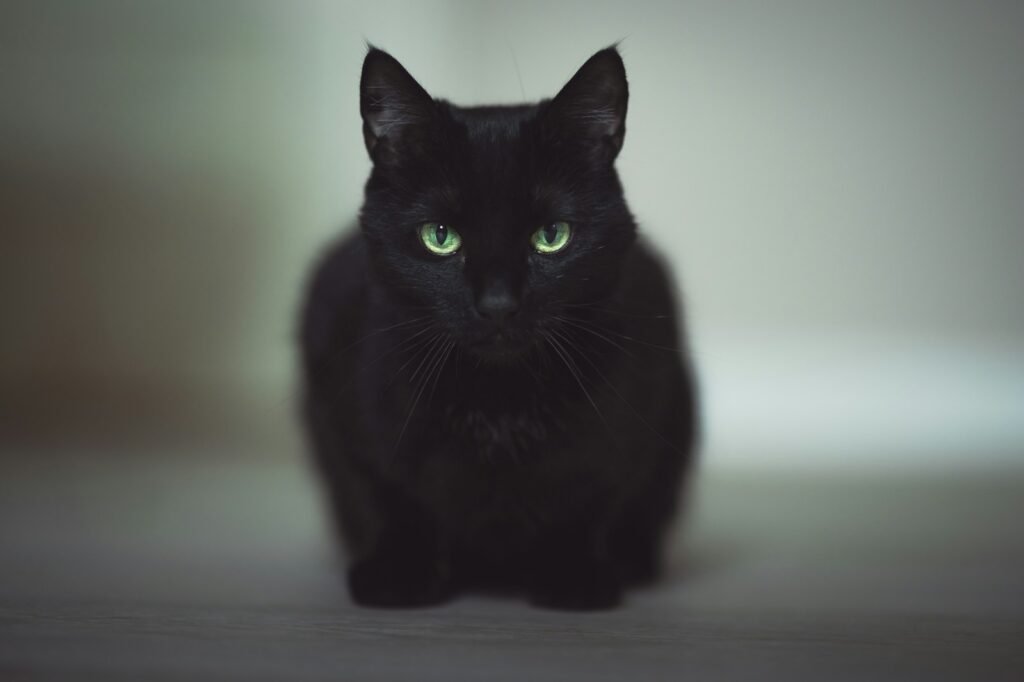
In ancient Egypt, cats of all colors were revered and considered sacred, with black cats associated with the goddess Bastet, protector of homes and fertility. Killing a cat, whether intentionally or not, often led to a swift death sentence. Imagine that kind of reverence today.
According to Greek mythology, Zeus's wife Hera once transformed her servant Galinthias into a polecat as punishment for impeding the birth of Hercules, and Galinthias went on to become an assistant to Hecate, the goddess of witchcraft. This early connection between cats and the divine would later be twisted into something far more sinister. Isn't it ironic how the same associations that once elevated these animals eventually condemned them?
The Medieval Transformation: From Sacred to Sinister

The rise of Christianity in Europe began to challenge and eventually overshadow pagan customs, with pagan symbolism like the Roman goddess Diana and cats becoming targets, and the cat began its descent from revered creature to a symbol of evil. This wasn't just about religion, honestly. It was about power and control.
In 1233 C.E., Pope Gregory IX issued the bull "Vox in Rama," describing a German sect's reported satanic ritual involving veneration of a black cat as a vessel of the devil. The document following fears of evil cults in Germany, which detailed the initiation of novices to the coven, including paying homage to a black cat, and proclaimed them as a "Vessel of the Devil". That single decree fundamentally altered the fate of black cats across Europe for centuries to come.
Witch Hunts and Feline Persecution

The connection between witches and black cats became tragically intertwined during the medieval witch hunts. Black cats were often depicted as familiars of witches, and these familiars were believed to be low-ranking demons given to witches by the devil, with black cats thought to be a common form these demons would take.
Some superstitions claimed that black cats were witches in disguise, while others believed that a black cat could transform into a witch after serving as a witch's familiar for seven years, and by the time of the Salem witch trials in 1692, merely owning a black cat could be grounds for execution. It's hard to say for sure, but the fear was so intense that entire communities participated in these persecutions. The European witch hunts, peaking between 1580 and 1630, resulted in an estimated 40,000 to 60,000 executions, mostly women, and their cats often shared their fate.
Why Cats? The Psychology Behind the Fear

Here's the thing about cats: they're independent, mysterious, and largely ungovernable. Medieval people generally believed that animals were created by God to serve and be ruled by humans, but the cat, even when domesticated, cannot be trained to be loyal and obedient like a dog.
Cats are nocturnal and roam at night; thus, their agile movements and eyes that "glowed" at night became the image of darkness, mystery, and evil. Their very nature made them suspect. They entered homes on their own terms, hunted with lethal efficiency, and seemed to possess knowledge beyond human understanding. The cat resides in two realms at the same time: wild and domestic. This ambiguity made people deeply uncomfortable.
Crossing Paths: The Birth of a Superstition

The belief in medieval Europe that the devil and witches were capable of taking the form of black cats led to the superstition surrounding crossing their paths developing. The logic was disturbingly simple: if black cats were witches in disguise or demonic servants, encountering one meant you were potentially crossing paths with evil itself.
The superstition that a black cat crossing your path was bad luck materialized from the fear that the black cat in question might be carrying out a task of its witch, or worse than a witch, that it might be the devil in disguise. To reverse the "bad luck," it was said you should walk in a circle, then go backward across the spot where you crossed paths with the cat, and count to thirteen. Honestly, people came up with some elaborate rituals just to cope with their superstitions.
Not All Cultures Fear Black Cats

What's fascinating is how dramatically perceptions vary across cultures. In fact, some cultures believe that black cats bring good luck, and in countries such as Scotland and Japan, they have been known to represent prosperity. This completely contradicts Western superstitions.
In some parts of Russia, all cats, including those that are solid black, are viewed as signs of good luck and prosperity, in England, it's believed that a black cat crossing your path signifies good fortune coming your way, and in Japan, owning a black cat, especially for single women, is thought to bring numerous suitors. Sailors would want a black "ship's cat" because it would bring good luck, and sometimes, fishermen's wives would keep black cats at home too, in the hope that they would be able to use their influence to protect their husbands at sea. These positive associations offer a refreshing counterbalance to the negativity.
The Genetics of Black Fur

Let's talk science for a moment. There simply are a lot of black cats because the genes responsible for black fur are dominant. This means that black is one of the most common coat colors in the feline world. It's not mystical or supernatural - it's basic biology.
Most black cats have golden irises due to their high melanin pigment content. Scientists have discovered that genes associated with black fur and excess melanin in cats also provide stronger immune systems, and black cats are more resistant to FIV (feline immunodeficiency virus aka feline HIV), than other cats. So rather than being cursed, black cats might actually have a biological advantage. How's that for turning superstition on its head?
Modern Consequences: Shelter Statistics

The medieval superstitions haven't disappeared - they've just evolved. Black cats face two less desirable outcomes at shelters: lower adoption rates and higher euthanasia rates, and research confirmed this link in studies on "black cat bias" (BCB), or "the phenomenon where cats with black coats are viewed more negatively, adopted less often, and euthanized more often than lighter colored cats".
Studies have shown that black cats often experience lower adoption rates and higher euthanasia rates than lighter-colored cats. These numbers are genuinely heartbreaking. Black cats make up around one third (33%) of cats admitted into shelter and rescue facilities nationwide, which means there are simply more black cats needing homes. However, their adoption rates don't match their population in shelters.
Why Black Cats Wait Longer: Beyond Superstition

Superstition isn't the only culprit. In 2014, the RSPCA reported that 70% of the abandoned cats in its care were black, saying that though black cats symbolise good luck in UK folklore, one reason for the high percentage of black cats in its care was that black cats tend not to photograph as well. In our Instagram-obsessed world, this matters more than you'd think.
In shelters, where animals are often kept in dimly lit spaces or behind bars, black cats and dogs can be harder to see in detail, making it more difficult for them to stand out to potential adopters visiting shelters in person. Black fur doesn't always translate well in photographs, and the lack of contrast can make it hard to capture the animal's expressions and personality in a picture, making them appear less appealing compared to their lighter-colored counterparts. It's a cruel irony that technology compounds ancient prejudices.
Breaking the Curse: What We Can Do

Awareness is the first step toward change. October 27 has been designated 'Black Cat Day' by Cats Protection in the United Kingdom, to celebrate the virtues of black cats and to encourage people to adopt an unwanted black cat, though Cats Protection's own figures suggest that black cats are more difficult for them to find a new home for than other colors. Similar initiatives exist worldwide.
Some shelters work with professional photographers to help black pets shine in their photos for online listings, showing off their unique features and lovable personalities. While animal welfare organizations have laid out a good start by raising awareness of these issues by designating special days for black cats and lowering their adoption fees, there's additional room to rehab the perception of black cats through tailored educational efforts and more effective marketing, perhaps through messaging on social media using influencers or celebrities who share their lives with these cats, and via more positive depictions in popular culture.
The Truth About Black Cats

Let me be clear: black cats are just cats. They purr, they play, they knock things off counters with the same mischievous glee as any other feline. Black cats shouldn't get a bad rap just because they look sneaky, and in fact, they're considered good luck in many cultures, with Scotland considering it lucky for a strange black cat to arrive at your doorstep, and Japan believing black cats help single women find suitors.
It's crucial to remember that black cats and dogs are just as beautiful, loving, loyal, and deserving as any other pet, and by raising awareness about the myths and misconceptions that contribute to lower adoption rates, we can help more black pets find the homes they deserve. The superstitions that haunt these animals are nothing more than historical baggage we've failed to discard. There is no reliable data supporting the claim that black cats are targeted for rituals, as this is widely regarded as an urban myth, and in fact, black cats are not struggling to find homes in the way myths suggest - they have a strong adoption rate, with October being a particularly important month for them to find their new families.
Black cats have survived centuries of persecution, religious hysteria, and cultural stigma. They've been worshipped as gods, condemned as demons, and everything in between. Today, they're simply waiting in shelters for someone to see past the superstitions and recognize them for what they truly are: beautiful, intelligent, affectionate companions who deserve love just like any other cat. The only bad luck associated with black cats is the misfortune of humans who let ancient fears prevent them from experiencing the joy these remarkable animals bring. What do you think - are you ready to challenge the superstition and give a black cat a chance?