Why You Should Never Underestimate Your Cat's Intuition
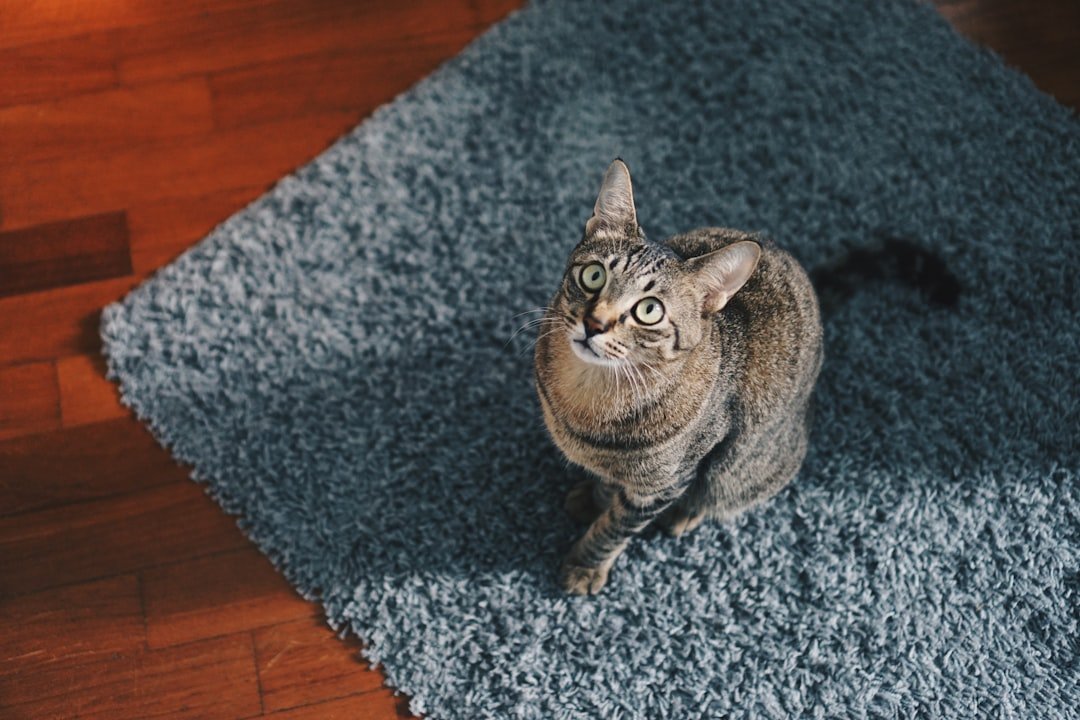
You think you know your cat. They sleep for what seems like eighteen hours a day, they occasionally deign to sit on your lap, and they've perfected the art of knocking things off counters. Simple creatures of habit, right? Here's the thing, though: while you're busy assuming your feline friend is just another fluffy roommate, they're tuning into frequencies of reality you can't even perceive.
Seriously, something remarkable is happening right under your nose. Your cat might be picking up on shifts in your body chemistry before you even feel sick. They could sense emotional turbulence you haven't acknowledged yet. There's a chance they're detecting environmental changes that your human senses completely miss. Let's dive in and explore why dismissing your cat's intuitive abilities might mean you're overlooking one of nature's most sophisticated sensory systems.
They're Reading Your Emotions Like an Open Book
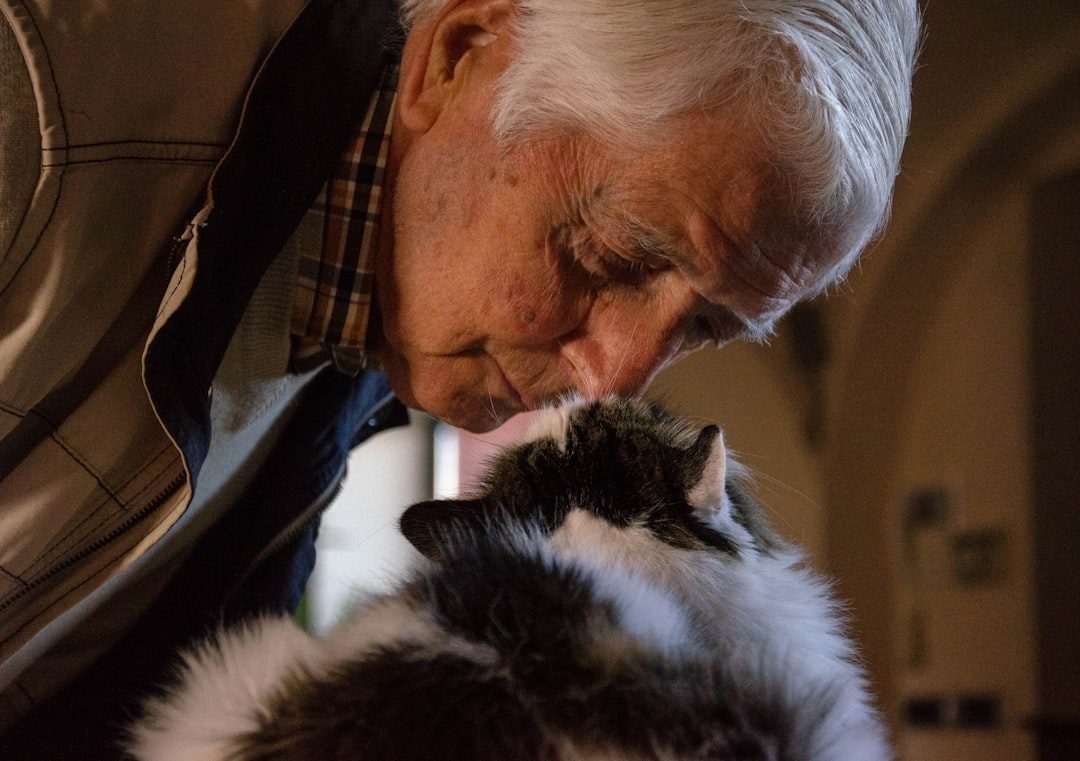
Cats integrate visual and auditory signals to recognize human emotions and modulate their behavior according to the valence of the emotion perceived. Think about that for a second. Your cat isn't just staring blankly at you when you're having a rough day. Cats can recognize and interpret unfamiliar human emotional signals, suggesting they have a general mental representation of humans and their emotions.
Studies show that when owners appeared content, their cats were more likely to exhibit friendly behaviors like purring or sitting on their lap, while an upset owner might find their cat more distant or hesitant. This isn't random behavior or coincidence. Cats observe facial expressions, tone of voice, and body language to gauge mood. They're essentially emotional detectives who've been studying you since day one.
Their Sense of Smell Detects What You Can't See
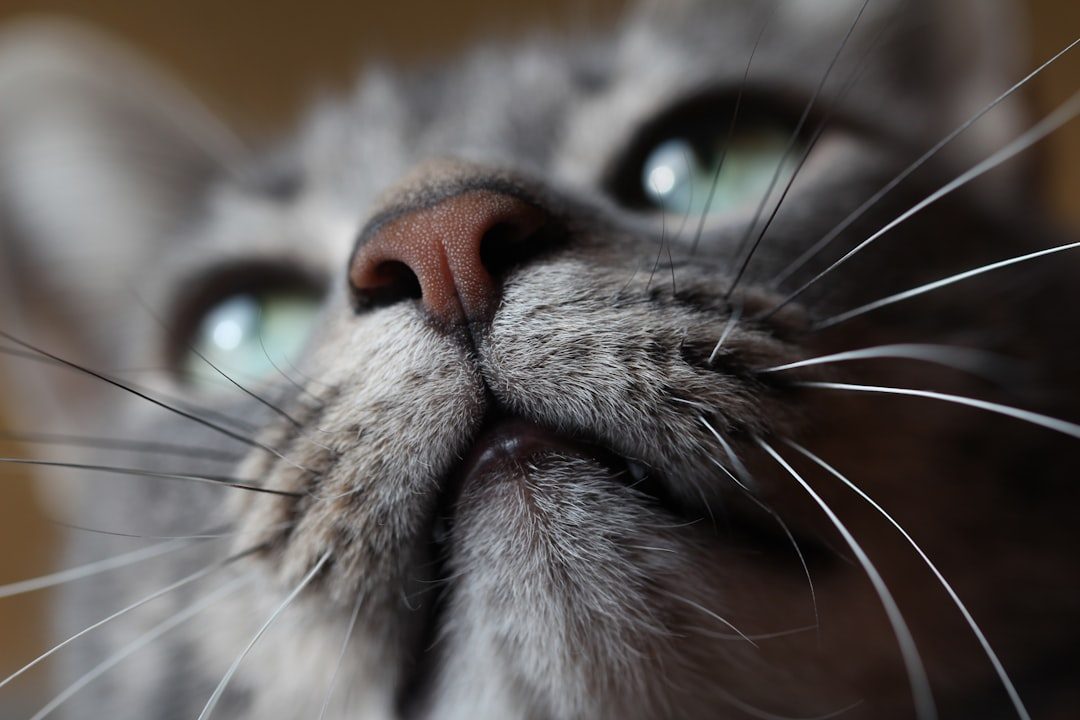
Let's be real: your nose is basically useless compared to your cat's. Cats have around 200 million odor-sensitive cells in their noses compared to humans' mere 5 million. That's not just a slight advantage; it's like comparing a smartphone camera to a professional photography rig.
Cats' enhanced sense of smell allows them to detect chemical changes in the human body, which can accompany illness, such as diseases like diabetes or infections that cause changes in body odor. Thanks to their developed sense of smell, cats can really detect disease by smelling hormonal changes in the human body, so they can sense almost immediately if something is wrong. It's honestly a bit unsettling when you think about it. Your cat might know you're getting sick before you do.
Those Whiskers Are Basically Superpowers
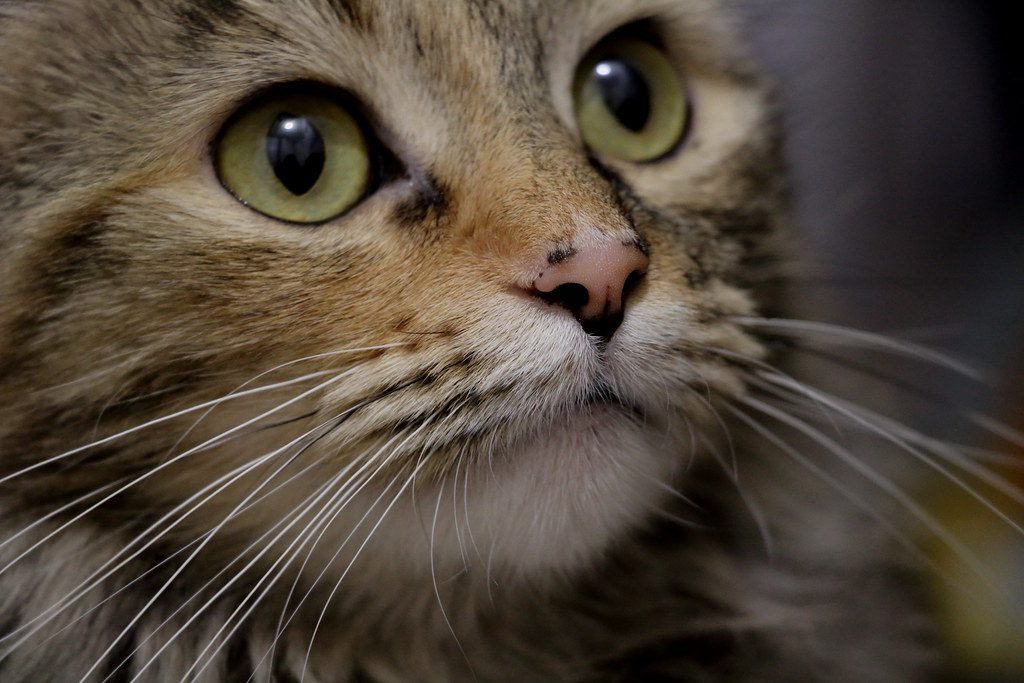
You might think whiskers are just cute facial decorations, but you'd be wildly wrong. Cat whiskers are equipped with nerve endings that can detect even the slightest changes in air currents and physical objects around them, helping cats navigate in the dark and sense objects before coming into contact with them.
Cat whiskers, scientifically known as vibrissae, are specialized tactile hairs that serve as finely tuned sensory equipment. Nearly 40% of the brain's sensory area aligns with body parts that have whiskers. That's an enormous amount of brain power dedicated to what looks like just a few hairs on their face. Sensitive to even the subtlest air currents and vibrations, whiskers act as built-in measuring tools. They're essentially walking around with built-in radar systems while we stumble through life hoping we don't walk into doors.
They Might Actually Predict Earthquakes
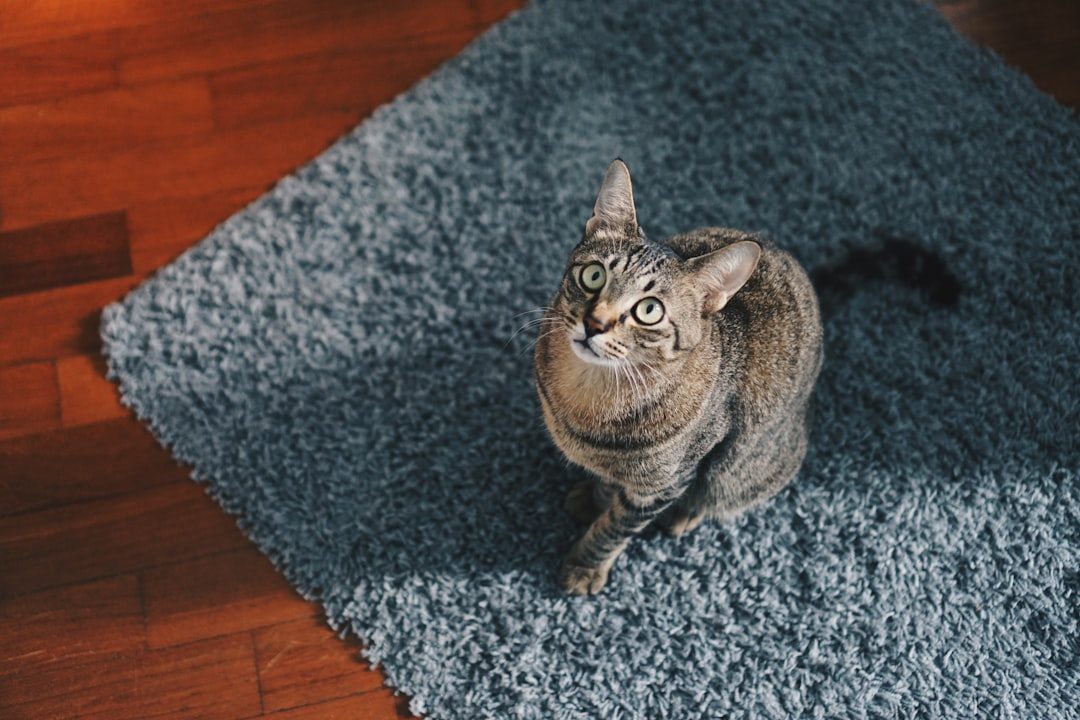
This one sounds like folklore until you look at the evidence. After the 2011 earthquake and tsunami in Japan, researchers found that cat and dog owners reported their pets exhibited restless and clingy behavior beforehand, possibly because cats and other animals have a wider range of hearing and a better sense of smell than humans.
Cats possess remarkable sensory capabilities with hearing ranging from 45 to 64,000 Hz, far beyond human capacity, allowing them to perceive subtle vibrations and low-frequency sounds that might precede an earthquake. Cats' sensitive paw pads contain thousands of nerve endings that can detect minute ground movements, and their whiskers are finely tuned to detect changes in air pressure and vibrations. Still think they're just lounging around doing nothing all day?
When You're Sick, They Actually Know It
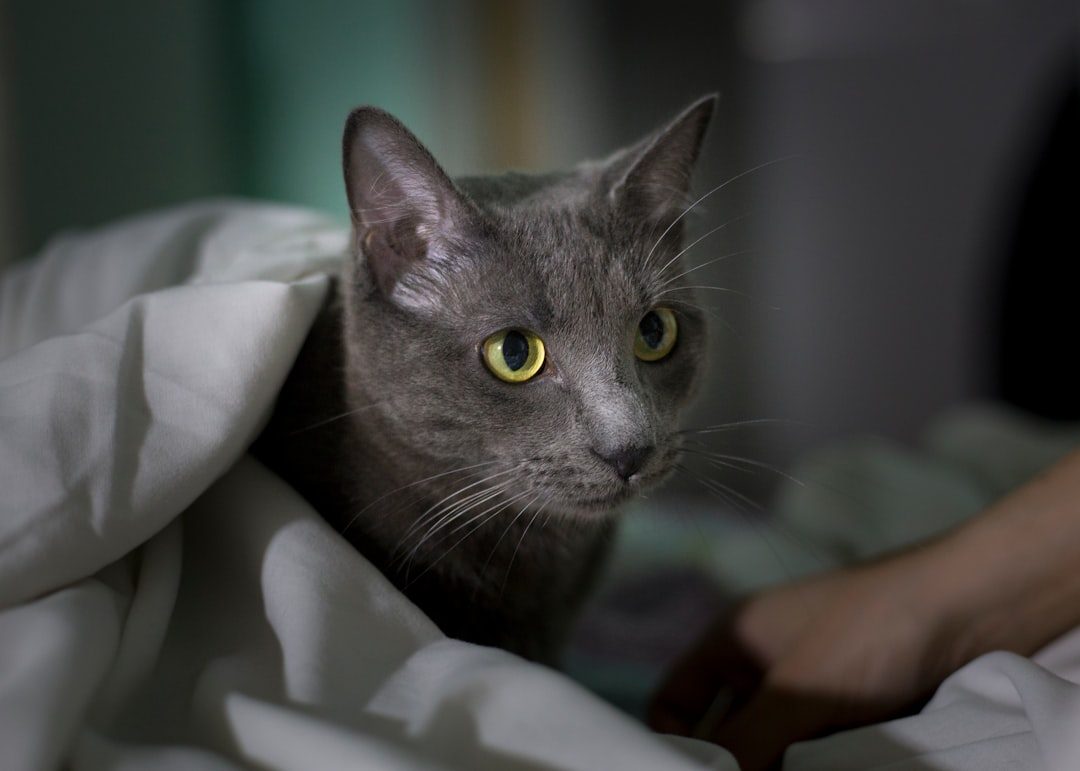
Maybe you've noticed your cat acting differently when you're under the weather. That's not your imagination playing tricks. Cats that lay close to you can detect an irregular or quickening heartbeat prior to a heart attack. Honestly, that's both comforting and slightly terrifying.
Cats can smell alterations through pheromones and hormonal shifts, and their noses can detect chemical changes caused by cellular decomposition, inflammation, and even abnormal cell growth, meaning a cat might sense a fever or other health condition before obvious symptoms emerge. Cats have been shown to sense and alert their owners of danger regarding their health, such as impending seizures, and are increasingly being linked to cancer detection.
They Tune Into Your Stress Levels
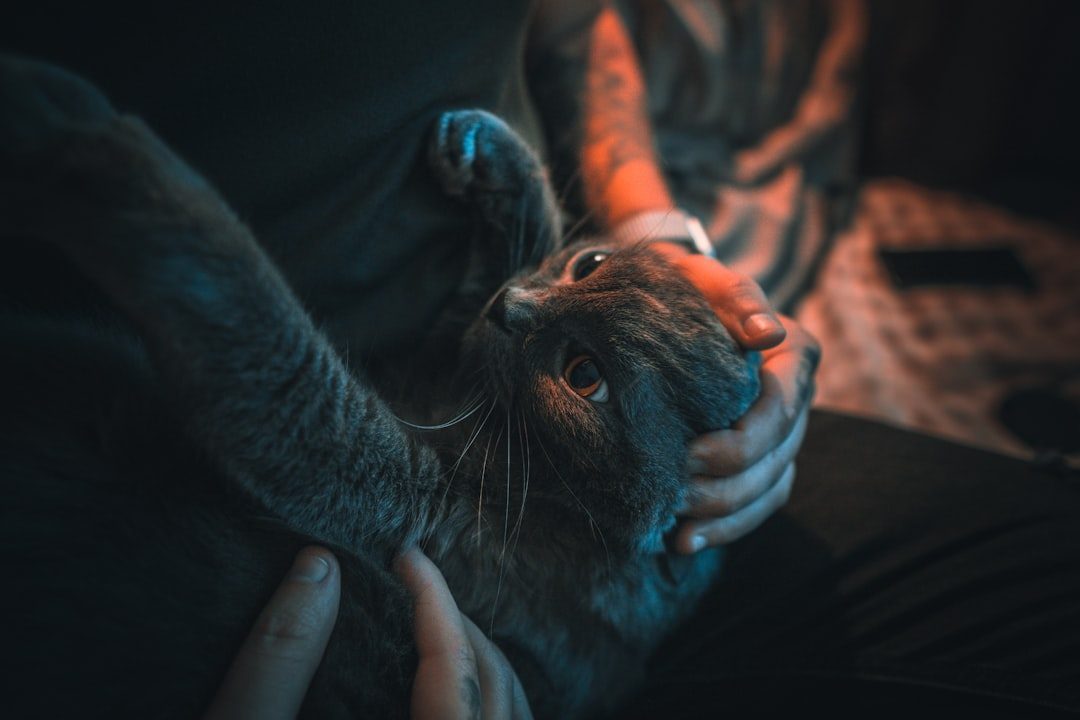
Your cat knows when you're stressed before you've even fully processed it yourself. Increased cortisol levels accompany stress, and cats are astute stress detectors who sense rising cortisol levels due to illness or emotional distress and may respond by staying close or altering their behavior to reduce stress.
Research has shown that cats can detect human emotions through scent, with experiments using odor samples from people exposed to different emotional states including fear, happiness, physical stress, and neutral conditions. They're literally sniffing out your anxiety. Research has shown that cats can even detect changes in our heart rate and breathing patterns, further demonstrating their sensitivity to our emotional state. Next time you're frantically pacing before a big presentation, pay attention to how your cat responds.
Their Bond With You Enhances Their Abilities

The longer you live with your cat, the better they get at reading you. The bond between you and your cat might explain parts of their intuition, especially their ability to pick up on moods and illness, as cats who are close with their owners are more likely to know their routines, habits, and body language.
Research from Vienna has concluded that cats aren't just lounging around but are keenly attuned to and deeply influenced by our interactions, with the close bond changing how a cat responds and showing behaviors that match our feelings. A cat's sensitivity to humans is often tied to the strength of the bond between pet and owner, with well-socialized cats who've had consistent interaction tending to be more attuned to emotional shifts. It's like living with someone who's been studying you for years and knows your tells better than you do.
Science Backs Up What Cat Owners Already Know
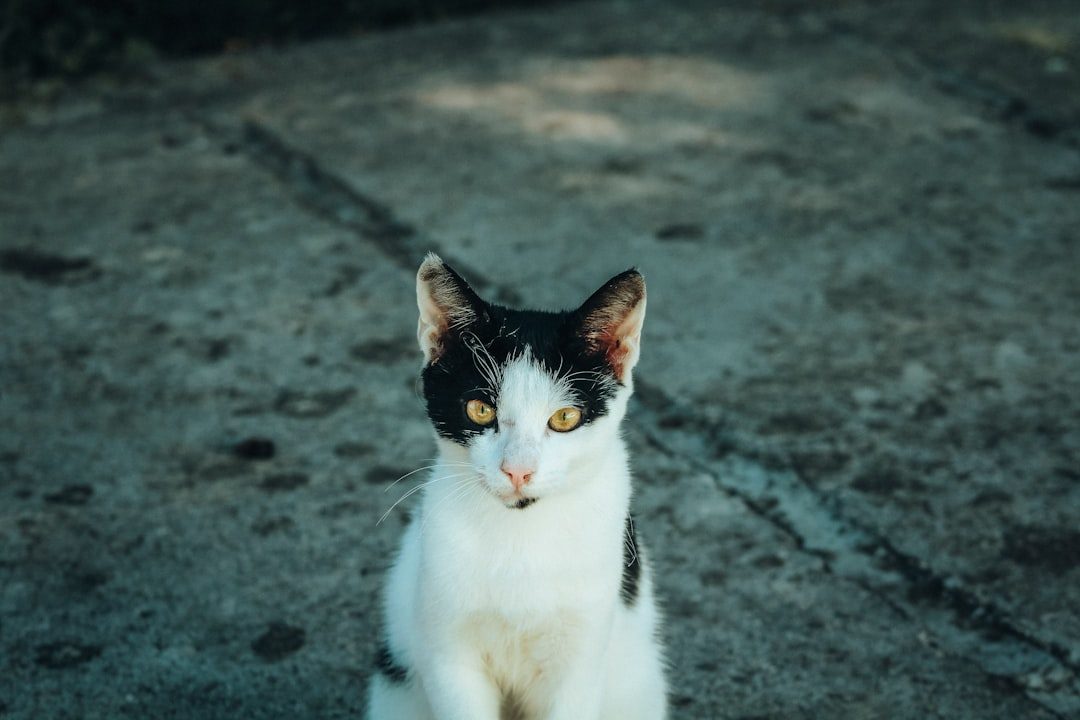
For years, cat owners have insisted their pets possess some kind of sixth sense, and scientists are finally catching up. While the concept of feline intuition might seem otherworldly, there's a scientific basis for many of their behaviors and instincts, with their keen senses and ability to read body language contributing to their reputation for having a sixth sense.
Cats' senses of smell, hearing, touch, and vision at night are much stronger than our own, naturally allowing them to pick up on things faster and with more ease, though this doesn't necessarily mean they have a sixth sense but rather that they're much more sensitive to the world around them. What we interpret as mystical powers is actually just biology operating at a level our human senses can't match. The research continues to reveal just how perceptive these animals truly are.
Conclusion
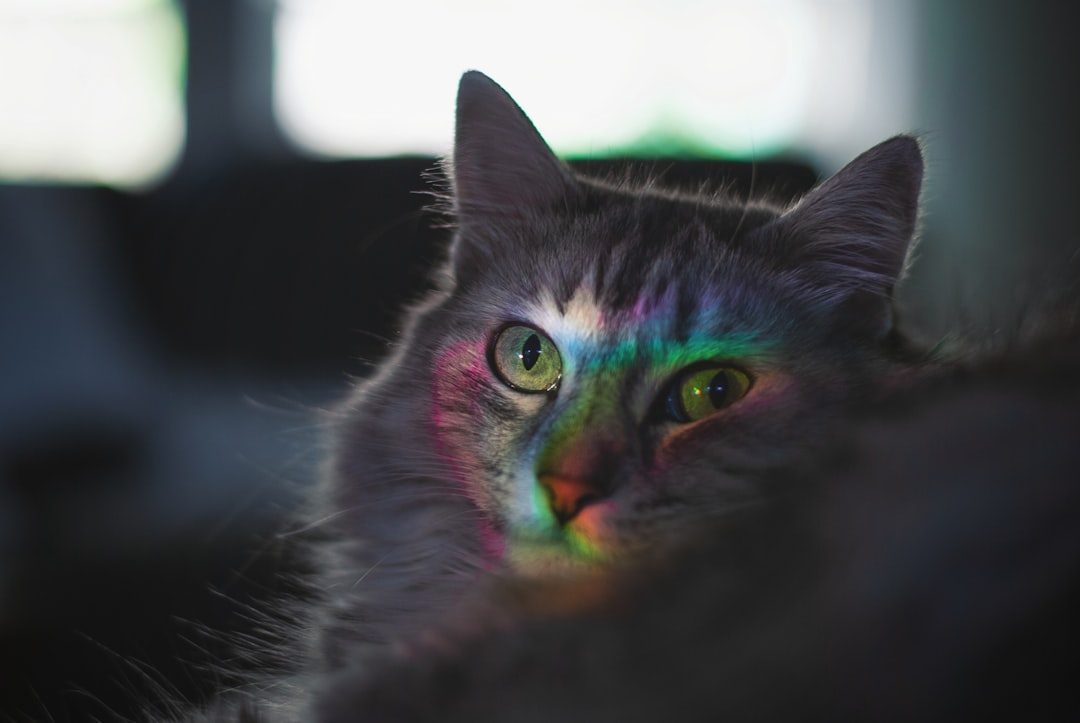
Your cat isn't psychic, exactly. What they possess is far more grounded in reality and arguably more impressive: a suite of sensory abilities that puts human perception to shame. From detecting chemical changes in your body to reading your emotional state through facial expressions and vocal tones, cats are constantly gathering information we're completely oblivious to.
The next time your cat stares at seemingly nothing or suddenly becomes clingy when you're feeling off, maybe give them a little credit. They might be picking up on something real, something you haven't consciously noticed yet. These aren't just pets lounging on your furniture; they're highly sophisticated creatures whose intuitive abilities we're only beginning to understand.
Have you ever had a moment where your cat seemed to know something before you did? What do you think about their mysterious abilities? Share your experiences in the comments.