You might have noticed something oddly comforting about your feline companion. When you’re feeling down, upset, or simply not yourself, your cat seems to appear right when you need them most. They curl up beside you, purr gently, or just sit nearby with that knowing look in their eyes.
Is this just coincidence, or do cats actually sense your emotional state? It turns out your suspicions are correct. Your whiskered friend knows more than you think.
Your Cat Reads Your Face Better Than You Think

Research has shown that cats can differentiate between happy and angry faces, suggesting they’re also picking up on signs of sadness like frowning or a downcast expression. Think about the last time you were genuinely upset. Your cat probably noticed before you even said a word.
Cats can recognize the body language and movement changes that happen when humans become sad. The slump of your shoulders, the way you move more slowly through the house, even subtle changes in how you carry yourself all send clear signals to your observant feline. They’re watching, always watching.
The Power of Your Voice Gives You Away
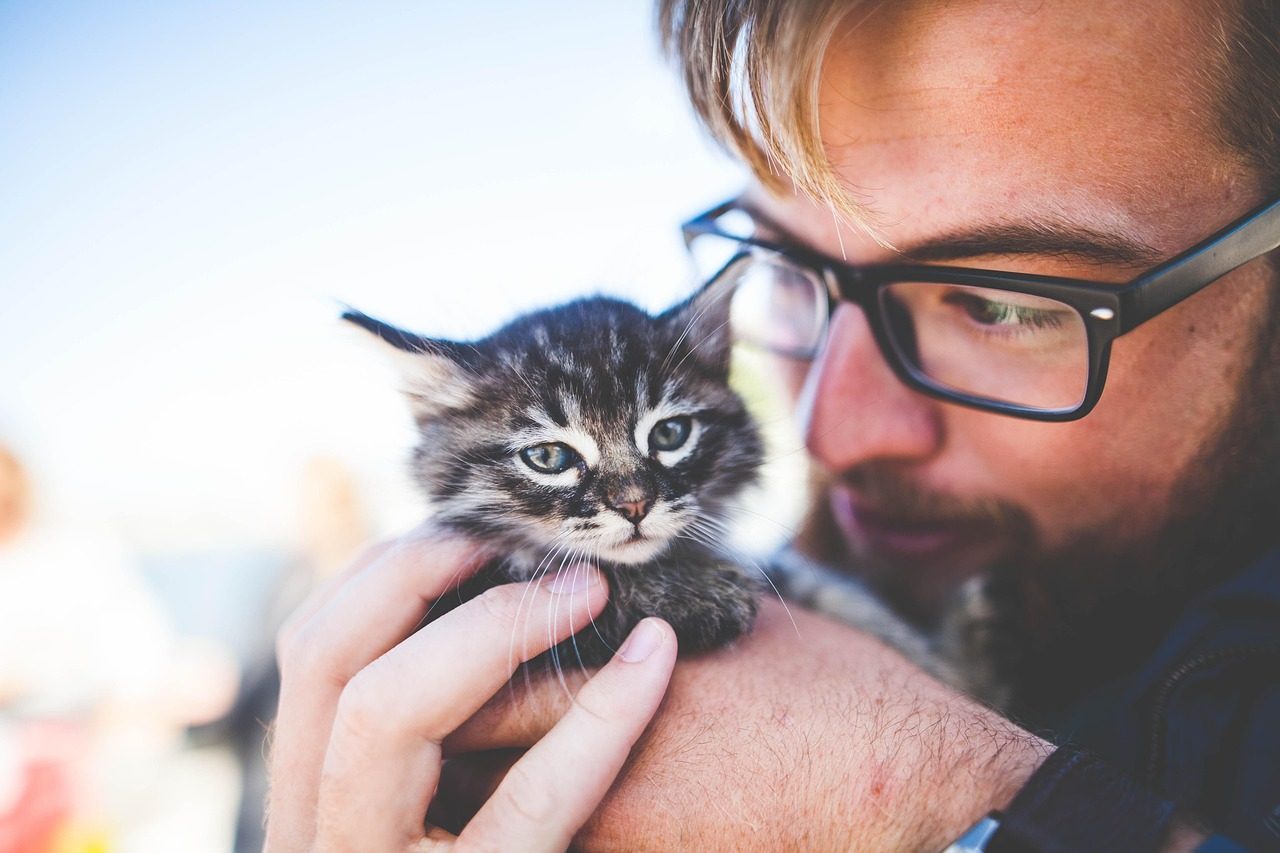
Cats are particularly attuned to changes in their owners’ voices, detecting variations in tone, pitch, and volume, and when someone is sad, their voice typically becomes softer or more subdued. You can’t hide sadness in your voice, no matter how hard you try.
Tonal changes are an indication of how you’re feeling, with soft tones comforting to cats, whereas louder, sharper tones will often cause them to run and hide, and crying noises will be interpreted as distress. Your cat doesn’t need to understand your words. The emotional melody behind them tells the whole story.
They Notice When Your Routine Falls Apart
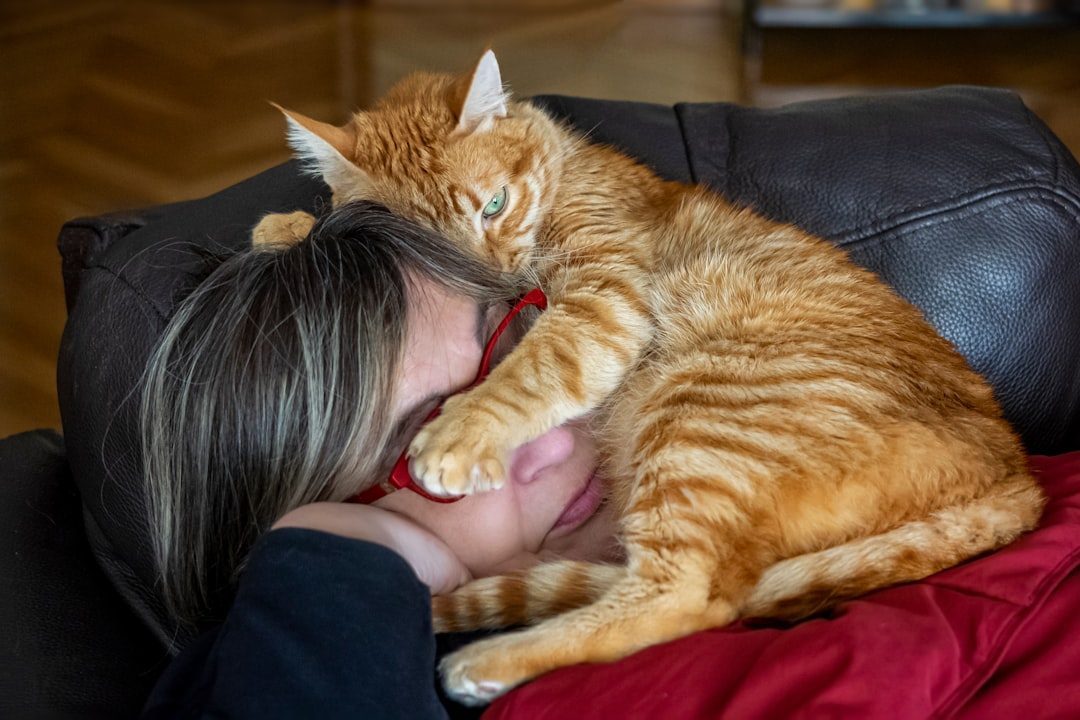
Here’s the thing about cats: they’re creatures of habit who pay incredibly close attention to yours. When your normal routine changes, your cat will notice, and if you spend more time sleeping or lounging on the sofa, your feline friend is sure to join you for a comforting cuddle.
Your cat may notice alterations in your regular routine or activity level when you’re feeling sad, and whether you’re spending more time in bed, moving more slowly, or displaying other signs of emotional distress, these behavioral changes don’t go unnoticed. Honestly, it’s a bit unsettling how much they pay attention. That morning coffee you skipped? They noticed.
The Scent of Your Emotions Is Real
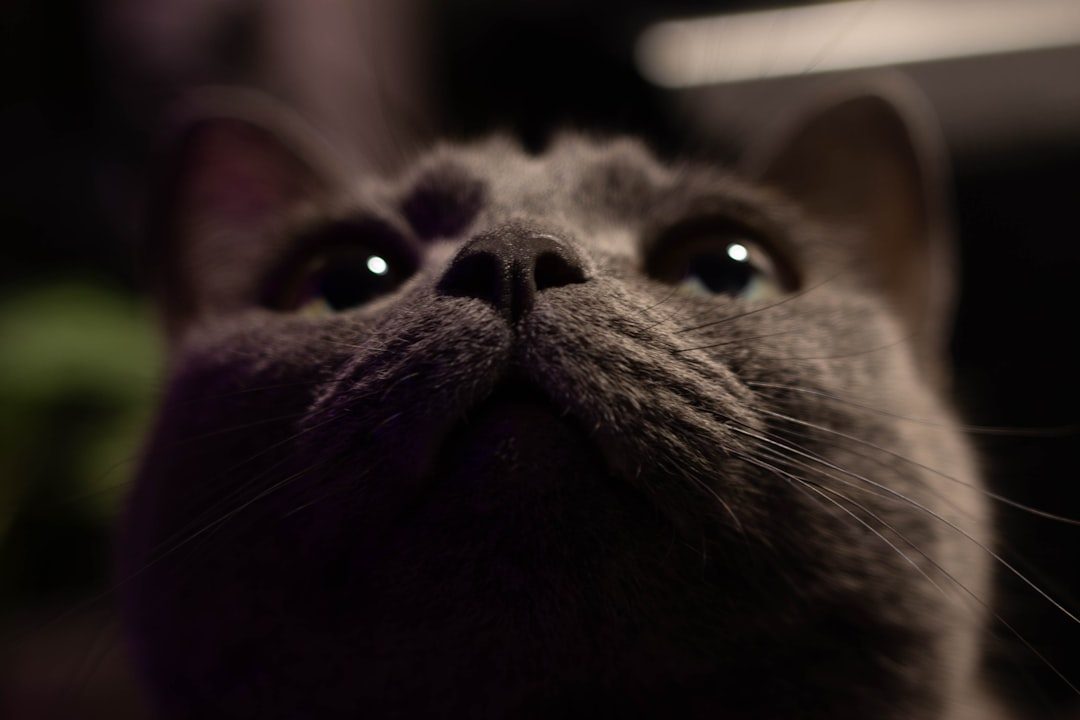
I know it sounds crazy, but cats can literally smell when something’s wrong. Feline friends can be affected by human emotions as they can detect our emotional odors, and an interesting study found that cats are able to distinguish a human’s fear odor and when smelling this fear scent, cats were recorded to exhibit a stress response.
A cat’s sense of smell plays a crucial role in their ability to detect human emotions, as our bodies release pheromones and chemical signals that can be picked up by a cat’s highly developed olfactory system, and these scent cues can provide valuable insights into our emotional state. Your body chemistry shifts when you’re stressed or upset, and your cat’s nose picks up on these invisible signals.
Scientific Proof Cats Understand Your Feelings
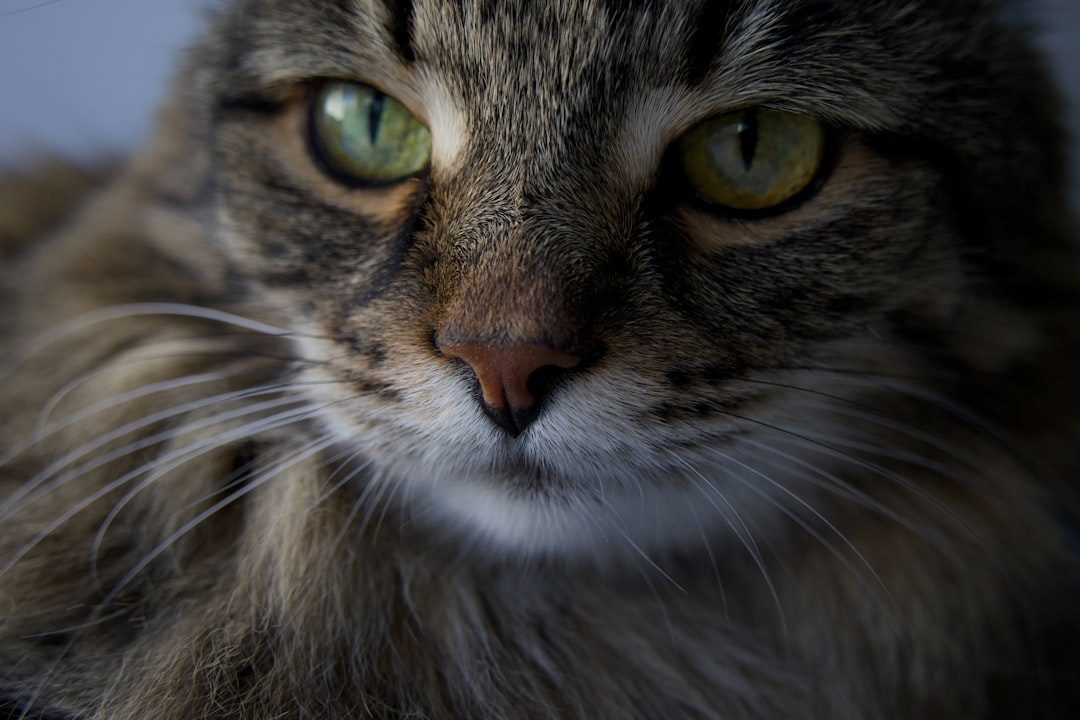
Research made by Nottingham Trent University shows that cats are able to determine when their humans are anxious or stressed, and they can also mirror their human’s emotions and well-being. This isn’t just pet owner wishful thinking.
The present study investigated if cats are able to integrate visual and auditory signals to recognize human and conspecific emotions and if they modulate their behavior according to the valence of the emotion perceived. The results confirmed what many cat owners already suspected. Cats don’t just notice your emotions; they process and respond to them.
Different Cats React in Different Ways

Let’s be real: not every cat is going to become your emotional support therapist. Each cat’s response to human sadness can vary based on their individual personality, and while some cats become more affectionate and protective, others might maintain a watchful distance or show subtle changes in their behavior.
Some cats might become more affectionate if they sense their owner is sad or stressed, while others might hide if they feel negative energy in the home. Your cat’s personality determines whether they’ll smother you with purrs or simply observe from across the room. Both responses show they’re aware.
The Bond Between You Makes All the Difference
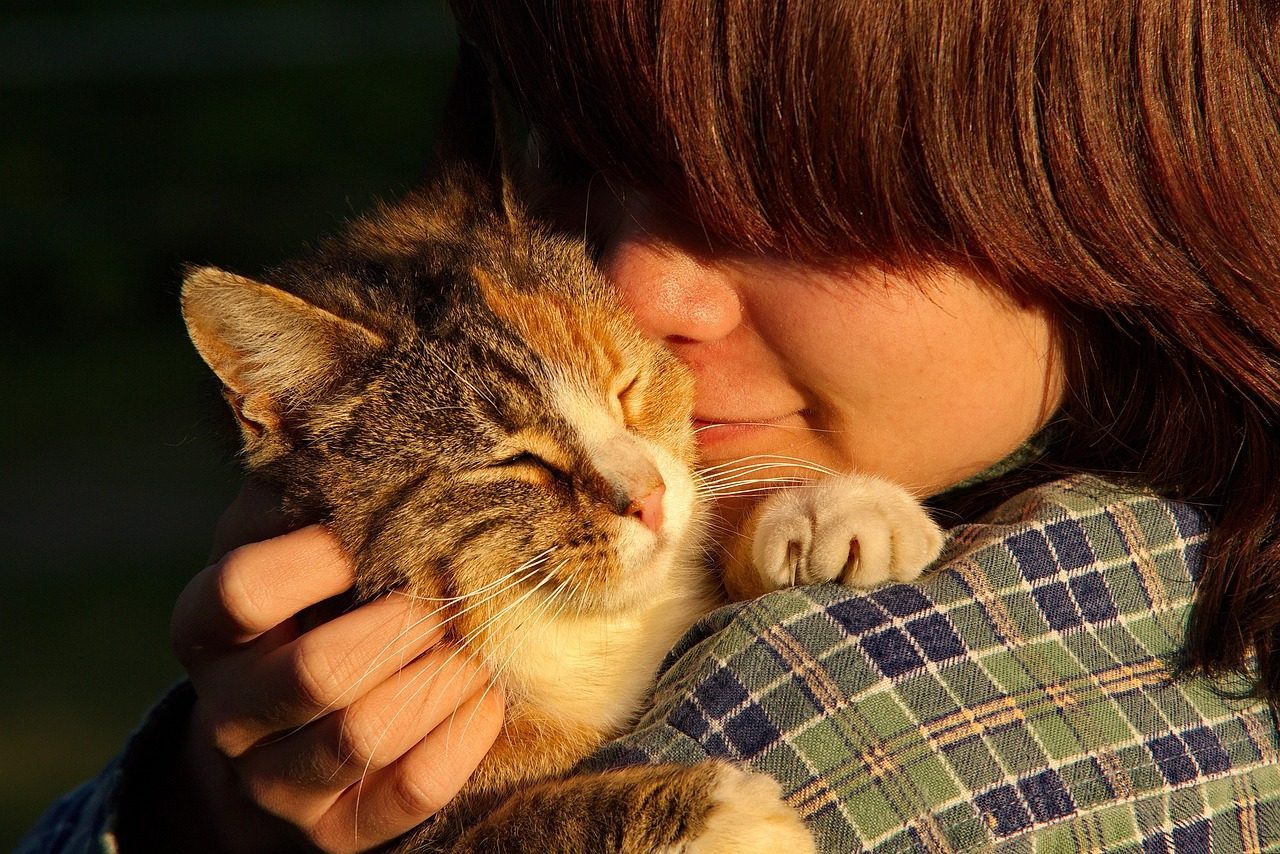
The closer your bond is with your cat, the more likely they are to be in sync with you and understand your different moods. Time spent together builds an emotional vocabulary between you and your feline friend.
Another study showed the bidirectional relationship we have with our cats, where interacting with them can shift both the human’s and the cat’s cortisol levels, meaning that when we’re stressed, our cats can reduce our cortisol levels, and vice versa. Your relationship literally changes your biochemistry. The connection runs deeper than most people realize.
Your Cat May Mirror Your Emotional State
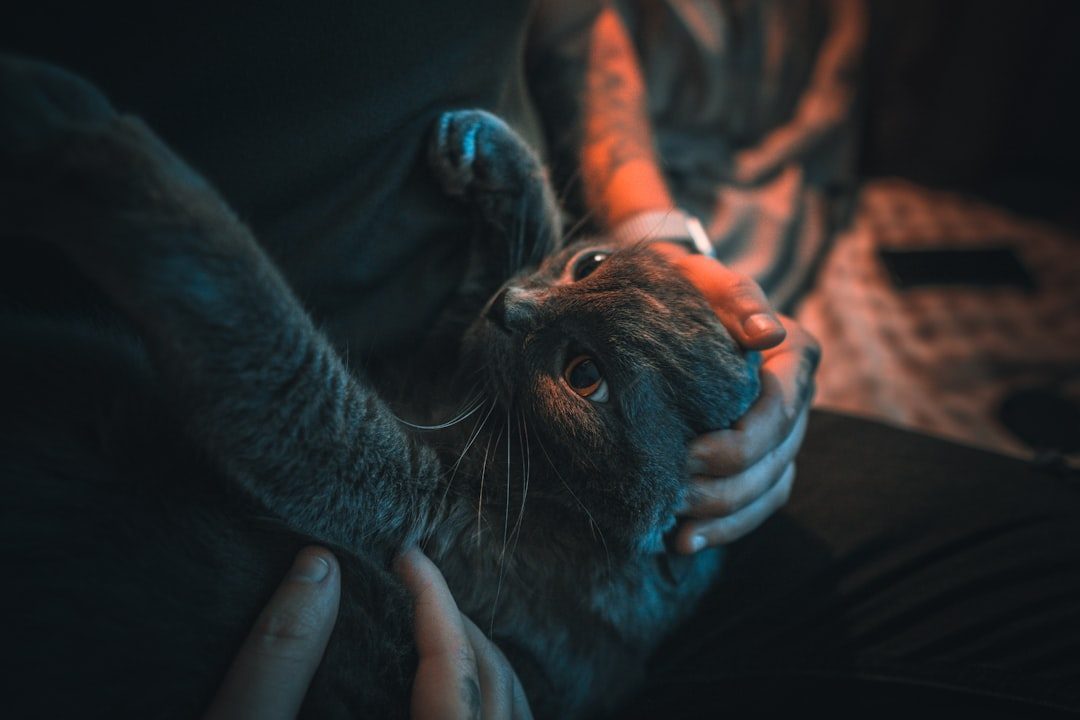
Studies have shown that cats can mirror their owners’ emotional states, a phenomenon known as emotional contagion, and this ability helps explain why some cats become more subdued when their owners are sad or more energetic when their owners are happy. Your cat doesn’t just sense your mood; they actually feel it alongside you.
Cats are intuitive and can understand the moods and emotions of their humans, and they engage with their humans more often when they are sad or depressed, approaching them more frequently when their humans are anxious or agitated, doing so by looking at you, sitting near you, rubbing themselves against you, and purring. That gentle purr against your leg when you’re struggling? It’s intentional comfort.
Your cat’s ability to sense when you’re having a bad day isn’t magic or coincidence. It’s the result of thousands of years of evolution alongside humans, combined with their naturally keen senses and genuine bond with you. They read your face, hear the sadness in your voice, notice your disrupted routine, and even smell the chemical changes in your body. Next time your cat shows up during a rough moment, remember they’re not just there by chance. They know. Did you notice how your cat behaved the last time you were upset?