Does Your Cat's Obsession with Sunbeams Mean More Than Just a Nap?
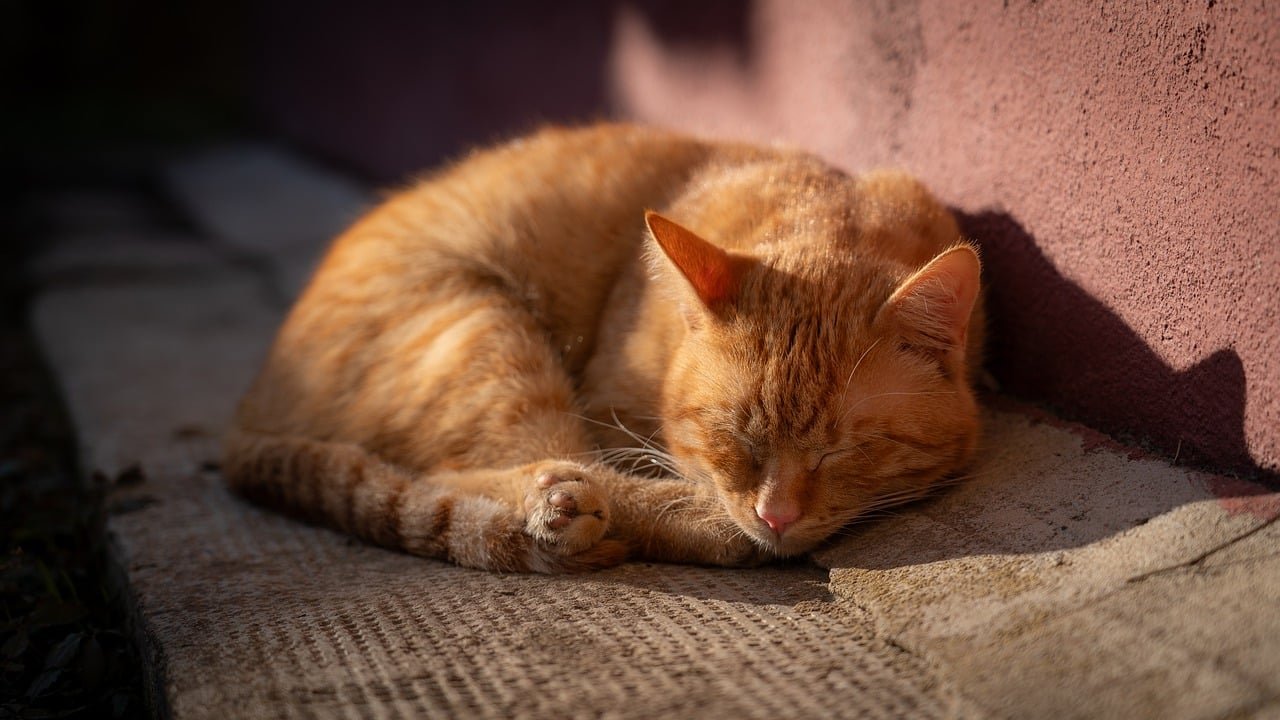
You've probably witnessed this scene countless times: your cat perfectly positioned in that one sliver of afternoon sunlight streaming through the window, eyes half-closed in what can only be described as pure ecstasy. Maybe they've stretched themselves into an impossibly long position, or curled into a tight cinnamon roll, soaking up every ray like they're recharging some invisible battery. It's adorable, sure, but have you ever stopped to wonder what's really going on in that furry little head?
Turns out, your cat's devotion to those golden patches isn't just about finding the comfiest spot in the house. There's a whole world of biology, instinct, and surprising health benefits happening beneath that seemingly lazy sunbathing routine. Let's dive in.
The Science of Solar Powered Felines
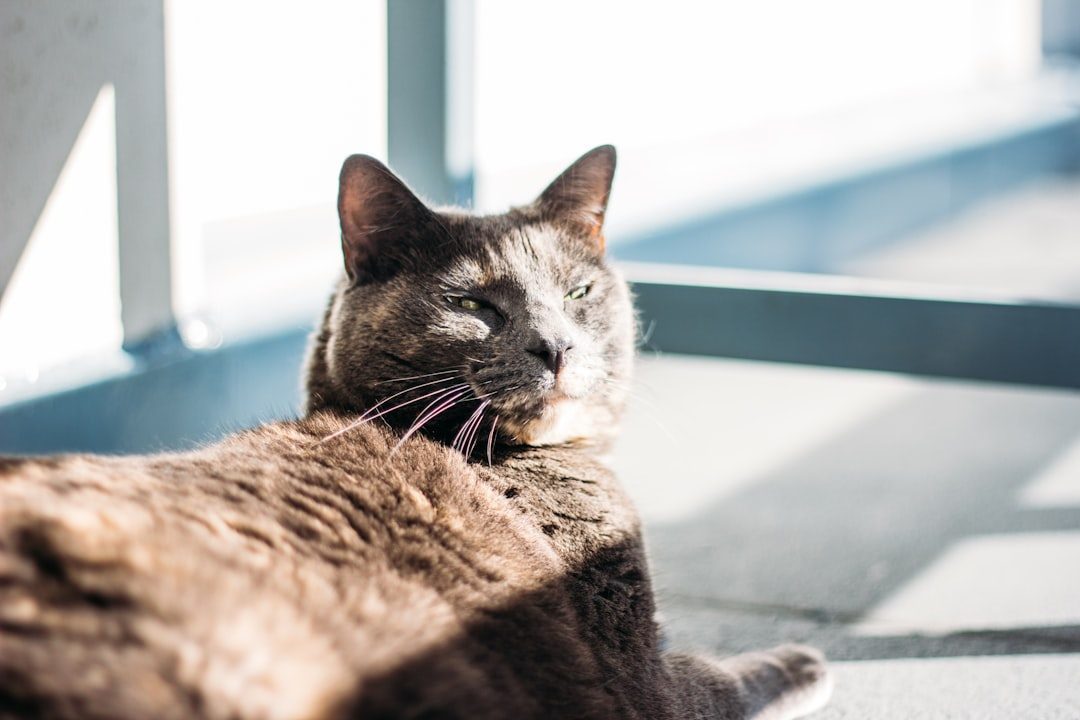
Cats are partly solar powered creatures who like sunbeams because sunlight helps them save energy. Here's the thing: maintaining body temperature takes effort, and cats are basically energy-conservation experts. Their hunting style consists of short bursts of speed and lots of brainpower, and their metabolisms run at a very high rate, which means they're burning tons of energy.
Rather than constantly expending calories to stay warm, your cat takes the smart route. Think of sunbathing as nature's heated blanket, a free source of warmth that lets them redirect precious energy elsewhere. Cats naturally have a higher body temperature than humans, averaging around 38.6°C or 101.5°F, which means they need more warmth to feel truly comfortable. So when your kitty tracks that beam of light across the living room floor like some furry solar panel, they're actually being incredibly efficient.
Ancient Desert Roots Run Deep
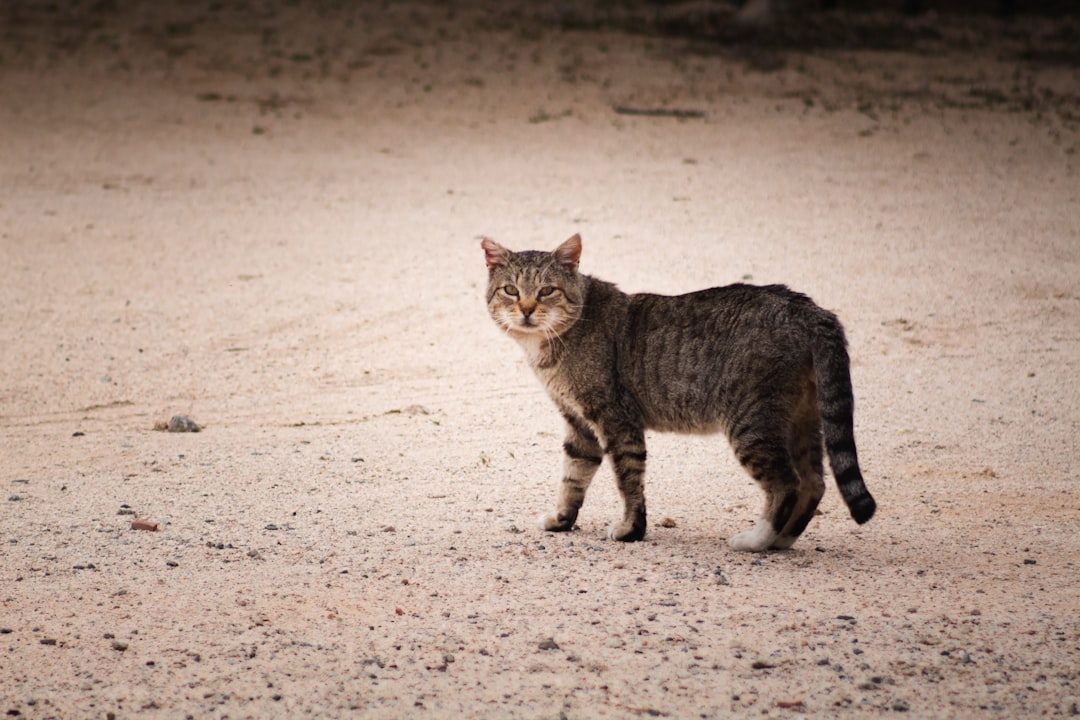
The cute furry house cat we know and love evolved from wild cats in hot desert regions, such as Africa and the Middle East. That ancestral heritage hasn't gone anywhere. Your pampered indoor kitty still carries those desert-dwelling genes, programmed for climates where warmth isn't just pleasant, it's essential.
Cats' ancestors were desert dwellers, and their bodies evolved to thrive in warmer conditions. This explains why even on days when you're perfectly comfortable in a T-shirt, your cat might still be hunting down that patch of sunlight. They're not being dramatic; they're literally following instincts refined over thousands of years. It's hard to say for sure, but those ancient survival strategies seem to be hardwired into every sun-seeking session.
Mood Boosting Magic You Can't See
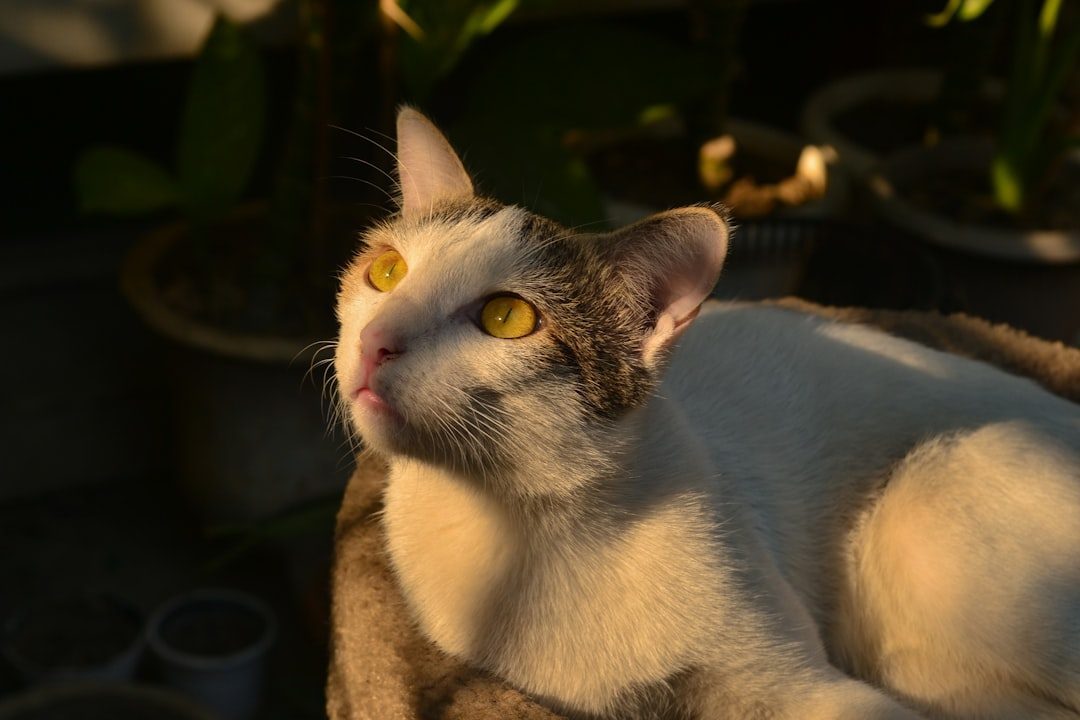
Ever notice how utterly zen your cat looks while basking? That's not just your imagination. Sunlight has been linked to the release of serotonin in mammals, and warm, sunny spots seem to have a visibly calming effect. Serotonin, often called the feel-good hormone, works its magic in cats just like it does in us.
Sunlight helps stimulate the production of serotonin, promoting a sense of calm and contentment in cats. So those long afternoon sunbathing sessions aren't just physical comfort, they're emotional wellness rituals. Your cat is essentially giving themselves a natural mood boost, reducing stress and anxiety one sunny patch at a time. Honestly, we could all learn something from that.
The Vitamin D Myth You Should Know About
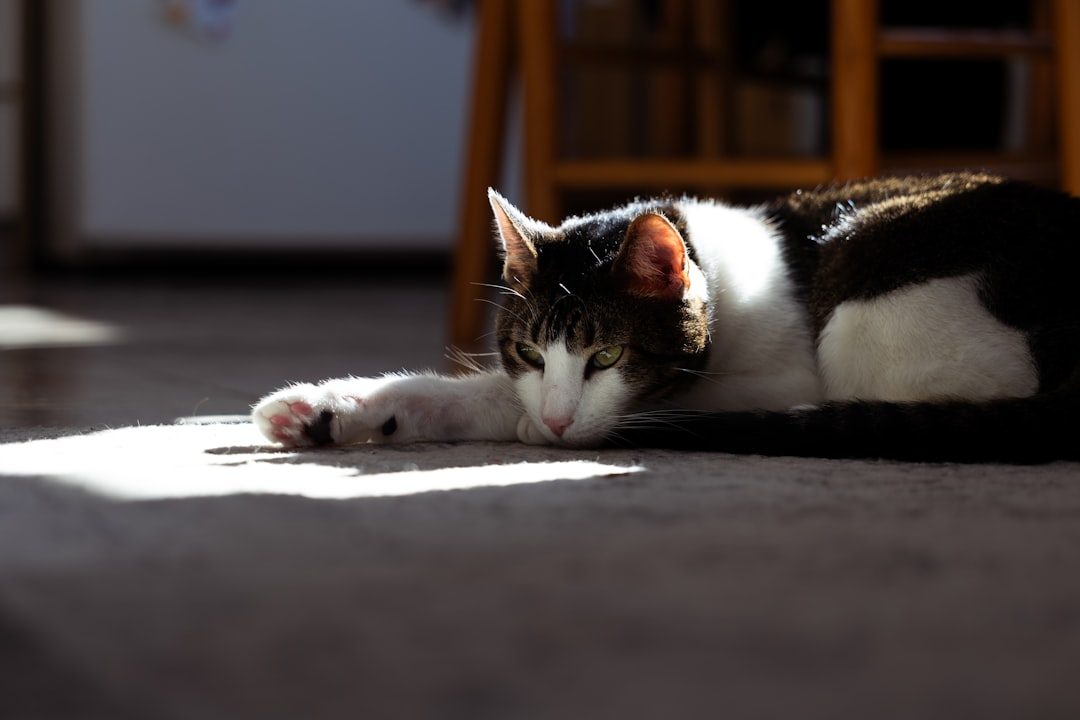
Here's where things get interesting. You might assume your cat is soaking up vitamin D from the sun, just like humans do. Let's be real though, that's not actually what's happening. Unlike humans, cat skin cannot metabolize UVB rays from the sun as a source of vitamin D.
Dogs and cats are unable to perform vitamin D cutaneous synthesis through sun exposure, therefore they are dependent on the dietary intake of this nutrient. Your cat's beautiful fur coat blocks the absorption process, which means basking in the sun does not significantly raise their vitamin D levels. They get all the vitamin D they need from their food instead. Still, that doesn't make sunbathing any less beneficial for other reasons.
Warmth as Pain Relief for Aging Joints
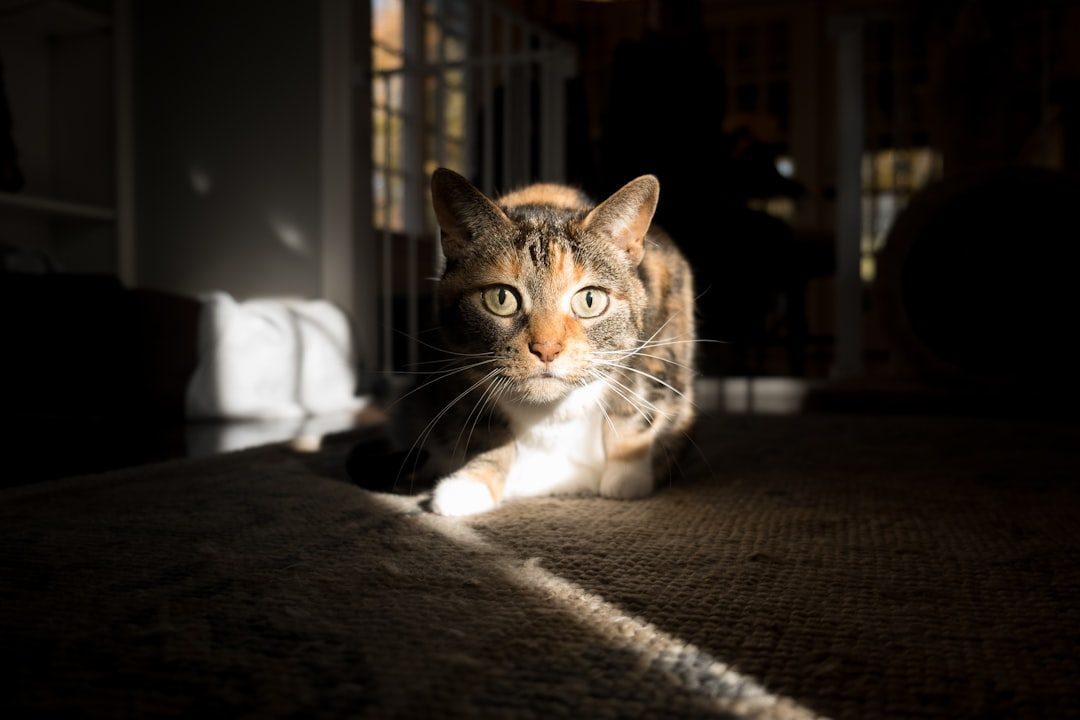
If you have an older cat, you might notice they're even more devoted to sunny spots than they were in their youth. There's a good reason for that. Just like humans, cats can get aches and pains as they age, and arthritis and joint pain are common in older cats, with warmth helping cats ease their aching joints and muscles.
Sunlight allows cats to stretch more easily and rest in positions that promote recovery, reducing the strain on muscles and providing consistent warmth. For senior kitties dealing with stiffness, that warm sunbeam isn't just pleasant, it's therapeutic. It's like a free daily spa treatment that helps them move with greater ease and enjoy deeper, more restorative rest.
Better Sleep Through Solar Power
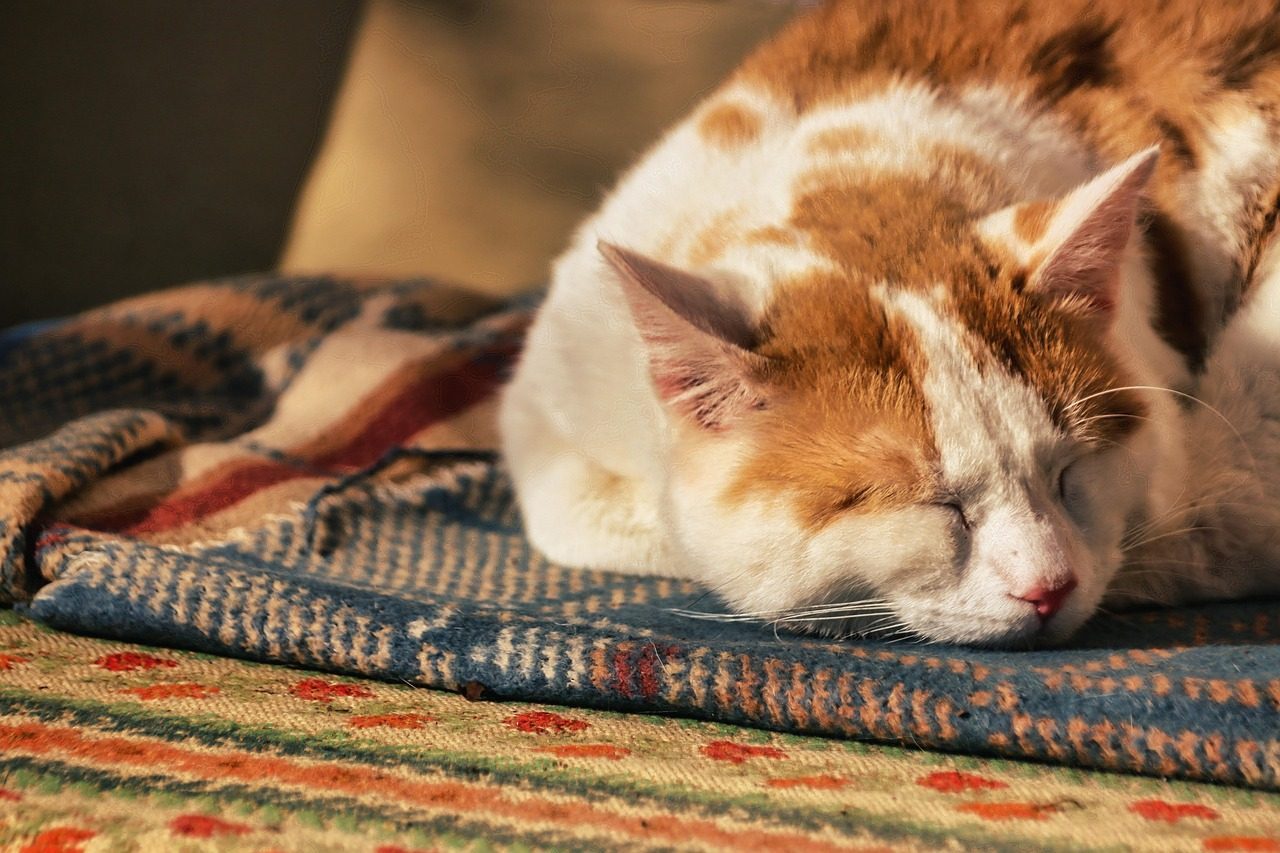
Cats are champion nappers, sleeping roughly about two-thirds of their lives away. Cats don't generate much energy while they sleep, so the sun's external heat source helps them maintain a stable body temperature, allowing them to fall into deeper and more restful naps. When your cat finds that perfect sunny spot, they're setting themselves up for premium sleep quality.
Think about it: if they don't have to use energy to keep warm while dozing, they can truly relax into that sleep. With their tendency to sleep up to 16 hours a day, cats rely on sunbathing to conserve energy and stay cozy. Those long stretches of motionless bliss in the sunshine? That's your cat maximizing rest efficiency like the survival expert they are.
Instinct Never Sleeps Even When Your Cat Does
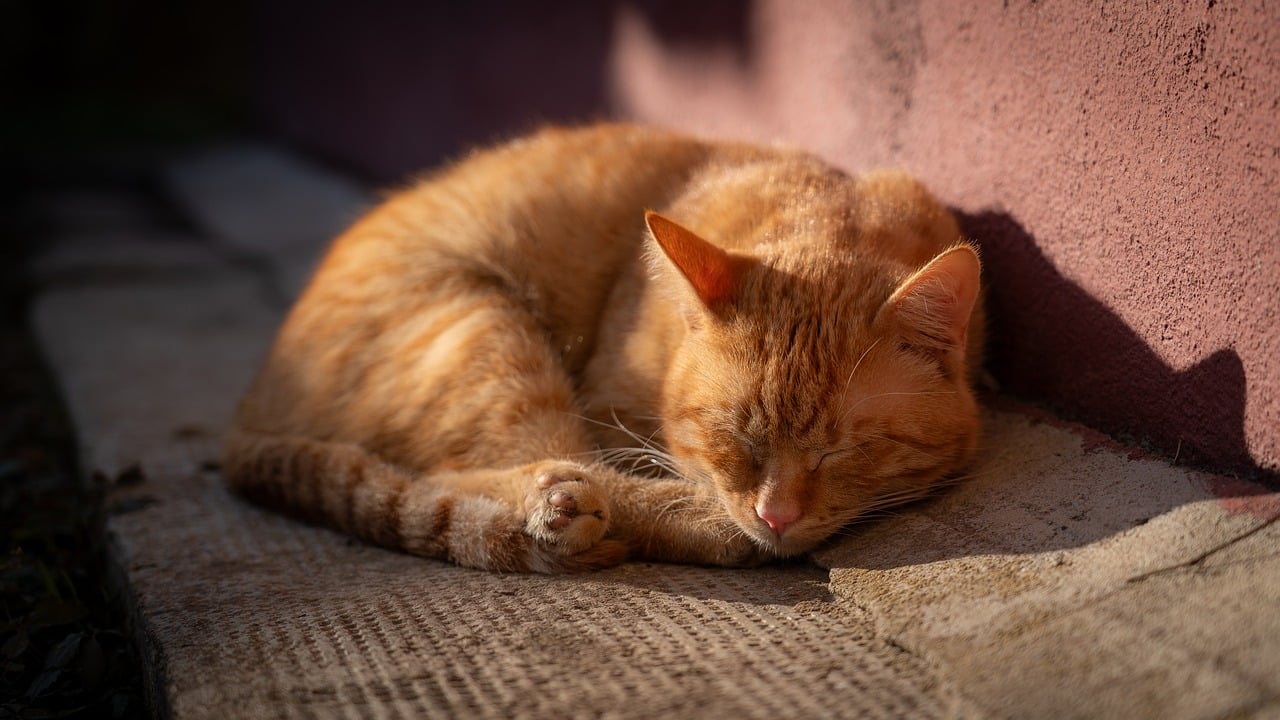
Cats are naturally inquisitive creatures whose curiosity is rooted in evolution, serving as a tool for learning, survival, and social connection. Their sun-seeking behavior is just one more example of how ancient instincts drive modern cat behavior. Even though your kitty doesn't need to hunt for survival anymore, those deeply ingrained patterns remain.
The prey and hunting behavior is instinctual, so it is seen in even domestic cats who have the privilege of fresh food in their bowl daily. Similarly, seeking warmth and conserving energy through sunbathing connects directly to those wild roots. Your pampered house cat may live in luxury, but they're still operating on a biological blueprint designed for survival. It's fascinating when you really think about it.
When Sunlight Becomes Too Much of a Good Thing
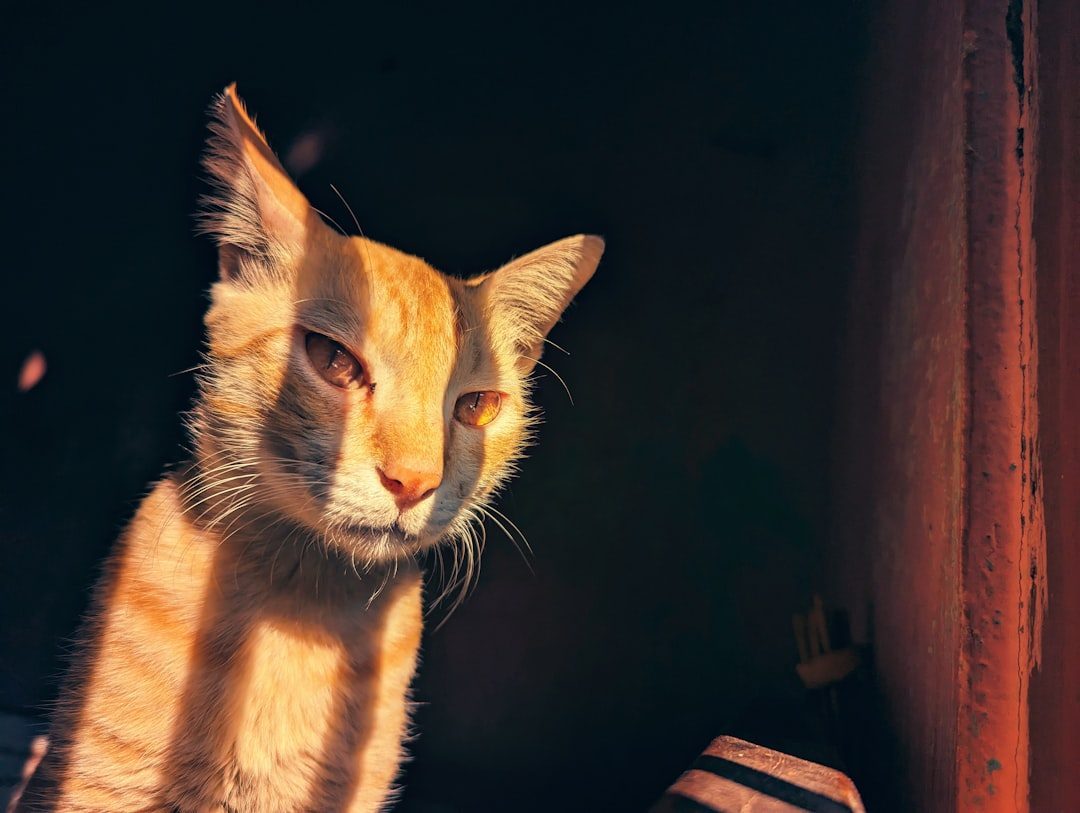
While we've been singing the praises of sunbathing, it's worth mentioning that too much of anything can become problematic. There is a risk of developing heatstroke, dehydration, sunburn, or even skin cancer if cats spend too long in the sun. Cats with light-colored fur, thin coats, or sparse hair on their ears and noses are especially vulnerable.
Watch for signs that your cat might be overdoing it: excessive panting, lethargy, or redness on exposed skin areas. Make sure they always have access to shade, fresh water, and cooler spots to retreat to when they've had enough. Indoor sunbathing through a window is generally safer, offering warmth without the intensity of direct outdoor exposure. Keep a close eye on them, especially during the peak hours of intense sunlight.
Conclusion
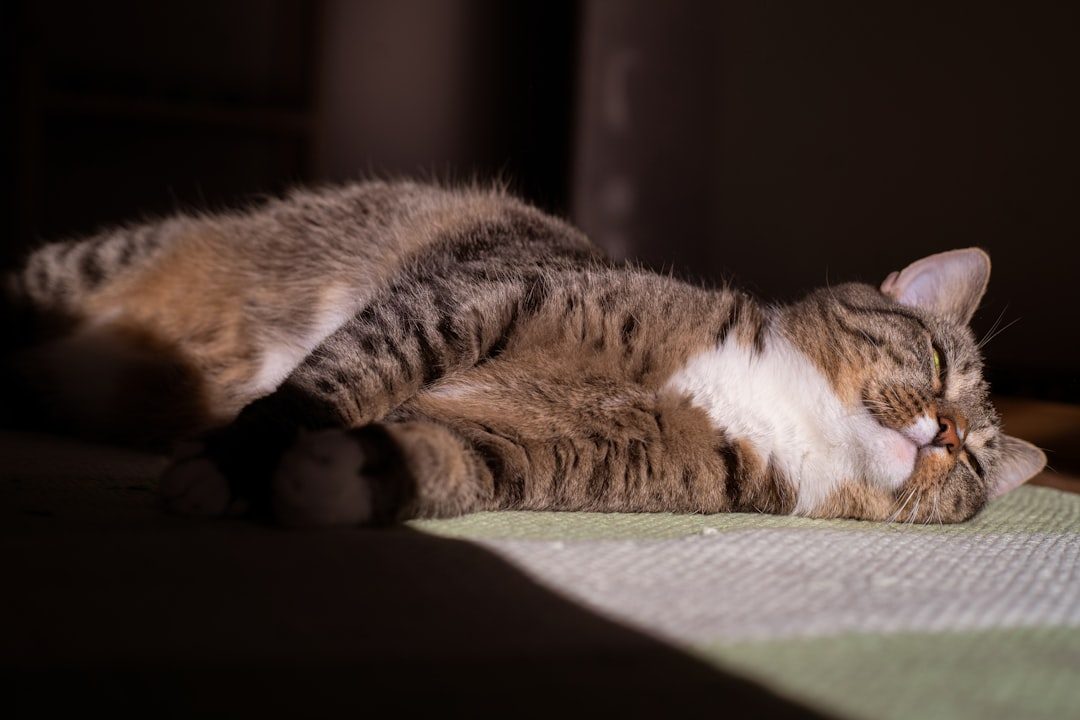
So does your cat's obsession with sunbeams mean more than just a nap? Absolutely. Every time your feline friend sprawls out in that golden light, they're tapping into ancient instincts, regulating their body temperature, boosting their mood, easing joint pain, and setting themselves up for the best possible rest. They're not just being lazy; they're being brilliant little survival machines dressed in fur coats.
Next time you catch your cat in their favorite sunny spot, maybe take a moment to appreciate the complex biology and evolutionary wisdom behind that simple act. They've mastered the art of self-care in a way most of us can only dream about. What do you think about your cat's sunbathing habits now? Did you expect all these hidden benefits?