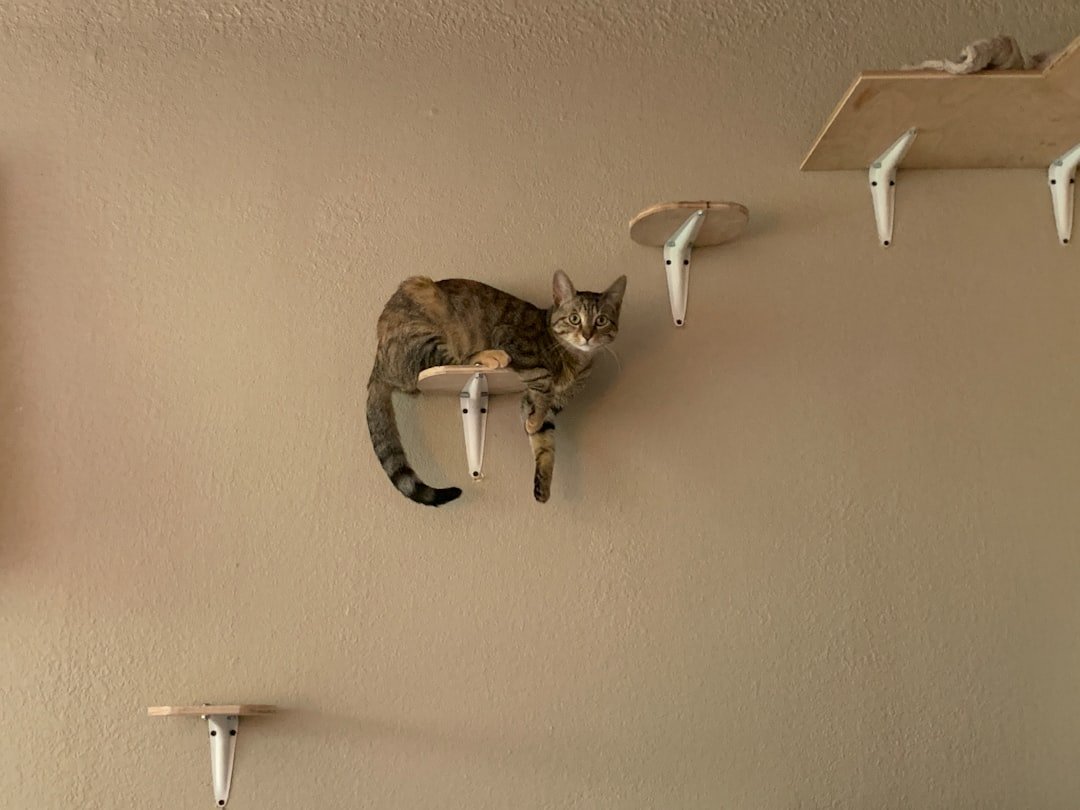
Have you ever walked into your living room and found your cat perched atop the refrigerator, gazing down at you like some furry monarch surveying their kingdom? Maybe you’ve discovered them balanced precariously on a bookshelf or sprawled across the highest cabinet in your kitchen. This isn’t random behavior or your cat showing off their impressive jumping skills. There’s actually some fascinating science behind why your feline friend gravitates toward these lofty perches.
Let’s be real: cats are quirky creatures with habits that often leave us scratching our heads. This particular behavior, though, runs deep in their genetic code. Understanding why your cat chooses elevation over comfort might just change how you see their world. So let’s dive in.
Ancient Instincts That Never Left
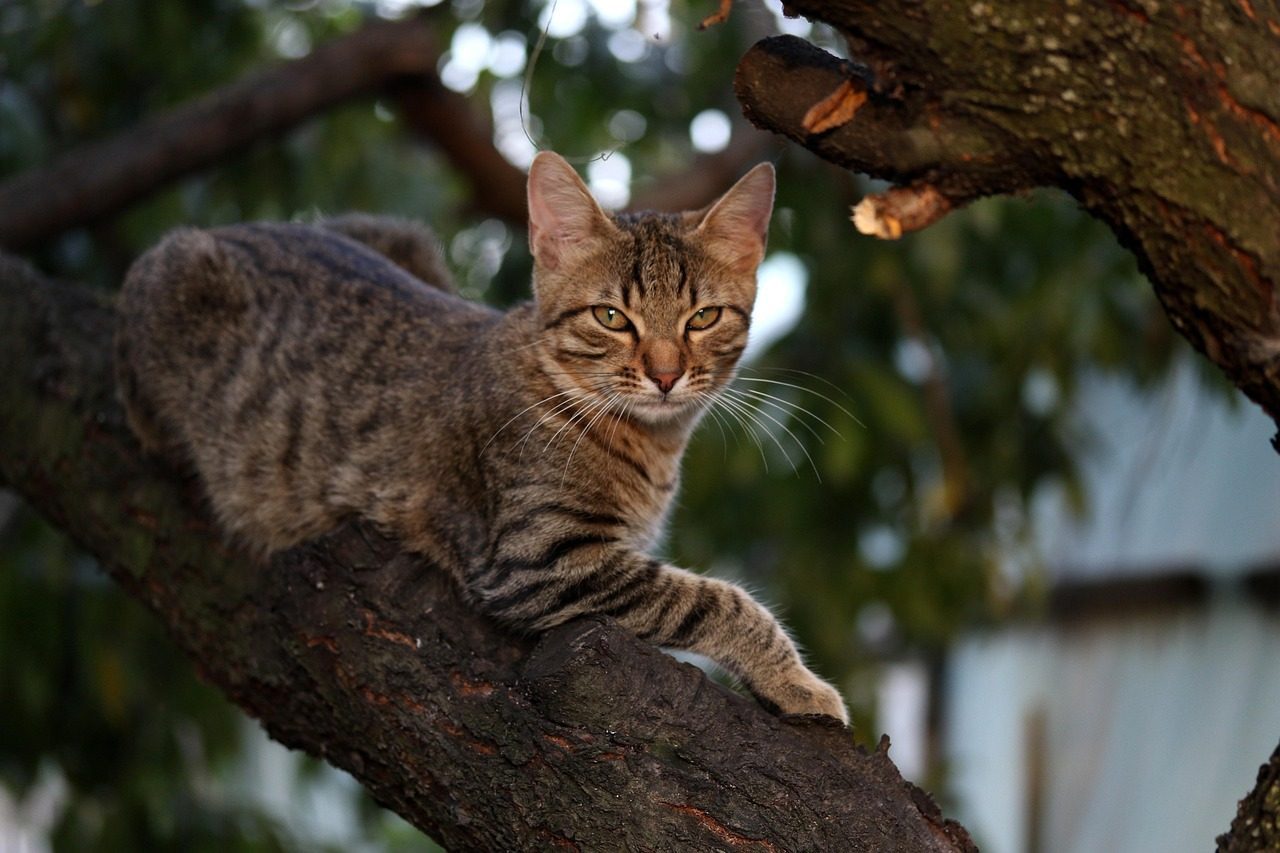
Cats are tree-climbing mammals that descended from Proailurus, the first true cat. Early cats were hunters that lived in the wild, and their climbing ability meant that they had somewhere to retreat to away from larger predators, plus the capability of attacking smaller prey high up in the branches. Think about it: your pampered house cat shares DNA with wild ancestors who survived by using height as both a weapon and a shield.
Instinct is a driving force behind a cat’s preference for lofty perches. From a biological and evolutionary standpoint, cats are prey and predators. Before cats graced our homes, they were potential meals for wild animals and sought out small rodents and birds to satisfy their hunger. Although these survival skills are less vital for the typical house cat, they remain a part of their genetic makeup. Your indoor kitty doesn’t need to hunt for dinner or escape from coyotes, but their brain hasn’t gotten that memo yet.
Height Equals Safety and Control

A high position for sleeping or resting gives them an aerial advantage for spotting any potential dangers around them. When your cat climbs to the top of that cat tree or claims the highest shelf, they’re not being dramatic. They’re following an ingrained survival strategy that tells them elevation means protection.
High places offered a safe vantage point to watch for predators and prey. From up above, they could spot movement below without being easily seen themselves. Even though the biggest threat in your home might be the vacuum cleaner, your cat still feels more secure when they can observe everything from above. Being able to get off the ground provides a sense of security. Cats are better able to survey the space and check for possible threats.
Territory Expansion Through Vertical Space
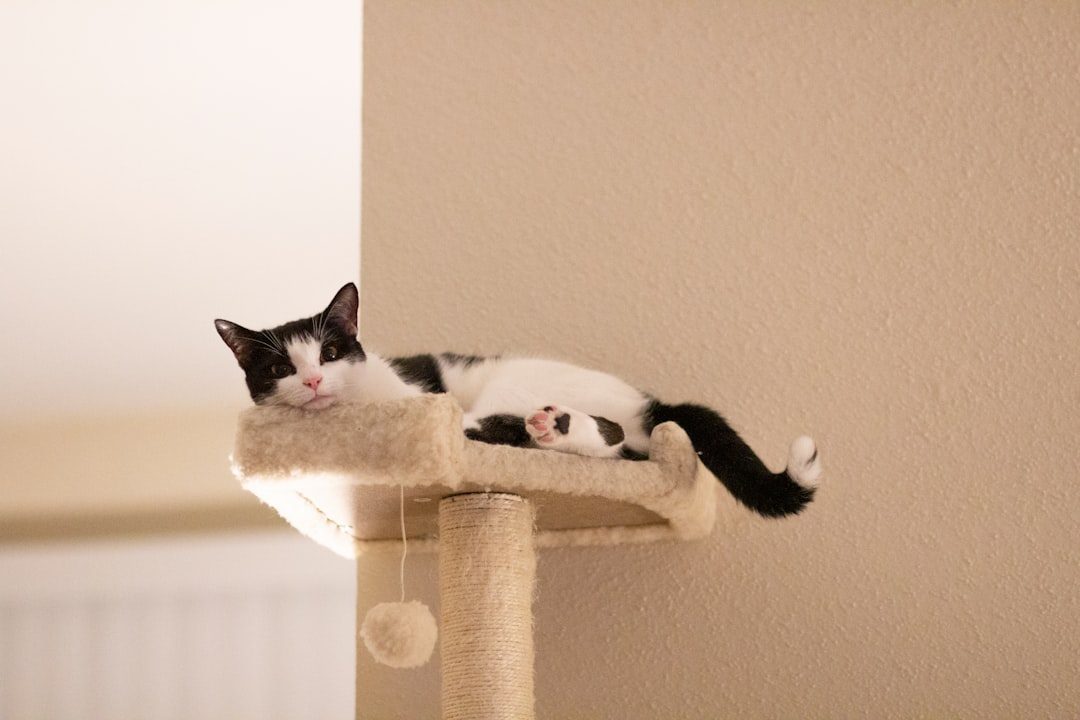
Here’s something you might not have considered: Increasing vertical space increases the size of your home, from your cat’s point of view. That increased square footage makes it easier to share the territory. Your cat doesn’t measure their living area the way you do. They think in three dimensions, not just floor plans.
Especially in multi-cat households, high places might serve to expand the available territory for cats so they can avoid conflict with each other. For example, one cat might have dominion over the floor spaces, while another might claim the elevated spaces. If you’ve got multiple cats, you’ve probably noticed they’ve worked out their own little hierarchical system. Height often plays a role in keeping the peace between furry roommates.
The Warmth Factor You Didn’t Expect
Another basic function of high places, especially in climate-controlled homes, is to provide a warm location for cats to rest. Because warmer air rises, cats might prefer the tops of appliances, cat trees, and bookshelves over cold floors. It’s not just about safety and surveillance. Your cat is also a savvy physicist who understands that heat rises.
That spot on top of your refrigerator? It’s probably a few degrees warmer than ground level. Heat rises. Therefore, high places are warmer and may be a preferred resting spot, especially during the colder months. Cats love warmth the way some of us love our heated blankets. They’re simply optimizing their nap spots for maximum coziness.
Mental Stimulation and Entertainment
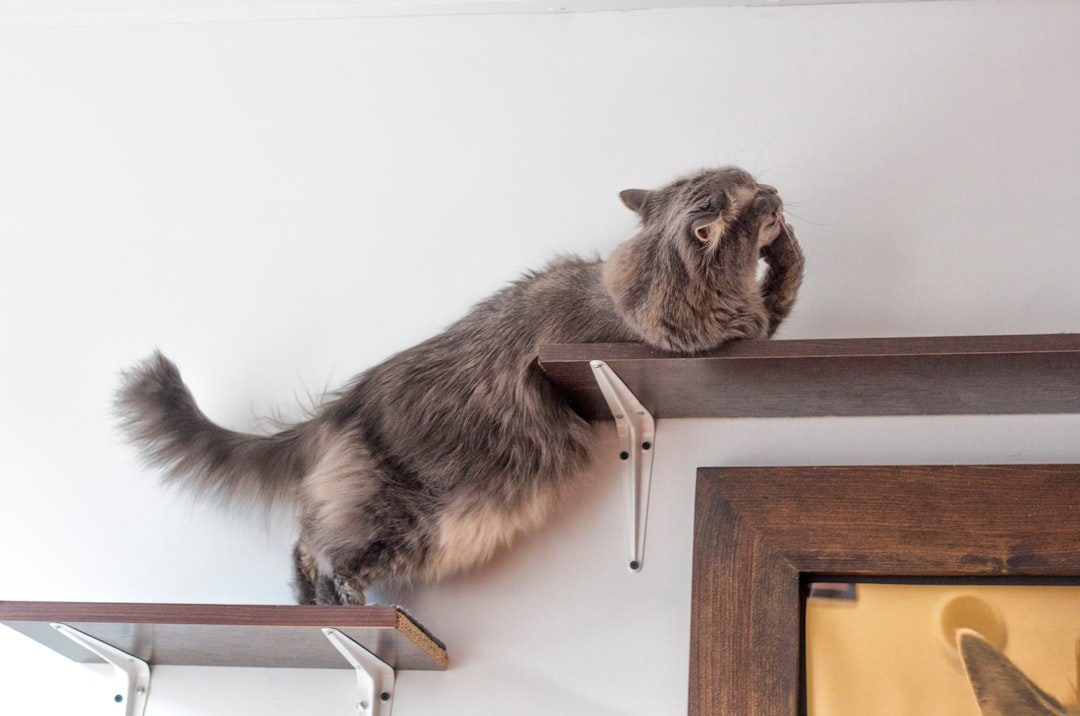
Cats are naturally curious. They love to watch and investigate. Being up high gives them a different vantage point to spy on the goings-on below. Honestly, think of it as your cat’s version of reality television. From their elevated position, they can watch you prepare dinner, observe the dog wandering around, or keep tabs on birds outside the window.
Perching at different heights gives cats new views, helping to keep their environment interesting. Your cat gets bored just like you do. Different perspectives provide mental enrichment that keeps their brain engaged. Climbing isn’t just practical – it’s fun for them. It provides both mental stimulation and physical exercise, helping keep boredom at bay.
Stress Relief and Private Retreats

High spaces act as retreats – private and calming refuges where cats can watch from a safe distance, especially during stressful situations like visitors or other pets. When your home gets chaotic, your cat needs an escape route. Unlike dogs, who might hide under furniture, cats go up.
When cats are experiencing stress or even illness, they might seek out high spots more often in order to feel safe and secure. This is one reason why providing ample and accessible elevated spaces is so important for cats. If you notice your normally social cat suddenly spending more time in high places, it might be worth checking if something in their environment is causing anxiety. Sometimes height becomes their coping mechanism.
Physical Exercise Built Into Daily Life
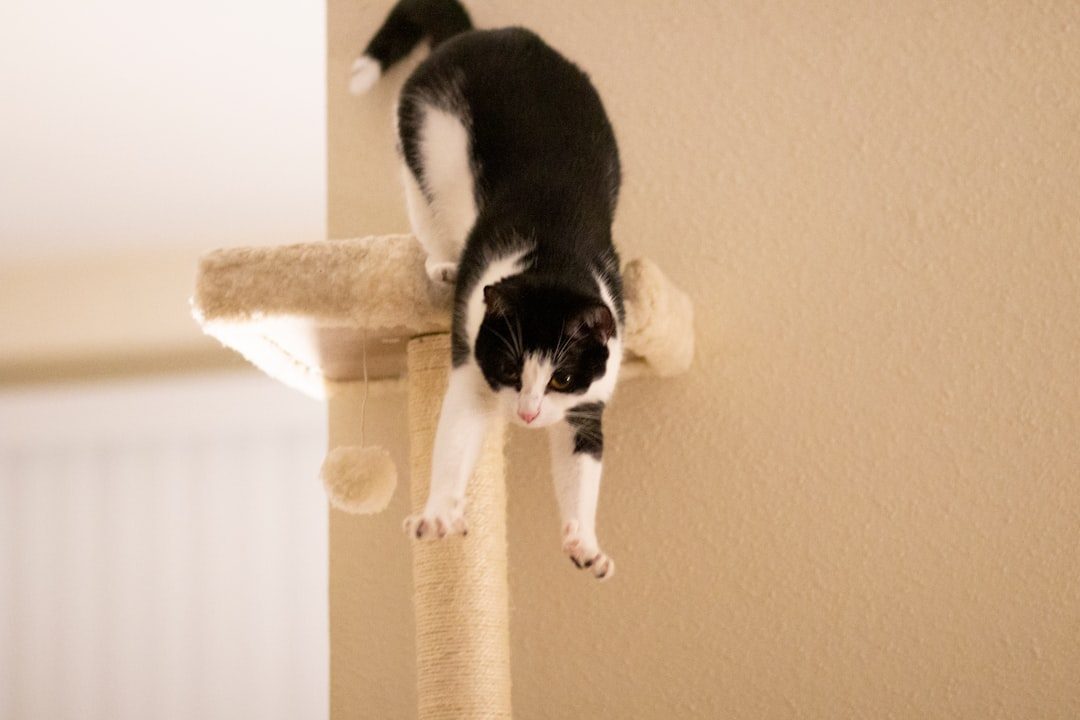
A cat’s flexible musculoskeletal system gives them exceptional coordination and balance and enables them to jump up high. Strong muscles in the hindquarters and back enable a cat to leap several times his own length, either horizontally or vertically. Your cat is an incredible athlete, even if they spend most of the day sleeping.
Cats are agile creatures with bodies built for jumping and climbing. Their strong hind legs allow them to leap impressive distances vertically. Climbing provides a workout that helps maintain muscle tone and flexibility. Climbing also offers important physical benefits: it trains balance, agility, and spatial awareness. It’s like they have their own built-in gym membership, except the equipment is your furniture.
Creating Safe High Spaces for Your Feline
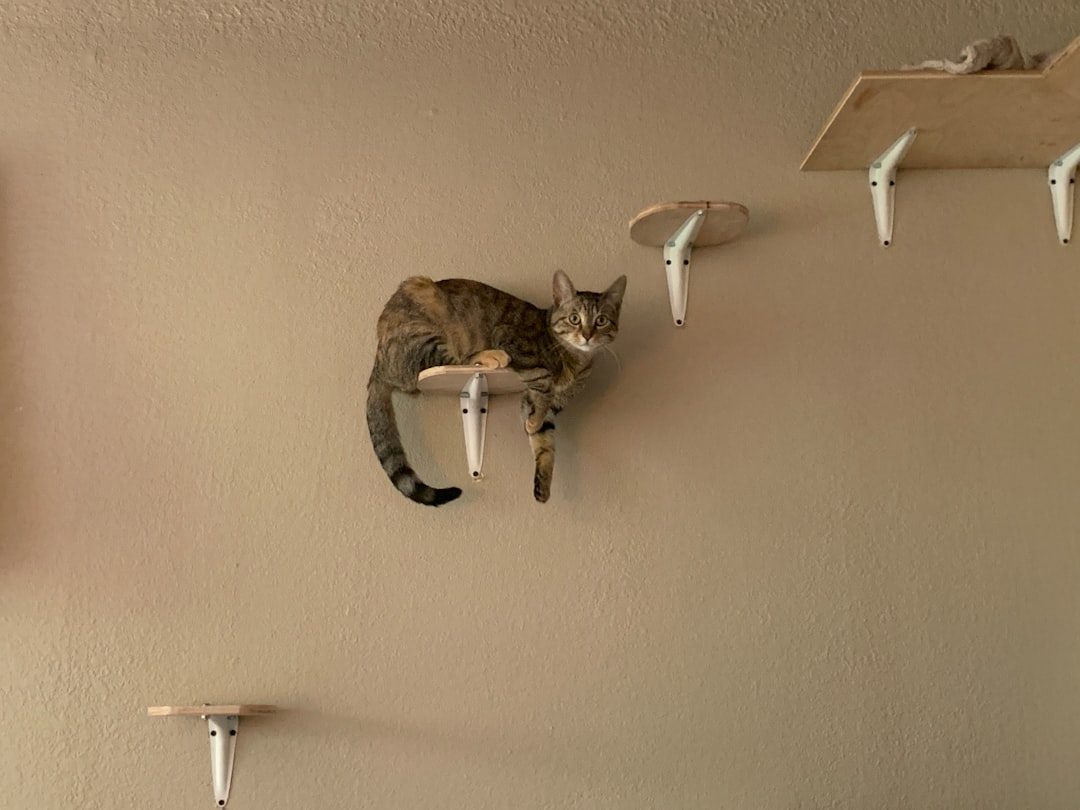
Now that you understand why your cat needs elevation, how can you support this natural behavior? Creating vertical spaces for your cat can be as easy as clearing off the top of your refrigerator, bookshelves, and cabinets. This offers your cat a larger surface area to perch on and removes any potential dangers. You don’t need to spend a fortune on elaborate cat furniture.
There are a variety of commercially available cat trees that will suit most spaces and budgets. They come in different heights, number of perches and/or compartments, and materials. Window perches, wall-mounted shelves, and even cleared-off bookcases can become your cat’s favorite hangouts. Think “highways,” not “dead ends”. Each raised location needs to have multiple paths for your cat to go up and down. This becomes especially critical in multi-cat homes where you want to avoid territorial disputes.
Conclusion

Your cat’s preference for high places isn’t some mysterious quirk. It’s a deeply rooted behavior that connects them to their wild ancestors and serves multiple practical purposes in your modern home. From safety and warmth to mental stimulation and stress relief, those lofty perches check nearly every box on your cat’s needs list. By understanding this behavior, you can create a more enriching environment that respects their natural instincts.
Next time you find your cat lounging on top of the wardrobe, remember they’re not being difficult. They’re being perfectly, wonderfully feline. What’s the highest spot your cat has claimed in your home? You might be surprised how much thought went into that choice.