Why You Should Never Ignore Your Cat's Dental Hygiene
You probably brush your teeth twice a day without thinking about it. Yet when it comes to your cat's dental health, it's easy to assume they're doing just fine without any help from you. After all, wild cats don't brush their teeth, right? Here's the thing though. Your indoor feline companion faces a completely different set of challenges than their wild cousins, and dental disease is quietly becoming one of the most common health threats lurking in your home.
Let's be real, most cat owners have never even looked inside their pet's mouth. There's this widespread myth that cats are lazy, low maintenance creatures who don't need much care beyond food and the occasional cuddle. Challenging that stereotype starts with understanding that your cat's teeth deserve just as much attention as any other aspect of their wellbeing.
The Silent Epidemic Hiding in Your Cat's Mouth
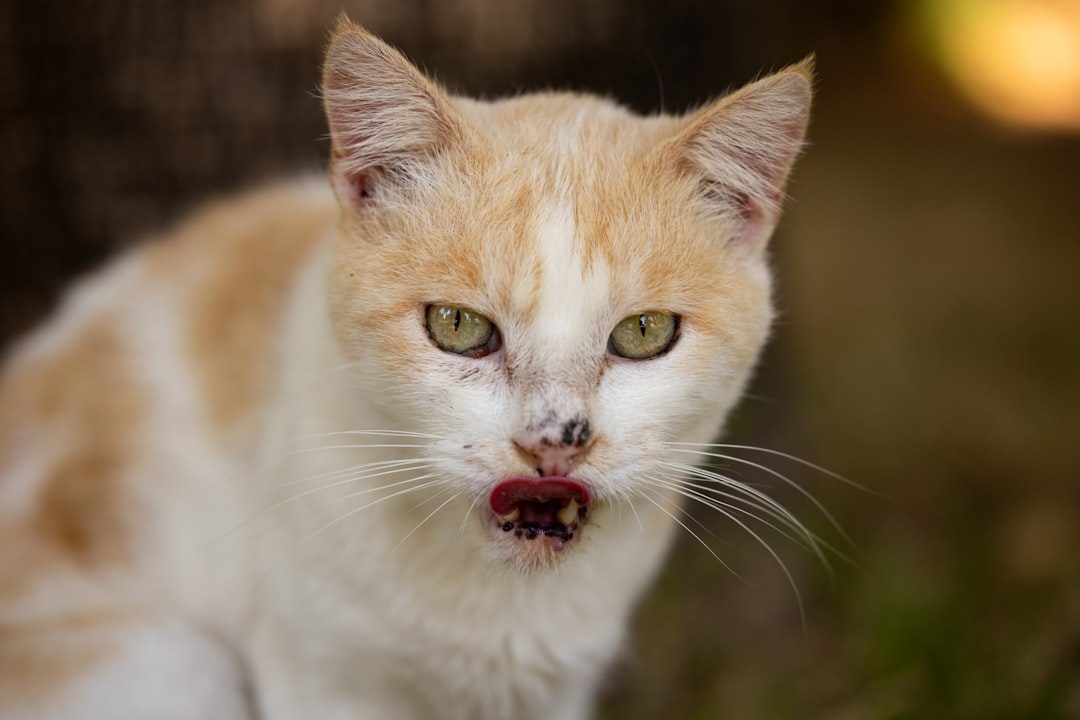
Studies show that somewhere between half and nearly all cats older than four years suffer from some form of dental disease. That's not a small problem. Roughly seven out of ten cats will develop some form of dental disease by the time they hit three years old. Think about that for a second. Your adorable kitten could be dealing with painful mouth issues before they're even out of their toddler years in cat time.
Your cat excels at hiding pain and might be suffering from a painful oral health problem without showing any signs of discomfort. This stoic behavior is hardwired into their survival instincts. In the wild, showing weakness could mean becoming prey. So your fluffy companion continues eating, playing, and purring even when their mouth is screaming in agony.
What Actually Happens When Plaque Takes Over
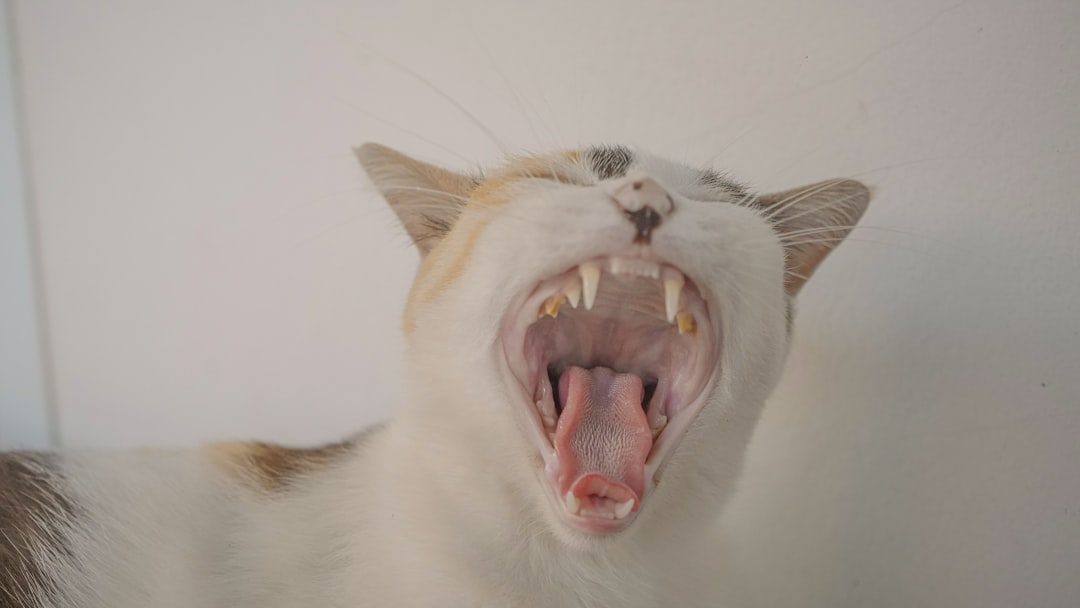
Your cat's teeth are designed for ripping and tearing meat, which means food and bacteria easily get trapped between teeth and under the gumline, where leftover particles, saliva, and bacteria combine to form plaque. It starts innocently enough with that invisible sticky film coating the teeth after meals.
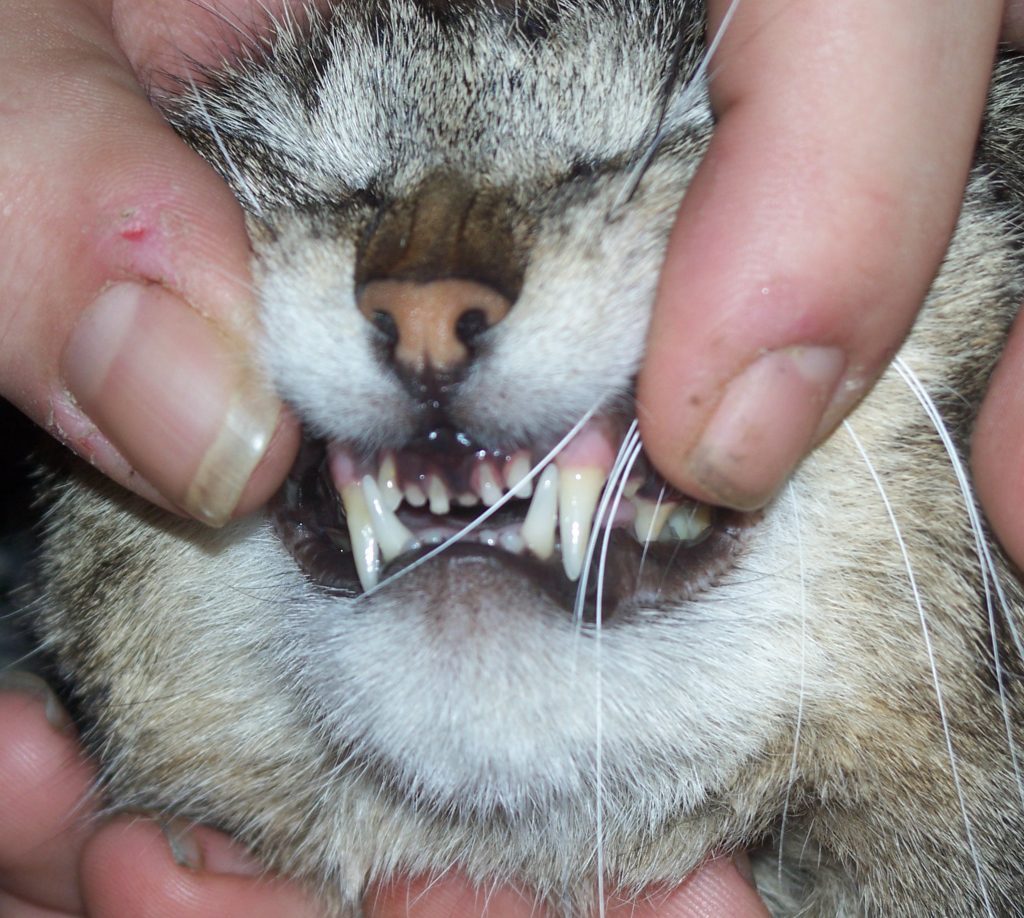
The real trouble begins when you don't intervene. When plaque absorbs minerals from saliva and the gingiva itself, it hardens into calculus or tartar. Once that happens, simple brushing won't cut it anymore. The tartar provides a perfect rough surface for disease causing bacteria to latch onto and multiply. Tartar builds up under a cat's gums and separates it from the teeth, creating spaces that foster bacterial growth and leading to irreversible periodontal disease.
Your Cat's Gums Are Screaming for Help
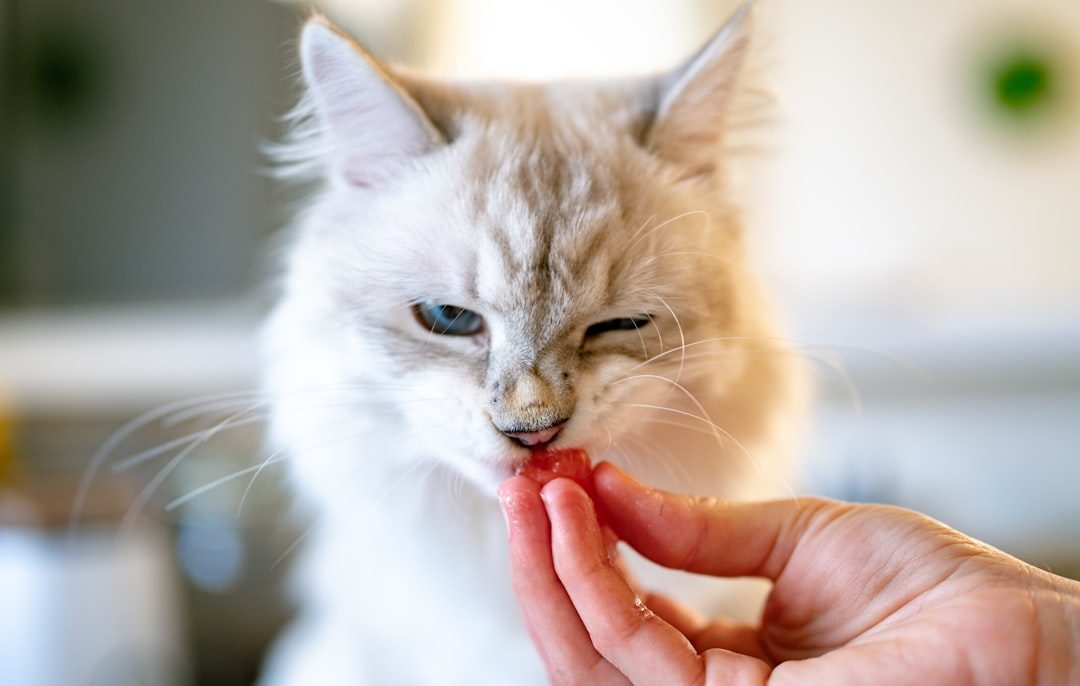
Gingivitis is where the nightmare really begins. This condition causes the gums around the teeth to become inflamed, usually as a result of plaque buildup that harbors bacteria. You'll notice swelling, redness, discomfort, and in severe cases bleeding where the gums meet the teeth, and cats may hesitate to eat, turn their heads unusually while eating, or stop eating altogether.
If gingivitis isn't controlled, it progresses to periodontitis, a condition that eventually cannot be reversed. The tissues attaching the tooth to underlying gums and bone weaken as disease causing bacteria and your cat's own immune system create damaging substances, leading to loose teeth and tooth loss. Honestly, it's heartbreaking to watch a condition that's completely preventable cause such devastation.
The Invisible Threat to Major Organs

Here's where things get genuinely scary. Dental problems don't stay confined to your cat's mouth. Bacteria and infections from oral health issues won't remain in your feline friend's mouth, instead circulating throughout their entire body and causing damage to major organs such as the heart, liver, and kidneys, which can lead to serious long term internal health issues affecting your cat's lifespan.
Periodontal disease allows bacteria to enter the bloodstream, leading to more serious health problems including heart, lung, and kidney disease if left untreated. Gingivitis affects your kitty's heart, liver, and kidneys, and impacts blood pressure, which in turn affects the kidneys, making dental care critically important since kidney disease is the most common disease in senior cats. The connection is undeniable and terrifying.
Tooth Resorption: The Painful Mystery
Tooth resorption is a process where tooth structure breaks down beginning inside the tooth, and it's the most common cause of tooth loss in cats, with somewhere between thirty and seventy percent of cats showing some sign of this destructive process. The cause remains unknown, which makes it even more frustrating for veterinarians and cat owners alike.
You'll usually first notice it as a pinkish defect where the tooth meets the gums, but by that time the tooth is already significantly damaged. Cats over five years often experience this incredibly painful dental condition, and roughly three quarters of older cats are affected. When this happens, extraction becomes the only option to relieve your cat's suffering.
Why Your Cat Won't Tell You They're in Pain

Cats are exceptionally good at hiding signs of pain, so symptoms of dental disease can easily be missed until your cat's oral health issue is advanced. It's hard to say for sure, but this behavior likely evolved as a protective mechanism. Predators target weak animals, so cats learned to mask their vulnerabilities.
Dental disease can cause serious pain and discomfort that impacts a cat's quality of life, and in many cases causes a cat to stop eating, which leads to a variety of additional health problems. You might notice your previously voracious eater suddenly becoming picky or turning their nose up at hard kibble. That's not them being difficult. That's them trying to cope with mouth pain they can't communicate.
The Home Care Revolution Your Cat Needs
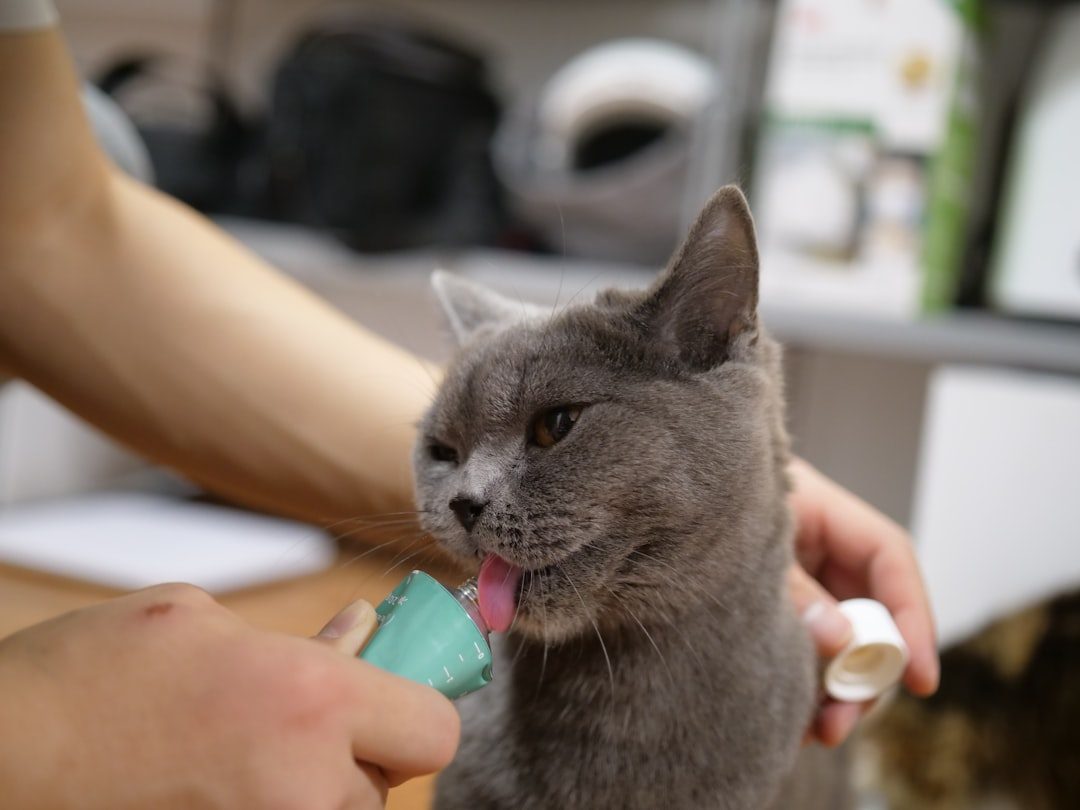
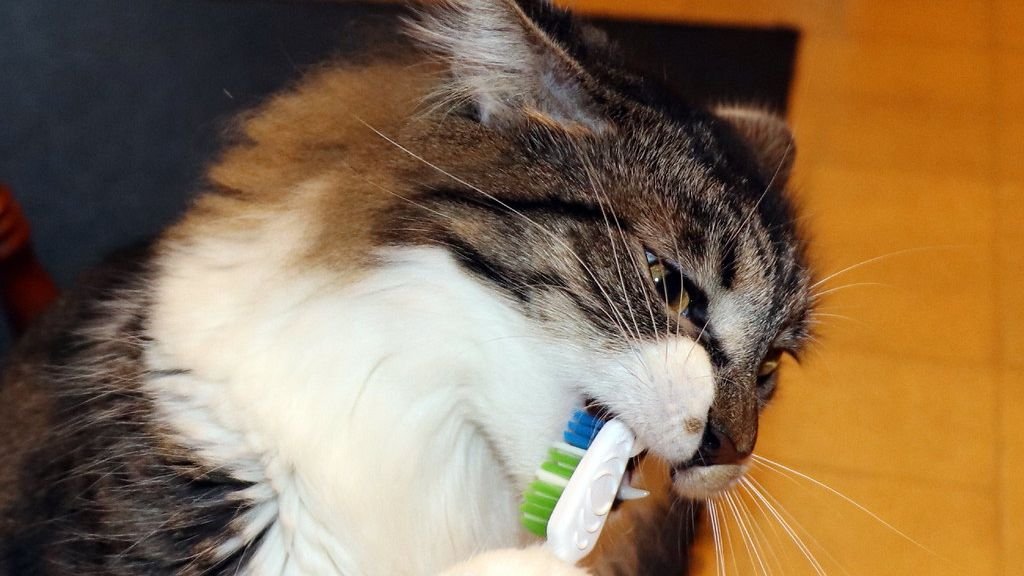
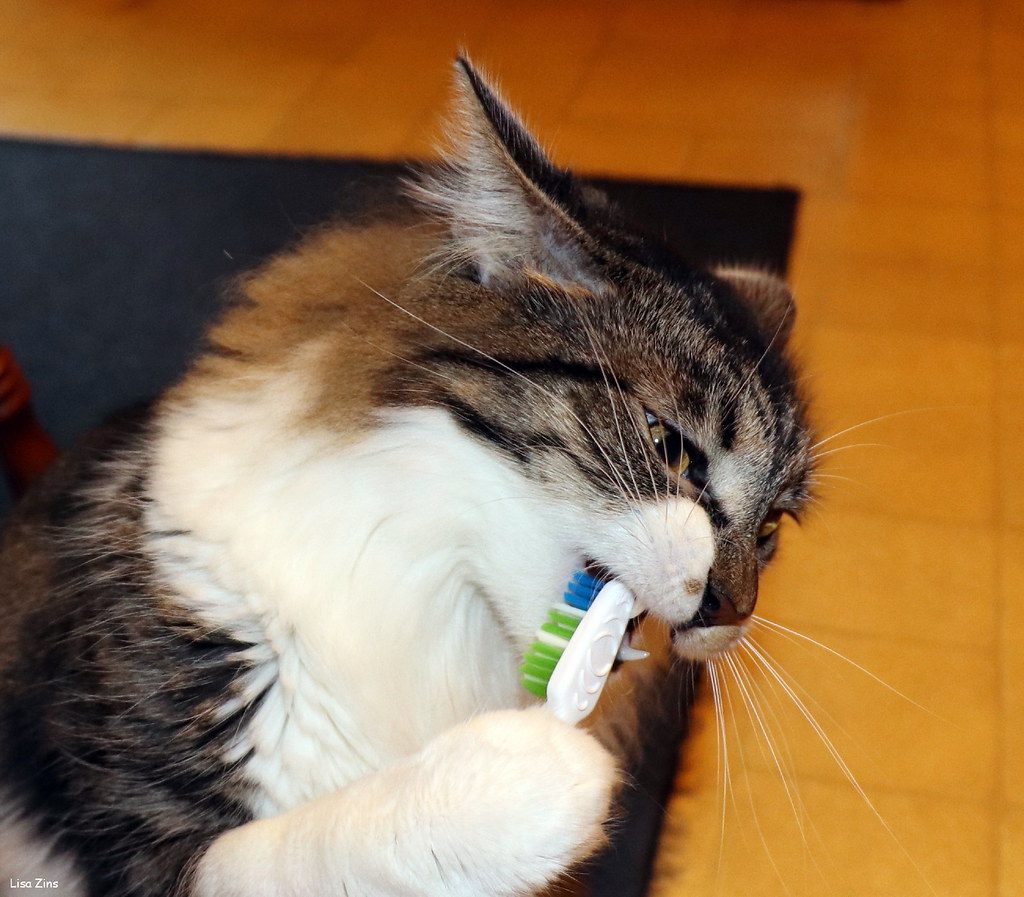
The best way to prevent gingivitis in cats is to regularly remove plaque buildup by tooth brushing. Daily brushing is ideal, though I know that sounds about as realistic as teaching your cat to do taxes. Brushing three times a week is the minimum recommendation to help remove plaque and prevent tartar accumulation.
If your cat is happy for you to brush their teeth once daily that's ideal, though you can introduce this to your cat at any age as long as it's done gradually and carefully. Establishing a daily oral hygiene routine while your cat is still a kitten makes cleaning their teeth easier and less stressful, as your cat becomes familiar with having their teeth brushed and mouth handled. Starting early is absolutely the key to success.
The Right Tools Make All the Difference
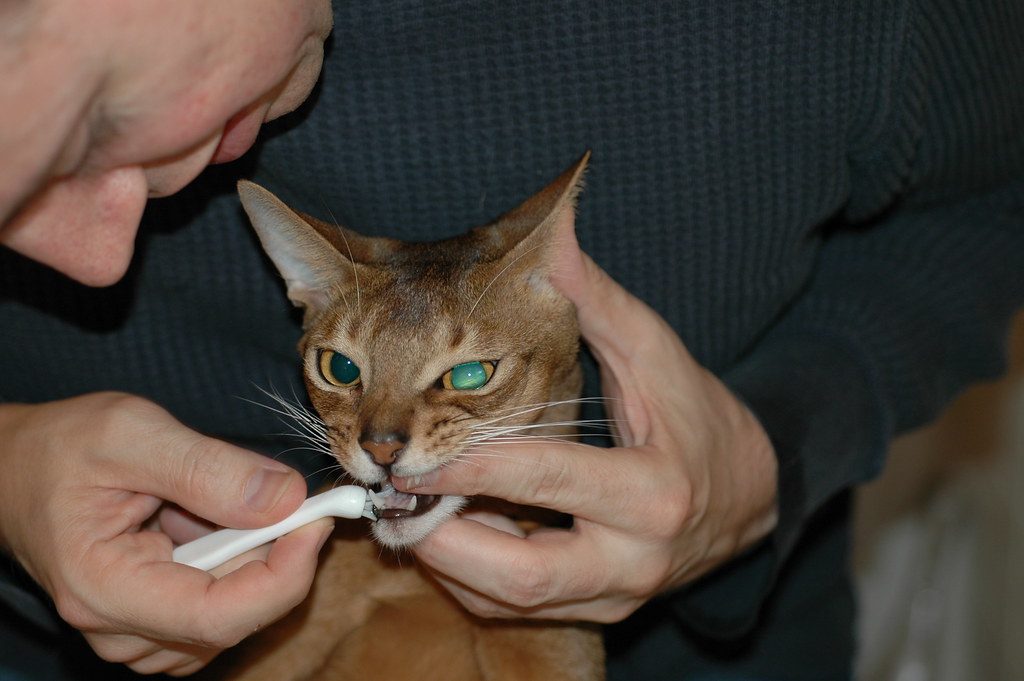
It's important to use only tooth gel or toothpaste designed specifically for cats, as human products can be toxic to cats. Seriously, never use your own toothpaste on your cat. The ingredients can make them very sick.
Gently rub along the area where gum tissue touches the tooth surface, which is the gingival margin where plaque accumulates and gingivitis is initiated. Start with just ten seconds on each side gradually building up to thirty seconds, and you may notice a small amount of bleeding from the gums at first, which is common and will stop as you brush more regularly and the gums become healthier. Patience is everything here.
When Brushing Just Won't Work
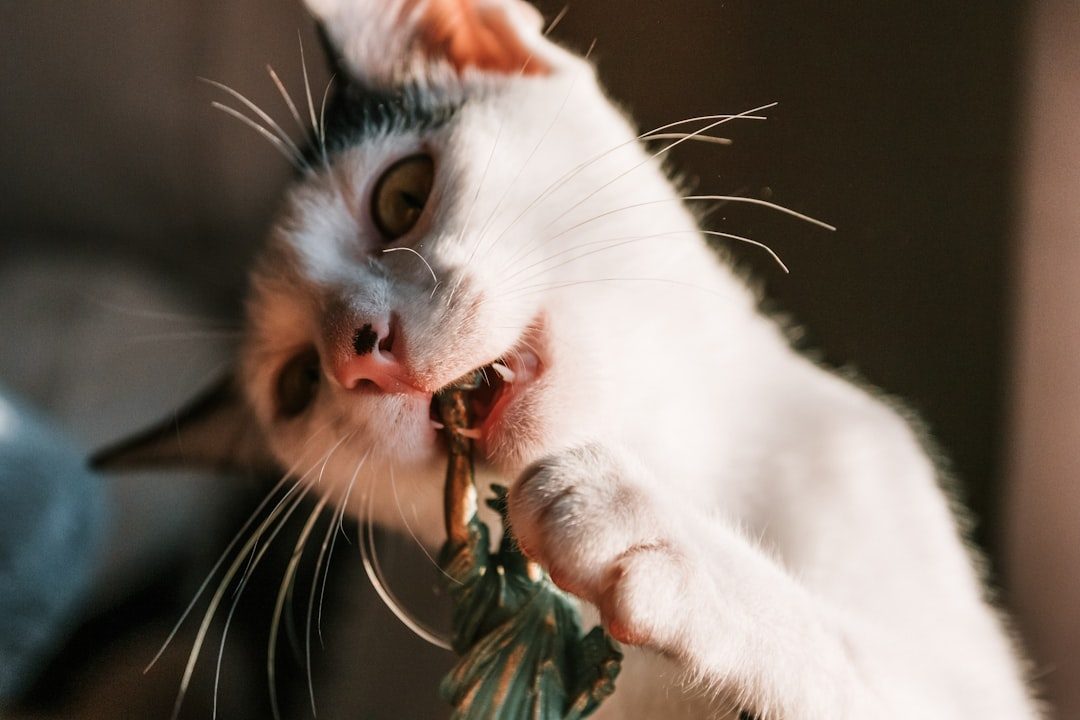
Not every cat will cooperate. Some cats simply won't tolerate having their teeth brushed no matter how much you persevere, and there are other options you may like to try to help prevent plaque and tartar formation. That's okay. You're not failing as a cat parent.
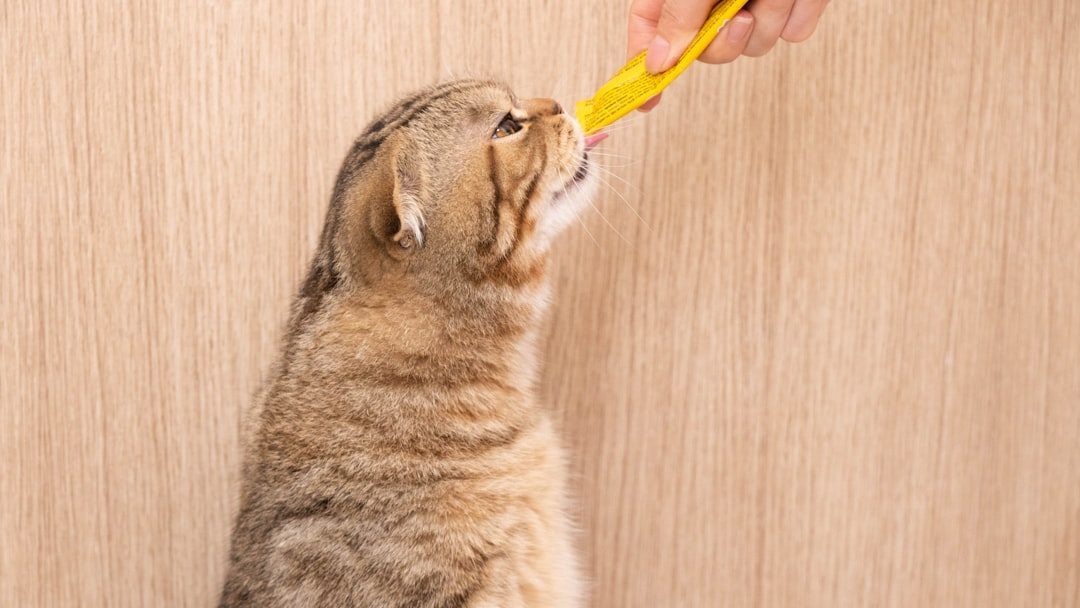
If brushing your cat's teeth is too difficult, consider adding plaque remover additives into their drinking water, getting them specially designed chew toys, or providing your cat with tasty dental treats. These alternatives won't be as effective as brushing, but they're infinitely better than doing nothing at all. Think of them as backup plans rather than ideal solutions.
Professional Cleanings: The Non Negotiable Appointment
Veterinarians recommend maintaining a daily at home oral hygiene routine in addition to annual dental cleanings and exams to keep your cat's teeth and gums healthy throughout their life. Annual professional dental care should be part of your kitty's preventative healthcare routine, where your vet will evaluate your cat's oral health, take X rays if required, and do a thorough cleaning.
By three years of age, most cats will have some form of mild to moderate dental disease that requires a comprehensive oral examination and treatment performed under general anesthesia. Yes, anesthesia sounds scary. However, modern veterinary anesthesia is incredibly safe, and the alternative of letting dental disease progress is far more dangerous. These professional cleanings can literally add years to your cat's life.
Your Cat's Teeth, Your Cat's Future
Proactive dental care can decrease risk of other medical conditions like heart disease, sinus infections, and renal disease, and can contribute to a longer life together with your cat. The investment of time, effort, and money into dental hygiene pays massive dividends in your cat's quality of life and longevity.
Regularly monitoring and cleaning your cat's teeth allows for early detection of any oral health issues, helping your cat avoid pain and costly treatment. Prevention is always cheaper and less traumatic than treatment. Those annual dental checkups might seem like an unnecessary expense until you're facing a multi thousand dollar bill for extensive dental surgery and tooth extractions.
The bottom line is simple. Your cat depends on you to notice what they're hiding. Their stoic nature means you need to be proactive rather than reactive. Dental hygiene isn't optional or something you can put off until later. It's a fundamental component of responsible cat ownership that directly impacts how long and how well your feline companion will live.
Did you think dental care was really that important for cats? What steps are you taking to protect your cat's teeth?