8 Mistakes People Often Make When Caring for Cats
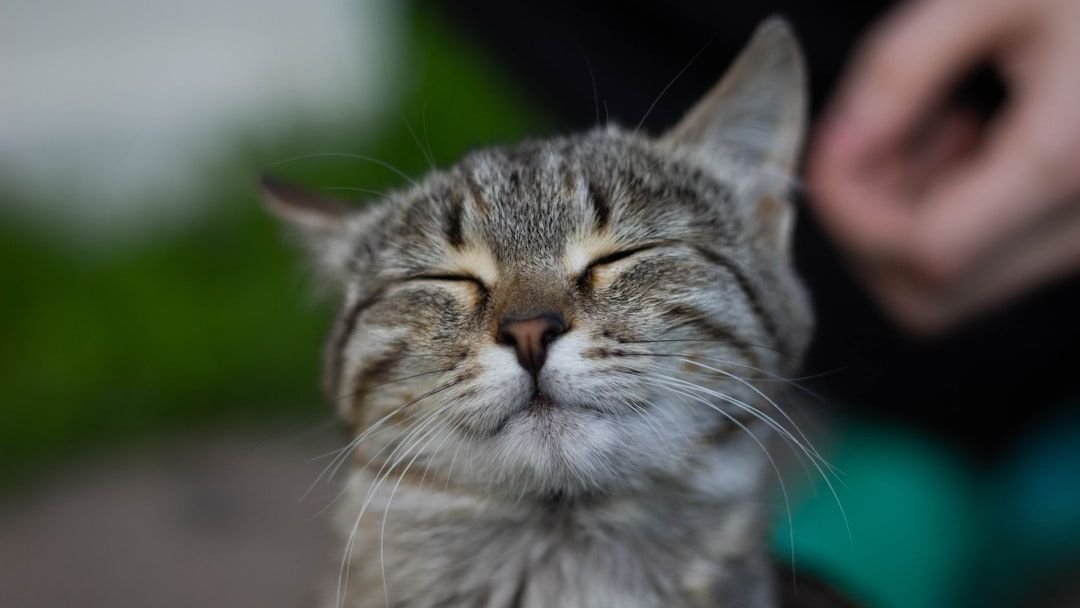
You probably think you've got your cat figured out. They're independent, they groom themselves, and they spend half the day napping in sunbeams. How hard can it be to care for them, right? Here's the thing, though: cats are incredibly skilled at masking their true needs. They won't complain when something's wrong, and they certainly won't tell you when you're making a mistake that affects their wellbeing.
The truth is, even devoted cat lovers can unknowingly stumble into some pretty serious pitfalls. These missteps aren't always obvious, and they definitely don't come with warning labels. Whether you're a first-time owner or you've shared your home with cats for years, there's a good chance you might be falling for some common misconceptions. Let's dive into the most frequent mistakes people make when caring for their feline companions, and more importantly, how you can avoid them. Your cat might not say thank you, but trust me, they'll notice.
Skipping Regular Veterinary Checkups
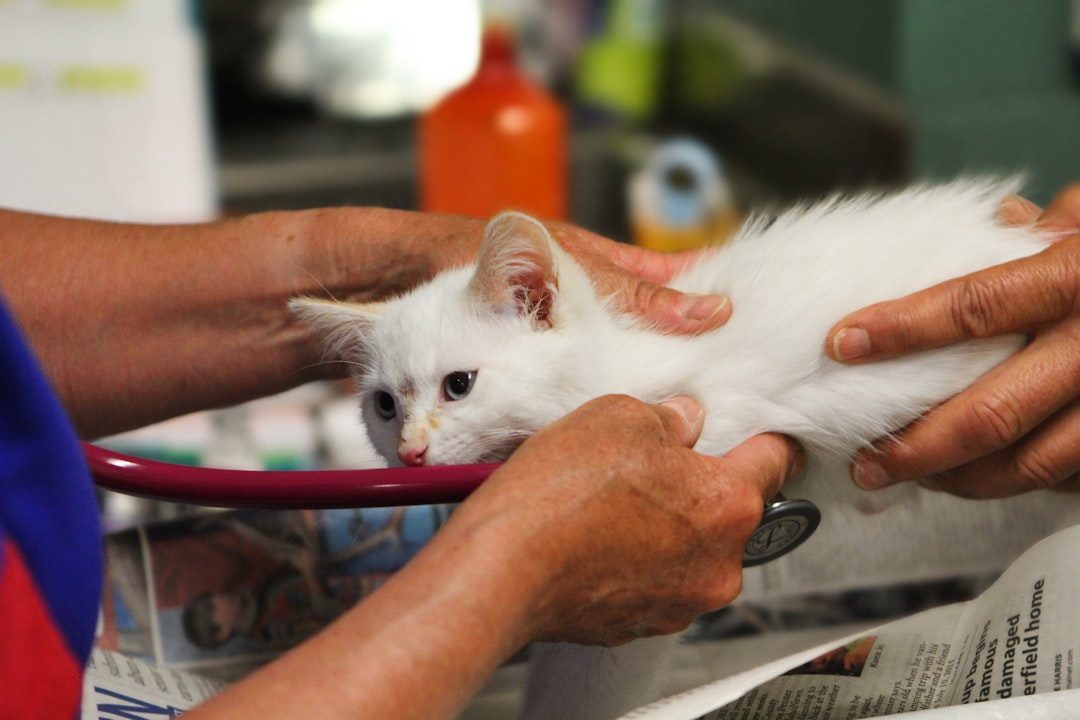
Your cat might seem perfectly healthy to you, but skipping annual vet visits is one of the biggest mistakes new cat owners make, as cats are masters at hiding discomfort or illness. By the time you notice something's off, the problem could already be serious. Think about it: your cat can't tell you when they're feeling pain or when something just doesn't feel right inside.
Regular veterinary checkups are crucial because cats are known for hiding signs of illness, and by the time symptoms are noticeable, the problem may be more severe. During these checkups, your pet's doctor looks for subtle signs of illnesses and diseases, and early detection may make it easier to treat conditions and reduce your pet's risk of complications. Honestly, I've heard so many cat owners say their indoor cat doesn't need the vet, but that's just not true.
Neglecting Their Diet and Overfeeding
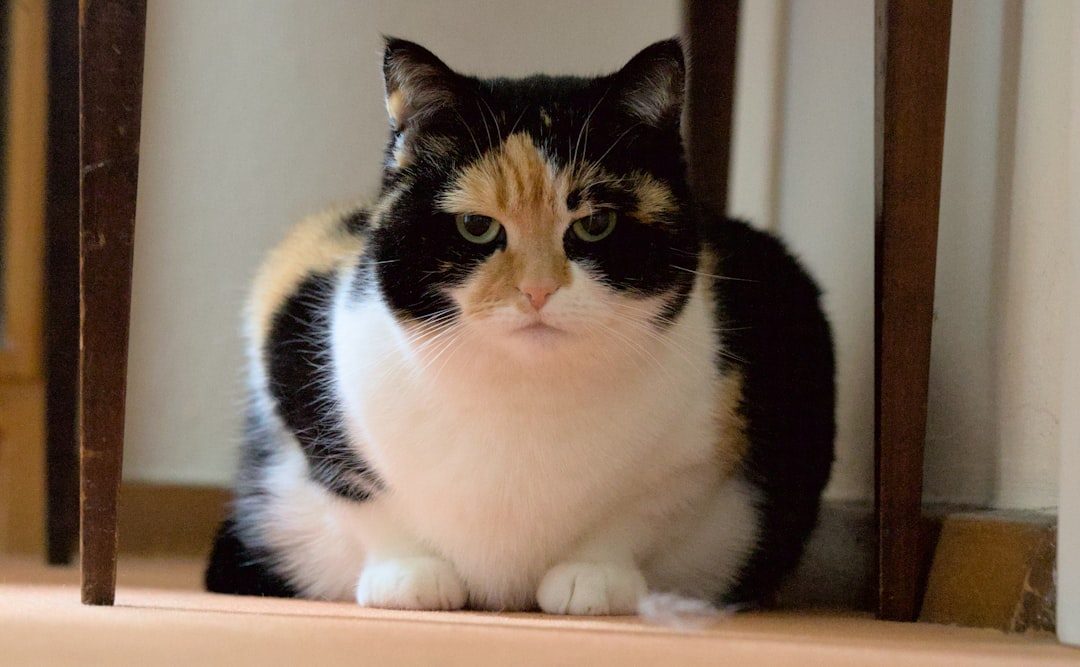
Many cat owners make the mistake of feeding their cats an all-dry food diet, which can be deficient in moisture and lead to urinary tract problems, since cats are obligate carnivores, meaning their diet should consist mainly of meat. You might think filling up that bowl to the brim is doing your cat a favor, but it's really not.
Free-feeding your cat can quickly lead to obesity, which brings a whole host of problems. Topping off the bowl may seem harmless, but it could increase your pet's risk of becoming overweight or obese, leading to diabetes, arthritis, gastrointestinal problems, liver disease, and other conditions. Cats often need more moisture than dry food provides, as they may not drink enough water on their own, and a diet consisting of wet food or incorporating wet food with dry food can help prevent dehydration and kidney problems.
Ignoring Litter Box Hygiene and Placement
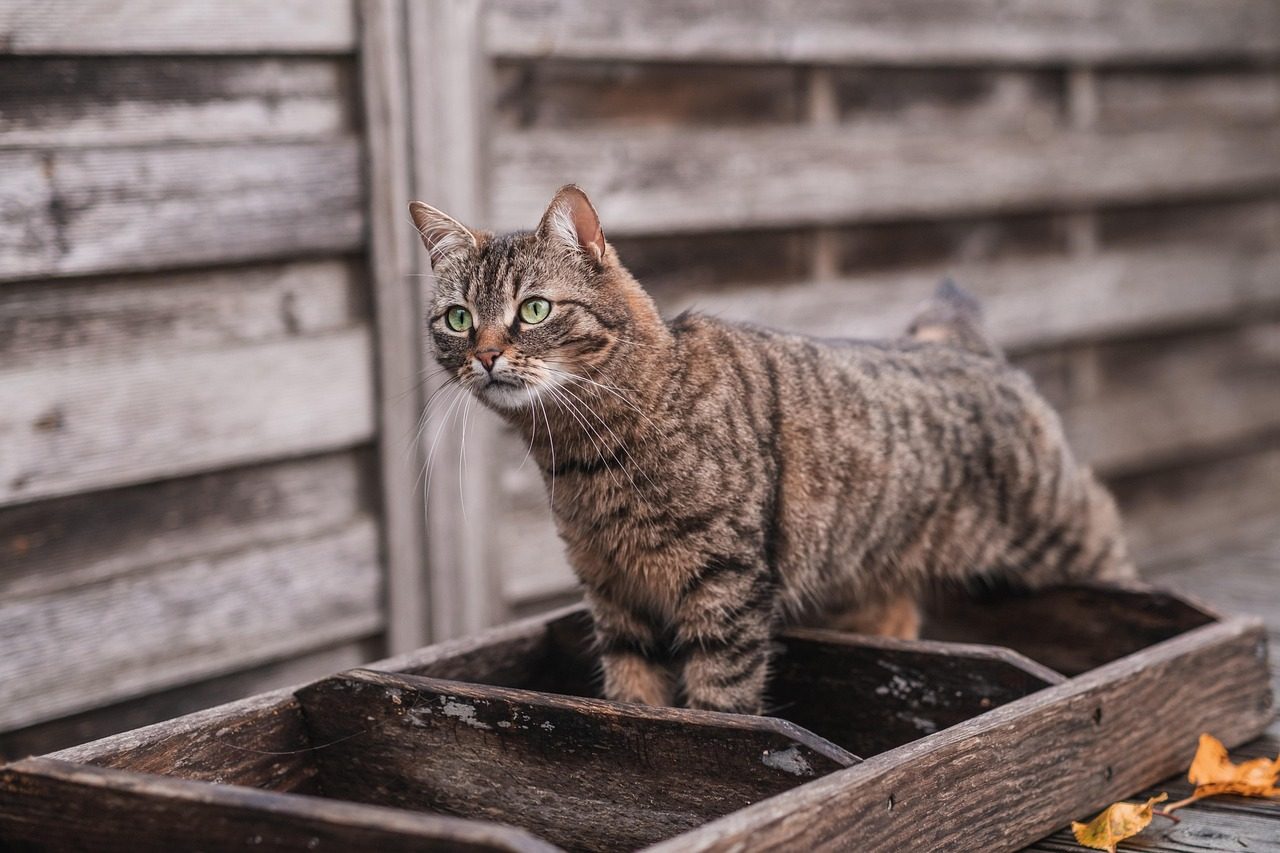
Let's be real: nobody enjoys cleaning the litter box. Dirty litter boxes are one of the most common reasons cats stop using them, and some owners also use heavily scented litter, which can turn cats off. When your cat starts eliminating outside the box, it's not them being spiteful or misbehaving just for the fun of it.
A clean and accessible litter box is essential, but failing to clean the box regularly or placing it in an area that is too noisy or difficult for the cat to access is a common mistake, as cats are fastidious creatures and may refuse to use a dirty or improperly placed litter box. This can lead to stress, anxiety, and accidents around your home. In a multi-cat household, you need at least two litter boxes for one cat and three for two cats, as there should always be at least one extra litter box for your cats.
Believing Cats Don't Need Playtime or Mental Stimulation
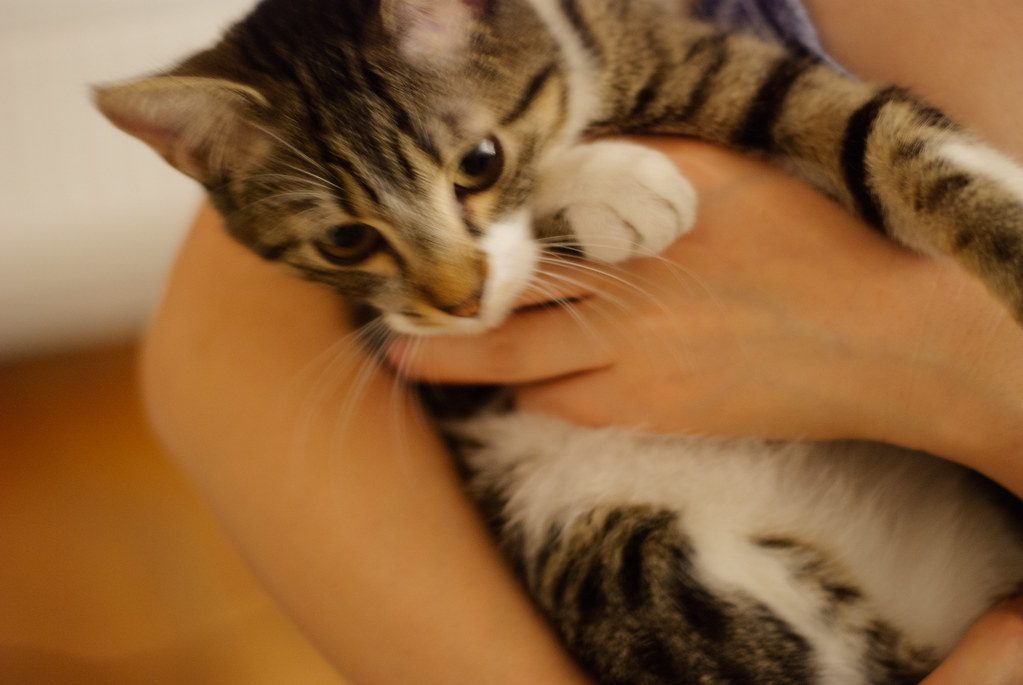
Sure, your cat sleeps roughly sixteen hours a day, but that doesn't mean they're happy just lounging around doing nothing when they're awake. Assuming cats don't need any playtime is a mistake, because they still need to be played with and stimulation, and without it, cats can gain weight and develop anxious behaviors.
A lack of stimulation is a mistake many cat owners make without even realizing it, as bored cats can become aggressive and destructive, and boredom can cause serious issues like over-grooming, which can lead to skin conditions, or increased stress and depression. Think of it this way: cats are natural hunters, and they need an outlet for those instincts. Interactive toys, climbing structures, and daily play sessions aren't luxuries - they're necessities. I know it sounds crazy, but even the laziest-looking cat needs you to engage with them.
Using Punishment Instead of Positive Reinforcement
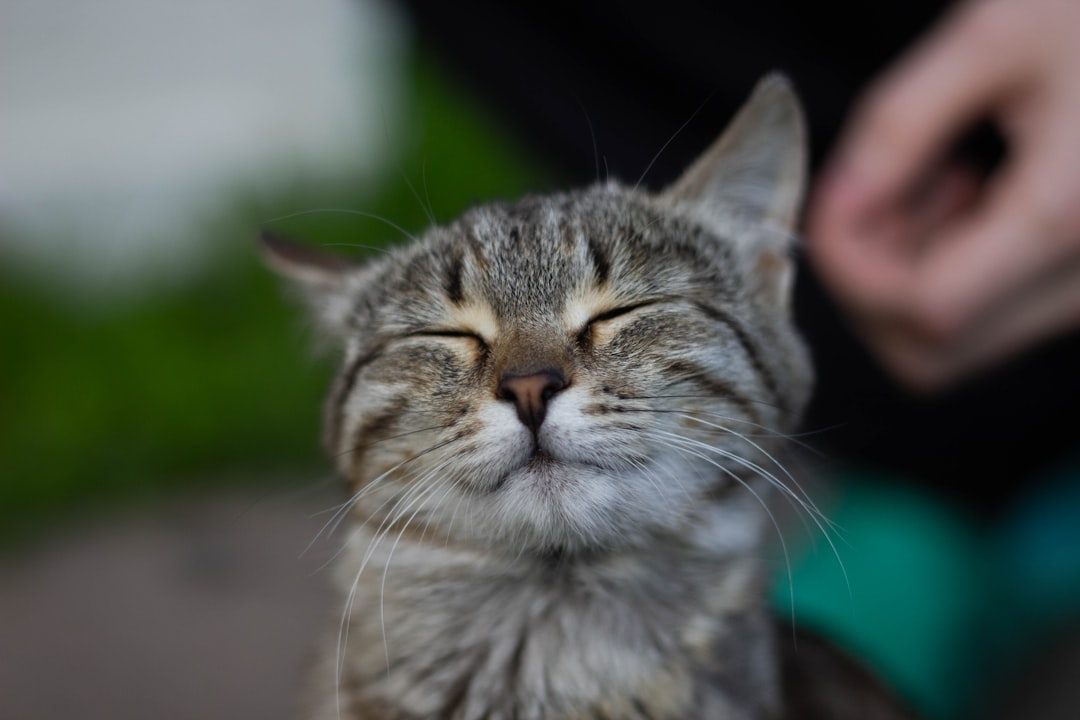
Punishing your cat for instinctual behaviors is ineffective and could harm your relationship, as when your cat claws your sofa, sheds fur on your clothes, or pounces on your toes, these actions stem from natural instincts, not mischief. Yelling at your cat or squirting them with water might seem like it's teaching them a lesson, but it's actually just creating fear and damaging the bond you share.
The best approach to training and disciplining cats is positive reinforcement, because unlike punishment, which can create fear and damage your relationship with your cat, positive reinforcement encourages good behavior by rewarding desired behaviors with treats, praise, or playtime immediately after the behavior occurs. Cats don't think like we do. They won't connect punishment with what they did wrong ten minutes ago. Instead of punishment, which your cat may not comprehend, reinforce positive behavior by teaching your cat proper behavior through rewarding her with praise, treats, and toys when she exhibits good behavior.
Overlooking Dental Health
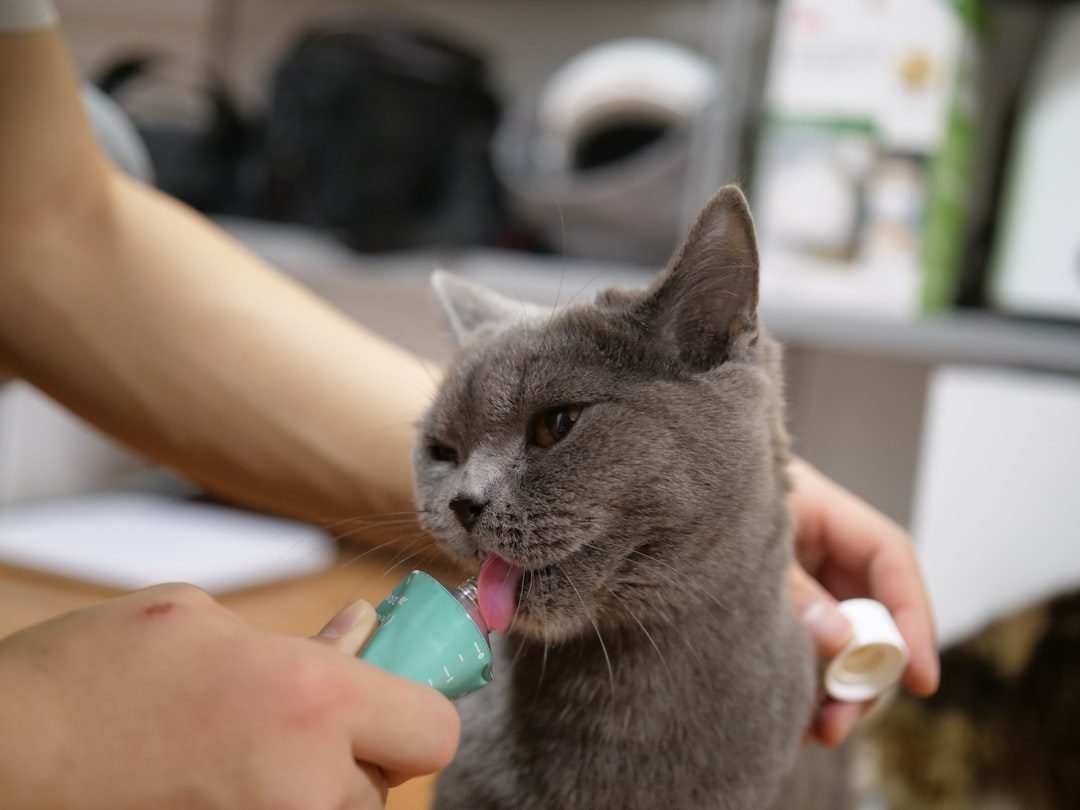
Dental disease is one of the most common reasons cats visit the vet, and also one of the most costly, and dental disease isn't always confined to the mouth, either, as it can lead to a host of other health problems. Most people brush their own teeth twice a day without thinking about it, yet somehow cat dental care gets completely overlooked.
Just like us, cats need dental care, and yearly dental checkups are recommended for cats. If you've never looked inside your cat's mouth, you might be surprised at what's going on in there. Plaque and tartar don't just cause bad breath - they can lead to infections that make eating painful and can even affect other organs. It's hard to say for sure, but regular tooth brushing can prevent a world of pain and expensive vet bills down the road.
Keeping Indoor Cats Unvaccinated
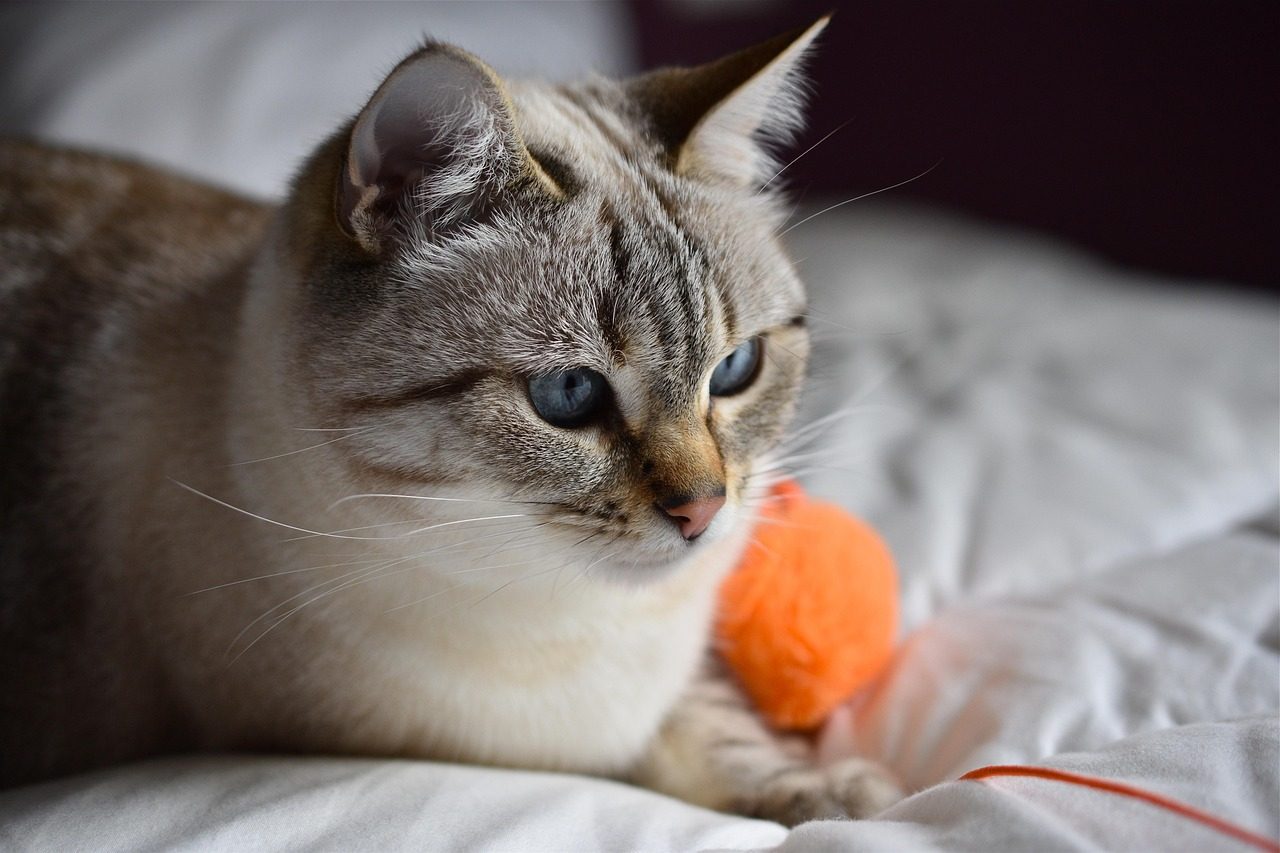
Almost every state requires pets to have rabies vaccines unless the vet says there's a medical reason not to, and just because your cat never ventures outdoors doesn't mean it's safe from diseases like rabies or leukemia, as your cat might make a dash outside, and even supervised kitties could catch Feline Leukemia just by going nose to nose with another cat. The "my cat stays inside, so they don't need vaccines" argument just doesn't hold up.
Indoor cats need to be vaccinated as often as cats that go outside, and the same is true for deworming, external parasite control and regular preventive healthcare visits to the veterinarian. Fleas and ticks can hitch a ride into your home on your clothes or on dogs, and diseases can spread in ways you'd never expect. Honestly, it's just not worth the risk to skip vaccinations when they're such an effective way to protect your cat's health.
Misunderstanding Their Social and Emotional Needs
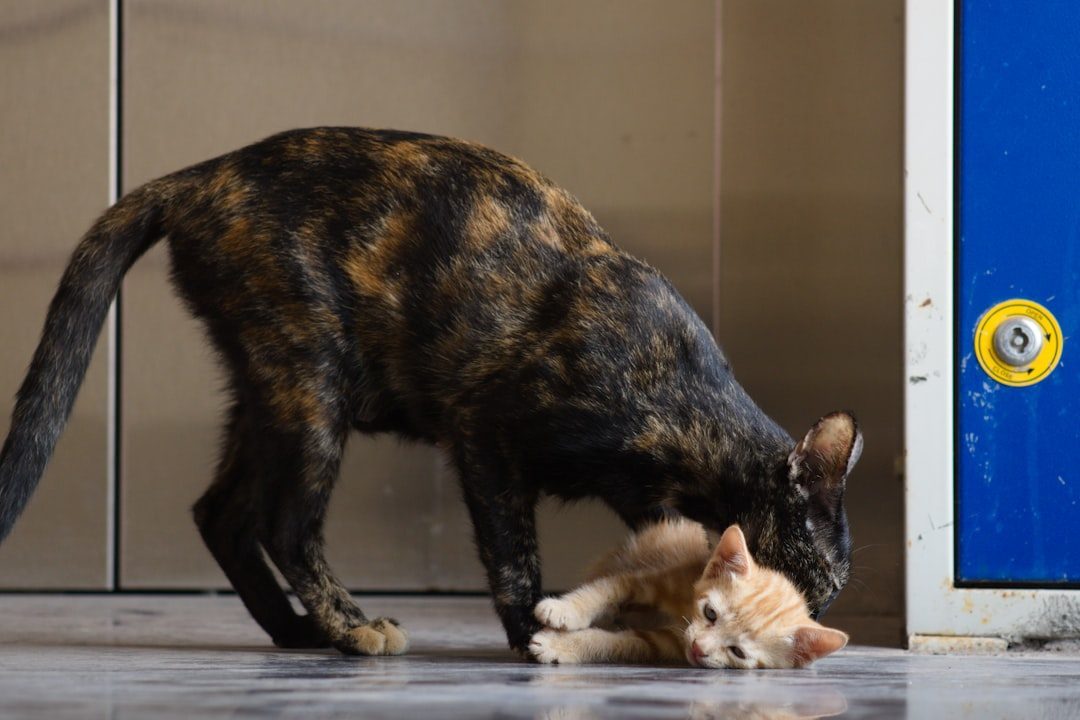
Many owners are inclined toward agreement that cats are independent and have less social needs than other animals, but beliefs such as these are not supported by the scientific data on cat social behavior and may result in failure to meet cats' individual social or environmental needs. Cats aren't just furry roommates who tolerate your presence - they actually form genuine bonds with you.
Research shows that shelter and pet cats spent less than twenty percent of testing time interacting with an inattentive human, but on average spent over sixty percent of trial time seeking the proximity of the same human when the human was attentive, indicating the importance of the cat's lifelong social exposures on their social behaviors. Your cat craves your attention more than you might realize. They might not show affection the same way a dog does, but that doesn't mean they don't feel it deeply. Ignoring your cat's emotional needs can lead to behavioral issues, stress, and a fractured relationship that leaves both of you feeling disconnected.
Conclusion
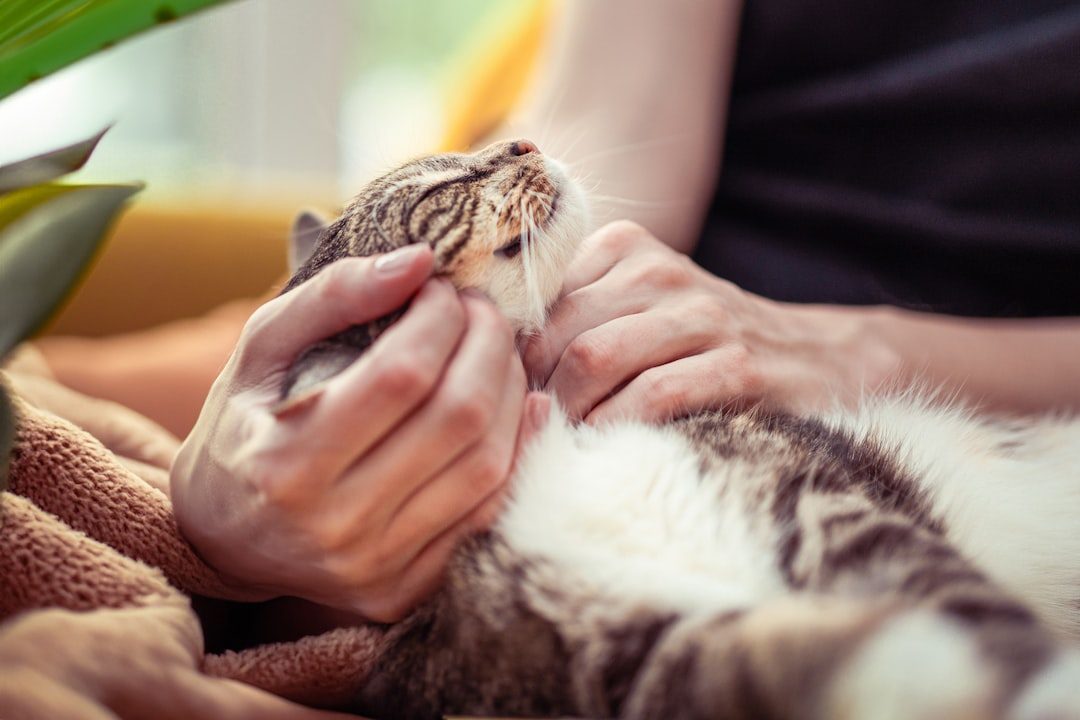
Caring for cats isn't quite as effortless as their independent reputation suggests. The mistakes we've covered aren't signs of being a bad cat owner - they're simply gaps in understanding what these remarkable animals truly need. From regular vet visits to recognizing their social nature, every small change you make can dramatically improve your cat's quality of life.
The bond you share with your cat is built on trust, consistency, and genuine care. When you take the time to avoid these common pitfalls, you're not just preventing health problems - you're strengthening that special connection that makes cat companionship so rewarding. Your cat chose to share their life with you, and that's no small thing. What steps will you take today to become the cat owner your feline friend deserves?