9 Surprising Ways Your Senior Cat Stays Playful and Young at Heart
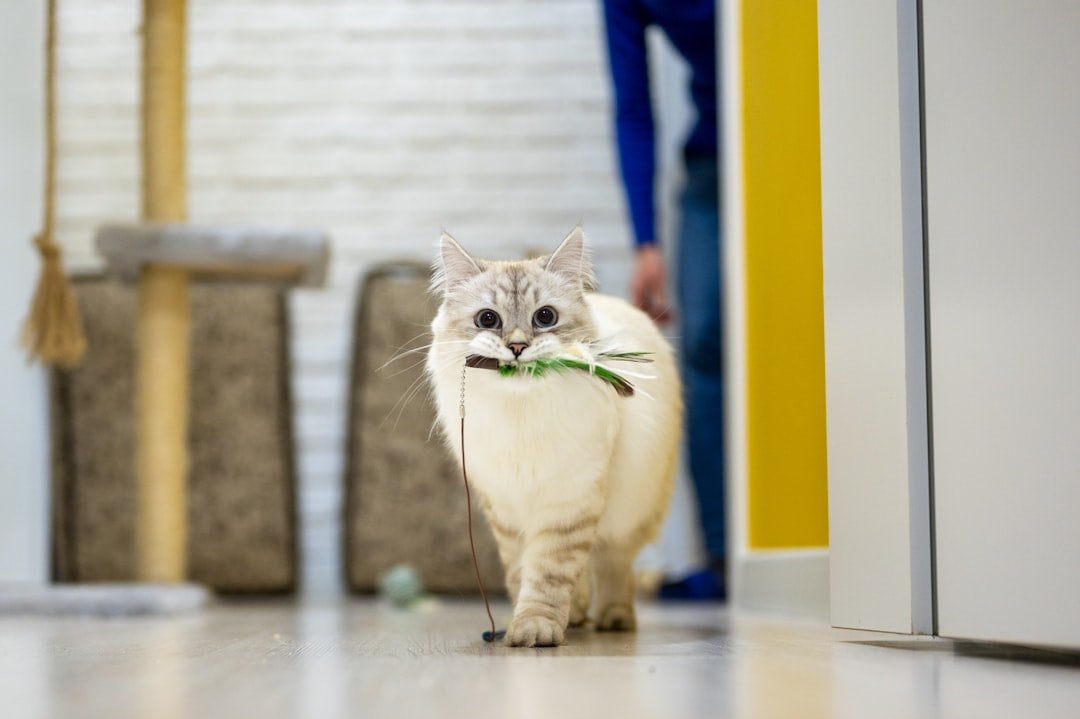
You might think your older cat has officially retired from the pouncing and zooming life, settling permanently into a sun spot with no intention of ever chasing a toy again. Think again. Senior cats have a secret arsenal of strategies that keep them engaged, curious, and yes, surprisingly playful well into their golden years.
The truth is, while your aging feline might sleep a bit more and move a bit slower, they haven't lost that spark. They've just become more selective about how and when they use it. Let's dive into the fascinating ways your senior cat maintains that kitten-like spirit, even when their whiskers are showing a little gray.
They Master the Art of Short, Sweet Play Sessions
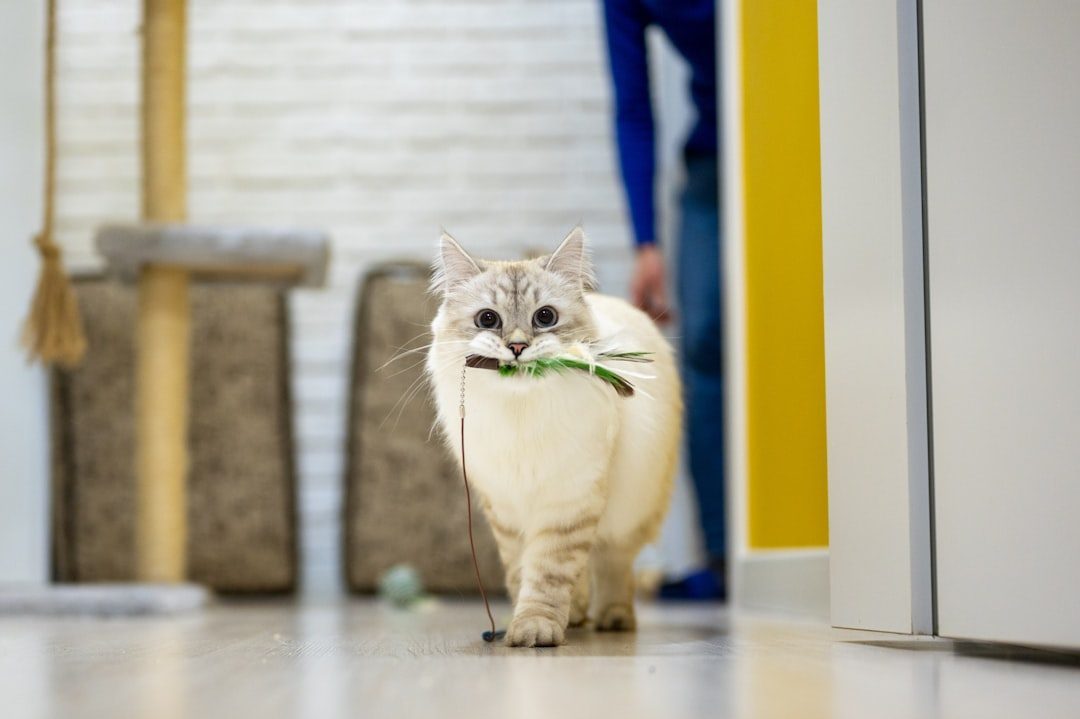
Your senior cat has figured out something brilliant: short play sessions, often just a few minutes long, are ideal to keep them from overdoing it. Gone are the marathon play sessions of their youth, replaced by smart, calculated bursts of activity that keep their muscles engaged without exhausting them.
Several short play sessions throughout the day work better than one long session every other day. Your cat instinctively knows when to take breaks, often settling down for a quick nap after a brief bout of activity. This isn't laziness - it's wisdom. They're pacing themselves, conserving energy while still getting the mental and physical stimulation they need.
They Turn Mealtime Into a Mental Workout
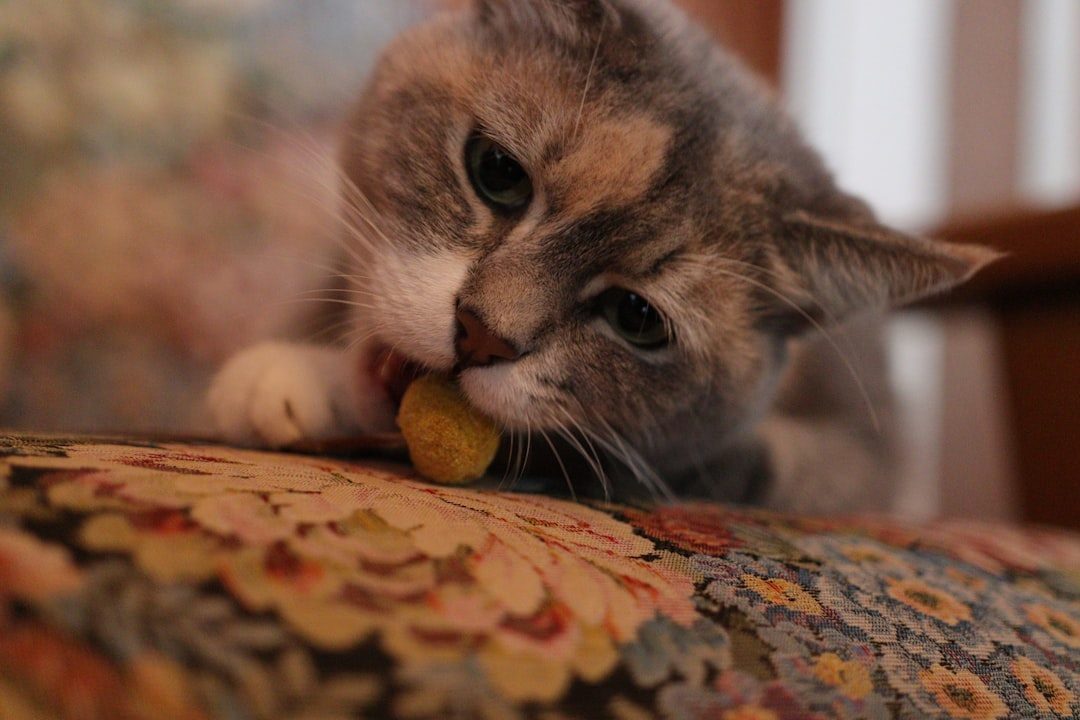
Senior cats keep their brains sharp by playing food games, like searching for mini meals hidden throughout your house in various spots from low to high. It's genius, really. Instead of mindlessly eating from a bowl, they're problem-solving, hunting, and working for their reward.
Puzzle feeders encourage movement and mental engagement, allowing them to engage at their own comfort level and take breaks when needed. The puzzle element provides cognitive stimulation that helps keep their minds active. Think of it as Sudoku for cats, but with kibble as the prize. These interactive feeders stimulate your cat mentally while providing a reward, encouraging them to work for their food.
They Embrace Low-Impact Entertainment
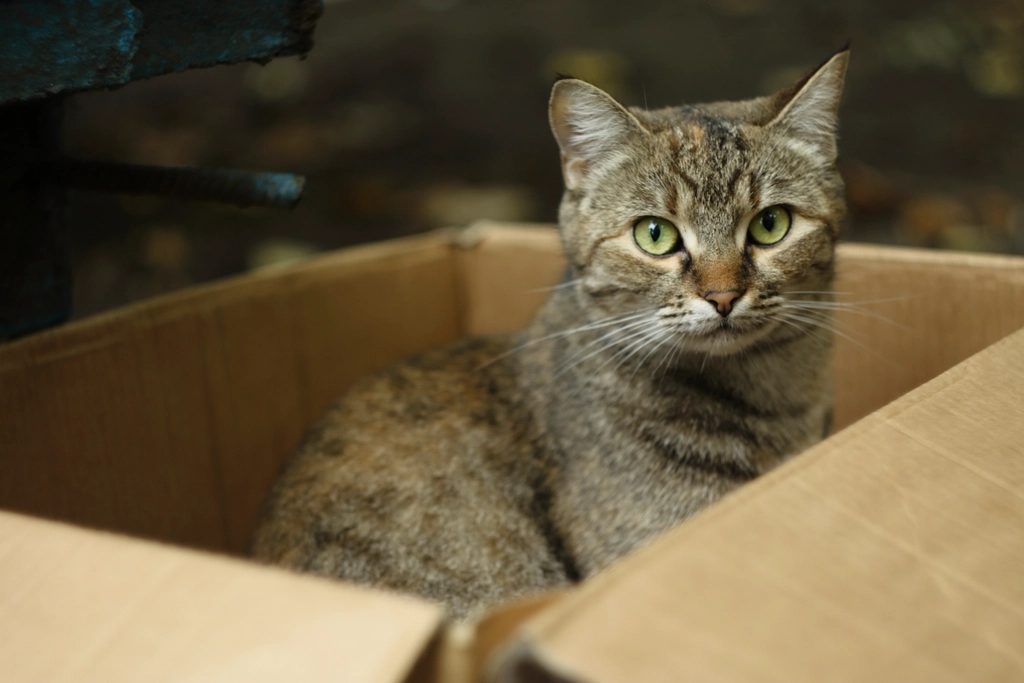
Ball and track toys let older cats swat at the ball and watch it move, cardboard boxes with holes can become fun caves, and brown packing paper sprinkled with catnip is loads of fun to roll around in. Your senior cat doesn't need acrobatic feats to feel entertained - sometimes the simplest pleasures bring the most joy.
Battery-powered toys that move under a fabric cover or spin around a stationary pedestal let your senior cat use their eyes, ears, and paws without having to run around. It's like having the entertainment value of a live prey without the physical demands. They're spectators and participants rolled into one, engaging on their own terms.
They Channel Their Inner Hunter Through Window Watching
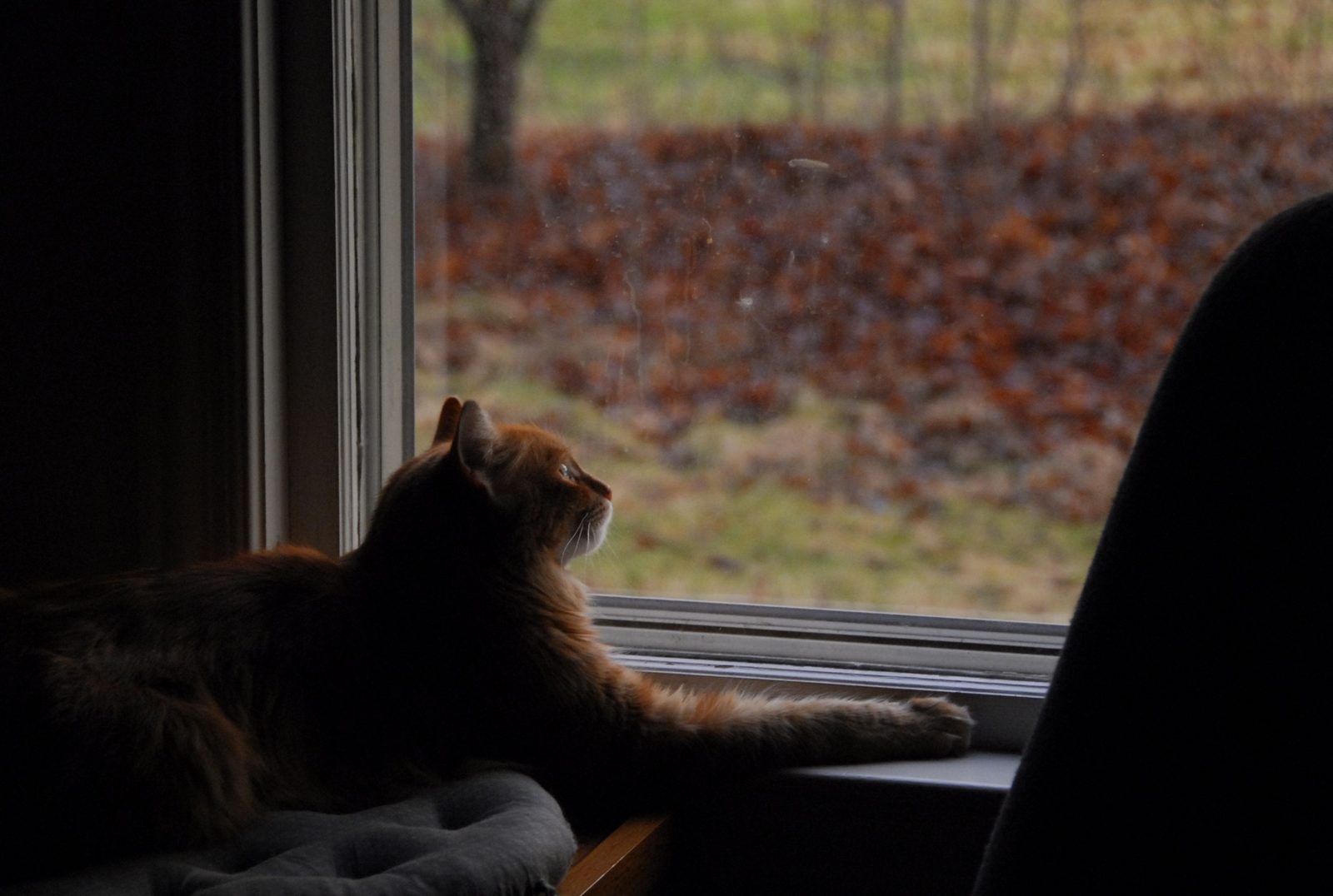
Here's the thing - your senior cat might not be chasing actual birds anymore, but that doesn't mean they've lost interest. Installing a bird feeder outside the window brings new creatures into your cat's line of sight, like television for cats, and they'll jump up for a view of the hungry birds.
Even if your cat has lost mobility and isn't up for play, birdfeeders outside windows or bird and insect videos on TV can pique their interest. This passive form of entertainment keeps their predatory instincts alive and their minds engaged. You might notice their tail twitching or their pupils dilating as they watch - that's the hunter in them, alive and well, just operating from a comfy perch instead of the battlefield.
They Adapt Play to Match Their Physical Abilities
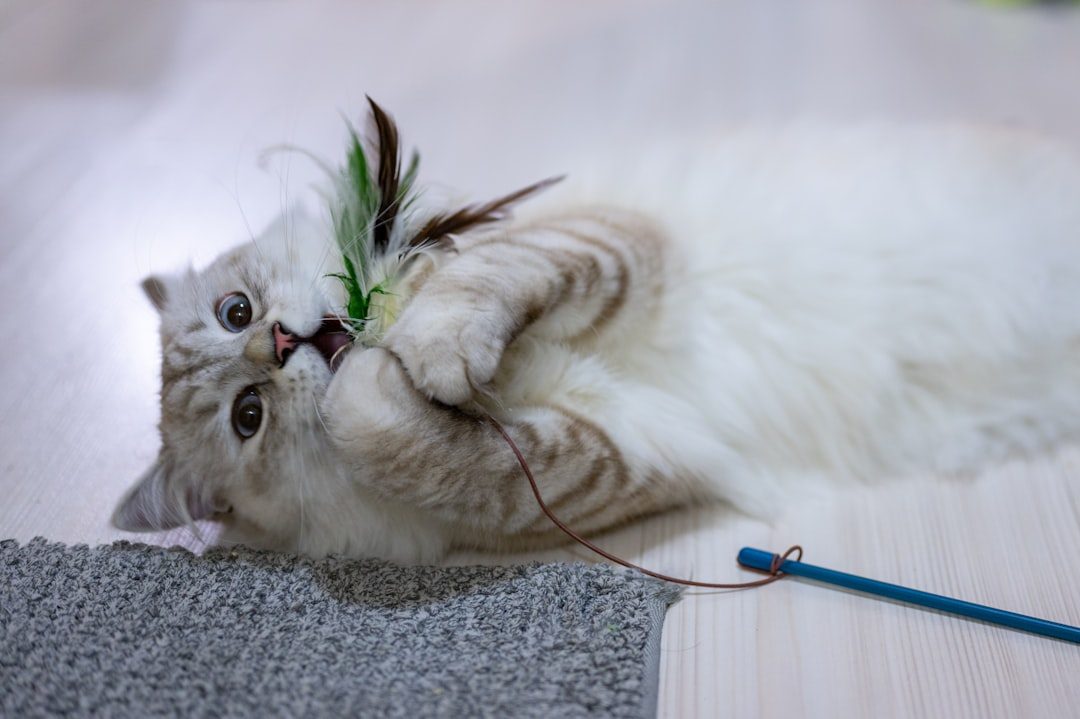
With tossing toys, make it a lighter toss that doesn't require your cat to fly down the hallway, and consider having play sessions on a carpeted area for better traction. Your clever senior has learned to modify activities to suit their aging joints and muscles. They know their limits and work within them.
When young, your cat may have been a great multitasker, but coordination decreases with age and it may be more difficult for them to pursue a prey toy the way they used to, so it's best to pick one important movement to work on. Instead of complex maneuvers, they focus on what they can do well - whether that's swatting a stationary toy or doing gentle balance exercises. It's about quality over quantity.
They Use Catnip and Sensory Stimulation as Energy Boosters
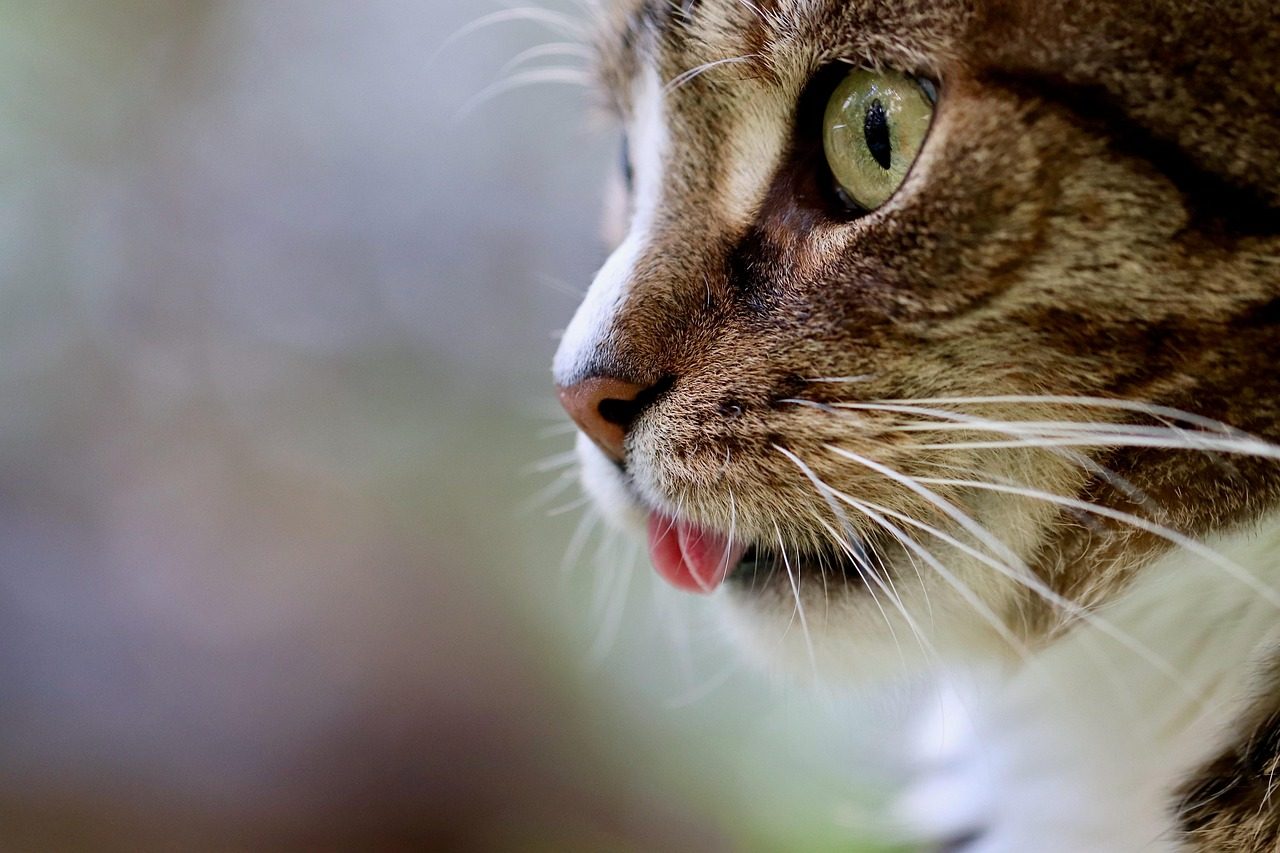
Try catnip to pique your cat's interest in a toy or spark their energy. Your senior cat might need a little extra motivation, and that's where the magic of catnip comes in. It's like their version of a strong espresso, giving them that temporary boost to engage in play.
Using sensory stimulation, such as introducing scents like catnip, silvervine, or valerian, works great for scent games or reward-based training. Catnip and silvervine can induce a euphoric response, and offering catnip-filled toys or silvervine sticks can entice your senior cat to play, explore, and exercise while helping alleviate stress and anxiety. These natural herbs tap into something primal in your cat, momentarily transporting them back to their more energetic days.
They Engage in Simple Mental Exercises That Keep Them Sharp
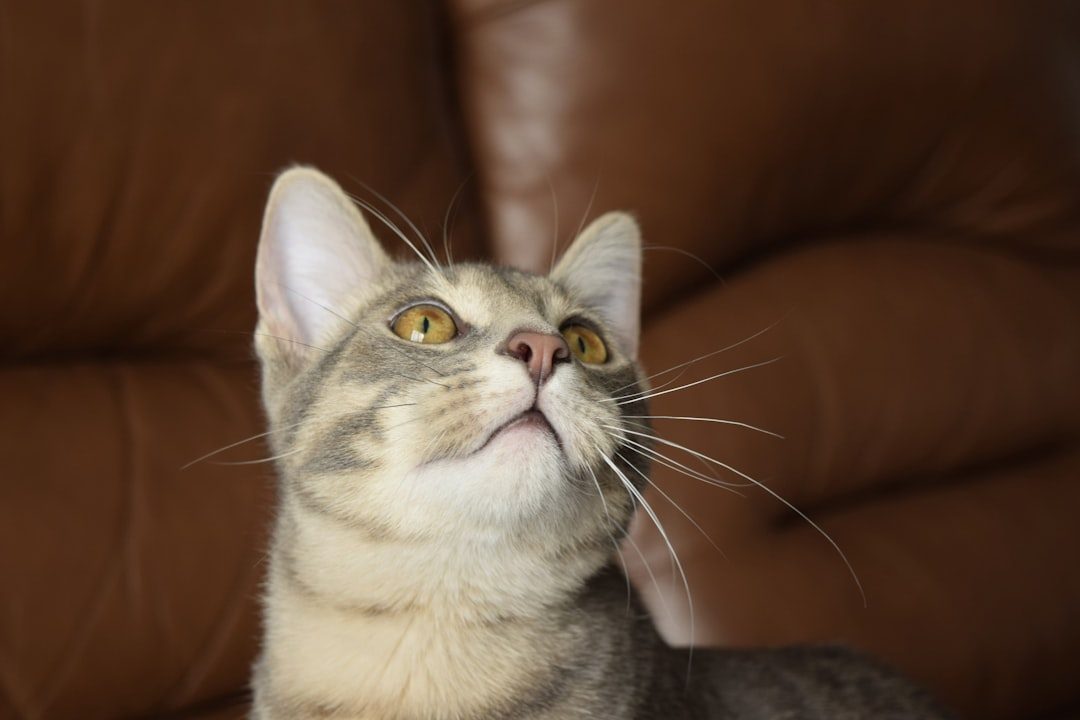
Cat training using very simple, low-movement commands like touching a target with their nose or raising a paw will wake up that brain. Your senior cat doesn't need Olympic-level training routines - just small, achievable challenges that make them think.
Simply bringing them something new to investigate can be exciting and work their minds, like letting them smell an apple or check out a small branch from a tree, your electric toothbrush, or what's inside the hall closet. Honestly, it's fascinating how such small novelties can captivate them. These new experiences create mental stimulation without any physical demand, keeping their cognitive abilities from declining.
They Bond Through Gentle Interactive Play With You
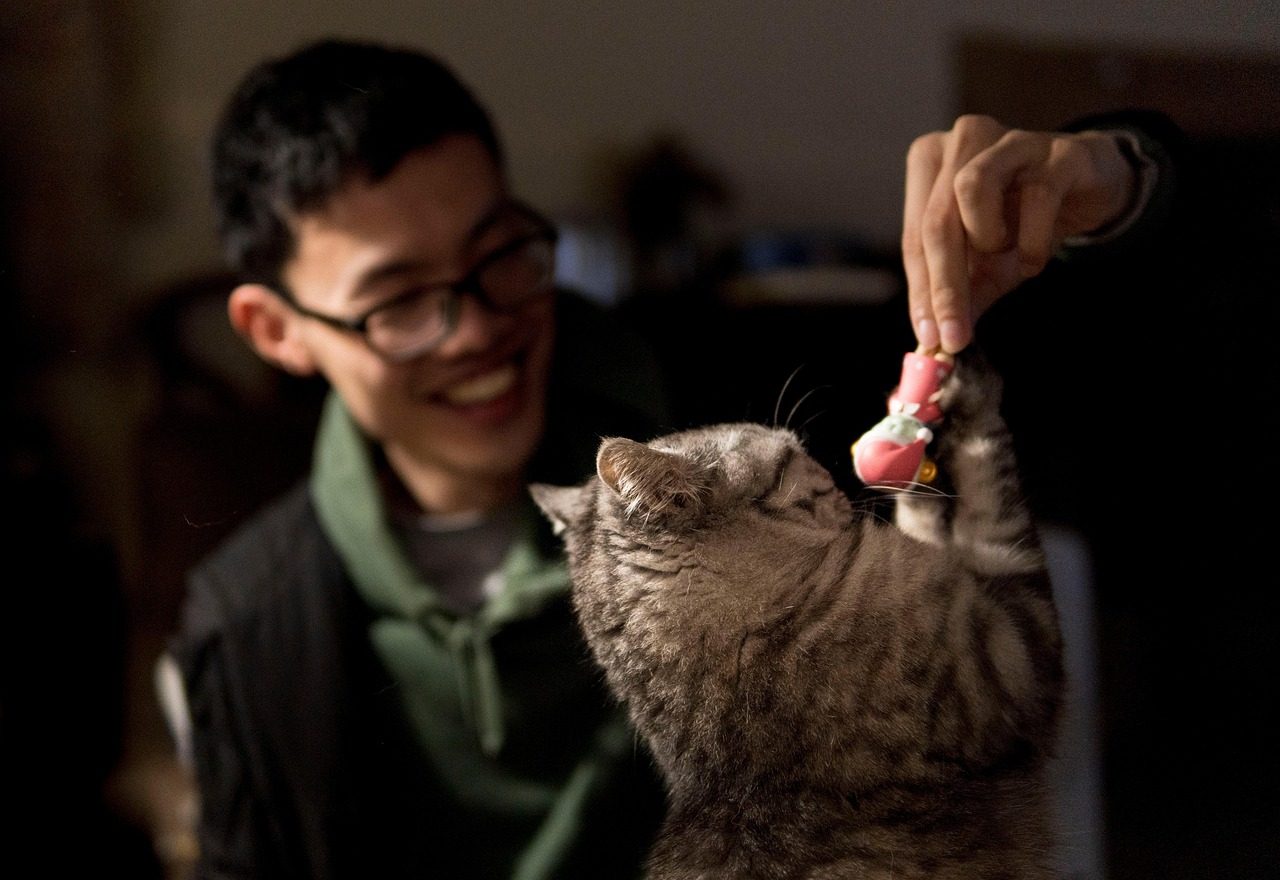
Find gentle ways to encourage your older cat to play with you by trying activities like waving a wand, going for a walk with your cat inside your home, and playing chase the kibble. Your senior cat craves connection with you, and playtime isn't just about exercise - it's about strengthening your bond.
Spending quality time with you is beneficial for senior cat enrichment, as positive interactions strengthen your bond and provide emotional support through daily bonding activities like petting, grooming, and gentle interactive play. Let's be real, your cat might not admit it, but those moments with you matter more than any toy. They're social creatures who thrive on attention, especially as they age and become a bit more dependent on your companionship.
They Maintain Curiosity About Their Environment
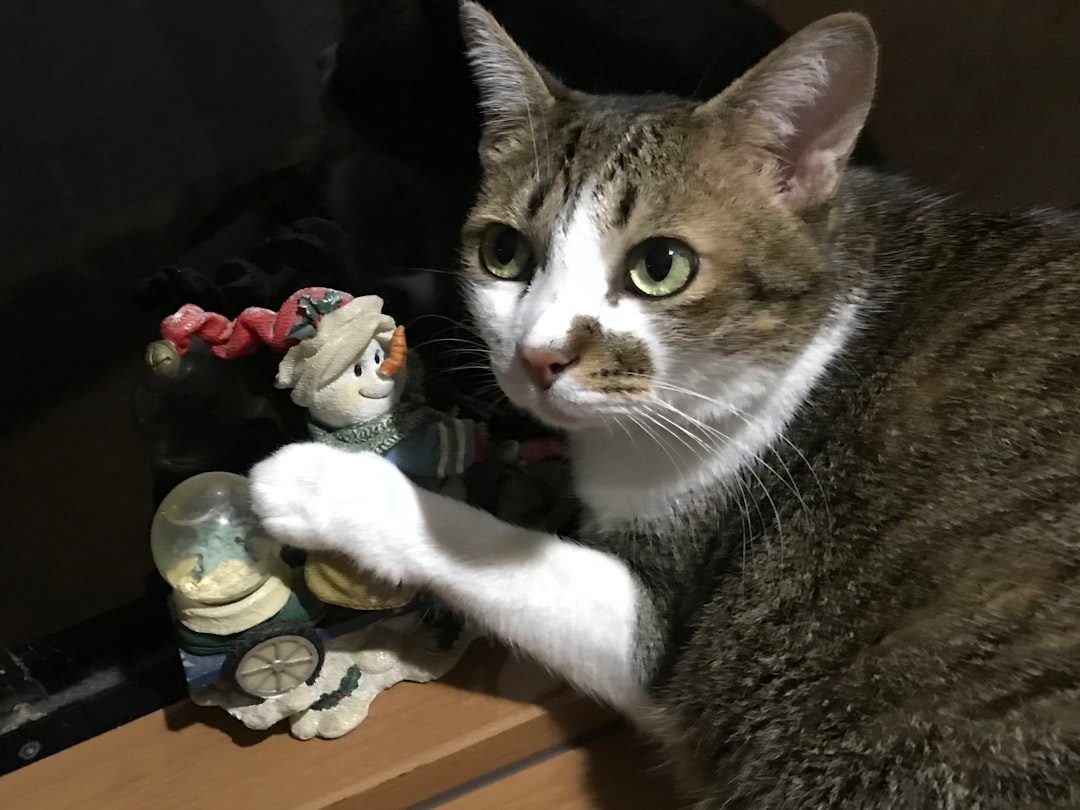
New toys or even simple cardboard boxes can encourage them to play and explore. Your senior cat hasn't lost their natural curiosity - they're just more discerning about what piques their interest now. A fresh item in their environment can trigger investigation behaviors that keep them mentally engaged.
Introducing safe plants or different textures through blankets or toys stimulates their sense of touch and smell. Sometimes the smallest environmental changes spark the most engagement. Your older cat might spend several minutes carefully inspecting a new blanket or sniffing a novel plant, and that's their way of staying mentally active. They're processing information, making decisions, and engaging with their world in ways that keep their brains functioning well.
Keeping the Spirit Alive in Their Golden Years
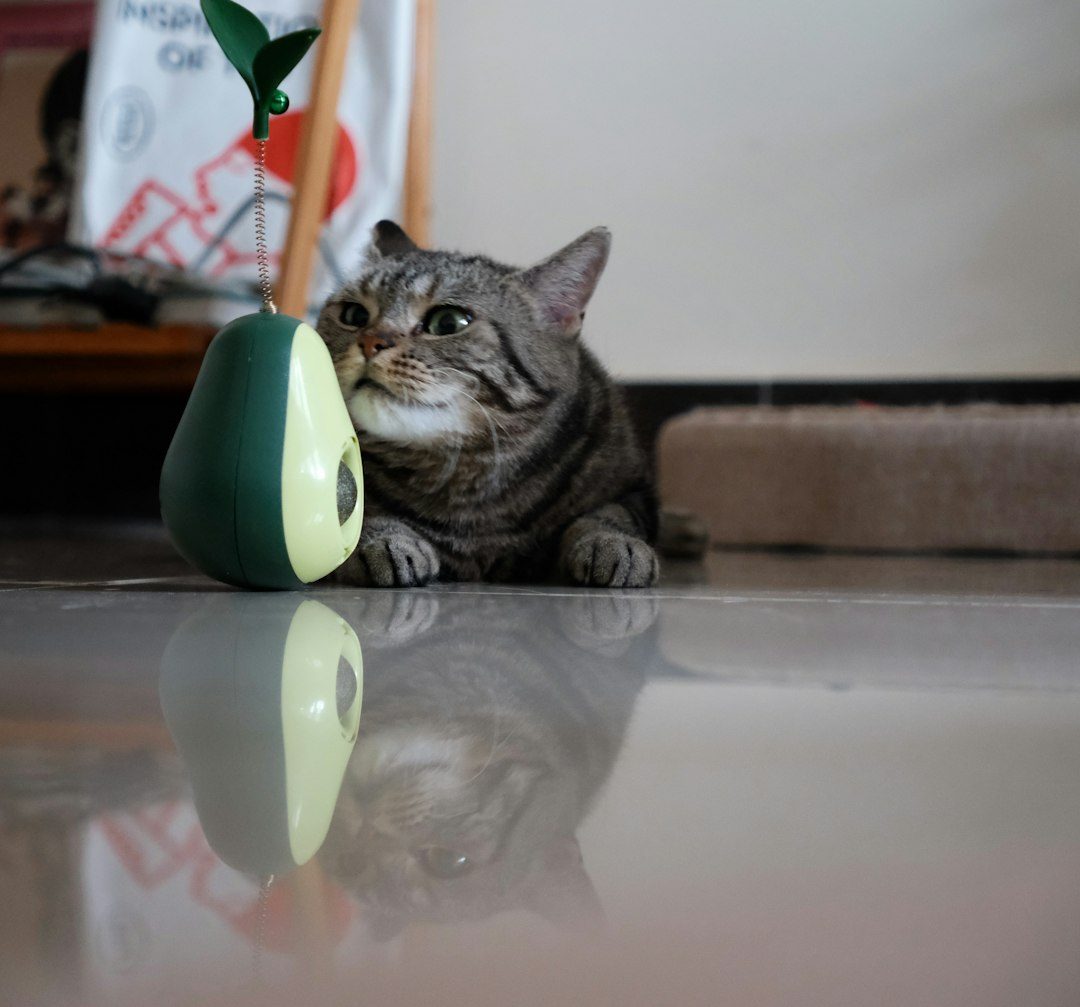
Playing is just as fun and beneficial for a senior cat as it is for kittens, and your cat will always be a kitten at heart, with all that pouncing and jumping being good for them for many reasons. The reality is that age might slow your cat down, but it doesn't extinguish that fundamental feline nature.
Your senior cat's playfulness isn't just adorable - it's essential to their well-being. Play provides essential mental stimulation, physical exercise, and emotional well-being for senior cats, helping maintain muscle tone, joint flexibility, and reducing stress. By recognizing and supporting these natural behaviors, you're giving your aging companion the gift of vitality and joy.
What do you think about your senior cat's playful habits? Have you noticed any of these surprising strategies in your own furry friend? Tell us in the comments.