7 Surprising Ways Your Cat Shows Dominance (and 7 Ways They Show Submission)

You've probably caught yourself wondering whether your feline friend is secretly plotting world domination or just begging for belly rubs. Cats are masters of subtlety, communicating through a language of whisker twitches, tail positions, and behaviors that most of us completely miss. Their social dynamics are far more complex than many people realize, especially since cats don't follow the same hierarchical rules as dogs.
Let's be real, understanding whether your cat is showing dominance or submission can feel like decoding an ancient text. These aren't behaviors rooted in aggression or hostility most of the time. Instead, they're nuanced signals that reveal where your cat feels they stand in the household pecking order. Whether you have one cat or multiple felines sharing your space, recognizing these cues will help you create a more peaceful home and strengthen your bond with your kitty. So let's dive in and explore the fascinating world of feline power dynamics.
1. High Perching: Claiming the Throne

Dominant cats often claim the highest perches and best sleeping areas. If you notice one of your cats consistently occupying the top of the cat tree, bookshelf, or refrigerator, they're probably asserting their position in the household. Height equals status in the feline world, giving them a vantage point to survey their territory and stay alert for threats.
This behavior isn't just about physical comfort. It's a strategic move that signals confidence and control. The most dominant cat often has first access to resources like food and resting spots. When your cat stakes out the highest spot, they're essentially announcing to other cats that they're in charge here.
2. Blocking Doorways and Pathways
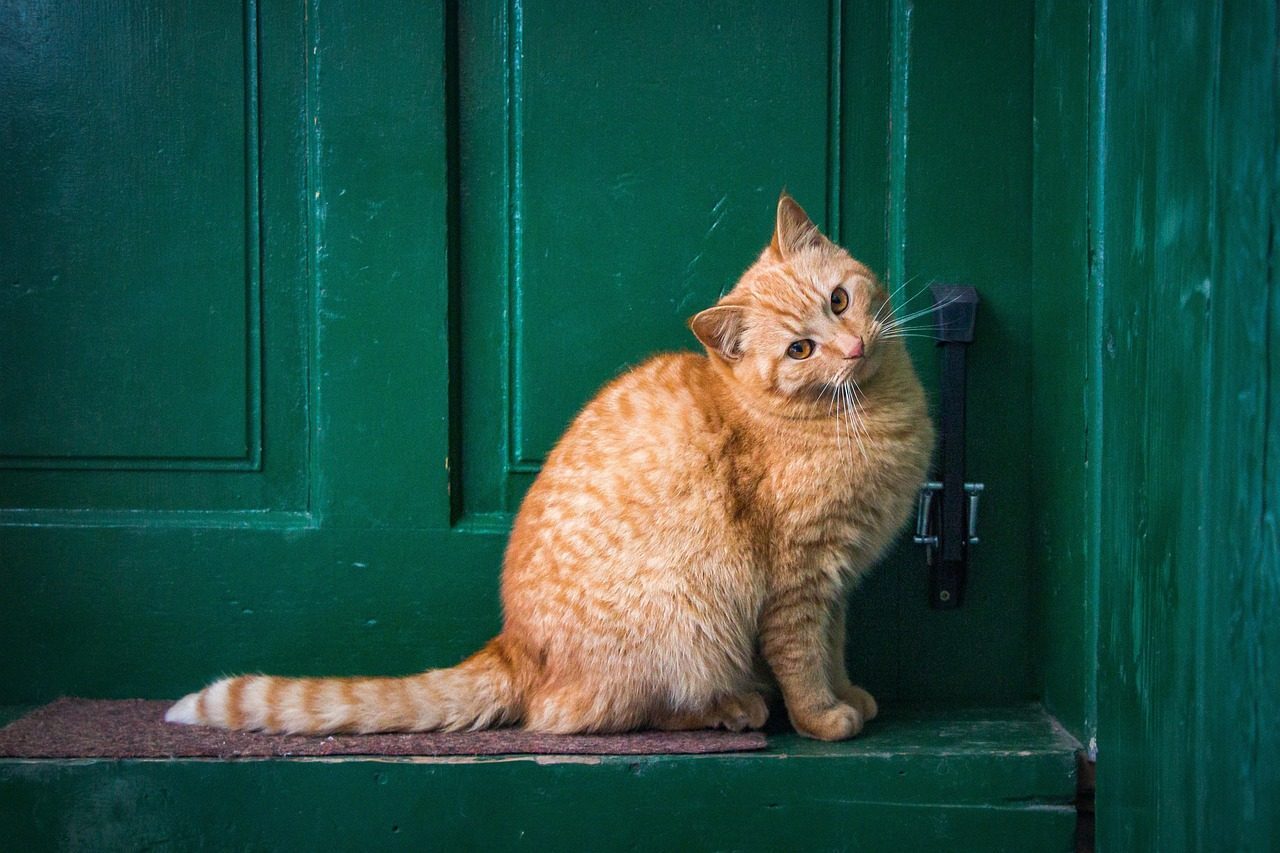
When cats frequently block doorways or stand in your way, they could be asserting territorial control. Have you ever had to step over your cat sprawled dramatically in a hallway or right in front of a door? That's not always laziness. Sometimes your cat is guarding whatever lies beyond that threshold.
While they could be resting, they may also be guarding whatever's on the other side, especially if an important resource like the litter boxes are all in one location. This is particularly common in multi-cat homes where resource competition creates tension. Your cat may be preventing other felines from accessing food bowls, litter boxes, or favorite sleeping spots without even appearing aggressive.
3. Allogrooming as Power Play
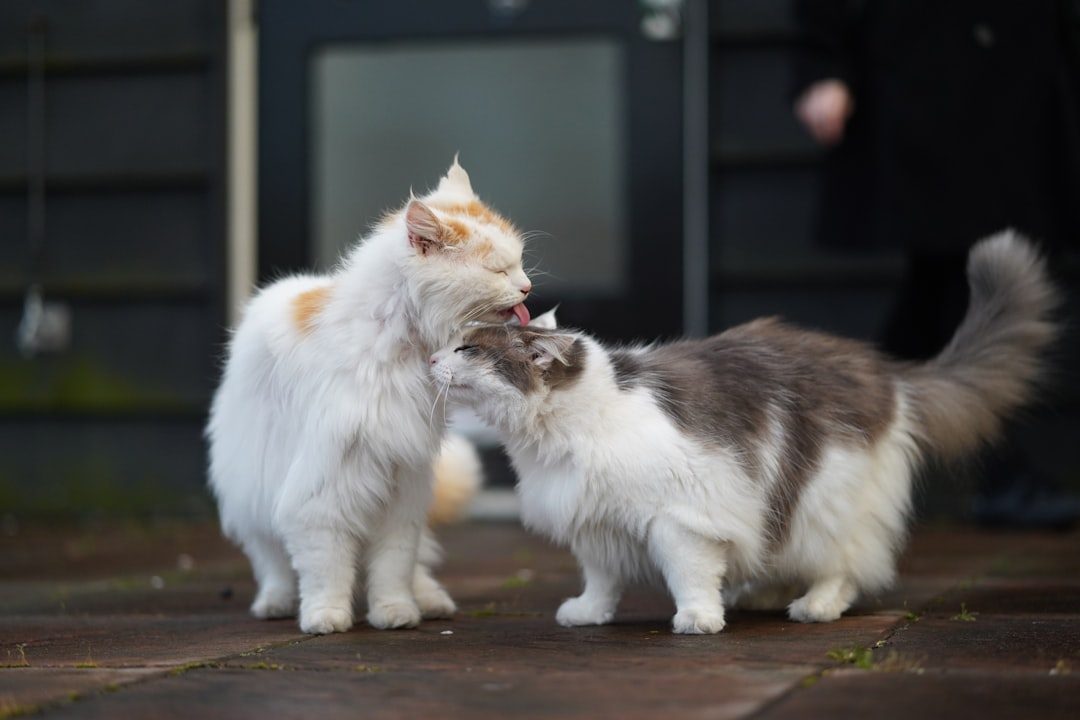
You might think all grooming between cats is sweet and affectionate. Sometimes it is. If one cat consistently grooms the other without ever being groomed in return, this can indicate a power imbalance, with the "groomer" potentially asserting its role as the more dominant cat.
The grooming cat may restrain the other, pinning the other's head down during grooming, which might look like a cuddle but could also be a subtle sign of control, and this behavior can escalate into holding the other cat in place even when the recipient tries to move away. If the recipient looks tense or tries to escape, that grooming session might be less about bonding and more about establishing rank.
4. Direct Staring and Intense Eye Contact
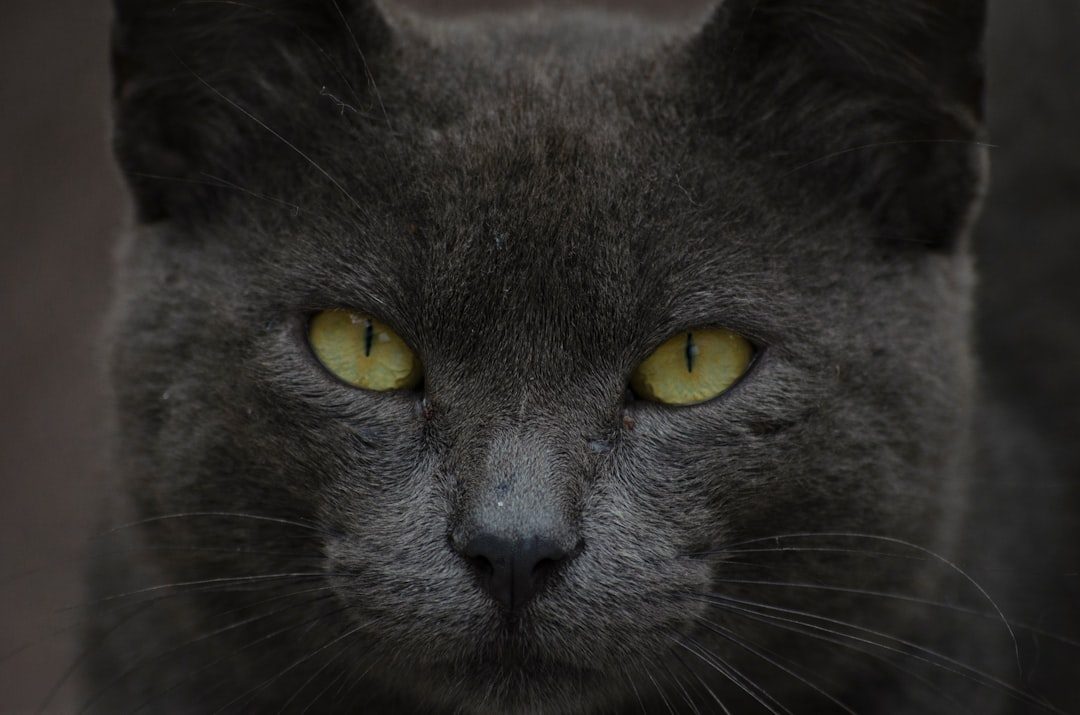
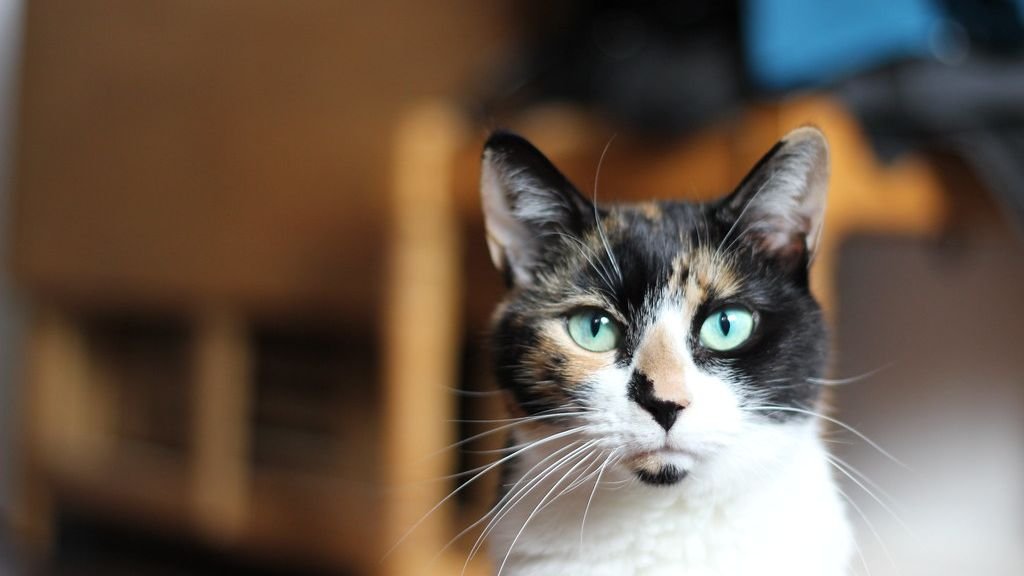
In cat language, prolonged eye contact is basically a challenge. Dominant cats display a specific body posture with ears straight up, the base of their tail arched, and they look directly at subordinate cats. When a dominant cat locks eyes with another feline, they're sending a clear message about who's boss.
This is quite different from the slow blink cats share with their trusted humans or favorite cat companions. That slow blink signals affection and trust. Direct staring, on the other hand, is confrontational. It's honestly fascinating how something as simple as eye contact can carry such weight in feline communication.
5. Eating First and Resource Guarding
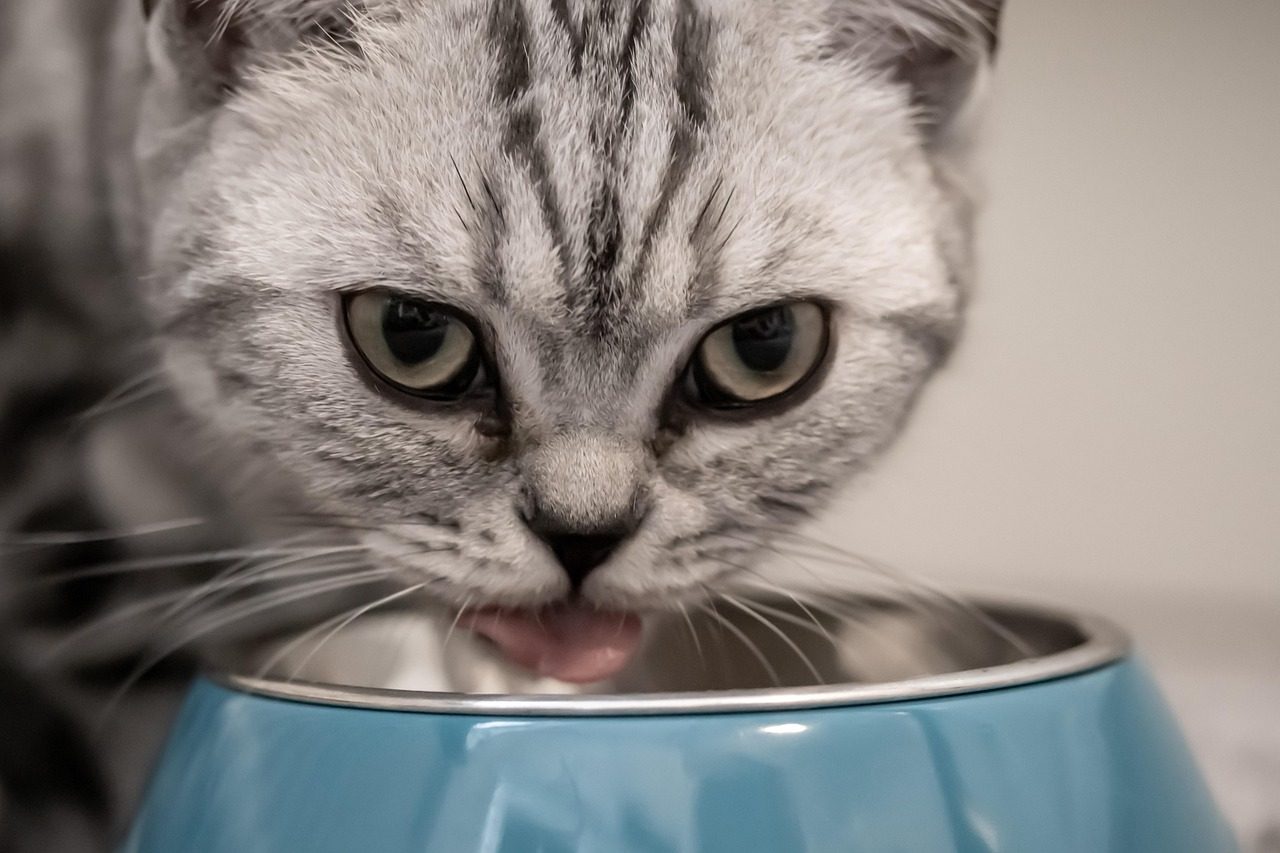
If a cat doesn't approach the food bowl first or refrains from eating, we usually assume that this cat is submissive since the dominant cat always eats first. Food access is one of the most obvious displays of hierarchy in multi-cat households. The cat who confidently strolls up to the bowl first and eats without hesitation typically holds the higher position.
Dominant cats will actually "guard" their litter box and attack another cat if they go near it, causing the second cat to look for alternative places to urinate and defecate. This resource guarding extends beyond food to include litter boxes, water bowls, and favorite sleeping spots.
6. Rubbing and Scent Marking
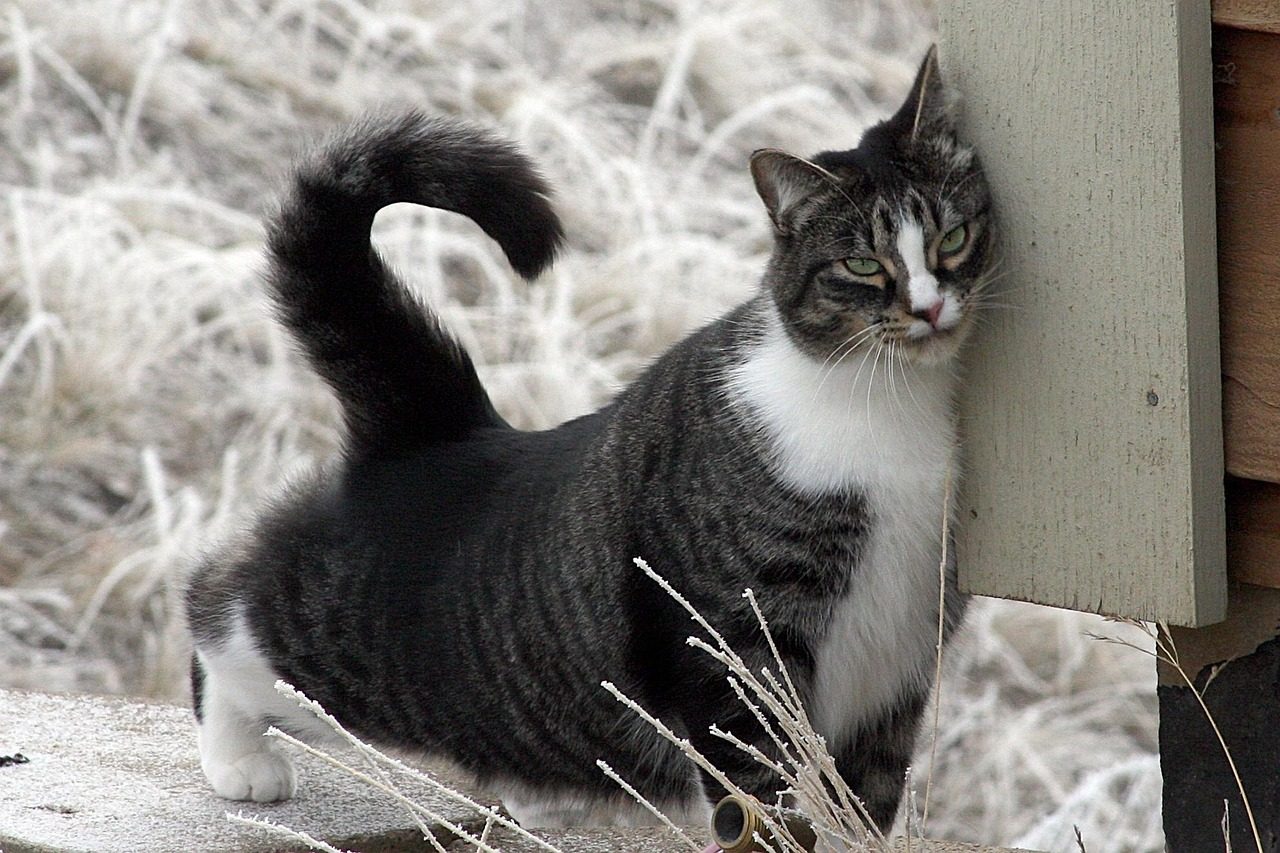
When your cat is rubbing on your legs, you might think of it as a sign of affection, but your cat is also marking you with his scent. This territorial marking behavior establishes ownership claims over objects, places, and even people. Dominant cats tend to mark more frequently and prominently.
Cats mark by rubbing their cheeks against furniture, fence posts, and even us, and they also have scent glands in their paws which they use when they scratch, allowing cats to deposit their scent while scratch marks act as a visual deterrent to other cats. It's their way of saying this space belongs to them.
7. Walking Ahead and Controlling Movement
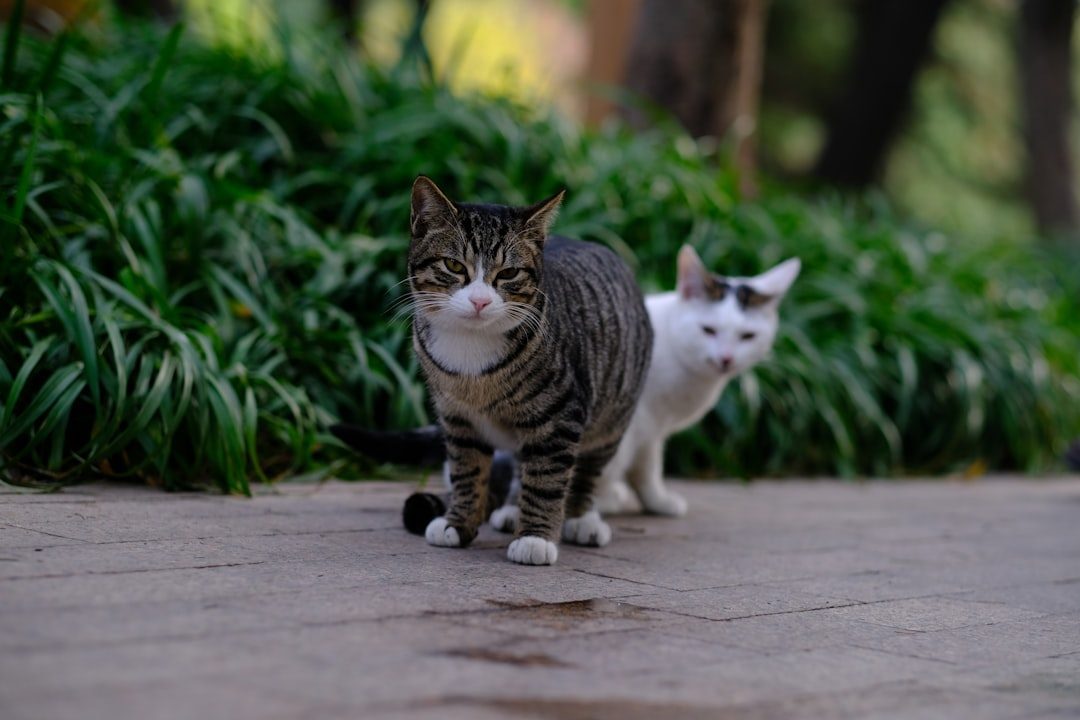
Dominance includes such behaviors as the submissive cats walking around the dominant cat and waiting for the dominant cat to walk past them. The cat who moves through space without yielding or checking on others often holds a dominant position. They walk where they want, when they want, expecting others to move aside.
This extends to how cats navigate shared territory. The dominant cat doesn't pause at doorways or hesitate before entering rooms. They move with purpose and confidence, while other cats adjust their movements accordingly.
8. Crouching and Making Themselves Small
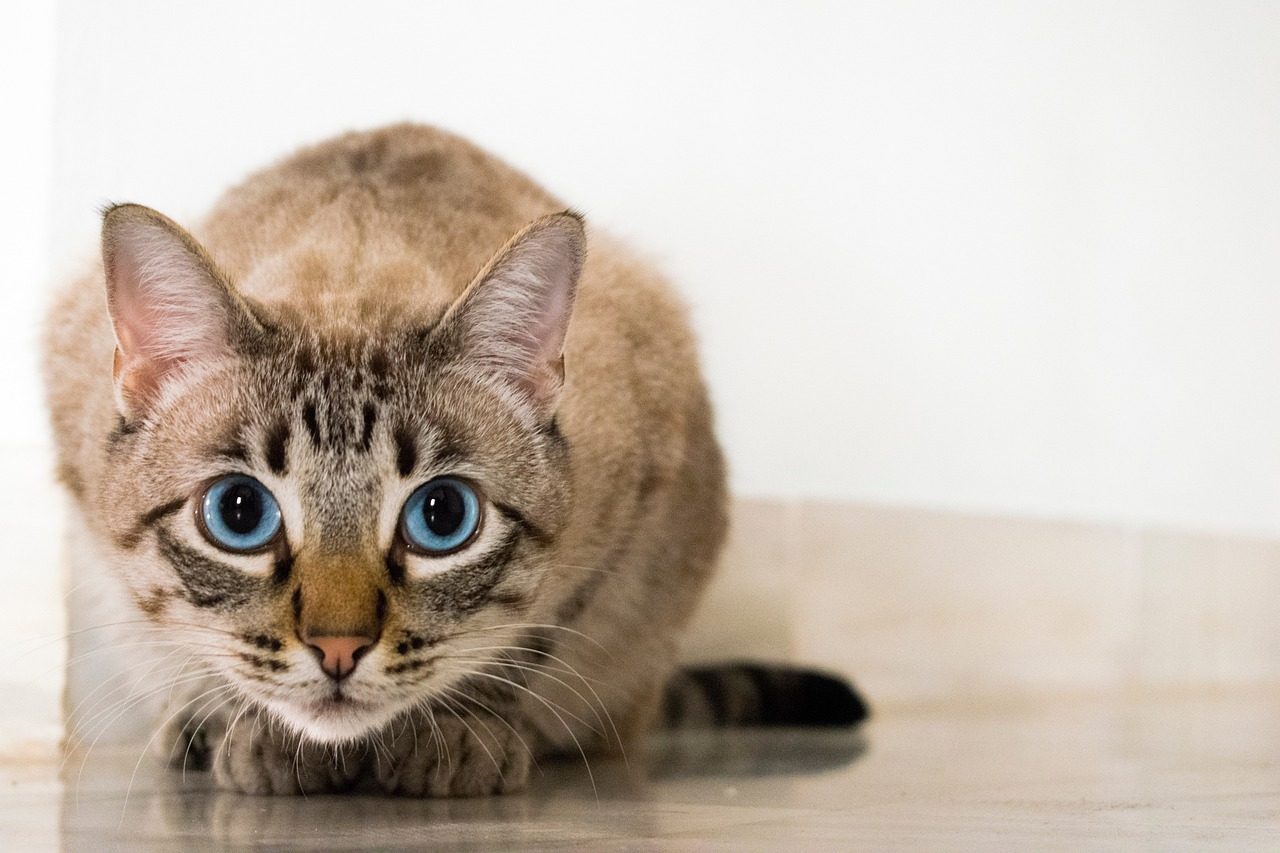
Submissive cats crouch, lie on their side (defensive posture), and retreat when the dominant cat approaches. When a cat lowers their body close to the ground, they're making themselves appear smaller and less threatening. This is a clear signal that they're not looking for conflict.
When scared, cats are likely to try and protect their body as much as possible by scrunching up into a small, less exposed shape, which can also be a sign that your cat is in pain, whereas when a cat stretches out, they're voluntarily exposing themselves and don't feel threatened. Context matters here, so it's important to watch for other signs.
9. Tucked Tail Between the Legs
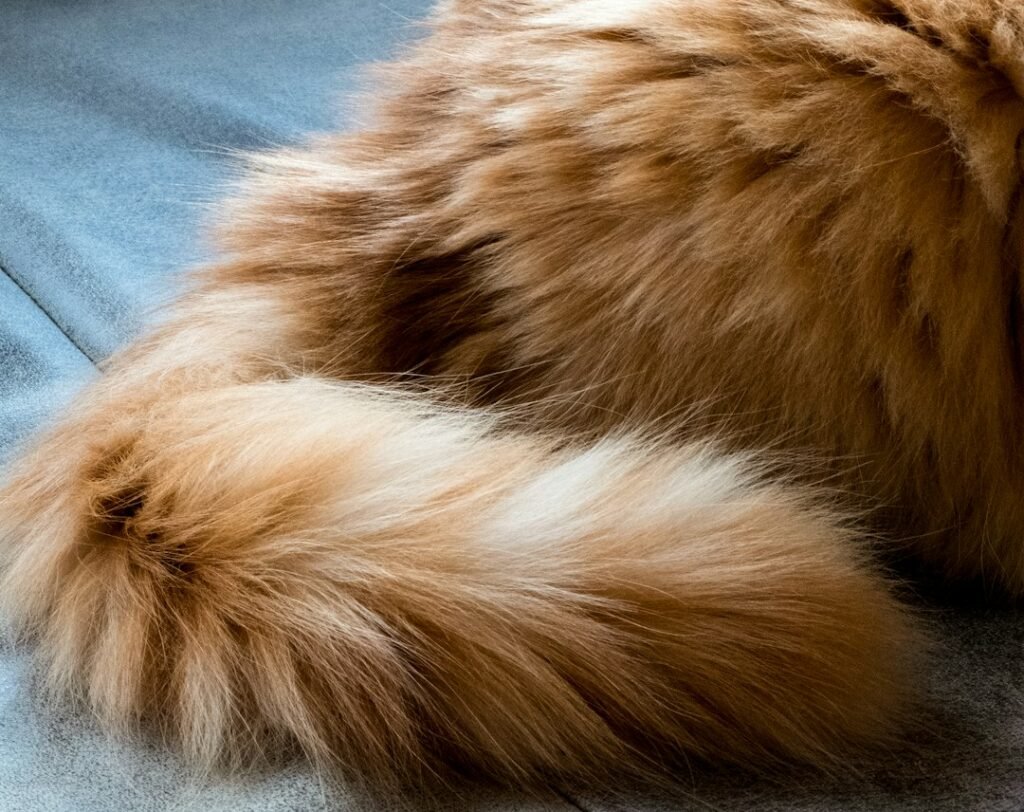
If the tail is between the legs, the cat is showing submission, and it could be an attempt to protect the belly or keep the tail away from injury. This body language signal is one of the most recognizable signs of submission. A tucked tail indicates fear, anxiety, or deference to another cat.
A tail tucked between the legs indicates fear or submission, and a rapidly twitching tail is often a sign of agitation or excitement. Pay attention to the whole picture, though. If the tail is tucked but the cat is otherwise relaxed, they might just be feeling cautious rather than truly submissive.
10. Avoiding Eye Contact
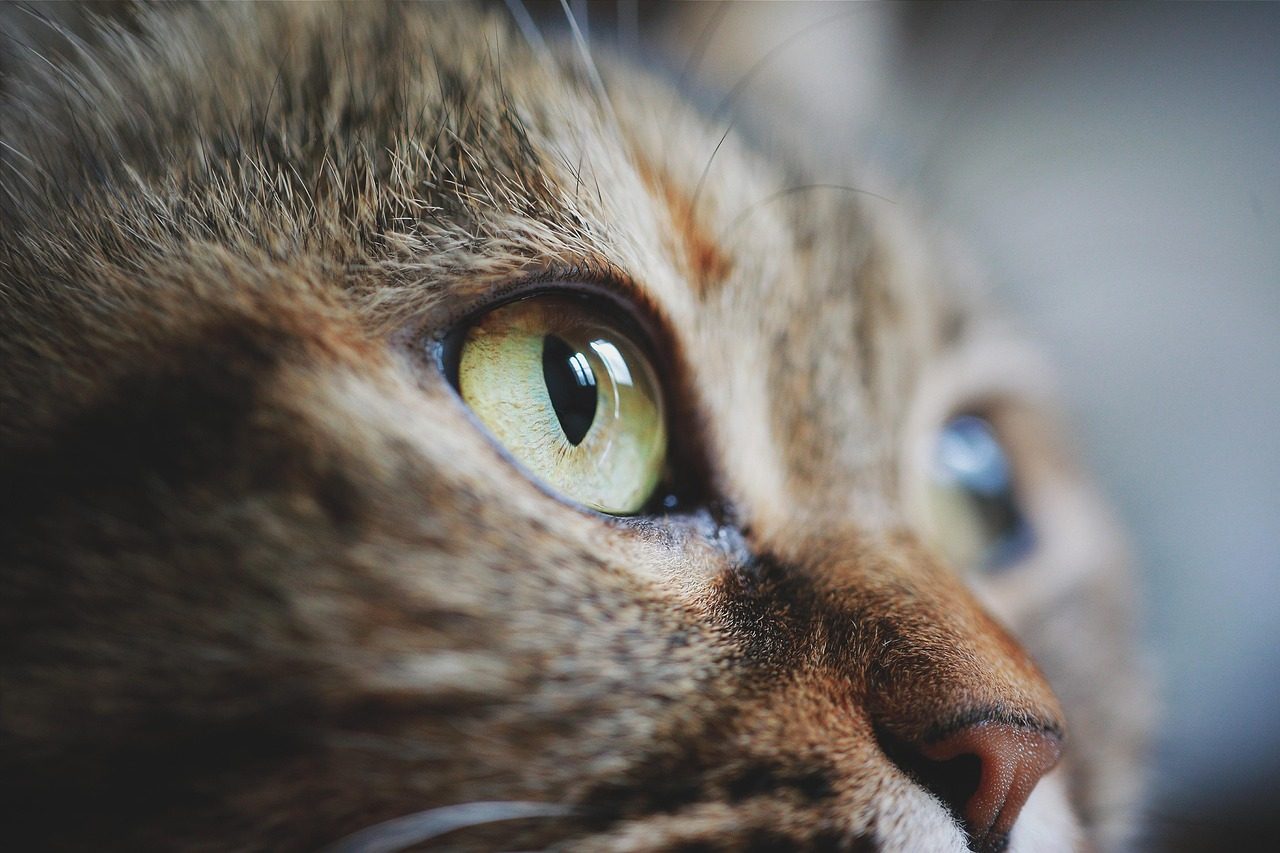
Submissive cats avoid eye contact with dominant cats. While dominant cats stare directly, submissive cats do the opposite. They'll look away, turn their heads, or find something fascinating to study on the floor rather than meet another cat's gaze.
This avoidance isn't about being antisocial. It's actually a smart social strategy to prevent confrontation. By refusing to engage in a staring contest, the submissive cat is essentially saying they acknowledge the other cat's higher status and have no interest in challenging it.
11. Waiting Their Turn for Resources
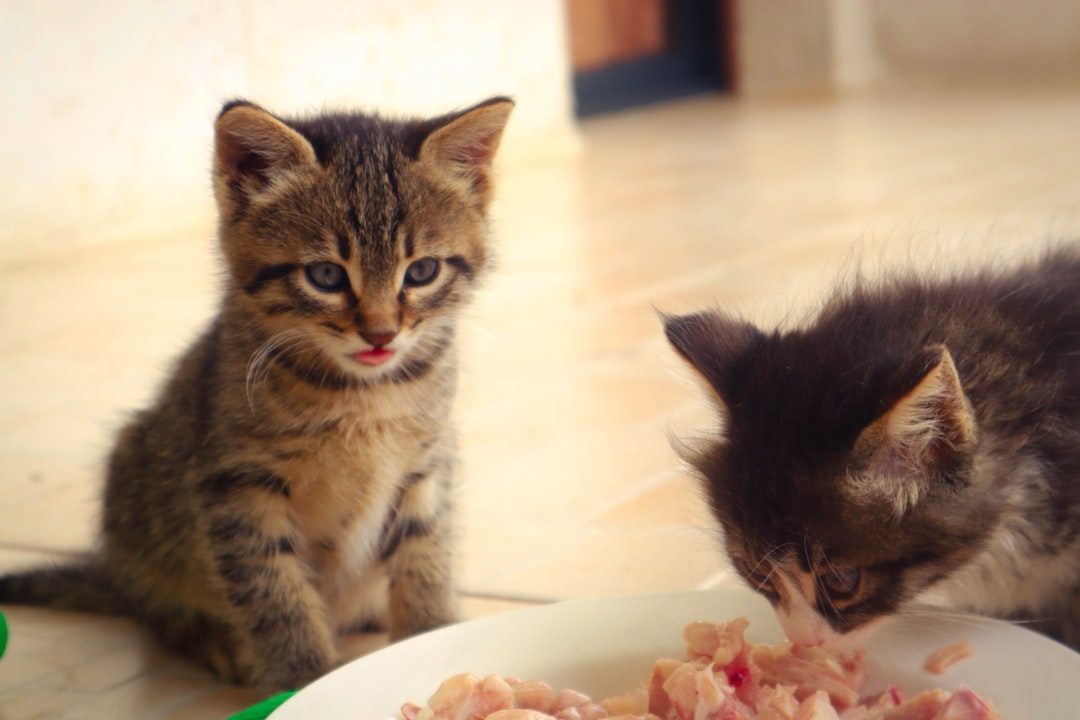
If a cat doesn't approach the food bowl first or refrains from eating, we usually assume that this cat is submissive since the dominant cat always eats first. Submissive cats often hang back, waiting until the coast is clear before approaching food, water, or the litter box.
This behavior can be so subtle that cat owners might not even notice it happening. Your submissive cat might eat in the middle of the night when everyone else is asleep, or they might grab a quick bite only when the dominant cat is napping in another room. They've learned to work within the household hierarchy to get their needs met without conflict.
12. Rolling Over to Expose the Belly
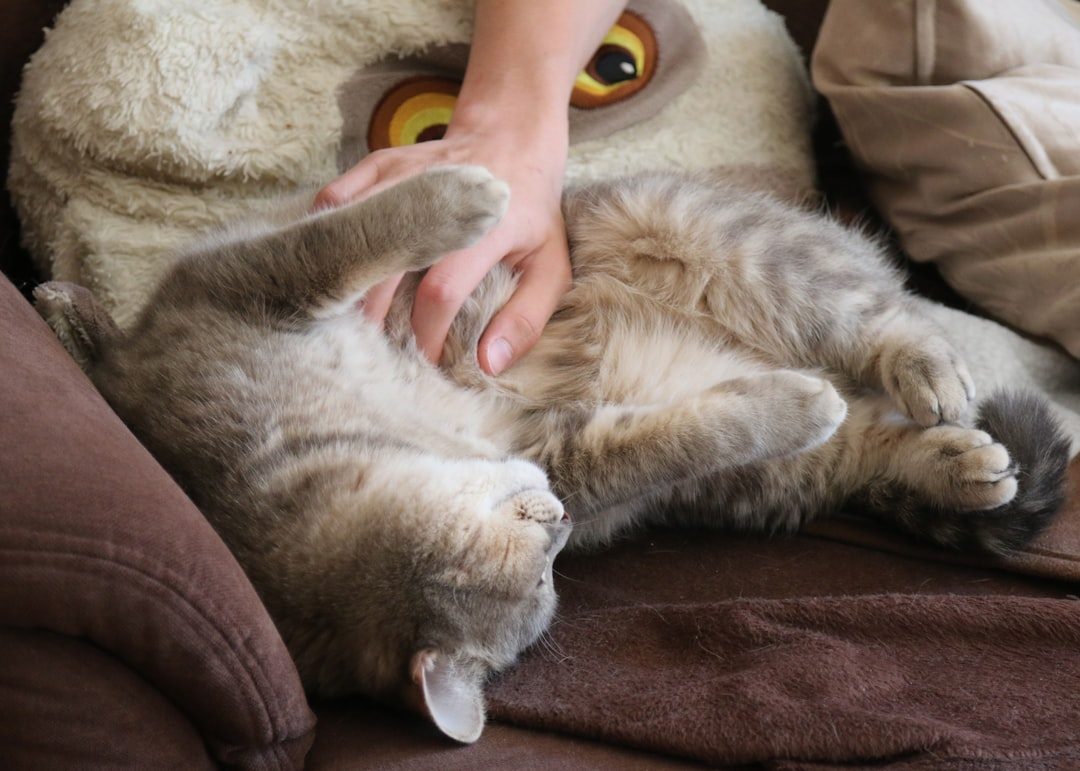
A cat that is lying down on their back with their belly exposed may be indicating submission, trust, or the desire to be petted, but this can also be a sign of aggression or discomfort. When a cat shows their belly during an interaction with another cat, they're often displaying submission or trying to defuse tension.
Here's where it gets tricky. A belly-up cat isn't necessarily inviting touch. They might be showing vulnerability as a way to say they're not a threat. Think of it as a white flag in feline negotiations. The exposed belly is their most vulnerable area, so revealing it takes trust or desperation to avoid conflict.
13. Flattened Ears and Withdrawn Posture
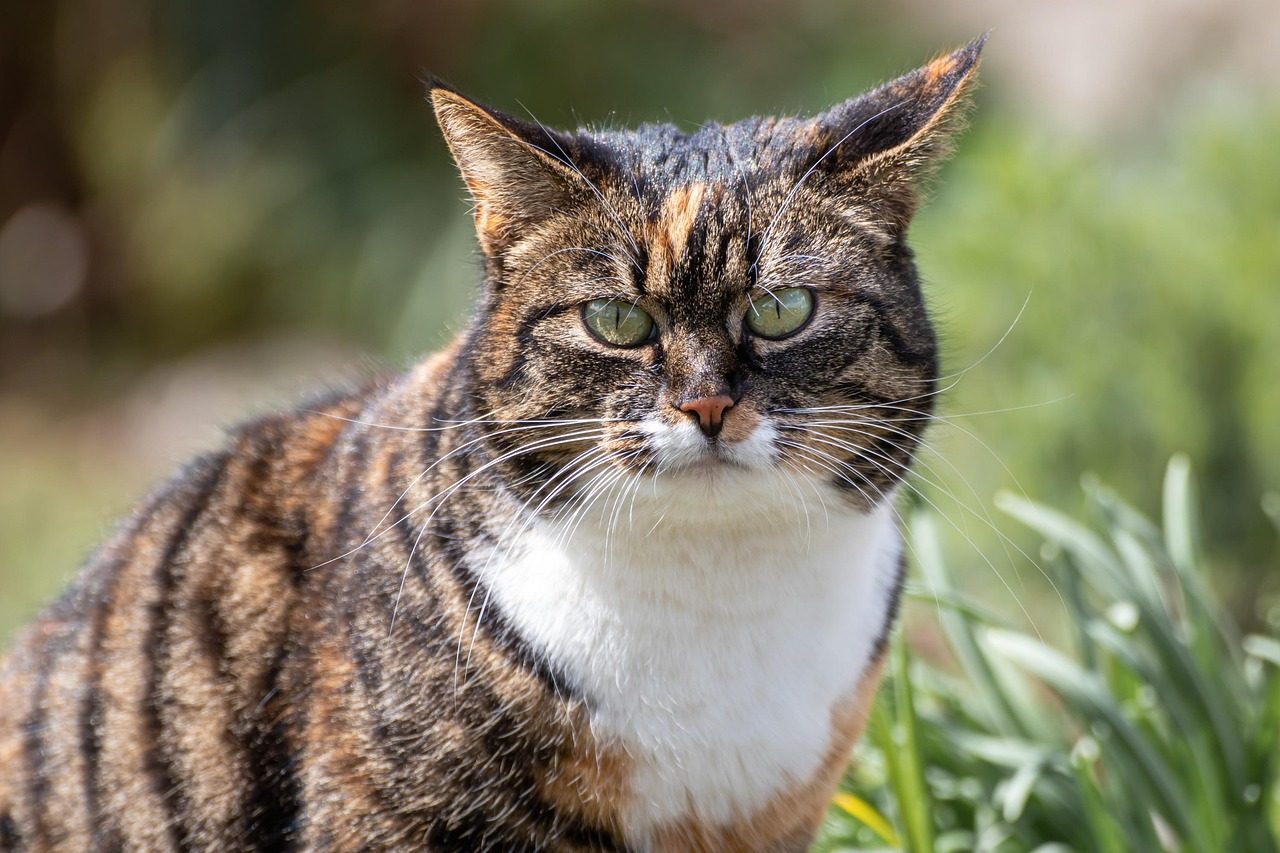
Sideways ears indicate annoyance, fear, or potential aggression, and when a cat's ears are sideways it is best to remove any potential stimulus causing discomfort and give the cat some space to calm down, while flat back ears indicate extreme fear and readiness to attack. Submissive cats often display flattened ears as part of their defensive body language.
These cats are trying to make themselves as non-threatening as possible. The flattened ears, combined with a low body posture and maybe some wide eyes, create a picture of a cat who desperately wants to avoid confrontation. They're essentially broadcasting their unwillingness to fight.
14. Retreating and Giving Up Space
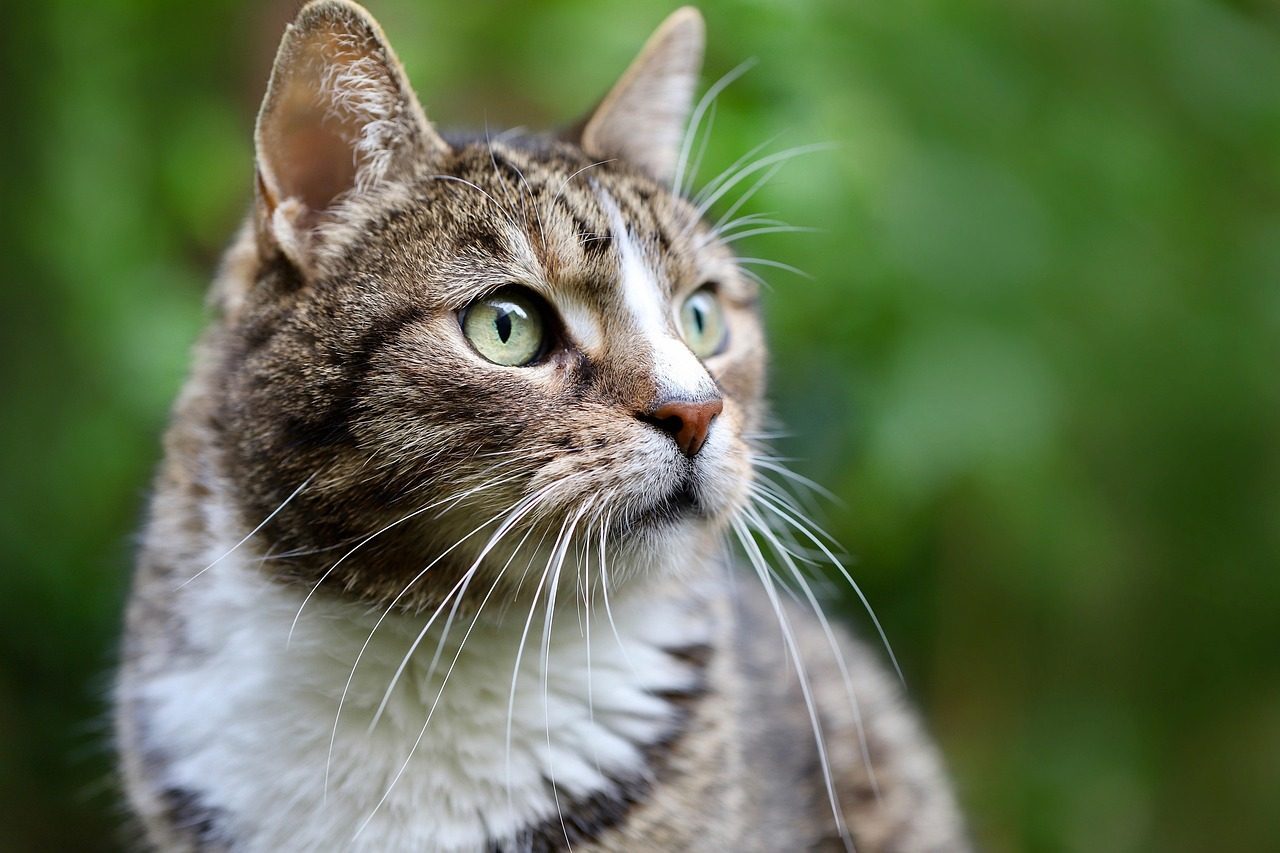
Submissive cats retreat when the dominant cat approaches, and the submissive cat will usually run away before a physical altercation ensues. This is perhaps the most obvious sign of submission. When one cat consistently moves away or abandons a spot when another cat appears, you're witnessing hierarchy in action.
This retreat behavior helps maintain peace in multi-cat households. Rather than fighting over every resource, submissive cats have learned it's easier to simply walk away. They'll find another spot to nap, another time to eat, or another toy to play with. It might seem sad, but it's actually an effective conflict-avoidance strategy that keeps everyone safer.
Conclusion
Understanding your cat's dominance and submission signals opens up a whole new level of communication with your feline companion. These behaviors aren't about one cat being mean or another being weak. They're about cats navigating their social world using the tools evolution gave them. Whether your cat is the confident leader claiming the highest perch or the cautious peacekeeper who yields space, both play important roles in maintaining household harmony.
If you're noticing tension between your cats, remember that providing plenty of resources, multiple feeding stations, several litter boxes, and vertical territory can reduce competition and stress. Sometimes simply adding another cat tree or creating more escape routes can transform a tense multi-cat home into a peaceful one. What do you think? Have you recognized any of these behaviors in your own cats?