6 Common Cat Myths About Aging Debunked (and 6 Truths About Senior Feline Care)
You've probably heard countless tales about aging cats. Maybe someone told you that older felines inevitably become cranky, or that senior cats simply don't need veterinary care as often because slowing down is just "normal." Here's the thing, though: much of what we believe about older cats is rooted in misconception rather than fact.
The truth is that cats are living longer than ever before, with many reaching well into their late teens and even early twenties. With improved nutrition and advances in veterinary medicine, understanding what's actually normal for an aging cat versus what signals a health concern has never been more crucial. Let's separate fact from fiction and explore what your senior companion truly needs to thrive in their golden years.
Myth 1: All Senior Cats Become Grumpy and Antisocial
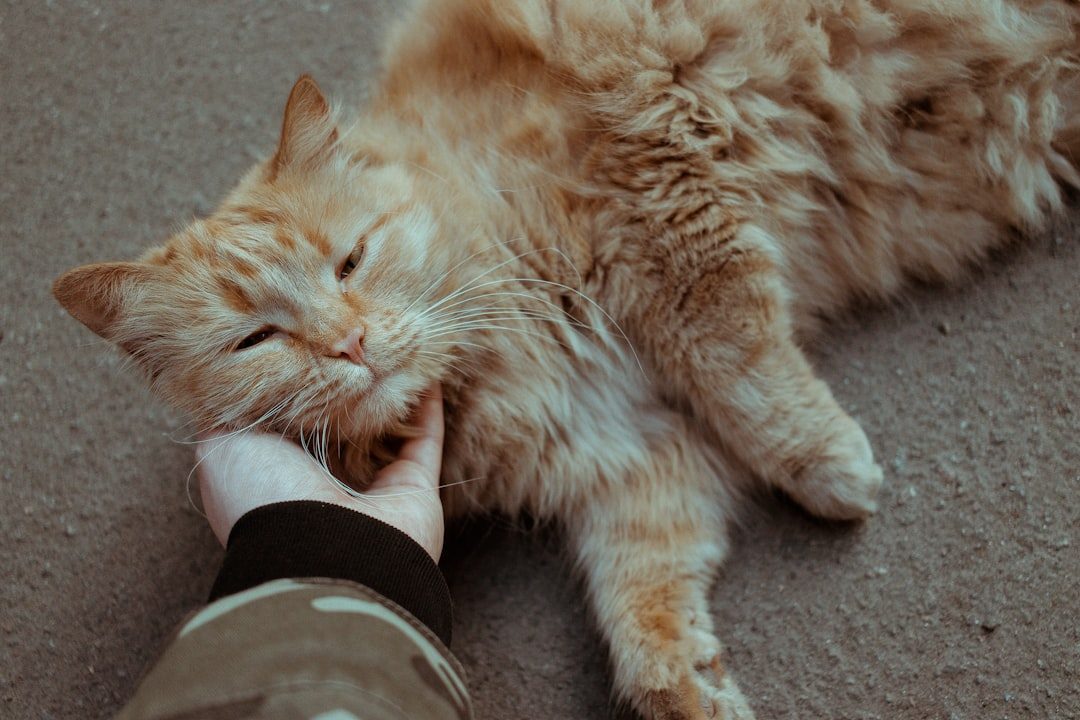
One of the most persistent myths about older cats suggests they automatically develop cranky, unpleasant personalities with age. This is simply not true, as many senior cats actually mellow out as they get older, seeking more affection from their human companions. Your once aloof feline might suddenly want to be by your side constantly, or conversely, your clingy cat might enjoy more independence.
If your senior cat seems angry or mean, it may be because of something in their environment, or pain and discomfort they are feeling from aging, and it's best to discuss changes in temperament with a vet in case of an underlying health issue. Grumpiness isn't just a personality shift. Arthritis, dental disease, or vision problems could be causing irritability that masquerades as a bad attitude.
Myth 2: Senior Cats Don't Need to Play Anymore
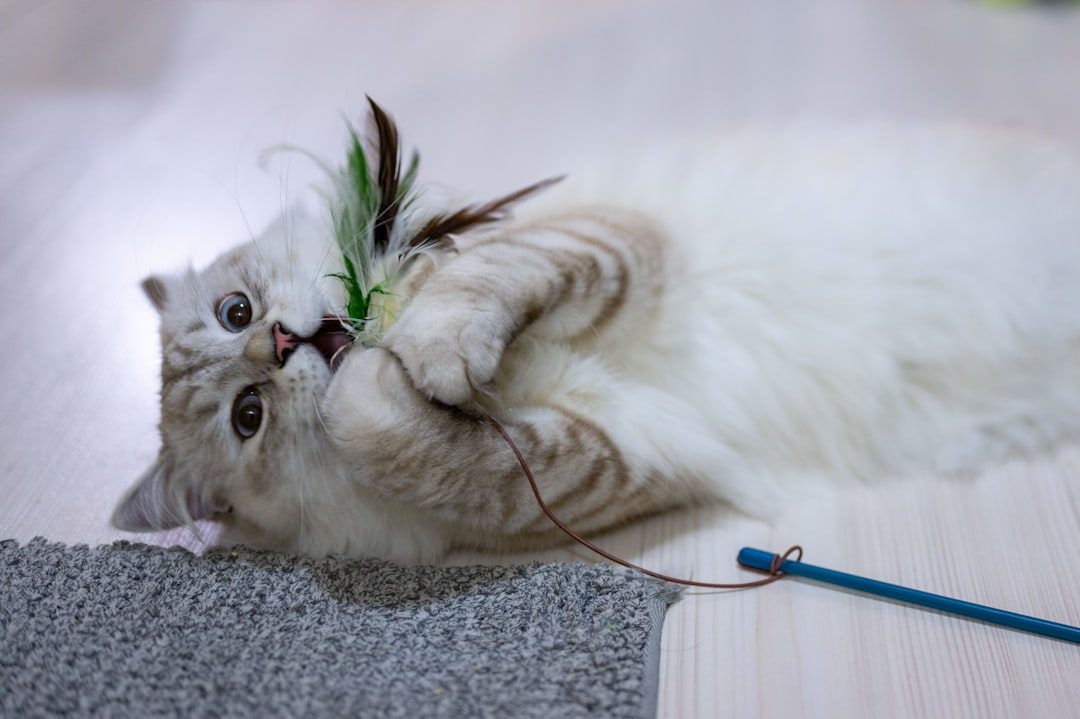
Perhaps you've assumed that your older cat lounging around all day simply has no interest in playtime. While many cats do slow down with age, senior cats can be just as playful as kittens and younger cats, and all healthy cats require regular playtime and exercise, with senior cats being no exception, though they may not have the same energy levels or stamina. Playtime isn't just about fun; it's essential for maintaining muscle mass and joint flexibility.
Instead of marathon play sessions, try shorter, gentler activities. Interactive toys that don't require intense jumping or running work wonderfully. Think about puzzle feeders or wand toys moved at a slower pace. Your aging companion still has that predatory instinct; they just express it differently now.
Myth 3: Behavioral Changes Are Just "Normal Aging"
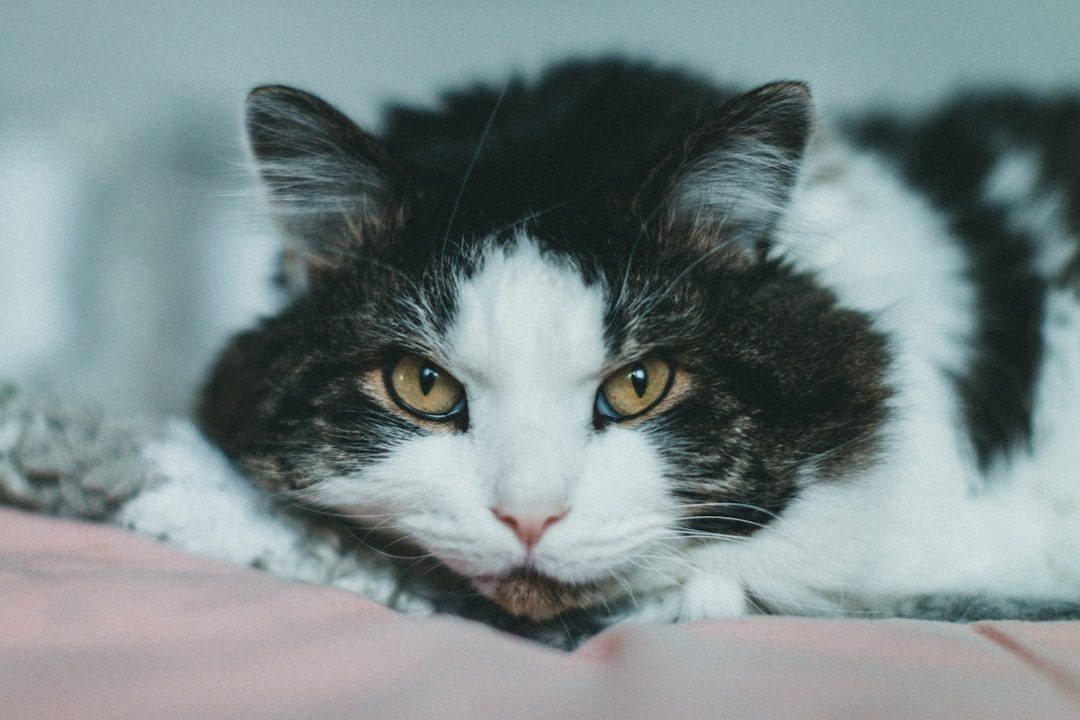
One of the most dangerous myths pet owners encounter is dismissing behavioral changes as inevitable aging. Health or behavior changes, often gradual, shouldn't be chalked up to old age, as such changes can be signs of common diseases or dental problems that should be addressed by your veterinarian. Let's be real, your cat can't tell you when something hurts.
Any alteration in your cat's behavior or physical condition should alert you to contact your veterinarian, as disease of virtually any organ system, or any condition that causes pain or impairs mobility can contribute to changes in behavior. That increased vocalization at night? It could indicate hyperthyroidism or cognitive decline. Avoiding the litter box might signal arthritis making it painful to climb in, not stubbornness.
Myth 4: Old Cats Are Automatically Sick and Expensive to Care For

The misconception that senior cats are medical money pits prevents many wonderful older felines from finding homes. As cats get older, they can develop health conditions and problems, just like people can, however, this does not mean that every older cat is going to get sick or deal with health issues later in life. Some cats age gracefully with minimal health concerns.
When health issues do arise, many are manageable with proper care. Although many complex physical changes accompany advancing years, age in and of itself is not a disease, and even though many conditions that affect older cats are not correctable, they can often be controlled. Regular preventive care often costs less than emergency treatment for advanced disease caught too late.
Myth 5: The "Seven Cat Years to One Human Year" Rule Is Accurate
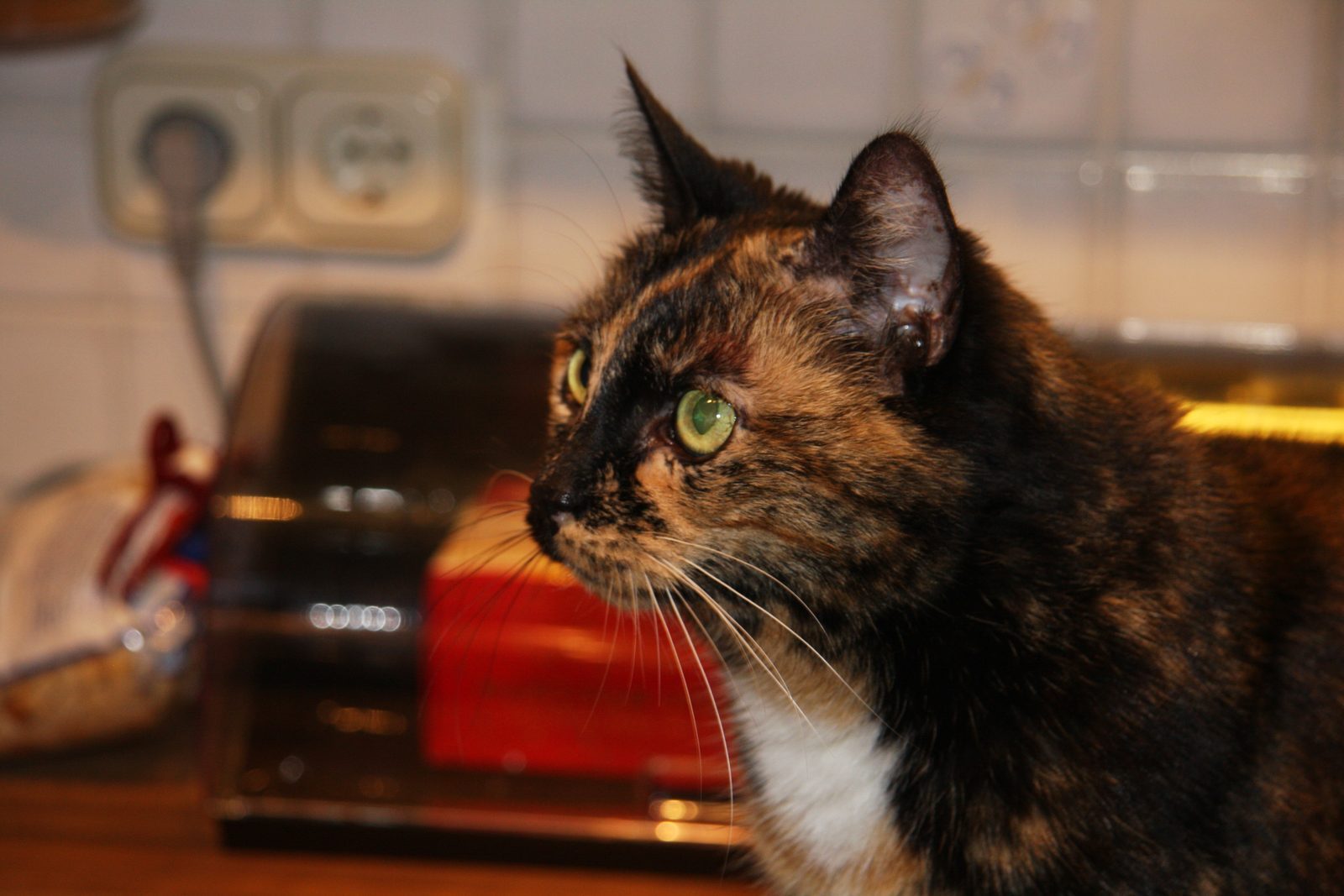
The traditional belief that one cat year is equivalent to seven human years has been debunked. This oversimplified calculation doesn't reflect how cats actually age. The first two years of a cat's life involve rapid maturation, with kittens reaching adolescence and then young adulthood far quicker than the old formula suggests.
The first two years of a cat's life equate to 24 human years and every year thereafter is equivalent to 4 human years, so a 16-year-old cat would be equivalent to an 80-year-old human. Understanding this helps you appreciate why your fourteen-year-old cat might need accommodations similar to what an elderly person requires. Suddenly, those concerns about mobility and mental sharpness make more sense, right?
Myth 6: Aging Cats Don't Change Much Until They're Very Old
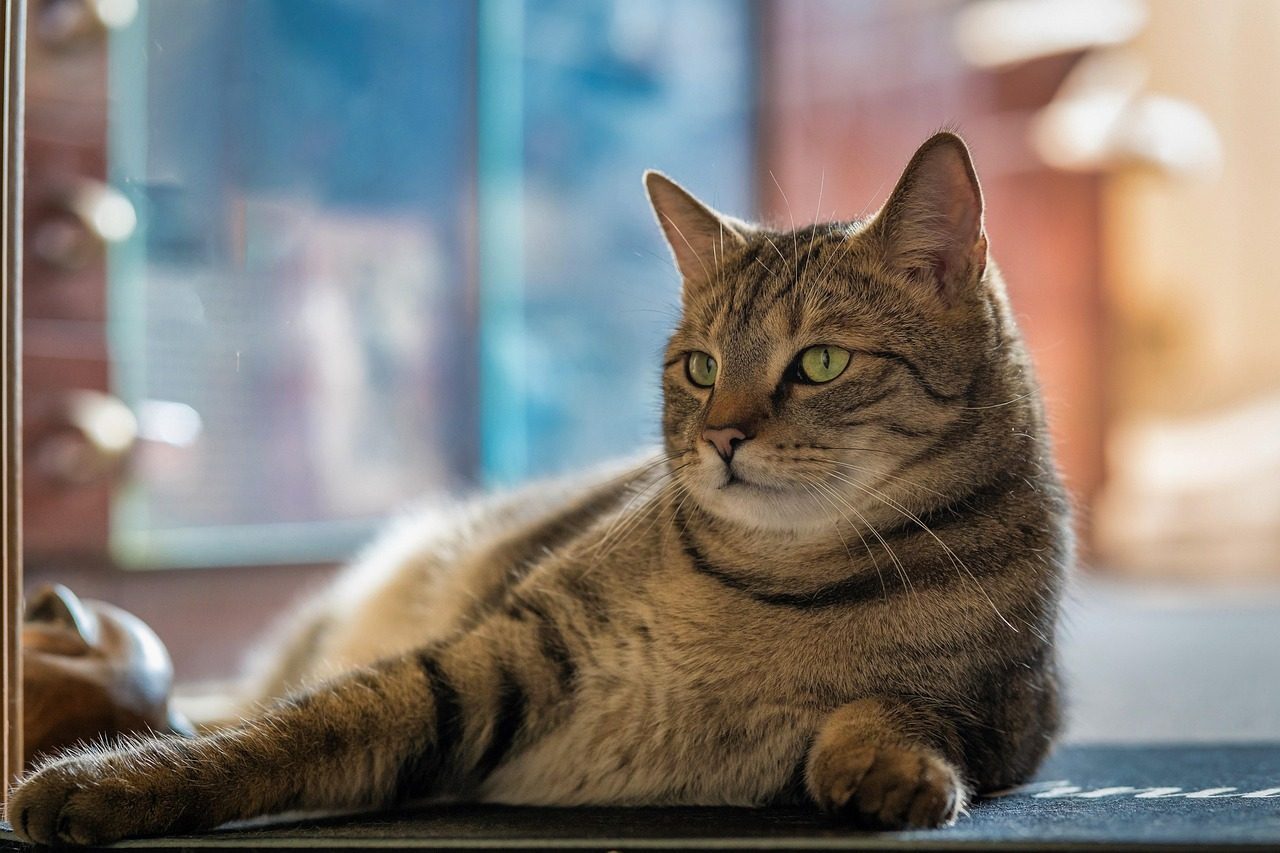
Many cat owners believe their pets remain essentially unchanged until suddenly becoming "old" in their late teens. Reality is far more nuanced. Cats are classified as mature at 7 to 10 years, senior at 11 to 14 years, and geriatric at 15 years or more. These categories exist because changes occur gradually across multiple life stages.
Muscle loss begins before middle age in cats, whilst loss of body condition and bodyweight begins after age 10. These shifts happen slowly, making them easy to miss unless you're actively monitoring. That's why keeping track of body condition and weight becomes increasingly important as your cat moves through middle age.
Truth 1: Senior Cats Need More Frequent Veterinary Visits
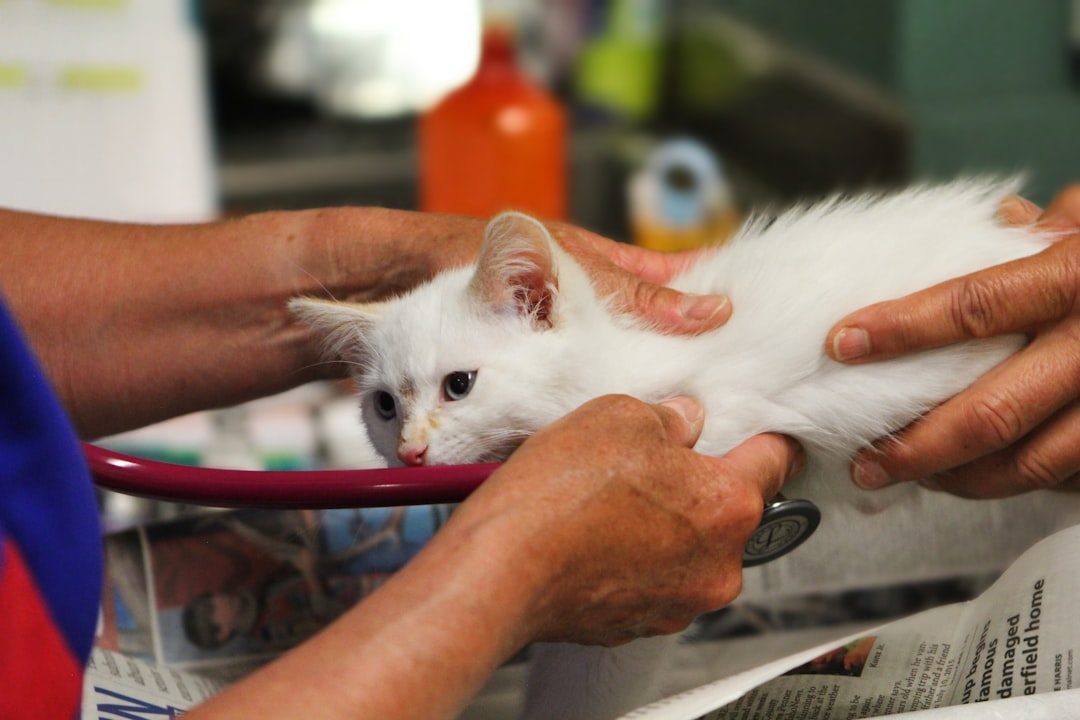
While you may be used to seeing your vet once a year for a routine exam and vaccination updates, senior cats need more proactive care, and since cats age faster than humans, bi-annual exams are essential for seniors. Think about it: if each cat year after age two equals roughly four human years, a lot can change in just six months.
These visits allow veterinarians to catch problems early when they're most treatable. For cats over 7 years old, a physical exam every six months helps detect problems early, especially since older cats are skilled at hiding diseases, and during these exams, your veterinarian may perform wellness testing that includes blood work, a thyroid level check, complete blood count, chemistry panel, urinalysis, and even heartworm screening. Early detection often means better outcomes and lower costs.
Truth 2: Dental Disease Is Extremely Common and Impacts Overall Health
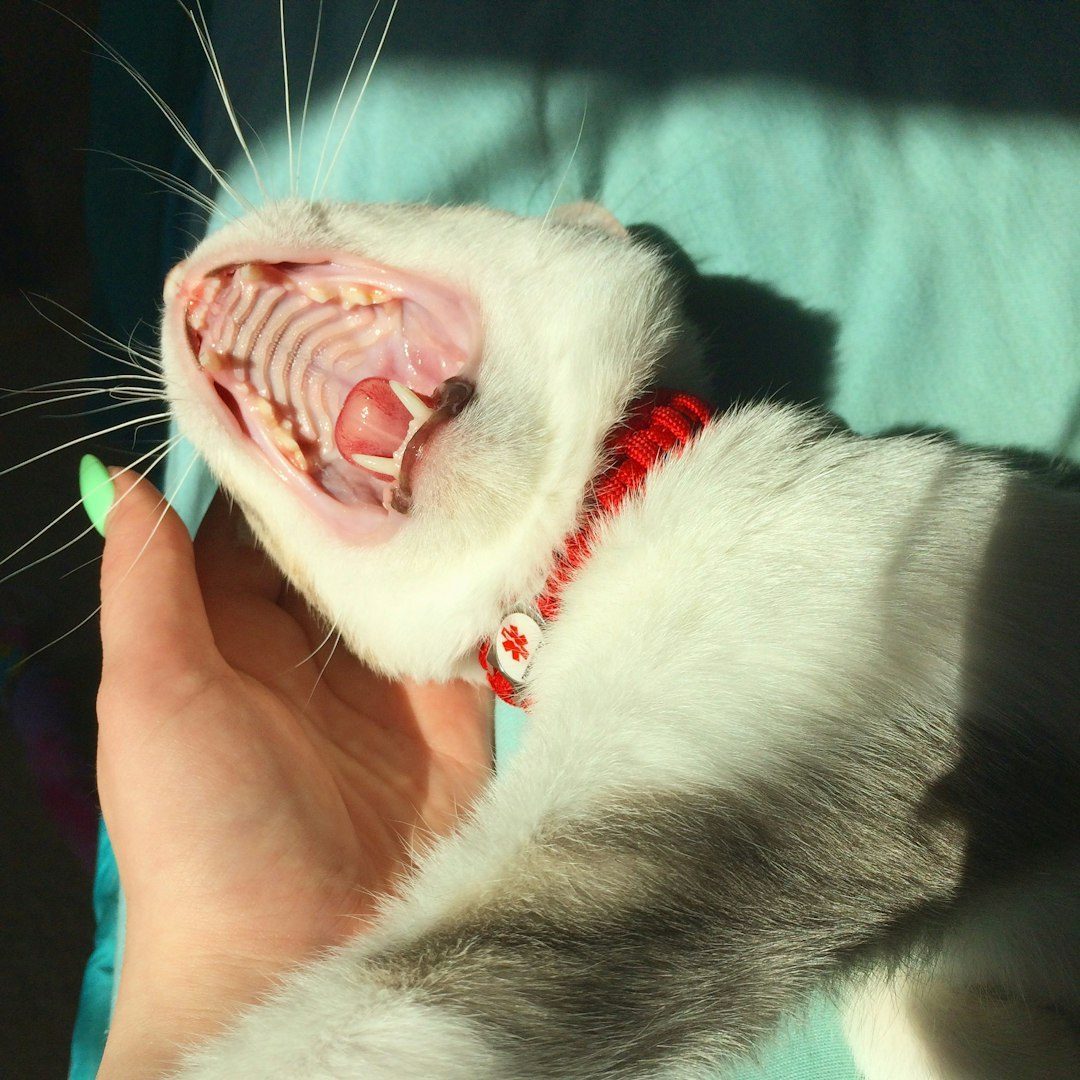
Dental disease is extremely common in older cats and can hinder eating and cause significant pain. Yet countless senior cats suffer silently with painful mouths because their owners don't realize the severity. Your cat might be hungry but reluctant to eat because chewing hurts.
Regular dental care becomes non-negotiable as cats age. This includes both professional cleanings and home care when possible. Although many different diseases can cause a loss of appetite, in healthy senior cats, a decreased sense of smell may be partially responsible for a loss of interest in eating, however, the discomfort associated with dental disease is a more likely cause of reluctance to eat. Addressing dental health can dramatically improve your cat's quality of life.
Truth 3: Cognitive Dysfunction Is Real and Affects Many Older Cats
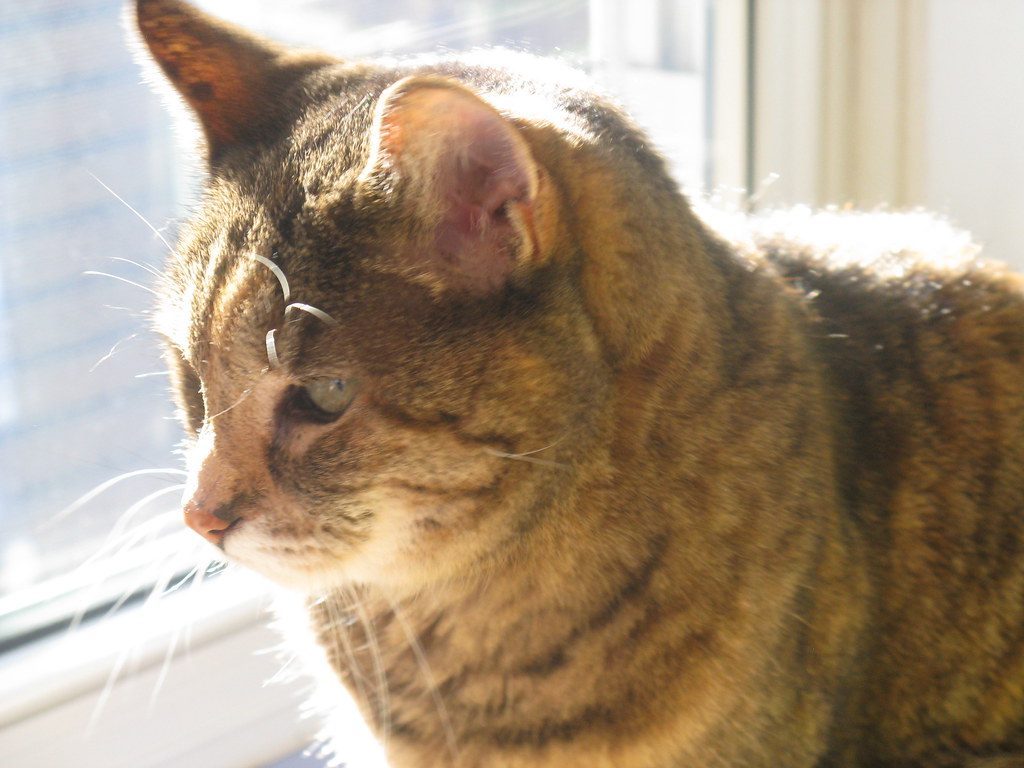
Feline cognitive dysfunction (FCD) affects over half of cats between the ages of 11 and 15, and as many as 85% of cats over age 16. This isn't just "getting old." It's a genuine neurological condition similar to dementia in humans, affecting memory, awareness, and learned behaviors.
Cognitive decline affects more than 55% of cats aged 11 to 15 years and more than 80% of cats aged 16 to 20 years, and memory, ability to learn, awareness, and sight and hearing perception can all deteriorate in cats affected with FCD, causing disturbances in sleeping patterns, disorientation or reduced activity. Your cat forgetting where the litter box is located or wandering aimlessly at night might be experiencing FCD, not just being difficult.
Truth 4: Arthritis Affects Most Senior Cats but Often Goes Undetected
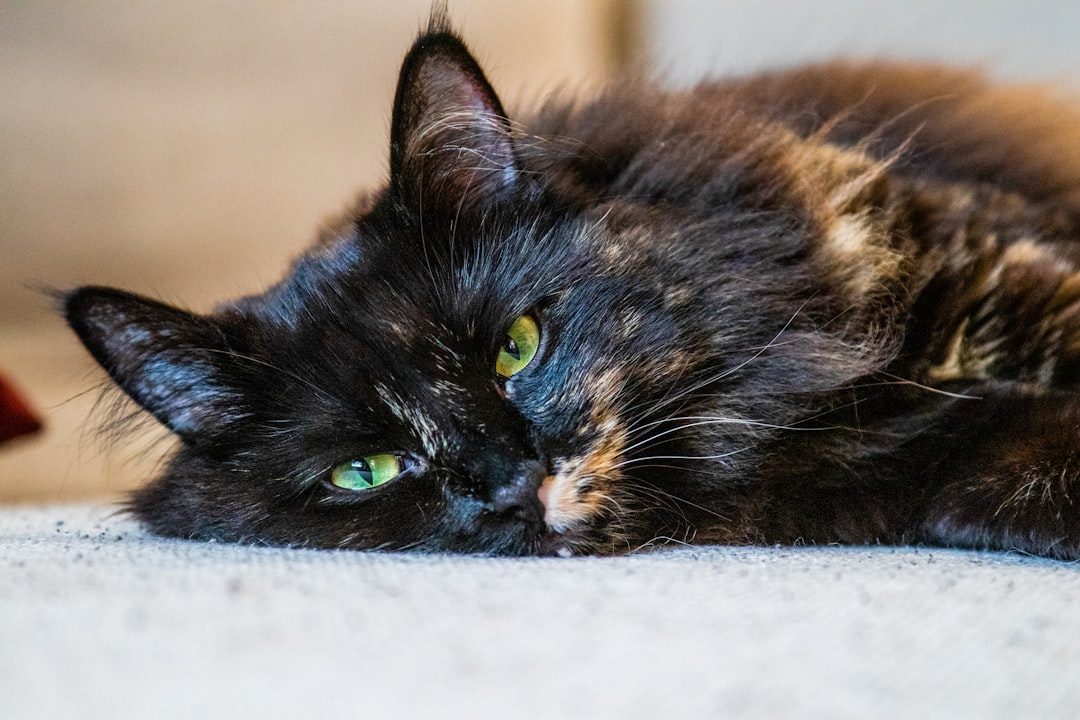
The apparent prevalence of orthopedic examination abnormalities was 59% in mature cats, and although data from primary care practices suggest a 2% prevalence of degenerative joint disease, this condition is known to be under-recognized in cats, with retrospective studies analyzing feline radiographs suggesting a prevalence of 22 to 92%. Cats are masters at hiding pain, making arthritis particularly insidious.
Your cat isn't necessarily lazy when they stop jumping onto their favorite windowsill. They might be in pain. Watch for subtle signs like hesitating before jumping, using a "step approach" where they previously leapt directly, or spending less time grooming hard-to-reach areas. Arthritis management through pain medication, supplements, and environmental modifications can restore much of their quality of life.
Truth 5: Kidney Disease Becomes More Common and Requires Proactive Management
Feline kidneys undergo a number of age-related changes that may ultimately lead to impaired function; kidney failure is a common disease in older cats, and its symptoms are extremely varied. This makes kidney health one of the most critical aspects of senior cat care to monitor closely.
Kidney function frequently deteriorates in older cats, and it's especially important that senior cats have easy access to clean water; mixing canned and dry food can help your cat absorb the water canned food offers. Regular blood work allows veterinarians to track kidney values over time and implement dietary changes or treatments before the disease becomes advanced. Hydration becomes absolutely essential.
Truth 6: Senior Cats Thrive with Environmental Modifications and Routine
Older cats cherish predictable days more than younger cats do, as cats become set in their ways as they get older, just as we do. Creating an environment that accommodates their changing needs isn't about coddling; it's about respecting their physical limitations and preferences.
As cats age they are more prone to getting arthritis and may have reduced control over their bowels and bladder, so it's a good idea to install litter boxes on every floor to make them easy to reach, and some older cats may climb into a normal litter box to urinate but not to defecate, so using a litter box with very low sides can help solve this problem. Simple changes like adding ramps, providing heated beds, keeping food and water bowls accessible on multiple levels, and maintaining consistent routines make an enormous difference in your senior cat's comfort and happiness.
Conclusion
Understanding the realities of feline aging allows you to provide genuinely effective care rather than operating on outdated assumptions. Your senior cat isn't destined to be grumpy, sick, or unplayable. They might face challenges, sure, but many of these are manageable with proper attention and veterinary partnership.
The key takeaway? Never dismiss changes as "just getting old." Growing older is not a disease. With regular veterinary care, environmental adjustments, and a commitment to watching for subtle changes, your feline companion can enjoy many high-quality years in their senior stage. What surprised you most about these myths and truths? Share your experiences with senior cat care in the comments.