10 Ways Your Cat Shows You Love (and 10 Ways They Secretly Manipulate You)
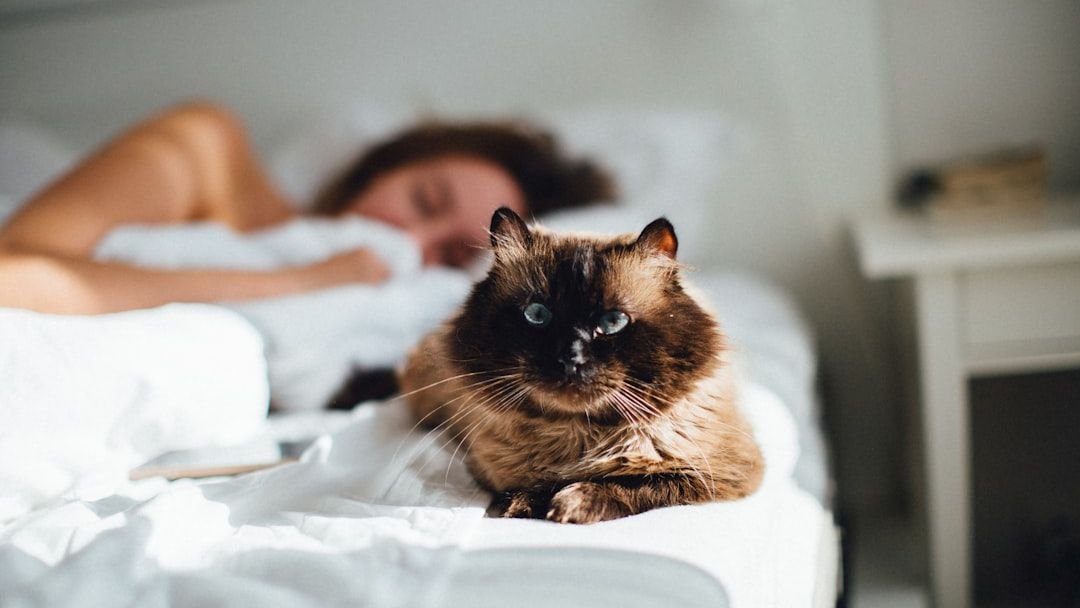
Have you ever wondered whether your cat truly adores you or if they're just really good at playing you? The reality is probably both. Cats are fascinating, complex creatures who exist in this beautiful gray area between genuine affection and clever scheming. They've mastered the art of tugging at your heartstrings while simultaneously pulling your strings. Let's be real, if you've lived with a cat for any length of time, you've probably suspected this already. But the science behind it might surprise you. So let's dive into this intriguing duality where love meets manipulation in the most endearing way possible.
1. The Slow Blink Kiss
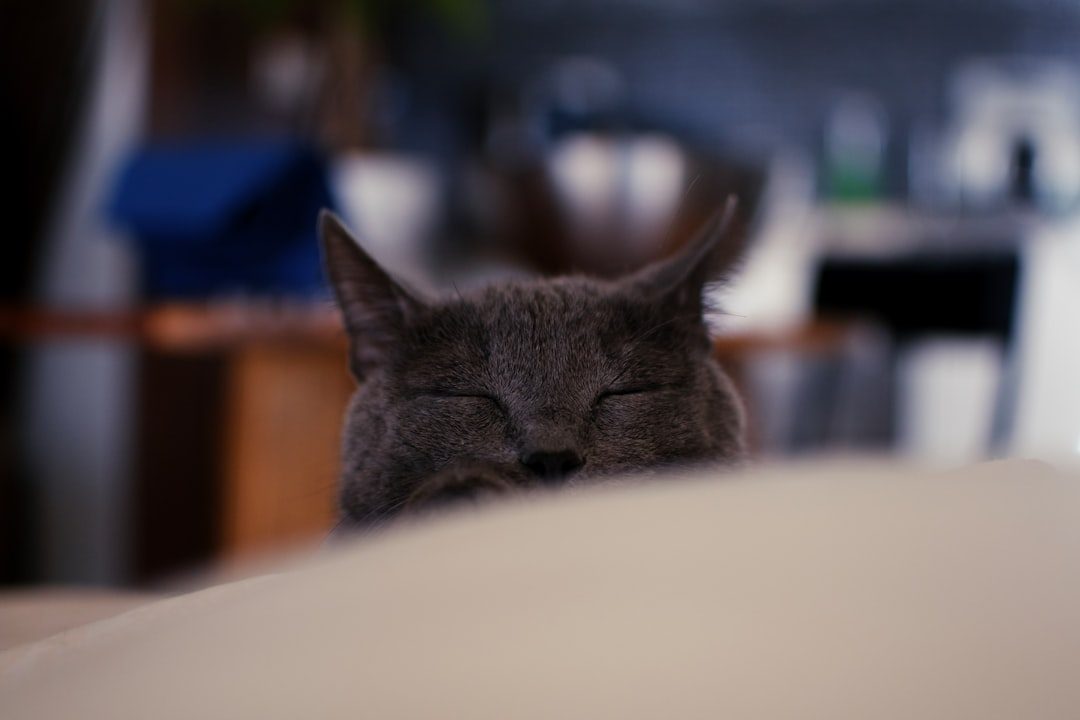
When your cat looks at you deliberately and softly closes and opens their eyes, they are communicating that they feel safe and at ease with you. The slow blink is a sure sign that your cat loves you; it shows your buddy feels relaxed, content, and safe. It's honestly one of the purest forms of feline affection you can receive.
This gesture is basically your cat telling you that you're safe enough to let their guard down around. Think about it: cats are both predators and prey in the wild, so closing their eyes near anyone requires serious trust. When you catch your cat giving you that languid, sleepy blink from across the room, they're essentially sending you a kiss. You can even return the gesture by slowly blinking back at them, which creates a lovely little moment of mutual understanding between you two.
2. Head Bumps and Cheek Rubs
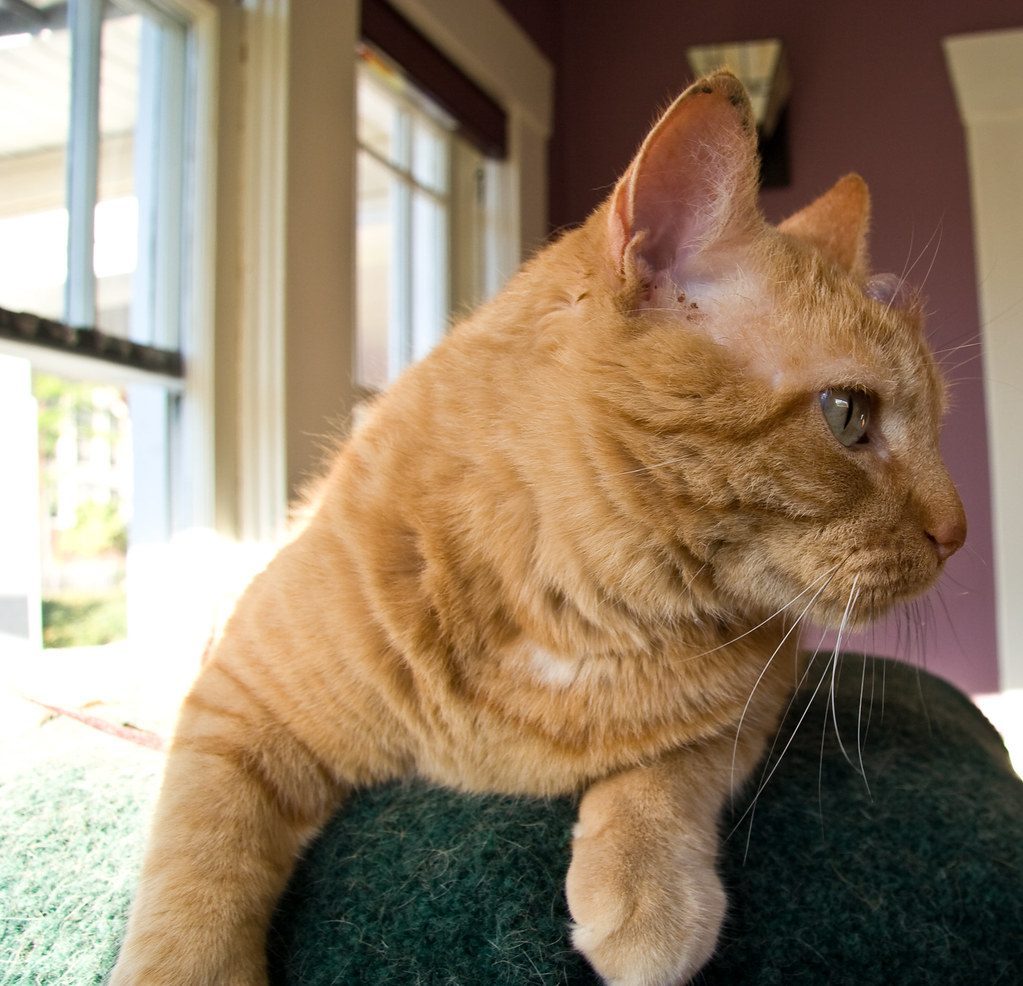
Your cat may bump their head against you or rub their cheeks against you to show affection, often an attempt to mark you with their scent to claim you as one of their own. This behavior, called bunting, is both sweet and possessive at the same time. Headbutting and cheek rubbing are social behaviours that are learnt and expressed throughout kitten-hood, and both are ways in which cats build bonds and affection with other animals and by extension, with the humans they do it to.
There's something incredibly endearing about a cat who deliberately walks up and boops their forehead against your leg or face. It feels intimate and tender. What's happening is that your cat has scent glands on their head, and they're essentially saying you belong to them. Sure, it's territorial, but it's also deeply affectionate. They're weaving you into their world, making you part of their colony.
3. The Kneading Ritual
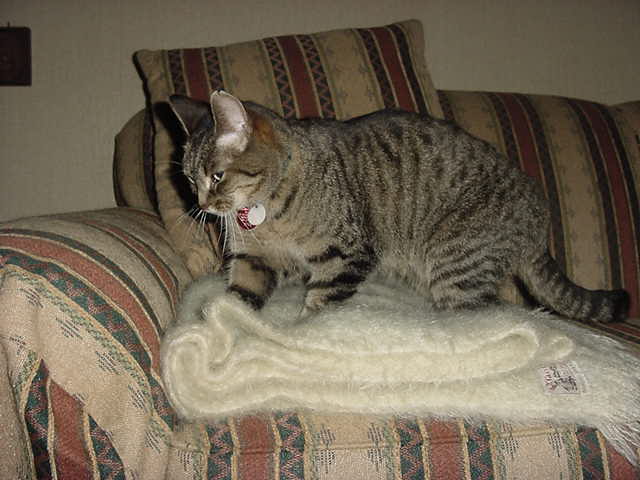
When your cat kneads you, they're being very clear that you make them feel loved and comfortable. Kneading occurs when a cat rhythmically presses its paws in a back-and-forth motion, and this behavior starts when they are kittens as cats use their paws on their mother's stomach to signal they want milk. So when your adult cat does this on your lap, they're essentially treating you like their mama cat.
Sure, those little claws can hurt when they dig in, but the sentiment behind the gesture is pure gold. Your cat is in a state of complete bliss and security when they knead. They're reverting to kittenhood memories of comfort and nourishment. The fact that they associate you with those feelings says everything about how much they trust and love you.
4. Purring in Your Presence
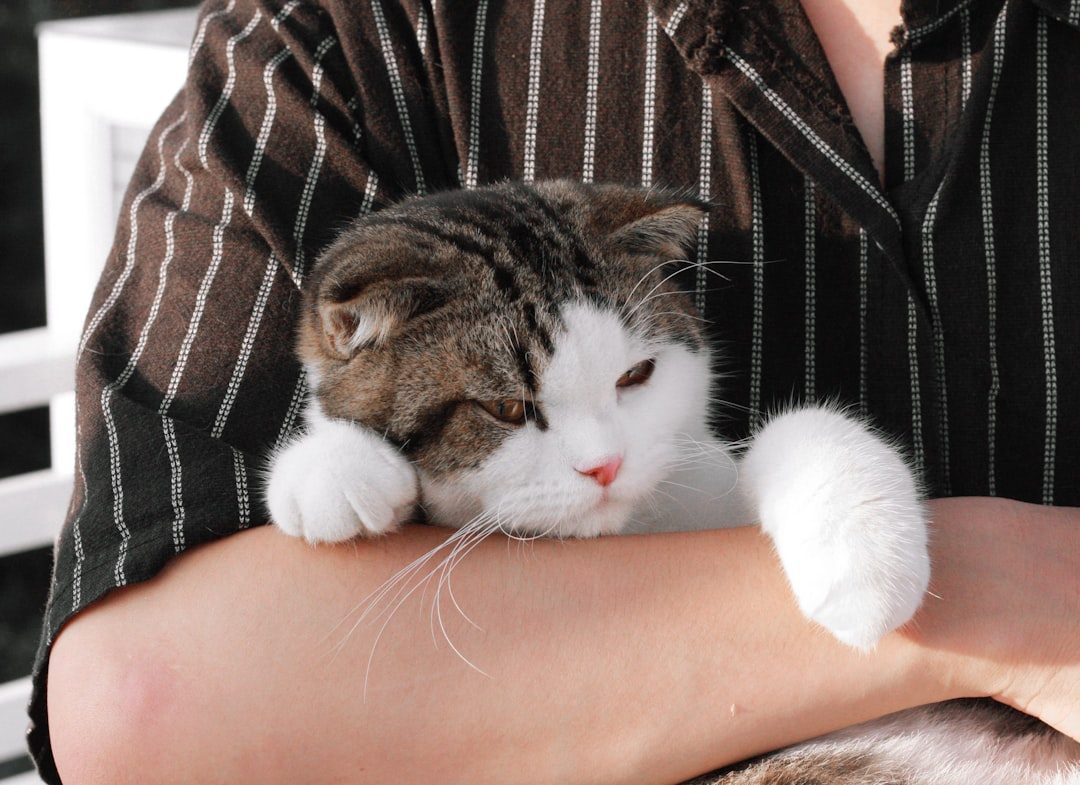
Cats often purr to show contentment when they are resting near you or when you're petting them. That rumbling vibration you feel when your cat settles on your lap is like their version of humming a happy tune. If your cat's just hanging out at home and they're near you, and suddenly you hear the motor go on, that's a pretty good sign that they love you.
It's such a soothing sound, honestly. There's something primal and comforting about having a purring cat nearby. They're telling you they're happy, relaxed, and content in your company. Keep in mind that cats can purr for other reasons too, like when they're nervous or in pain, so context matters. Still, that gentle rumble during cuddle time is definitely a love language you can trust.
5. Following You Around
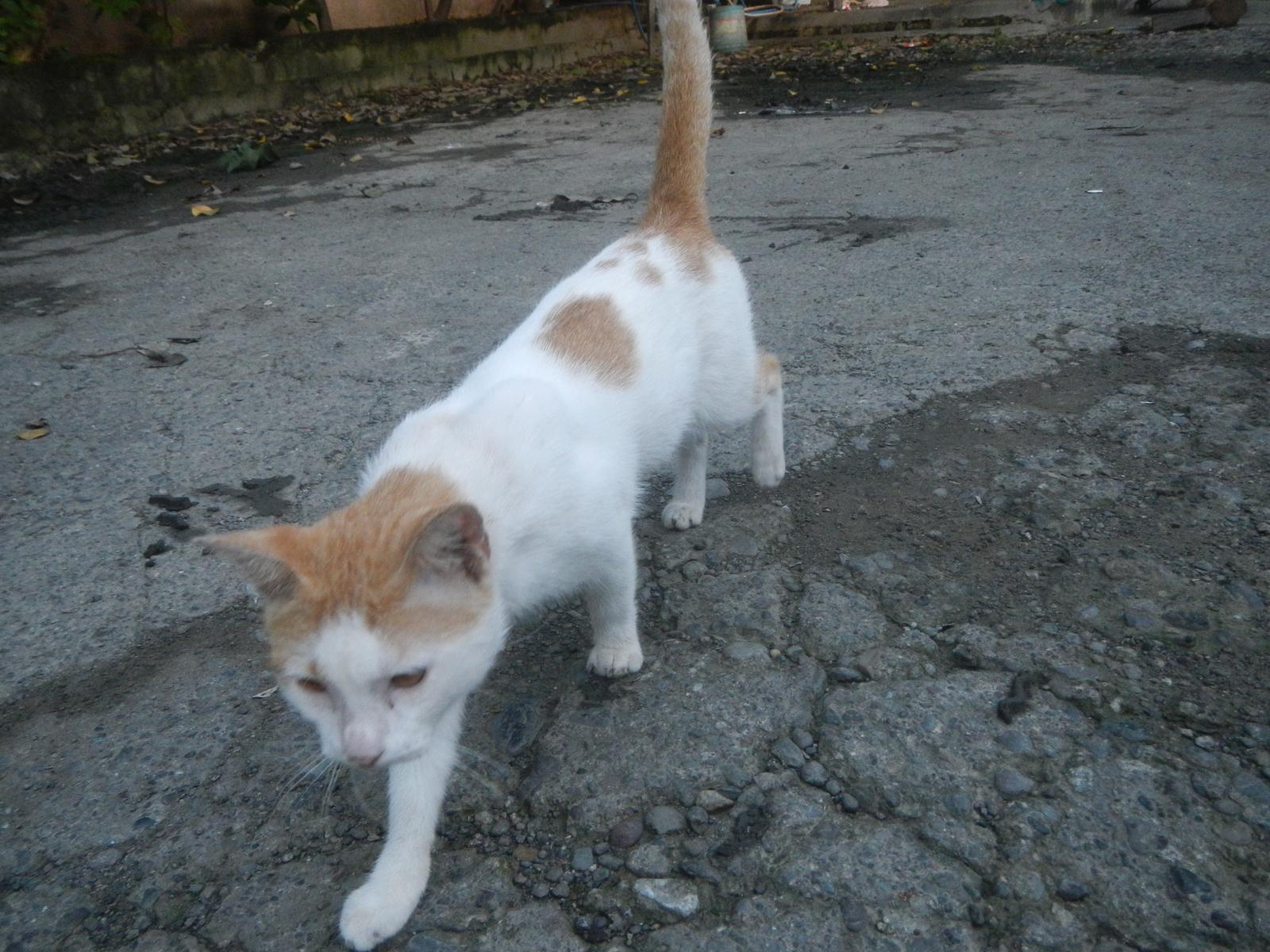
Many pet parents might find it odd that their cats follow them everywhere they go, even right into the bathroom, but this just means that your cat wants to spend more time with you and feels comfortable around you. Cats often follow those they love and trust around the home.
If your cat shadows you from room to room, even when there's no food involved, that's genuine affection right there. They simply enjoy your presence. You might think they're being clingy or needy, but really, they're just demonstrating that they value your company. They could be napping anywhere else in the house, yet they choose to be wherever you are. That's love.
6. Bringing You Gifts
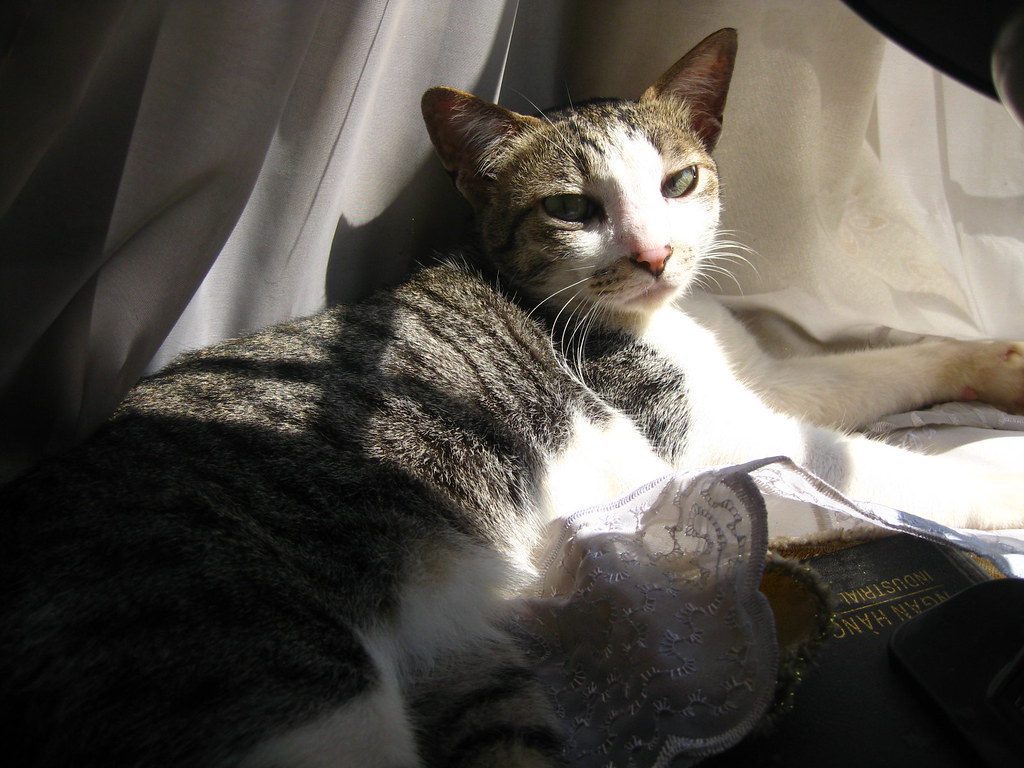
Cats are natural hunters, so when your kitty brings you freshly caught prey, they're actually offering you a delicious meal. Cats are hunters by nature and an outdoor cat will often bring their human dead rodents as tokens of affection, while indoor cats might bring toys, pieces of string, or whatever else they find around the house.
I know it sounds crazy, but finding a dead mouse at your door is actually your cat's way of showing they care. They're sharing their bounty with you, which in their world is a huge gesture of trust and affection. Indoor cats will do the same with their toys. If you wake up to find a toy mouse on your pillow, congratulations: your cat loves you enough to share their prized possessions.
7. Showing You Their Belly
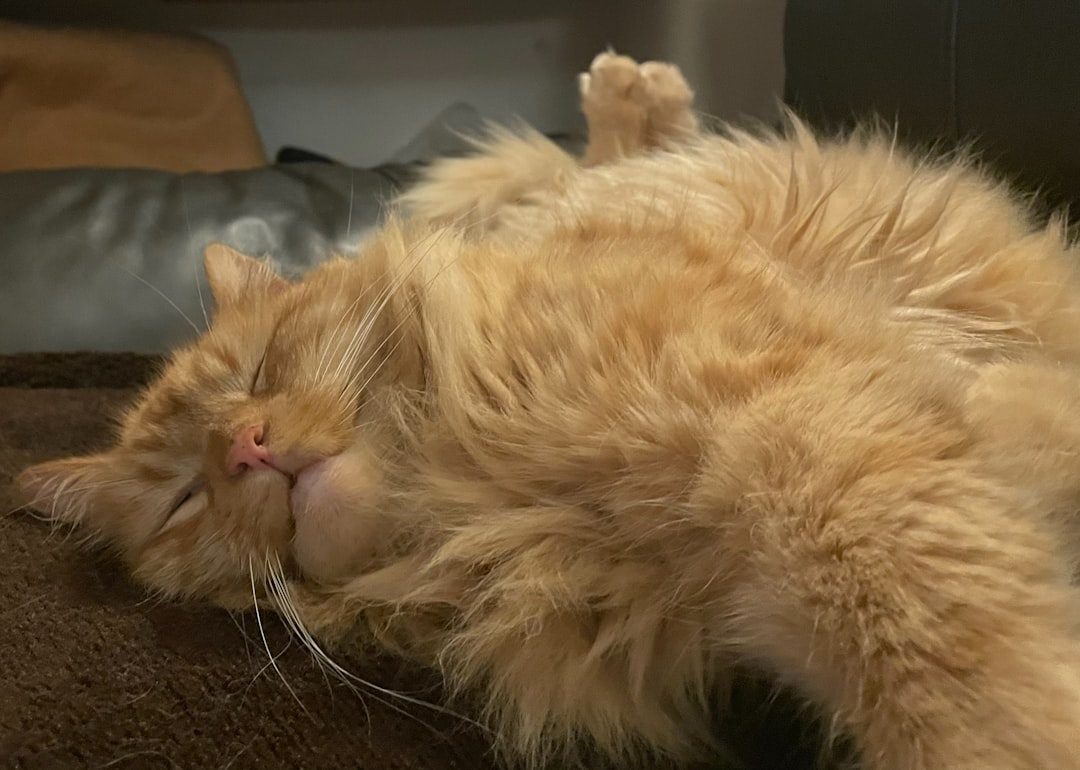
If a cat feels comfortable enough to offer up their belly for a rub, this is the ultimate sign of trust and affection. All of their organs are out in the open, so for a cat to go on their back and show you their belly, they trust you not to hurt them.
Here's the thing, though: just because they show you their belly doesn't always mean they want you to touch it. Sometimes it's just about displaying vulnerability and trust. They're basically saying they feel safe enough around you to expose their most delicate area. It's a compliment of the highest order in cat language.
8. Grooming You
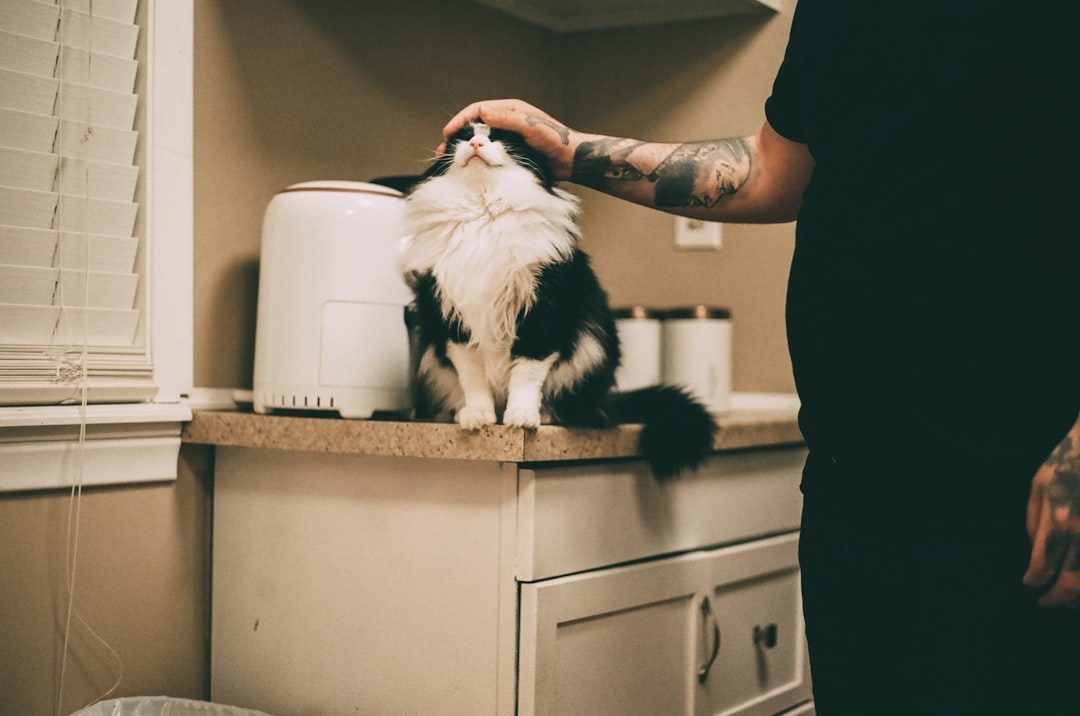
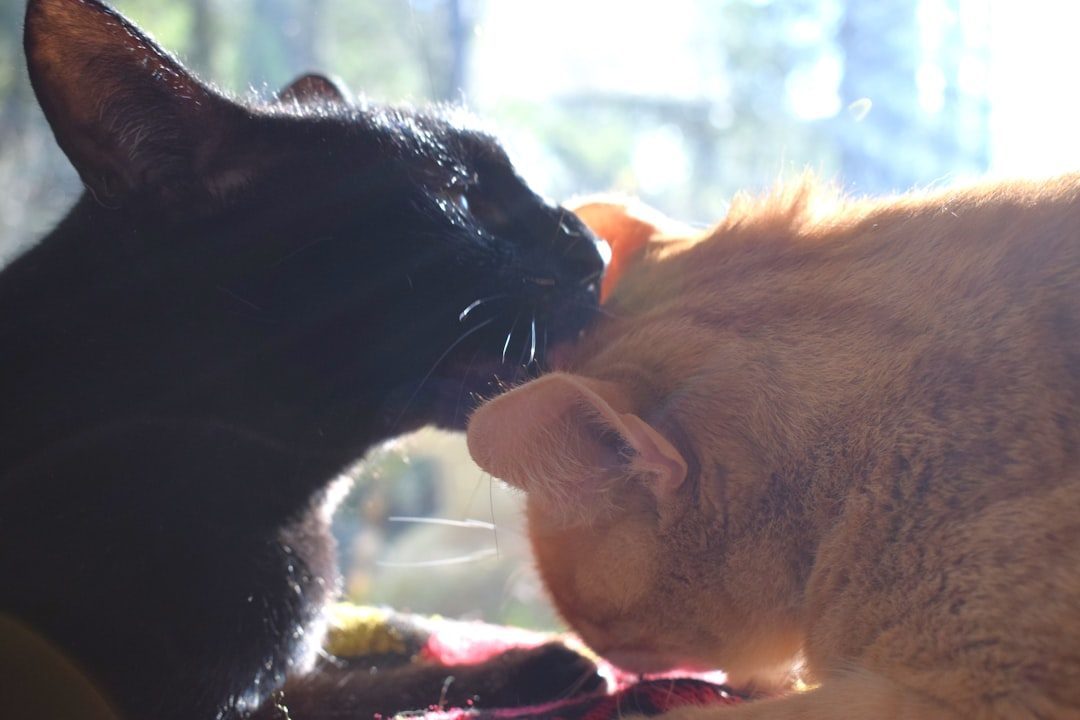
Cats groom each other as a display of affection, and this behavior will extend to humans when trust is built, allowing them to mark each other and build their bond. When your cat licks your hand, arm, or even your hair, they're treating you like family. When your cat licks your skin or hair, they are performing allogrooming, which is a social bonding behavior they typically reserve for other cats in their colony.
Sure, their tongue feels like sandpaper and it's not the most pleasant sensation, but the meaning behind it is beautiful. Your cat is literally grooming you the way they would groom a beloved sibling or parent. You've been accepted into their inner circle. It's their way of caring for you and reinforcing your bond.
9. Greeting You at the Door
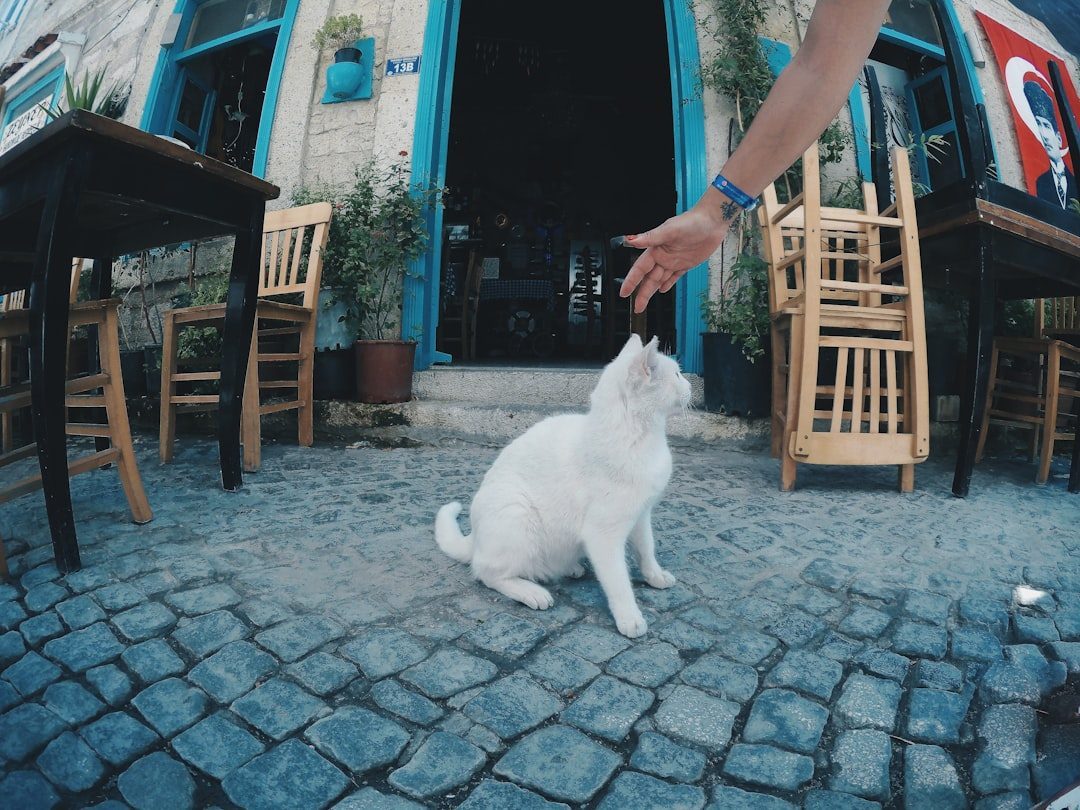
Your cat is trying to show you that they missed you when they greet you at the door, often followed by walking in-between your legs and curling their tail around your legs. It's one of the most dog-like behaviors cats display, and it's absolutely heartwarming. They've been waiting for you to come home.
This enthusiastic greeting shows genuine excitement about your return. They might meow at you, rub against your legs, or even trot alongside you as you walk in. It's their version of saying they noticed you were gone and they're happy you're back. That's real affection right there.
10. Sleeping Near or On You
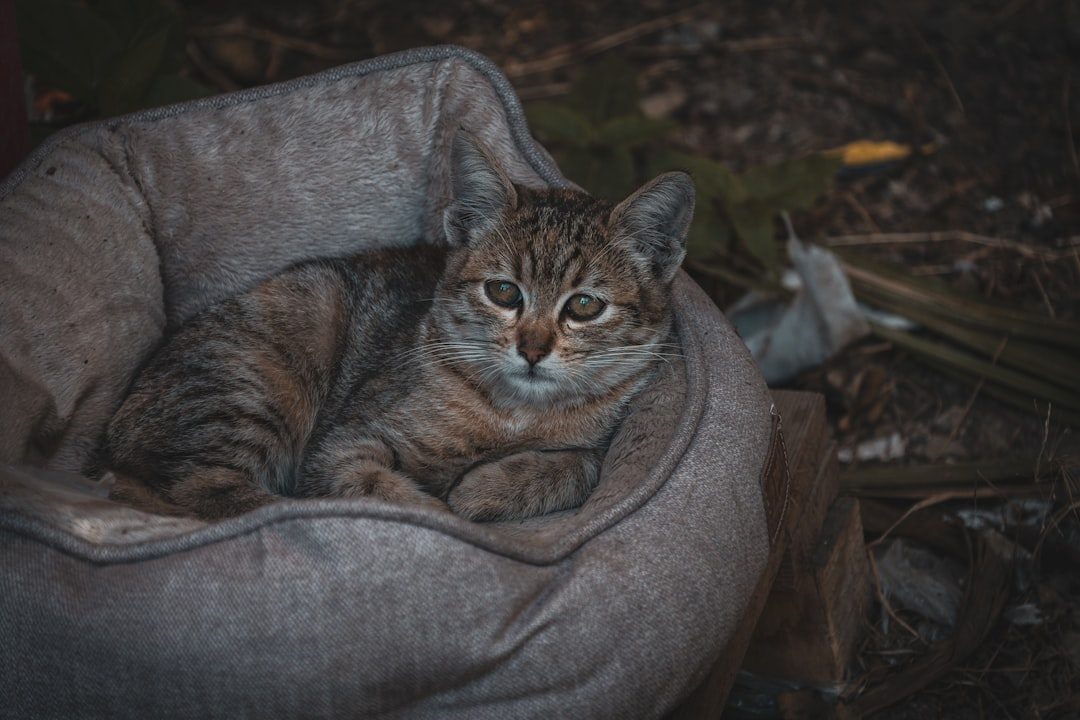
Cats sleep a lot, but like most animals, cats are most vulnerable when snoozing, and they are only going to sleep where they feel most comfortable and secure. So if your cat chooses to curl up on your lap, against your leg, or even on your face, they're telling you they feel completely safe with you.
This is honestly one of the highest compliments a cat can give. They're choosing you as their safe haven during their most defenseless state. Whether they're sprawled across your chest or tucked beside you on the couch, that's a cat who trusts you completely. It's hard to argue with that kind of devotion.
11. The Solicitation Purr
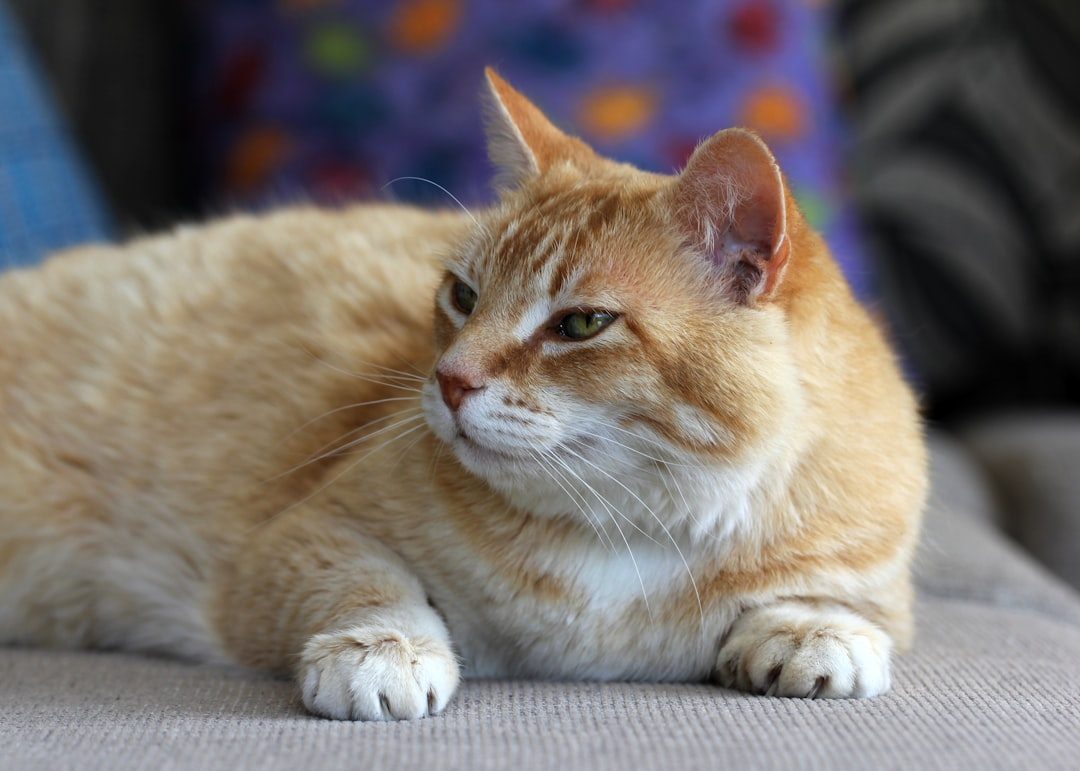
Here's where things get interesting. When they want food, domestic cats will often purr in a strangely plaintive way, and solicitation purrs are based on the same low-pitched sounds that contented moggies make, but embedded within them is a high-pitched signal that sounds like a cry or a meow. The frequency is actually very similar to that of a crying infant, so small wonder that it tugs on the human heartstrings.
Let's be real: your cat has figured out exactly how to push your buttons. They've evolved this specific vocalization to exploit your nurturing instincts. It's brilliant and slightly devious. Cats who spend a lot of time around humans have learned that exaggerating the voiced peak is a good way of manipulating their owners' sensory sensitivities. They know what works, and they use it shamelessly.
12. Strategic Meowing
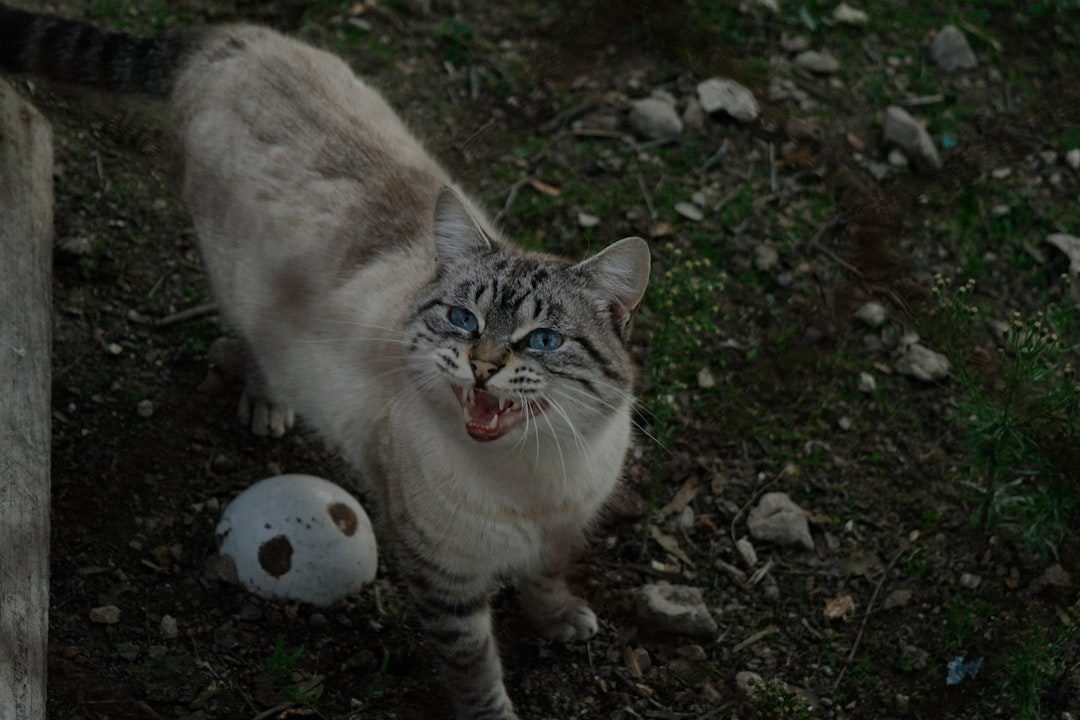
Their meows are intended to elicit the right response from owners, with louder and more grating meows requiring a more urgent response. Domestic cats tend to meow much more than feral cats, and they rarely meow to communicate with fellow cats or other animals. Basically, they developed this entire vocal repertoire specifically for manipulating humans.
Your cat has different meows for different situations, and they've trained you to respond to each one. They know which sound gets you to open the door, which one makes you check their food bowl, and which one gets them immediate attention. They're basically running a little behavioral experiment on you every single day, and you're falling for it. Honestly, you have to admire the strategy.
13. The 3 AM Wake-Up Call
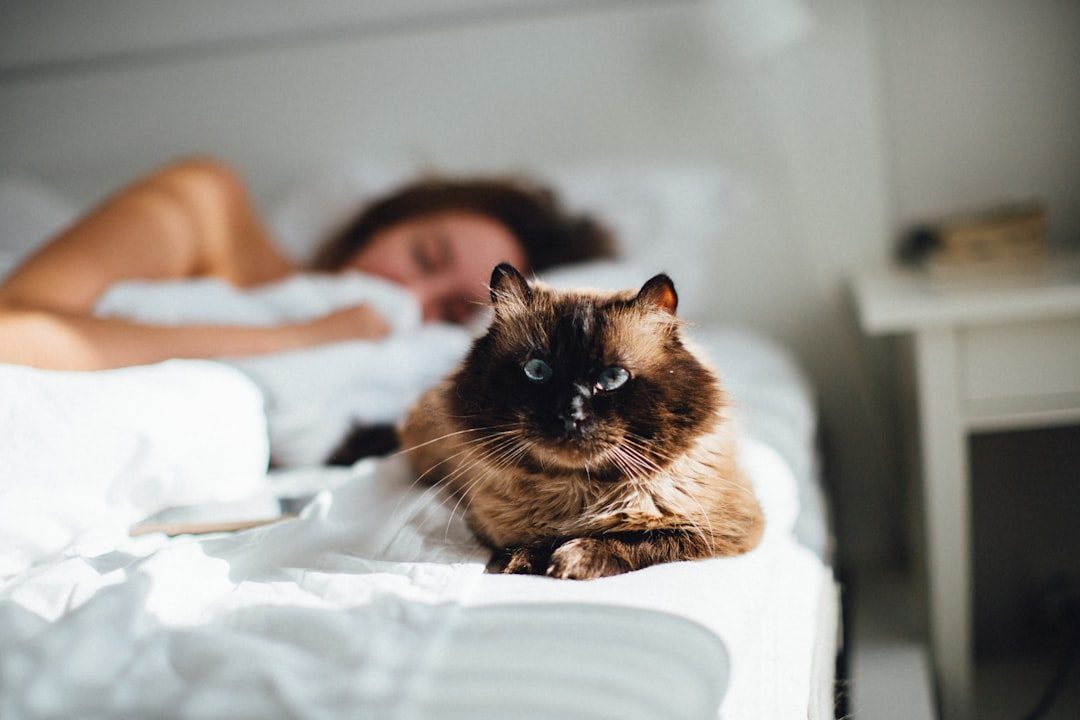
Cats are perfect alarm clocks and always stick to their schedule because they live for routine, and if your cat wakes you up at the same time every morning, if they demand to be fed at the same time every day, then you have a small tiger-like boss at home. They've trained you to wake up and serve them at a specific time, regardless of whether it's a weekend or you were up late.
It might seem like they just want breakfast, but there's more to it. They've established a routine and expect you to follow it. They've essentially conditioned you like Pavlov conditioned his dogs, except you're the one being trained. The manipulation is subtle but effective. You might grumble and complain, but you still get up and feed them, don't you?
14. Sitting on Your Keyboard or Book
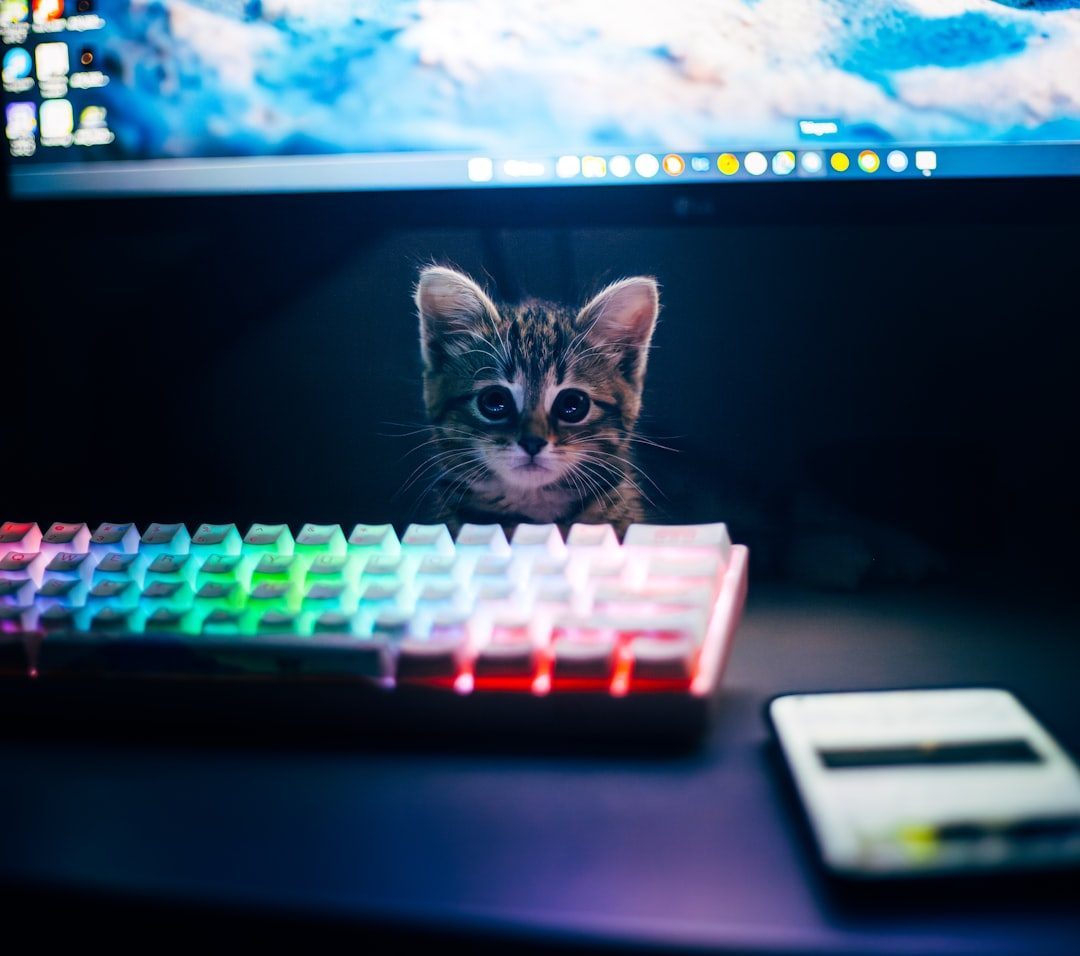
When a cat strolls across a keyboard or settles on a book, it's usually because it has noticed how intensely their human focuses on the object, and by placing themselves in that space, cats redirect your focus back toward them. They're not just being annoying; they're being strategic attention seekers.
Your cat has figured out that certain objects command your focus, and they want that focus redirected to them. It's a clever tactic. They're not sitting on your laptop by accident; they're sitting there because that's where your eyes and hands have been for the past hour. They're essentially saying your attention budget needs to be reallocated, and they're taking matters into their own paws.
15. The Fake Affection Rub
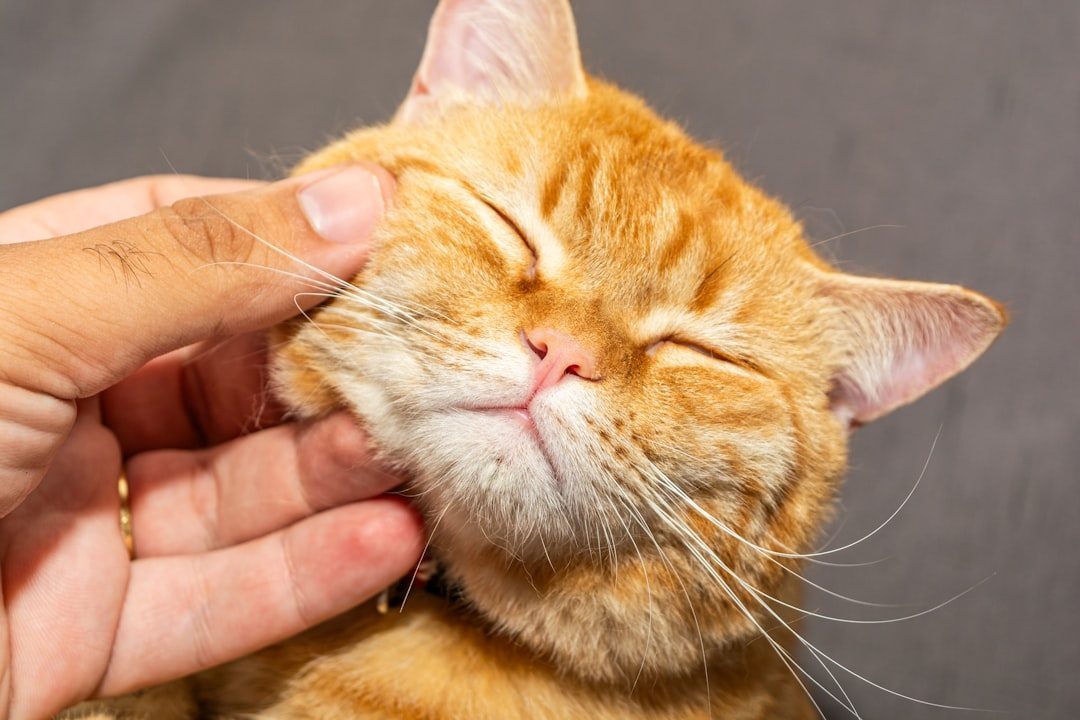
Remember how we talked about head bumps being a sign of love? Well, there's a manipulative side to it too. When your cat rubs their chin and body against you, what they're really doing is marking their territory, and you'll notice that they also rub the chair, the door, their toys and everything in sight.
So yes, they love you, but they're also claiming ownership of you. You're being marked as property. It's affectionate, sure, but it's also a power move. They're essentially putting their scent all over you so other cats know you're taken. You're theirs now. Accept it.
16. The Escalation Strategy
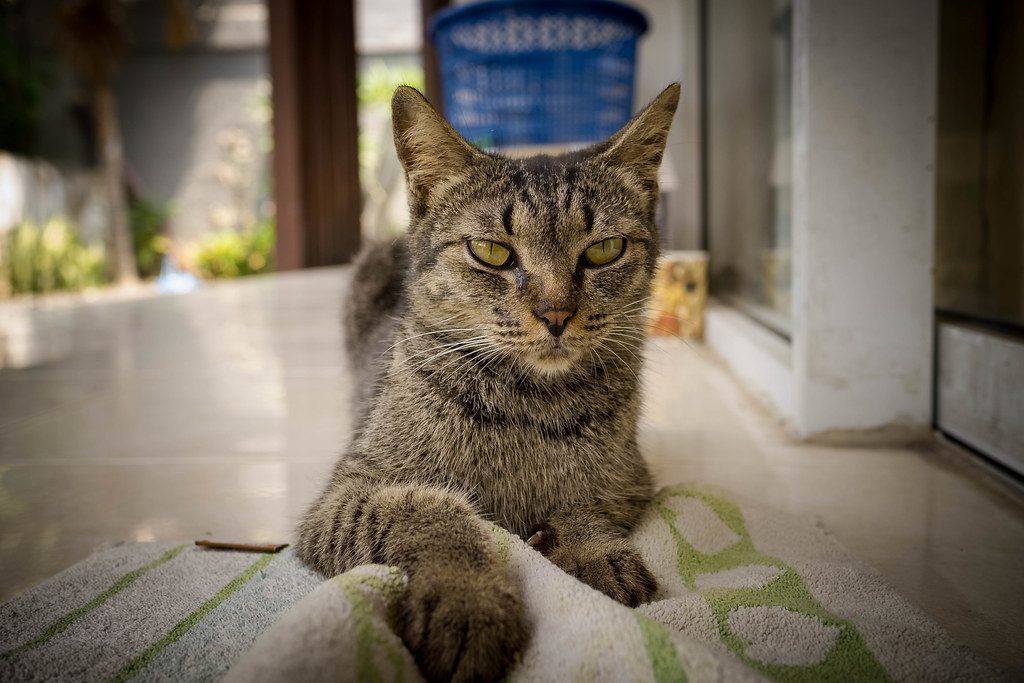
If your cat wants attention, they will start by rubbing against your leg or bumping you with their head, but if you ignore that attempt, they will likely jump onto your laps or lie down on your papers/computer, and start purring. They have a whole escalation protocol designed to get what they want.
They start subtle and get progressively more disruptive until you cave. First, a gentle rub. Then maybe a meow. Then they're on your keyboard. Then they're knocking things off your desk. It's a calculated progression. They know exactly how far they need to go before you'll give them what they want, and they're willing to go there.
17. Social Referencing Mastery
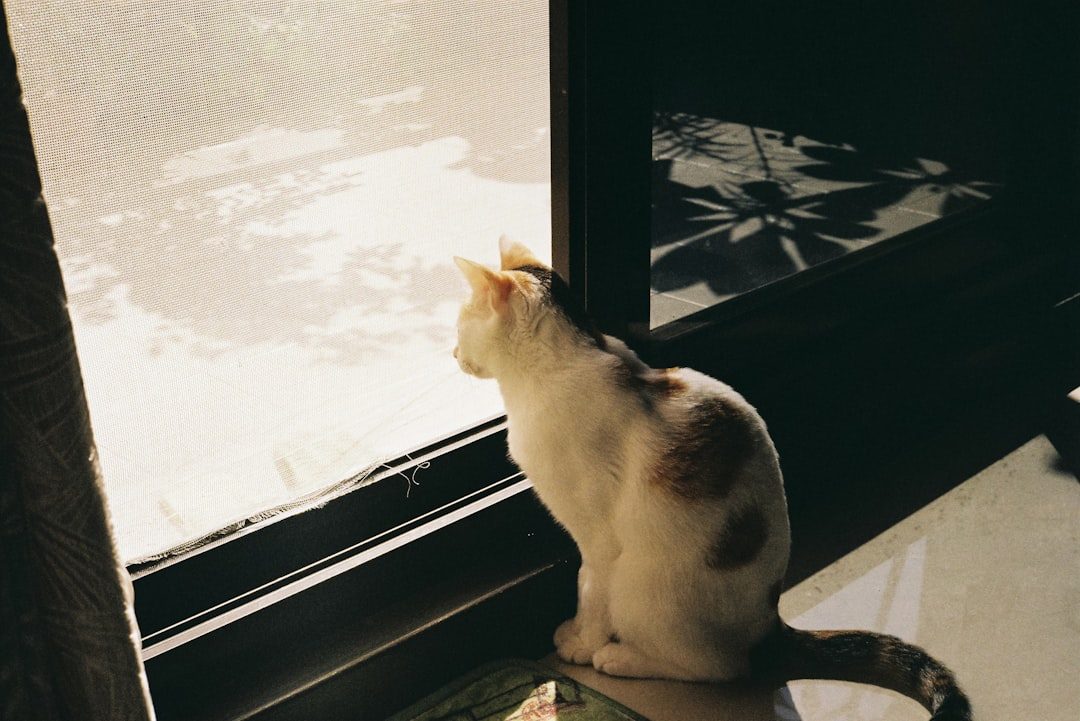
Cats observe our behavior using a process called social referencing, which is a complex process, so animals exhibiting it have high intelligence. This ability to social reference can explain how cats manipulate humans, as they're smart enough to put our behavior into context and train themselves to behave in ways that trigger those behaviors.
Your cat is literally studying you. They're observing your reactions and adjusting their behavior accordingly. They're learning what works and what doesn't, and they're using that information to get what they want. It's hard to say for sure, but your cat might actually be smarter than you give them credit for. They're running circles around you while you think you're the one in charge.
18. The Controlled Purr
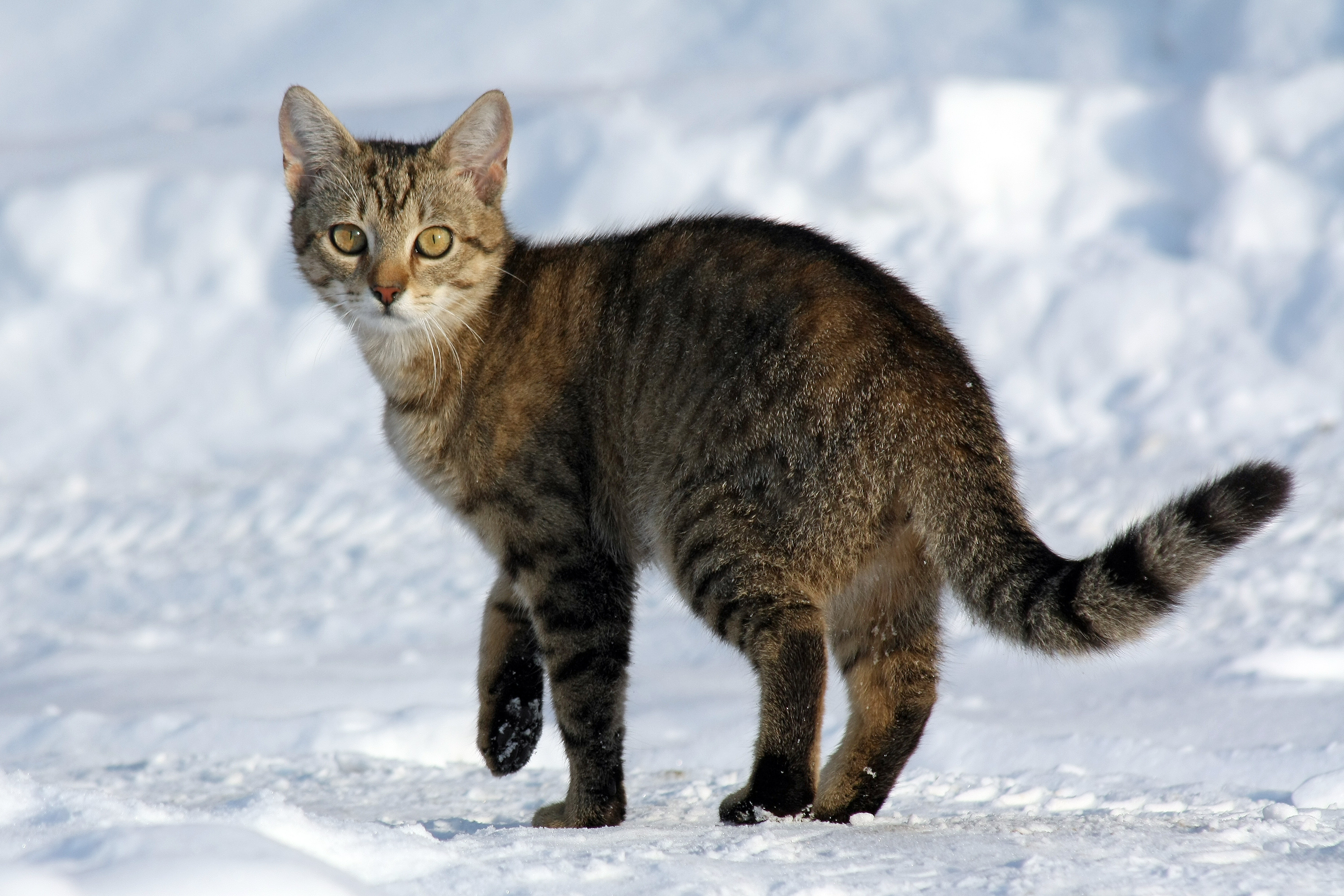
When you start petting them while they purr, you will instinctively enjoy the calming experience and they in return will enjoy your attention, but when the purring stops, it's time for you to stop as well, because your cat is the one in charge. They decide when the interaction starts and when it ends.
You think you're choosing to pet your cat, but really, they initiated the whole thing and they'll end it when they've had enough. They've trained you to respond to their purring, and they've trained you to stop when they signal. You're basically following their script. They're the director, you're just the supporting actor.
19. The Belly Trap
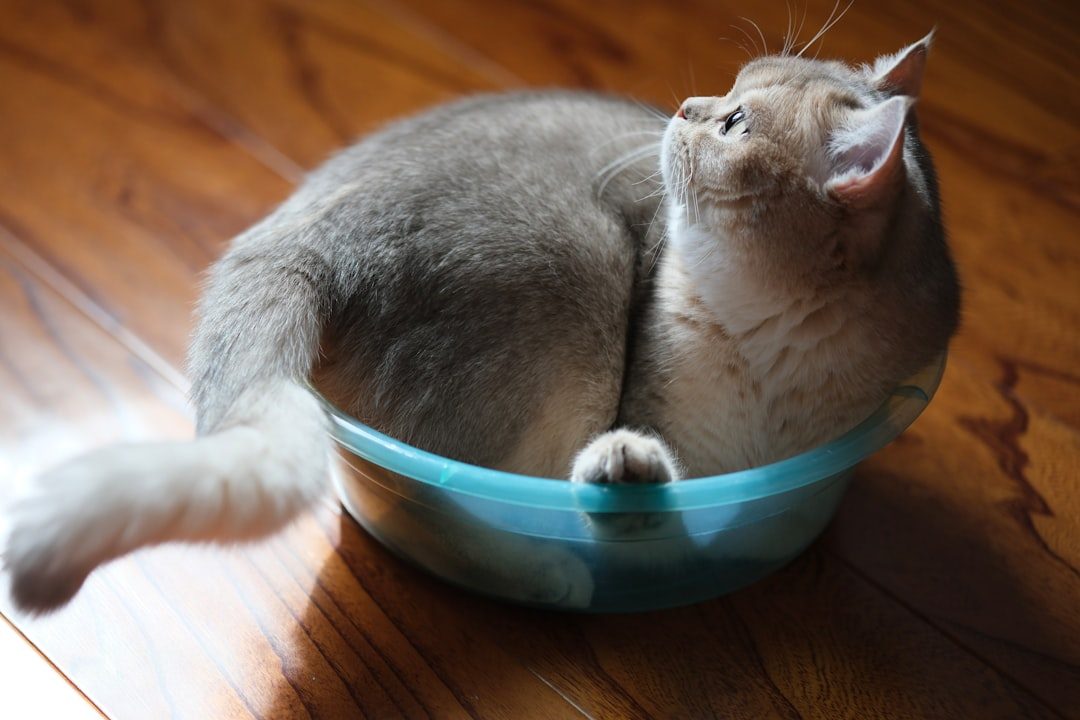
Rolling onto their back is not always an invitation for belly rubs - it's a sign they trust you and expect a reward. Sometimes they show you their belly and then attack your hand the second you try to touch it. It's like they're testing your boundaries or just messing with you for fun.
Here's the thing: they know showing their belly makes you want to pet them. They've figured out this vulnerability display gets a reaction from you. Sometimes they genuinely want gentle attention, but other times they're just playing games. You never quite know which scenario you're walking into, and that unpredictability keeps you on your toes. They like keeping you guessing.
20. Living Rent-Free
Wild cats don't need to be manipulative, but housecats have learned to prey on our emotions. Cats are very trainable and very food motivated, but cats usually train us more than we train them, and as the old saw goes, dogs have owners, cats have staff.
Let's face it: your cat has orchestrated the perfect setup. They live in a comfortable home, get fed multiple times a day, have their waste cleaned up for them, receive medical care, and get affection on demand. They've convinced you that this arrangement is mutual, but who's really benefiting more here? They've domesticated themselves just enough to secure all the comforts of modern life while maintaining complete autonomy. That's the ultimate manipulation: making you think you adopted them when really, they chose you.
Conclusion
So where does love end and manipulation begin with cats? Honestly, the line is beautifully blurred. Your cat genuinely loves and trusts you, but they're also incredibly smart creatures who've figured out how to get their needs met. That combination of authentic affection and clever scheming is what makes them so fascinating. They're not like dogs who wear their hearts on their sleeves; cats play a longer, more sophisticated game.
The truth is, even when your cat is manipulating you, it's still rooted in your relationship with them. They've learned these tactics because they've spent time observing you, living with you, and building trust with you. The manipulation wouldn't work if the bond wasn't there in the first place. So the next time your cat wakes you up at dawn with that special purr or knocks your phone off the table to get your attention, remember that it's all part of this weird, wonderful dance you two share. What do you think: is your cat more lover or more schemer? Tell us in the comments.