7 Cat Behaviors That Seem Strange (and 7 That Are Perfectly Normal for Felines)
Ever catch your cat staring at an empty wall, and wonder if they've finally lost it? Or maybe you've watched them sprint around the house at three in the morning like a tiny, furry tornado. Cats are endlessly fascinating creatures, and their quirky antics can range from absolutely adorable to downright baffling.
Here's the thing: some behaviors that seem completely bonkers to us are actually totally normal for cats. Others might genuinely raise a red flag. Knowing the difference helps you understand your feline friend better and keeps them healthy and happy. So let's dive into the mysterious world of cat behavior and decode what's really going on behind those enigmatic eyes.
1. Staring at Walls or Into Space
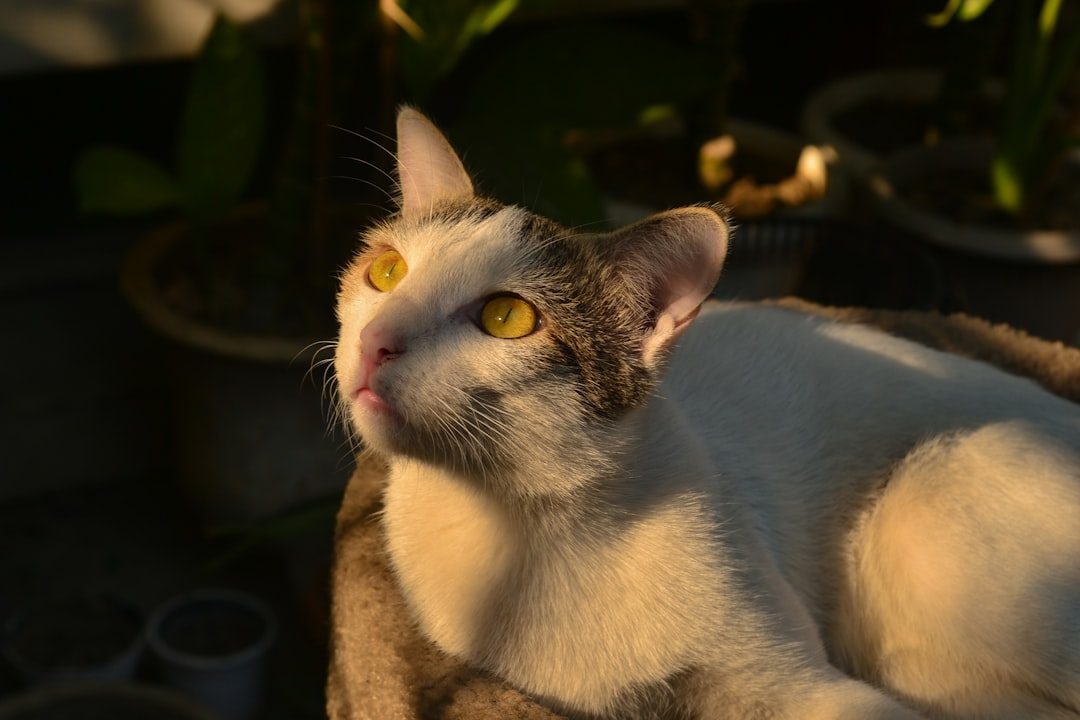
Your cat has superior hearing and vision, so what looks like a blank stare might be them tracking a tiny sound or subtle movement. That seemingly empty corner could be teeming with activity from your cat's perspective. Maybe they're listening to pipes creaking in the walls or watching a dust particle float through a beam of sunlight.
This is totally normal behavior. The behavior is harmless, so let your cat embrace their spooky, mysterious vibe. Honestly, it's just one of those things that makes cats endlessly entertaining. They're tuned into a world we can't fully perceive, and that's part of their charm.
2. Chattering at Birds Through the Window
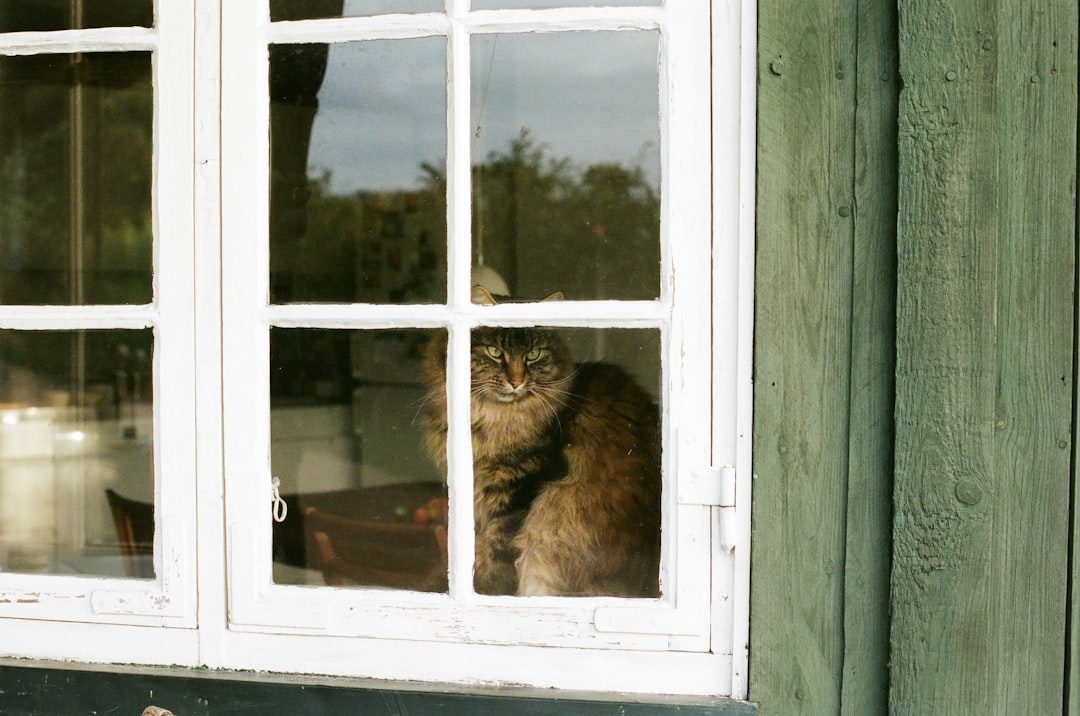
You've probably heard it before. Your cat emits a fast and intense teeth chattering, especially when they spot a bird while gazing out of a window. It's an odd sound, almost like a bizarre mix of clicking and chirping.
That sound comes from their excitement at seeing potential prey combined with the frustration of not being able to get at them. Chattering is an instinctive behavior thought to mimic the kill bite cats use on prey, and when your indoor cat sees a bird or squirrel outside, this instinct kicks in. Let's be real, it's hilarious to witness. Your little predator is just doing what comes naturally, even if the only thing they're hunting is their dinner bowl.
3. Bringing You Dead Animals
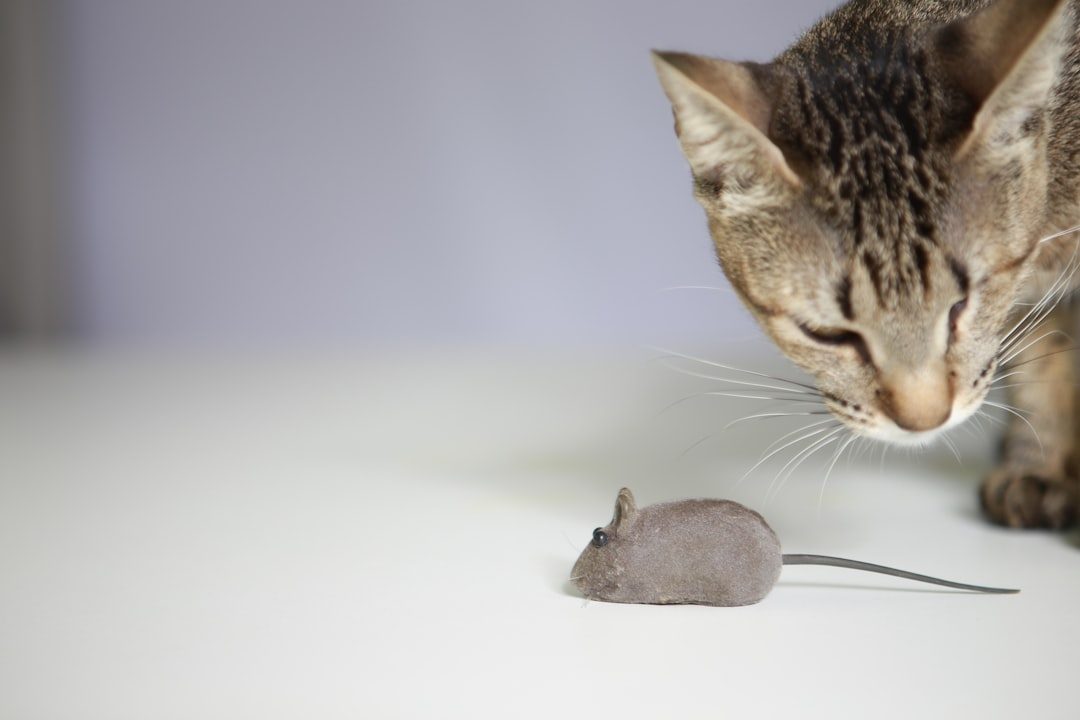
Nothing says "good morning" quite like finding a dead mouse on your doorstep, right? This behavior can definitely seem strange, even unsettling, but it's actually rooted in your cat's hunting instincts. In bringing you a fresh kill, your cat is sharing the rewards of the hunt with you.
Cats are natural hunters, and offering prey is their way of sharing with family. Think of it as a deeply bizarre but genuine gesture of affection. They're treating you like part of their pride, showing you they can provide. Sure, it's gross, but it's also kind of sweet in a primal way.
4. Hiding in Small Spaces
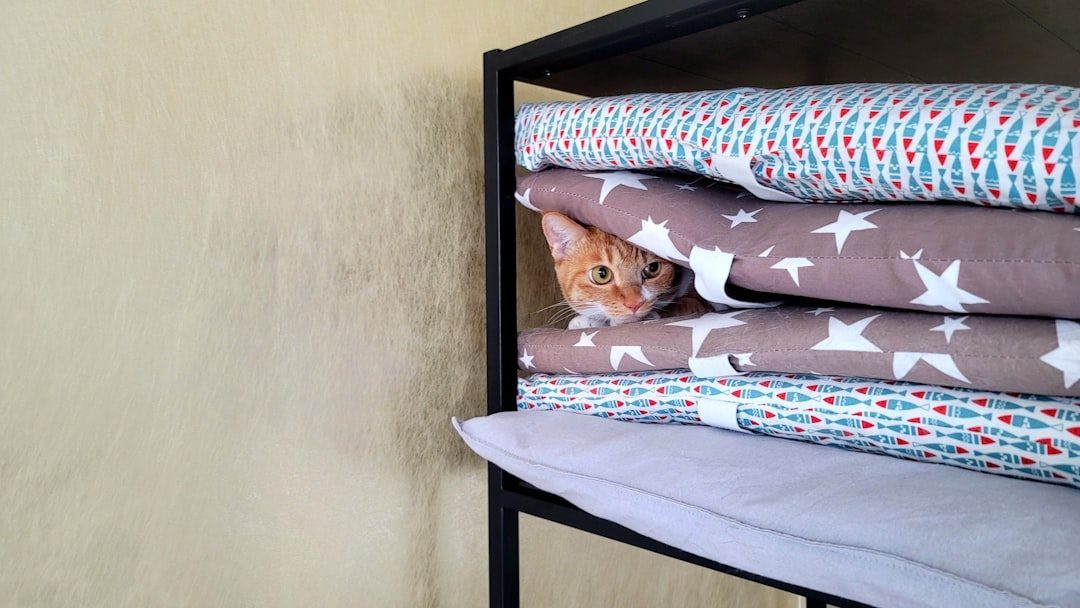
Small spaces make your cat feel safe and secure, and if they were out in the wild, they would not want to be unprotected in an open area because this would make them more susceptible to predators. Boxes, bathroom sinks, dresser drawers - if they fits, they sits.
Felines also have a natural instinct to ambush, and by hiding in small spaces they are able to watch and observe their surroundings from a distance. It's completely normal behavior. Your cat isn't being antisocial or weird - they're just channeling their inner wildcat. Creating cozy hiding spots around your home actually helps them feel more secure.
5. The Infamous Midnight Zoomies
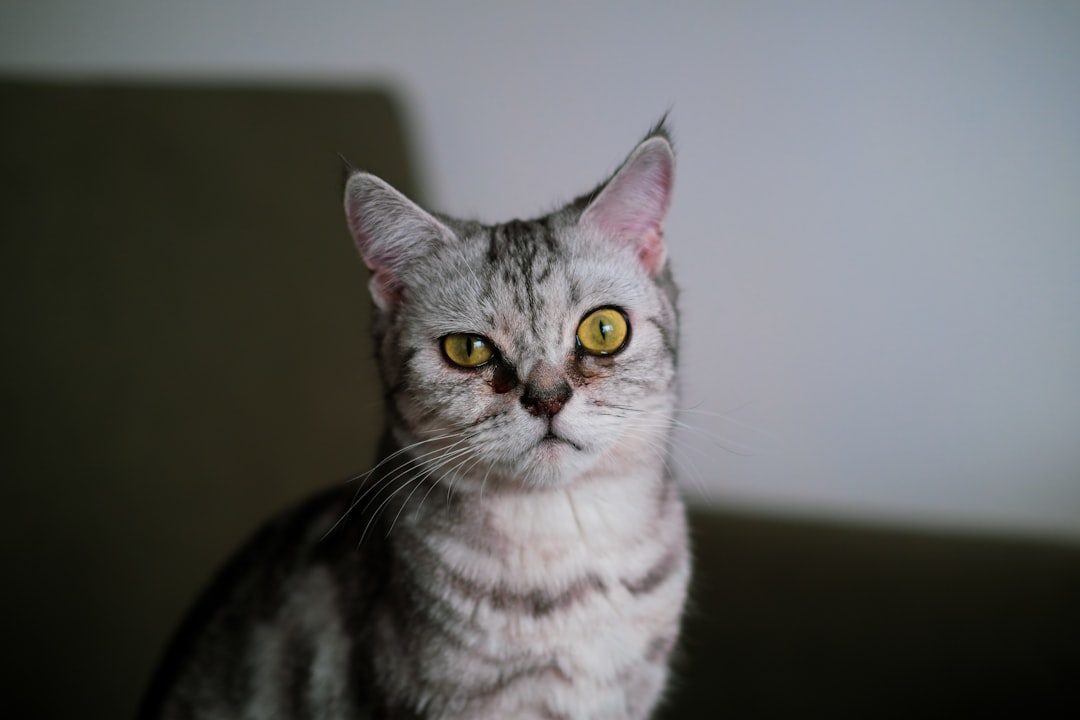
Zoomies (properly known as Frenetic Random Activity Periods or FRAPS) can startle us, especially in the middle of the night, as one moment they're sitting there quiet and unassuming, then they dart across the room at top speed to chase nothing. It's like they've been possessed by a tiny demon.
This normal cat behavior has several potential causes, and in most cases zoomies express pent-up energy or counteract kitty boredom. Cats are crepuscular, meaning they're most active at dawn and dusk, and in the wild this is hunting time, while for indoor cats it's a great time to release pent-up energy. Play with your cat during the evening to tire them out. Think of it as their daily cardio session.
6. Kneading or "Making Biscuits"
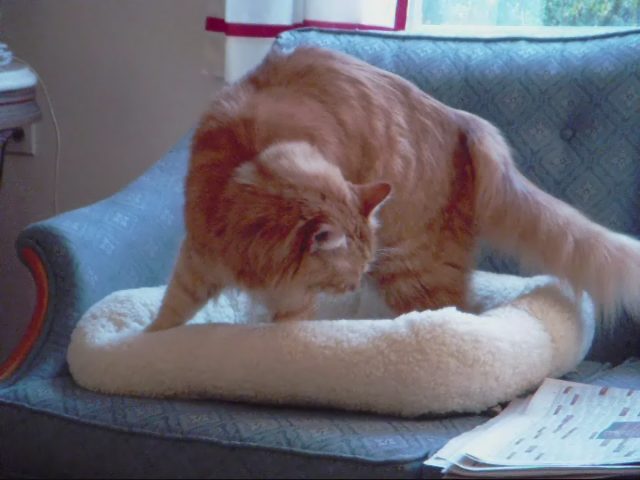
This is one of the most endearing cat behaviors. When your cat presses their paws into you and massages back and forth, your kitty's instinct traces back to their earliest days of nursing, as pressing paws on their mother's mammary glands encouraged better milk production.
When your cat does this as an adult they are either content and showing they're happy, or trying to alleviate stress. Making biscuits also marks you by releasing pheromones from their paw's sweat glands, and likely means your cat feels very comfortable in your presence. It's a huge compliment, even if those claws can be a bit painful. Your cat is basically telling you that you remind them of their mom.
7. Headbutting You
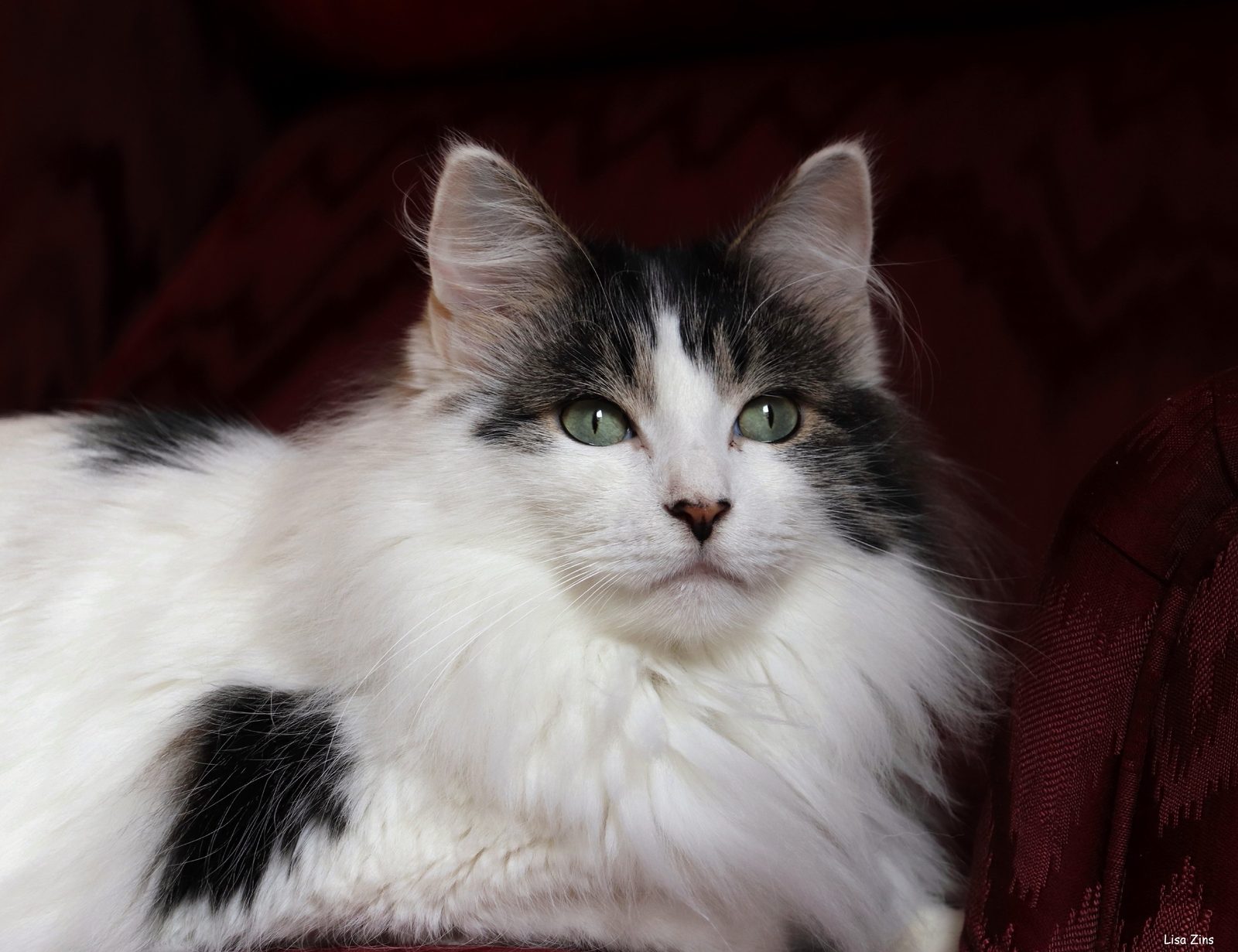
When your cat bop, bop, bops you with their head, they're saying "I love you" and also letting everyone know that you belong to them, as cats have pheromones in their cheek areas that mark you as their possession. This behavior, also known as bunting, is pure affection.
Cats headbutt and rub their face on familiar objects using the glands in their cheek, and this type of marking behavior claims a territory as familiar and in a positive way, creating a safe space. Headbutting is ultimately a display of trust, adoration, and affection. Consider yourself marked as a cherished member of their inner circle.
8. Excessive or Compulsive Grooming
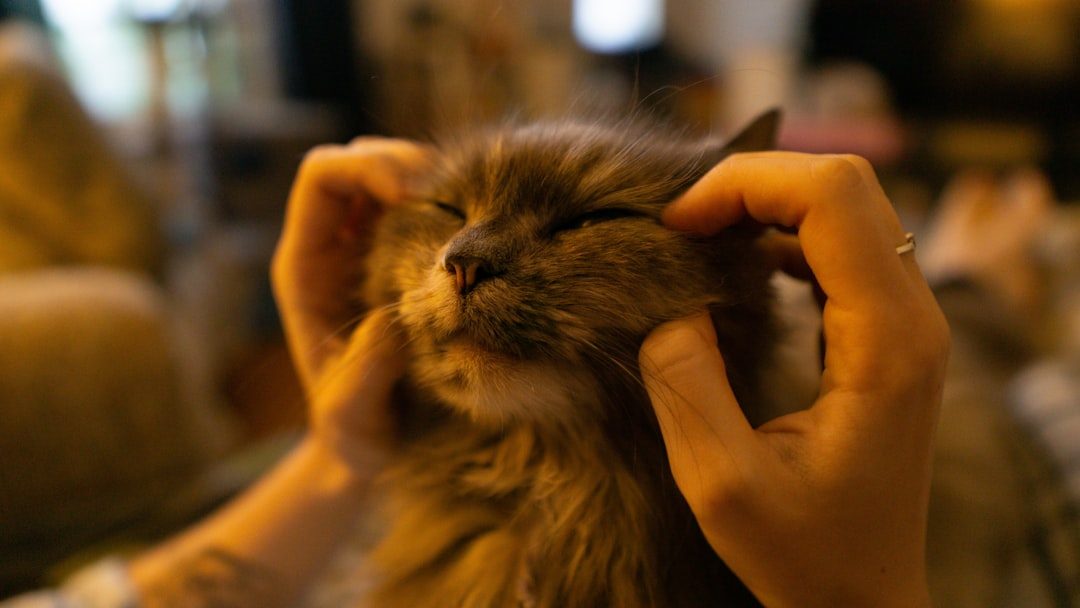
Grooming is normal for cats, as they may spend up to thirty percent of their waking hours keeping their hairdo coiffed. However, when grooming becomes excessive or compulsive, it might signal a problem. You'll notice bald patches, raw skin, or your cat grooming so intensely they seem distressed.
Cats with chronic inflammatory disease showed increased compulsive grooming, suggesting a response to a physical condition rather than a behavioral issue. Overgrooming can indicate allergies, parasites, anxiety, or pain. If your cat's grooming habits suddenly change or become obsessive, a vet visit is in order. This isn't just a quirk - it could be their way of telling you something's wrong.
9. Refusing to Use the Litter Box
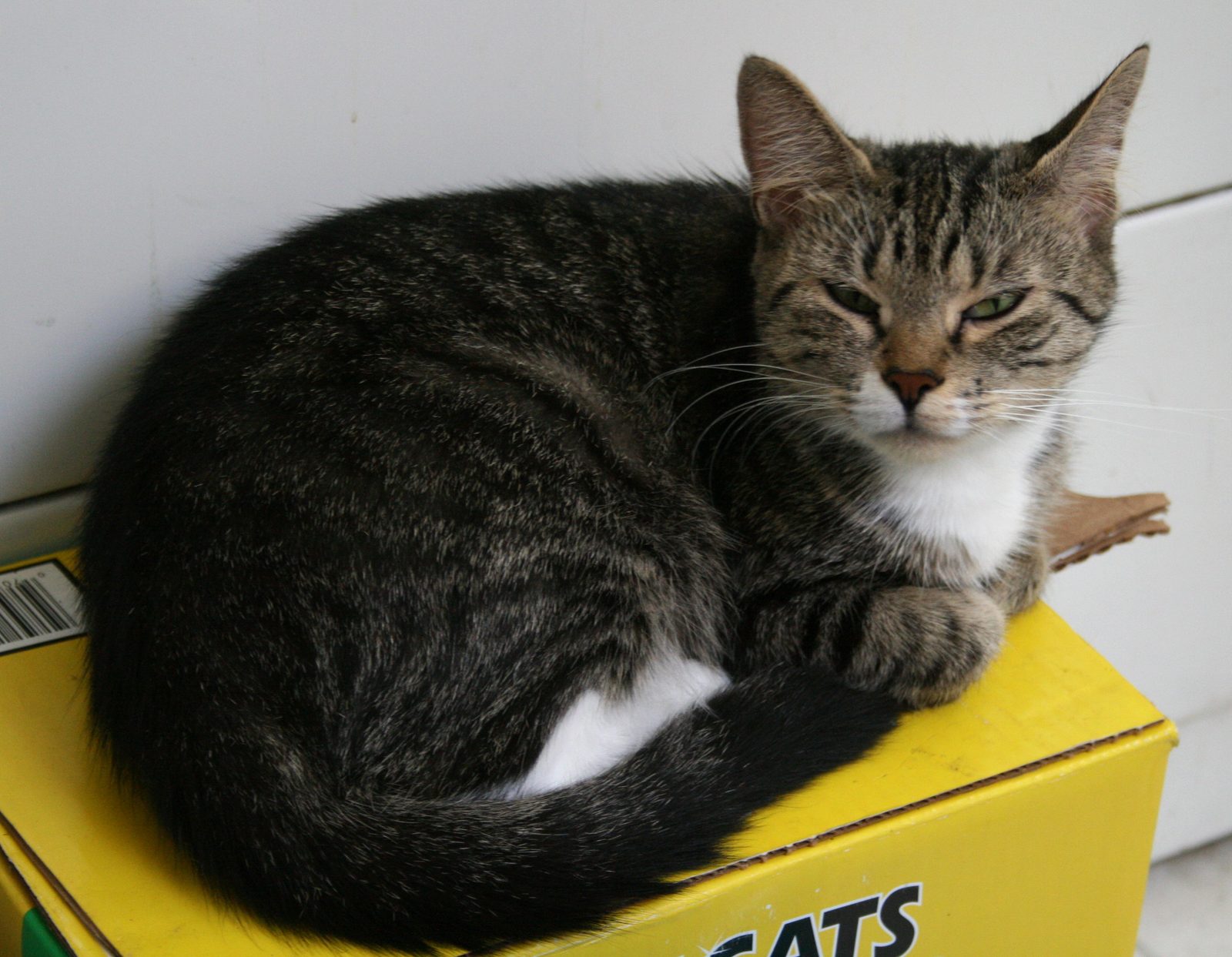
This behavior is definitely strange and problematic. When you observe a change in a cat's litter box activities, consult a veterinarian to rule out any medical problems before dismissing this behavioral change as a behavioral problem. Urinary tract infections, kidney issues, or arthritis could make using the box painful.
If your cat suddenly stops burying their poop, it could be a sign of a medical problem, that they don't like their litter, their litter box isn't big enough, or some other litter box dissatisfaction issue. Sometimes it's about box placement, cleanliness, or even stress from changes in the household. Whatever the cause, don't ignore this behavior - it's your cat's way of communicating distress.
10. Excessive Vocalization or Yowling
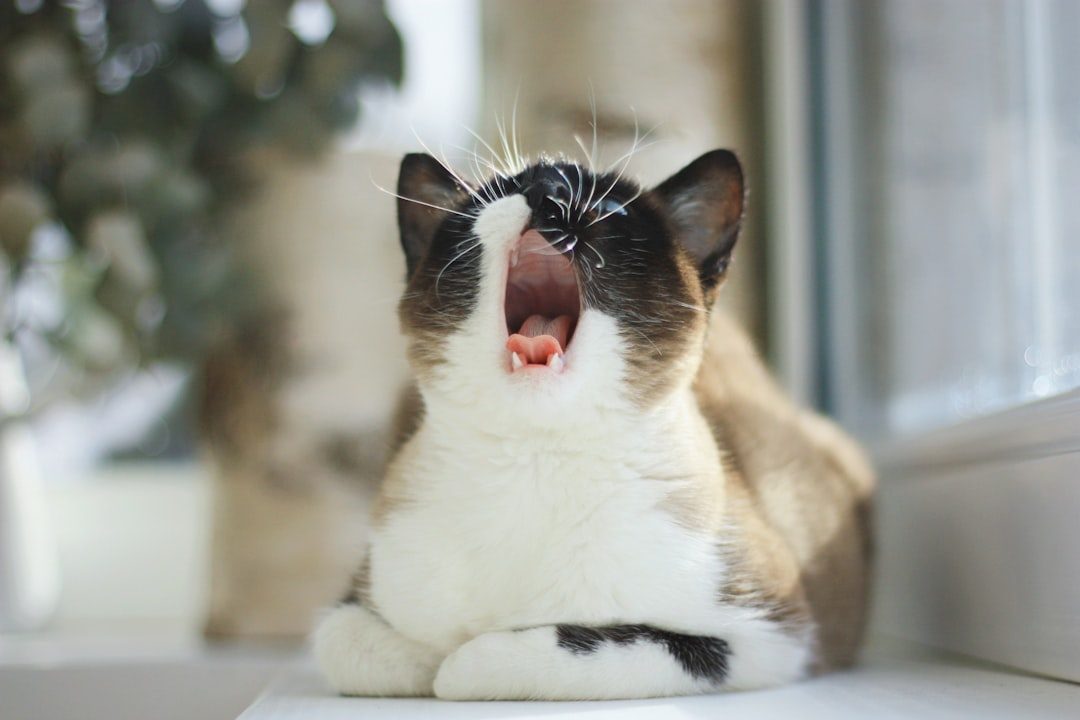
While cats do meow and vocalize normally, excessive yowling - especially at night - can be concerning. It's one thing for your cat to greet you or ask for dinner, but constant, loud vocalizing is different. This behavior could indicate pain, cognitive dysfunction in older cats, or even hyperthyroidism.
It is only when cats are experiencing intolerable pain that they show symptoms of distress, and they may become withdrawn, anxious, or display unexpectedly aggressive behavior. Sometimes excessive vocalization happens because your cat is lonely, bored, or seeking attention. Pay attention to the context and frequency. If it's new or escalating, get it checked out.
11. Sudden Aggression or Biting
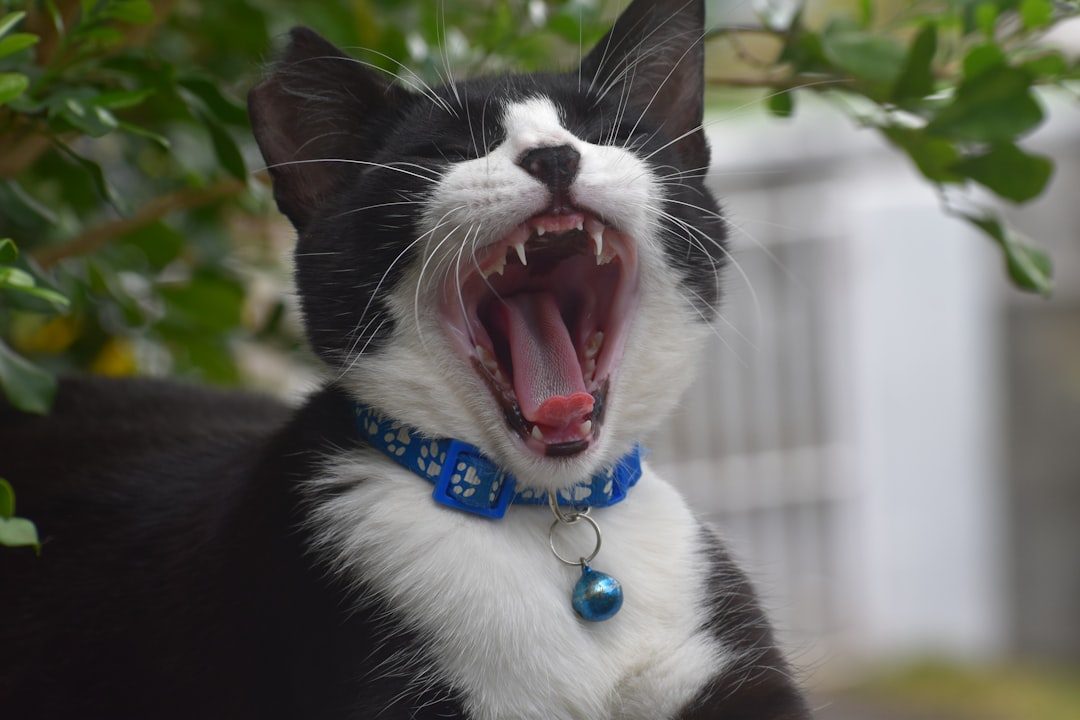
Occasional swatting or hissing is normal communication, but frequent aggression should be evaluated by a veterinarian. Cats can become aggressive when they're in pain, frightened, or feeling territorial. Sometimes what seems like unprovoked aggression is actually redirected frustration from something else.
Petting-induced aggression is also a thing. Your cat might seem to enjoy being petted, then suddenly bite or swat. When cats expose their bellies to us they are saying they trust us, but when we take them up on this offer by rubbing their bellies they may retract it with a bite or scratch, as it was only meant as a form of communication. Learn your cat's body language - tail twitching, ear flattening, or dilated pupils often signal they've had enough.
12. Scratching Furniture
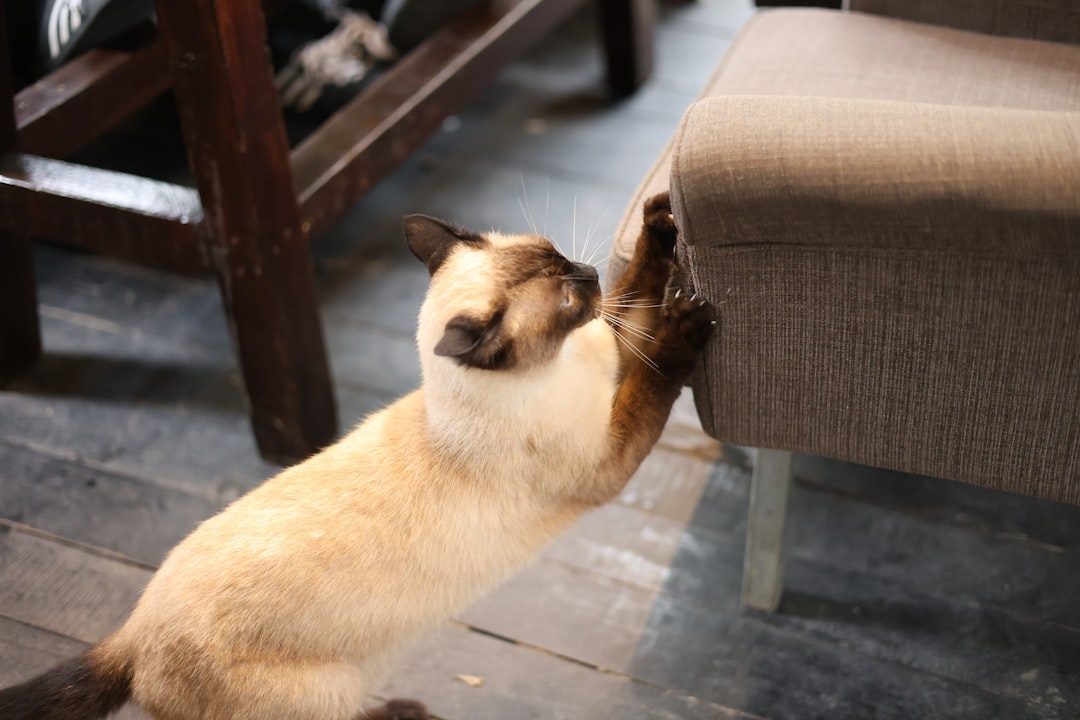
Scratching is a natural behavior, as cats do it to stretch, sharpen their claws, and mark their territory - your couch is just their canvas. This behavior is perfectly normal, though frustrating for furniture owners. Cats need to scratch. It's not personal.
Cats have scent glands in their paws, so scratching doubles as communication. The key is redirecting this behavior. Provide scratching posts, use catnip to attract them, and cover favorite furniture spots with deterrents. Trim their claws regularly. Don't punish your cat for scratching - just give them better options.
13. Knocking Things Off Tables
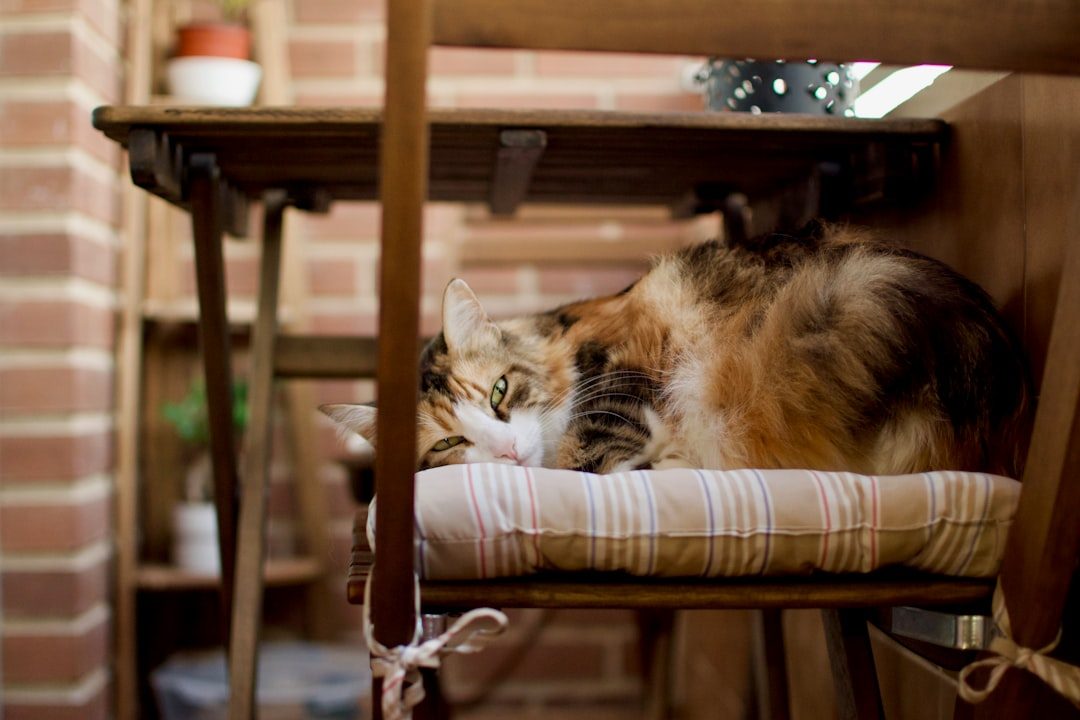
Cats are curious creatures who use their paws to explore and test objects, and sometimes they knock things over just to see what happens, while other times it's just to get your attention. It's like they're conducting little physics experiments. Gravity exists, and your cat wants to confirm that, repeatedly.
This behavior is normal, if annoying. It stems from their hunting instincts and natural curiosity. The solution? Don't leave tempting items near edges. Enrich their environment with toys and climbing structures. Give them more engaging ways to satisfy their curiosity than watching your glass of water crash to the floor.
14. Showing Their Belly Then Attacking When You Touch It
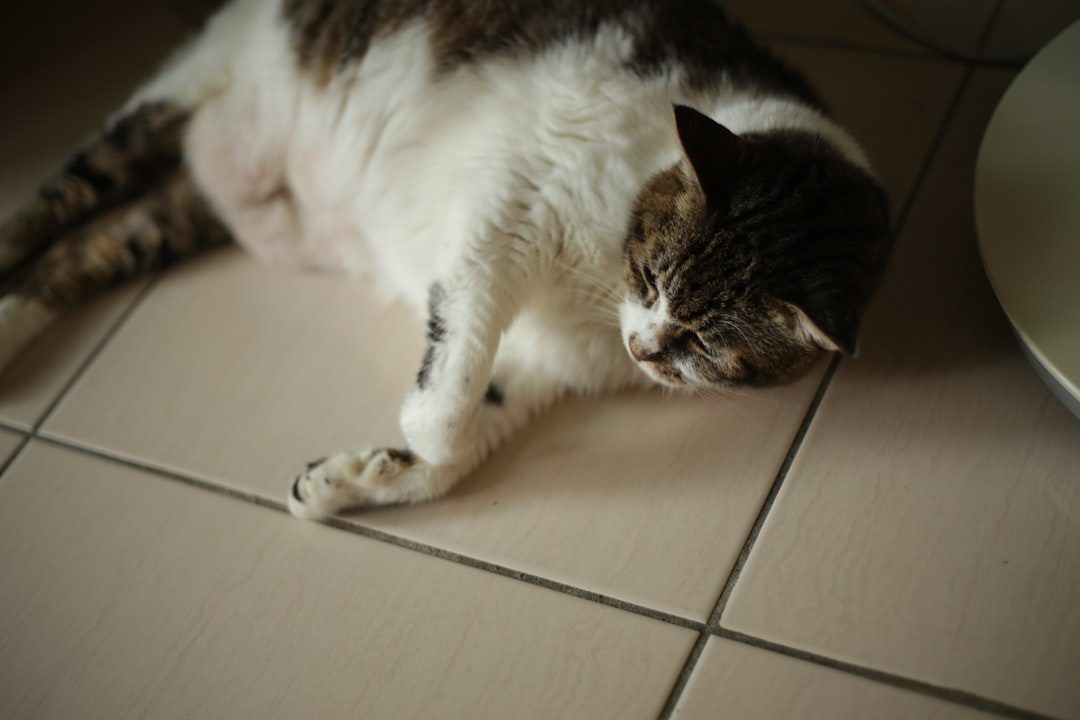
Your sweet cat stretches out and shows off his fuzzy belly, which makes you want to reach out and give him a pat, but this is met with a rescinded offer - perhaps even a batting of the paw or light bite. This seems like such a trap, doesn't it?
When cats expose their bellies to us they are saying they trust us, but when we take them up on this offer by rubbing their bellies they may retract it with a bite or scratch, as it was only meant as a form of communication. It's not an invitation - it's a statement. They're showing vulnerability, not requesting belly rubs. Respect their boundaries. Stick to petting areas they actually enjoy, like their head or chin.
Conclusion
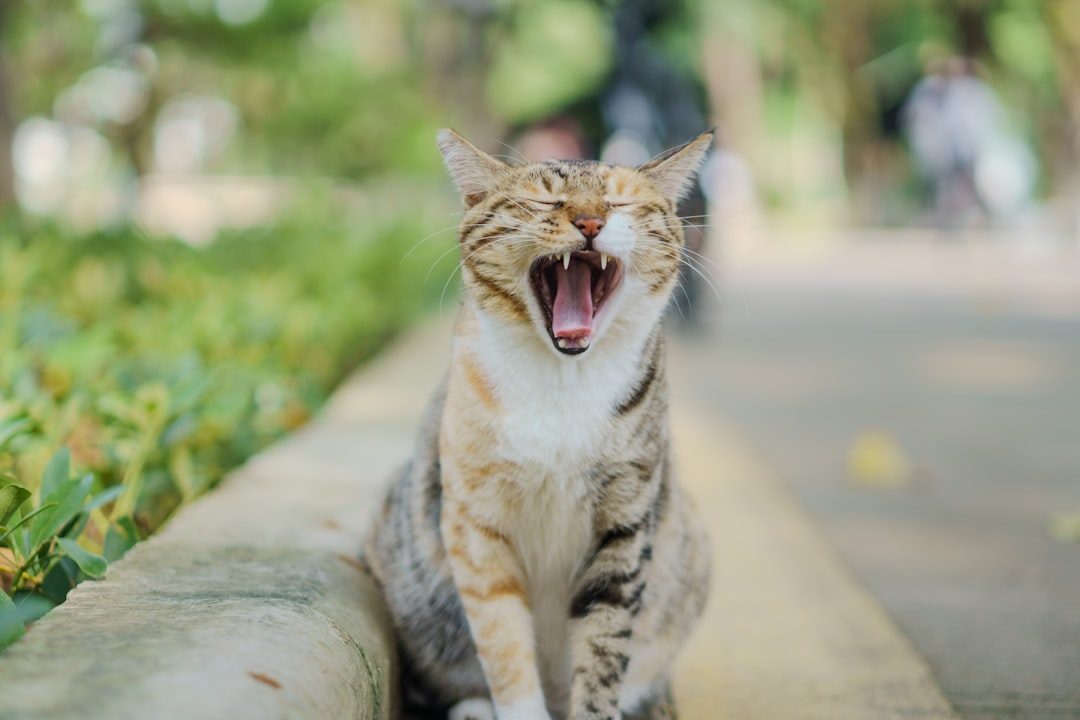
Cats are wonderfully complex creatures. Their behaviors, whether strange or perfectly normal, are rooted in instinct, emotion, and their unique way of communicating with the world. Understanding the difference between quirky feline habits and genuine red flags helps you become a better cat parent and strengthens your bond with your furry companion.
Many seemingly strange behaviors are typical in the feline world, though any sudden changes in behavior warrant further investigation. Trust your instincts. If something feels off, it probably is. Your cat depends on you to notice when their behavior shifts from normal to concerning.
Did you learn something new about your mysterious little friend today? What's the weirdest behavior your cat does regularly? Share your stories in the comments - we'd love to hear about your feline's unique quirks.