7 Ways Your Cat Communicates Happiness (and 7 Ways They Signal Discomfort)
You've probably caught yourself staring at your cat, wondering what on earth is going through that furry little head. One minute they're rubbing against your leg like you're the best thing since sliced tuna, the next they're giving you that icy stare that makes you question your entire existence. Here's the thing: cats aren't mysterious just for the sake of it. They're actually talking to us constantly through their body language and sounds, we're just not always tuned into their frequency.
Learning to read your cat's emotional language is honestly one of the most valuable skills you can develop as a cat owner. It helps you build a stronger bond with your feline companion and ensures you're meeting their needs properly. Let's dive into the fascinating world of cat communication and decode what your kitty is really trying to tell you.
The Tail Held High with a Gentle Curve
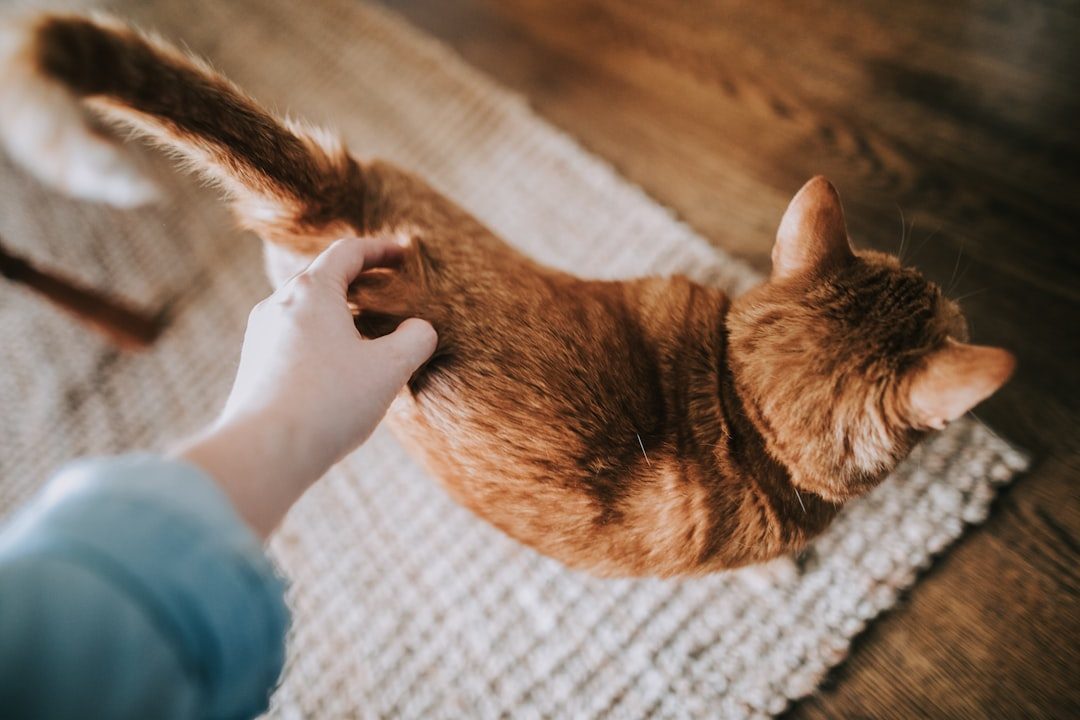
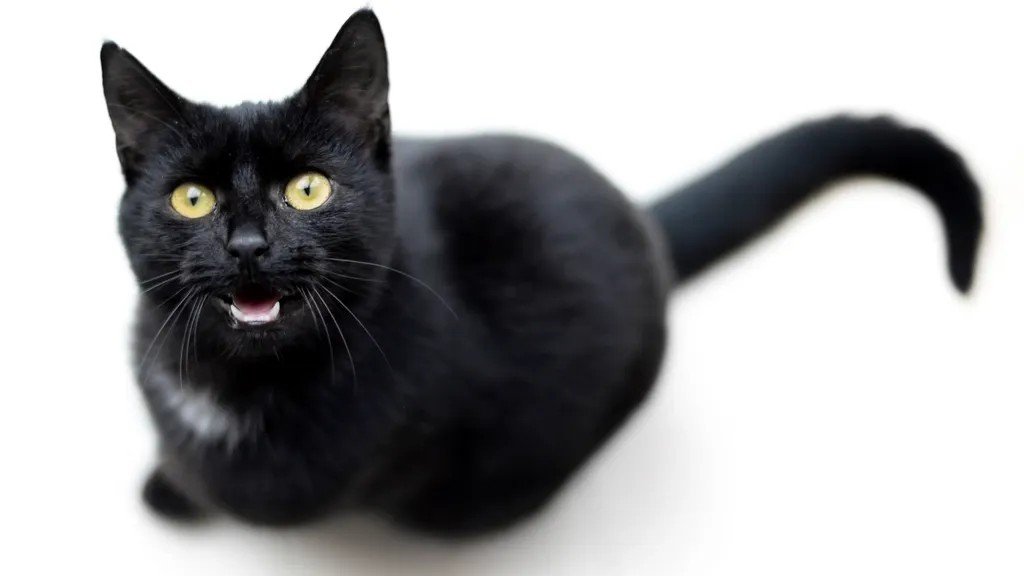
When your cat approaches you with their tail held high and possibly with a slight curve at the end resembling a question mark, they're signaling that they're happy, confident and ready to interact. It's basically your cat's version of waving hello with genuine enthusiasm. This is one of the clearest signals that your cat is in a great mood and wants to spend time with you.
If they're standing to greet you, their tail will be still or held high with a slight curl. Pay attention to this signal because it's your green light for interaction. Your cat is actively seeking your company and showing trust in you through this posture.
Slow Blinking and Half-Closed Eyes
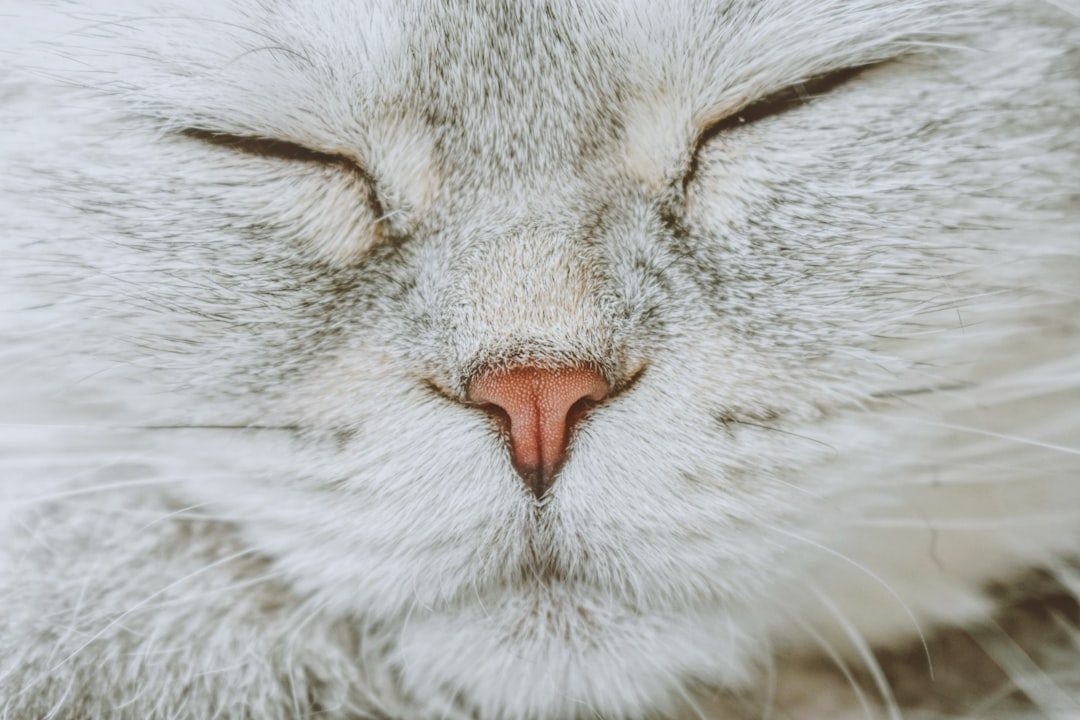
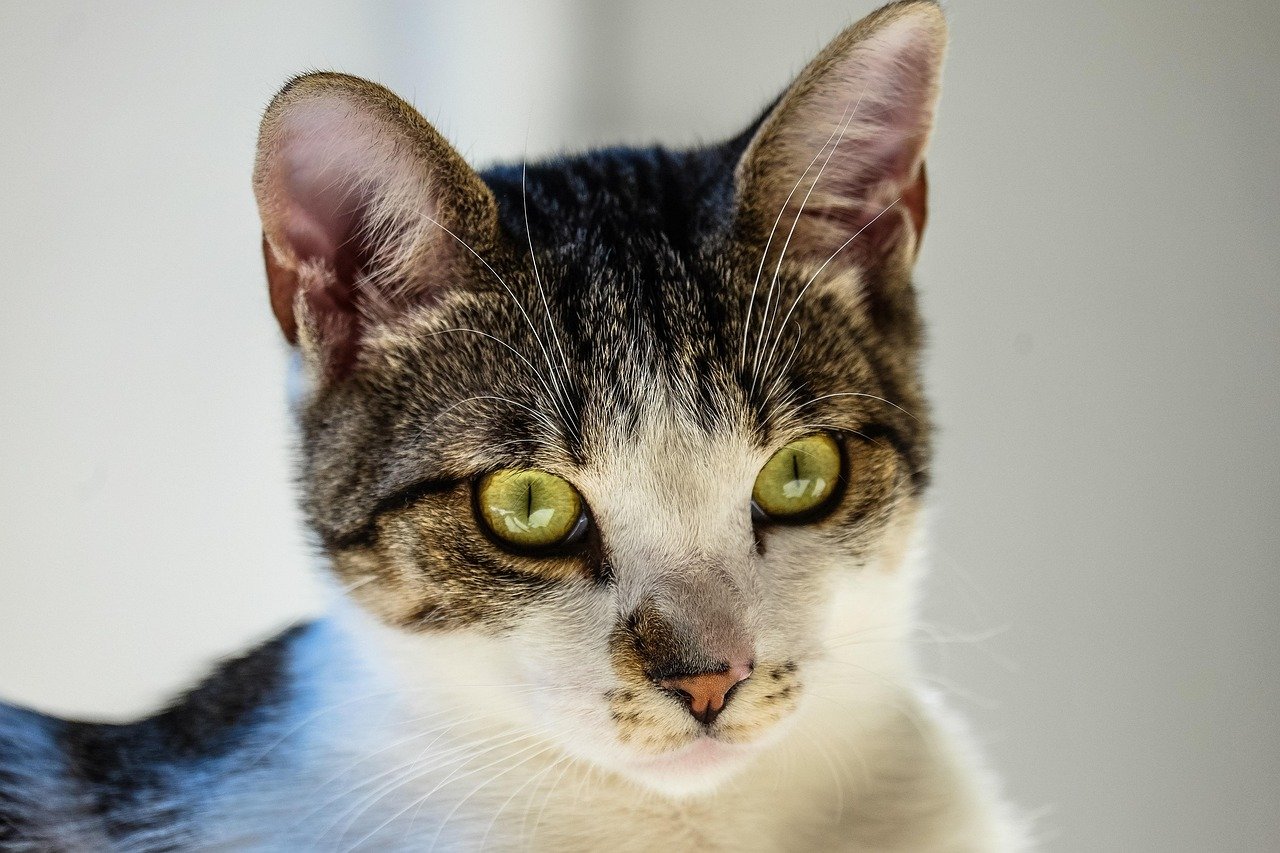
A slow blink is a sign of a relaxed cat, and it's a good idea to slow blink back. This sweet gesture is sometimes called a cat kiss, and it's genuinely one of the most touching ways your cat shows affection. When your cat looks at you and slowly closes their eyes, they're telling you they feel completely safe in your presence.
Cats may squint or slowly blink at you when they are relaxed around you. Think of it as your cat lowering their guard completely. In the wild, closing your eyes around potential threats would be dangerous, so when your cat does this with you, they're demonstrating profound trust.
Purring While Kneading on You
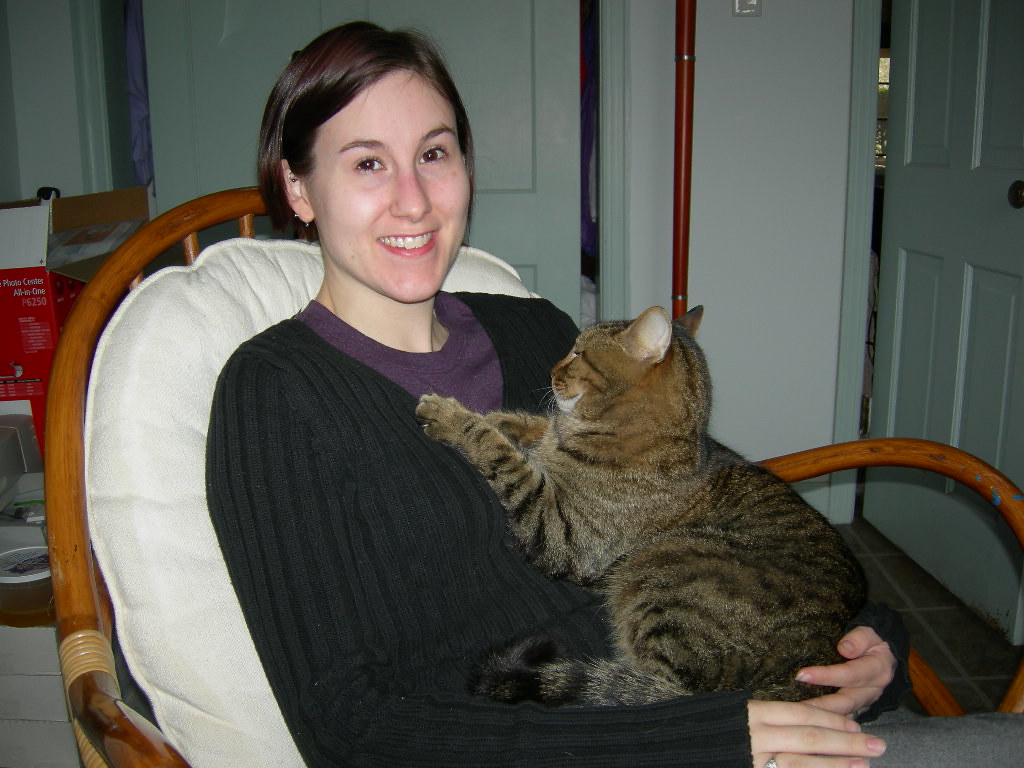
Cats knead their paws (making biscuits) as a sign of affection or when feeling relaxed, to set up a comfortable place to sleep. This behavior is a leftover from kittenhood when they would knead their mother's belly to stimulate milk flow. When your adult cat does this on your lap, it's the ultimate compliment.
Some signs your cat is happy are purring around you when they are relaxing and kneading surface with their paws. The combination of purring and kneading together is pretty much the pinnacle of feline contentment. Your cat is telling you that being with you feels as safe and wonderful as being with their mother did.
Rubbing Their Face Against You
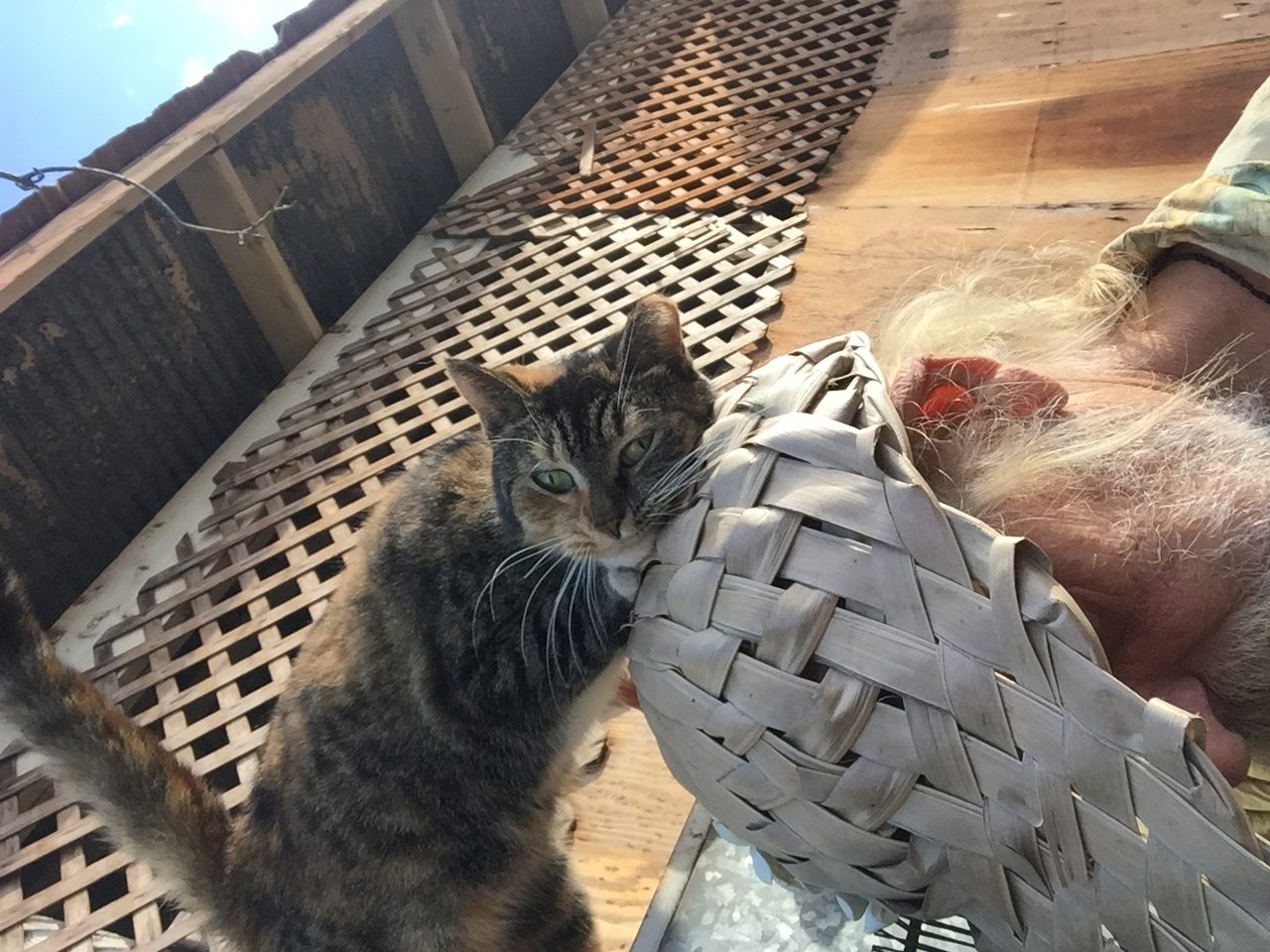
Cats rub against people and objects to leave their scent, marking things they consider part of their territory, and when directed at their humans it's their way of showing they consider you a part of their family. This behavior isn't just about marking territory. It's about claiming you as theirs in the most affectionate way possible.
These scent glands are located around your cat's mouth, chin, and cheeks. When they deliberately rub these areas on you, they're mixing their scent with yours, creating a shared family scent. Let's be real, it's basically your cat's way of saying you belong together.
Playful Behavior and Energy Bursts
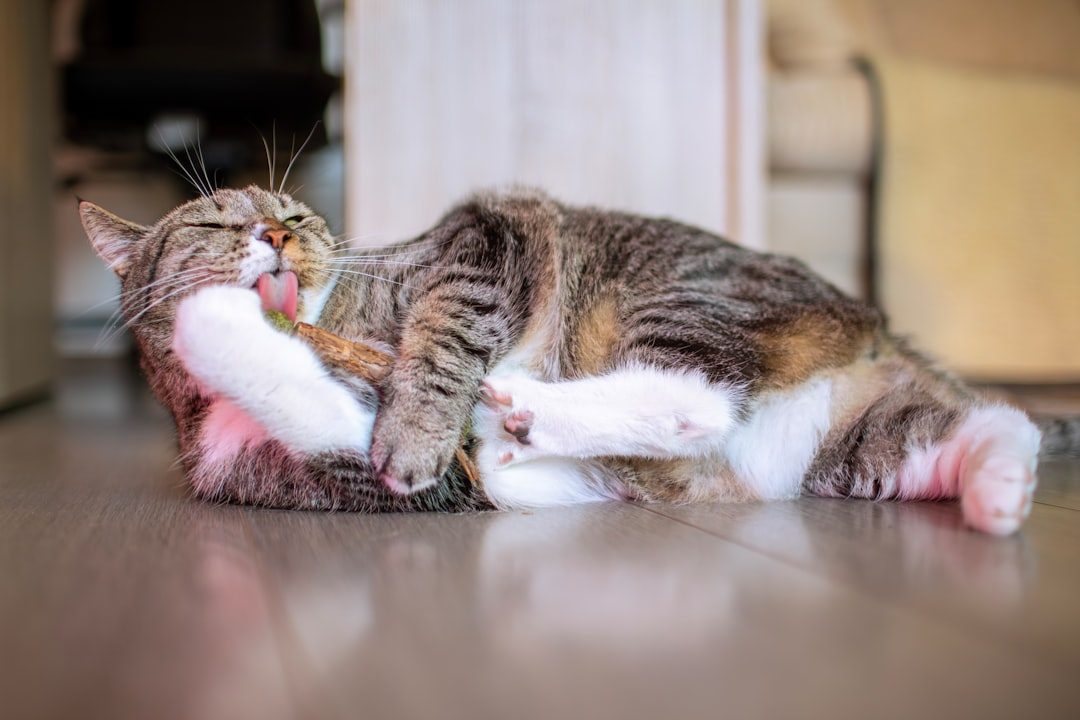
Play is a great indication of happiness, and your kitty will play with other pets and humans that they like or trust, from exuberant sprints and kitty wrestling matches to calm paw patting. When your cat suddenly zooms around the house like they've been possessed by a speed demon, that's actually a sign they're feeling great.
These random bursts of energy, often called the zoomies, happen when your cat is comfortable and happy in their environment. A stressed or uncomfortable cat wouldn't waste energy on playful antics. They're too busy being on high alert.
Relaxed Body Posture When Lying Down
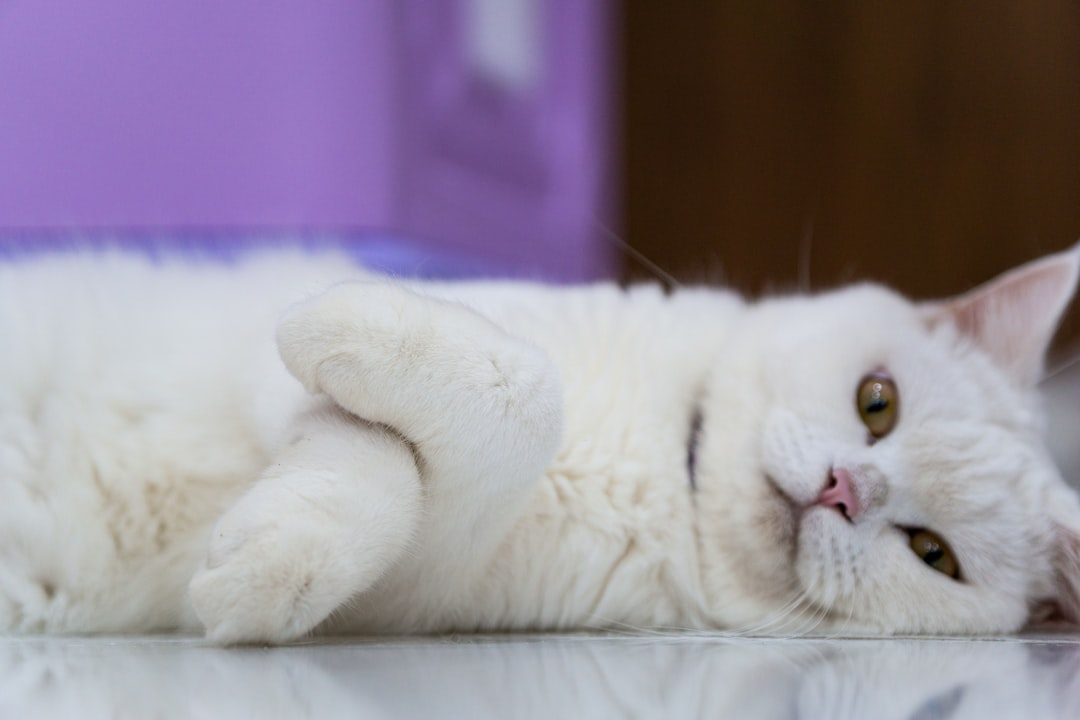
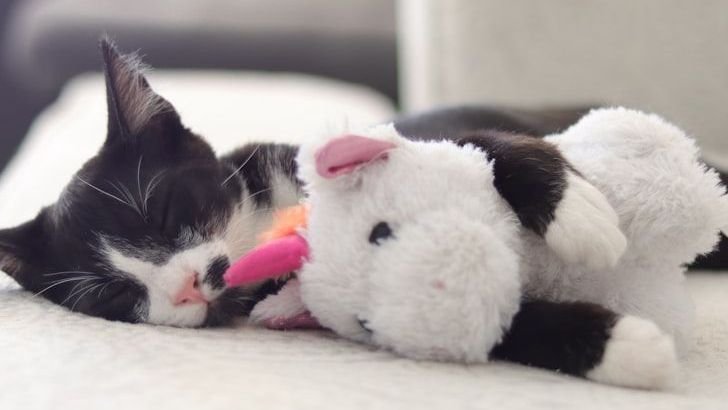
When a cat is happy, their posture is typically loose, with their limbs and tail stretched out away from their body when lying down. Some cats will even lie on their backs with their legs spread outward, exposing their vulnerable belly. This is massive trust right here because the belly is the most vulnerable part of a cat's body.
A cat stretched out with a relaxed posture is comfortable and feels safe. If your cat is sprawled out like they own the place, congratulations. They feel completely secure in your home and trust that nothing bad will happen to them.
Chirping and Trilling Sounds
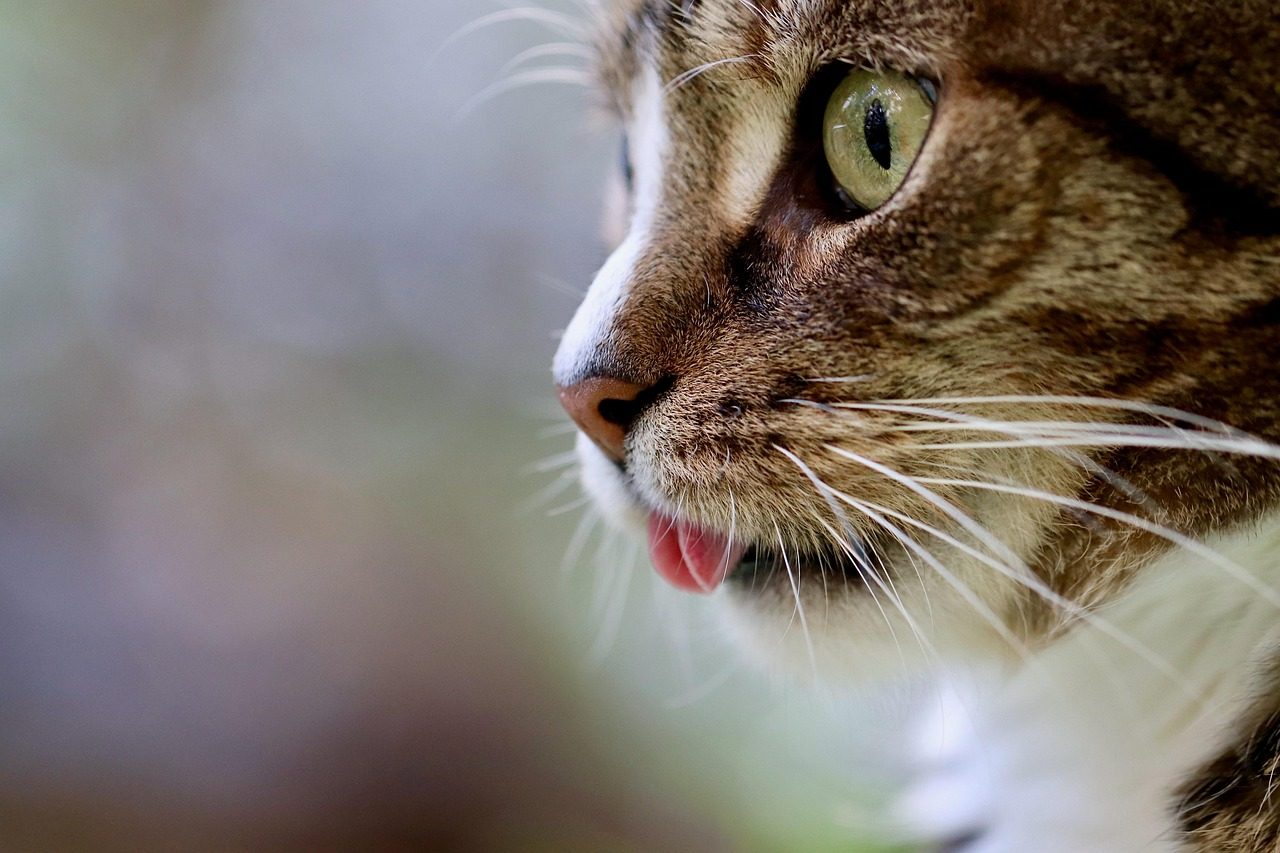
Purring, meowing or occasional chirps signal happiness. Chirps and trills are those adorable little birdlike sounds your cat makes that are slightly different from a regular meow. The pitch of their meow will allude to how they are feeling, with a high-pitched meow indicating a content cat.
These sounds are often used by mother cats to communicate with their kittens, so when your adult cat trills at you, they're using their mother voice. It's honestly quite sweet when you think about it.
Ears Flattened Back or Pinned Down
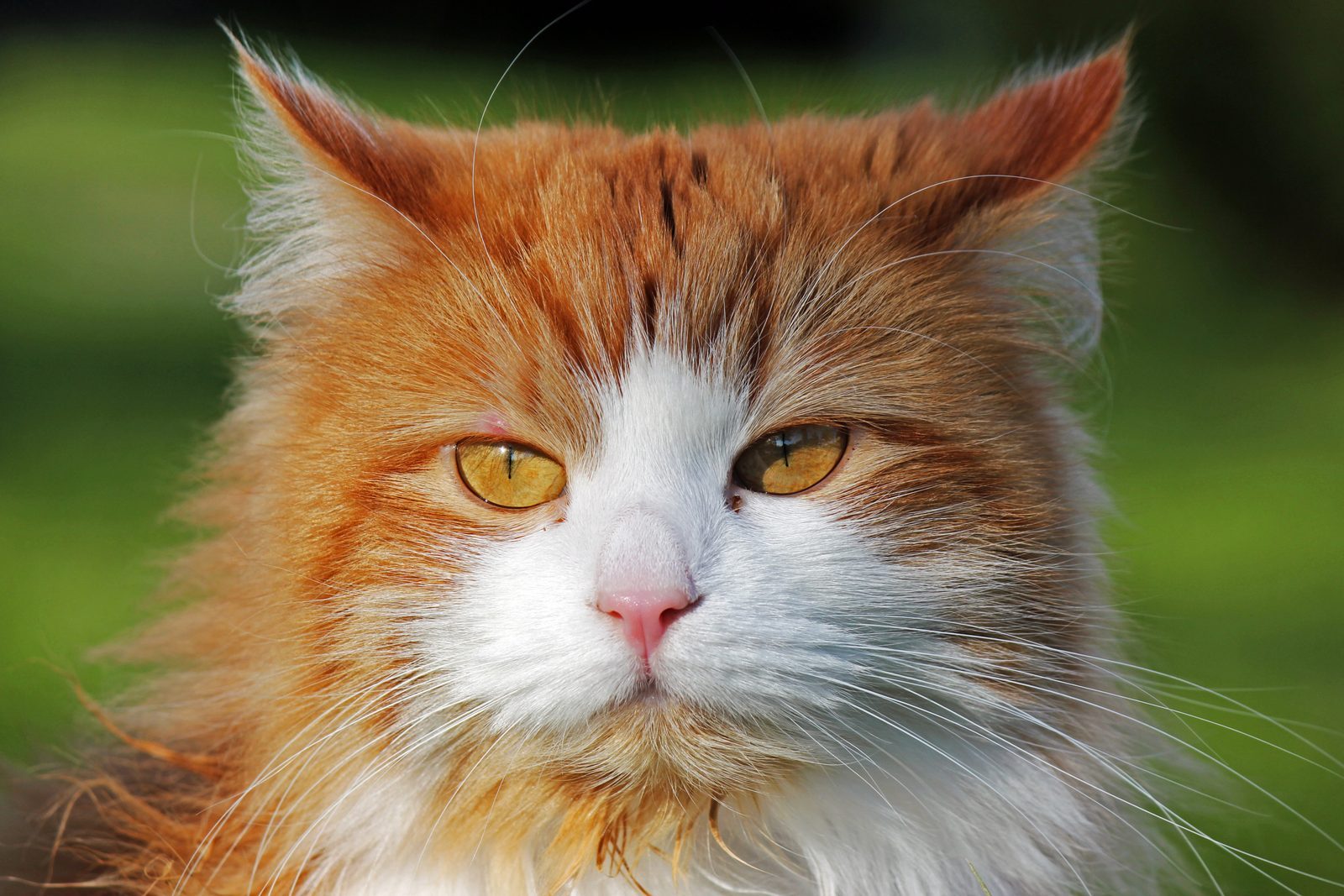
If your cat is unhappy, you'll find their ears are a lot lower than normal or even flat against their head. This is one of the most obvious signs that something is wrong. When those ears go back, your cat is telling you they're either frightened, anxious, or angry.
Rotated ears may mean the cat is frustrated, whilst ears that take on a more flattened appearance indicate anxiety or fear, and ears that appear both rotated and flattened may indicate the cat is very frightened but also ready to defend itself if necessary. The position of the ears gives you crucial information about your cat's emotional state and how you should respond.
Rapid Tail Twitching or Thrashing
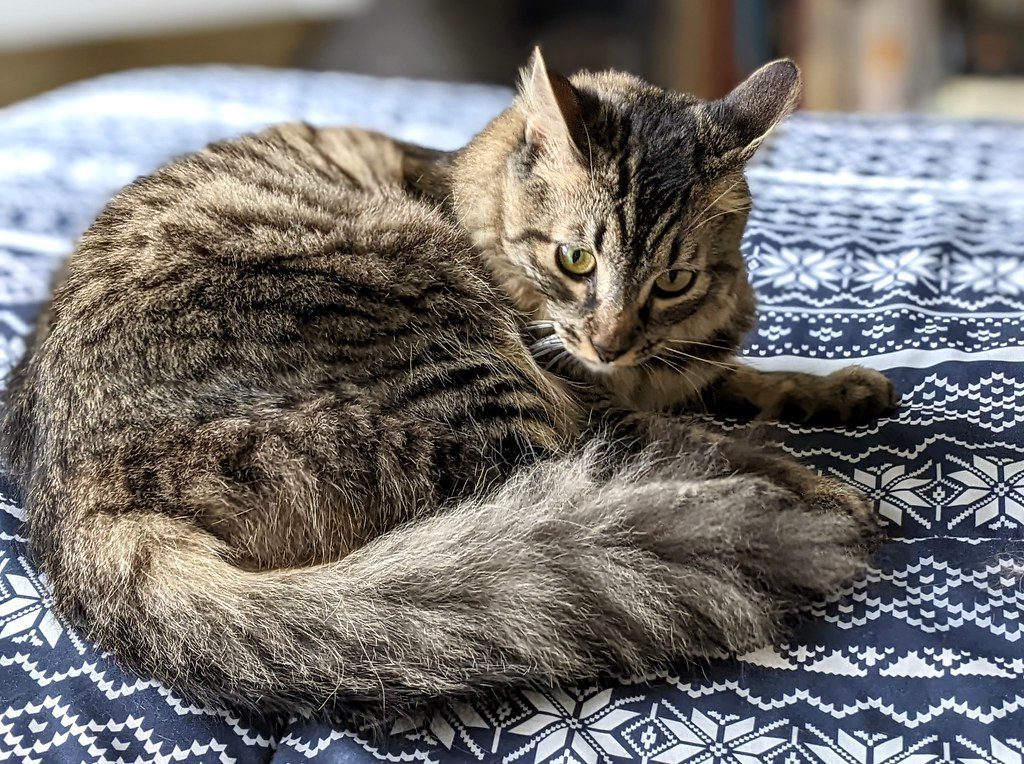
If your cat twitches their tail rapidly backwards and forwards, this is often a sign they're getting upset or angry. Unlike dogs who wag their tails when happy, a rapidly moving cat tail is a warning sign. Your cat is becoming agitated and you should probably back off.
They will be highly aroused with a thrashing tail, and you may see their skin ripple too. When you see this, it's not the time to try to pet or interact with your cat. Give them space to calm down and remove whatever is bothering them if possible.
Excessive Hiding or Withdrawal
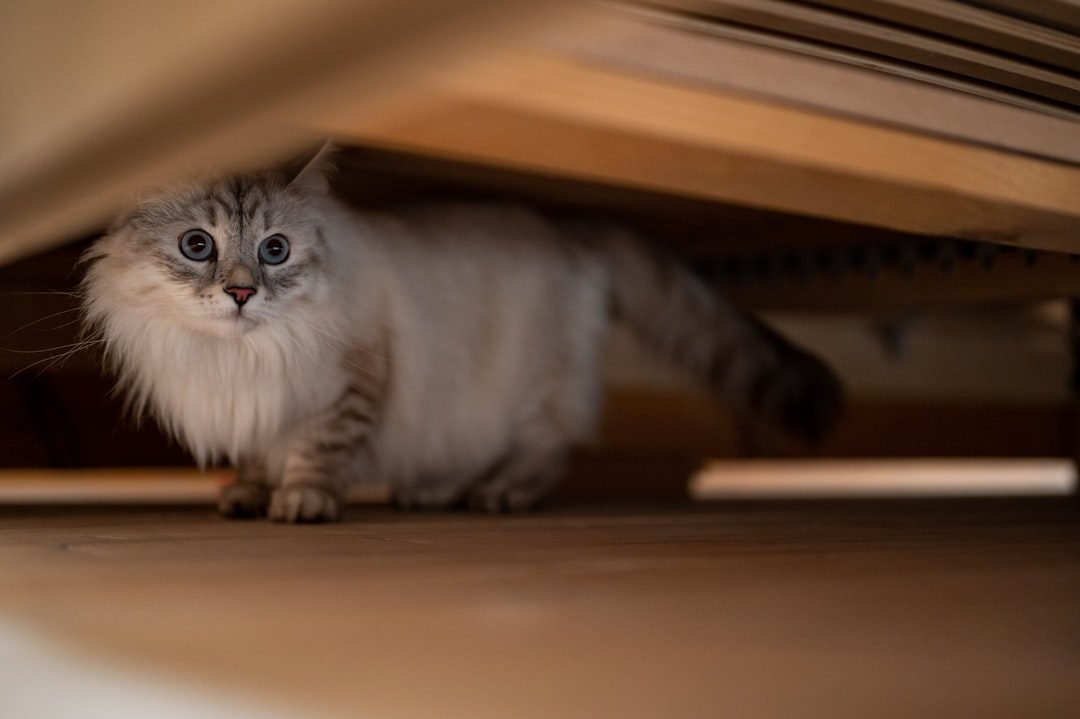
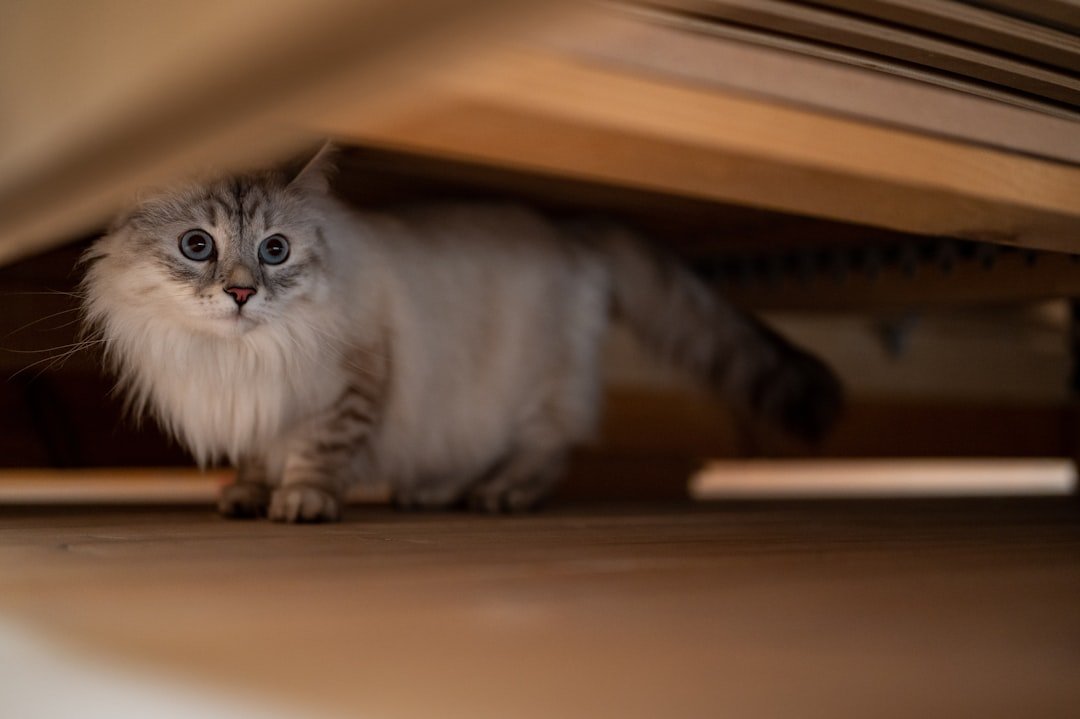
One of the most obvious stress signals in cats is retreating to a quiet, enclosed space, and hiding helps cats feel safe when they're overwhelmed. If your normally social cat suddenly spends hours under the bed or in the closet, something is definitely wrong.
In some cases, stress inhibits normal behaviour, and cats will hide for long periods of time, play less, reduce their exploratory behaviour. Hiding occasionally is normal cat behavior, especially in new environments. Persistent hiding coupled with other stress signals requires your attention and possibly a vet visit.
Dilated Pupils in Normal Lighting
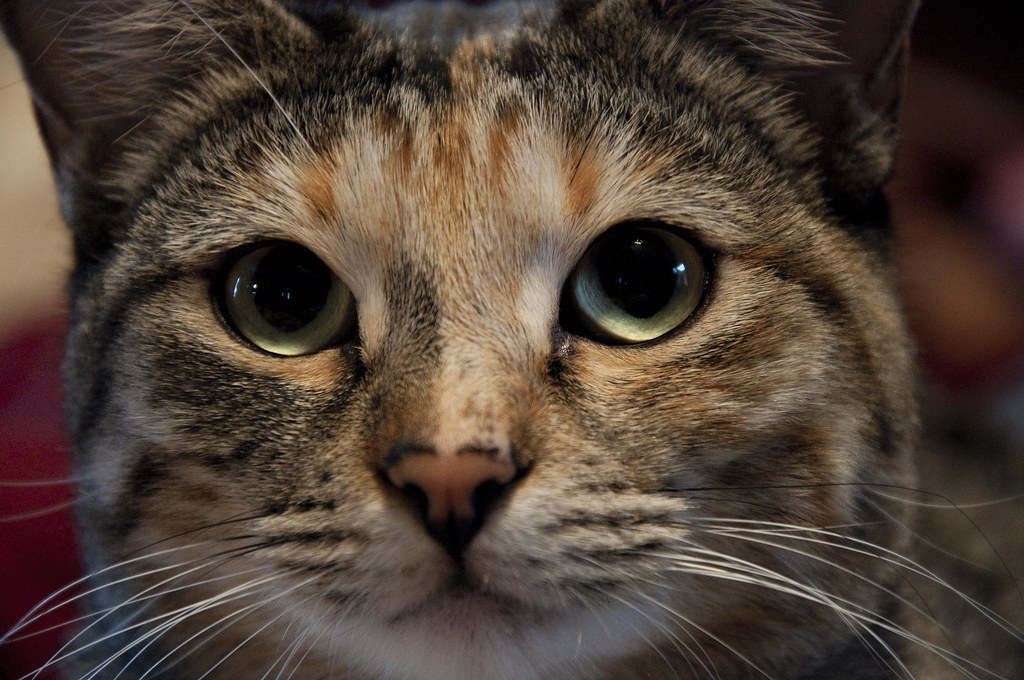
An angry cat's eyes can look big and their pupils often look dilated. While pupils naturally dilate in low light or during play, if your cat has massive pupils in normal lighting conditions combined with tense body language, they're experiencing stress or fear.
When a cat's ears are pinned back and their pupils are wide, they're likely feeling scared or overwhelmed. The eyes really are windows to your cat's soul. Learning to read pupil size in context with other body language gives you vital information about their emotional state.
Aggressive Grooming Leading to Bald Patches
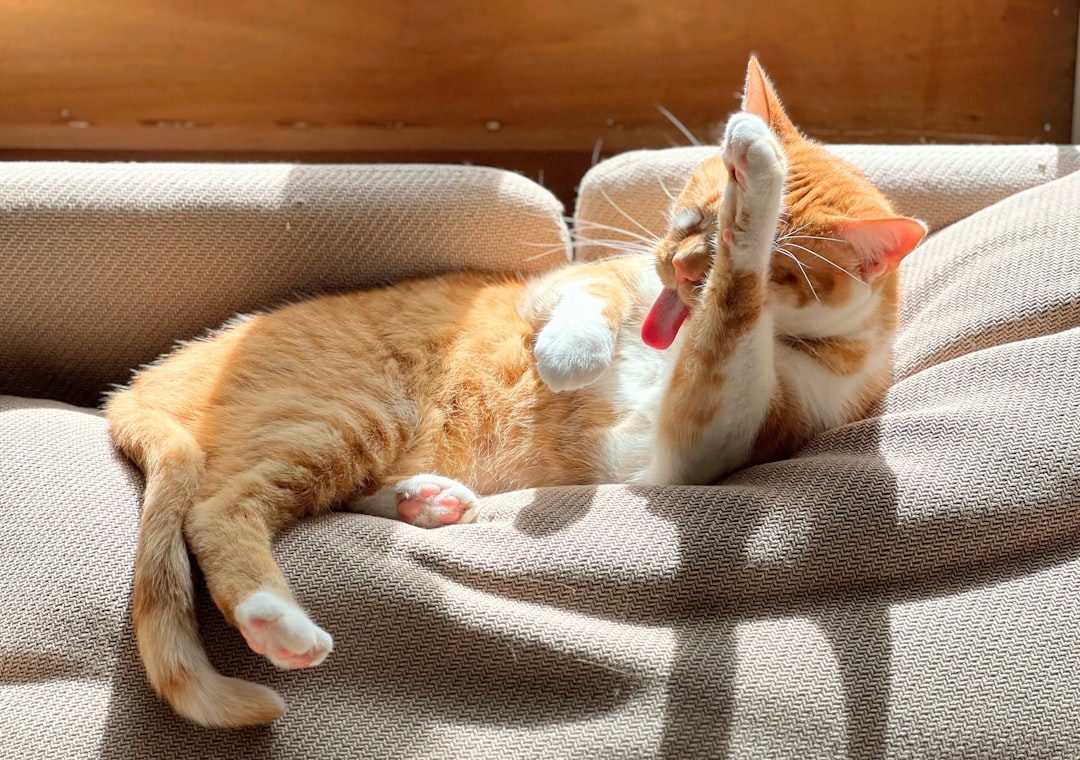
Cats are meticulous groomers, but excessive grooming, especially to the point of bald patches, is a stress response known as psychogenic alopecia that can occur when cats are anxious or feel out of control. This is your cat's way of self-soothing when they're overwhelmed, similar to how some people bite their nails when stressed.
Take note if your cat is aggressively grooming themselves, especially if it results in bald spots or irritated skin. This behavior requires intervention because it can lead to skin infections and indicates your cat is experiencing significant distress that needs to be addressed.
Hissing, Growling, or Spitting
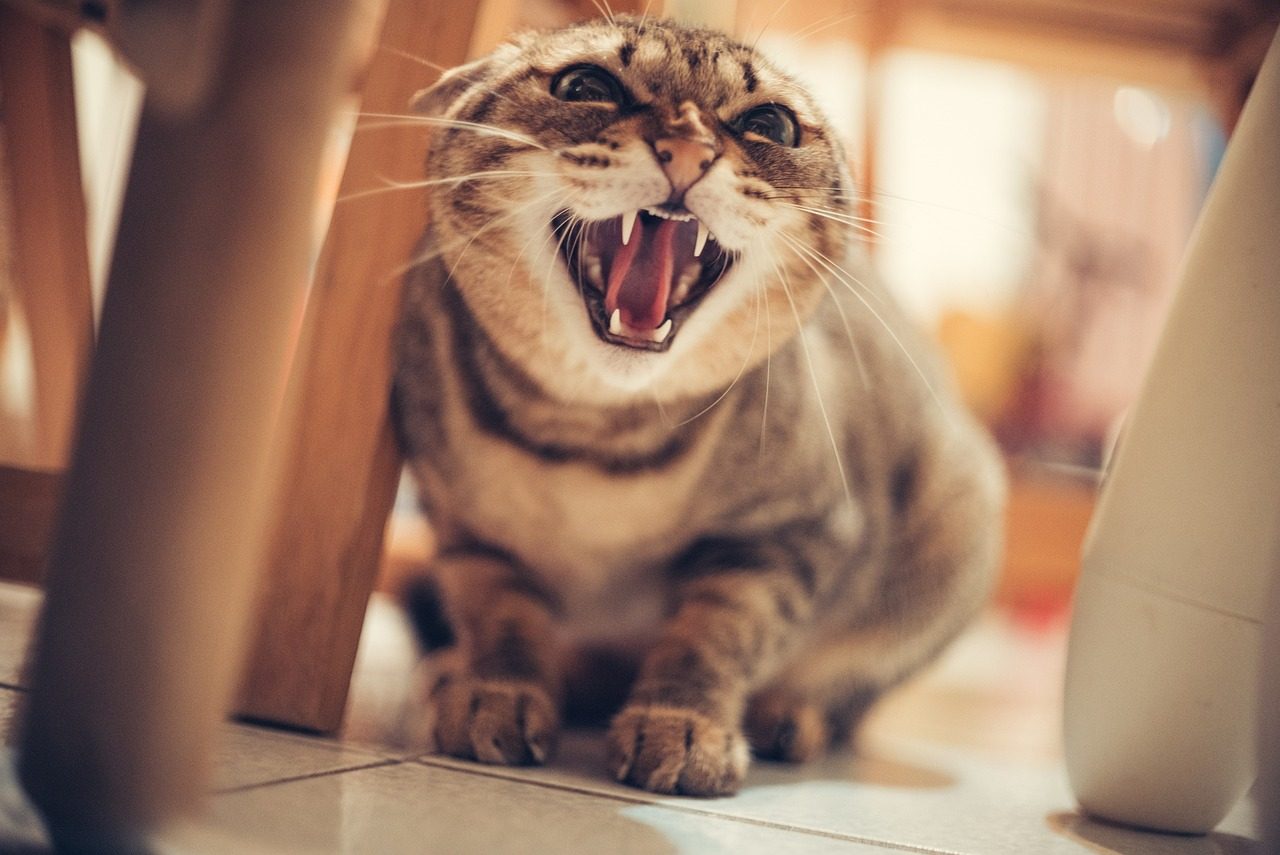
Growling, hissing or spitting indicates a cat who is annoyed, frightened, angry or defensive. These vocalizations are your cat's way of saying they've had enough and you need to leave them alone immediately. It's a clear warning before they escalate to physical aggression.
When you hear these sounds, respect your cat's boundaries. They're not being mean or spiteful. They're communicating that they feel threatened and are asking for space in the only way they know how.
Changes in Litter Box Habits
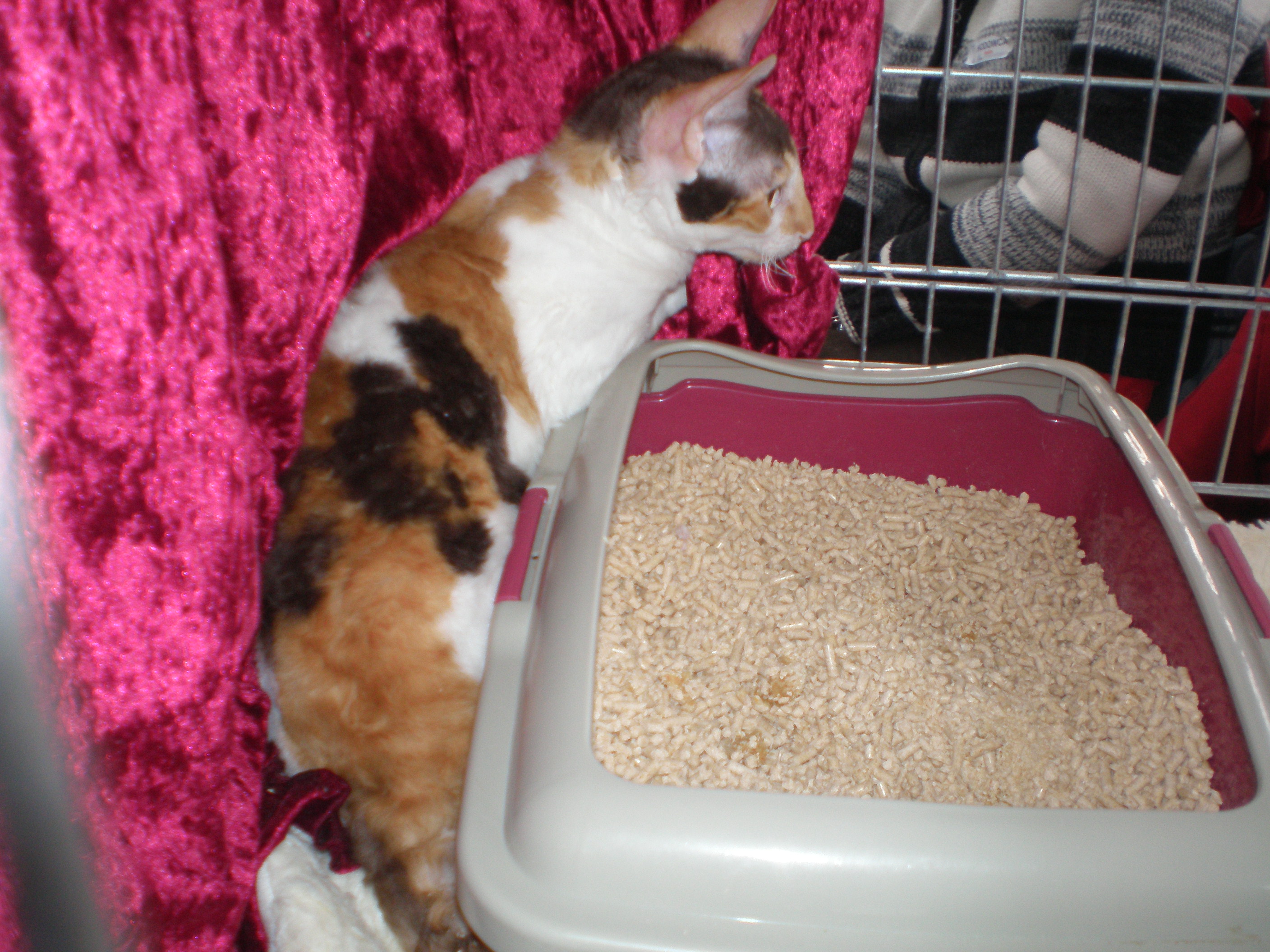
One of the most common signs of stress in cats is urinating outside the litter box, and cats usually do this because the smell of their own urine is comforting for them. This behavior often frustrates owners, but it's important to understand your cat isn't being vindictive. They're expressing discomfort or anxiety.
Urinating outside of the litter box can also have medical causes, such as urinary tract infections, stones or crystals in the urinary tract, or underlying kidney issues, so if your cat begins peeing outside the litter box, talk to your veterinarian to address any potential health concerns. Never punish your cat for this behavior. Instead, investigate the underlying cause with your vet's help.
Tense, Crouched Body Position
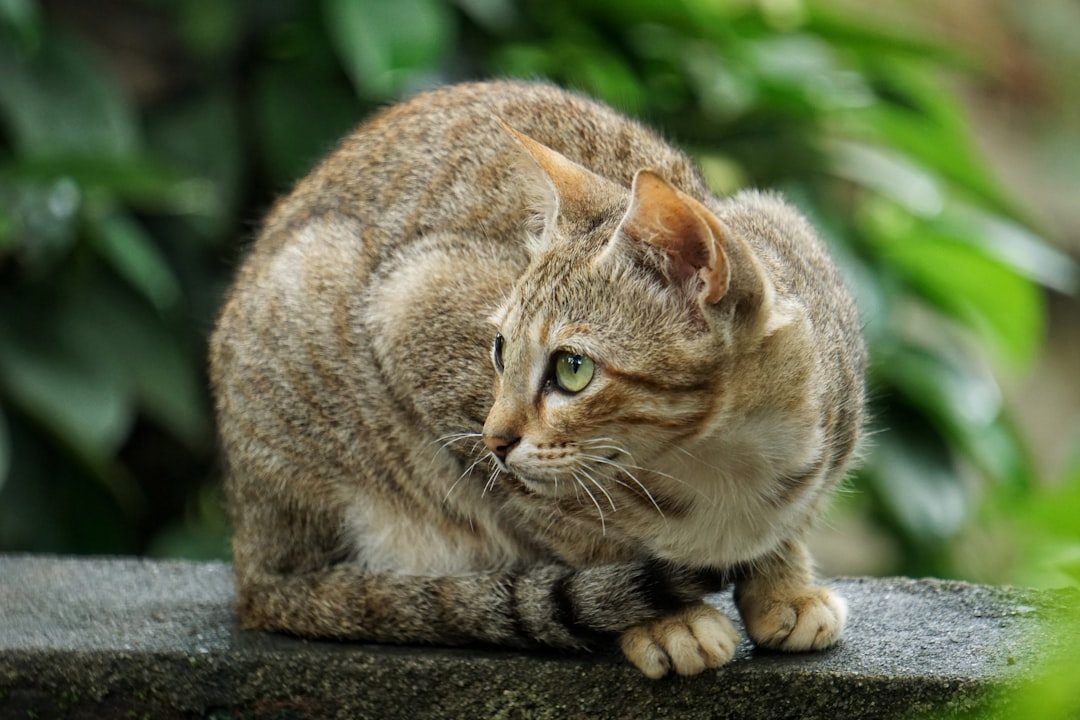
A worried cat might crouch and look tense as they try to make themselves as small as possible, and if they move around you might notice they're keeping themselves close to the ground. This posture shows your cat is trying to be invisible, which indicates they feel unsafe or threatened by something in their environment.
If your cat seems to freeze or go a bit still, often assuming a tense or alert posture, this is perhaps the point where the cat has reached their threshold for being able to cope well. When you see this body language, it's time to assess what's causing the stress and make changes to help your cat feel more secure. A happy cat moves confidently through their space, while a stressed cat tries to disappear.
Understanding your cat's communication style transforms your relationship from guesswork into genuine connection. You'll start noticing the subtle differences between a content purr and an anxious one, between playful energy and stressed pacing. The more you observe and respond appropriately to your cat's signals, the more trust you build. Your cat will feel heard and understood, which is exactly what every pet deserves.
What aspects of your cat's behavior surprised you the most? Share your experiences in the comments below.