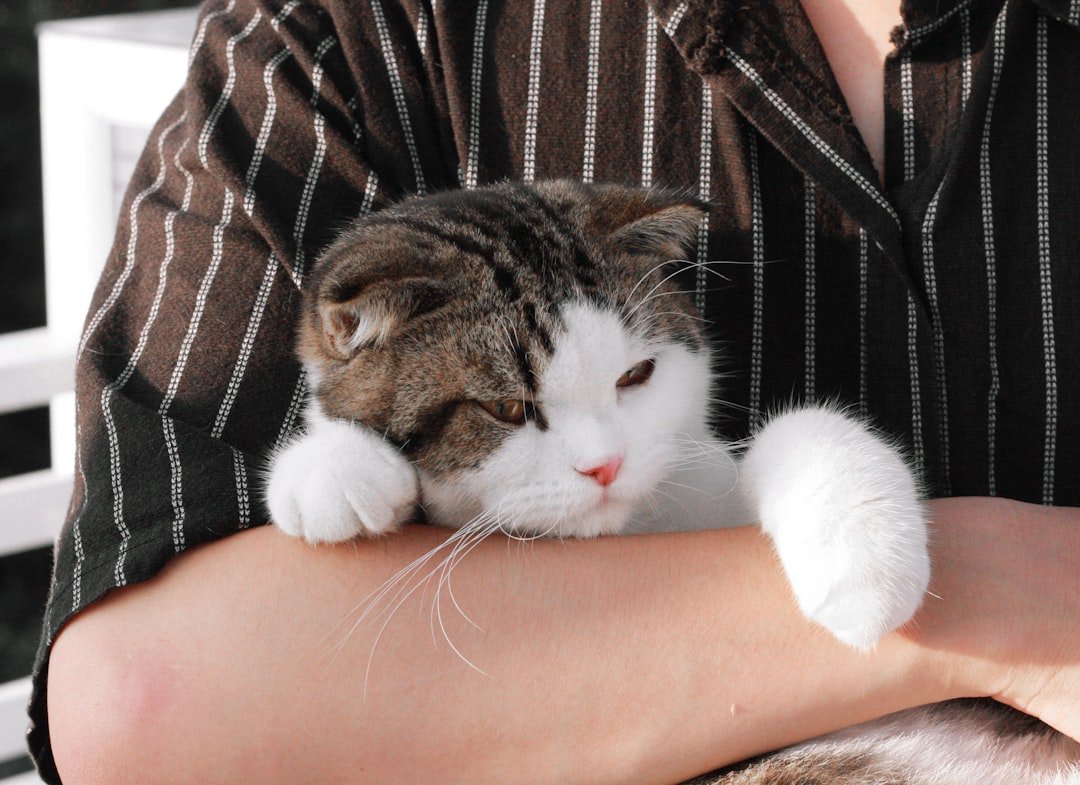
Have you ever caught yourself wondering if your cat actually loves you, or if you’re simply a convenient vending machine with opposable thumbs? Let’s be real, cats have a reputation for being mysterious, aloof creatures who only show up when the food bowl is empty. Yet research tells a different story. Turns out, your feline companion might be far more emotionally attached to you than their indifferent glare suggests. The truth lies somewhere in the nuances of their behavior, and once you crack the code, you’ll know exactly where you stand in your cat’s world.
They Slow Blink at You Like You’re Their Favorite Person
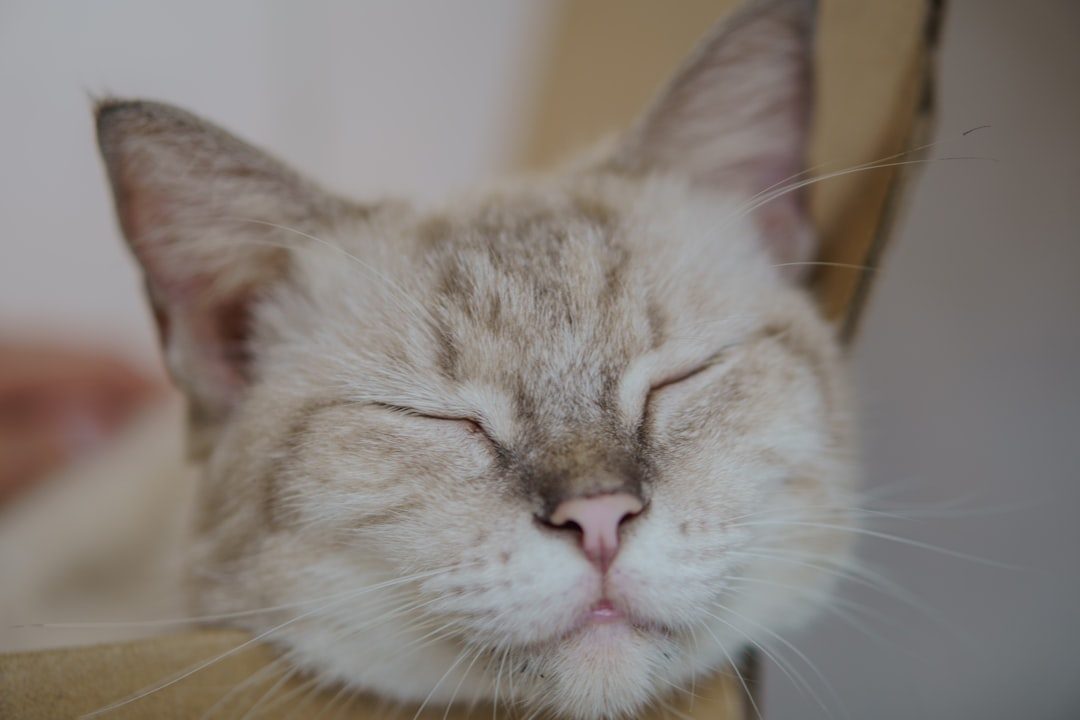
Slow blinking is often referred to as the cat version of a kiss by experts. When your cat gazes at you and softly closes their eyes in a leisurely blink, they’re showing genuine trust and affection. This isn’t some accidental drowsiness or boredom.
Cats can’t fake affection. That slow blink is your cat’s way of saying they feel safe and content in your presence. Try blinking back slowly at your cat to return the sentiment. It’s one of the most authentic displays of feline love you can receive, and honestly, once you recognize it, you’ll notice it happening more often than you’d think.
They Follow You From Room to Room
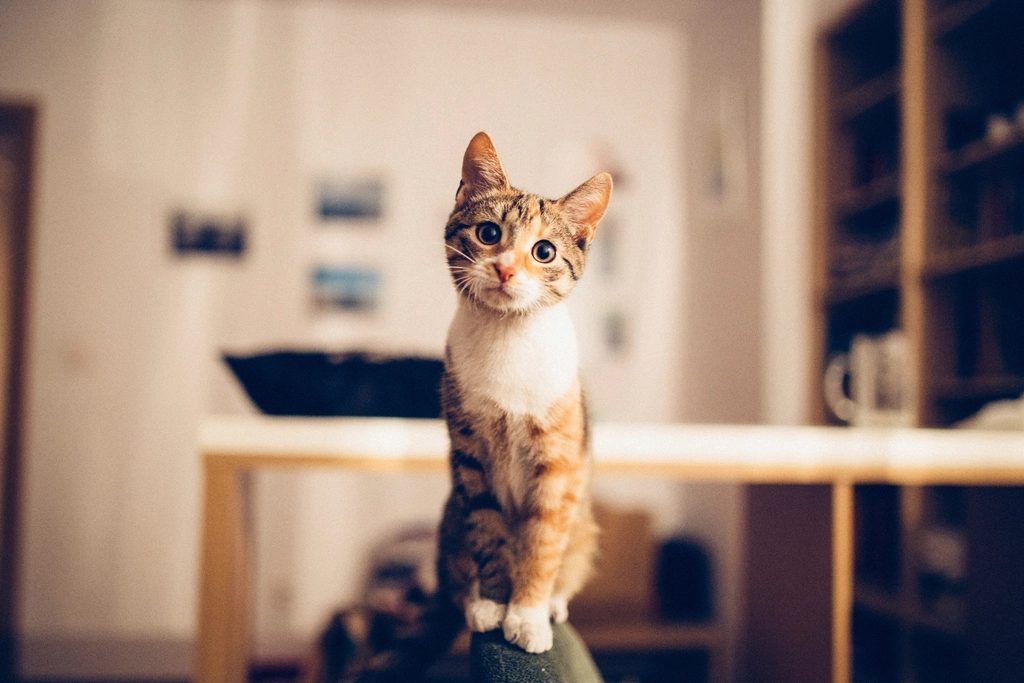
If you notice that your cat is always near you or follows you wherever you go, there’s a high chance that they just love being around you. This is different from the cat who only materializes when you’re heading toward the kitchen. A cat who sees you as family genuinely enjoys your company and wants to be where you are.
They might not always sit directly on your lap, but they’ll settle nearby while you work or watch television. Cats that choose to sleep on or near their owners are showing trust and affection. Your presence alone is comforting to them, which speaks volumes about the bond you share. It’s hard to say for sure, but I think this is one of the clearest indicators that you mean more to them than just meals.
The Head Bumps and Face Rubs Are Constant
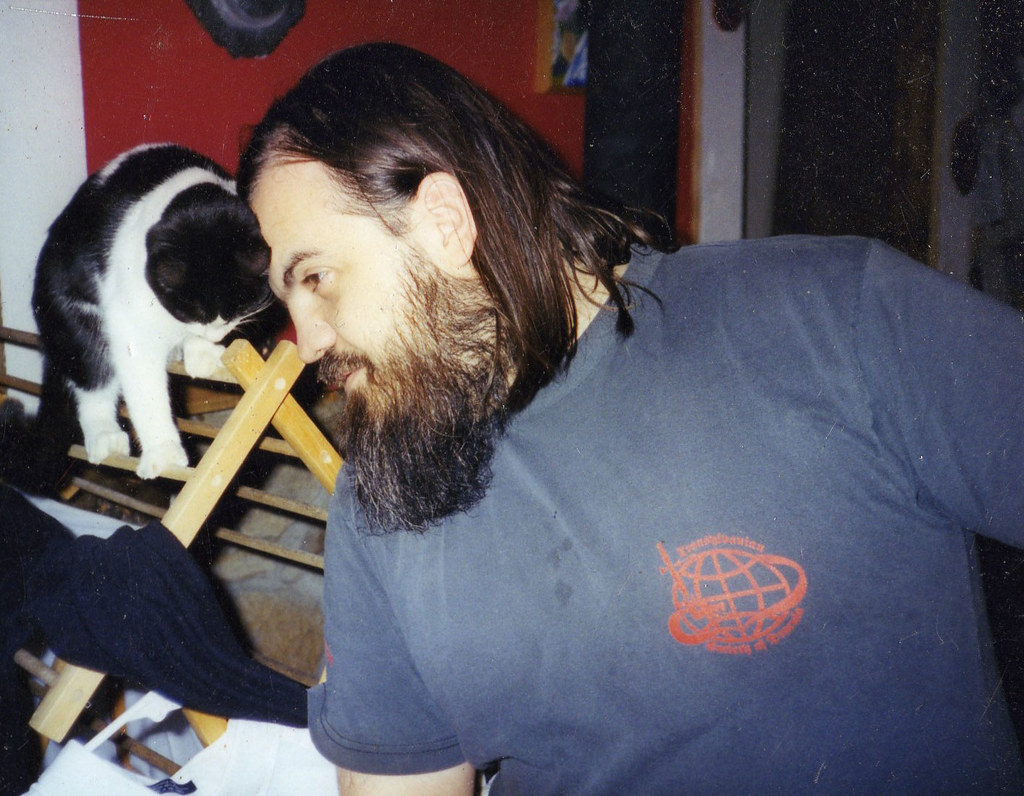
When your cat headbutts you or rubs their face against your legs, arms, or face, they’re doing more than just being cute. When your cat rubs her face on you, it’s a sure sign that she trusts you, and she leaves her pheromones on you, telling other cats you belong to her. This territorial marking is actually a sign of deep affection.
Sure, they’re claiming you as their property, but in the feline world, that’s basically a marriage proposal. This group is characterized by the highest positive score in the owner’s emotional investment in the cat, low levels of aloofness alongside a high score for the specific item “my cat will often lick my hands or face”. These behaviors signal that your cat considers you part of their inner circle, their safe zone, their family.
They Bring You Gifts (Even the Gross Ones)
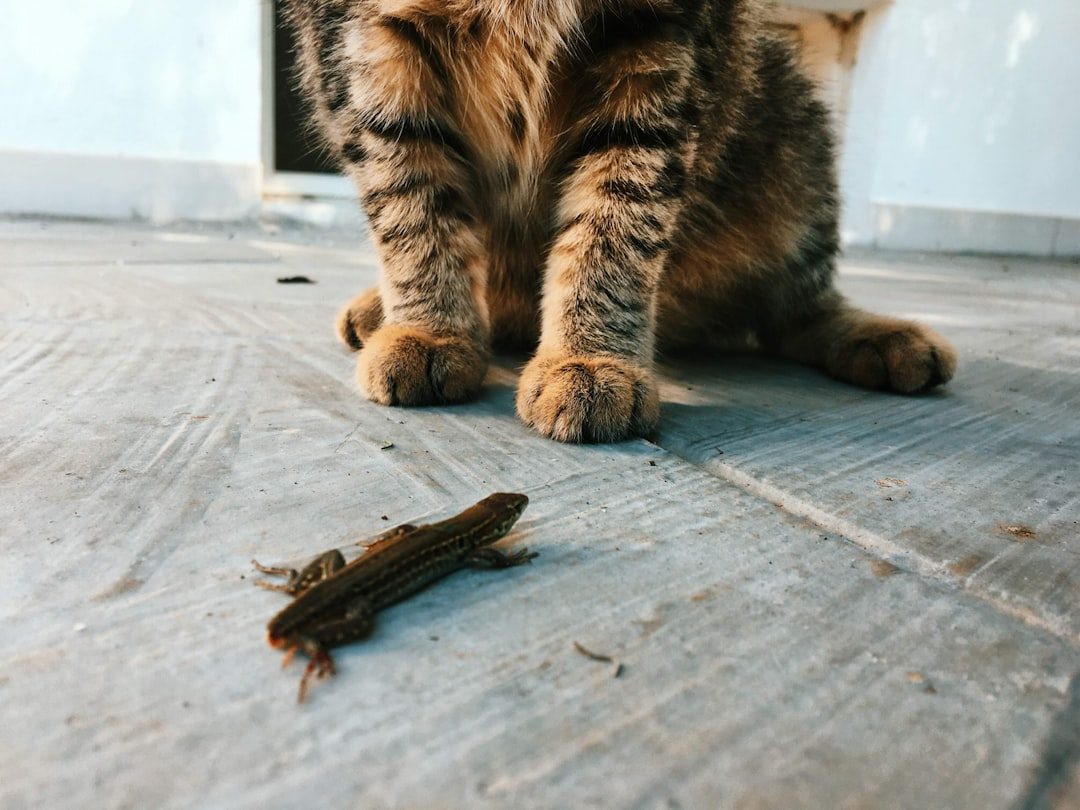
They also practice gift giving, and although you may not appreciate their donation of a dead mouse, remember, it’s the thought that counts. When your cat leaves a deceased critter at your door or drops a toy at your feet, they’re actually sharing their bounty with you. In the wild, cats provide for their family members, and you’ve made it into that exclusive club.
This behavior shows they view you as someone worthy of their hunting spoils. It’s a strange way to show love, I know, but it’s deeply instinctual and genuine. A cat who only sees you as a food dispenser wouldn’t bother sharing anything with you at all.
The Kneading Sessions Are Real and Frequent
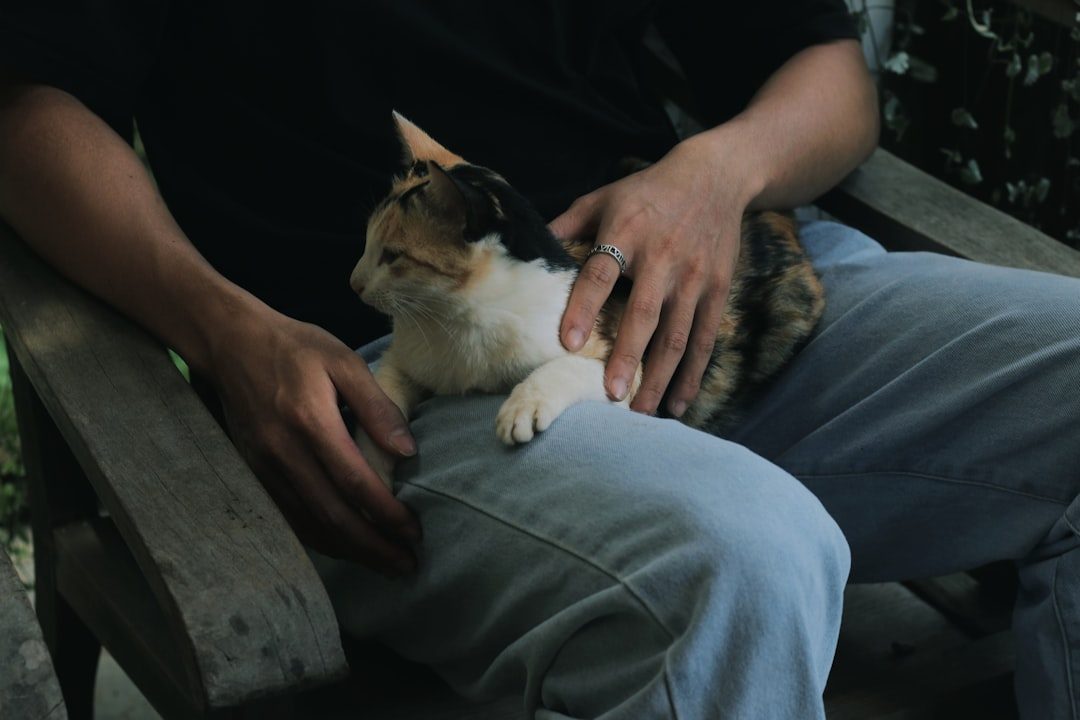
Kneading is one of the most recognizable cat behaviors, and for cats, kneading on or around you is a major way for them to communicate that they feel comfortable with you, especially because the soothing, repetitive motion reminds them of kneading their mother’s stomach for milk when they were a kitten. When your cat makes biscuits on your lap or chest, they’re expressing extreme contentment and trust.
This isn’t behavior they’d waste on someone they see as merely functional. The rhythmic pressing of their paws is a throwback to kittenhood, and they only do it when they feel completely safe. Some cats even purr loudly while kneading, which doubles down on the message that you’re their safe person, their family.
They Greet You at the Door
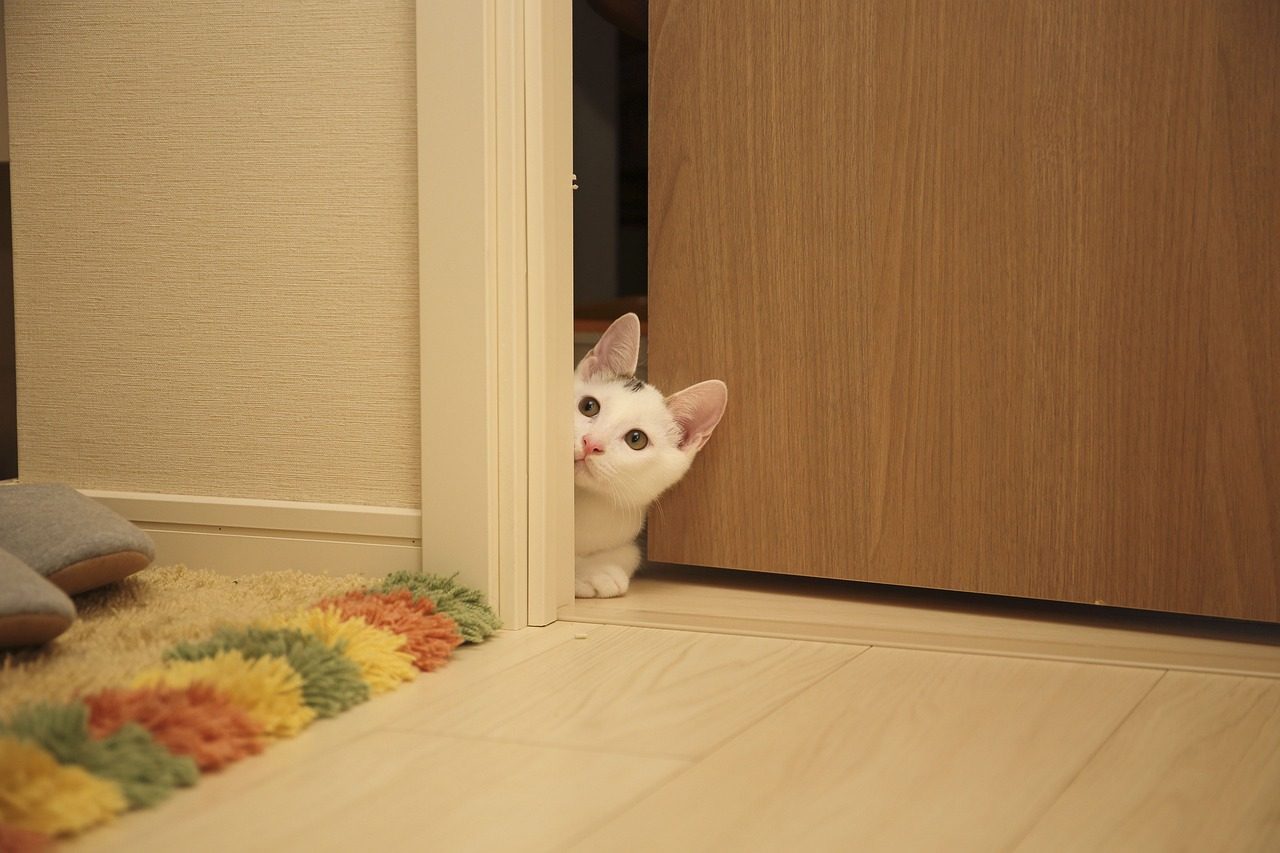
There’s nothing quite like coming home to a happy cat waiting for you at the door, and though this might not seem like a grand gesture in human terms, your cat greeting you at the door is their way of telling you that they’re happy that you’re home. This behavior reveals that they’ve been anticipating your return, not just because it’s dinnertime, but because they missed your presence.
A cat who values you solely for food wouldn’t necessarily wait by the door. They’d show up whenever they hear the can opener or the rustle of a treat bag. The greeting behavior, especially when it’s accompanied by chirps, tail up, and rubbing against your legs, indicates genuine affection and emotional connection.
They Only Appear When It’s Mealtime
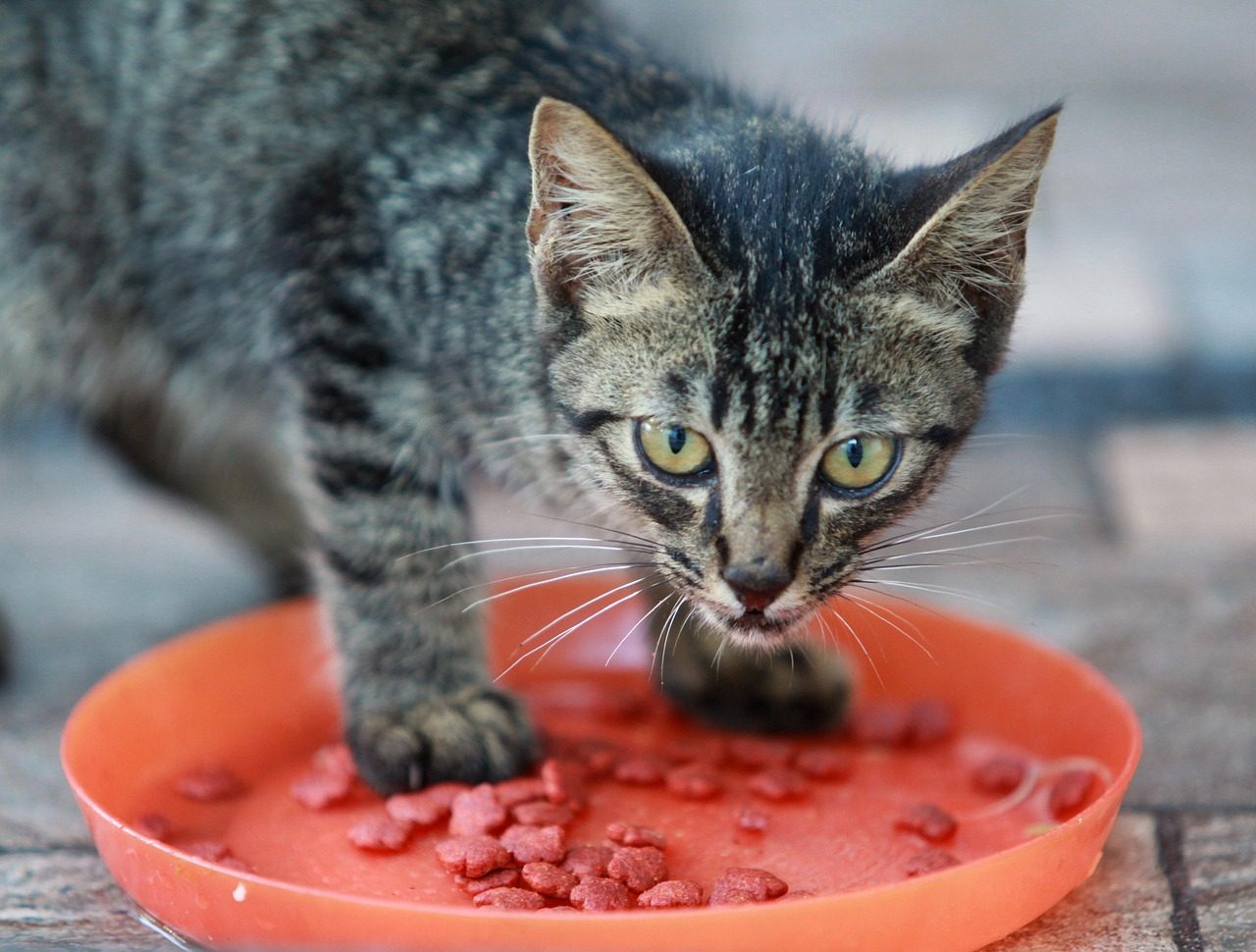
Let’s switch gears here. Now we’re talking about the cats who have a very different agenda. If your cat vanishes for hours and only materializes precisely when it’s time to eat, you might be dealing with a more transactional relationship. Cats are definitely food motivated and it’s down to their very nature as hunters, and cat behaviorists often theorize that because they don’t know when their next meal is, they’re always going to respond and be interested or motivated to eat or obtain food.
However, a cat who only shows interest in you during feeding schedules isn’t demonstrating the same emotional bond. They’ve learned your routine and know exactly when to show up to get what they need. There’s no lingering afterward, no affectionate gestures, just a quick meal and they’re gone. It’s efficient, sure, but not exactly heartwarming.
They’re Indifferent to Your Presence Otherwise
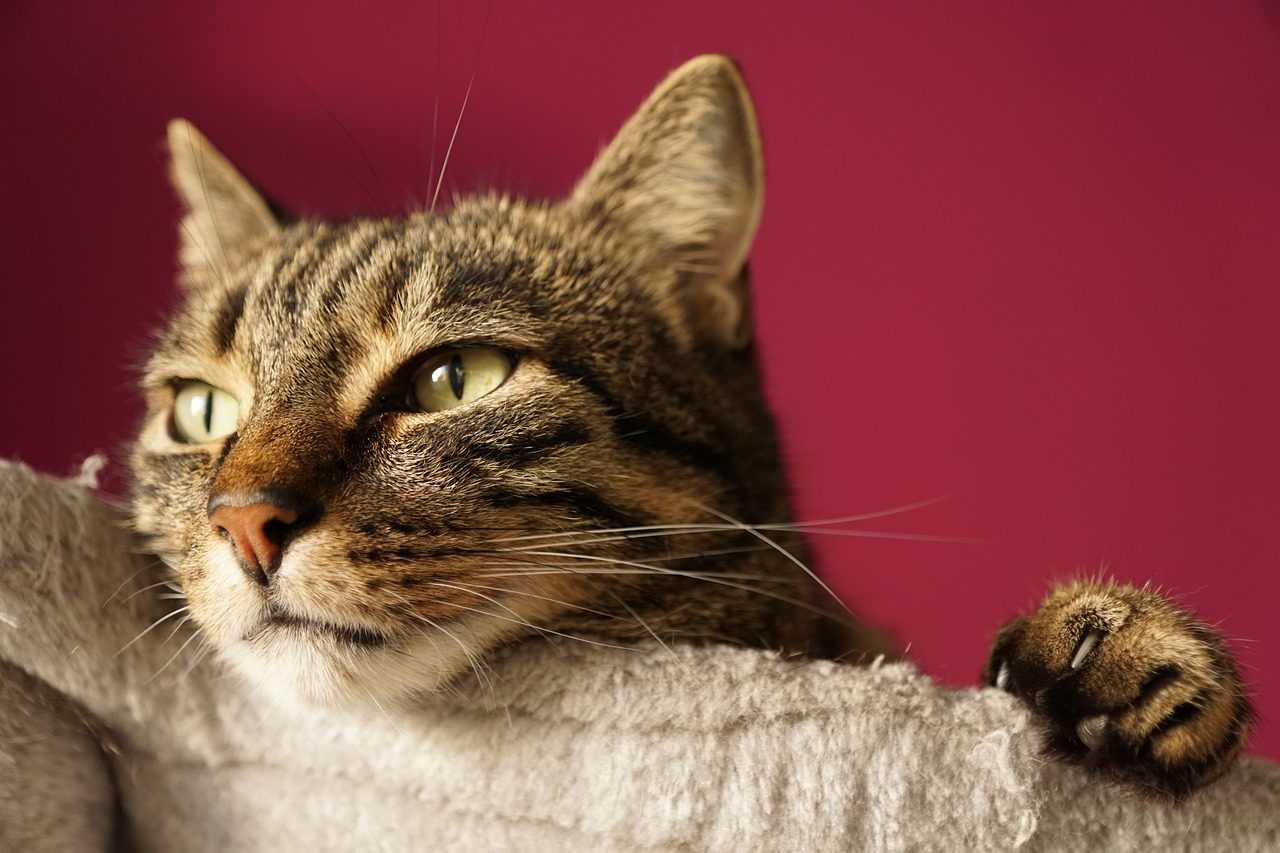
The “open relationship bond” was characterized by a lightly emotionally invested owner and an avoidant cat, while the “remote association” and “casual relationship” were characterized by an emotionally remote owner. A cat who doesn’t seek you out for anything other than food is showing clear avoidant behavior. They don’t follow you around, don’t sit near you, and don’t seem to care whether you’re home or not.
These cats will often find their own hiding spots and remain there for most of the day. They’re perfectly content living their own lives parallel to yours. While some cats are naturally more independent, a complete lack of interest in your presence beyond feeding times suggests they view the relationship as purely functional.
No Purring or Affectionate Sounds Around You
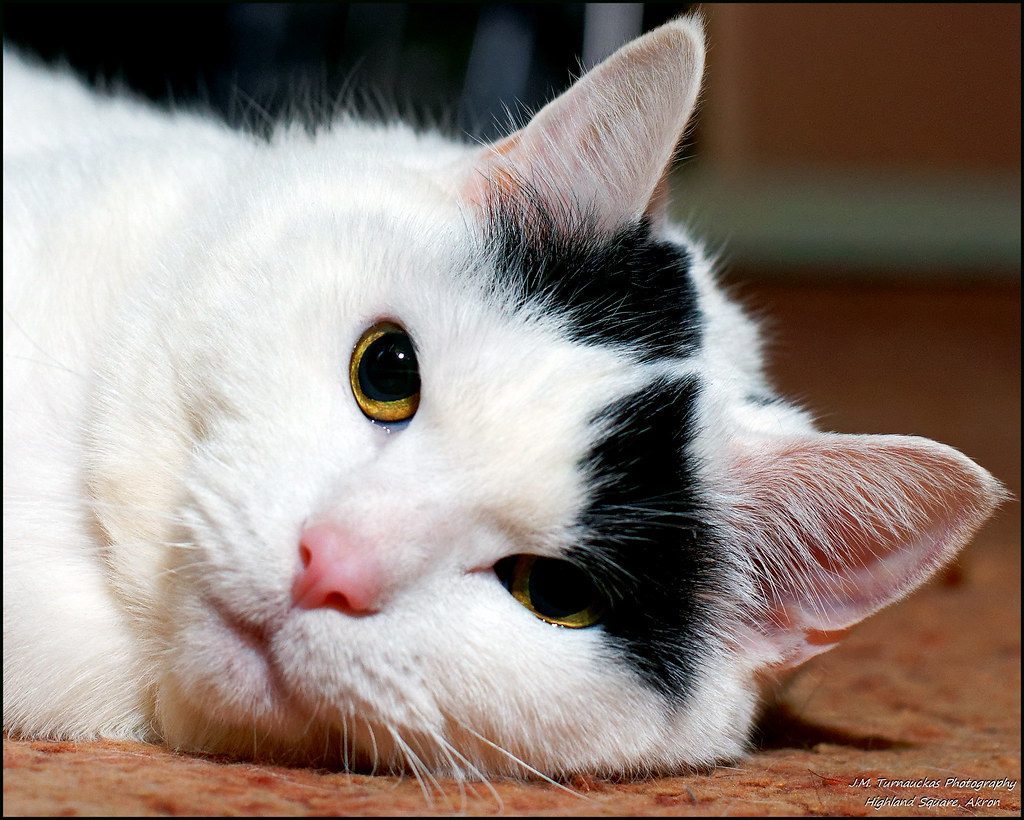
If your cat purrs while you pet him, when he curls up on your lap, or when he settles down near you, it’s probably safe to say that he’s content. Conversely, a cat who never purrs in your presence or makes any affectionate sounds is likely not emotionally invested in the relationship. They might meow loudly when demanding food, but that’s about it.
The absence of those soft trills, chirps, and contented purrs is telling. Cats use vocalizations to communicate with humans specifically, and when they’re bonded to you, they’ll talk to you throughout the day. A silent cat who only vocalizes for food is keeping the relationship strictly business.
They Don’t Seek Physical Contact
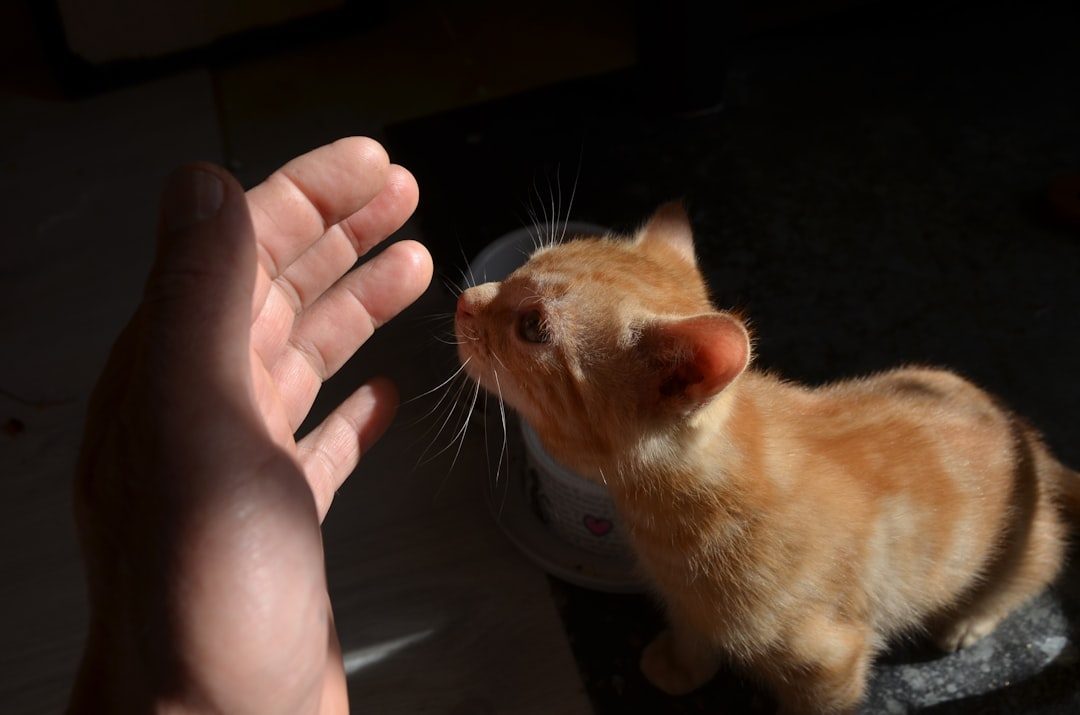
A cat who sees you as just a food dispenser won’t initiate physical contact. Almost any kind of close contact initiated by your cat can be considered a sign of affection and bonding. If your cat never chooses to sit near you, never jumps on your lap, and actively avoids being touched, they’re not treating you like family. They might tolerate brief petting during feeding, but it’s clearly not something they enjoy or seek out.
Here’s the thing: cats are particular about who they allow into their personal space. A cat who keeps their distance is communicating that you’re not part of their trusted inner circle. They’ve decided you serve a purpose, and that purpose doesn’t include companionship or affection.
They Show No Interest When You’re Upset or Sick
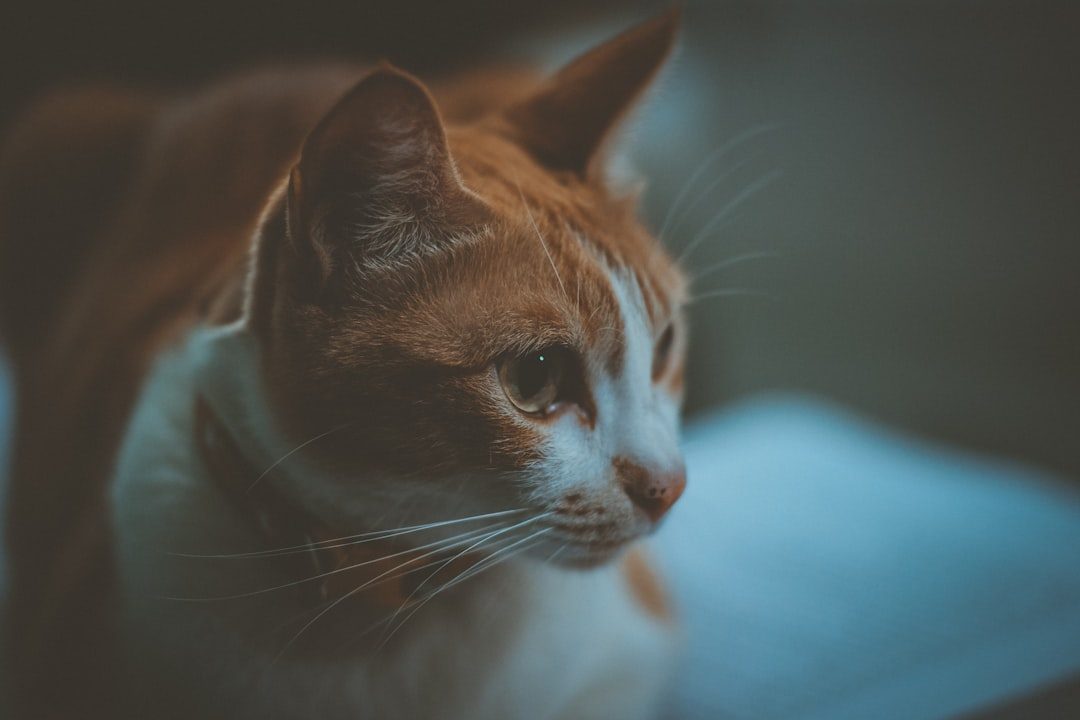
Cats are more likely to engage in allorubbing with owners in depressive moods and approach owners who reported feeling extroverted or agitated, and the cat also changes its behavior in response to depressiveness of the human when close to the person, vocalizing more frequently and head- and flank-rubbing more often. Cats who are bonded to their humans can sense emotional distress and will often provide comfort.
A cat who genuinely sees you as family will stay close when you’re feeling unwell or upset. They might not understand exactly what’s wrong, but they recognize something is off and respond accordingly. In contrast, a food-dispenser cat couldn’t care less about your emotional state. They maintain their usual routine regardless of what you’re going through, showing no change in behavior or increased attention.
They Have Zero Interest in Playing With You
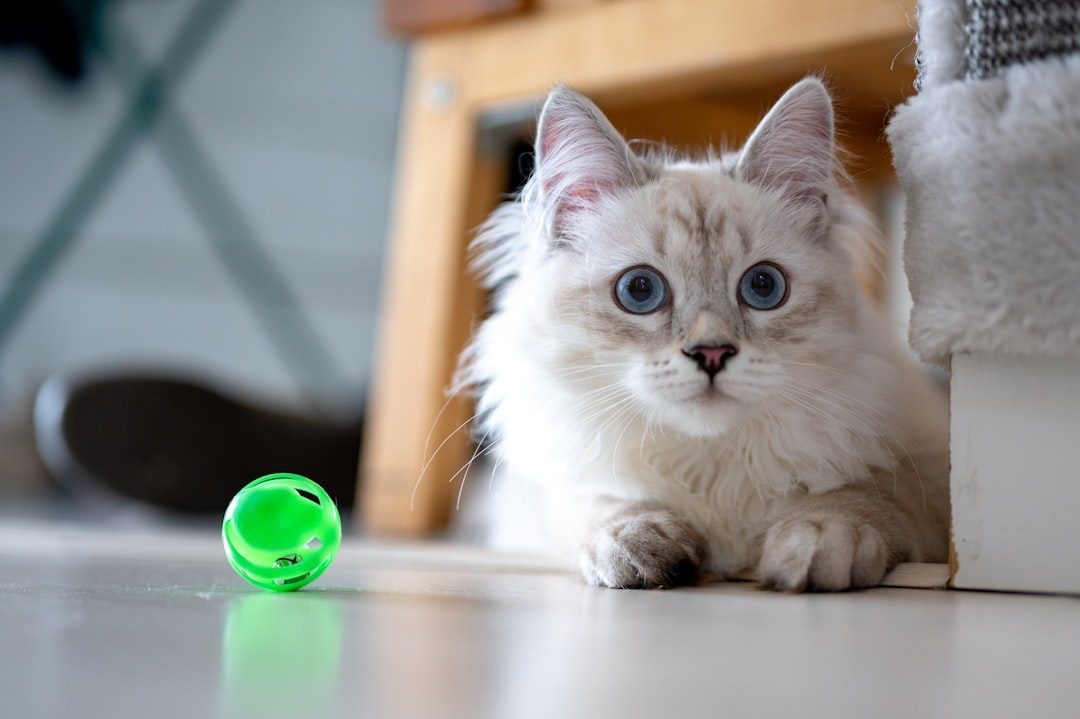
Social interaction with humans was the most-preferred stimulus category for the majority of cats, followed by food. Interestingly, research shows that many cats actually prefer human interaction over food when given the choice. A cat who never wants to play with you or engage in any interactive activity is missing that key component of a bonded relationship.
Play is how cats connect and build relationships, both with other cats and with humans. A cat who ignores your attempts to play, who won’t chase toys you dangle or engage in any games, is signaling that they don’t view you as a companion. They’re tolerating your presence because you provide sustenance, nothing more.
Understanding Where You Really Stand
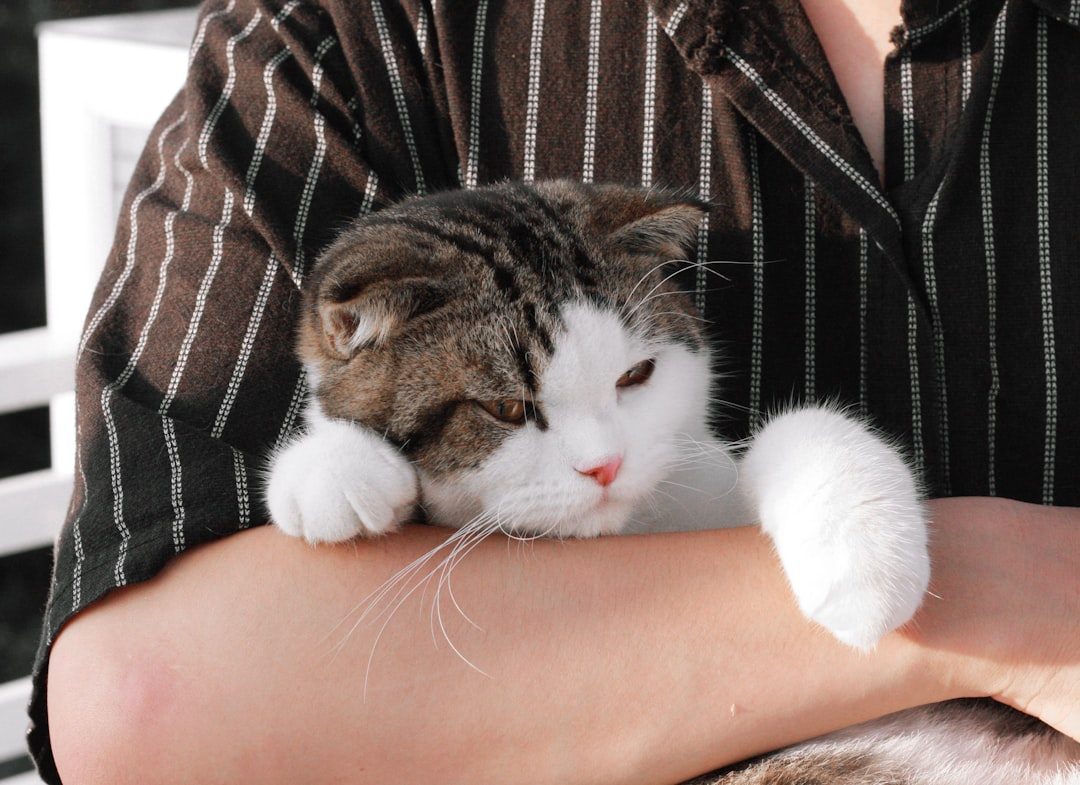
The evidence overwhelmingly demonstrates that cats form genuine, lasting emotional connections with their human companions that extend far beyond basic survival needs, and while food certainly plays a role in the relationship, it functions more as a bonding ritual and expression of care rather than the sole motivating factor. The reality is that most cats fall somewhere on a spectrum between these two extremes. Very few cats are completely detached or completely devoted.
Your relationship with your cat is unique and influenced by their personality, early socialization, and the time you invest in building that bond. Half of all cats chose to spend time engaged with their human owners preferentially compared with available food, toys, and scent items at the individual level. That’s a pretty remarkable statistic when you think about it. Half of all cats would choose you over food. If your cat shows even a few of the family signs we discussed, you’re doing something right. The bond is there, even if it’s subtle.
Did you notice which category your cat falls into? Maybe they’re somewhere in between, which is perfectly normal. What matters most is recognizing the signs and understanding what your cat is truly communicating to you.