9 Cat Breeds That Thrive with Seniors (and 5 That Need More Active Companionship)
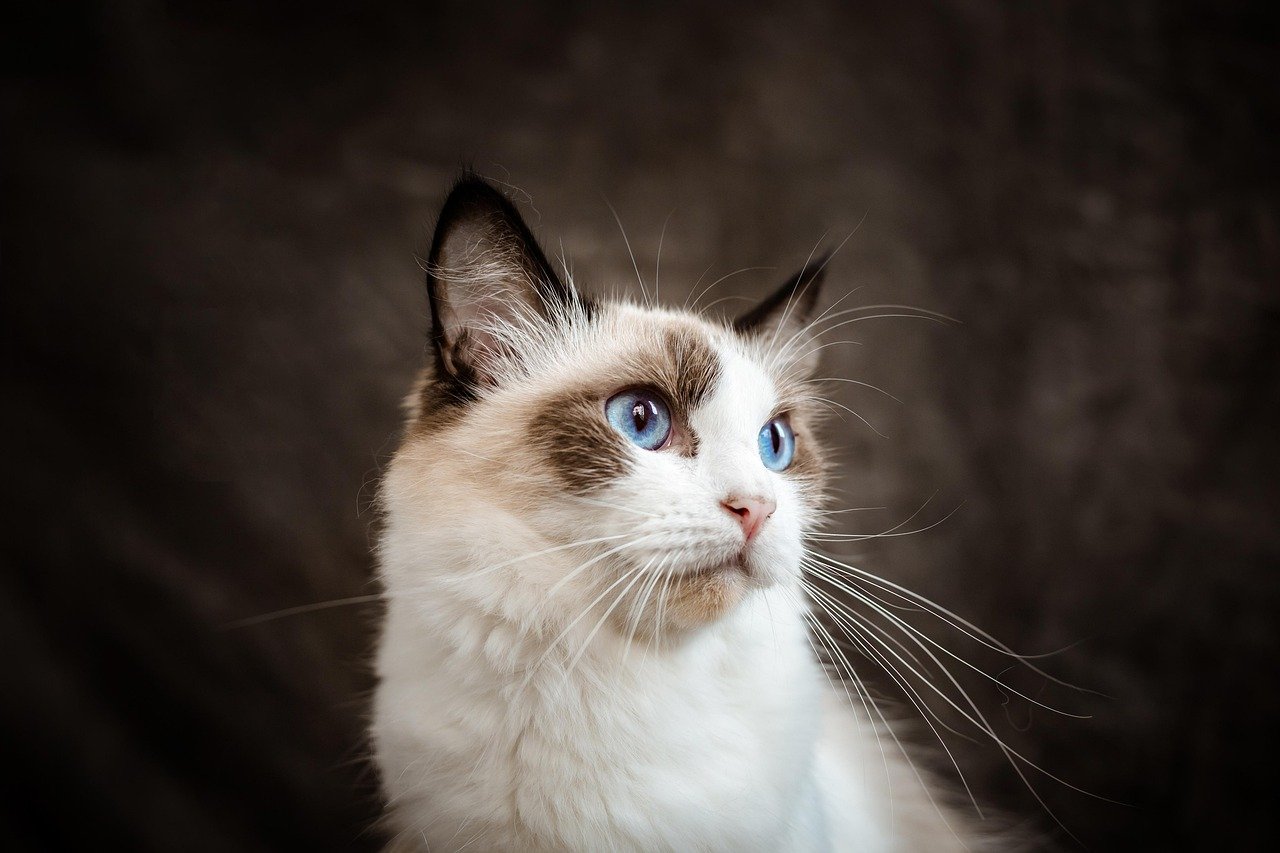
You're thinking about adding a furry friend to your home. Maybe you live alone, maybe your days have slowed to a gentler pace, or perhaps you simply crave the comfort of a warm companion who asks for nothing more than your presence. Here's the thing: not all cats are created equal when it comes to matching your lifestyle.
Some breeds will curl up contentedly beside you during afternoon naps. Others? They'll scale your curtains at three in the morning and demand Olympic-level play sessions. The right cat can transform your golden years into something truly special, offering companionship without overwhelming demands. Choosing poorly, though, can leave both you and your feline frustrated. So let's explore which breeds will genuinely thrive alongside you, and which ones might be better suited to homes with more energy to spare.
The Ragdoll: Your Living, Breathing Comfort Blanket
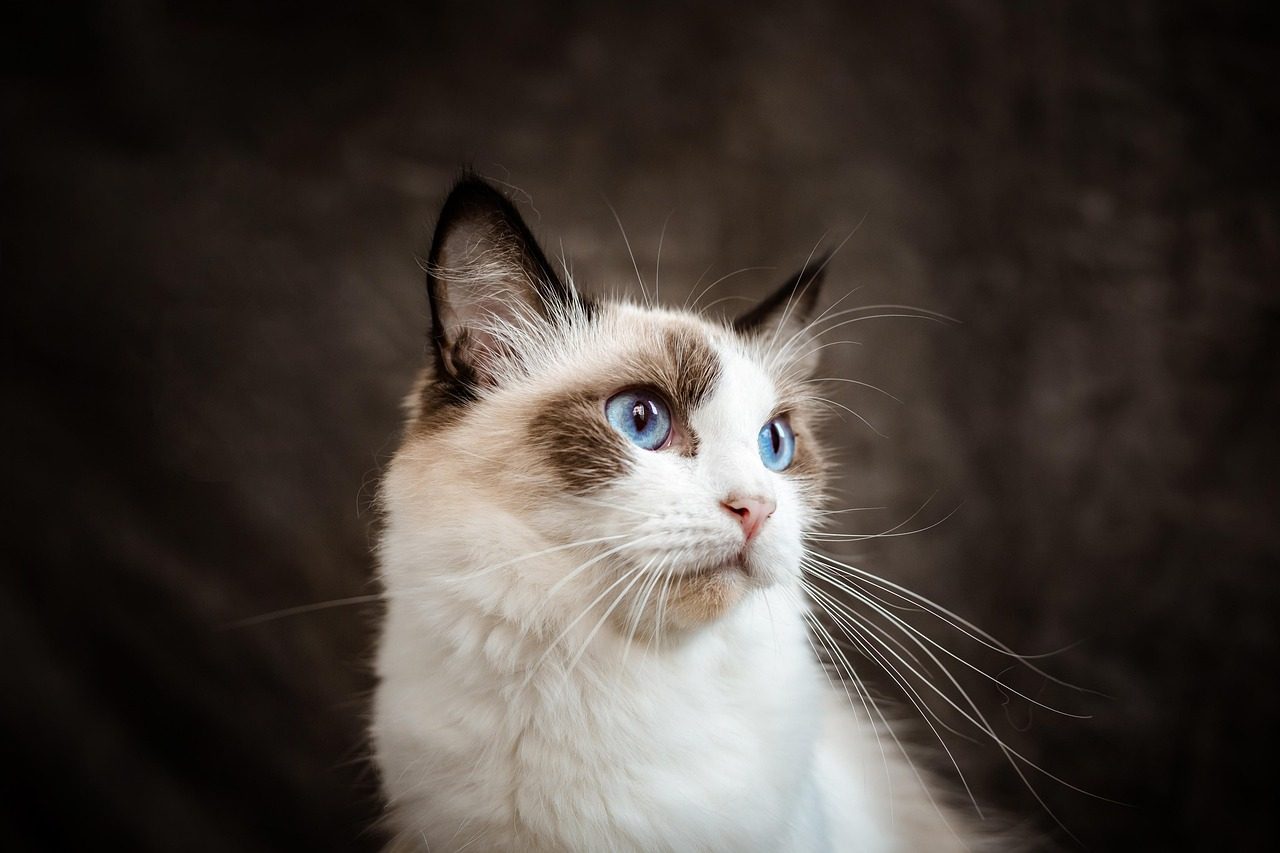
Ragdolls are cute, cuddly companions with a gentle and loving nature, making them ideal choices for seniors who want a lap cat to snuggle with. These cats literally go limp when you pick them up, hence their name. Think of them as the golden retrievers of the cat world, if you will.
They're famous for their relaxed, cuddly demeanor and are perfect for seniors who want a lap cat to snuggle with, being relatively low-maintenance despite their fluffy coats. Their silky fur does require some attention, so a weekly brushing session can become a lovely bonding ritual. These cats form incredibly strong attachments to their owners and genuinely seem to enjoy just being near you, whether you're reading, watching television, or simply sitting in comfortable silence.
British Shorthair: The Dignified Companion
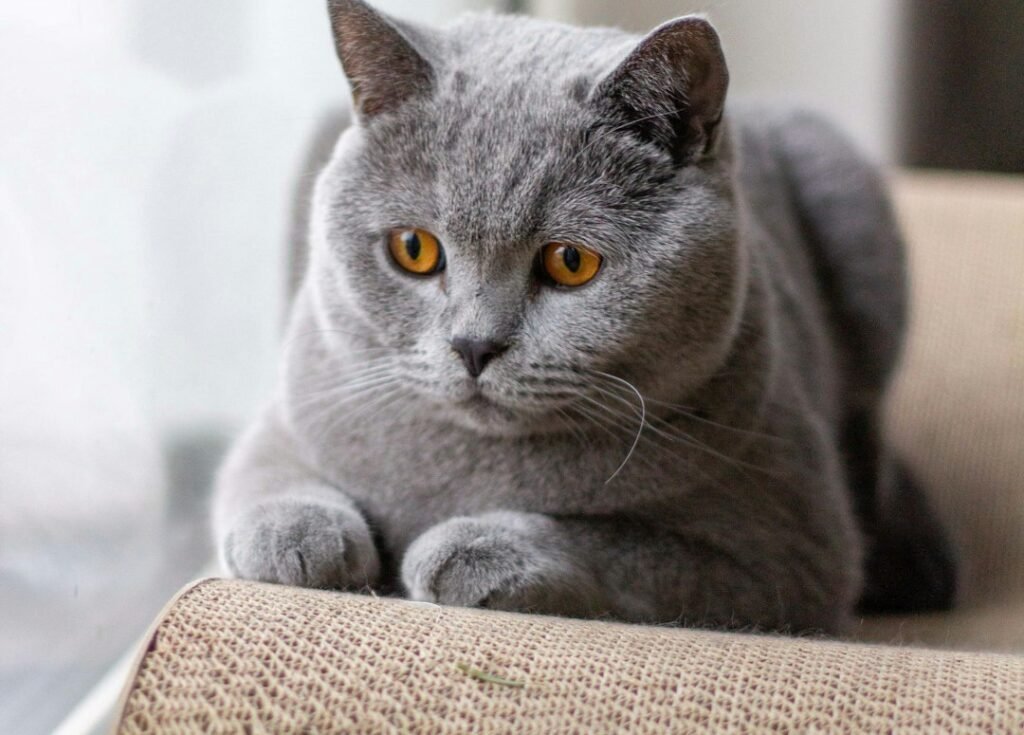
British Shorthairs are really calm and good-natured cats that are mellow and can be quite independent when they need to be, though they don't avoid people and can be a friendly and comforting presence. Picture a plush teddy bear with a round face and impossibly soft fur. That's basically what you're getting.
They're a great low-maintenance choice that doesn't need grooming all that often, requiring only occasional brushing to sort out loose hairs. Let's be real: these cats have mastered the art of being present without being demanding. They'll keep you company without insisting you entertain them constantly. After kittenhood, British Shorthairs tend to become very laid back, even lazy, and can become very independent, which can be ideal for older cat owners with not as much energy to dedicate to pet care.
Russian Blue: The Quiet Gentleman
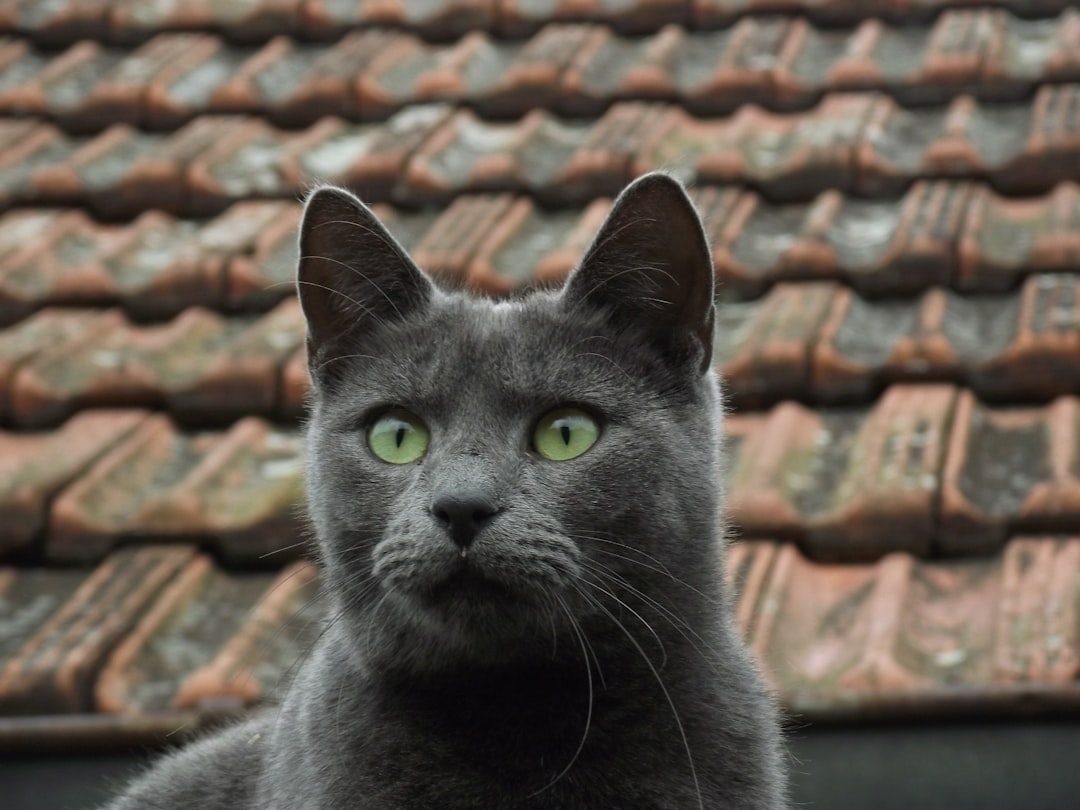
Russian Blues are absolutely stunning with their silvery coat and bright green eyes. Honestly, they look like they've been brushed with moonlight. The Russian Blue is a special cat with pretty blue-gray fur and bright green eyes, being friendly and calm and getting along well with older people who want a peaceful friend.
They're easygoing and don't require much grooming, with their short coat making them low-maintenance, which is perfect for seniors who may not have the energy for extensive grooming sessions. These cats form deep bonds with their chosen person but remain somewhat reserved with strangers. They're not excessively vocal or demanding, preferring a calm environment where routine reigns. If you value peace and predictability, a Russian Blue might be your perfect match.
Persian: The Regal Lap Warmer
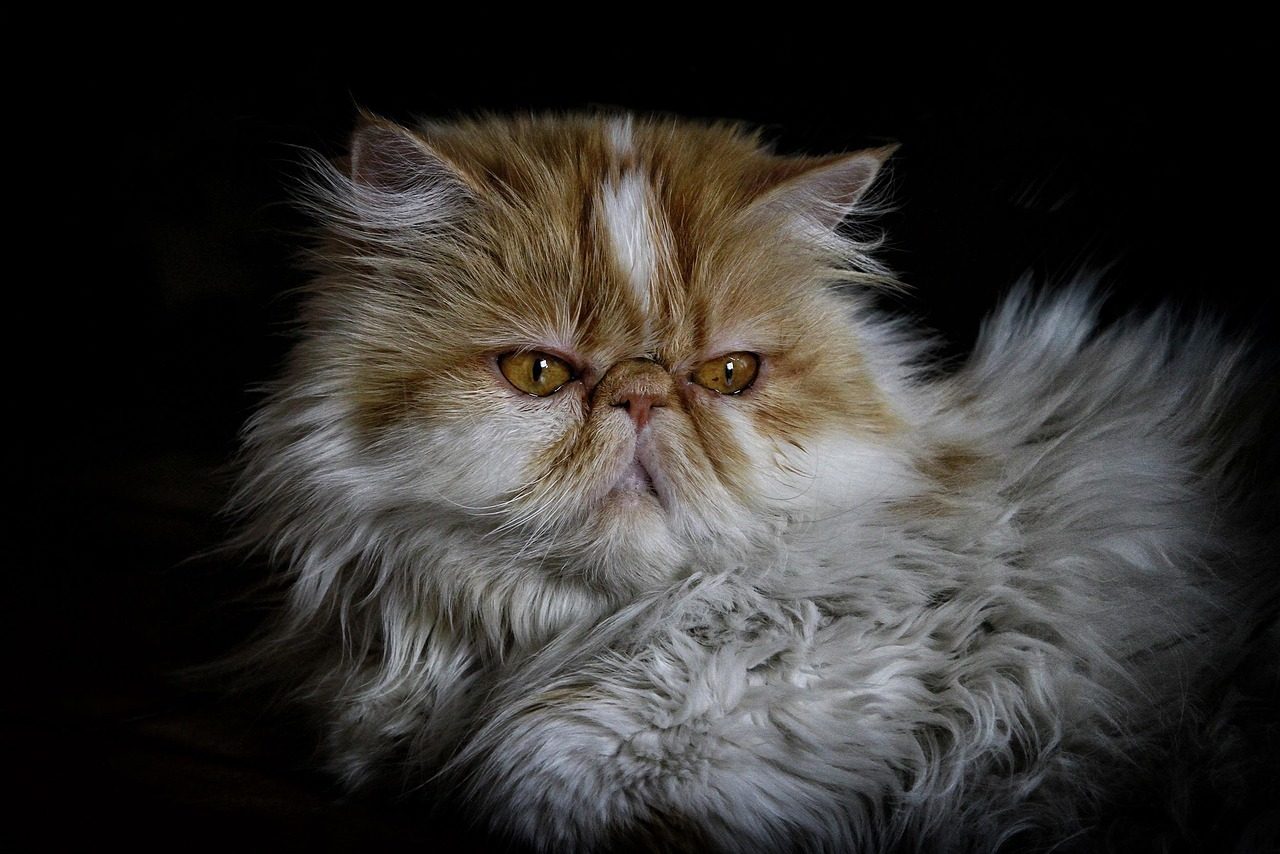
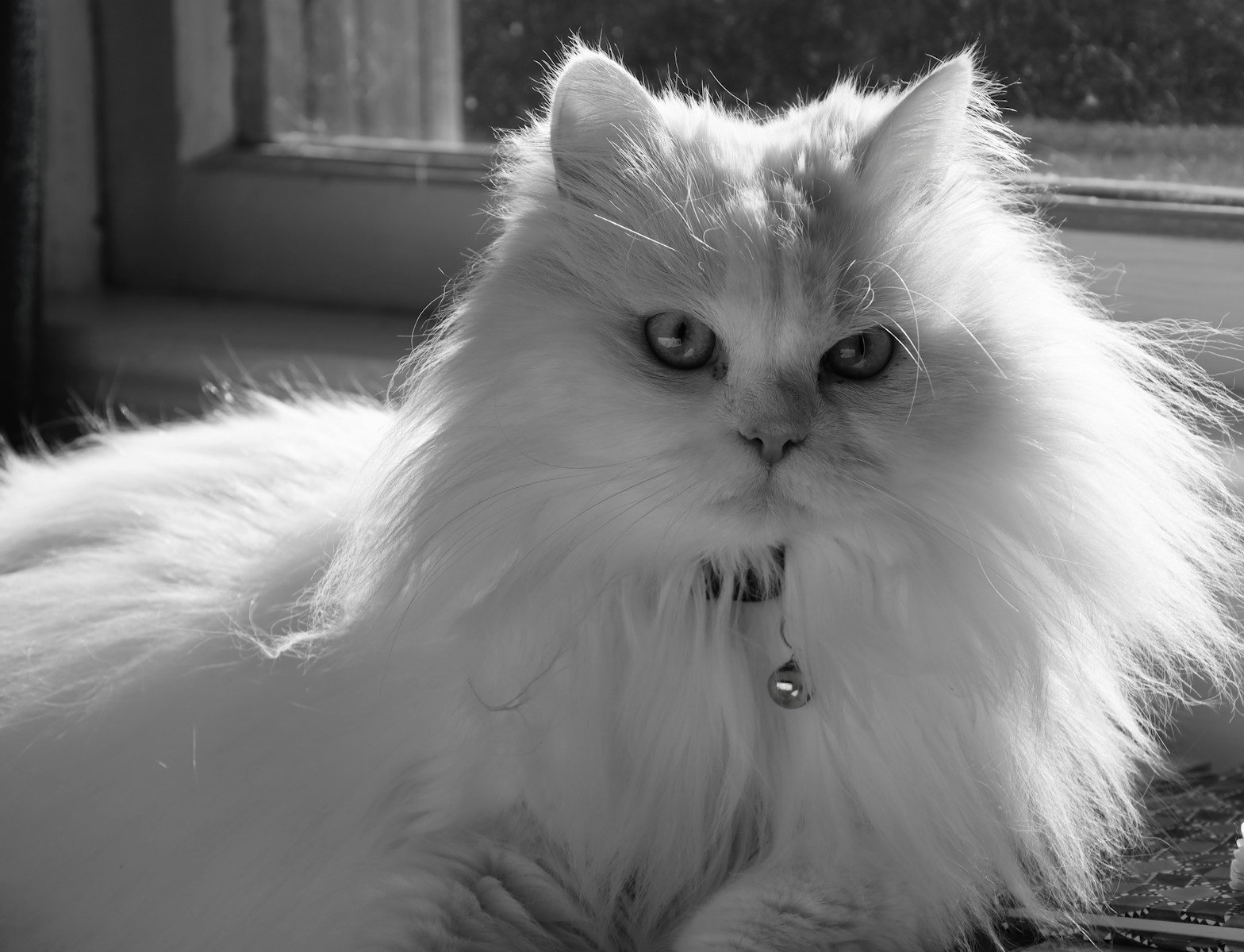
Persian cats are well known for being some of the quietest and most friendly breeds, and these calm felines make great pets for older people. Their long, luxurious coats are undeniably beautiful, though they do come with a price: daily grooming is absolutely necessary.
Persians typically live 12-17 years and if they have their way, most of that time will be spent curled up fast asleep on your lap, being calm kitties who form very strong bonds with their owners. If you genuinely enjoy the meditative quality of brushing and don't mind the commitment, a Persian offers unmatched devotion and serenity. They prefer quiet households and will happily spend hours simply existing beside you, asking for little beyond gentle affection and regular coat care.
Birman: The Gentle Soul
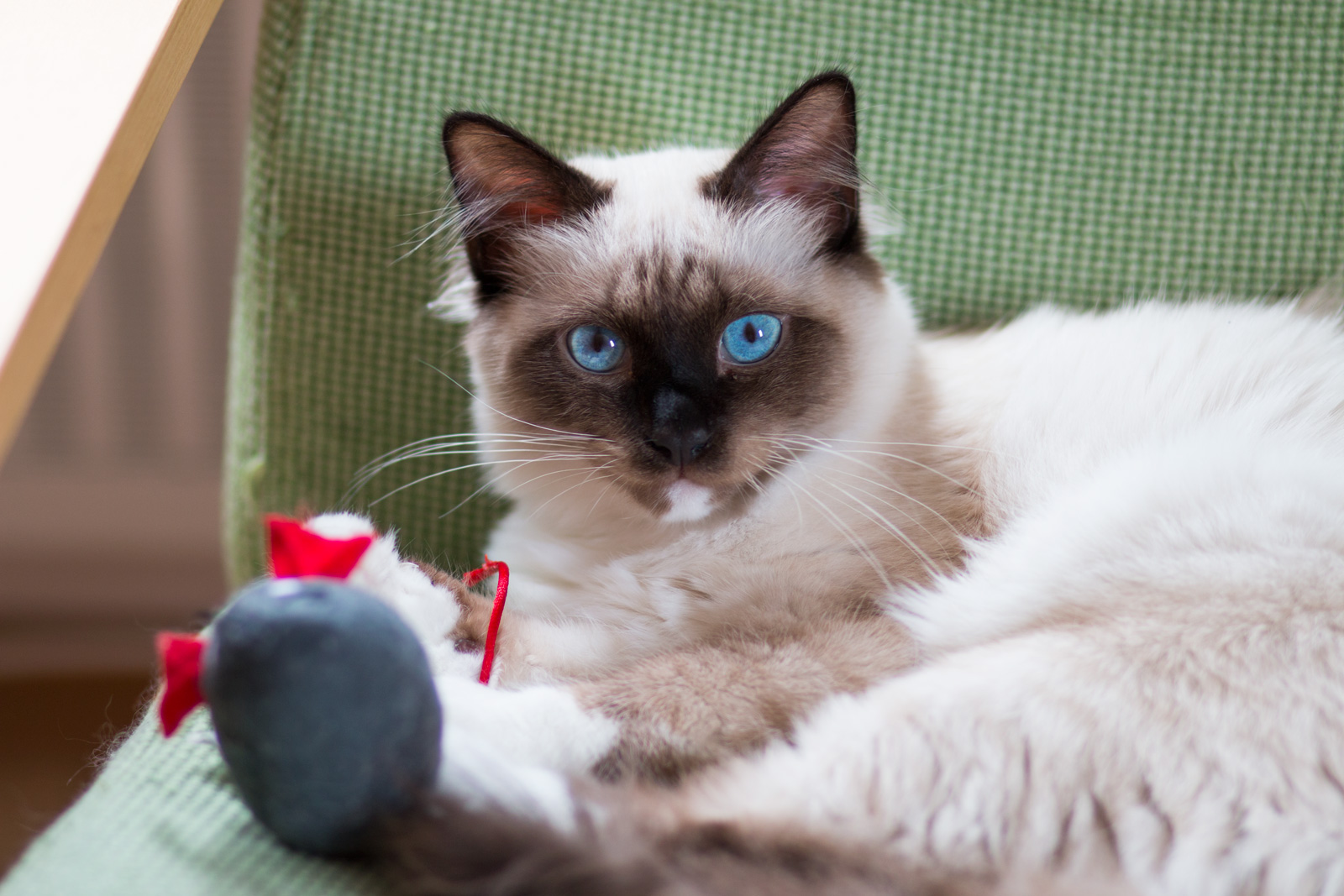
Birman cats are ideal for seniors, being low-maintenance and loving companionship, described as affectionate, gentle and intelligent creatures that enjoy the companionship of their humans. These striking cats with their blue eyes and color-pointed coats possess an almost ethereal beauty.
Despite their medium-length fur, Birmans have no undercoat, which means less shedding and easier grooming, with a weekly brush being sufficient. They're social without being clingy, affectionate without being demanding. Anyone could get lost in a Birman's bright blue eyes, and they're low-energy buddies who still love to play and are social and friendly, so they won't cause a scene if their owner has family members or caretakers coming in and out of the home.
Scottish Fold: The Sweet-Natured Charmer
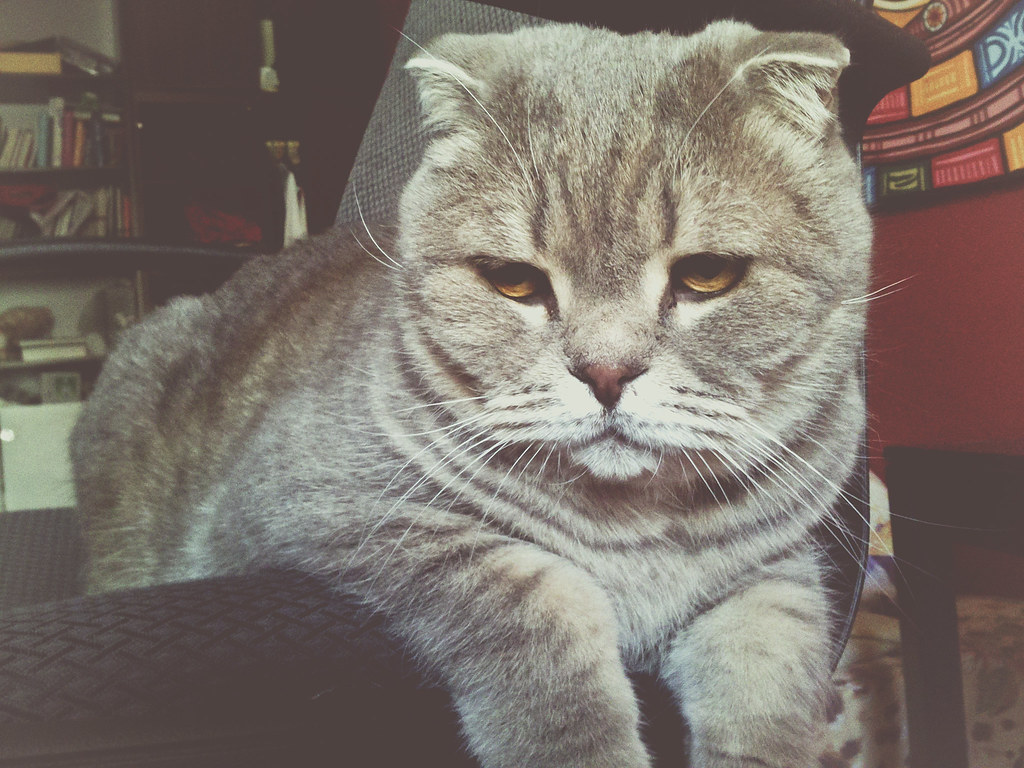
Scottish Folds are instantly recognizable thanks to those adorably folded ears that give them an owl-like appearance. The Scottish Fold is known for its distinctive owl-like appearance and folded ears, having a sweet and easygoing temperament, and while sociable, it'll become attached to its owner.
They're a calm, well-mannered breed that isn't very vocal which makes care easy, and while they won't sprint around your house to find something to play with, you can still attract them with a little daily activity. These cats strike a wonderful balance between playfulness and tranquility. They enjoy being near their owners but don't constantly demand attention. Their moderate energy levels mean they're content with short play sessions followed by long periods of restful companionship.
Exotic Shorthair: The Persian's Easier Cousin
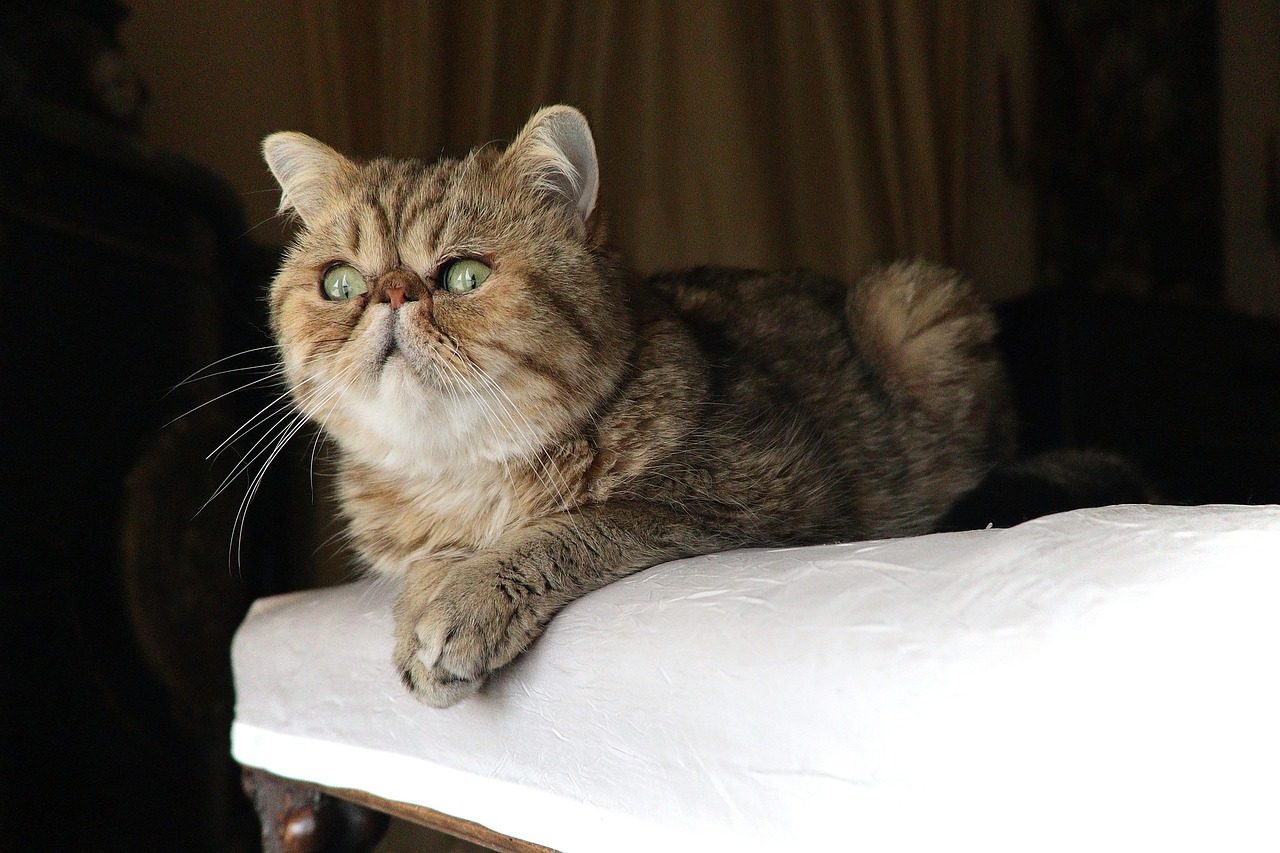
Think of the Exotic Shorthair as a Persian who got a practical haircut. Exotic Shorthairs are affectionate and gentle cats that love being near their owners and do well in both apartments and houses. They share the Persian's sweet temperament and adorable flat face but with significantly less grooming drama.
The Exotic Shorthair is essentially a shorter-haired version of the Persian, being a little livelier but not excessively so, and is a friendly and amenable cat that will get along with most people and other animals. They're perfect if you want that cuddly, affectionate personality without dedicating an hour daily to coat maintenance. These cats are playful in short bursts but generally prefer a calm environment where they can observe the world from a comfortable perch.
American Shorthair: The All-Around Good Guy
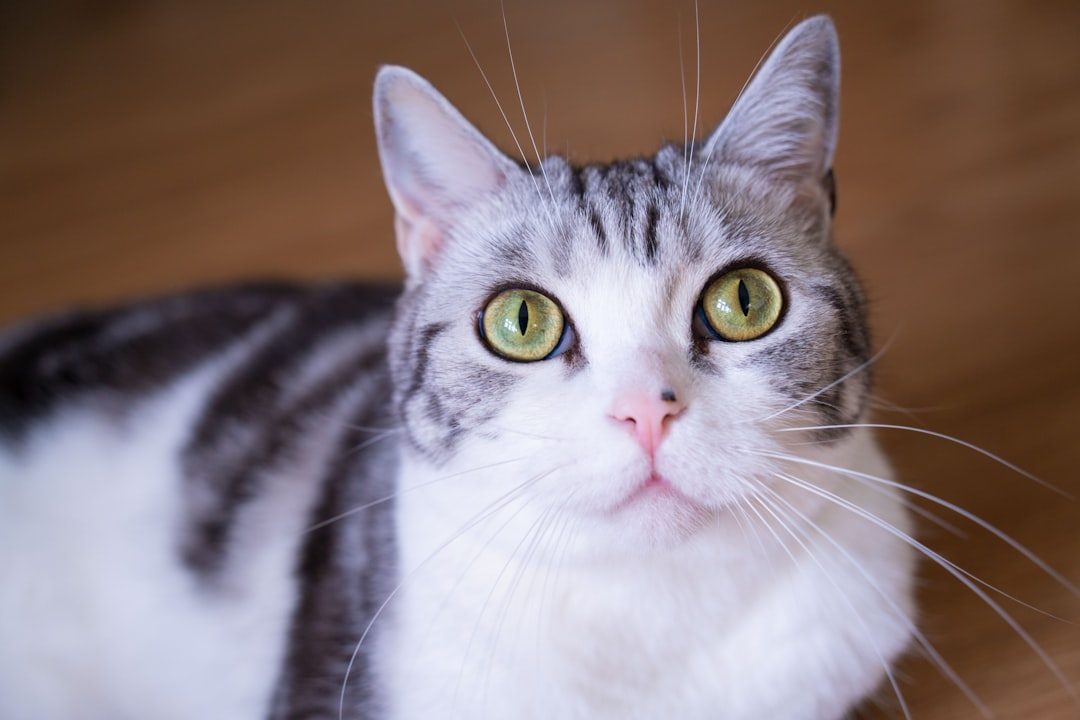
American Shorthairs are a quintessential low-maintenance choice, being healthy cats known for their longevity and adaptability, making them fantastic pets for senior citizens with minimal grooming requirements and calm temperament. These cats are the definition of easy-going.
The American Shorthair is both an affectionate and independent cat breed and is a solid option for any age group because it can be left at home for several hours without causing trouble. They're not overly needy but still enjoy human companionship. They adapt wonderfully to different living situations and rarely cause drama. American Shorthairs have a long lifespan with most reaching between 15 and 20 years, being an affectionate and cuddly breed with a friendly nature that's very adaptable, patient, and tolerant.
Maine Coon: The Gentle Giant
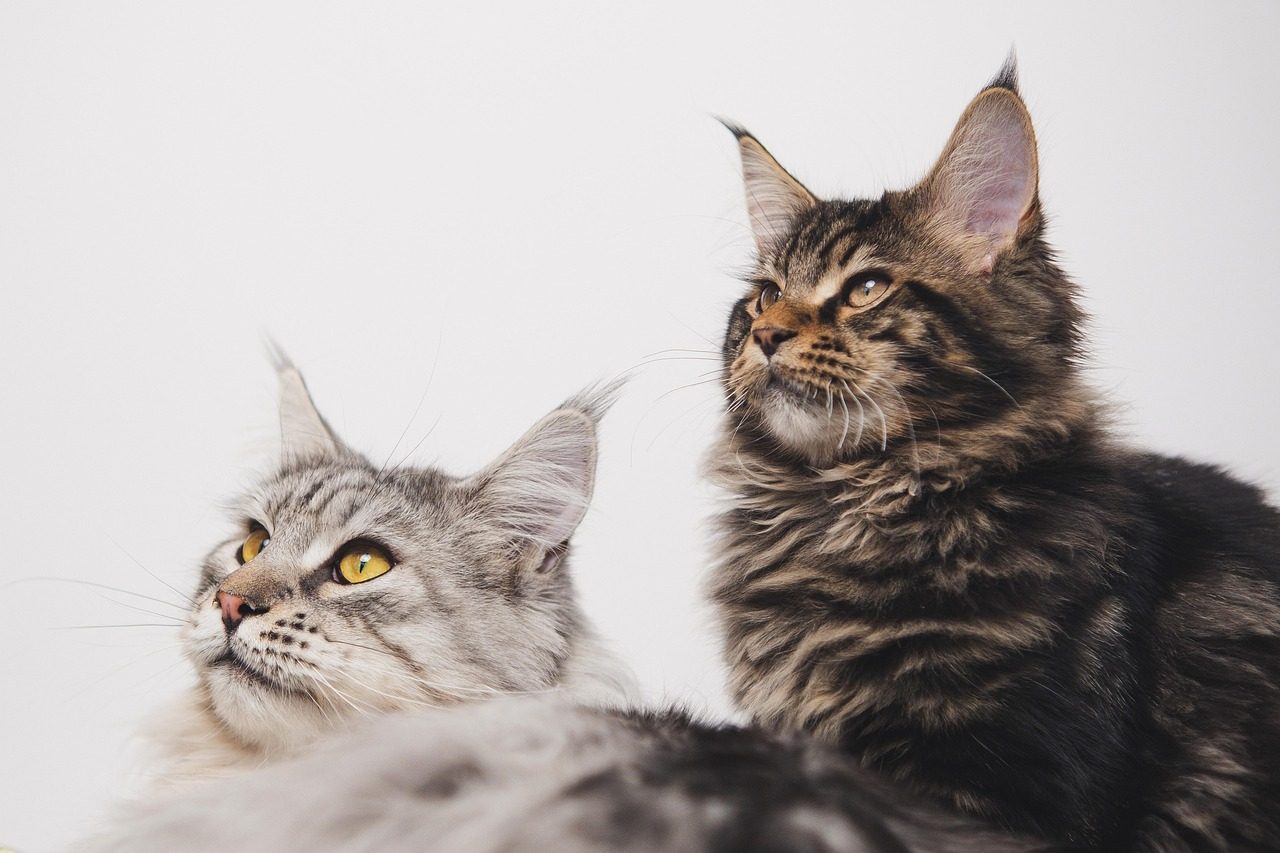
Don't let their impressive size intimidate you. Maine Coons are the largest domesticated cats and also one of the friendliest, often referred to as gentle giants who love to follow their owner around the house, being affectionate but lazy and not requiring a lot of attention. These majestic cats are remarkably gentle and patient.
Despite their size as one of the largest cat breeds, they are affectionate cats with a gentle, playful nature that adapt well to a range of lifestyles and enjoy forming strong bonds with their owners, making them great companions. They're playful without being hyperactive and will happily entertain themselves when you're busy. Their friendly disposition means they'll welcome visitors warmly, which can be lovely if you enjoy hosting family or friends.
Now, Let's Talk About the Other Side: Bengal
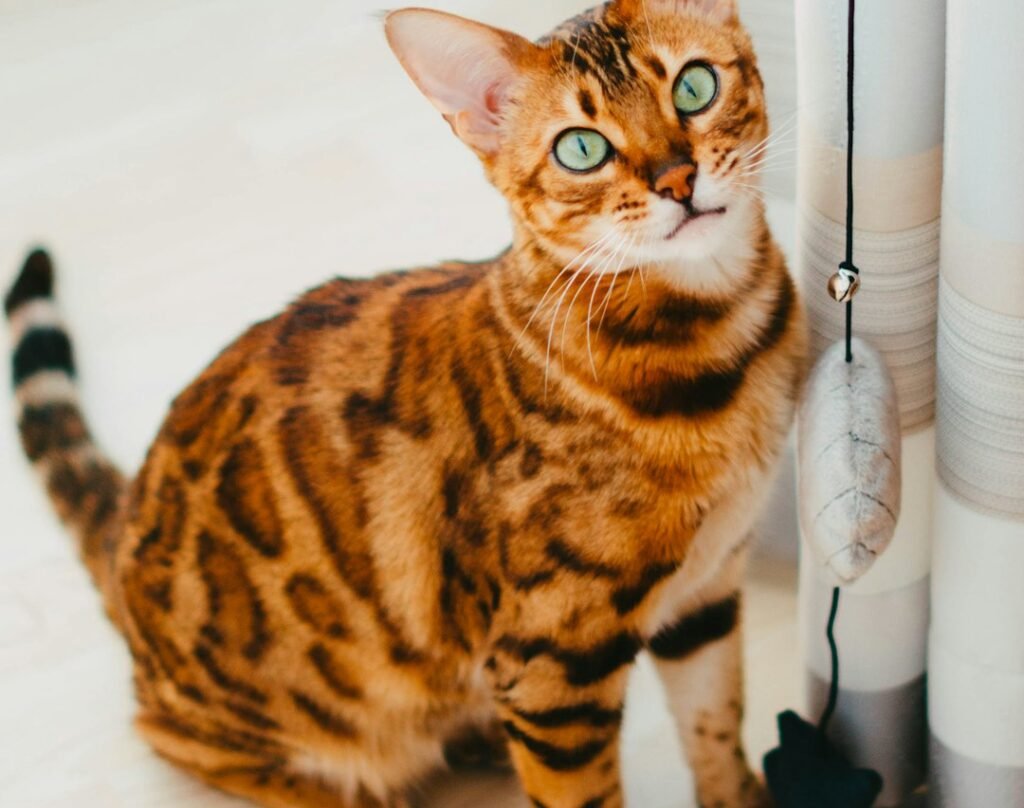
Here's where things get real. As one of the most adventurous and energetic cat breeds, the Bengal cat is also highly intelligent, and if they get bored, they'll let you know by getting into cabinets and toilets, destroying tissues, and hiding things that belong to you, needing stimulation for most of the day to prevent destructive behaviors.
Don't purchase a Bengal cat if you want a fluffy feline that will spend its days in your lap purring and cuddling, as despite their friendliness, these miniature leopards are incredibly active, inquisitive, nimble, smart, and always on the go. These gorgeous spotted cats with their wild appearance need constant mental and physical stimulation. They're not suited for a quiet, sedentary lifestyle. Think of them as feline athletes who need jobs to stay happy.
Abyssinian: The Perpetual Motion Machine
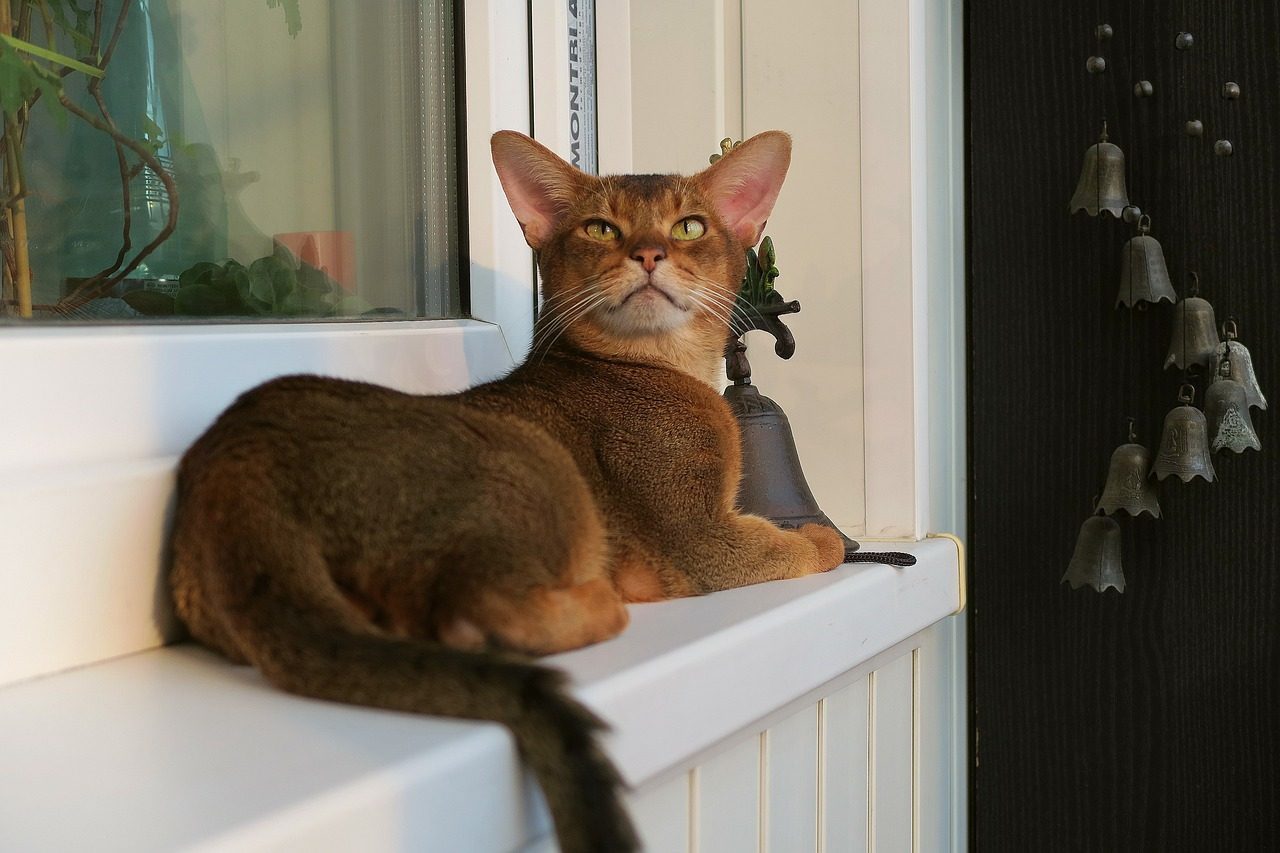
Abyssinians are often regarded as one of the most active and energetic cat breeds, known for their curiosity and playfulness, and they love to explore their surroundings and engage in interactive play. If you're looking for a cat who naps peacefully, keep looking.
Abyssinians are active cats that love to be on the move, and because of their high energy level and intelligence, you'll need to occupy your Abyssinian with food puzzles, daily exercise, and even training for tricks and agility. These cats are constantly investigating, climbing, and getting into everything. They're brilliant and entertaining, absolutely, but they demand an owner who can match their enthusiasm and provide endless enrichment. For someone seeking tranquility, an Abyssinian would be exhausting.
Siamese: The Demanding Conversationalist
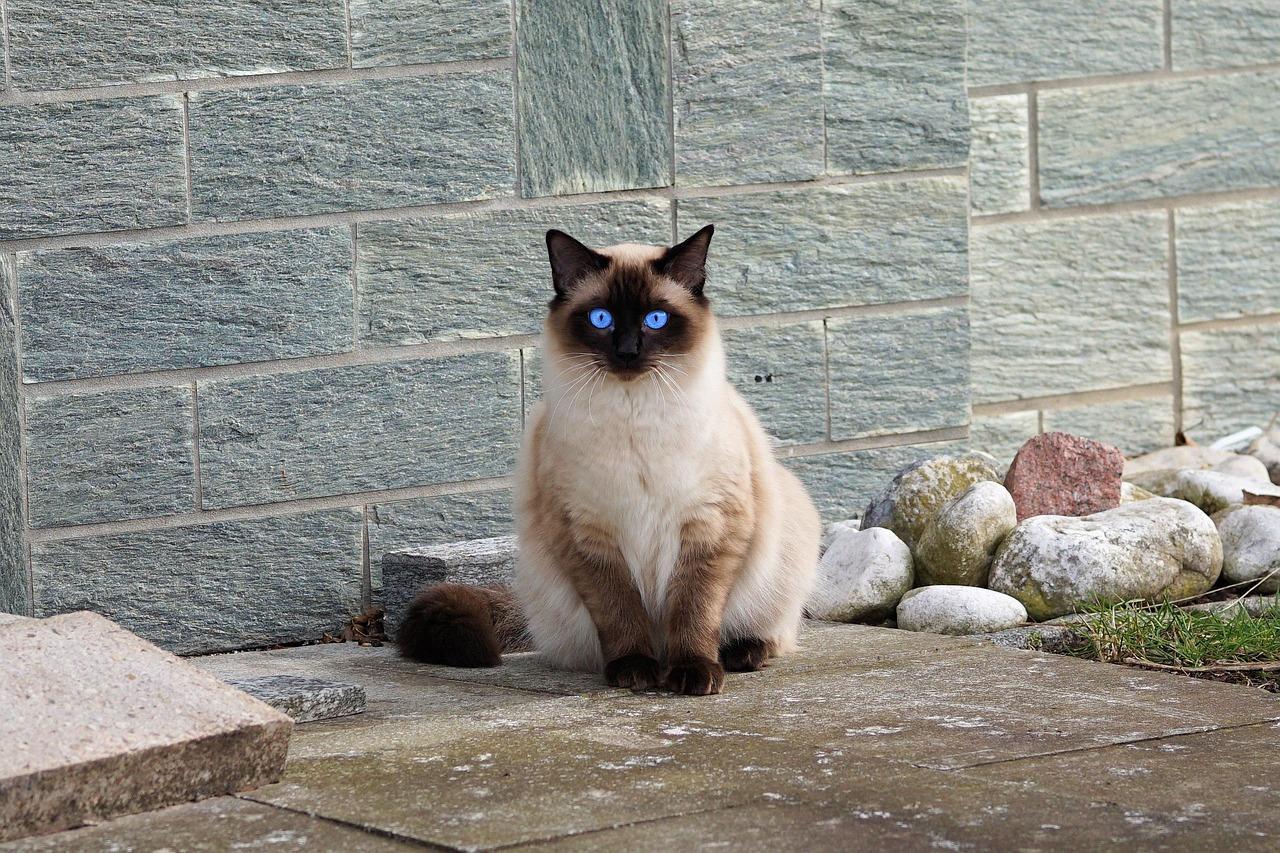
Siamese cats are legendary for their vocal nature and intense personalities. The Siamese cat is energized by attention and affection, thriving on family playtime and conversation, basically needing to be entertained and wanting their families to participate in their games.
Siamese cats love attention and activity and are highly intelligent, and if you leave a Siamese cat alone for too long without something to occupy herself, she may become mischievous, opening cabinets, finding new hiding spots, and even turning on sink faucets. They'll follow you everywhere, commenting loudly on everything. While their devotion is genuine, their neediness can be overwhelming if you're seeking a more independent companion. They don't just want attention; they demand it, loudly and persistently.
Sphynx: The Attention-Seeking Acrobat
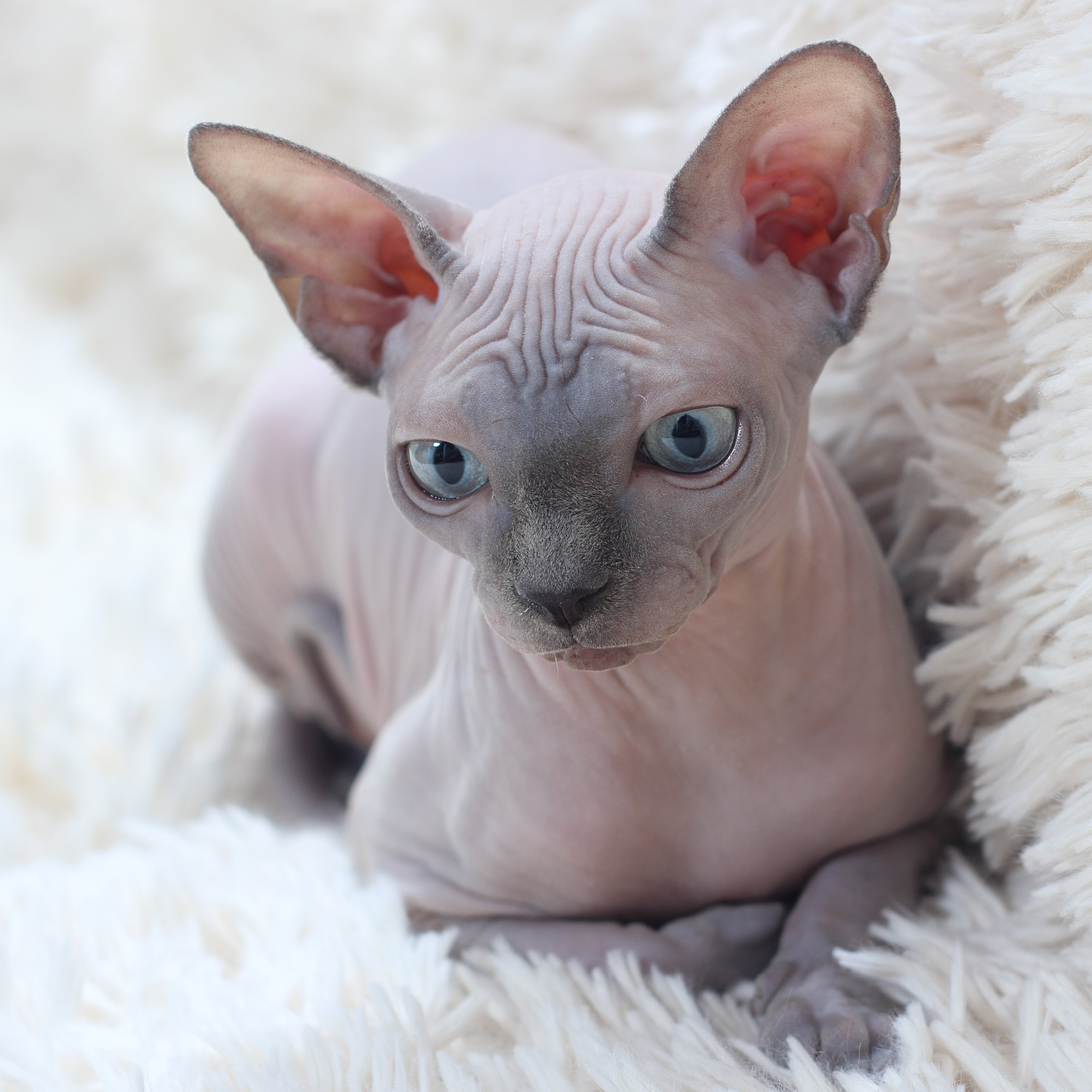
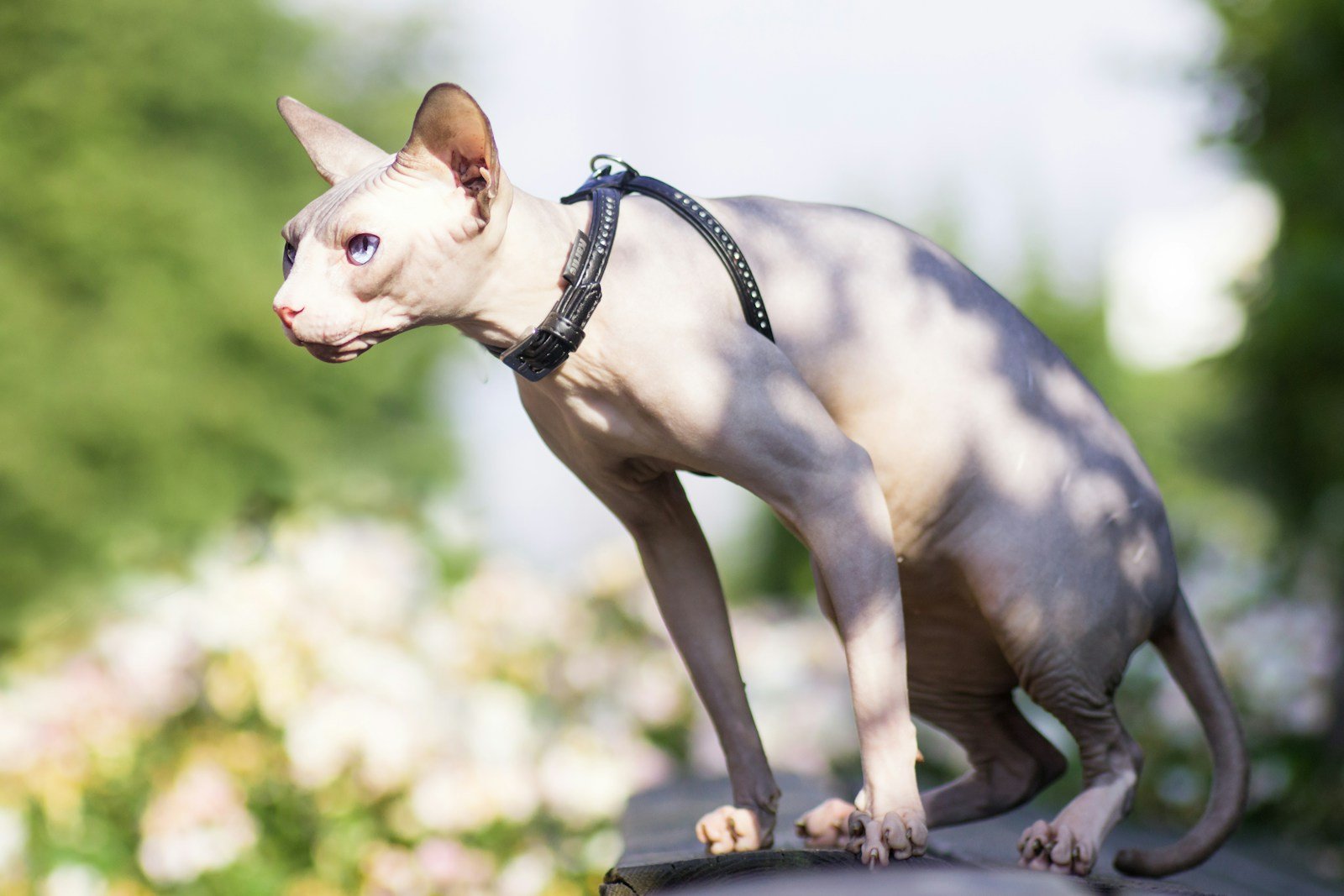
Despite their strange looks, this hairless cat breed is anything but cold and reserved, as Sphynx cats are extremely energetic and will want to play with you all day and night long. They're often considered hypoallergenic and undeniably fascinating to look at, but they're also incredibly high-maintenance.
Having plenty of activities for your Sphynx will ensure that they get all the exercise they need in a day, and they have a mischievous side to them, meaning they might run around causing trouble if you don't give them enough stimulation throughout the day. Beyond their intense need for activity, they also require special skin care since they lack fur. They get cold easily and need warmth constantly. For someone with limited energy, a Sphynx would be a poor match.
Turkish Van: The Water-Loving Whirlwind
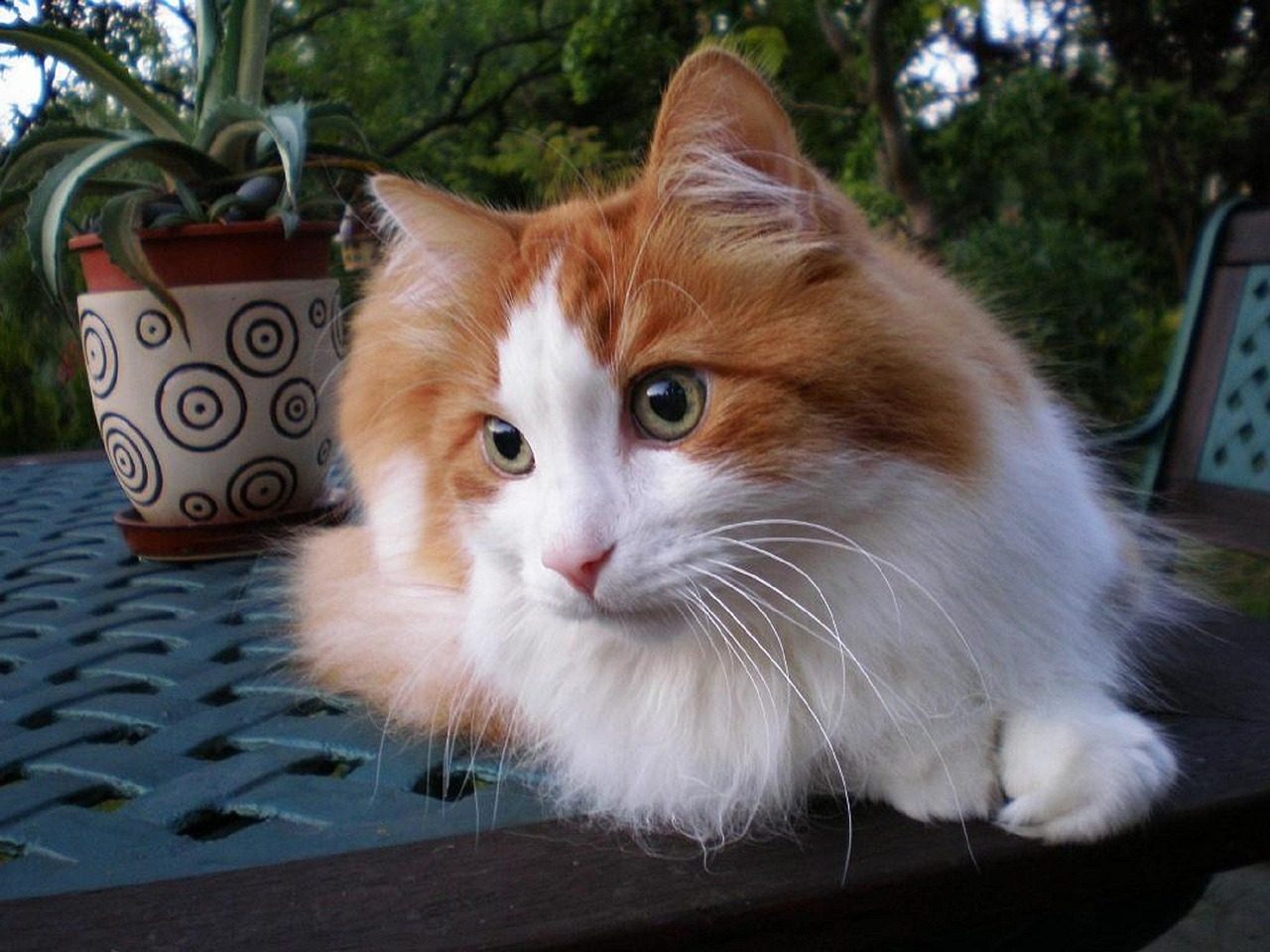
Turkish Vans are not only known for their love of water but also for their high energy levels, being athletic and enjoying interactive games, making them perfect for active households. These unique cats actually enjoy swimming, which is unusual enough, but they're also incredibly active and athletic.
Turkish Vans are energetic, agile, and love to play, known for their love of water and often enjoying swimming, which is rare for cats, being active and requiring a lot of mental and physical stimulation. They need space to run, climb, and explore. They're intelligent problem-solvers who will find mischief if they're bored. Unless you're prepared for a cat who acts more like a hyperactive puppy, a Turkish Van would likely leave you exhausted.
Finding Your Perfect Match
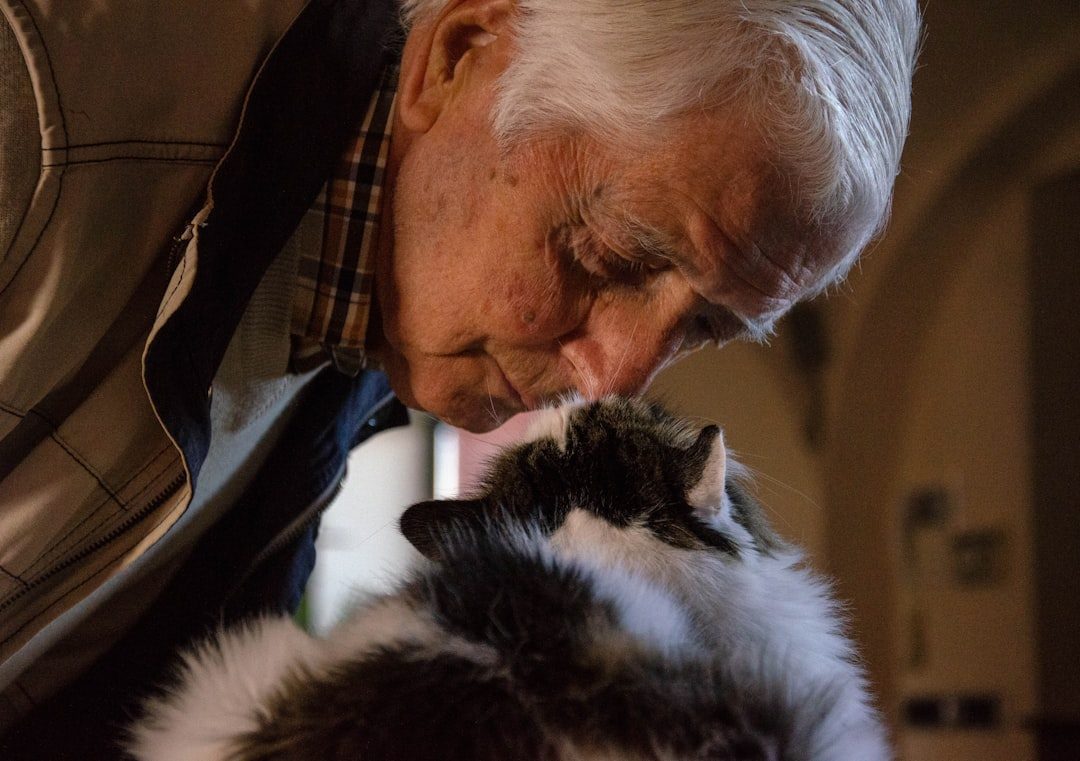
Choosing the right cat isn't about finding the most beautiful breed or the one your neighbor recommended. It's about honest self-assessment. How much energy do you genuinely have for daily play sessions? Do you mind extensive grooming routines? Is a quiet household important to you, or do you enjoy constant interaction?
The breeds that thrive with seniors share common traits: moderate to low energy levels, independent yet affectionate temperaments, and relatively simple care requirements. They're content with gentle play, long naps, and simply being near their person. The high-energy breeds we discussed aren't bad cats; they're just mismatched for a calmer lifestyle. They need owners who can meet their considerable physical and mental stimulation needs.
Your golden years deserve a companion who enhances your life rather than complicates it. The right cat will offer comfort, reduce loneliness, and bring quiet joy to everyday moments. Whether you choose a dignified British Shorthair, a gentle Ragdoll, or a serene Russian Blue, you're gaining more than a pet. You're welcoming a friend who will treasure your company just as much as you treasure theirs. What kind of companionship speaks to your heart?