You’ve probably noticed your cat shadowing you from room to room, even following you into the bathroom. It’s hard to ignore those soft paws padding behind you or that fluffy presence just around every corner. Then, the moment you stand up from your favorite chair, your cat swoops in like they’ve been waiting their entire nine lives for that exact moment.
Here’s the thing: these behaviors aren’t random or silly quirks. They reveal something deeper about how your cat sees you and the world around them. Let’s dive in.
They’re Showing You Love and Affection
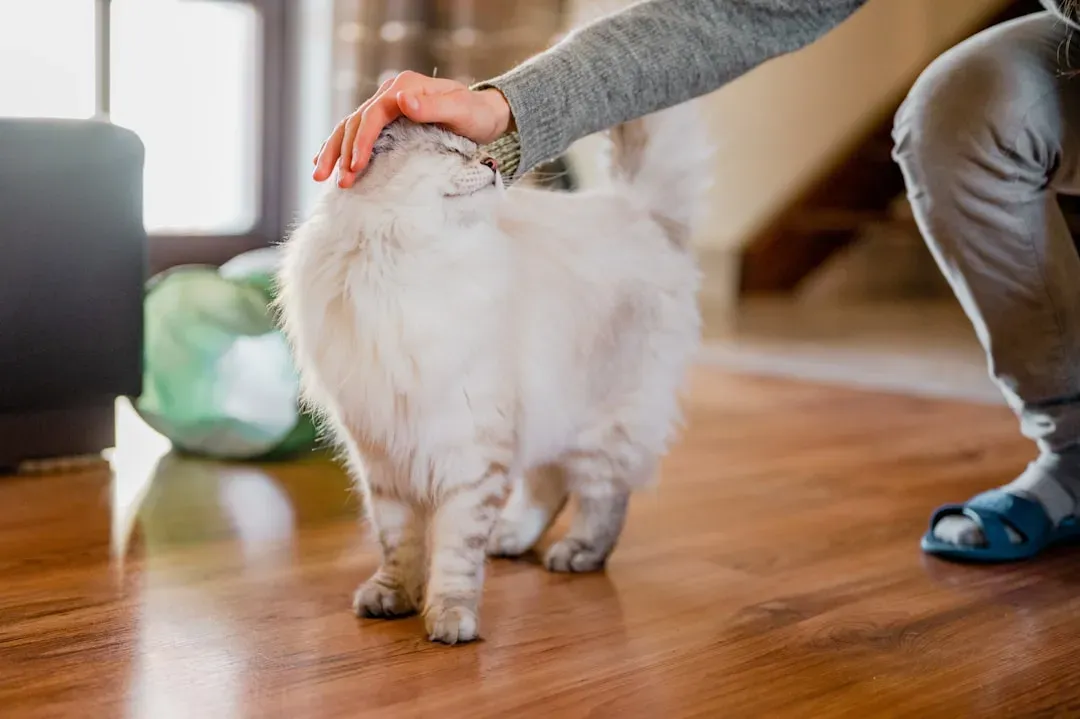
Following behavior is often an expression of affection, believe it or not. When your cat loves and trusts you and wants to be near their favorite person at all times, this is completely normal behavior that shows you have a strong bond.
These cats may quietly accompany you from room to room, sitting nearby rather than on you. It’s less about demanding your attention and more about simply being in your orbit. Think of it as their version of companionship without the neediness.
Your Cat Is Hungry (Or Thinks It’s Mealtime)

Let’s be real: sometimes it’s just about food. Cats might follow you around the house because they’re hungry, and some cats are quick to express that they’re famished with meows varying in intensity.
A hungry cat might walk to their food bowl, then back to you, repeatedly, guiding you to the problem – an empty food bowl. They’re clever little creatures who know exactly who controls the kibble supply. If this happens around regular feeding times, you’ve got your answer.
They’re Curious About What You’re Doing
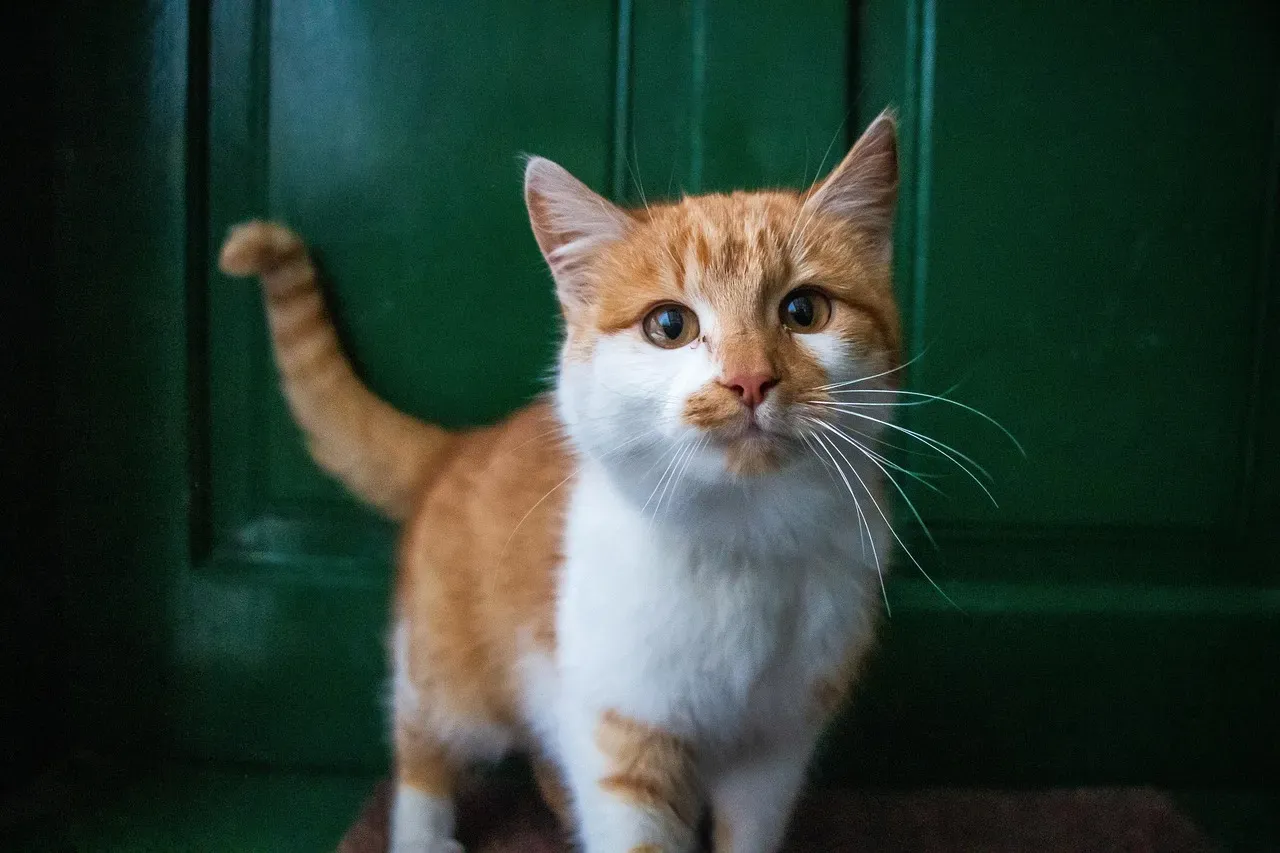
Cats are natural explorers with an insatiable curiosity. Cats naturally like to investigate and explore their surroundings, and when you open a door to a room or space your cat doesn’t normally venture into, they may follow you to see what you’re doing and check out the area.
Your daily routine is basically their entertainment channel. Opening a closet? Fascinating. Turning on the shower? Must investigate. Cats thrive on novelty, so your movements offer them something interesting to witness, even if it seems mundane to you.
Boredom Is Driving Them to You
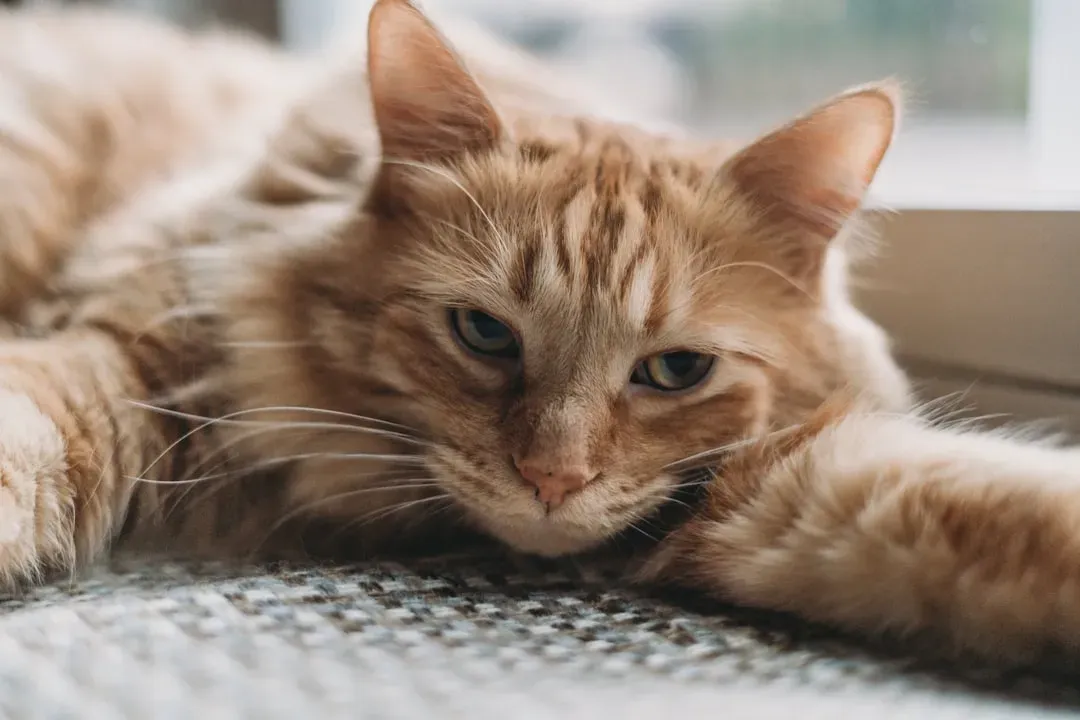
Bored cats will often follow you around, and their pursuit might have a sense of desperation and restlessness. Honestly, they’re eager for something, anything, to happen.
That might include destructive scratching, knocking things over, unleashing a fierce case of the zoomies, yowling at the top of their lungs, or jumping onto counters. If your cat’s following behavior comes with chaos, they’re probably understimulated and need more play or enrichment.
They’re Seeking Attention or Playtime
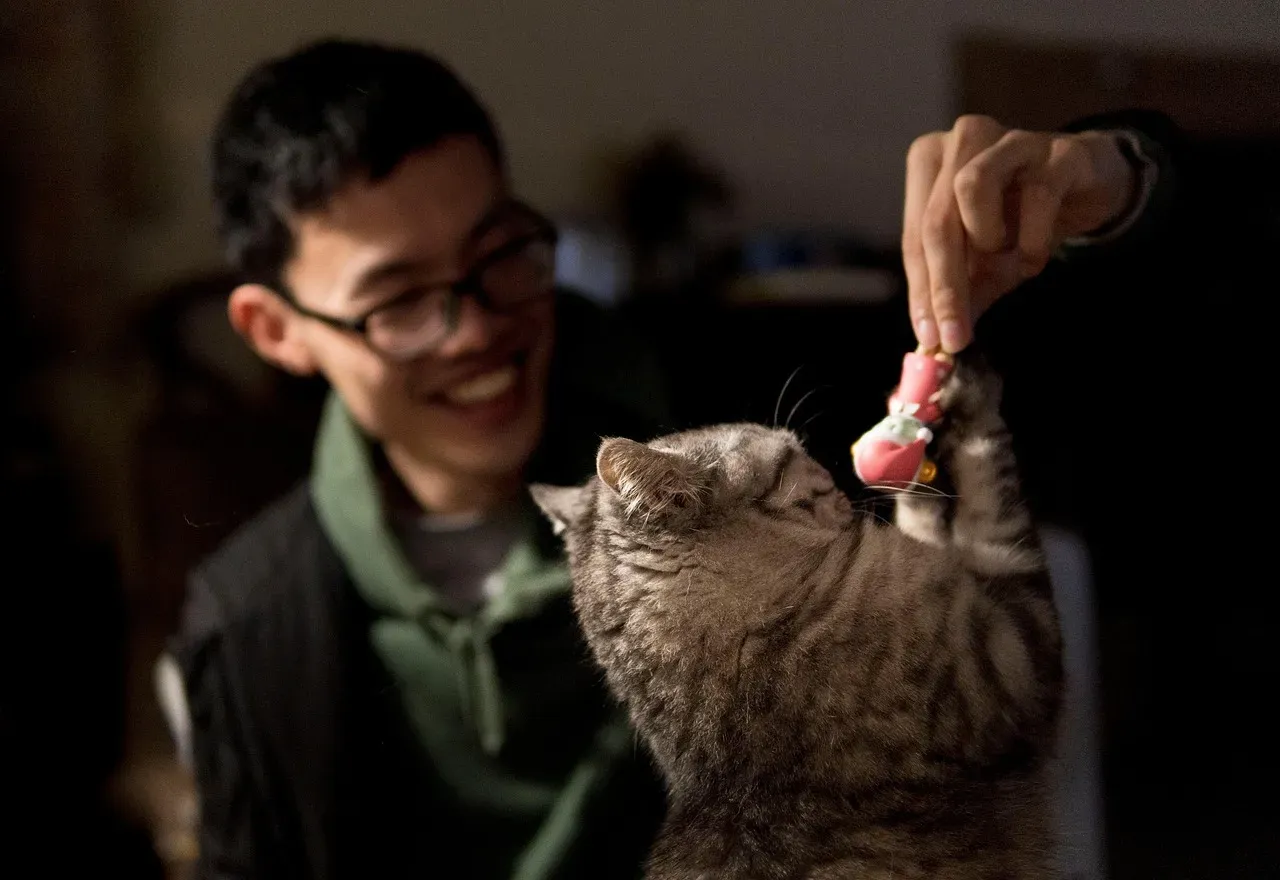
This behavior is particularly common in younger or more socially active cats who thrive on interaction, especially in environments where they feel comfortable and stimulated. Your cat might nudge you, paw at you, or even head-butt you to make their intentions clear.
You might also see increased meowing and vocalizations like chirps, trills, and purring. They’re not being subtle here. They want you to stop what you’re doing and engage with them, whether that’s a game with a feather wand or just some good old-fashioned petting.
They Feel Anxious or Insecure

If you notice your cat following you closely after you’ve come back home after work or a trip, this could be a sign that they felt uneasy while you were away, as some cats are more attached to their owners than others and some can even experience separation anxiety.
Sometimes cats experiencing distress will also want to keep as close to their owner as possible. It’s hard to say for sure, but if your cat seems clingier than usual, stress or anxiety might be the culprit. Changes in routine or environment can trigger this.
You Make Them Feel Safe
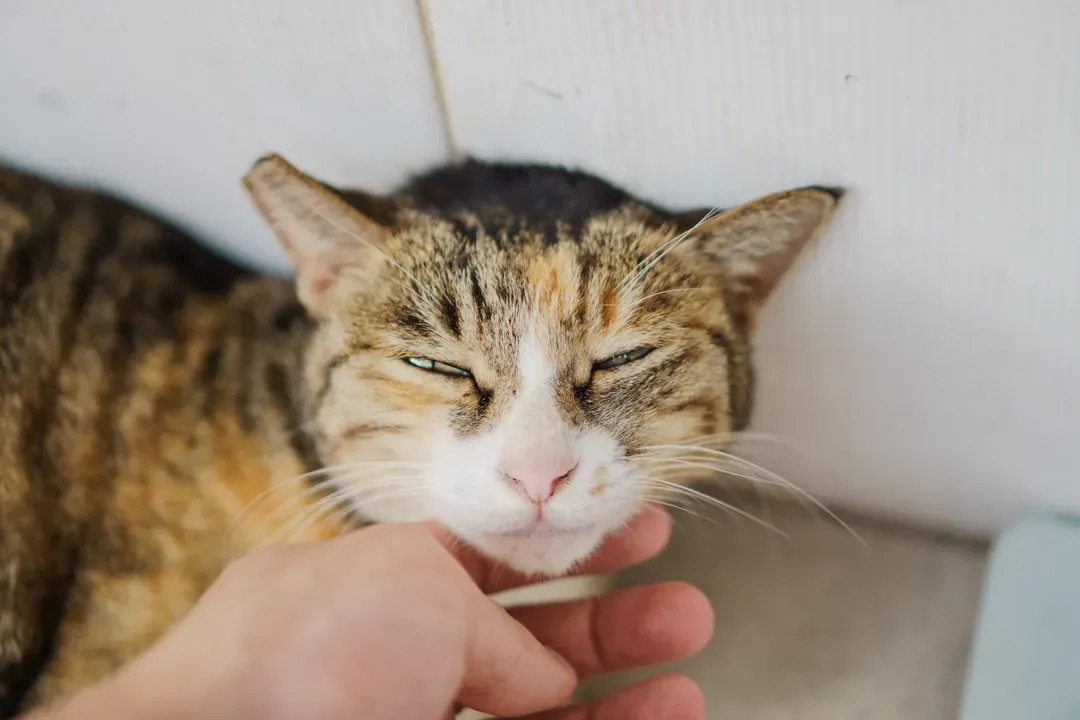
Cats naturally form tight family units with each other and their human family members, and because of this, the need for social interaction and the security of a group is ingrained in them; cats in close-knit family units stick close to each other for protection, so when your cat follows you around, it may be because they enjoy your company and feel you are both safest when you’re together.
Your presence is essentially their security blanket. Following you isn’t just social behavior; it’s survival instinct transformed into modern domestic life. They trust you to keep them safe from threats (even imaginary ones).
They Want Access to Restricted Areas
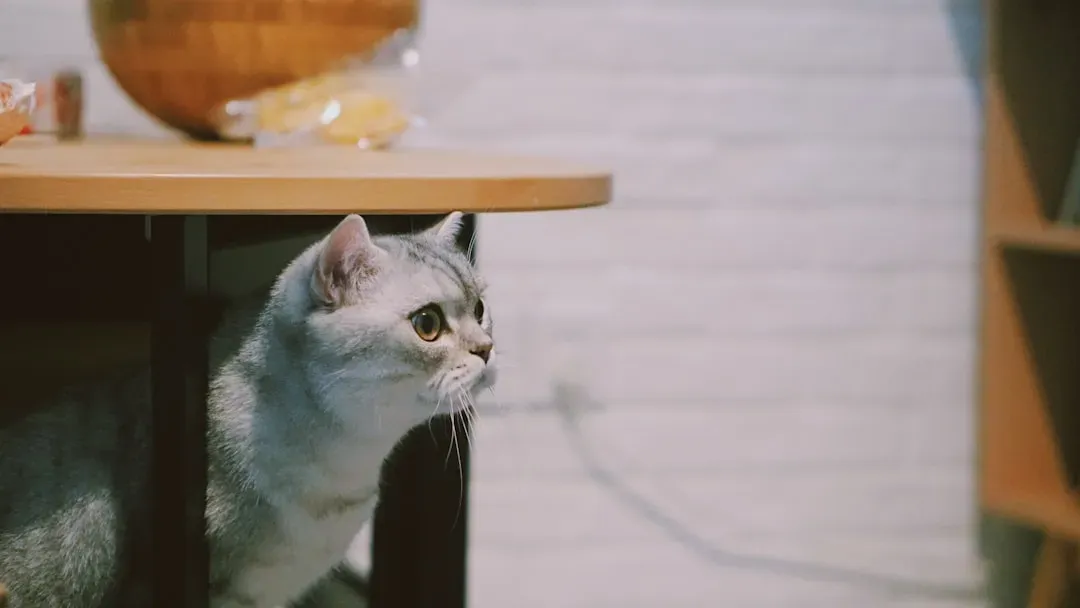
Rather than being a fascination with your bodily functions, it’s more likely that your cat is curious about what’s inside the ‘mystery’ room that they are often locked out of, and they have taken the opportunity to have a look around. The bathroom, bedroom, or that closet you always keep shut? Pure gold to a curious cat.
They may follow you around the home to make sure you don’t block their access to part of ‘their territory’, for example by shutting them out of a bedroom or bathroom. Territorial instincts run deep.
It’s Part of Their Daily Routine
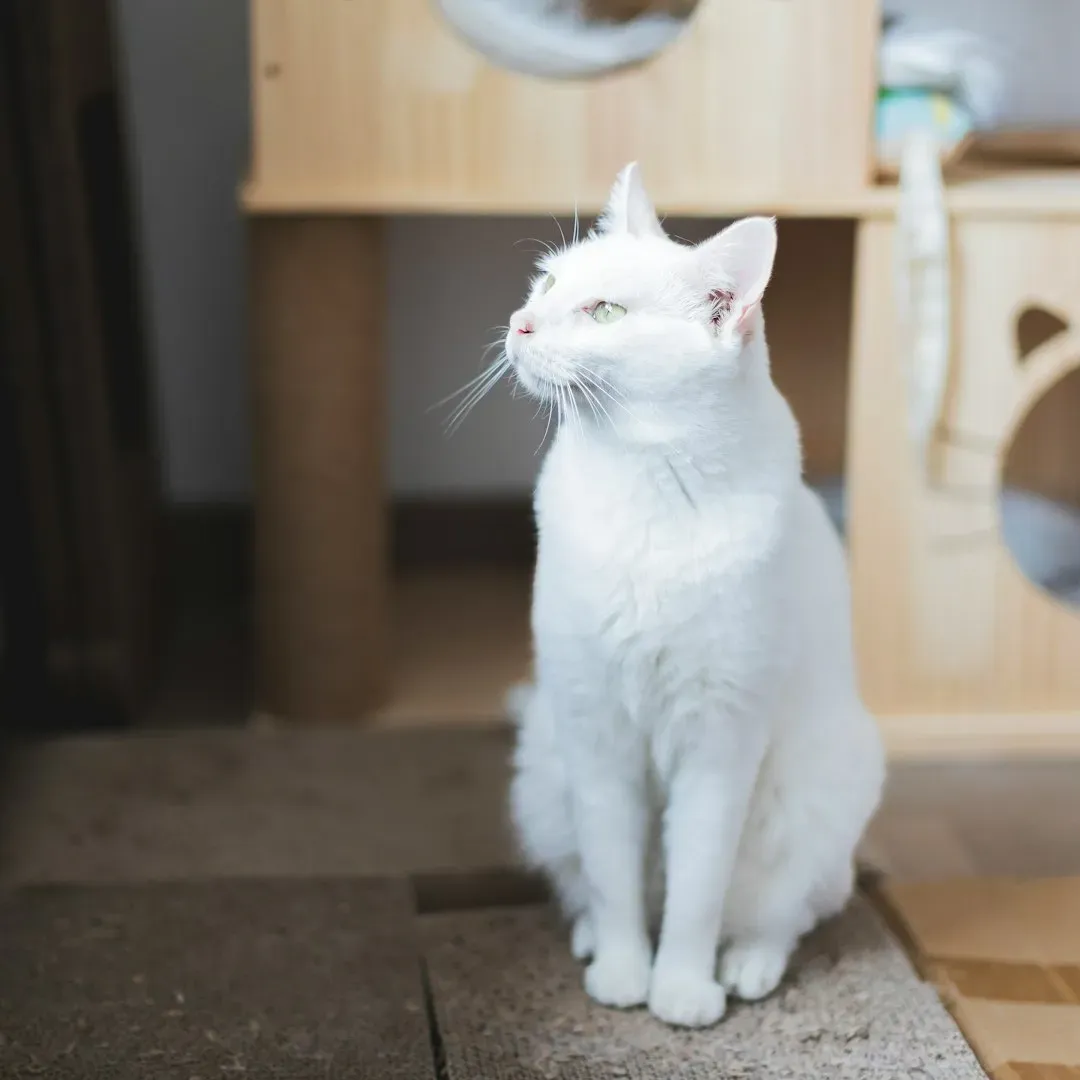
Many pets tend to copy the daily routine of their owners, and routine is essential to the mental health of furry “conservatives,” so it’s not worth making changes to an established sequence. Your cat has learned your schedule and adapted to it.
If you wake up at the same time every day, your cat will too. Walk to the kitchen for morning coffee? They’ll be right there. Cats are creatures of habit, and your predictable movements give them structure and comfort throughout the day.
They Might Be Feeling Unwell
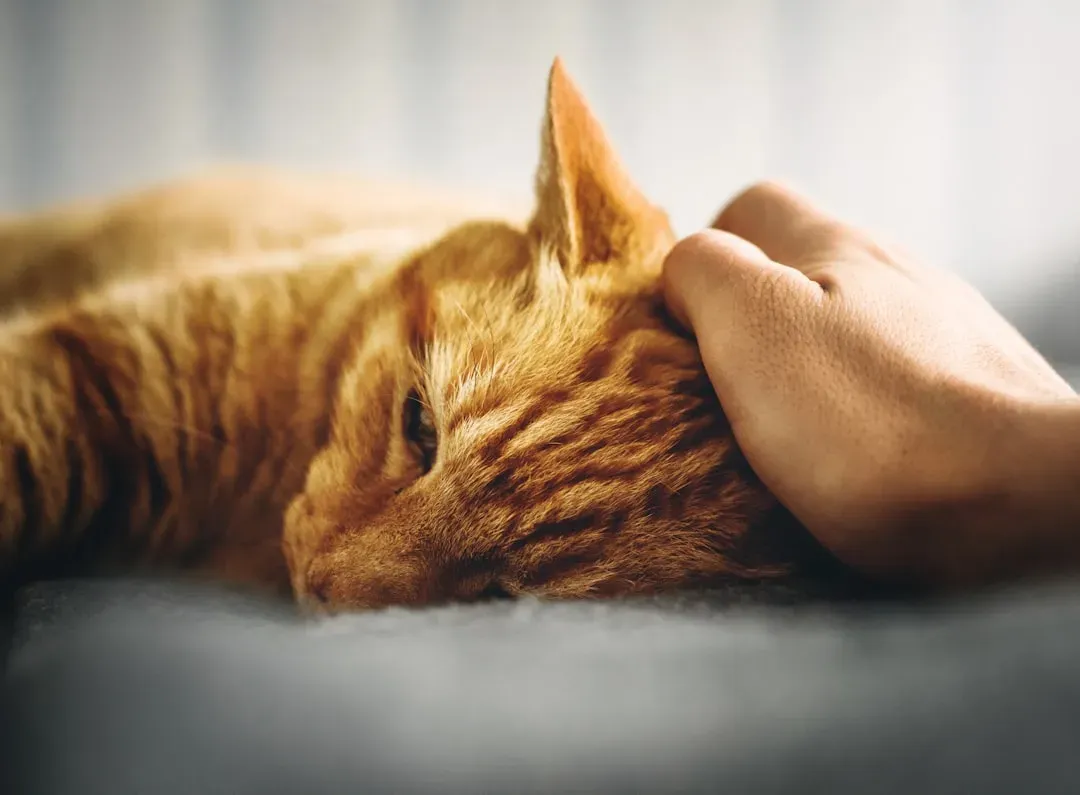
Because the family unit is necessary for a cat to feel secure, your kitty may follow you more often and for longer periods when they don’t feel well. Illness can be why a cat follows their owner around, as they may be seeking comfort from you or feeling more vulnerable since they’re not feeling well.
If your cat is following you around more often and showing signs like changes in appetite, changes in water intake, vomiting, diarrhea, breathing issues, or trouble walking normally, take them to the veterinarian. Better safe than sorry when health is involved.
Your Spot Is Perfectly Warmed Up
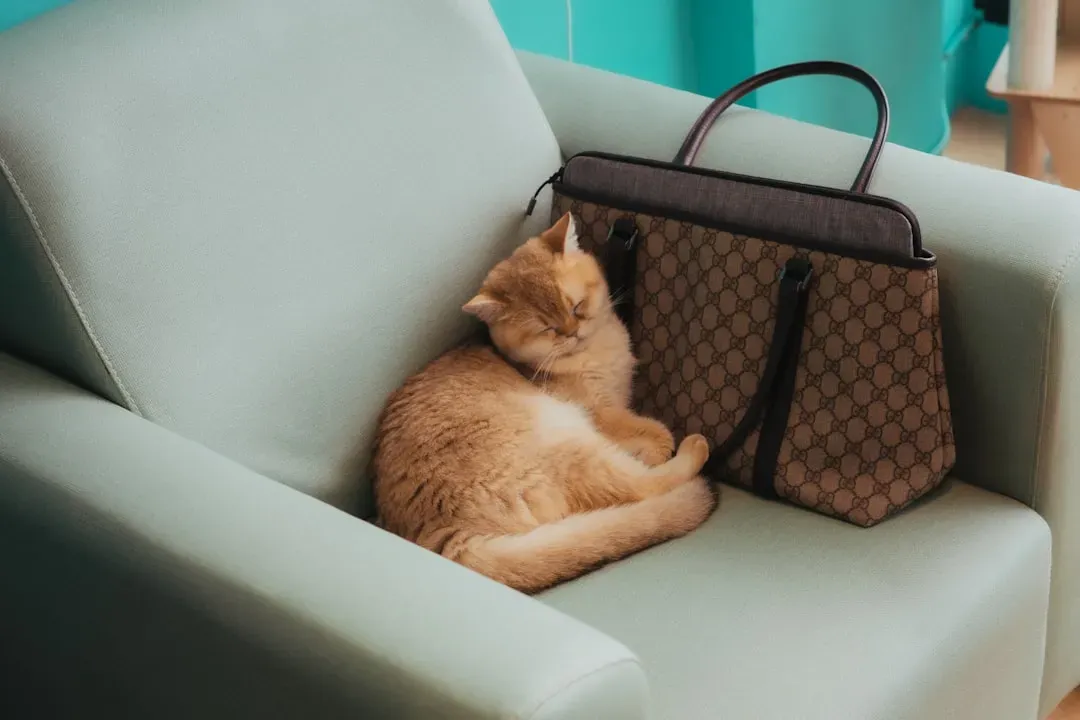
Now let’s talk about why your cat steals your seat the second you stand up. A chilly morning is enough to make a cat seek out a heat source, and the seat you were just sitting on can seem perfect to them; we naturally give off body heat that can remain on our seats for a few moments once we get up, and cats are well aware of this.
The body temperature of a cat drops when they sleep, as the body shuts down non-vital functions, and cats naturally gravitate toward a warm sleeping area to counteract this; cats have very sensitive paws, which can sense temperature changes and easily detect warm areas. You’re basically a free heating pad for your cat.
Your Scent Makes Them Feel Secure
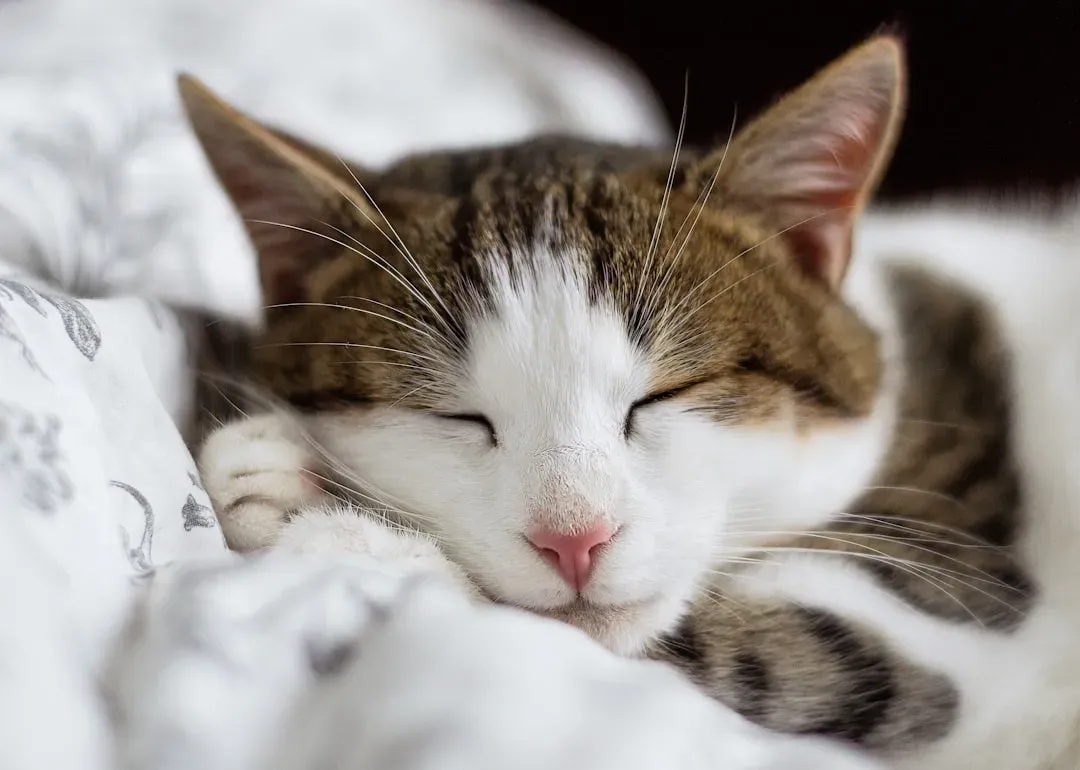
Once a cat trusts you, your scent becomes important to them; they begin to associate your scent with familiarity and safety, so leaving it behind on your seat is going to draw them to it, as cats want to feel safe when choosing a suitable place for them to rest or sleep – the warmth and familiar scent from your seat offer just that.
Your spot will be warm and smell like you, which is very attractive to cats, and if your cat is bonded to you, they may well be attracted to objects that smell like you, as this will be comforting to your cat. It’s actually a beautiful compliment when you think about it.
They’re Claiming Territory (In a Loving Way)
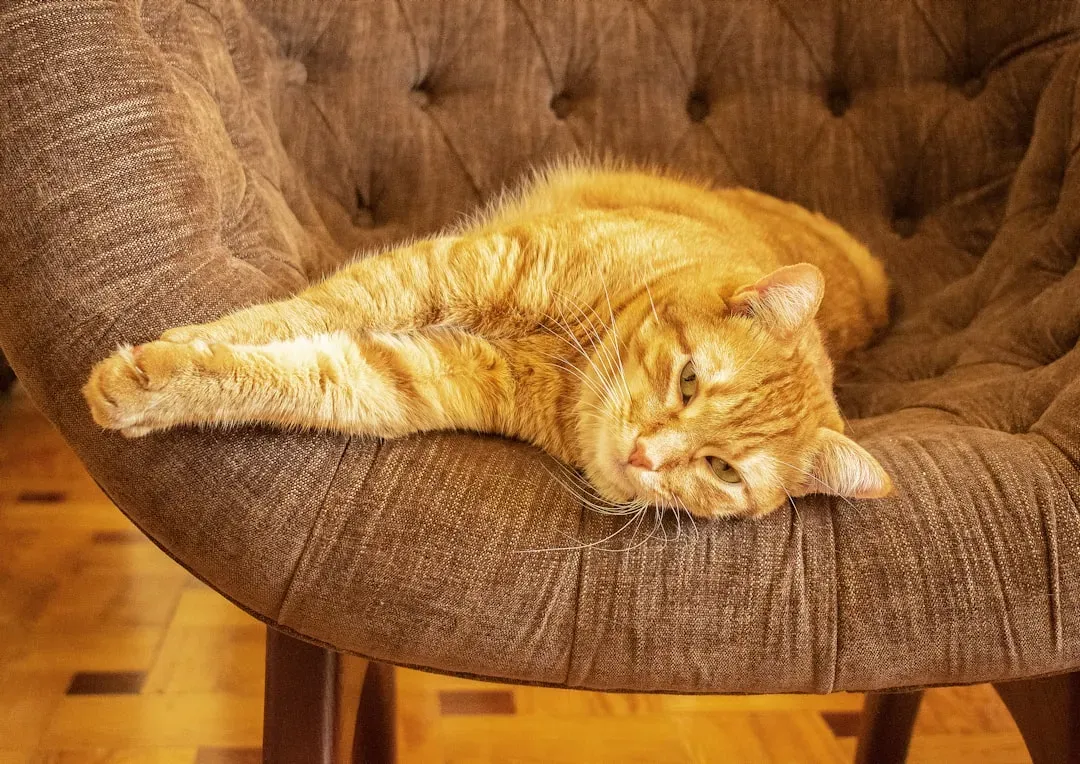
Cats have scent glands in various parts of their bodies, such as their paws, face, and base of the tail; these scent glands produce pheromones used for social communication, and cats typically mark their territory to feel safer and claim it as their own, with their scent left behind on the seat communicating to other cats that it is now “their spot”.
They may also be marking your spot with their pheromones, scent signals that communicate to your cat that you are part of their bonded group, and your cat will also be mingling your scent with theirs, which is an important part of cat behavior with bonded family members. It’s territorial, yes, but done out of love.
The Elevation Offers a Strategic Advantage
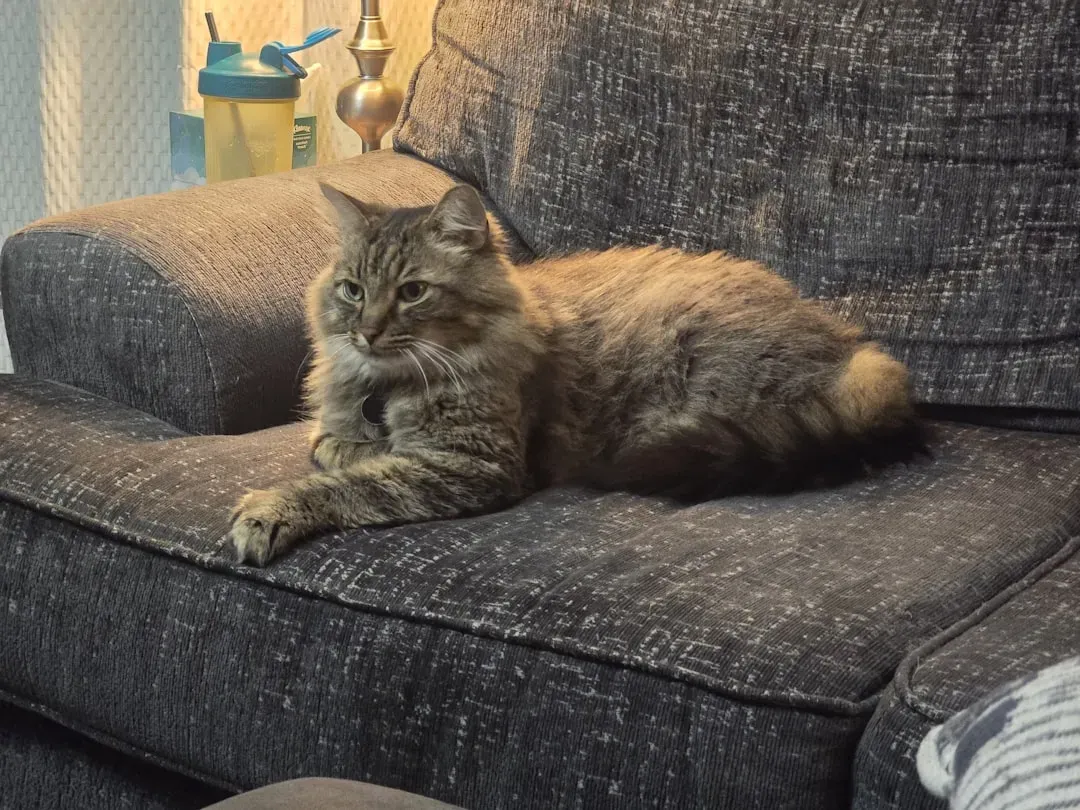
Cats instinctively want to be high up to get a better view of what’s going on around them; it makes them feel safer and allows them to be more observant. Your couch or chair provides the perfect vantage point.
Cats might be drawn to heights because it makes them feel less vulnerable to predators on the ground; being higher up gives them an advantage in spotting potential predators or observing prey from below. Even though your living room has zero predators, instinct doesn’t care about logic.
They Know It Gets Your Attention
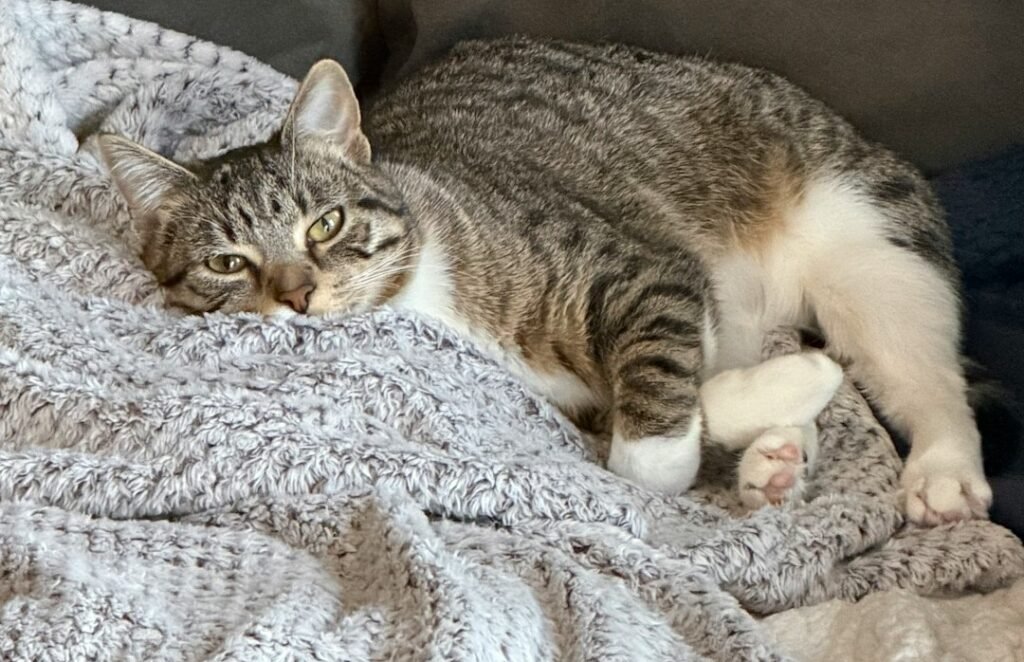
Stealing your spot may result in you paying them attention: a cuddle, an attempted distraction with a toy, perhaps even some cat food; even just picking up your cat to move them is considered contact, at least.
If you usually pick your cat up or pet them after they steal your spot, you’re reinforcing their behavior; if it happens often enough, your cat is more than capable of connecting the dots – you stand up, they steal your seat, and they get your attention; it’s a predictable chain of events with a desirable outcome for an attention-seeking cat. Clever little manipulators, aren’t they?
Conclusion: Understanding Your Cat’s Shadowy Devotion
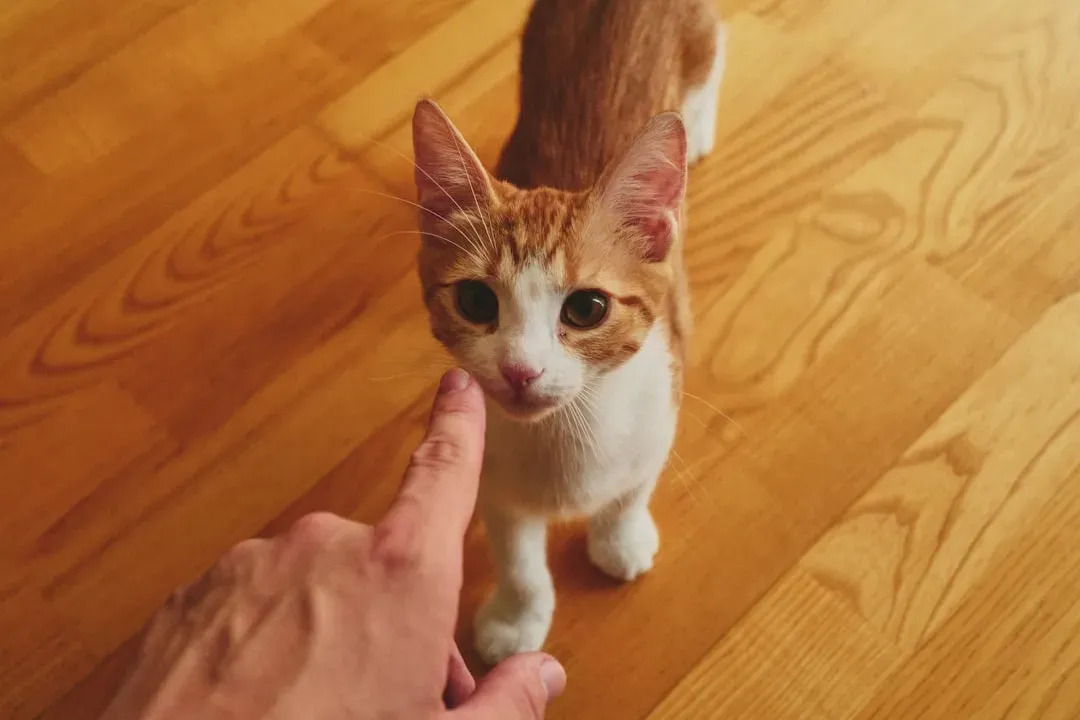
Your cat’s habit of following you around and stealing your warm seat isn’t annoying or strange. It’s actually a beautiful mix of trust, affection, curiosity, and good old-fashioned survival instinct wrapped up in fur and whiskers. Whether they’re seeking warmth, comfort, security, or just your undivided attention, these behaviors show that you matter deeply to your feline friend.
Most of the time, it’s nothing to worry about; in fact, it’s generally a sign of love, loyalty, and a desire for your company. So the next time your cat trails you to the bathroom or claims your chair the instant you stand, remember: you’ve been chosen. What do you think about your cat’s clingy tendencies? Does your furry friend shadow you everywhere, or are they more independent?