7 Ways Your Cat Bonds with Other Pets (and 7 Ways They Prefer Solo Dominance)
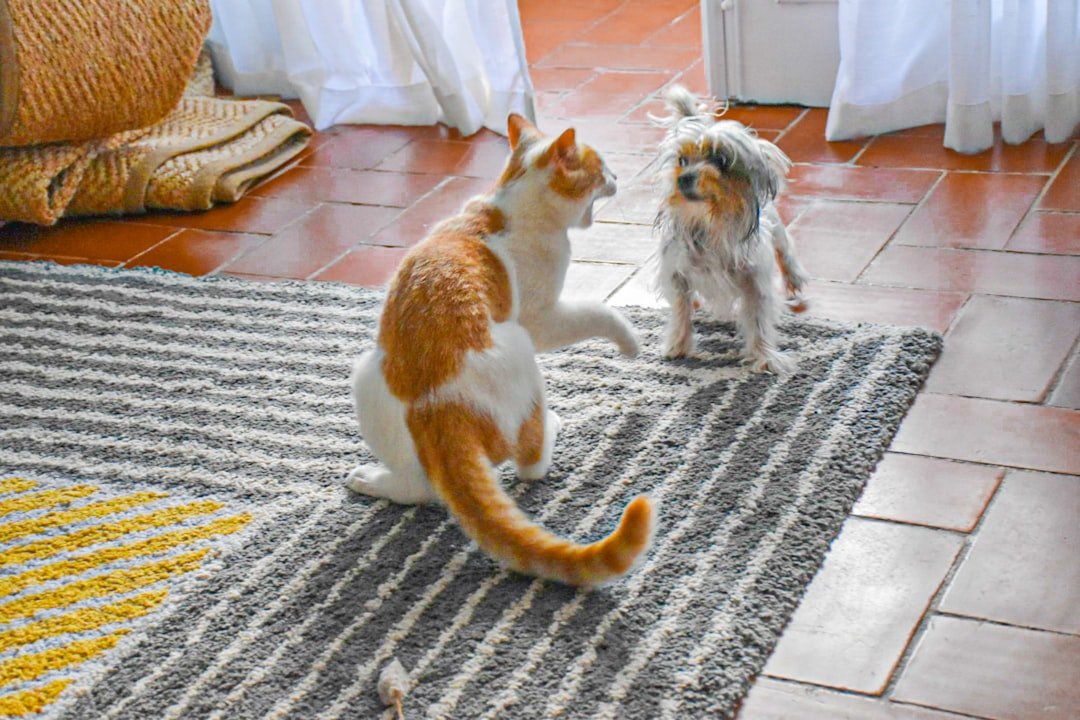
You've probably watched your cat interact with your dog or another feline and wondered what's really going on behind those mysterious eyes. Are they building a friendship, or is your kitty secretly plotting world domination? Here's the thing: cats operate in a fascinating gray zone between social butterfly and lone wolf.
Your furry companion can surprise you with tender moments of bonding one minute, then establish their territorial supremacy the next. Understanding this dual nature isn't just interesting, it's essential for creating harmony in your multi-pet household. Let's explore how your cat navigates relationships with other animals and when they decide they'd rather rule alone.
The Mutual Grooming Connection

When you see your cats grooming each other, they're actually bonded and showing trust and respect through this affectionate behavior, especially common among littermates or cats who've lived together. This mutual grooming, known as allogrooming, expresses social bonds and affection between cats, serving as a sign of trust and friendship. You might notice one cat meticulously licking another's ears or head, areas that are difficult for cats to reach themselves.
If your cats groom each other, it generally means they really like each other, as feral cats only groom other cats within their colony. This behavior strengthens their relationship in ways that go far beyond simple hygiene. It's honestly one of the most heartwarming displays you'll witness in a multi-pet home, showing that your cats view each other as family members rather than competitors.
Sleeping Side by Side
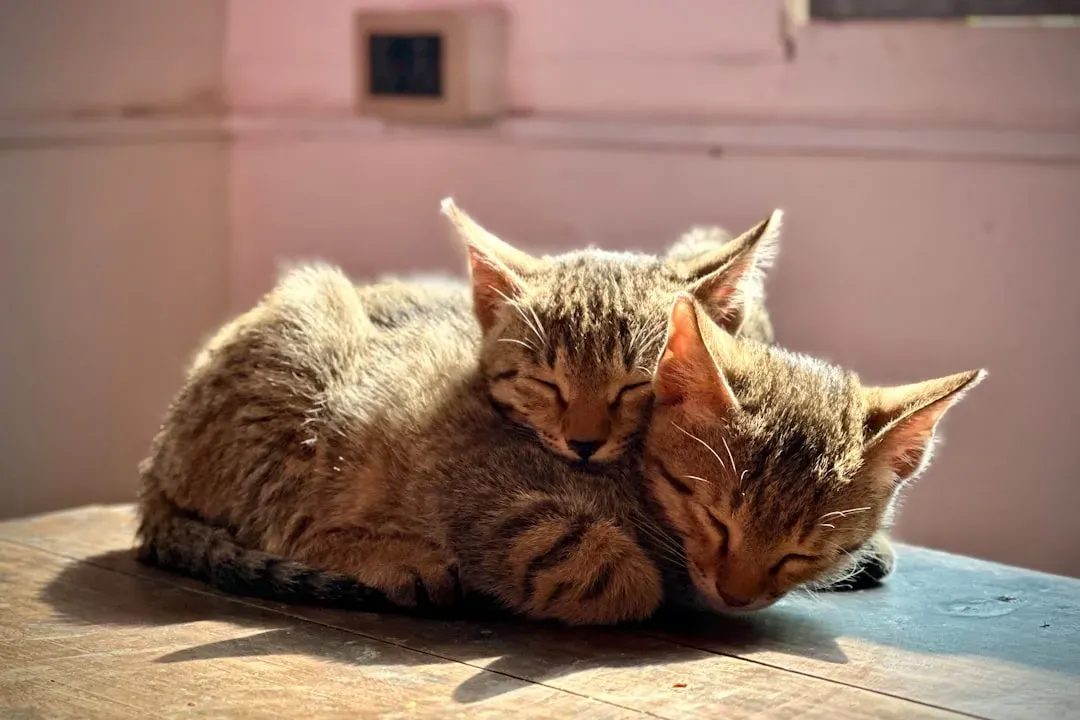
Your cat's bond with another animal can be seen through proximity, as staying close to another pet demonstrates trust. When cats choose to sleep together, they're making themselves vulnerable in the presence of another animal, which speaks volumes about their relationship. You'll often find bonded cats curled up together on the couch or sharing a sunny spot by the window.
This sleeping arrangement isn't just about warmth. Cats regulate their social interaction through affiliative displays like rubbing and grooming, and cats with better relationships tend to spend more time closer together than those with poor relationships. If your cat consistently seeks out your dog or another pet for naptime, you're witnessing a genuine bond that goes deeper than mere tolerance.
Play Sessions That Build Friendship
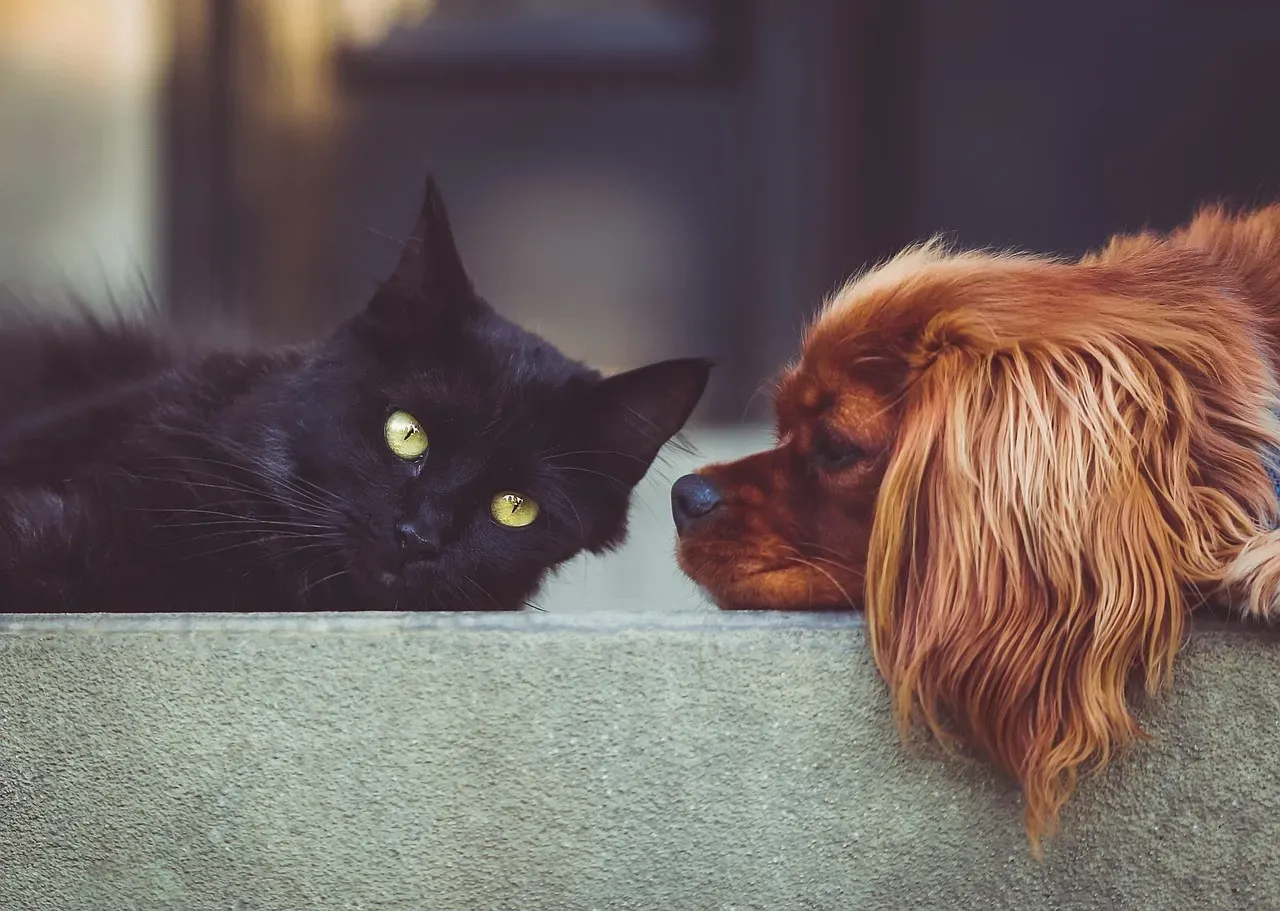
Playing together creates opportunities for your pets to learn each other's boundaries and communication styles. Cats may groom a dog or a dog may nuzzle a cat, and these bonding behaviors might be overlooked or misinterpreted. During play, you'll notice your cat and dog developing their own language, complete with signals that tell each other when to pause or continue.
Dogs and cats can form a close bond when they're introduced gradually to each other in a calm environment over time. Those playful chases around the house and gentle paw swats aren't just entertainment. They're building blocks of a relationship that helps both animals feel more secure and enriched in your home.
Sharing Resources Without Conflict
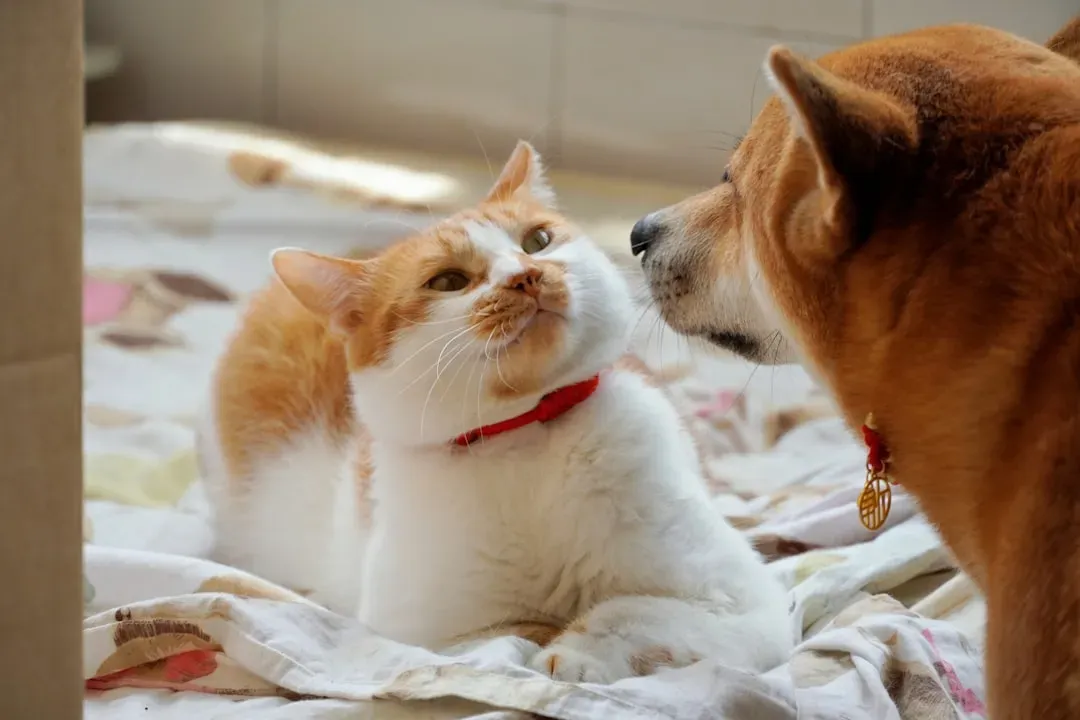
Cats tend to coexist peacefully with other animals when there are enough resources like food, shelter, and territory to go around. When your cat willingly eats near another pet or shares a water bowl, they're demonstrating remarkable trust. This behavior shows they don't view the other animal as a threat to their survival needs.
You might observe your cat waiting patiently while your dog finishes drinking before approaching the water dish. This respectful distance isn't submission, it's cooperation. For cats to build relationships with other animals or humans, they need to feel comfortable, which means ensuring they have their own resting space and resources including food, water, bed, litter tray, and scratching object. When these needs are met, sharing becomes natural rather than stressful.
The Protective Instinct Between Species
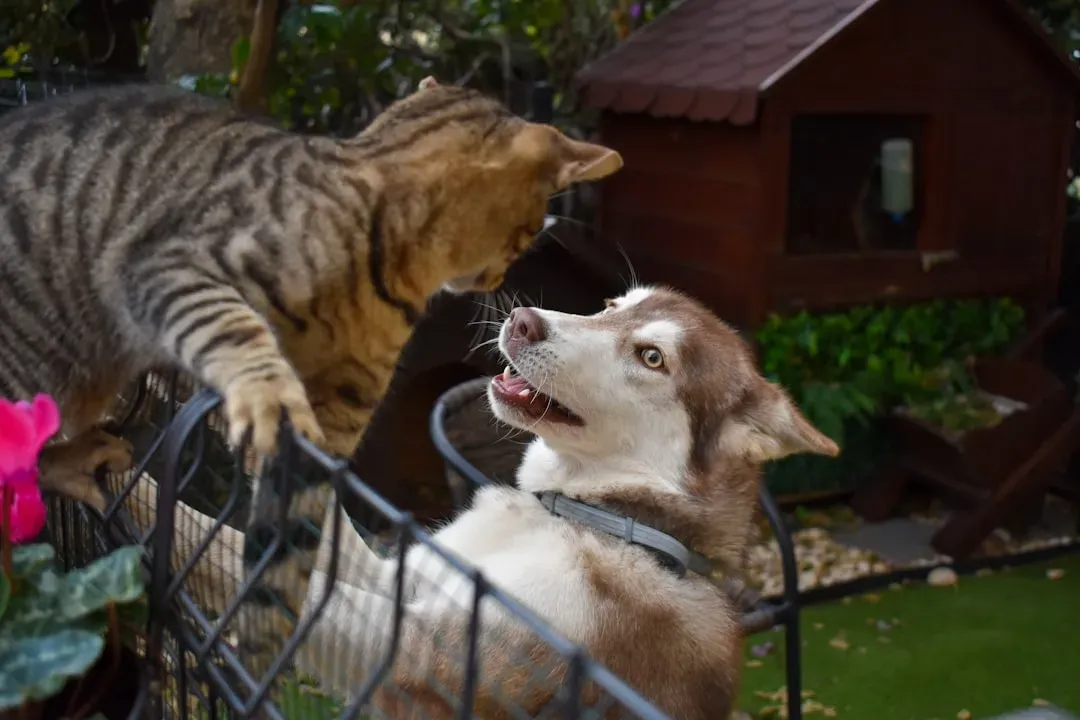
While cats and dogs are traditionally viewed as natural enemies, with careful introduction, patience, and respect for their needs, they can coexist harmoniously or even become close friends. You may witness your cat standing guard while a younger or smaller pet sleeps, or rushing to check on another animal when they hear distress sounds. This protective behavior reveals emotional investment in the other pet's wellbeing.
Sometimes your cat might even act as a mediator between other pets in your household. They'll position themselves between squabbling animals or use their presence to calm tense situations. It's hard to say for sure, but this suggests your cat has developed not just tolerance but genuine care for the household dynamic.
Greeting Rituals and Tail Language
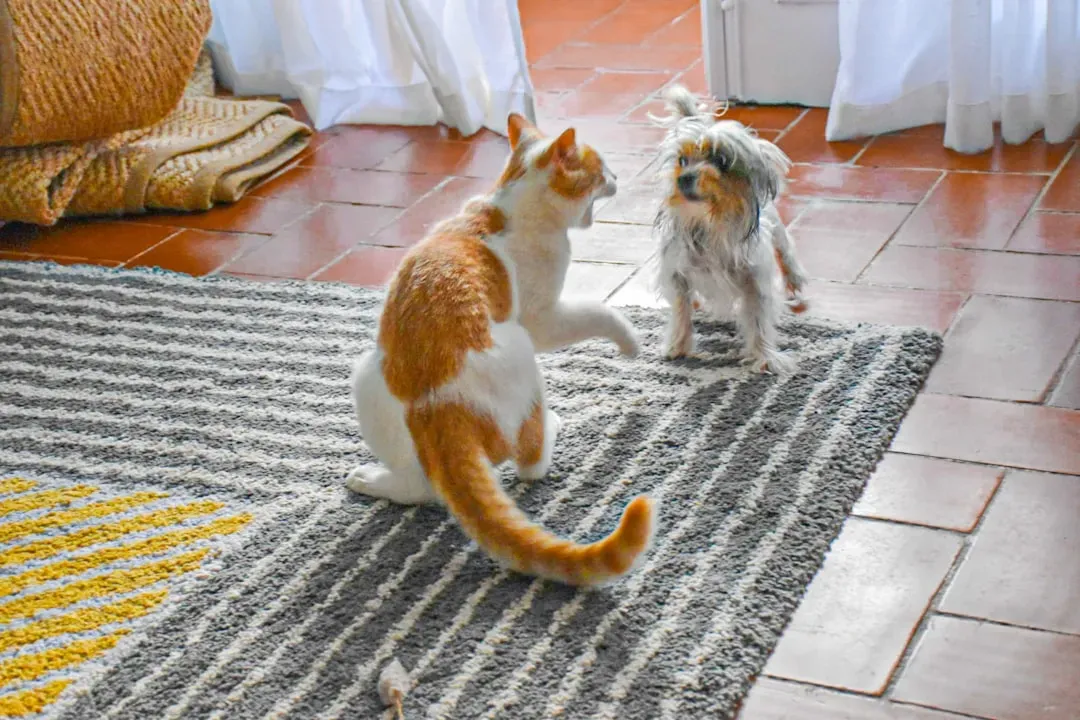
When showing affection, cats rub themselves on you or another cat, often circling or turning in figure eights, with their tails held high and often with a tiny curve at the very end, showing happiness. When your cat approaches another pet with their tail up and slightly curved at the tip, they're essentially saying hello with enthusiasm. This greeting ritual is a clear sign of positive feelings.
Cats have preferred associates or best friends, and they engage in particular behaviors with their special friends like grooming, allorubbing, touching each other while sleeping, booping noses, and greeting one another with their tails up when they approach. If your cat reserves this special greeting for certain pets but not others, you're seeing social preference in action. They've chosen who they consider part of their inner circle.
Synchronized Daily Routines
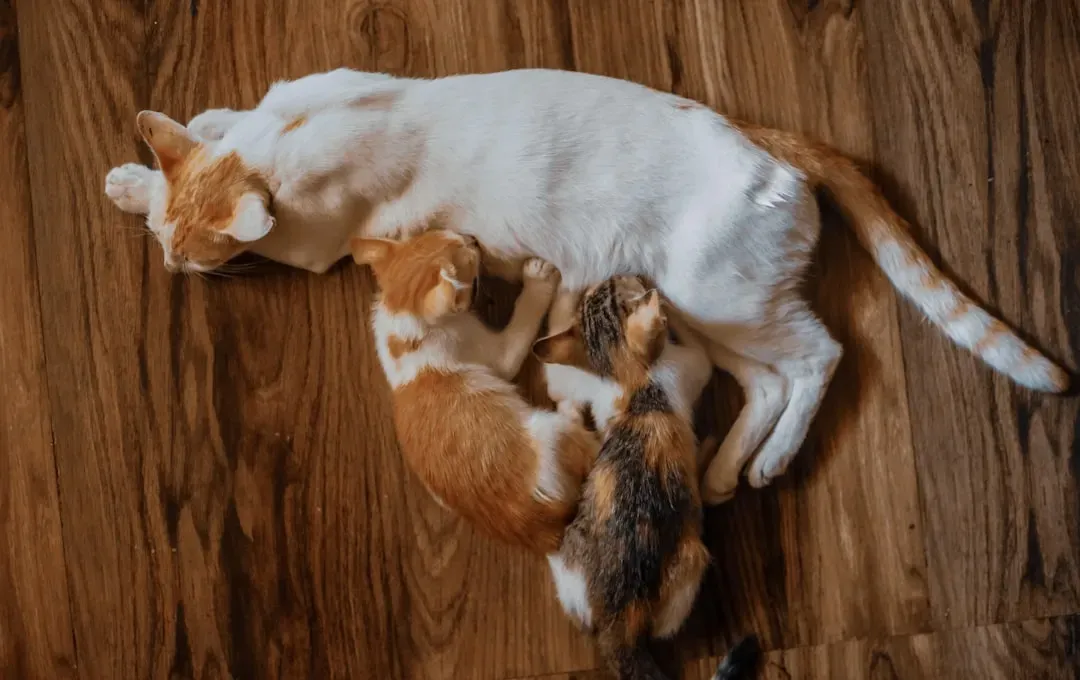
Bonded pets often develop synchronized schedules without any training from you. Your cat might wait by the door when they know your dog is coming back from a walk, or both animals might converge on the kitchen at the same time expecting treats. This coordination shows they're attuned to each other's patterns and presence.
Cats favor the company of some cats over others, possibly avoiding other cats, and they typically form long-term relationships with others based on age, sex, social status, and whether they're related. When your cat deliberately seeks out interaction with another pet rather than avoiding them, you're witnessing an active choice to maintain social connection. These daily check-ins and coordinated movements demonstrate that your cat values the other pet's companionship.
Territory Claiming Through Scent Marking
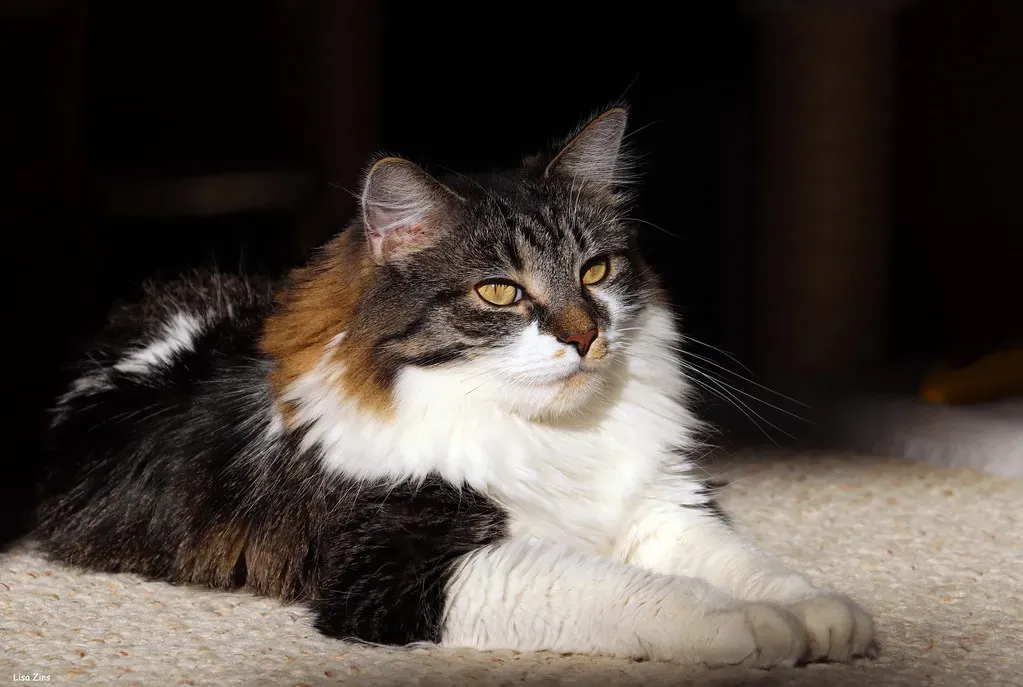
Cats establish hierarchy through subtle behaviors like scent marking, strategic positioning, and resource control rather than aggressive dominance. When your cat rubs their face on furniture, doorways, or even your dog, they're marking territory with scent glands located in their cheeks and chin. This isn't necessarily aggressive, but it's definitely about establishing who's in charge.
Cats use scent from their facial glands, urine, feces, and anal glands to mark territory, and in multi-cat households, they usually create a communal scent by combining their pheromones so they can be comfortable with all group members. However, you'll notice your dominant cat marks more frequently and in more prominent locations. They're essentially writing their name on everything, making sure every pet knows this space belongs to them first.
Preferred Access to Prime Resting Spots
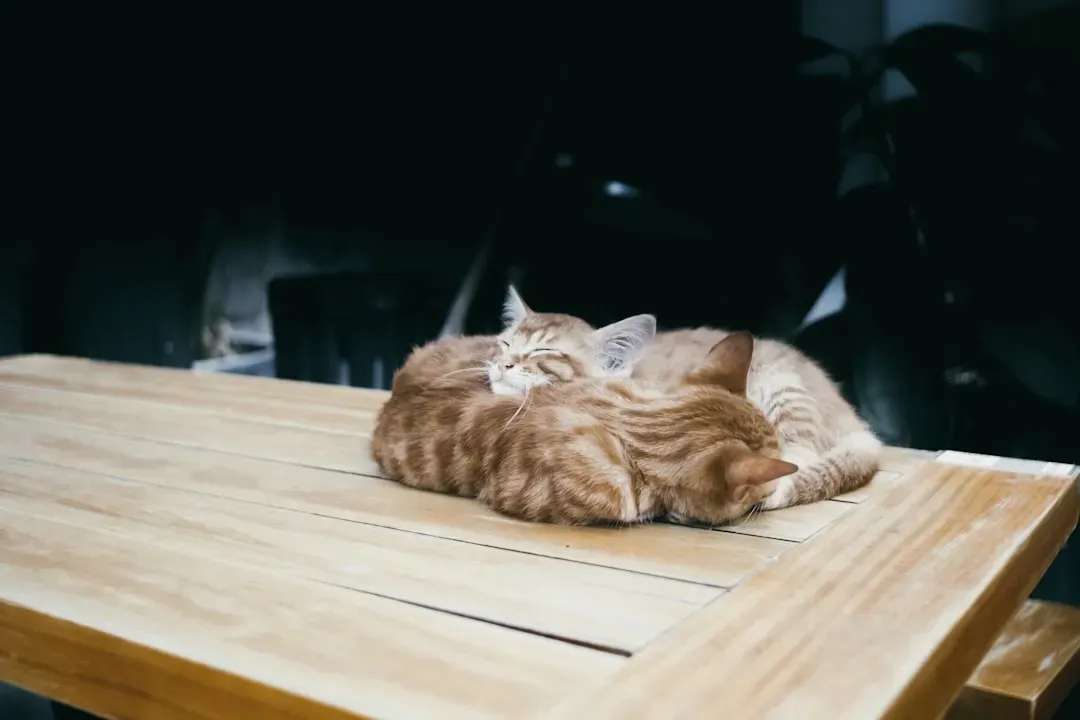
Dominant cats may claim preferred resting spots, control access to resources, initiate grooming sessions, and mark territory more frequently, though these positions can be fluid and context-dependent. Watch where your cat chooses to sleep, and you'll quickly identify the hierarchy. The highest perch, the sunniest window, the coziest bed - these all typically belong to the cat who prefers solo dominance.
When cats nap together, the dominant feline claims the coziest spot, often the softest cushion or highest perch, and you might even see the top cat draping a paw or flank over the subordinate friend. Your other pets might wait patiently for your cat to vacate a spot before claiming it themselves. Let's be real, if your cat never yields their favorite location, they're making a clear statement about their status in the household.
Controlling the Dinner Schedule
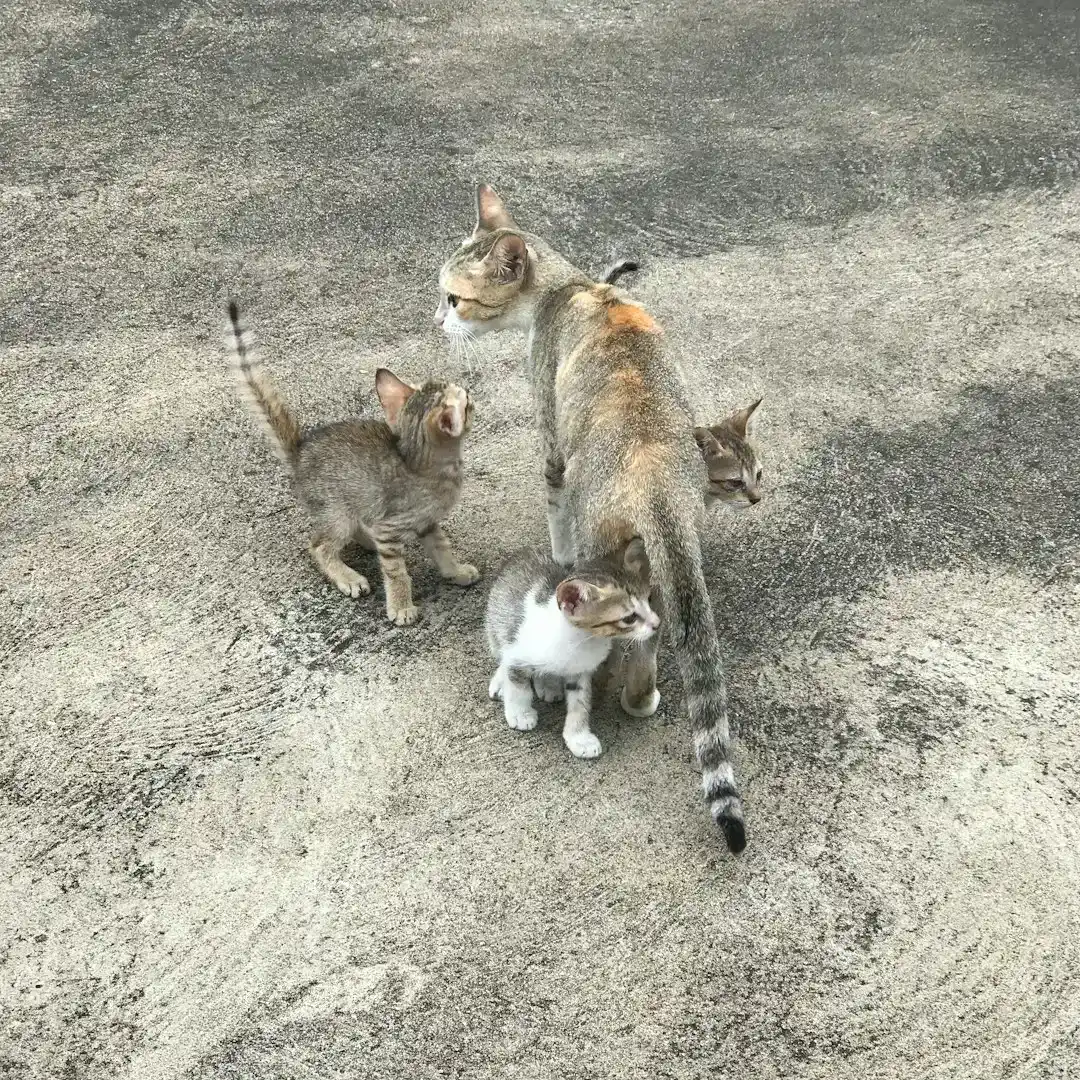
In homes where two cats share a single bowl, the dominant cat always eats first, and only after the alpha takes their fill does the lower-ranked cat approach. You've probably noticed one cat approaching the food bowl first every single time, regardless of who's hungrier. This isn't coincidence - it's hierarchy in action.
In many cases, the dominant cat will eat first or have access to the preferred food dish. Your dominant cat might not even be hungry but will still position themselves near food resources to reinforce their status. This behavior ensures other pets understand the pecking order before every meal. It's surprisingly effective at maintaining social structure without actual confrontation.
Blocking Pathways and Strategic Positioning
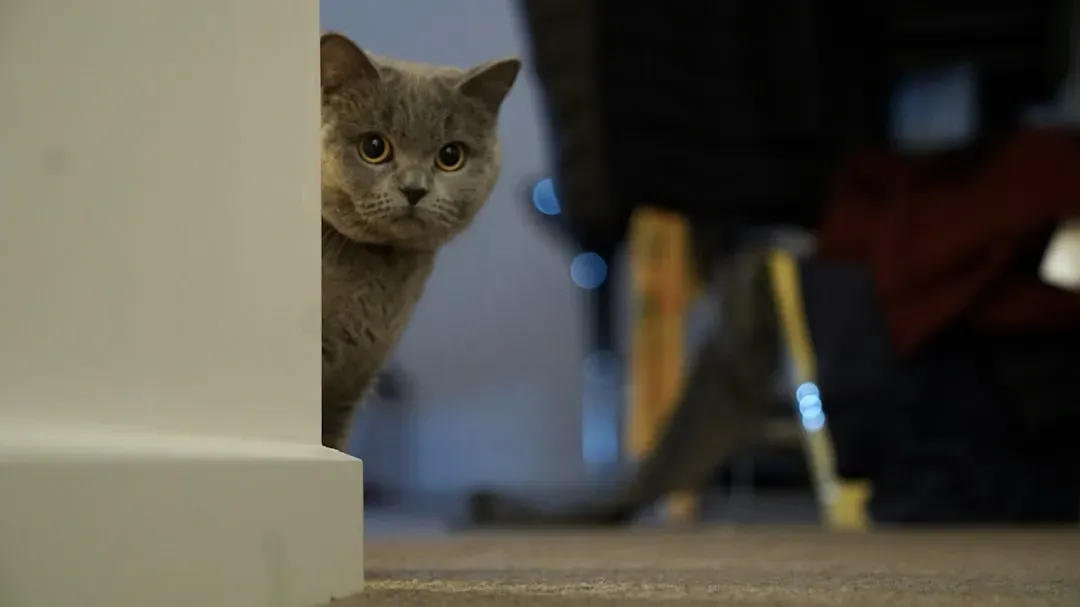
Subordinate cats often simply avoid close encounters with dominant cats by giving way spatially, and if the dominant cat is walking down the same path as the subordinate or toward the chair the subordinate is lying on, the subordinate will simply deviate off the path. Your cat who prefers solo dominance doesn't need to fight - they just need to occupy strategic locations. Doorways, hallways, and staircases become their control points.
You'll notice your other pets taking longer routes or waiting for your dominant cat to move before passing through certain areas. In wild colonies, dominance may be shown by a cat having preferred access to resources or by the acquisition of territory. This spatial control is subtle but incredibly effective. Your cat is essentially directing traffic in your home without ever raising a paw in aggression.
The One-Sided Grooming Dynamic
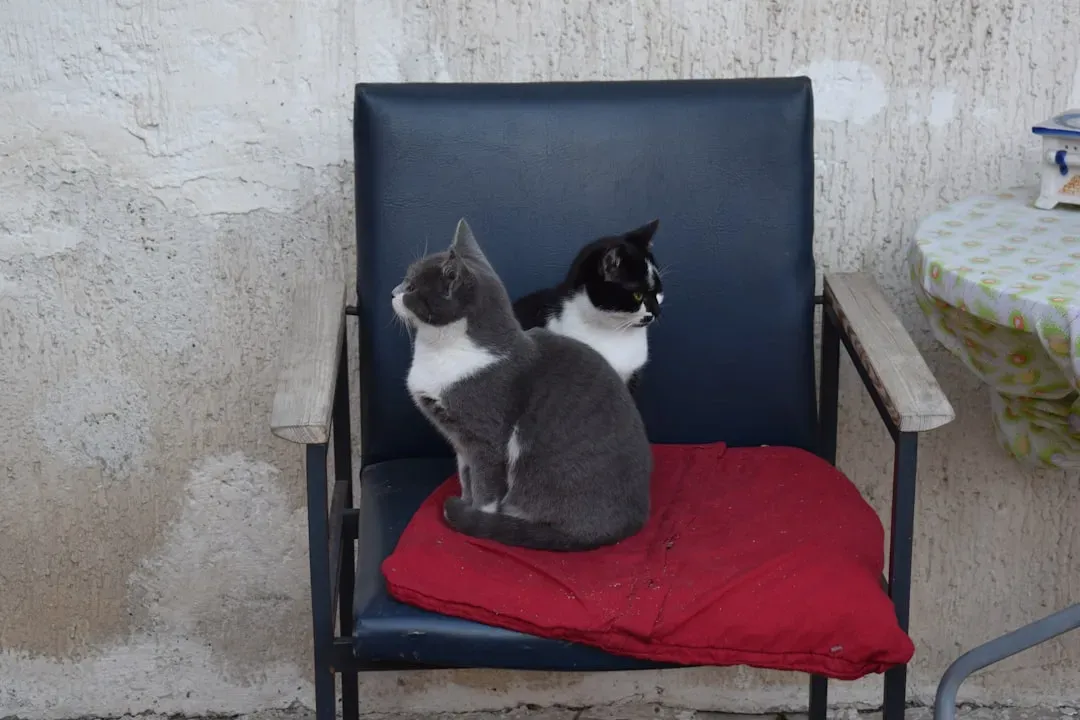
Even though cats only groom each other if they're friends, it can also be a sign of dominance, as researchers have found that higher-ranking cats in a colony are more likely to groom lower-ranking cats, just like a mother grooms her kittens. When grooming only flows one direction, your cat is establishing who's boss. The groomer is asserting their higher status over the one being groomed.
If one cat consistently grooms the other without ever being groomed in return, this can indicate a power imbalance, with the groomer potentially asserting its role as the more dominant cat. This might look affectionate on the surface, but honestly, it's a power move. Your cat is demonstrating control while simultaneously maintaining the social bond. Clever, right?
Initiating and Ending Interactions
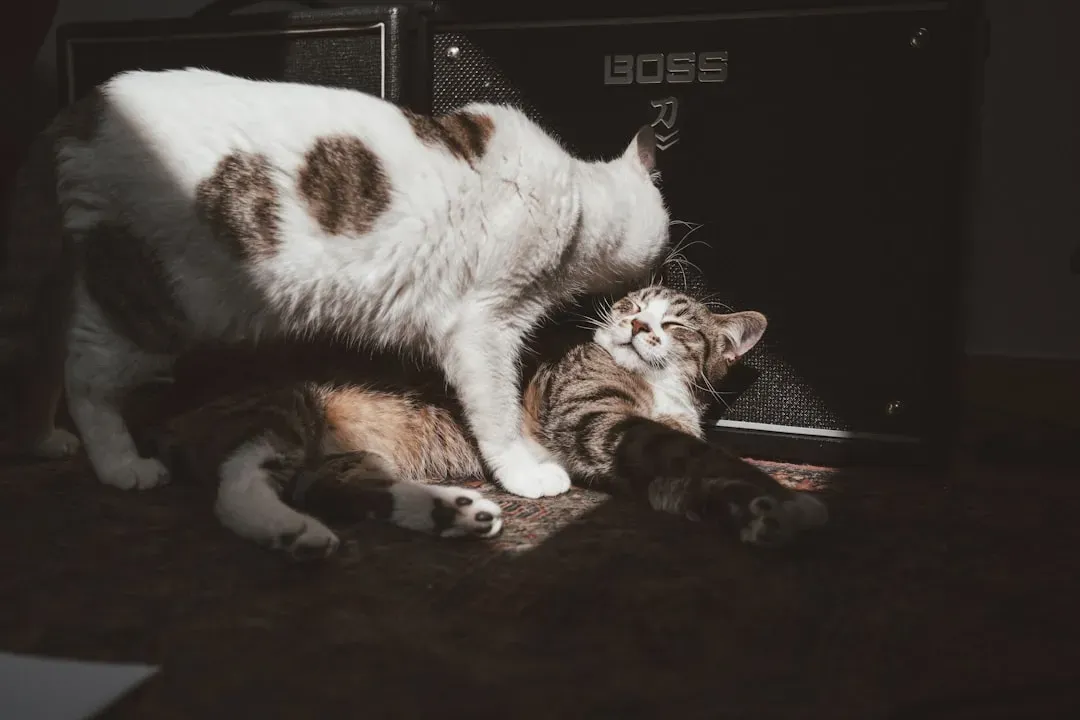
During play, the dominant cat often decides when play begins and ends, and might also control the toys or play space, with younger or more submissive cats waiting for permission to join. Your cat who prefers dominance walks away when they're done interacting, regardless of whether the other pet wants to continue. They set the terms of engagement every single time.
You'll observe your dominant cat approaching other pets on their schedule, not when the other animal initiates contact. The top cat or dominant cat is the one that controls resources within the group, and the other cats within the group will defer to the alpha cat and allow it to eat first or take the best sleeping spot. This unilateral control over social interactions reinforces their preferred position without requiring aggression or confrontation.
Subtle Body Language of Superiority
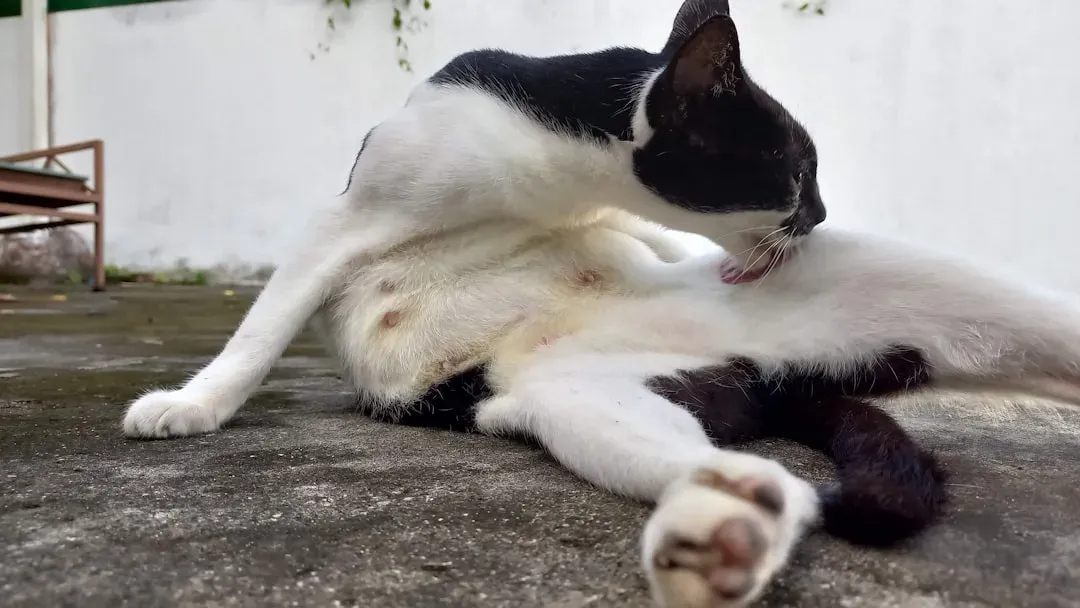
Upon encountering dominant cats, subordinate cats will exhibit subtle behaviors like looking away, lowering ears slightly, turning the head away and leaning back, and in more intense encounters, they will flatten ears against the head, lower and curl the tail lateral to the thigh, turn the head to the side and crouch. Your dominant cat doesn't need to hiss or swat - their body language says it all. A direct stare, standing tall, ears forward, these signals communicate authority without vocalization.
Cats may give off the appearance of being dominant by the level of friendly or unfriendly interactions, but their social structure is actually much more complex than a simple linear scale. Still, your other pets read these signals clearly. They'll avert their gaze, lower their bodies slightly, or simply change direction when your dominant cat enters a room. The message is received loud and clear without a single meow.
Conclusion: Understanding Your Cat's Social Flexibility
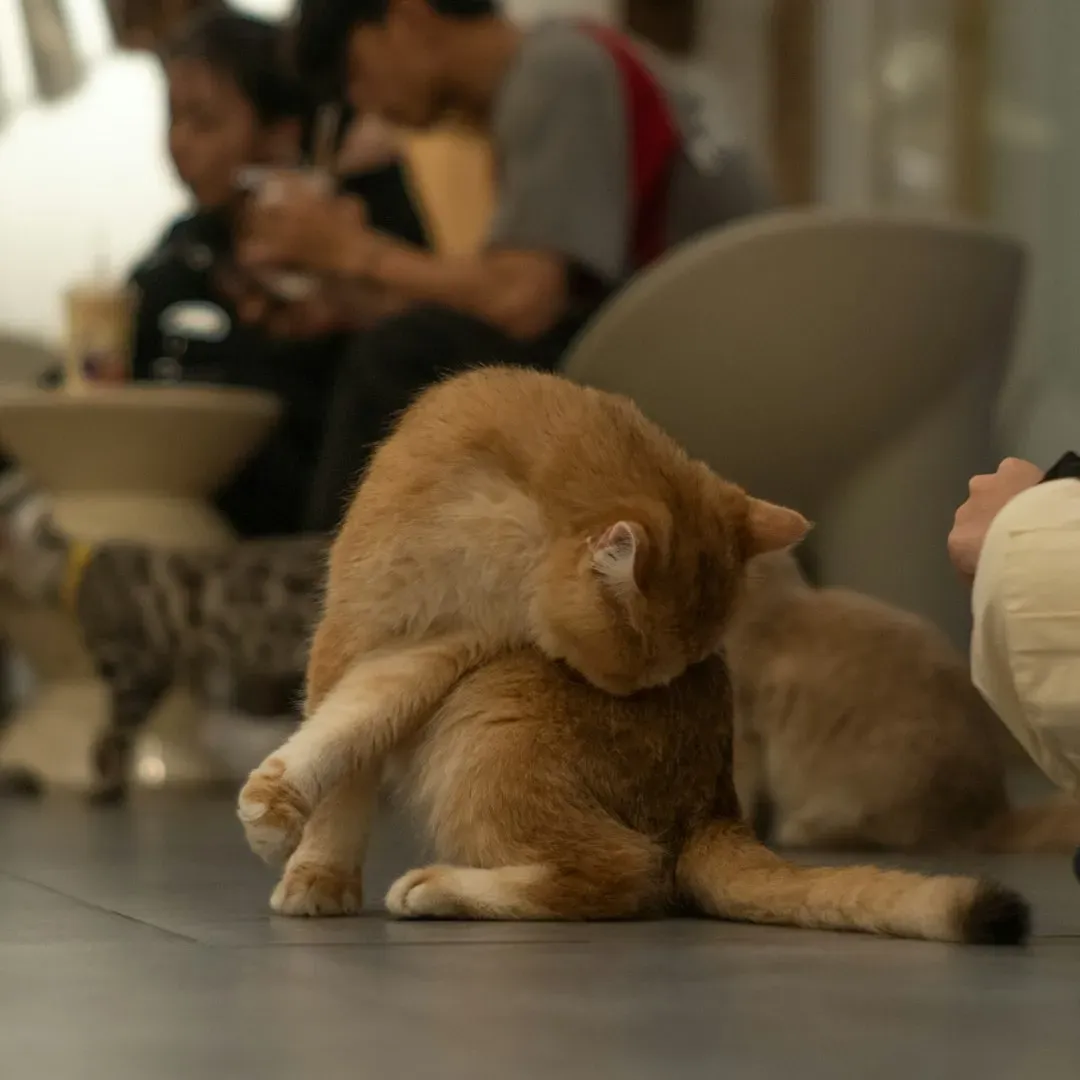
Cats are what scientists call facultatively social, meaning cats are very flexible when it comes to sociability, and in the wild, cats may be solitary or they may live happily as a member of a large colony, or somewhere in between. Your cat's behavior with other pets reflects this remarkable adaptability. They can form deep bonds when they choose to, yet they're equally capable of maintaining their independence and establishing clear boundaries.
In stark contrast to their closest wild ancestors, the domestic cat displays an impressive capacity to cohabit successfully with both humans and other cats, though at an individual level, domestic cats demonstrate substantial variability in their sociability towards both species. Every cat you bring into your home will express their own unique balance between social bonding and solo dominance. Some will lean heavily toward companionship, while others prefer to reign supreme with minimal interference.
The beauty lies in recognizing that both tendencies can coexist in the same animal. Your cat might groom your dog affectionately in the morning yet block them from the best sleeping spot by afternoon. What do you think your cat's behavior says about their preferred social style? Share your multi-pet household stories in the comments.